





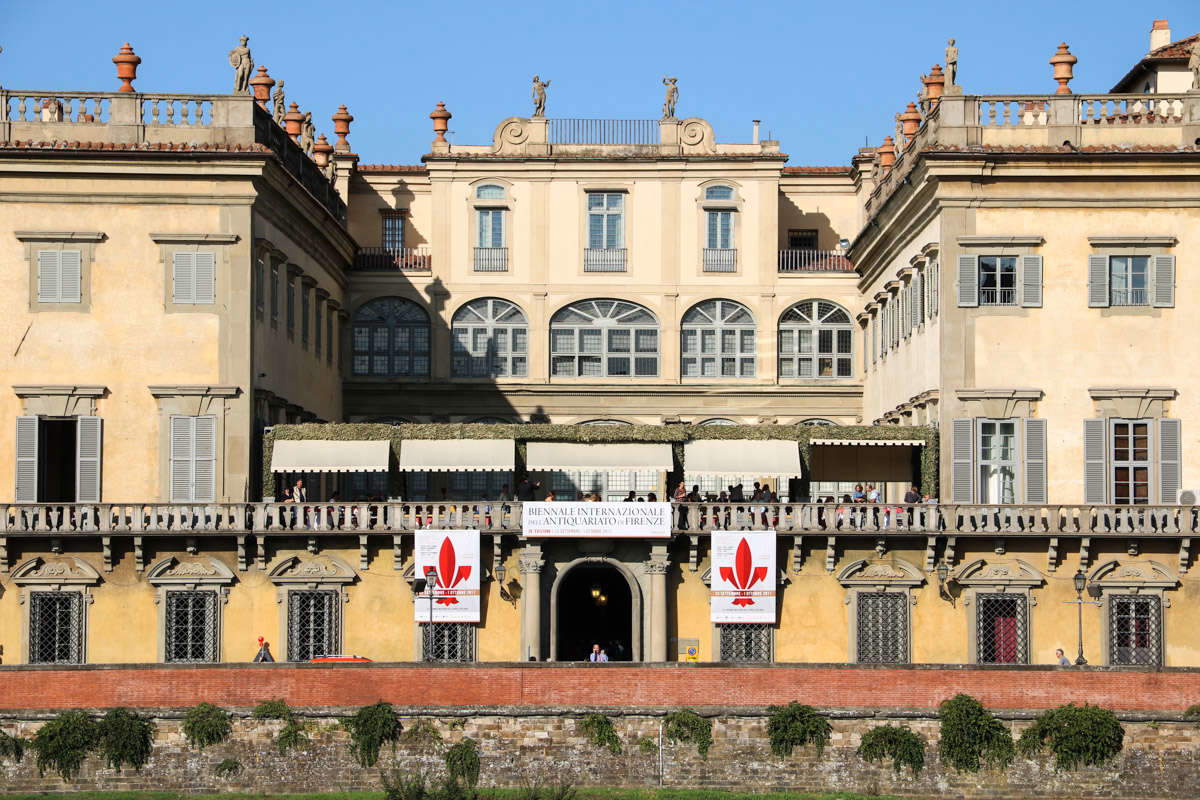
The 34th edition of the Florence International Antiques Biennale is about to kick off; it is scheduled to take place at Corsini Palace from September 26 to October 4, 2026. The event is now unveiling the main highlights of this 2026 edition. Under the direction of the new secretary general, Bruno Botticelli, who was appointed last April, the fair is consolidating its global leadership as a premier trade show, thanks to the presence of approximately eighty high-profile art dealers —from historic galleries in Milan, Rome, Florence, Bologna, Naples, and the Veneto region to prestigious names in London, Paris, Munich, Geneva, Lugano, and other locations, while simultaneously striving for deep integration with the city’s cultural and urban fabric.
The new management’s goal is to transform the Biennale’s days into a week dedicated to ancient and modern Italian art, modeled after major international events such as Art Basel or Milan Design Week, capable of attracting collectors, museum directors, and enthusiasts from around the world, while simultaneously enhancing the city’s cultural offerings. This vision is reflected in the response from the experts who make up the event ’s vetting committee, as well as in the synergy built with the region’s leading institutions, including the Fondazione CR Firenze, Casa Buonarroti, the Opificio delle Pietre Dure, and the Fondazione Palazzo Strozzi.
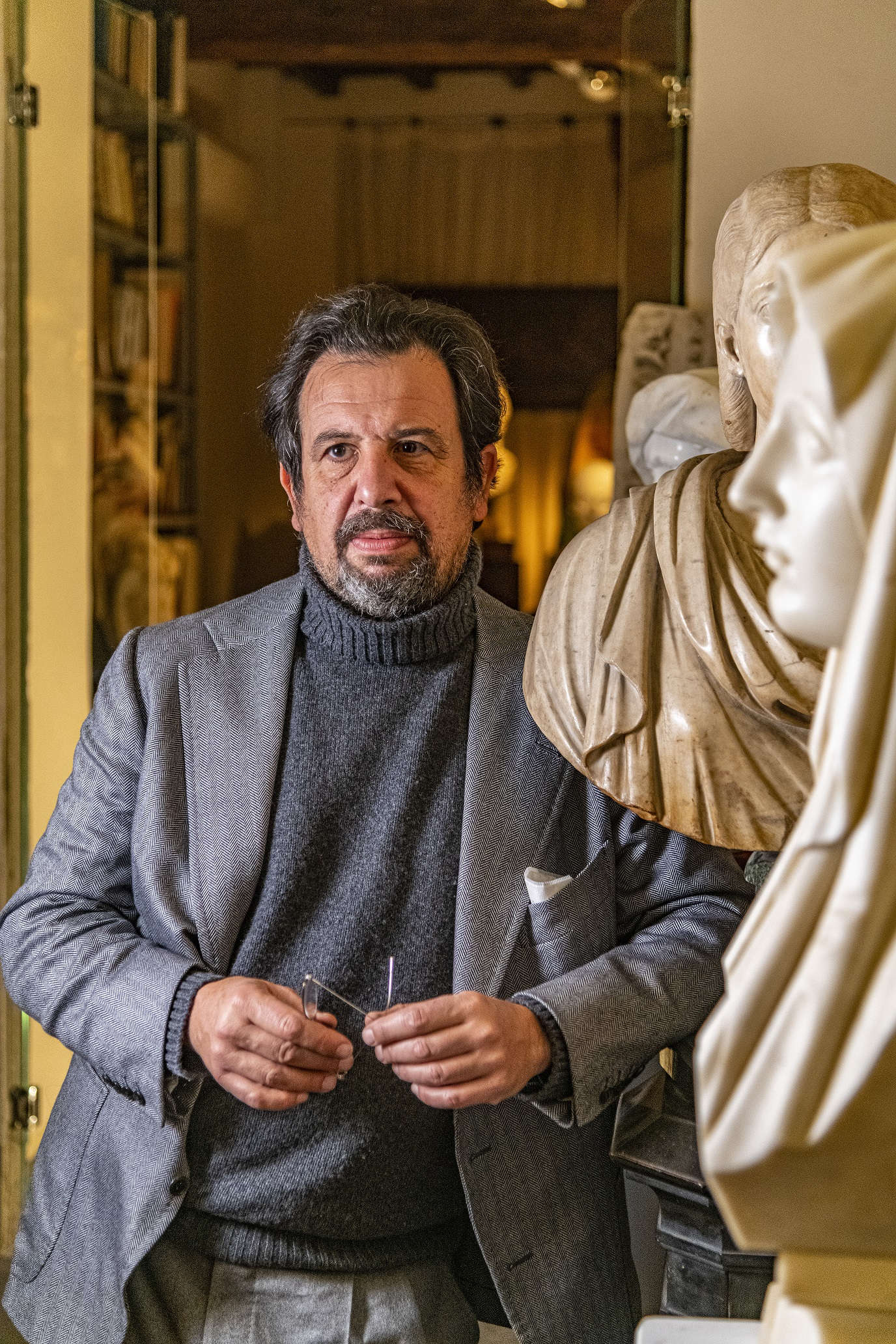
Bruno Botticelli described the BIAF as “a true celebration of Italian art.” It is, he stated, the only event in the world “with such a specialized focus on our heritage.” The beauty of Corsini Palace and the city of Florence make it much more than just an art fair: it is an immersive cultural experience. The bond between BIAF and Florence must be strengthened even further: its biennial schedule and the extraordinary opportunities for visits that arise around the fair make this event unique and inimitable.”
Botticelli’s appointment marks a continuation of the tradition established over the years by his predecessors Fabrizio Moretti and Giovanni Pratesi, even as times change rapidly: in an era dominated by digital acceleration and artificial intelligence, BIAF 2026 thus aims to bring the values of the past back to the forefront—namely , uniqueness, authenticity, craftsmanship, and durability, positioning itself as a cultural education ecosystem capable of engaging with design, fashion, and high-end craftsmanship, with the aim of fully promoting “Made in Italy,” while also placing particular emphasis on educational programs for young people.
Corsini Palace will host exhibitors during the two days prior to the public opening, when a selection committee composed of over sixty leading experts—including restorers, museum directors, and curators—will examine all works submitted by gallery owners to ensure their condition and authenticity. The scientific committee responsible for the vetting process is divided into a section dedicated to painting, chaired by Jean-Patrice Marandel with Carlo Falciani and Carl Strehlke serving as co-chairs (composed of Daniele Benati, George Bisacca, Anna Bozena Kowalczyk, Stefano Causa, Sonia Chiodo, Maria Cecilia Fabbri, Carlo Falciani, Luca Fiorentino, Gaudenz Freuler, Arturo Galansino, Loredana Gallo, Peter Kerber, Richard Knight, Francesco Leone, Jean-Patrice Marandel, Chair, Fernando Mazzocca, Alessandro Morandotti, Raffella Morselli, Gianni Papi, Nicoletta Pons, Giuseppe Porzio, Furio Rinaldi, Sergio Risaliti, Daniele Rossi, Carl Strehlke, Angelo Tartuferi, Maria Cristina Terzaghi, Caterina Volpi, Emanuele Zappasodi), and a group dedicated to sculpture, led by Andrea Bacchi and coordinated by Riccardo Bacarelli (whose members include Sandro Bellesi, Silvestra Bietoletti, Laura Cavazzini, Maichol Clemente, C.D. Dickerson, Aldo Galli, Giancarlo Gentilini, Simone Guerriero, Francesco Leone, Marco Longari, Fernando Mazzocca, Riccardo Naldi, Walter Padovani, Alfonso Panzetta, Claudio Pizzorusso, Mauro Pratesi, Alberto Salvadori, Mario Scalini); and a commission for furniture and decorative arts, coordinated by David Sestieri (experts: Adriano Amendola, Marco Arosio, Dora Liscia Bemporad, Simone Chiarugi, Enrico Colle, Andrea De Miglio, Roberto Fersini, Maurizio Fioravanti, Claudio Franchi, Riccardo Franci, Marino Marini, Massimo Moretti, Alfonso Panzetta, Pier Maria Scagliola, Valerio Terraroli).
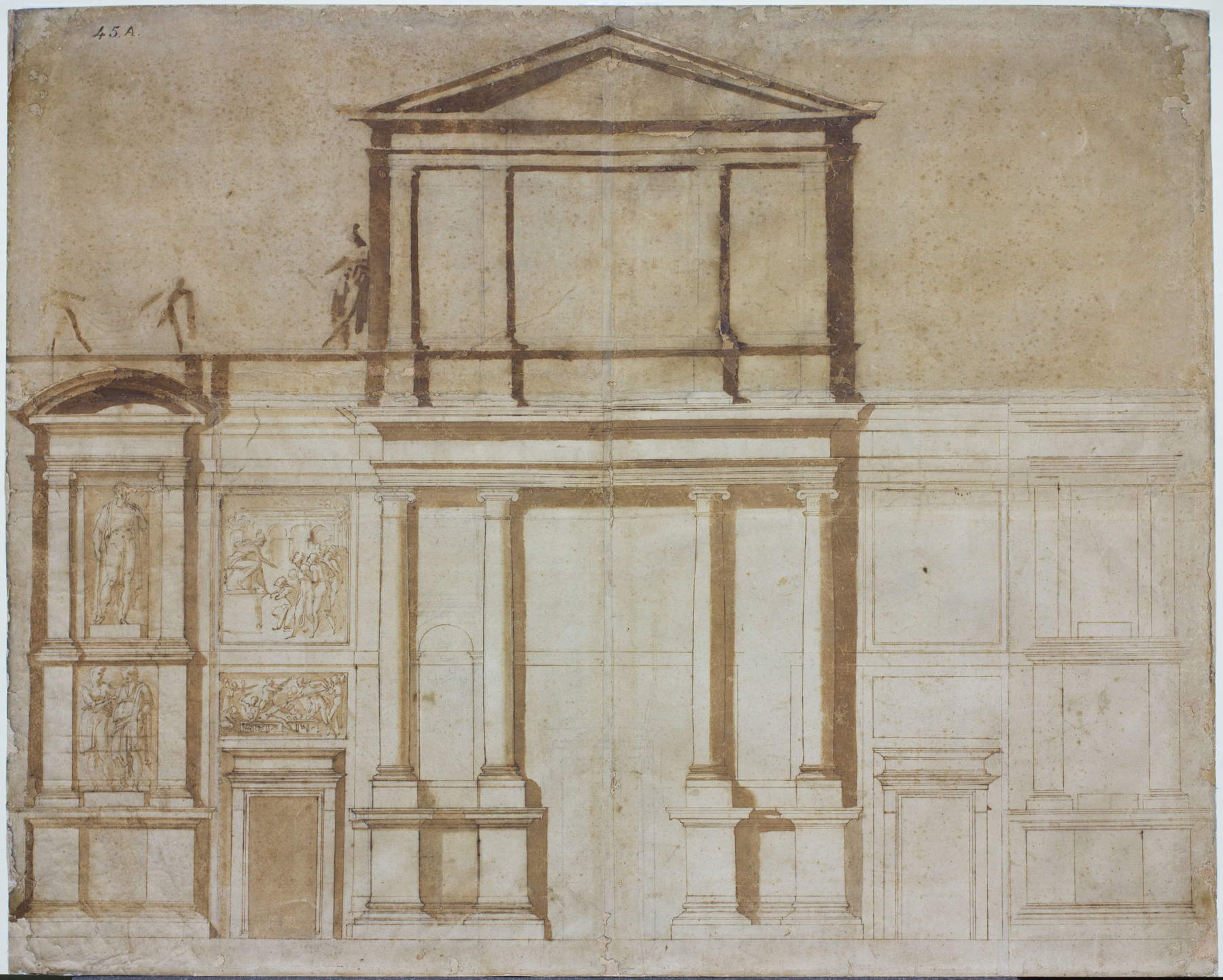
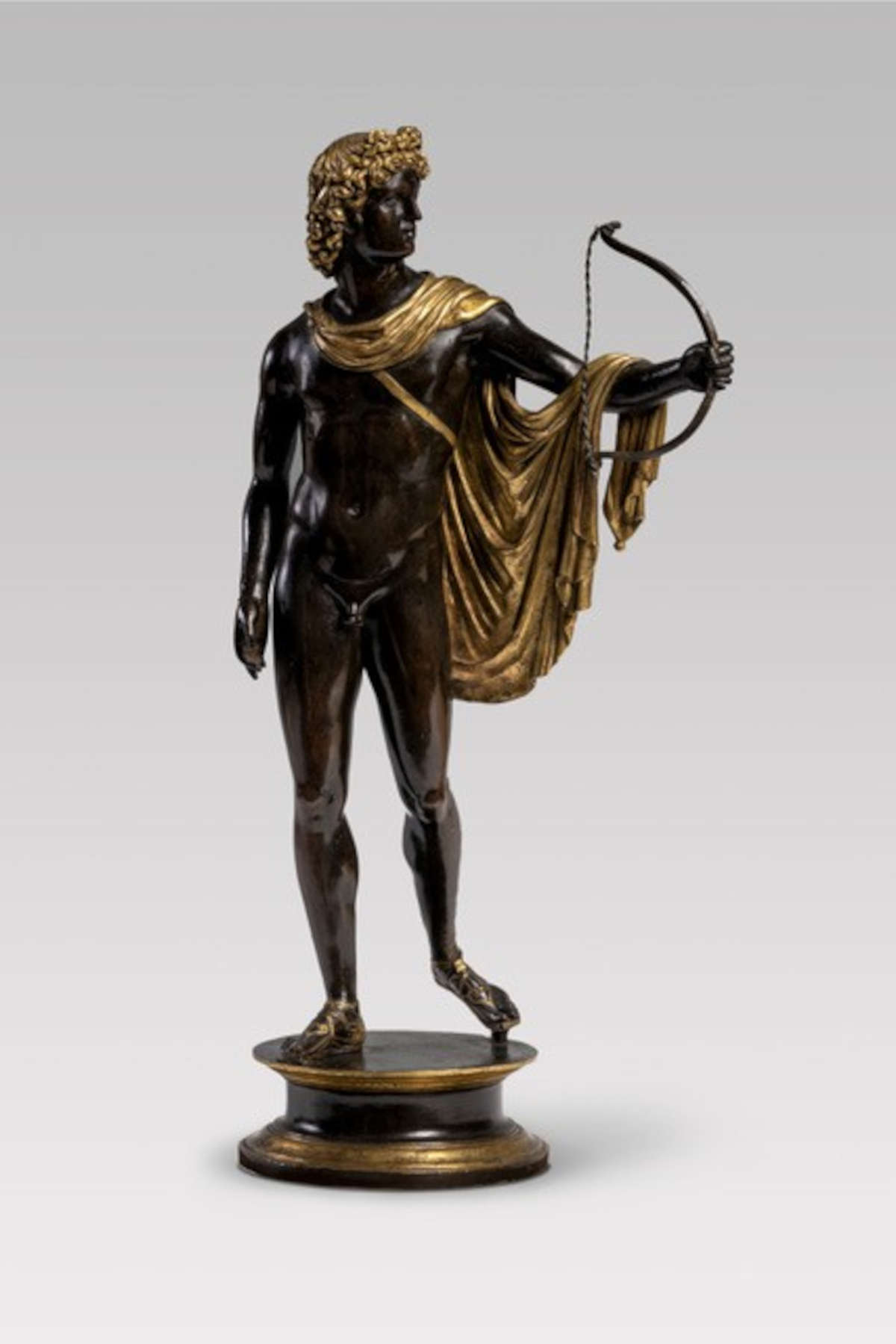
Among the highlights of this edition is the exceptional exhibition, in the Throne Room of Corsini Palace, of Michelangelo’s drawing for the never-realized design of the façade of the Basilica of San Lorenzo, housed at Casa Buonarroti and the subject of a thorough diagnostic and conservation intervention conducted by the Opificio delle Pietre Dure, fully funded by the Fondazione CR Firenze. The preliminary diagnostic campaign took place in August at the Opificio’s laboratories at the Fortezza da Basso and was followed by the actual restoration. Another distinguished guest at the Biennale will bethe bronze Apollo del Belvedere by Pier Jacopo Alari Bonacolsi, dated to approximately 1498–1502, on loan from the Giorgio Franchetti Gallery at the Ca’ d’Oro in Venice, whose complete restoration and reinstallation are being funded by the Venetian Heritage Foundation, reflecting a collaboration between the public and private sectors.
Reciprocity agreements and cross-discounts for BIAF visitors have also been established with the Civic Museums of Florence, including Palazzo Vecchio, the Santa Maria Novella complex, the Museo Novecento, the Stefano Bardini Museum, and the Brancacci Chapel, as well as with Casa Buonarroti and the Palazzo Strozzi Foundation, on the occasion of the exhibition *Broken: The Power of the Fragment*, which will open to the public on September 26. On this occasion, an Italian-style garden will be set up in Piazza Strozzi, adorned with antique sculptures provided by Biennale gallery owners, marking the return of antique dealers to the place where the BIAF was founded in 1959. Among the events scheduled in the city, Monday, September 28, features the presentation of two Medici majolica pieces donated to the Museo di San Marco and a living history initiative at the Museo Bardini, featuring a dramatized tour following in the footsteps of the antiquarian Stefano Bardini.
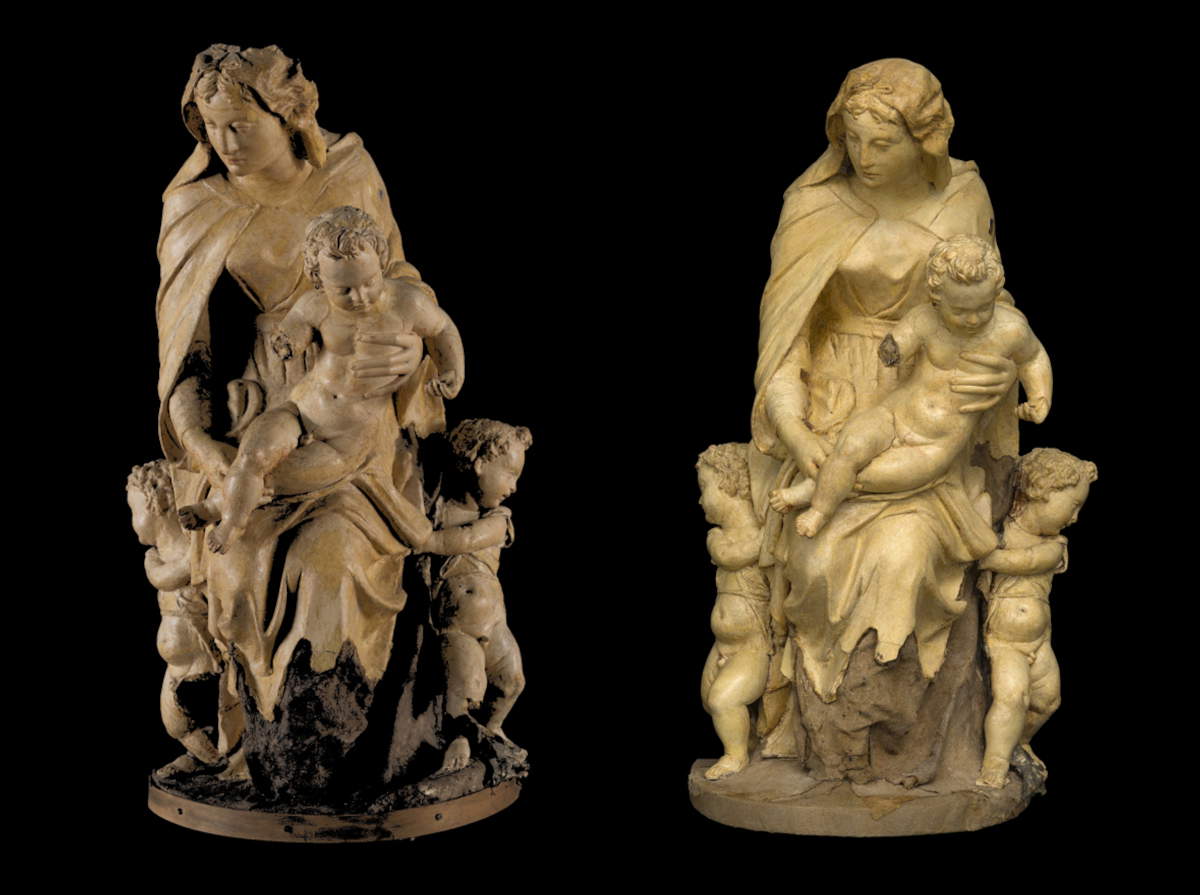
During the Biennale, Florence will become a veritable open-air theater of art. Among the highlights is the exhibition at the Jacopo Sansovino Museum of Semi-Precious Stones , “I materiali poveri,” a Venetian masterpiece featuring the Madonna and Child with two cherubs, known as the “Madonna delle Muneghette” and attributed to Jacopo Sansovino. The work, originally from Venice, has been restored to its full expressive power thanks to a complex restoration project funded by the Venetian Heritage Foundation. Other notable openings include Victor Man’s solo exhibition at the Museo Novecento, the engravings by Dürer and Parmigianino at Palazzo Medici Riccardi, the opening of the new space for the Casamonti Collection at Palazzo San Giorgio, the sculptures in the exhibition *Drama: four acts at Forte Belvedere, and the dialogue between Berlinde De Bruyckere and Michelangelo’s River God at the Accademia delle Arti del Disegno, curated by Carlo Falciani. On September 23, starting at 6 p.m., two exhibitions will also open at two Florentine antique galleries participating in BIAF: the retrospective *Silvana Weiller. Impressions Between Identity and Matter at the Galleria Marletta and *The Timeless Gaze*, a dialogue between Emily Young and the Old Masters, at the Frascione Gallery.
To ensure a high-level welcome, the BIAF has set up an information desk dedicated to arrivals at Florence Airport, operational starting September 23 thanks to a collaboration with Toscana Aeroporti and the City of Florence, where English-language materials will be distributed. The partnership with Gucci, the event’s main sponsor, is also being renewed; Gucci will oversee the hospitality for guests and exhibitors through catering provided by Gucci Garden and Gucci Osteria. The floral arrangements will be curated by Mati Piante, while the space design bears the signature of Matteo Corvino and Minotti. For the second consecutive year, International Motors will serve as the Biennale’s official automotive partner with a fleet of Range Rover vehicles, while perfumer Lorenzo Villoresi will enhance the event’s atmosphere with a citrus fragrance from his own collection.
The BIAF gala evening, by invitation only, will take place on September 24 at Corsini Palace and will feature a performance by soprano Carolina López Moreno at 10:30 p.m. on the Lungarno Corsini; the performance will also be visible to the Florentine public as it is an outdoor event. On Saturday, September 26, at Palazzo Vecchio, the opening ceremony will begin at 10:30 a.m., featuring the presentation of the Lorenzo d’Oro Award, created this year in collaboration with master Florentine silversmiths, including Pampaloni 1902, Franco Lapini, and Pestelli, and awarded to a public figure who has distinguished themselves in promoting Italian art around the world; among the guests will be artist Julian Schnabel, and the award will be presented in the presence of Mayor Sara Funaro.
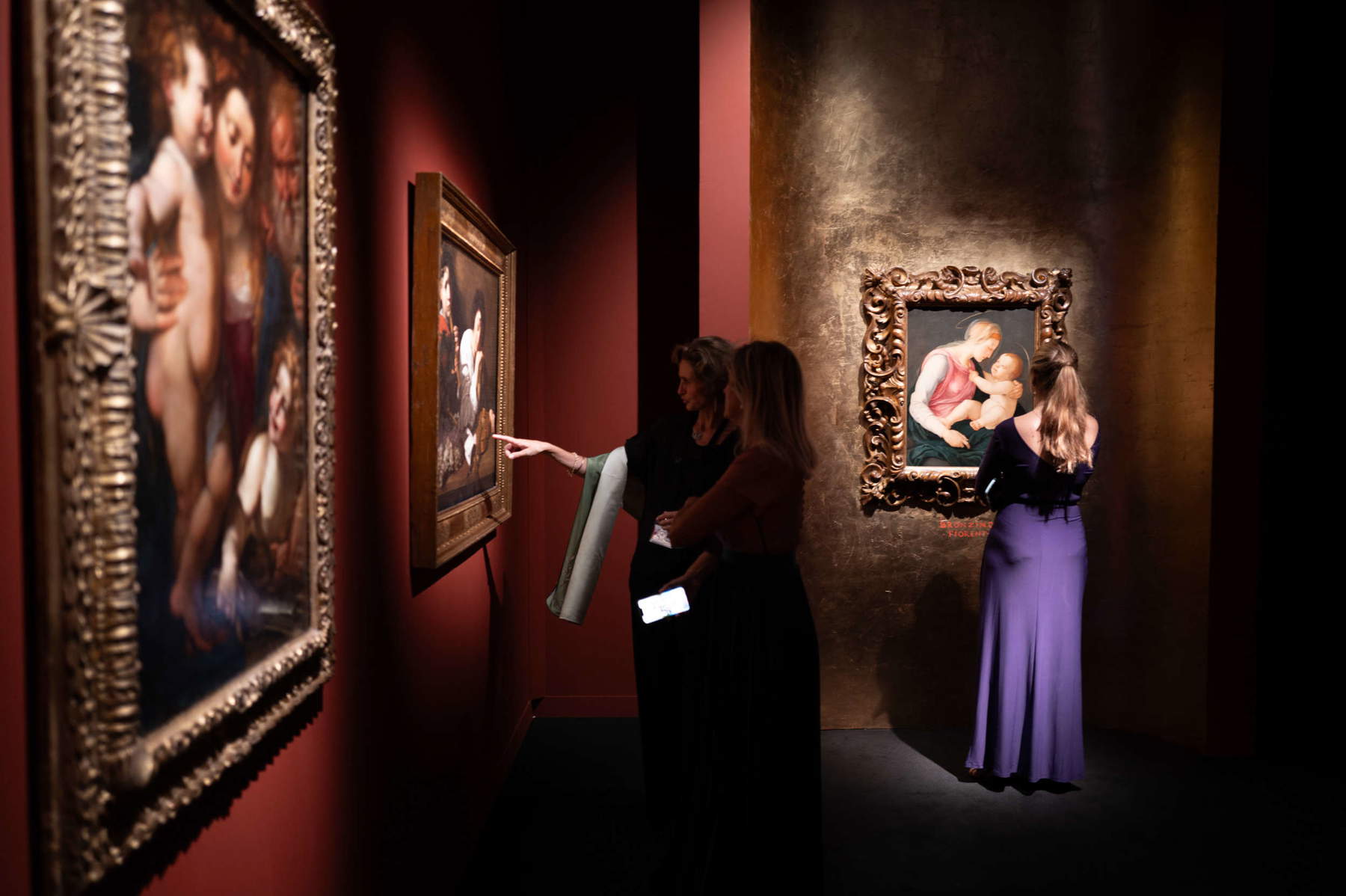
The Salone del Trono at Corsini Palace will also host, from September 25 to October 3, a packed program of talks, lectures, and book presentations featuring leading scholars and representatives of international museum institutions. The events kick off on Friday, September 25, with a discussion dedicated to the major challenges of international heritage preservation, organized by the World Monuments Fund Italy, focusing on the Raphael Legacy project and the restoration of the Vatican Loggia, followed at 4:00 p.m. by the presentation of the book *Lost & Found*, dedicated to the interiors by Celeste D’Anna, edited by Cesare Cunaccia and published by Gruppo Editoriale, in the presence of the author and D’Anna herself. The program continues with sessions dedicated to great masters, ranging from volumes honoring Angelo Tartuferi to the essay *Il mestiere del conoscitore. Caravaggio*, published by the Federico Zeri Foundation and edited by Anna Maria Ambrosini Massari, Andrea Bacchi, and Tomaso Montanari, as well as in-depth explorations of rediscovered masterpieces such as the paintings of Francesco Ruschi, the altarpieces of the Kingdom of Naples, the Cremonese portrait by Sofonisba Anguissola, and new studies on 14th-century Florentine art. There will also be insights into current trends in the art market, including the launch of the “Lots of Zeri” digital platform for tracing historical sources. On September 29 at 3:00 p.m., the historical novel *Finché tutto splende* by Lucia Cimini, published by Rizzoli and dedicated to the story of sisters Nedda and Gigina Necchi and the creation of the famous Villa Necchi in Milan, will be presented, while on October 1 at 6:45 p.m., an event titled *Very Brief Lessons in Art History – Crisis*, curated by Michele Dantini, is scheduled, dedicated to the changes and challenges artists have faced over the centuries regarding the idea of producing a masterpiece. The series of events will come to a close on Friday, October 2, with the official closing ceremony and new publications by Marco Riccomini and publisher Umberto Allemandi, while the final farewell on Saturday, October 3, will feature a roundtable discussion led by Maria Chiara Donnini, aimed at mapping out the future of the international antiques market.
Among this edition’s new publications is also the transformation of the fair’s historic magazine into a true official catalog, a bilingual volume with refined graphic design, edited by Cesare Cunaccia and published by Gruppo Editoriale, conceived as a lasting resource for scholarly exploration through essays by curators, scholars, and directors of leading international museums. The Biennale will be open daily from 10:30 a.m. to 7:30 p.m., with the ticket office open until 7:00 p.m. Full-price tickets cost 25 euros, while a reduced rate of 10 euros applies to residents of the Florence Metropolitan Area, organized groups of at least twelve people (by reservation), and visitors with disabilities and their companions; Admission is free for children under sixteen and for holders of the Biennale VIP card. Tickets can be purchased online on the TicketOne website.
The Biennale will host approximately eighty exhibitors carefully selected from among the leading figures in the national and international art market. Below is the complete list: 800/900 Artstudio (Livorno–Lucca), Al Fine Art Antonacci Lapicirella (Rome), Alice Fine Art (Rimini), Altomani & Sons (Milan–Pesaro), Antichità Giglio (Milan), Paolo Antonacci (Rome), Giovanni Asioli Martini Antiquario (Imola - Bologna), Bacarelli Antichità (Florence), Giorgio Baratti Antiquario (Milan), Bottegantica (Milan), Botticelli Antichità (Florence), Maurizio Brandi Antiquario (Naples), Brun Fine Art (London - Milan), Butterfly (Lugano), Callisto Fine Arts (London), Roberto Campobasso (Naples), Cantore Galleria Antiquaria (Modena), Mirco Cattai Fine Art & Antique Rugs (Milan), Attilio Cecchetto Antiquario (San Vito di Altivole - Treviso), Alessandro Cesati (Milan), Copetti Antiquari (Udine), Cortona Fine Art (Milan), Alessandra Di Castro (Rome), Ed Gallery (Piacenza), Enrico Gallerie D’Arte (Milan - Genoa), Fondantico by Tiziana Sassoli (Bologna), Enrico Frascione (Florence), Frascione Gallery (Florence – Palm Beach, Florida), Galerie Canesso (Paris – Milan), Galleria Berardi (Rome), Galleria Continua (San Gimignano – Beijing – Boissy-le-Châtel – Havana), Galleria D’Arte Frediano Farsetti (Milan), Galleria Roberto Ducci (Florence), Galleria Gomiero (Montegrotto Terme – Padua), Galleria Marletta (Florence), Galleria Poggiali (Florence – Milan – Pietrasanta), Galleria Russo (Rome), Galleria Carlo Virgilio & C. (Rome), Gallo Fine Art (Milan – Solesino), Gallori Turchi Antichità (Florence), Michele Gargiulo “Antiquario” (Naples), Giacometti Old Master Paintings (Naples), Flavio Gianassi FG Fine Art (London), Goldfinch Fine Arts (Genoa), Hartford Fine Art - Lampronti Gallery (London), Iotti Antichità (Reggio Emilia), Matteo Lampertico Arte Antica e Moderna (Milan), Leone (Naples), Longari Arte Milano (Milan), Lullo Pampoulides (London), Maison D’Art (Monaco), Mearini Fine Art (Perugia), Milani Antichità (Solesino - Padua), Sandro Morelli (Florence), Renzo Moroni (Rome), Maurizio Nobile Fine Art (Bologna - Milan), Carlo Orsi (Milan), Orsini Arte e Libri (Milan), Osart Gallery (Milan), Walter Padovani (Milan), Parronchi Dipinti ’800-’900 S.r.l. (Florence), Pennisi (Milan), Raffaello Pernici (Rosignano Marittimo - Livorno), Piva & C. (Milan), Reve Art (Bologna), Romano Fine Art (Florence), Romigioli Antichità (Legnano - Milan), Salamon & C. (Milan), Santa Tecla (Padua), Scultura Italiana by Dario Mottola (Milan), Rob Smeets Old Master Paintings (Geneva), Società di Belle Arti (Viareggio – Milan), Gian Enzo Sperone (Sent – Switzerland), Tettamanti Antichità (Florence), Tomasso Ltd. (London – Leeds), Tornabuoni Arte (Florence – Milan – Forte dei Marmi – Rome – Paris – Crans-Montana), Verdini (Rome), Voena (Milan, London, St. Moritz).
|
| Everything is set for the 2026 Florence International Antiques Biennale: the exhibition gets a fresh look |

Warning: the translation into English of the original Italian article was created using automatic tools. We undertake to review all articles, but we do not guarantee the total absence of inaccuracies in the translation due to the program. You can find the original by clicking on the ITA button. If you find any mistake,please contact us.



















 IT
IT FR
FR DE
DE ES
ES CN
CN


