





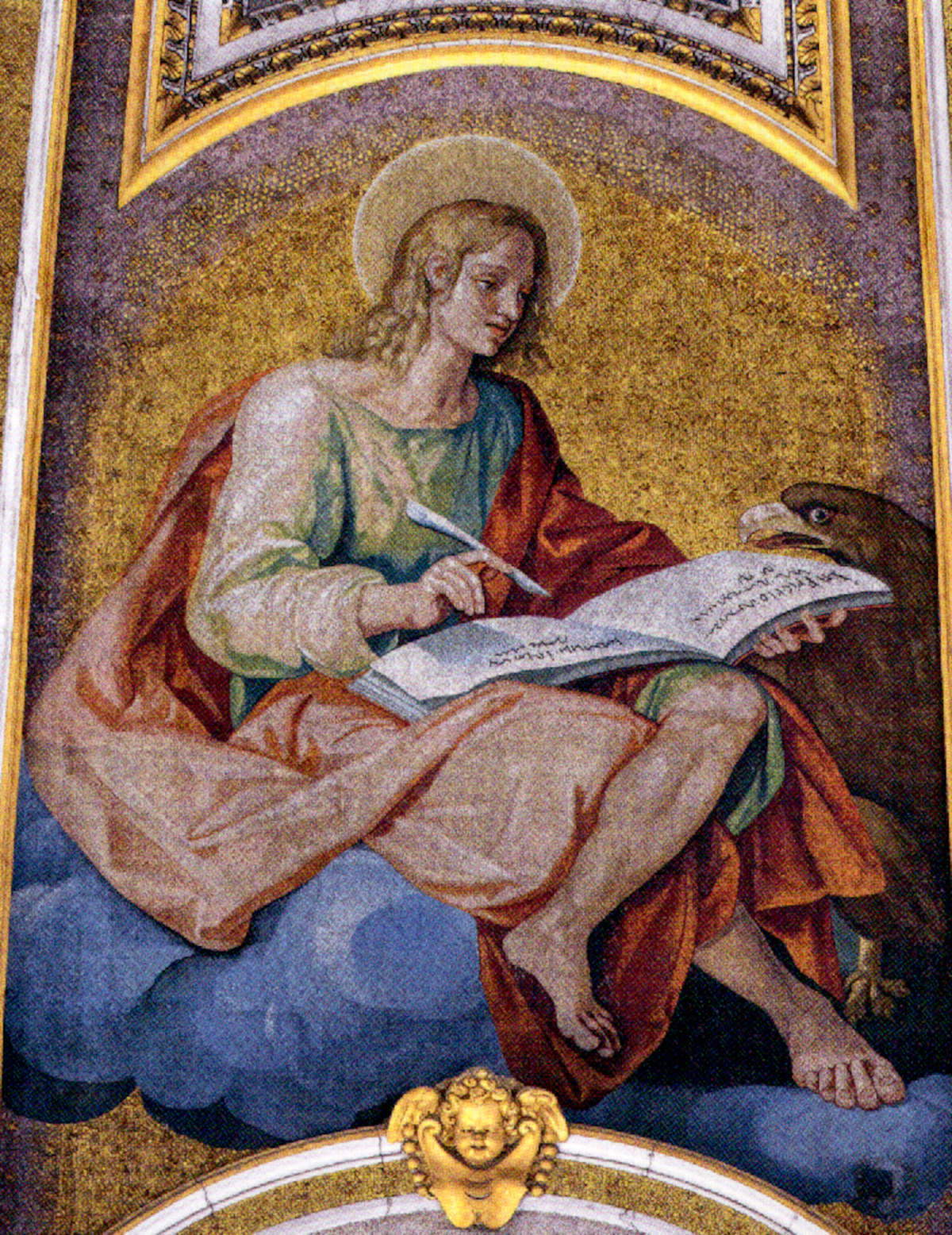
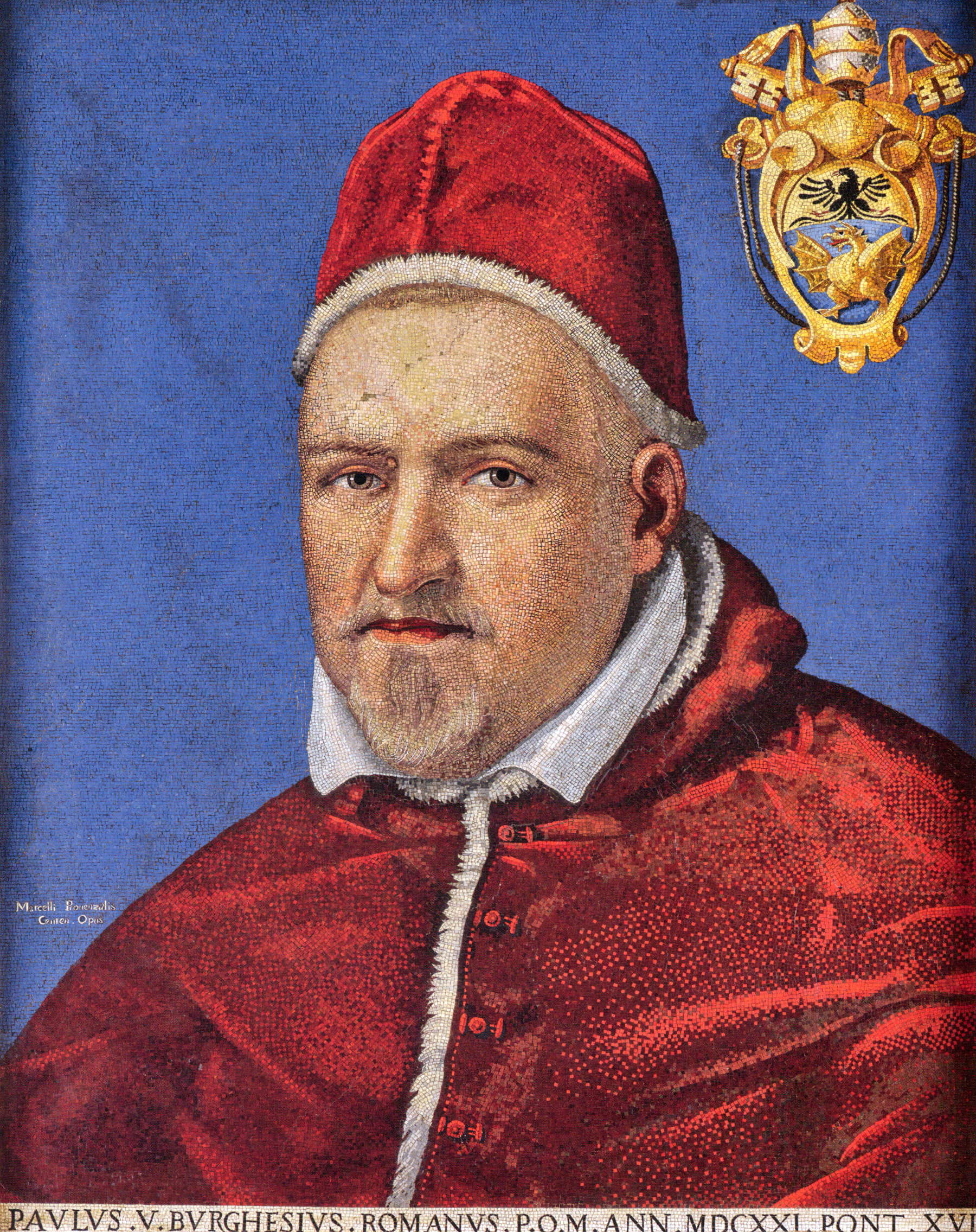
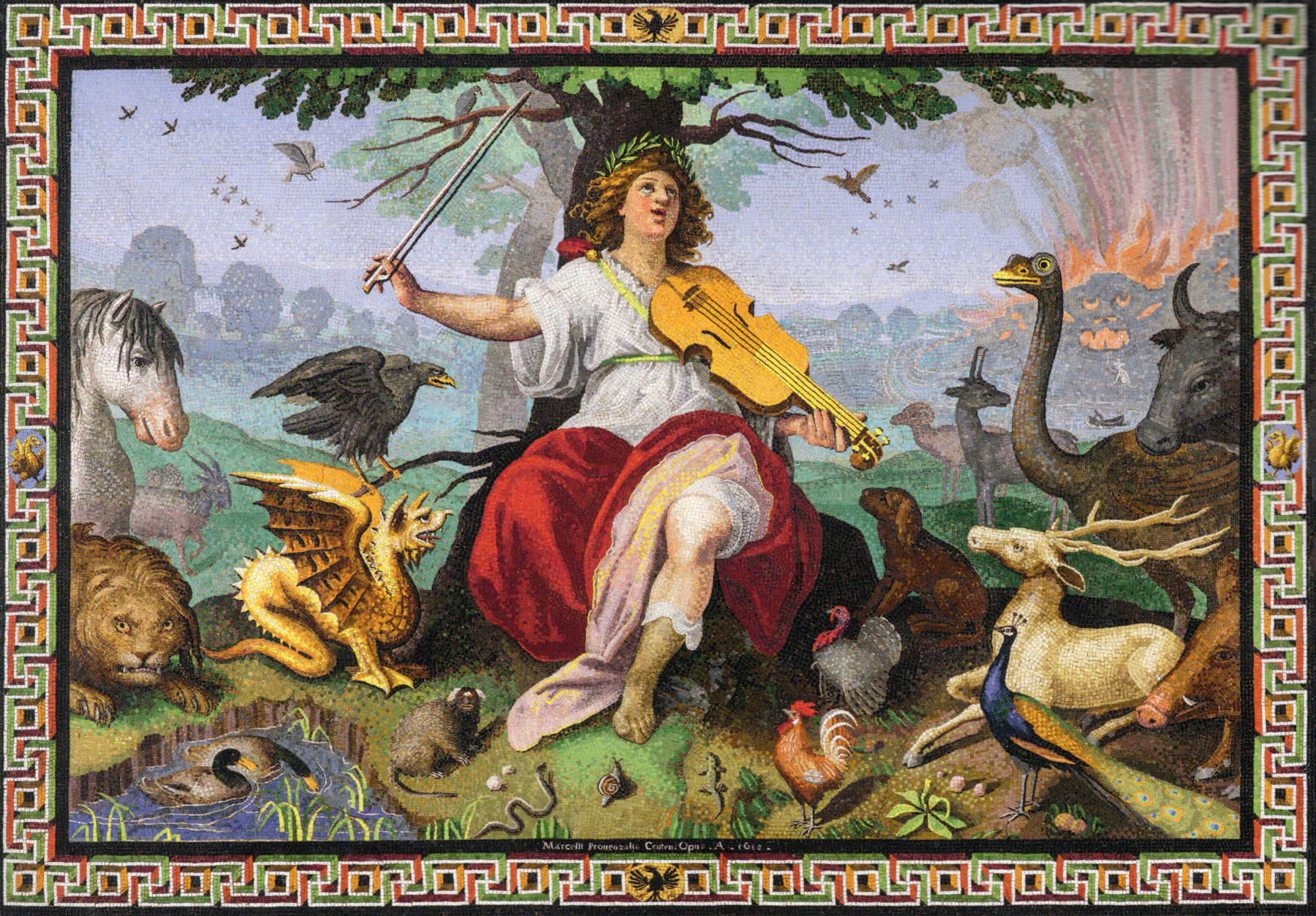
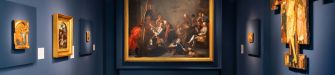
The exhibition in Cento is truly dazzling, focusing on that ancient and fascinating technique that over the centuries came to be known as “painting with colored glass”: that is, an extremely refined method of producing color images that was later adopted in Italy by a select group of artists—particularly from the 16th to the 18th centuries—who created highly specialized works for high-ranking patrons. The beautiful Silvana catalog accompanying this exceptional event is full of discoveries for many, and features truly valuable essays by such distinguished authors as Francesca Cappelletti, Paolo Di Buono, Giovanni Sassu, Tiziana Contri, Romeo Pio Cristofori, Massimo Moretti, Camilla Fiore, Timothy Verdon, Valeria Tassinari, Fausto Gozzi, and Lorenzo Lorenzini. The overall inspiration for the initiative comes from the highly distinguished Cristina Grimaldi, so close to the pantheon of art, and the execution from the ever-provident Gianni Fava.
Turning to the art itself, it must be said, first and foremost, that in both the traditional yet renewed mosaic and the “threaded” mosaic, the craftsmanship stands at the pinnacle of artistic craftsmanship due to the extreme dexterity in material preparation—since the glass tesserae are extraordinarily, albeit differently, fine—but also because they achieve an almost unlimited color palette. A mosaic, therefore, that stems from the ancient roots of stained glass yet enters an expressive realm admirably intrinsic to the art of painting. We will see some of its intimate merits in the works on display.
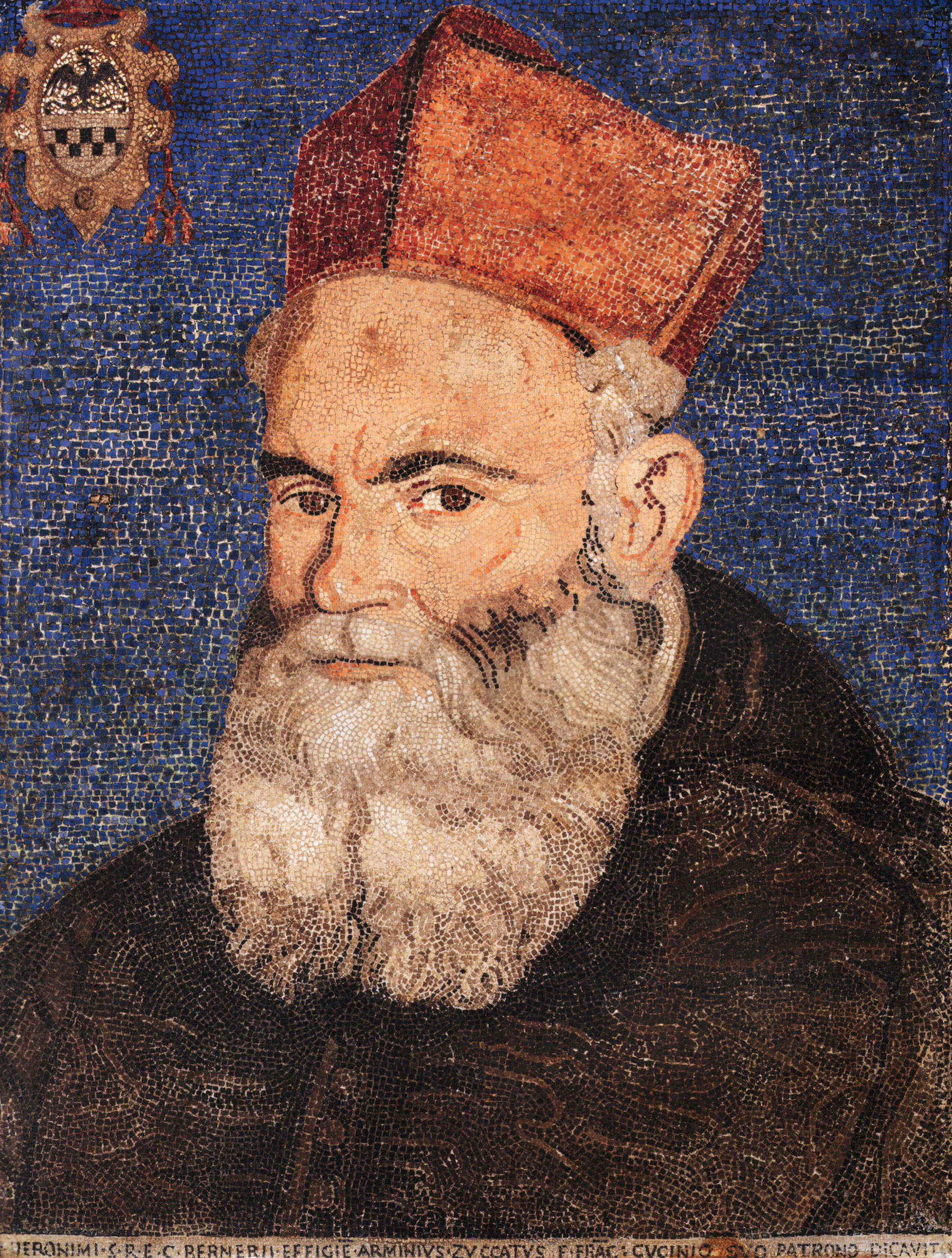
The exhibition now open in Cento—a city with a rich tradition that bears the names of Guercino, the Gennari family, and other great painters and sculptors—certainly rivals that of the Borghese Gallery, with which it is in harmony. In fact, on display in Cento is what we might call the masterpiece of masterpieces: the “Face of Christ” by Marcello Provenzale (1576–1639), an undisputed leading figure in this enchanting artistic tradition. Marcello, a native of Cento, was born fifteen years before Guercino and still carried with him the classical echoes of the Renaissance as he completed his essential apprenticeship in painting in his hometown. But it is undoubtedly his creative drive that soon propelled him to follow the elderly master Paolo Rossetti to Rome, and there that drive translated, in its purest form, into the compelling allure of colored glass mosaics. The papal privileges granted to him through rare commissions are well known, all of which came from the princely Borghese family, from which the election and subsequent reign of Pope Paul V (1605–1621) had emerged. The Provençal artist was immediately commissioned to cover the interior of Michelangelo’s dome in St. Peter’s with large mosaics, and here he threw himself into the task with exceptional vigor and magnificent dedication, while—at the same time —in his small workshop, he maintained a steady production of panels that allowed him to undertake increasingly elaborate and surprising experiments, in which, as a true master, he varied his techniques, from the preparation of enamels to the application of the “scaccheggio” technique, right up to the marvelous and almost unbelievable “filato” technique.
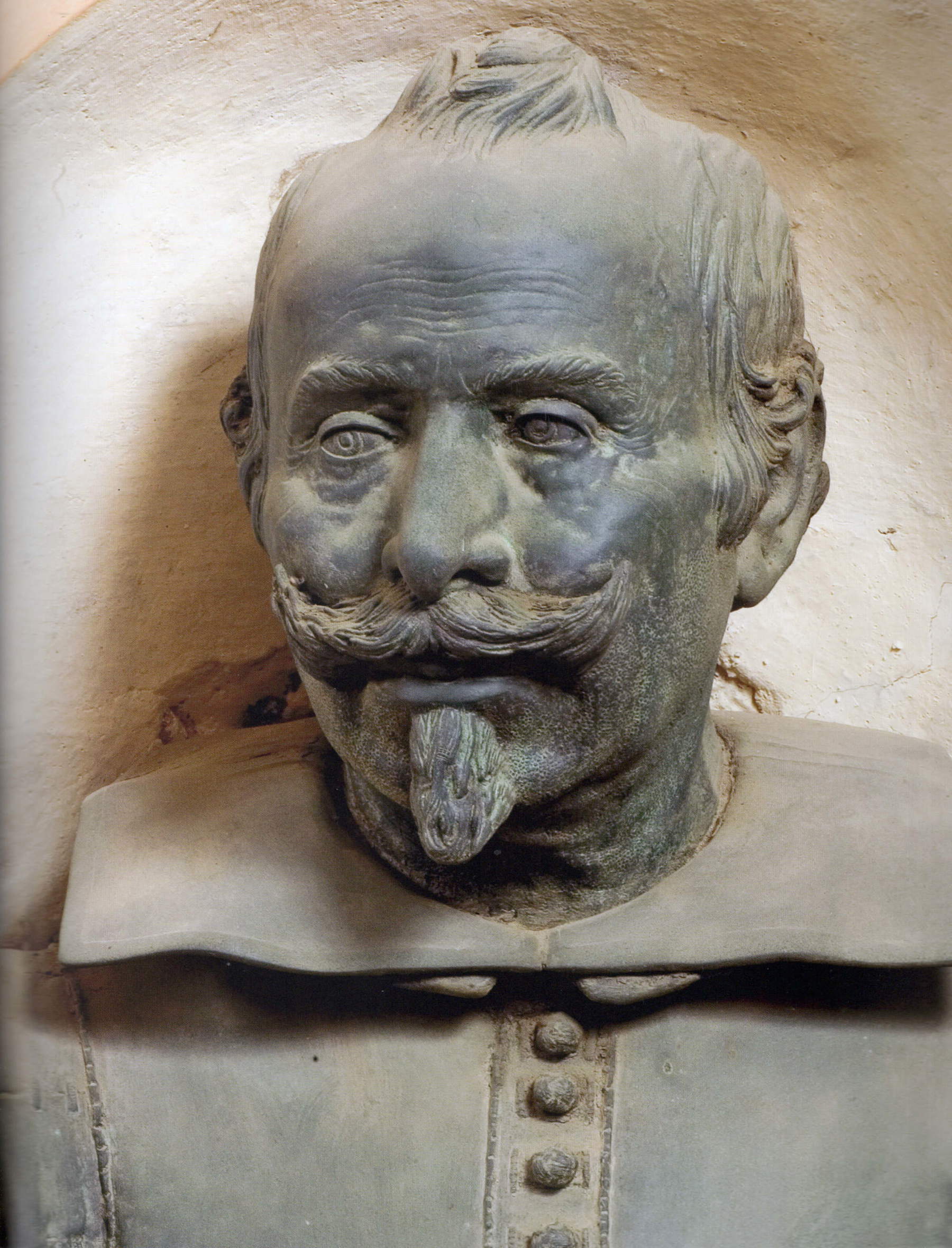
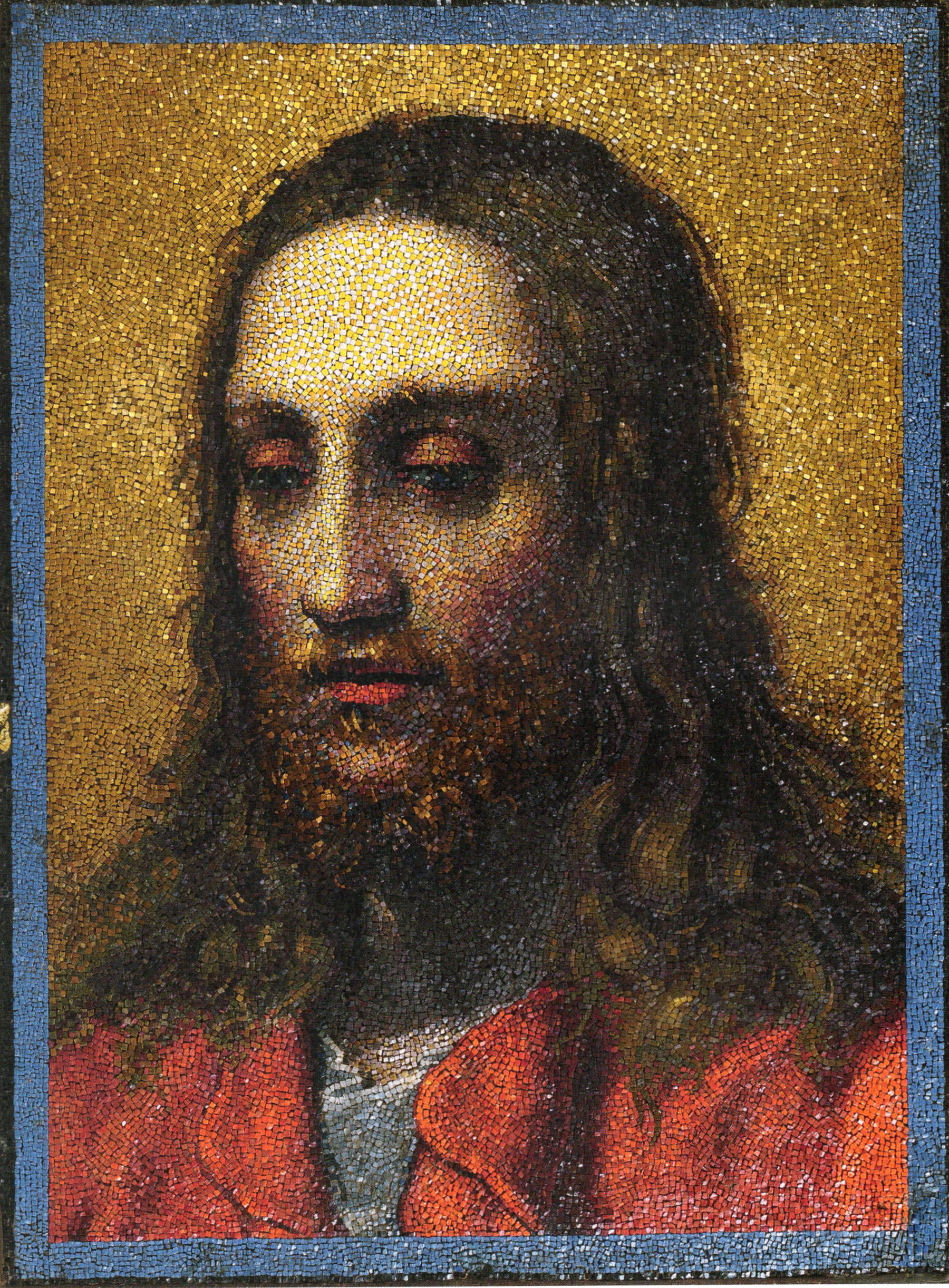
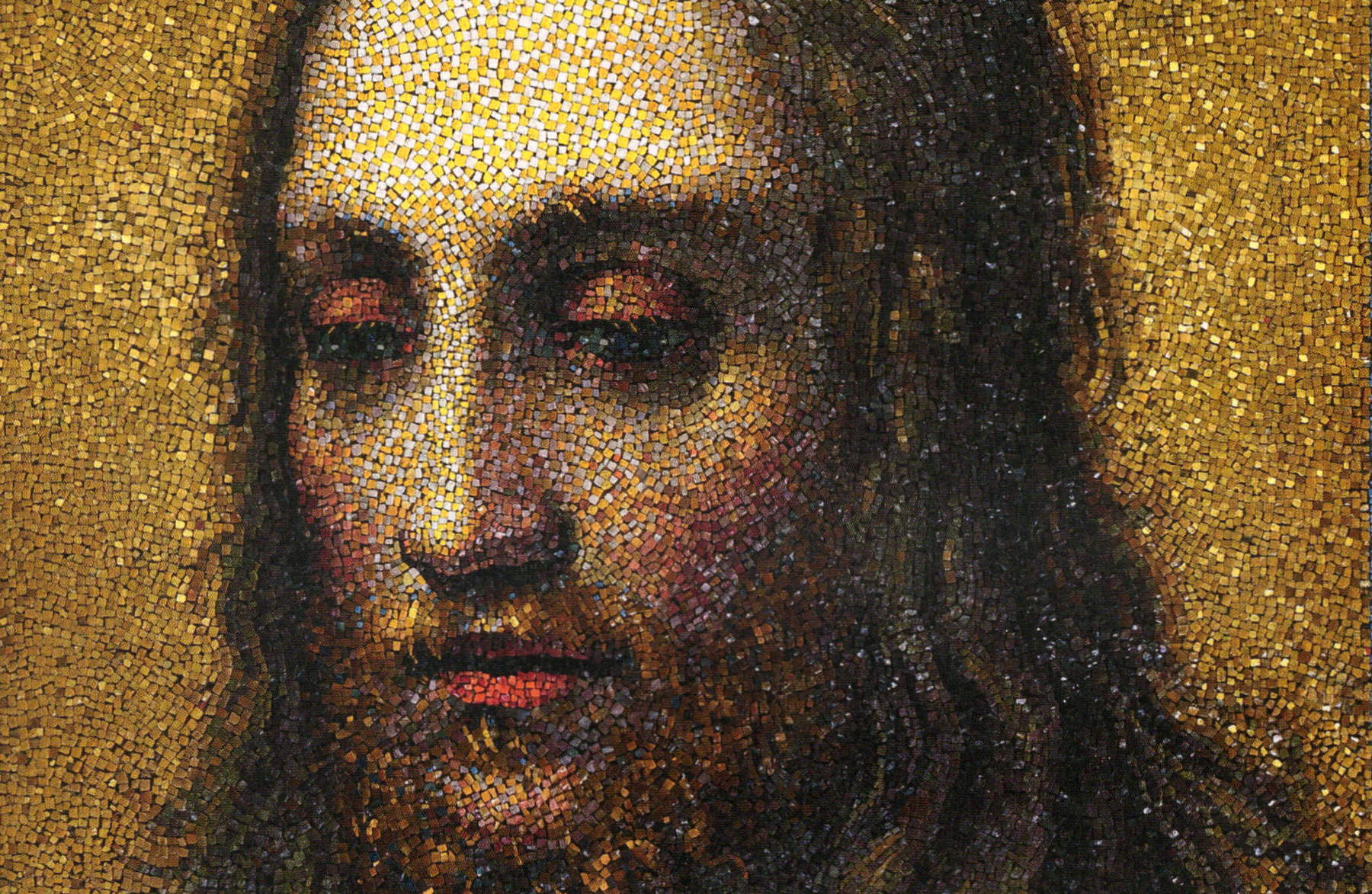
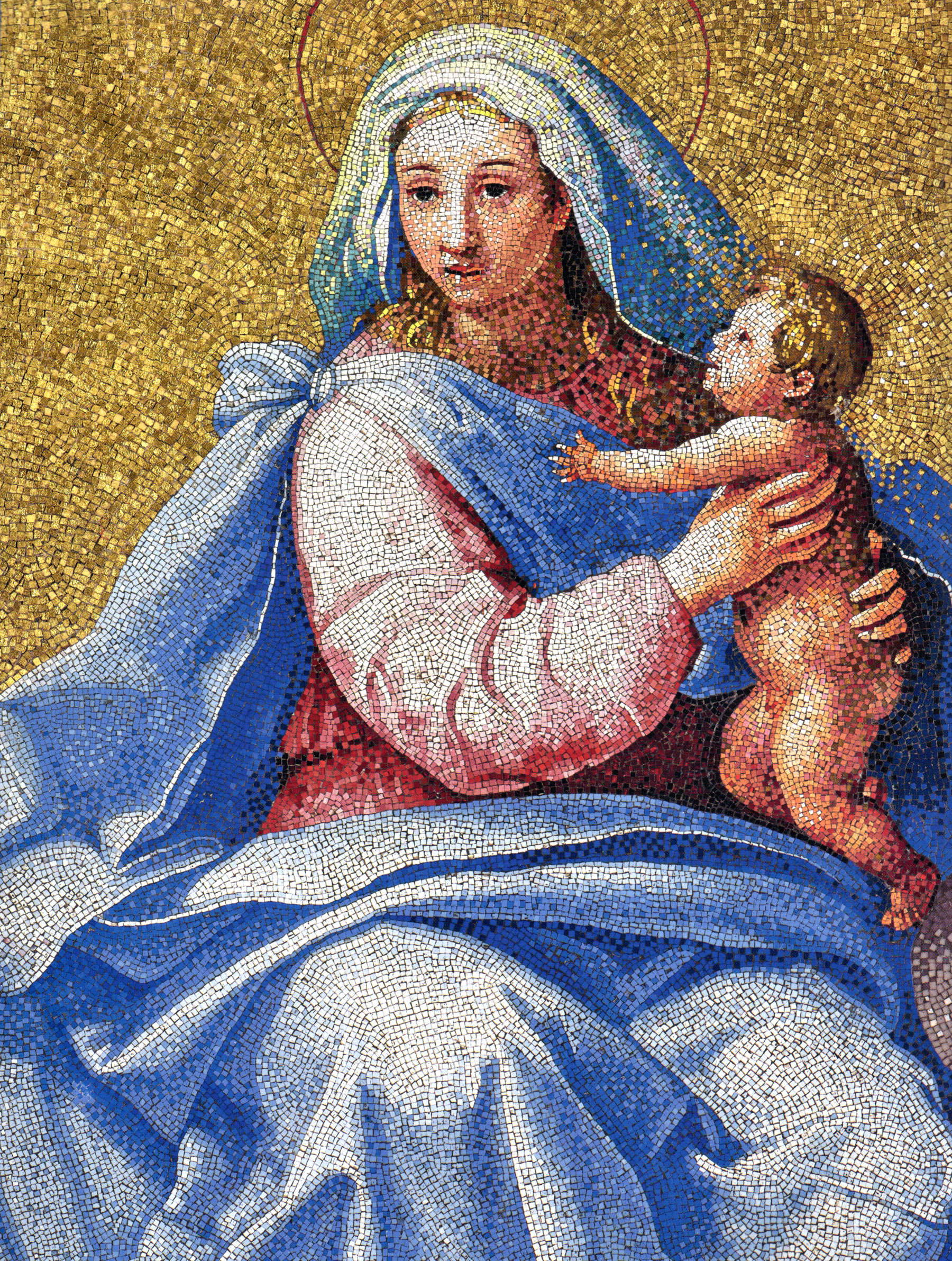
In Rome, our artist was honored by the pope with the title of Knight of the Golden Order and other benefits. He worked with impressive consistency, given the extreme precision and heightened sensitivity required for mosaic creation. He thus succeeded in creating works for various noble families featuring a wide range of subjects. At the same time, he engaged in the spiritual reflection essential to bringing any work of art to life: in this sense, his family background (he was the eleventh of twelve children) and the deep religiosity of his hometown of Cento played an essential role. We must therefore mention here a work that is entirely his own and was not originally documented. We are referring to the *Face of Christ*, dated to around 1600 in Rome, which has now becomethe *opus magnum* of the entire celebration and rediscovery of the mosaic masters—a process that is gaining momentum among an ever-wider audience thanks to this dual exhibition.
We would like to offer our own word of caution to those who today wish to visit the Pinacoteca di Cento specifically to see this work. You must approach it slowly! In fact, the sight of it evokes an emotional surge in the viewer even from a distance as they draw near, causing them to slow their steps, driven by a focus that gradually becomes sublime within each of us. It is a supernatural face that appears beyond place and time, radiating a divine gaze that contains every hint of inquiry and dialogue, but above all of inner, total communion. It is the very soul of Christ, who, in his withdrawal and pause of thought, vibrates and seeks our eyes, our response. The painterly execution is suspended in a diffuse, immaterial effusion, which places Jesus beyond the realm of the tangible yet deeply immersed in his meditation on universal salvation. For us, after the initial sense of wonder, it is this that excludes any purely sensory enjoyment, and this is the irreversible value of the artist’s creation.
This personal experience, accompanied by the words and theological depth offered in the catalog by Monsignor Timothy Verdon, ensures that the mosaic panel becomes indelibly etched in everyone’s memory and elevates the Cento Exhibition to an absolute level. Alongside the striking Face of Christ, the visitor’s experience at the Pinacoteca di Cento (a gallery meticulously curated by the associated foundation) will be wonderfully enriched by captivating masterpieces: paintings, mosaics, and sculptures. The exhibition catalog, for its part (we repeat), is a true treasure that offers extremely important insights into Italian art as a whole. With best wishes.

The author of this article: Giuseppe Adani
Membro dell’Accademia Clementina, monografista del Correggio.Warning: the translation into English of the original Italian article was created using automatic tools. We undertake to review all articles, but we do not guarantee the total absence of inaccuracies in the translation due to the program. You can find the original by clicking on the ITA button. If you find any mistake,please contact us.





















 IT
IT FR
FR DE
DE ES
ES CN
CN


