




by Emanuela Zanon 23/07/2026



Categories: Exhibition reviews / Disclaimer
At the MAST Foundation in Bologna, a major retrospective traces the work of Bernd and Hilla Becher, pioneers of industrial photography. A journey through memory, formal rigor, and the archaeology of the industrial landscape that changed the history of contemporary photography. A review by Emanuela Zanon.


Starting in the 1960s, the structural crisis in the mining and steel industries profoundly reshaped the economy and geography of those European countries that had most closely based their industrial identity on that model. Oil, which was cheaper and more versatile than coal, gradually eroded coal’s dominance as an energy source, while the import of low-cost ore from overseas made local mining increasingly unsustainable, and the large nineteenth-century plants—now technologically obsolete—were gradually absorbed by larger holding companies that streamlined production by closing the least profitable facilities. This process, after sweeping through the German Ruhr, Belgium, Luxembourg, and northern France from the start of the decade, in the following years also extended to the English coalfield, where the nationalization of the mines after World War II and the bargaining power of the miners’ union managed to postpone the systematic dismantling of the facilities until the 1970s and 1980s. This process also led to the quiet demise of the profession of corporate photographers—in-house staff tasked with documenting work, products, and the workforce according to a practice that had become established in the second half of the nineteenth century. With the closure of the factories, these visual archives, too, began to disperse, and with them the material memory of an industrial landscape undergoing irreversible transformation. It is against this backdrop—suspended between the end of an era and the urgency to preserve a trace of it—that the work of Bernd and Hilla Becher is situated. They were the first to recognize the need to photograph what was about to disappear, no longer according to the corporate logic of internal documentation, but through a perspective capable of restoring to extraction towers, blast furnaces, gasometers, and silos a formal dignity that transcends their original function, thereby consigning them to visual culture. From this insight emerged a photographic method that, over the course of nearly fifty years, would fundamentally redefine the very terms of the relationship between photography and industrial architecture, carving out a wholly original position within the international landscape of the second half of the twentieth century.
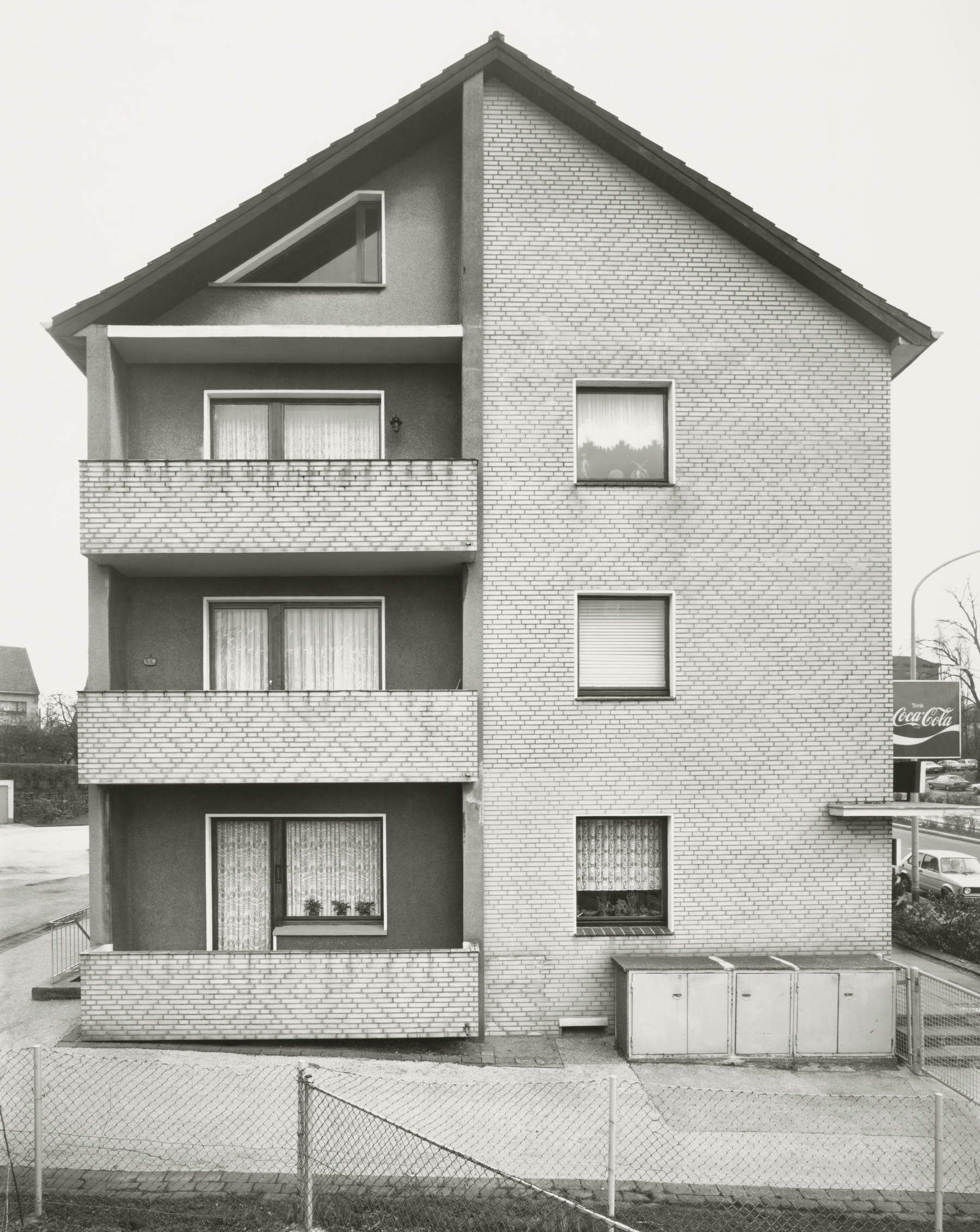
Bernd Becher (Siegen, 1931 – Rostock, 2007) and Hilla Wobeser (Potsdam, 1934 – Düsseldorf, 2015) met in Düsseldorf in 1957, both employed as photographers at the advertising design studio Troost, in an encounter that proved decisive on both an emotional and professional level: they married, had a son, Max, and beginning in 1959 started photographing together, launching a symbiotic collaboration that remained unbroken throughout their creative careers. Bernd, born in Siegen in 1931 in the Siegerland region—known for its typical half-timbered workers’ housing, which would become one of the central subjects of his work—had trained as a decorative painter and draftsman, while Hilla, born in Potsdam in 1934 and the daughter of a photographer herself, had developed an interest in photography from childhood, experimenting in her early years with macro photography of natural surfaces and materials—the technical secrets of which she would never reveal. It is precisely from the meeting of these two sensibilities—one accustomed to drawing and graphic composition, the other already familiar with the language of the darkroom) that the methodological rigor of their work takes shape, in which every stage of the process—from the choice of subject, to waiting for the most suitable weather conditions, to printing, to decisions regarding exhibition—is shared and discussed until a result satisfactory to both is achieved.


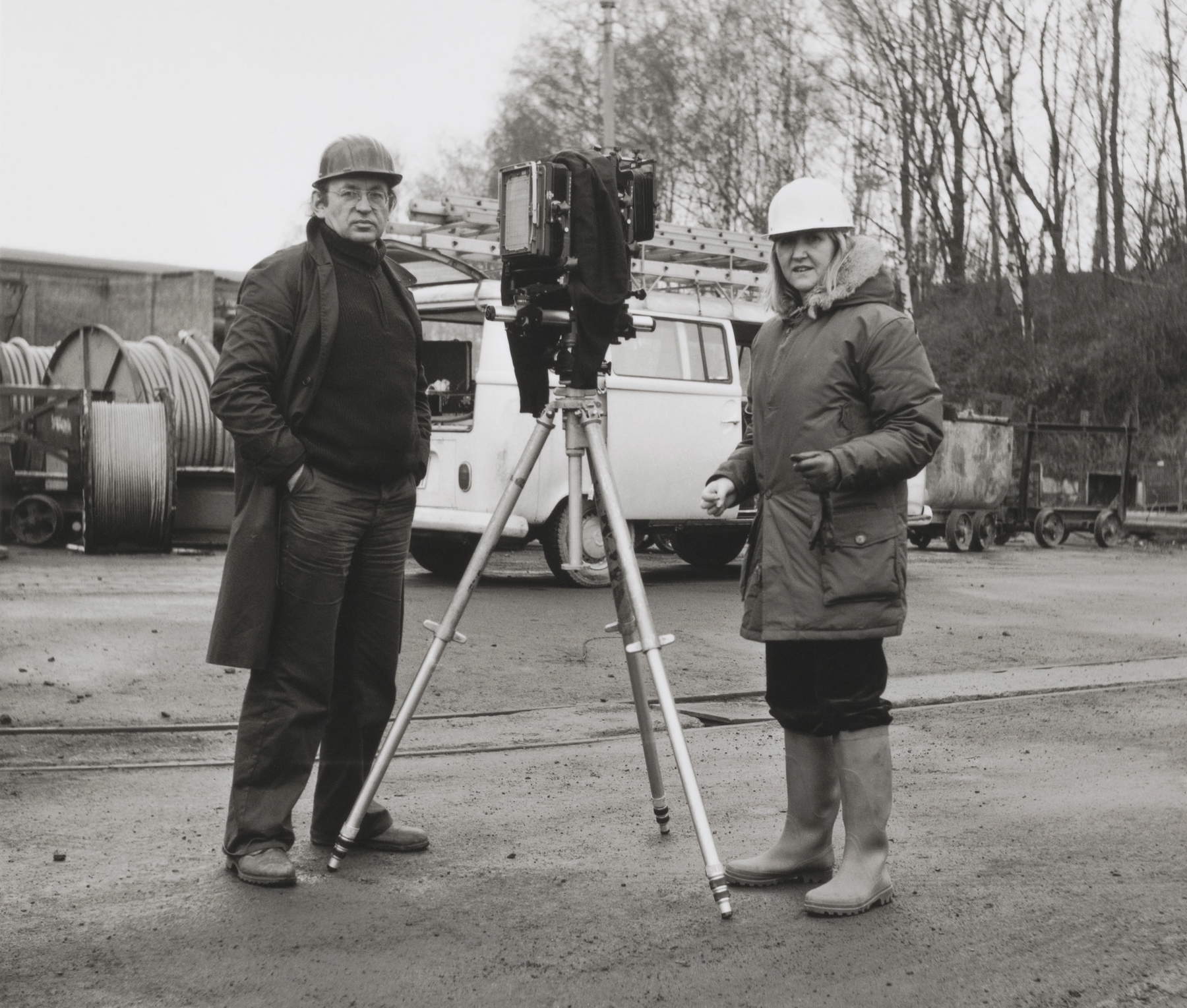
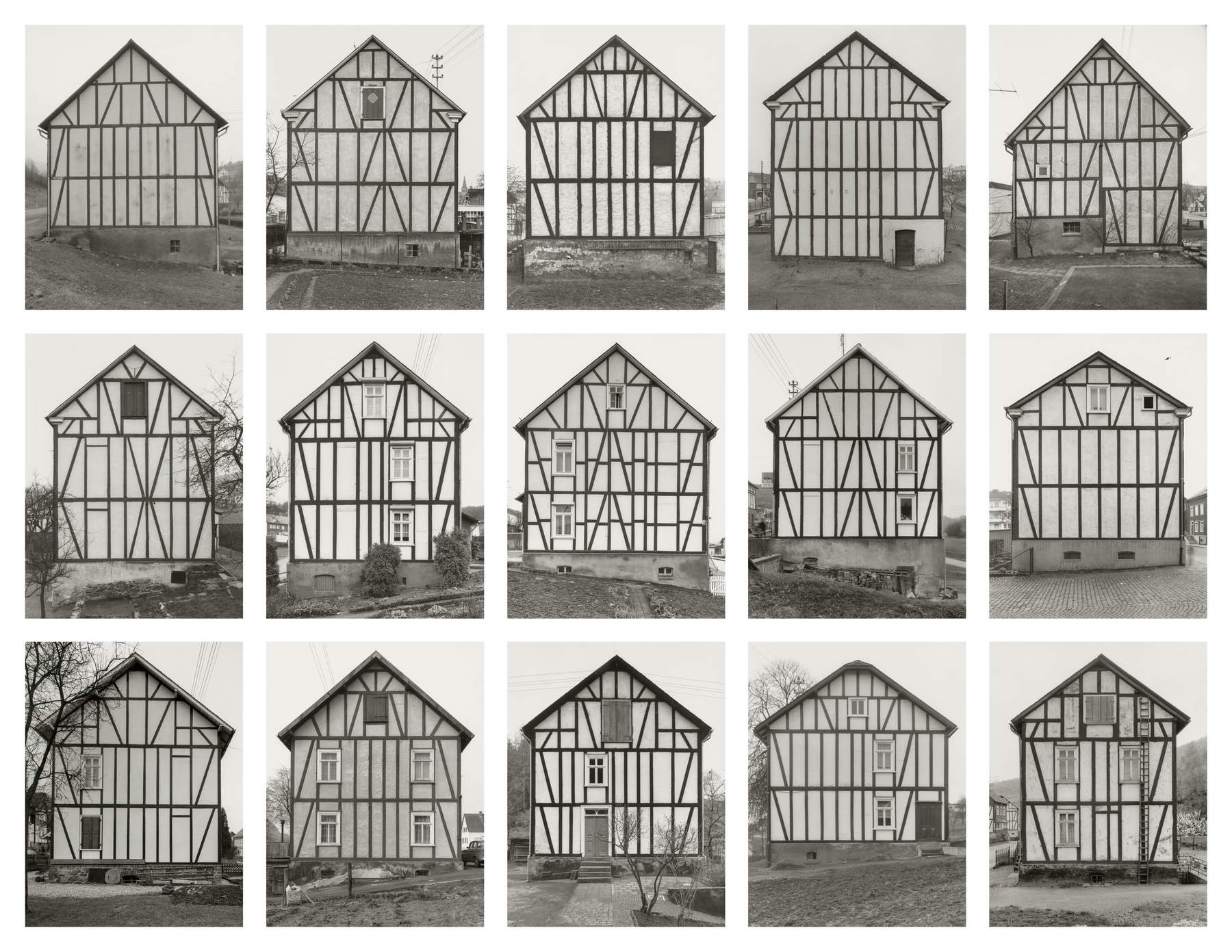
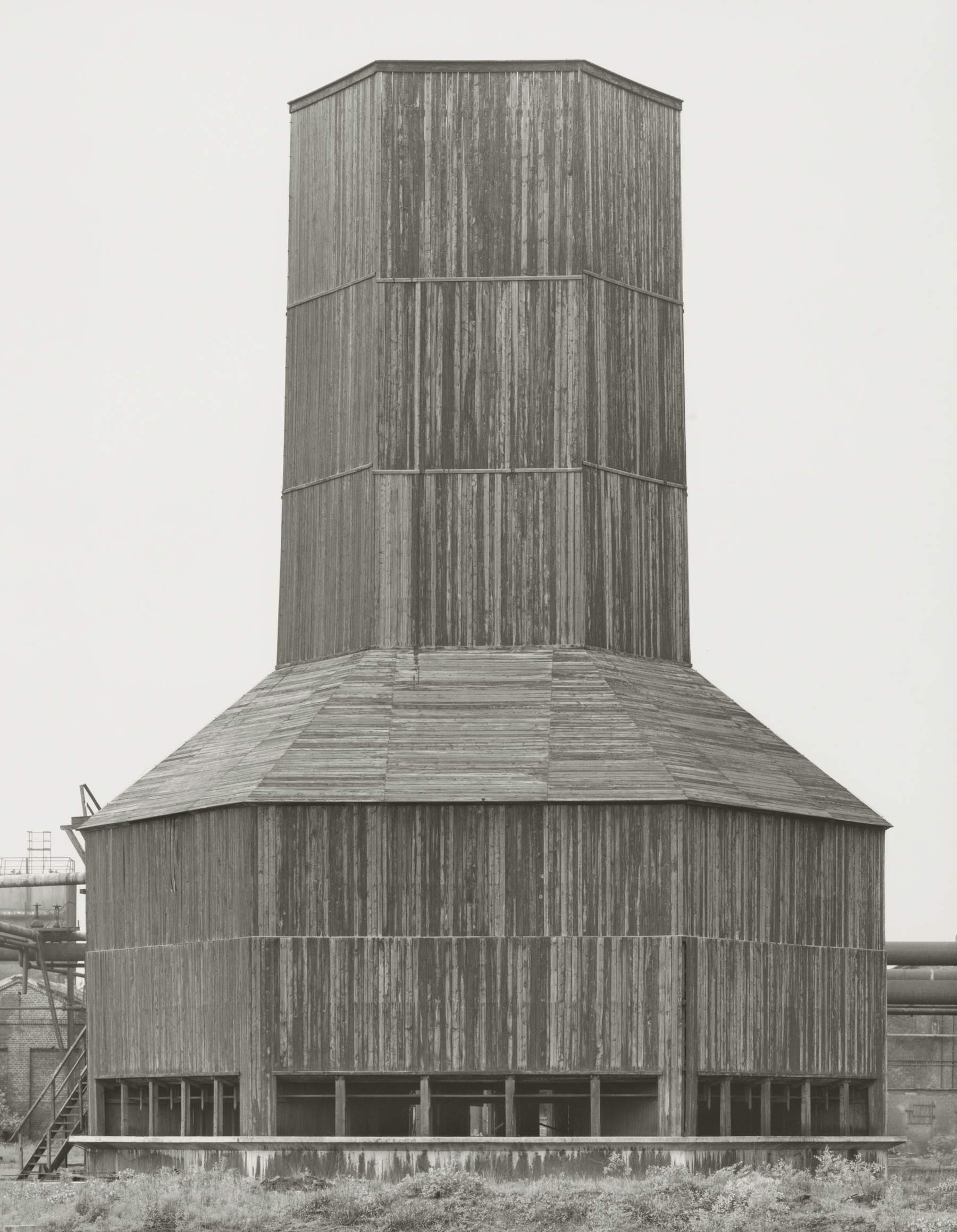
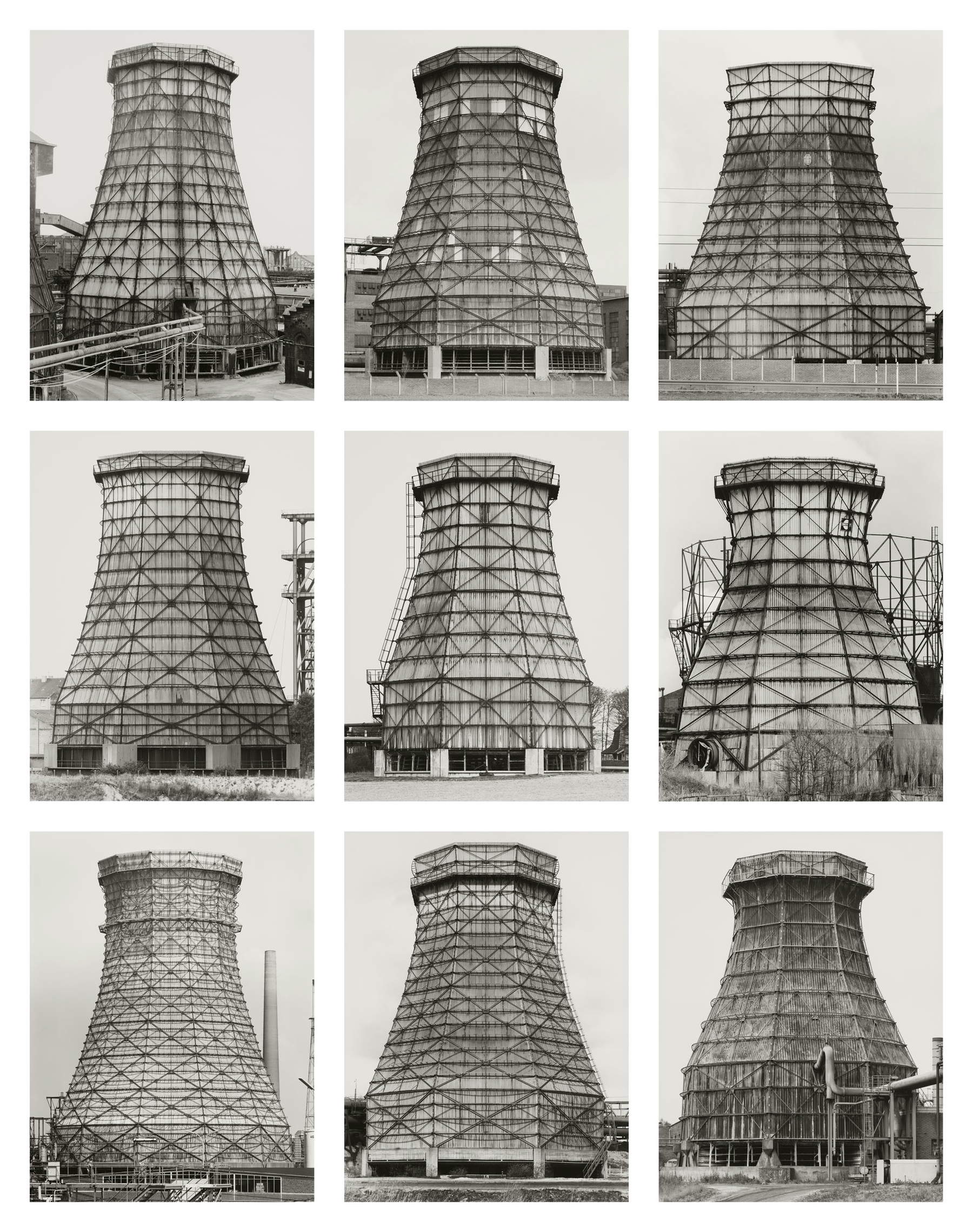
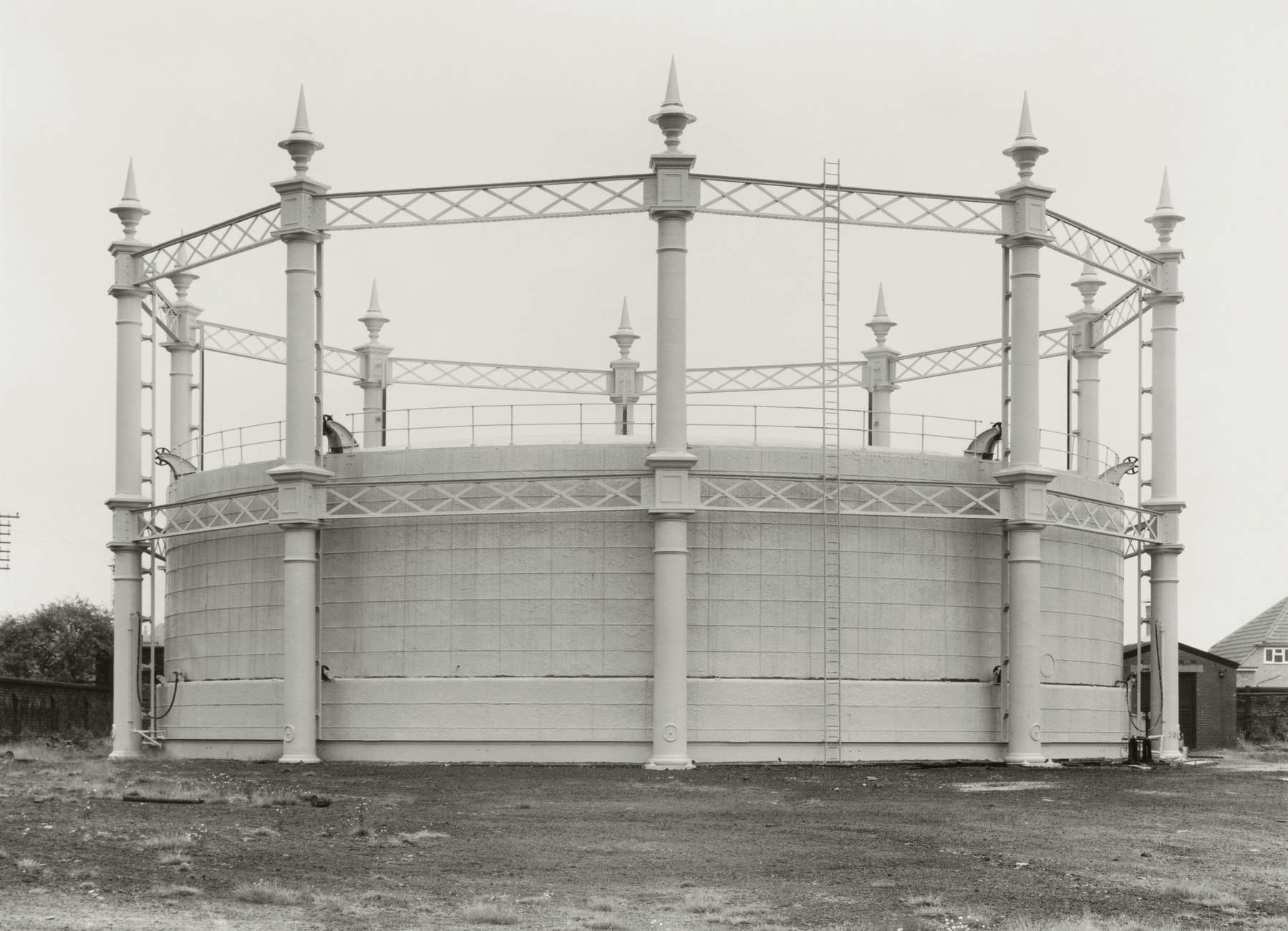
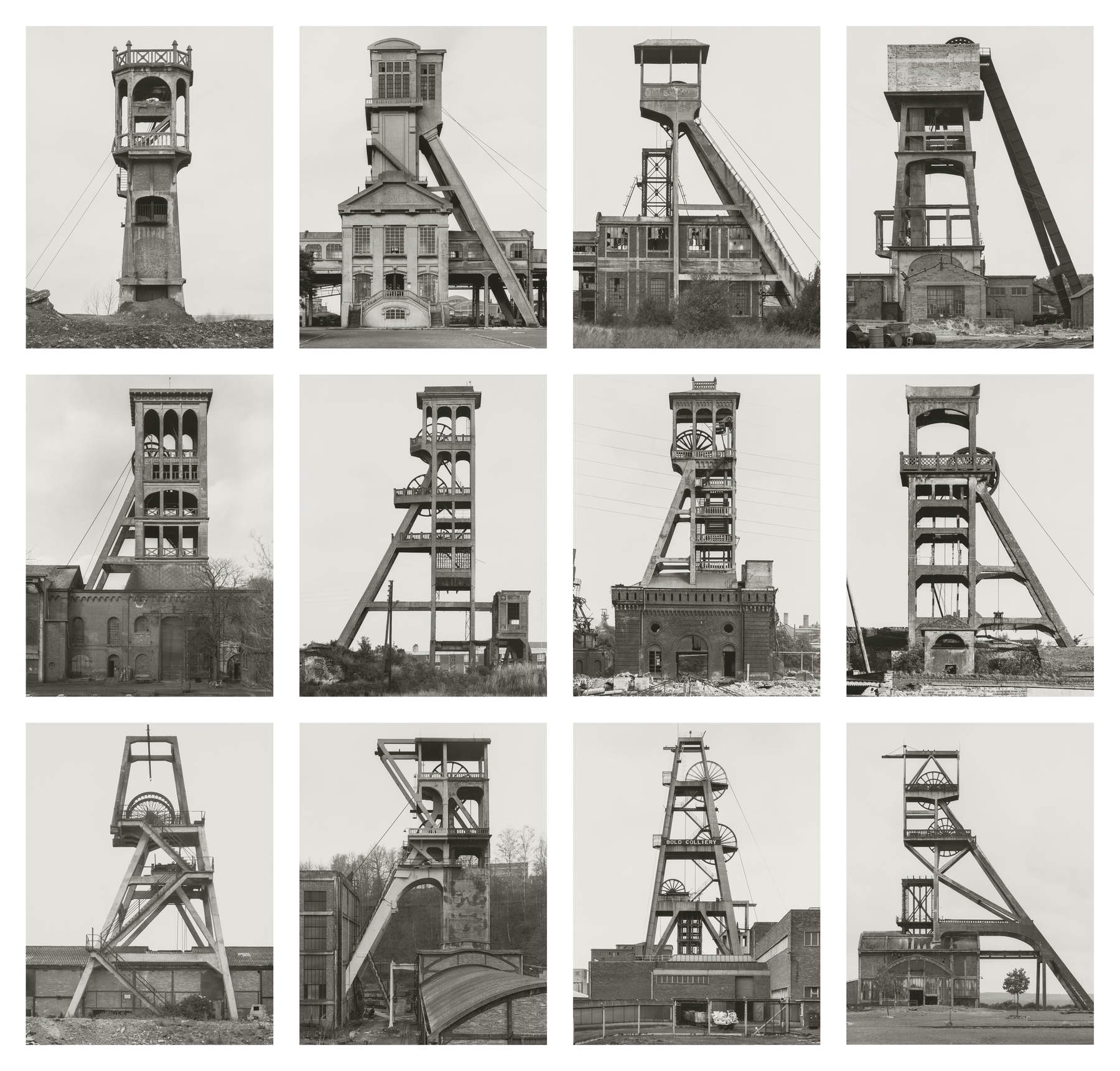
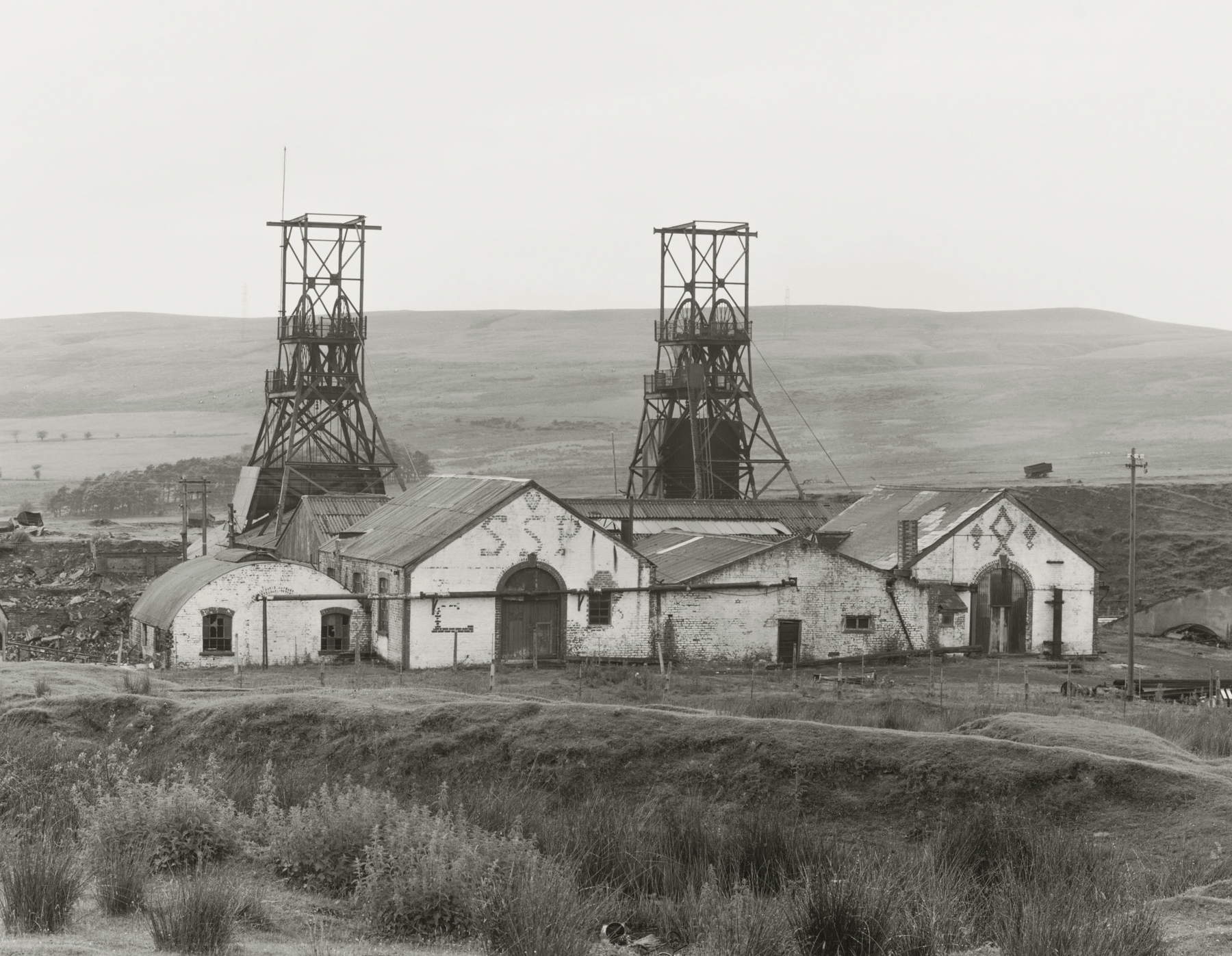
Throughout their lives, Bernd and Hilla traveled together in a Volkswagen van through Germany, Belgium, Luxembourg, France, England, and, in later years, the United States, consistently photographing the same subjects (high-voltage pylons, extraction and cooling towers, blast furnaces, gasometers, grain silos, coal bunkers, engine rooms, industrial and mining facilities, half-timbered houses) with a methodological consistency that seems to belong more to scientific taxonomy than to artistic practice. It is precisely in this apparent contradiction that the root of their methodological revolution lies: by choosing to free the image from any subjective inflection—depriving it of human figures, of distinct shadows, and of a sky that might indicate weather conditions— the two photographers carry out a radical interpretive act, in which form becomes the only permissible content and the industrial structure—stripped of every accessory element—emerges as the object of a contemplation that is both aesthetic and epistemological. Their visual grammar, based on strict adherence to precise formal strategies—such as diffused light that highlights depth and detail, a constant distance that makes each subject comparable to the next, frontal framing, and compositional symmetry—emphasizes the sculptural quality of those anonymous architectural structures (in 1990, the Bechers were awarded the Golden Lion for Sculpture at the 44th Venice Biennale) and seems to suggest that the memory of an era destined to disappear can survive only through a method capable of transforming documentation into language and the archive into a work of art.
An important opportunity to explore the poetics of this German photography duo is offered by the exhibition *Bernd & Hilla Becher. History of a Method*, conceived by Die Photographische Sammlung/SK Stiftung Kultur in Cologne in cooperation with the Bernd & Hilla Becher Studio in Düsseldorf, and currently on view at the MAST Foundation in Bologna. This extensive retrospective, curated by Gabriele Conrath-Scholl, Max Becher, and Urs Stahel, brings together 350 original black-and-white photographs in a highly effective exhibition that conveys the aesthetic and intellectual universe of the two artists beyond the immediate recognizability of their stylistic signature—familiar to anyone who has consulted an art history textbook. Organized according to a thematic framework, which is more effective than a chronological approach in accounting for projects that spanned decades, the exhibition allows visitors to trace how the Bechers’ method progressively took shape and was refined, transforming the initial urge to document into a practice that became increasingly controlled from both a conceptual and formal standpoint.
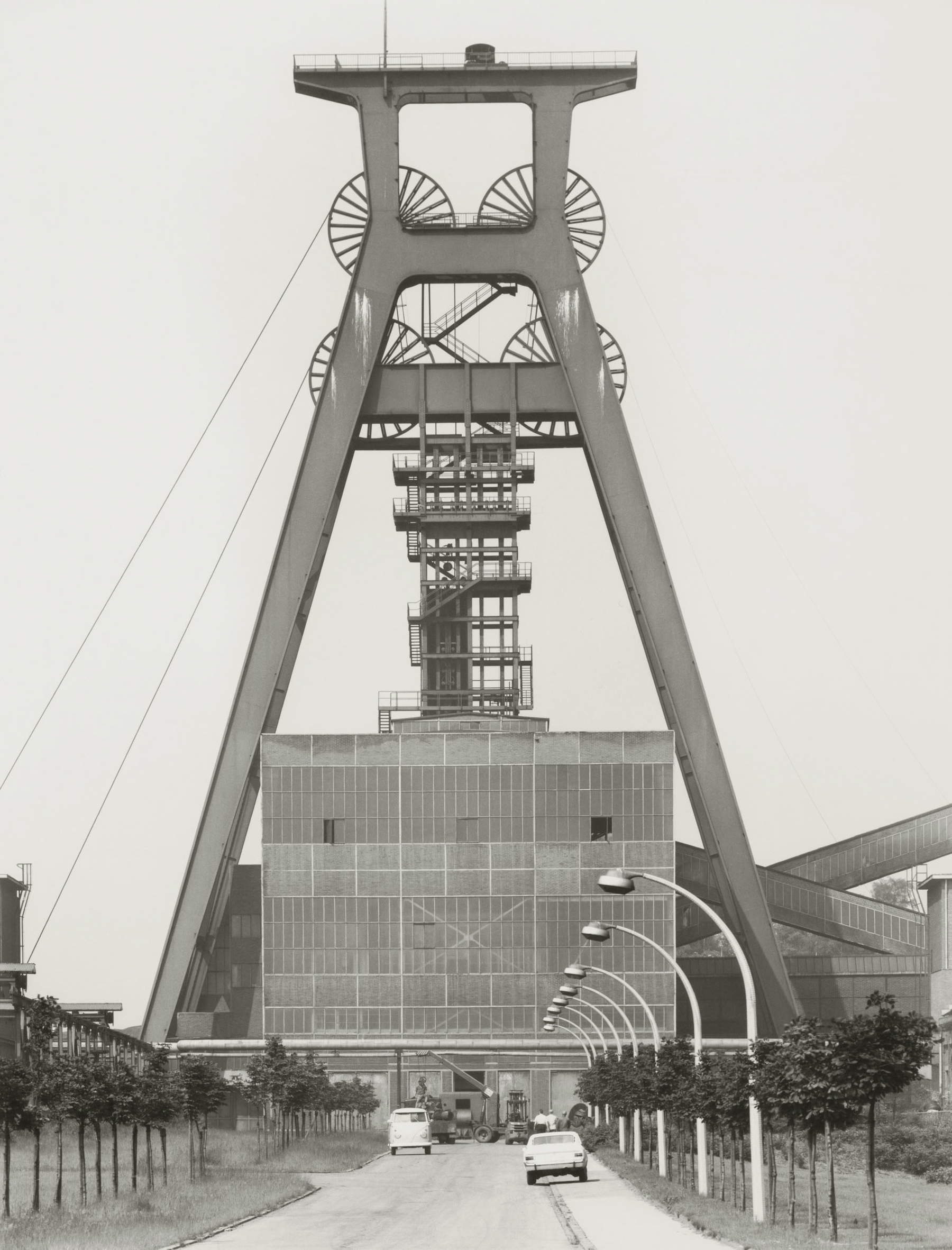
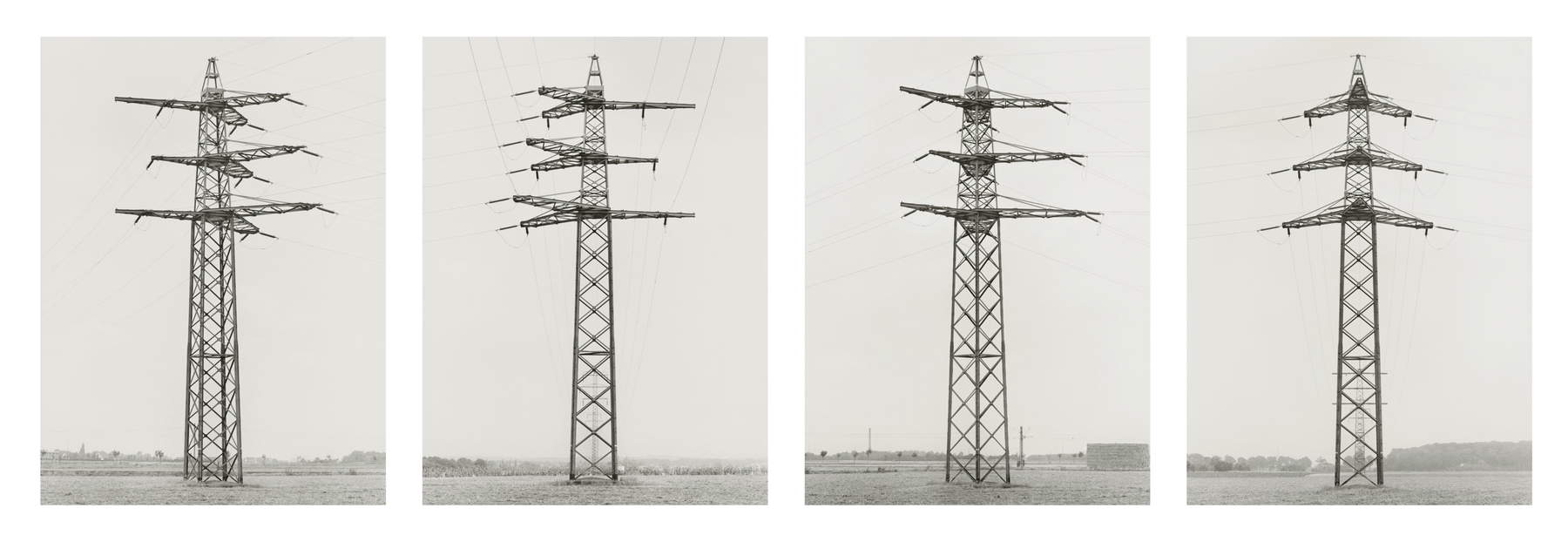
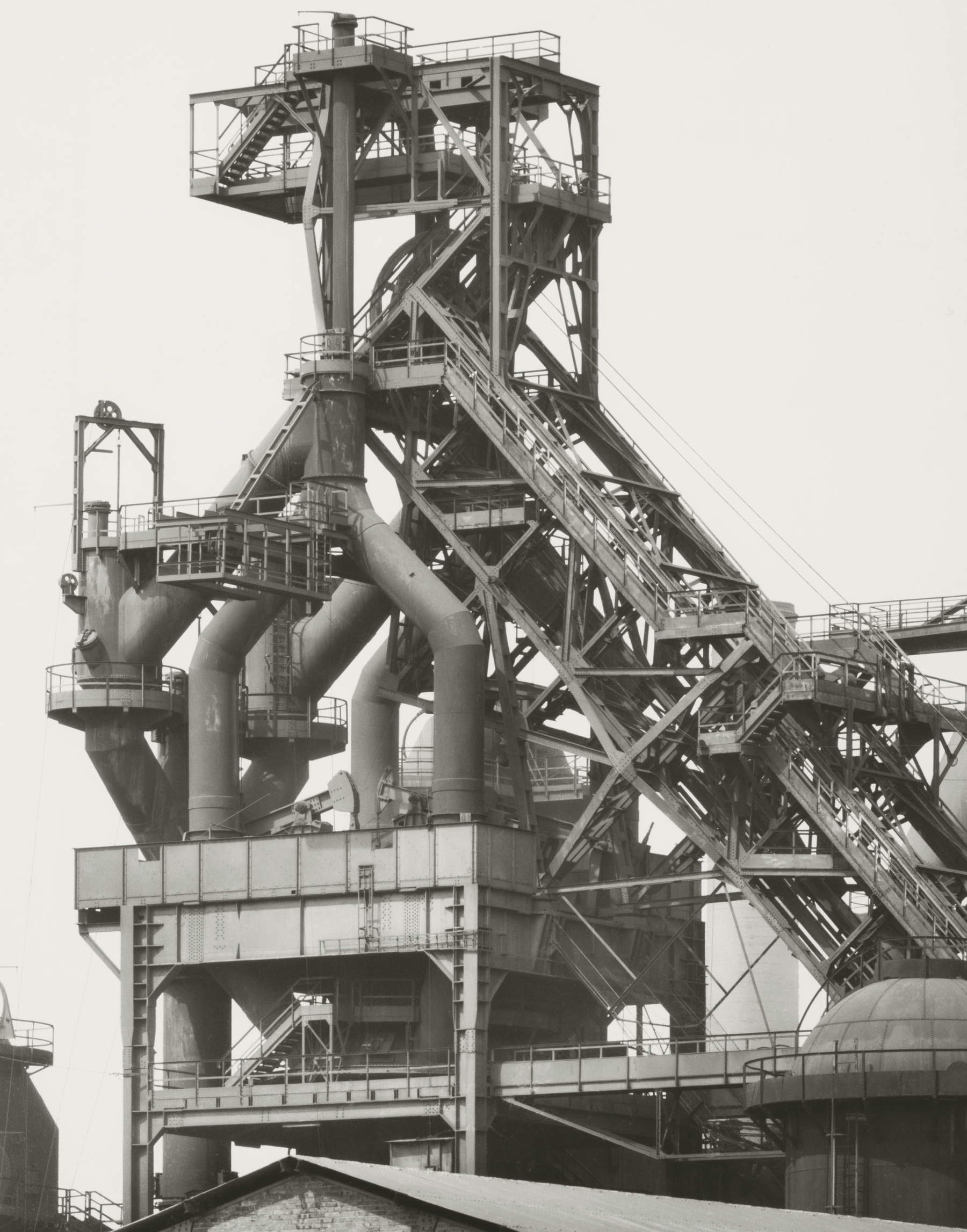
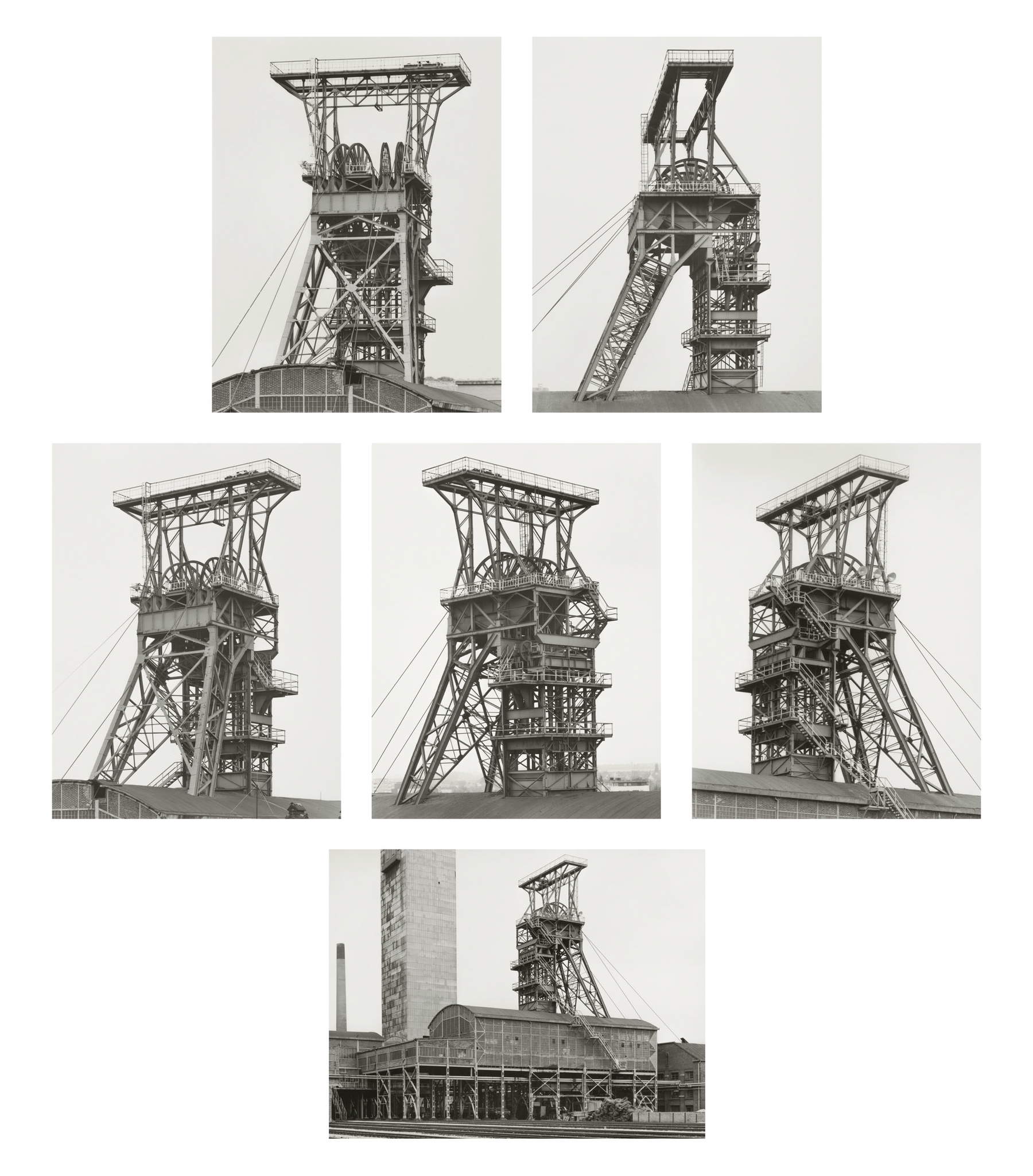
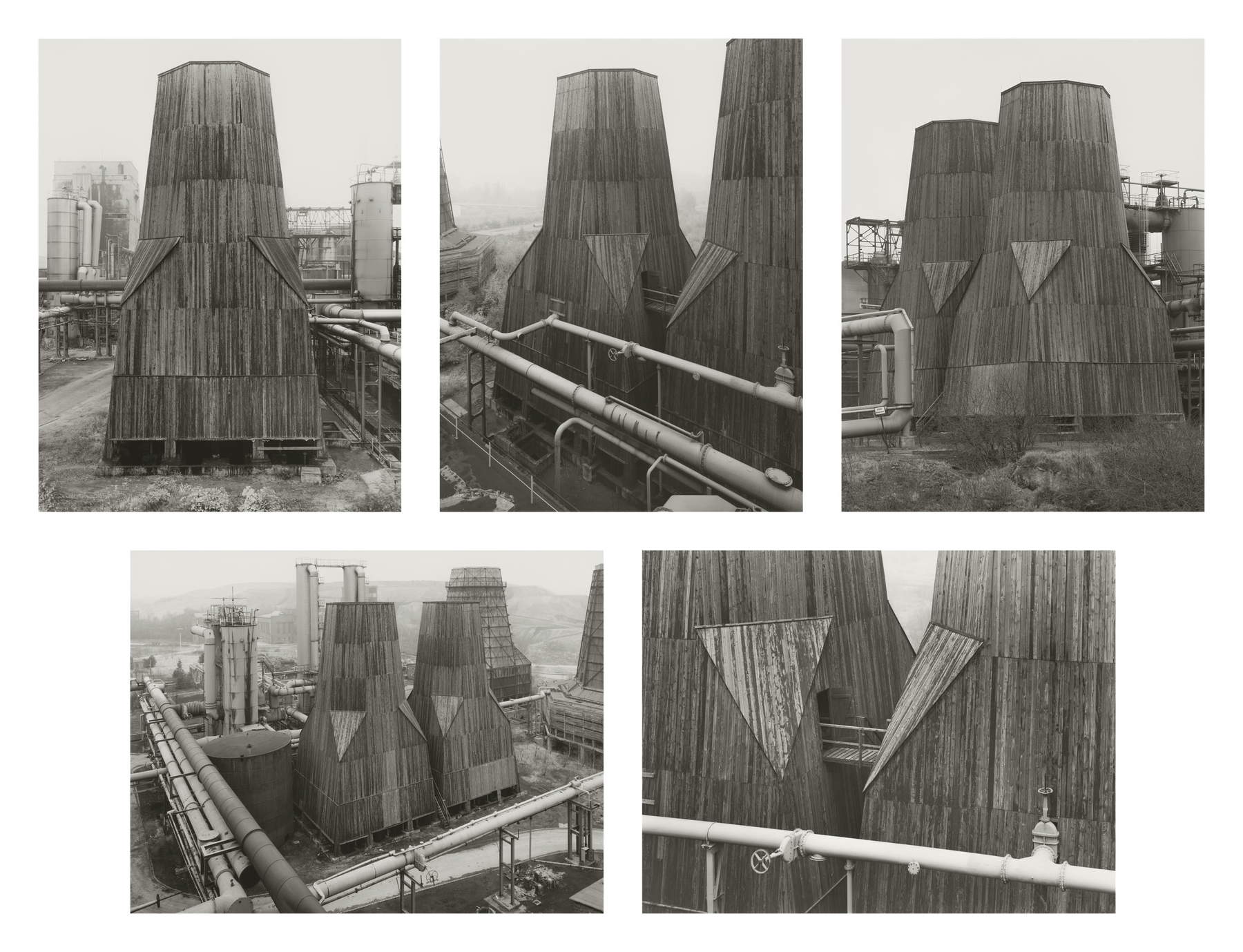
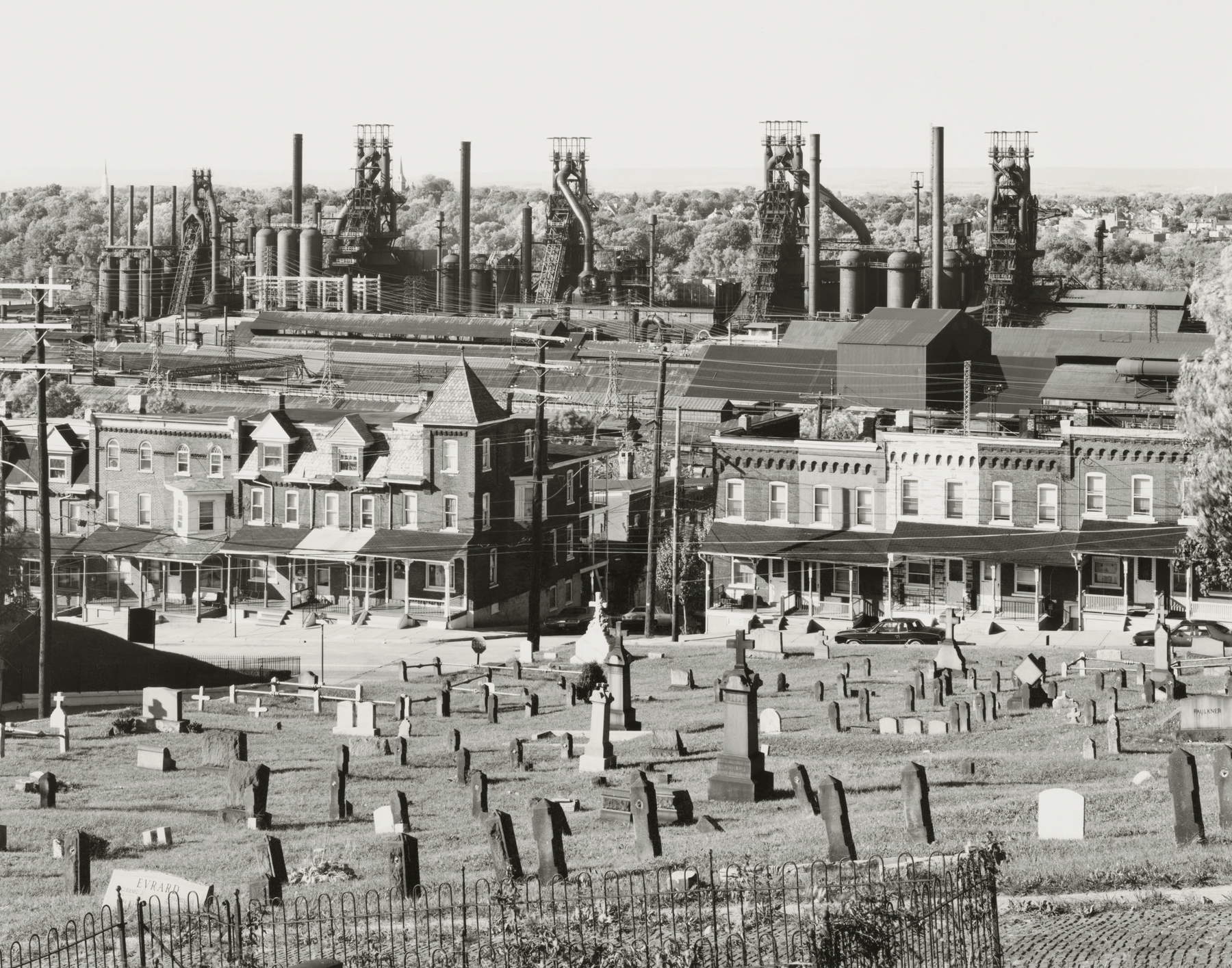
The exhibition begins, therefore, with a section dedicated to industrial landscapes—the first photographic project the couple undertook at the start of their collaboration, which arose from a desire to photographically preserve the forms, structures, architecture, and functions of industrial facilities before their demolition. The photographs on display, taken between the 1960s and 1990s, span a vast chronological arc and a wide geographical range, already legible as a mapping of the topographical patterns of the industrial crisis across Europe and the United States. A distinctive feature of these images is the horizontal framing from an elevated perspective, in which each industrial complex appears embedded in its surrounding context: one can see the access roads, parked cars, and workers’ homes built near the factories; in one shot, even a cemetery is visible, completing the picture. This stylistic and thematic choice, which characterized the early phase of their work, still appears largely influenced by the canons of New Objectivity (Neue Sachlichkeit), a photographic movement that emerged in Germany in the 1920s and countered subjectivism and Expressionist distortions with a style marked by documentary rigor, a rejection of artificiality, and impeccable technique. Looking at these sequences, it becomes clear that, over the course of the multi-year photographic campaigns the Bechers devoted to each site, their perspective gradually shifted toward a different mode of representation. Starting with panoramic shots, the photographers began systematically isolating specific elements, focusing their attention on the individual components of those complex structures, which were captured from different viewpoints but always at the same distance, without any perspective distortion and surrounded by the same portion of empty space (in reality, a uniform sky). From this increasingly detailed and multifaceted perspective emerged one of the cornerstones of the Becher method, which they termed “unfolding,” whereby the overall view of the photographed object results from a calculated sequence of shots that convey a circular perception of it, as if the viewer were circling around it.
In the exhibition, the room dedicated to this additive visual strategy is followed by one focused on its natural consequence, namely the idea of organizing subjects according to taxonomic categories in which exemplary variants of the same type of structure are arranged in grids—comprising a minimum of nine and a maximum of twenty-four photographs—that facilitate comparison between the various geographical and functional characteristics of the architectural structures. The shift from juxtaposing multiple facets of the same object to identifying comparable typologies through their differentiated repetition moves the cataloging of the industrial element from the realm of technical legibility to that of aesthetic comparison, bringing to light the intrinsic beauty of the structures and the geometric essence underlying each configuration. By transforming a technical paradigm (which, it should be noted, they themselves identified as pioneers of what is now called “industrial archaeology”) into an aesthetic paradigm, the Bechers engage in a profound inquiry into the nature of representation and refine the paradox of grounding their unmistakable expressive style in a deliberate “absence of style” that allows pure form to speak without interpretive mediation. And, in fact, the room dedicated to typologies is captivating for the essentiality and perfection of the images on display, in which the raw reality, even in the absence of manipulation, is transfigured into visions of rarefied poetry. One need only look, for example, at the grid dedicated to American water towers (1974–1983), where the contrast between the lightness of the supports and the heavy, bulging upper reservoir evokes a surreal, mushroom-like elegance, or the series of photographs of gasometers (1965–1992), where the varying fill levels of the tanks, delineated by the outer metal frame, evoke the rhythms of synchronized breathing.
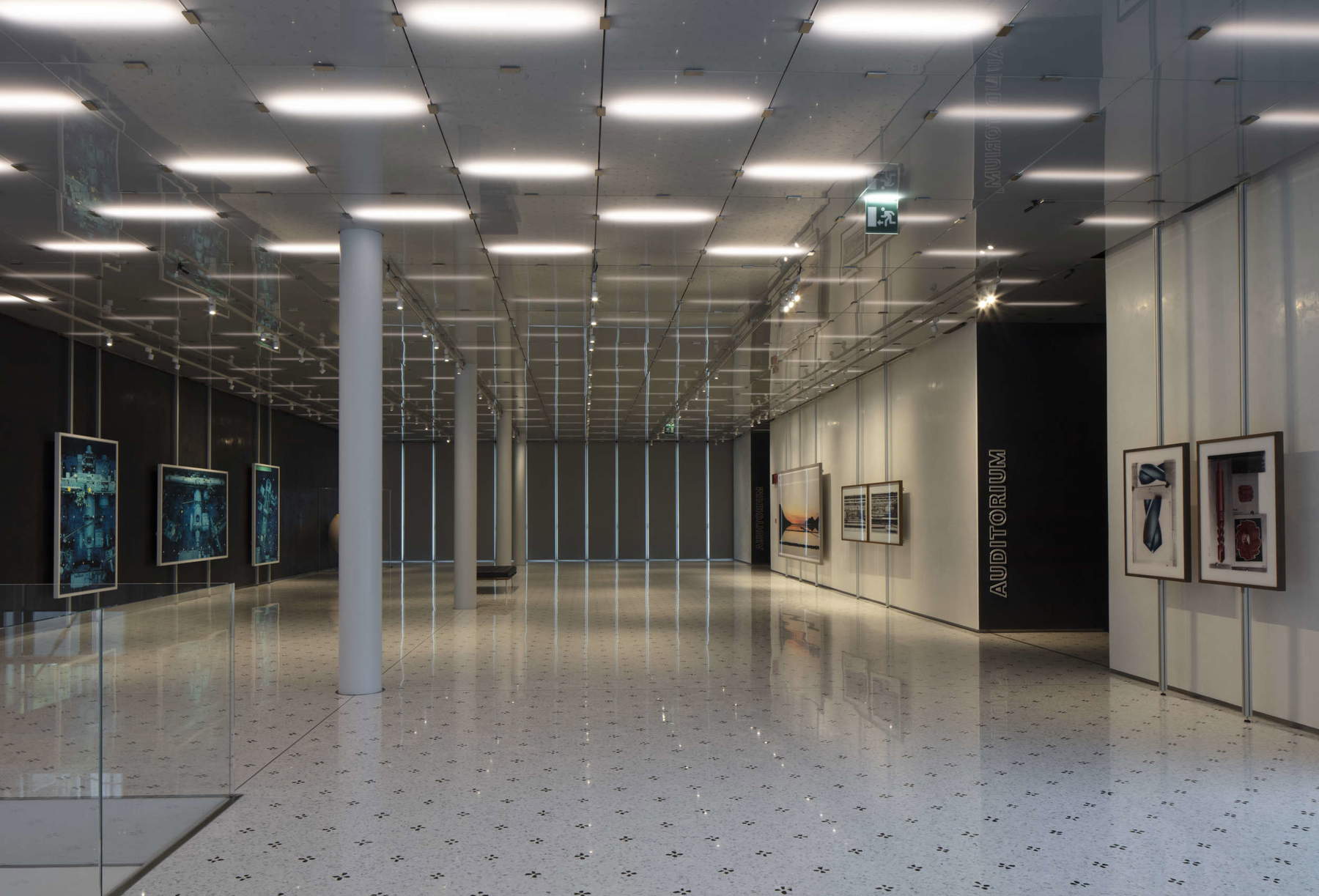
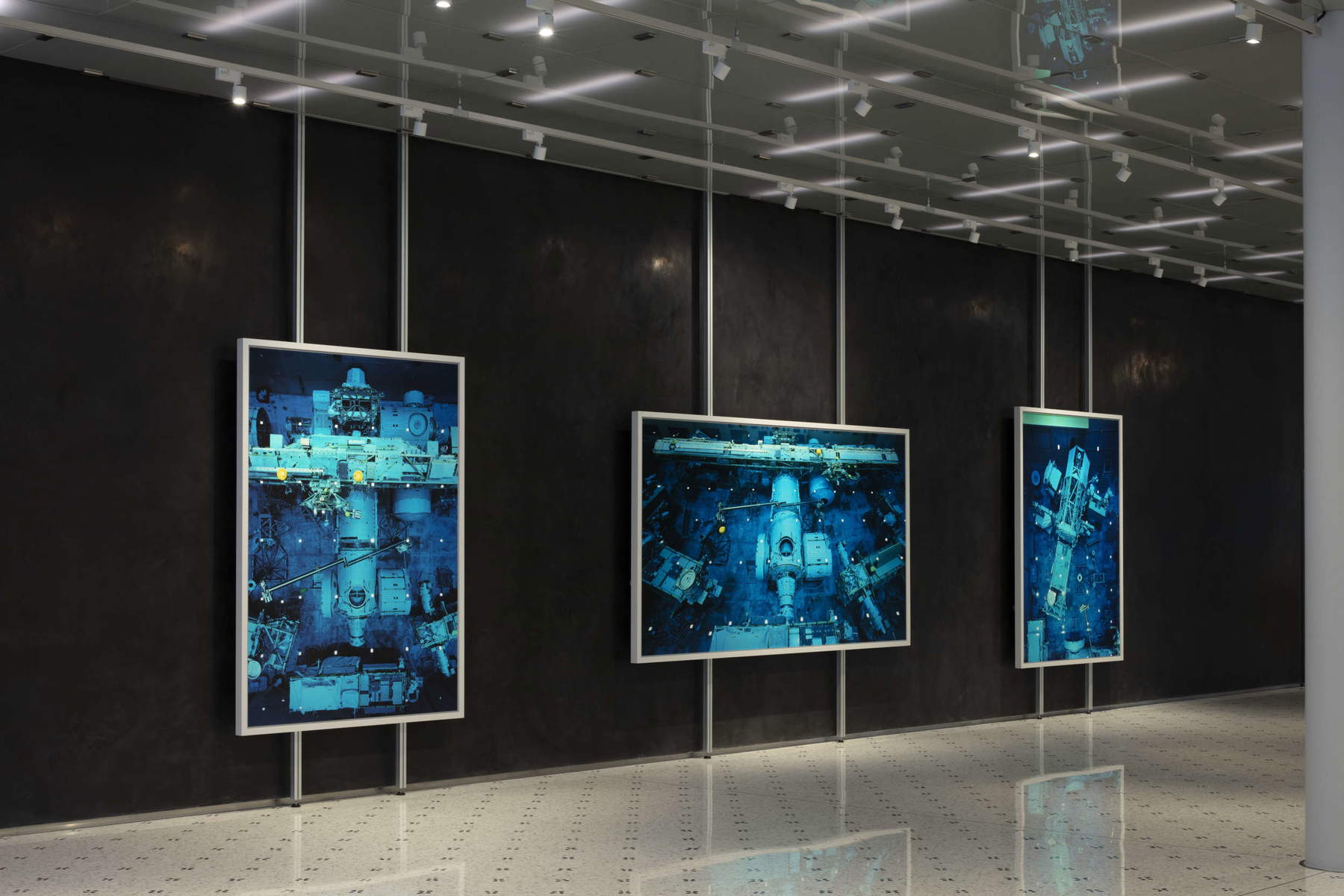
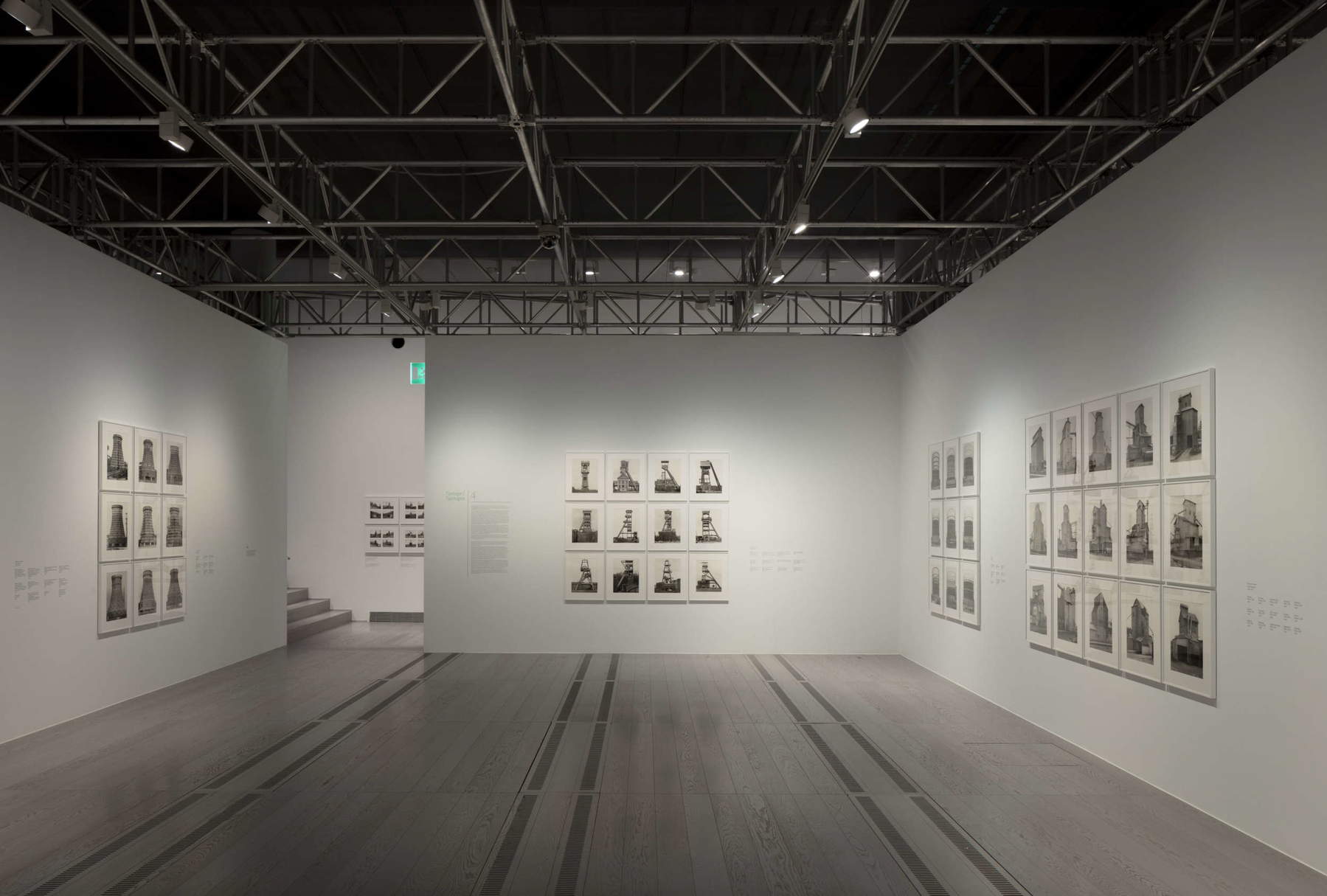
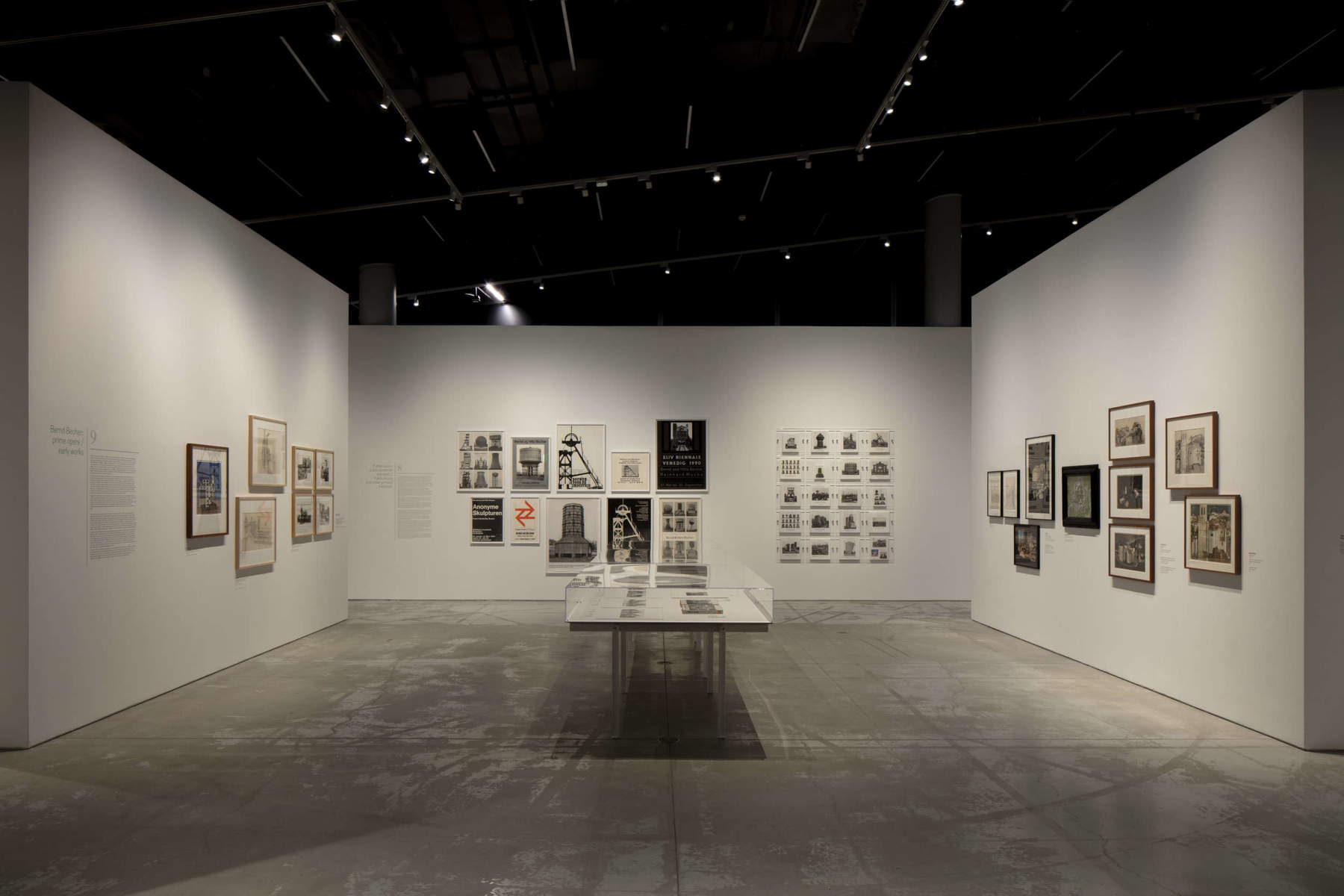
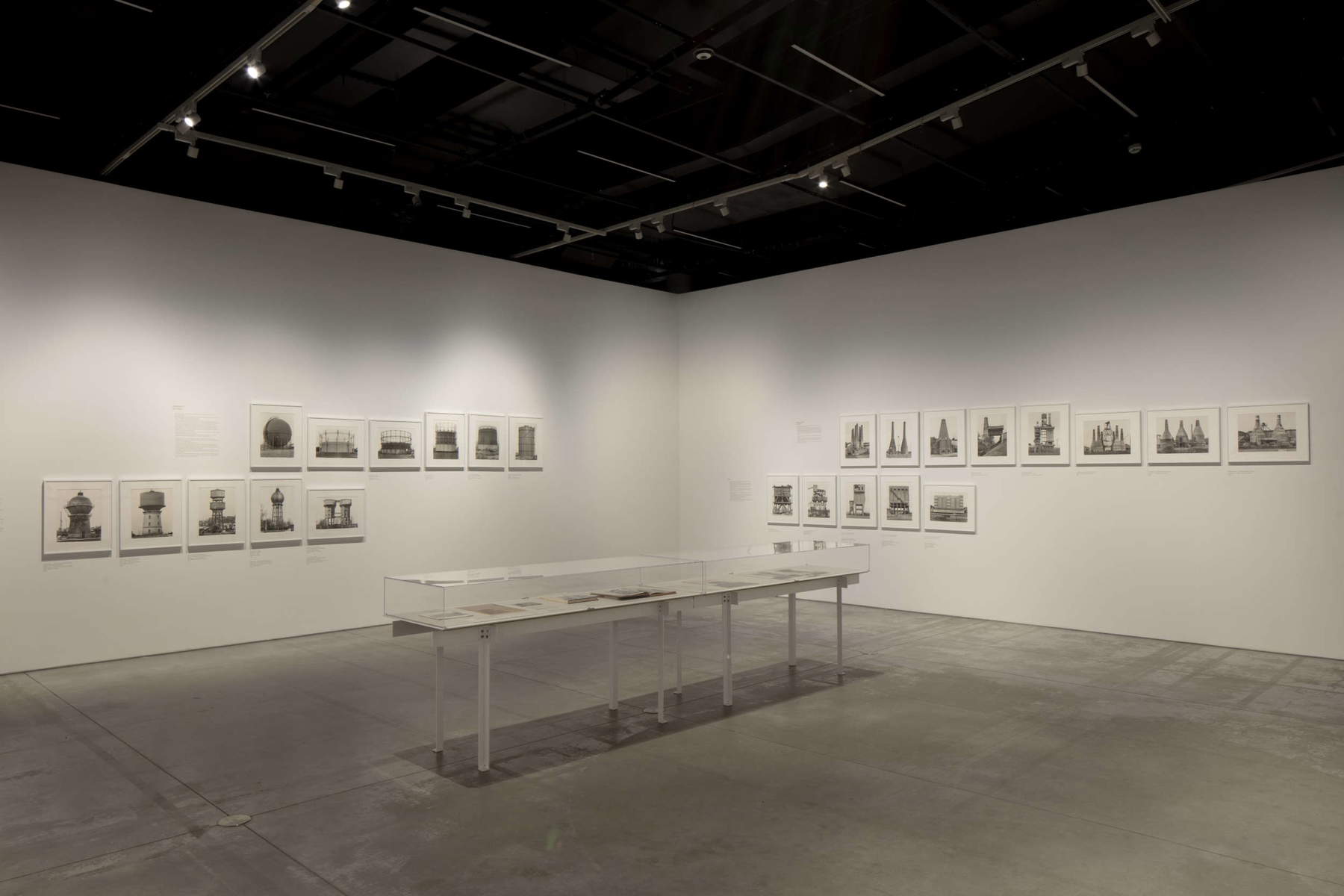
The exhibition is complemented by other sections that are less installation-based but equally important for understanding the structure and scope of the Bechers’ project. First and foremost is the section dedicated to the *Anonyme Skulpturen*, a project first presented at the Kunsthalle in Düsseldorf in 1969 and later published in the 1970 book of the same name, which marks the moment when the Bechers’ work fully entered the contemporary art discourse, finding a significant resonance with the then-disruptive languages of Minimalism and Conceptual Art. The anonymity evoked by the title underscores the irretrievable absence of any historical record of who designed or built those structures, a gap the Bechers fill by magnifying their forms—freed from any attribution—through the authorial subjectivity of their photographs. The sections dedicated to the early works of the couple, predating their partnership, feature rare documents, such as Bernd’s landscape drawings and collages, his early Polaroids arranged like pieces of a mosaic to compensate for the slowness of graphic documentation, and Hilla’s macrophotographs of liquids and plant specimens, in which one can recognize, in embryonic form, the defining traits of two artistic trajectories that would only find their full definition upon their meeting. In dialogue with the exhibition “imported” from Cologne, the foyer of the MAST Foundation finally hosts a selection of works from the Düsseldorf School of Photography drawn from its own collection, documenting the legacy of the Becher method through the work of Andreas Gursky, Thomas Struth, Thomas Ruff, and Tata Ronkholz—students who trained under Bernd’s chair at the Academy from 1976 to 1996—whose influence extends far beyond the confines of that period, establishing itself as one of the most fruitful visual paradigms in contemporary photography.
Warning: the translation into English of the original Italian article was created using automatic tools. We undertake to review all articles, but we do not guarantee the total absence of inaccuracies in the translation due to the program. You can find the original by clicking on the ITA button. If you find any mistake,please contact us.