




by Anna de Fazio Siciliano 31/08/2026



Categories: Exhibition reviews / Disclaimer
In Pieve di Cadore, an exhibition reexamines Titian’s relationship with nature through drawings, engravings, and paintings. A refined exploration that debunks the myth of the “pioneering landscape painter” and restores to the Venetian master the full innovative power of his vision. A review by Anna De Fazio Siciliano.
Once upon a time, there was the Renaissance. Once upon a time, there was drawing; once upon a time, there was painting understood as an architecture of figures and perspectives. Then Titian came along and everything changed: a new conception of nature emerged, a novel way of understanding the world and the pictorial space, color—and above all, the “landscape” was born, including through the medium of drawing.
We are in Cadore, the birthplace of Titian and the Vecellio family. Here, the landscape—just as in one of his paintings—does not merely serve as a backdrop: it engulfs us. This is no trivial detail for the future of European painting, for the imposing Cadore Dolomites, with their pink-lit peaks, the majesty of the forests, and the mirror-like reflection of light on the Piave River and the lakes, shaped the eye and soul of a young artist to the point of bringing about—through the passage of the centuries—a revolutionary upheaval in the practice of painting and drawing, and not only in his own work. Titian was captivated by this beauty from childhood onward and, very soon, began to transfer its most alluring elements onto the canvas. And it was through a new idea that the “landscape,” from this moment onward, would cease to be considered and treated as a mere decorative backdrop to become the very backbone of the composition: a completely unprecedented upheaval of the pictorial canons used in Italy, anticipated only by Flemish painting.


Indeed, following the common thread woven by the curators of a refined and meticulous exhibition that opened on July 18 and which we saw in Pieve di Cadore, we, too, were captivated. From room to room, we were enchanted by the story so movingly told to us by the curators, Bernard Aikema and Thomas Dalla Costa. The heart of the exhibition is precisely the artistic revolution of Tiziano Vecellio, which manifests itself in the magnificent synthesis of drawing and color. But before delving into the exhibition’s concept, we must recall two fundamental aspects, which are also useful for better understanding the exhibition’s intentions. First: Titian’s innovative composition actually first emerges in paintings such as the so-called Pesaro Altarpiece, because here the painter begins to move away from central Renaissance perspective. In the painting housed in the Frari Church in Venice, the Virgin is, in fact, shifted to the right, and the imposing, off-center columns create a dynamic, theatrical space designed to be viewed from the side. But this is just one example: throughout Titian’s career, there would be various variations on this compositional innovation.
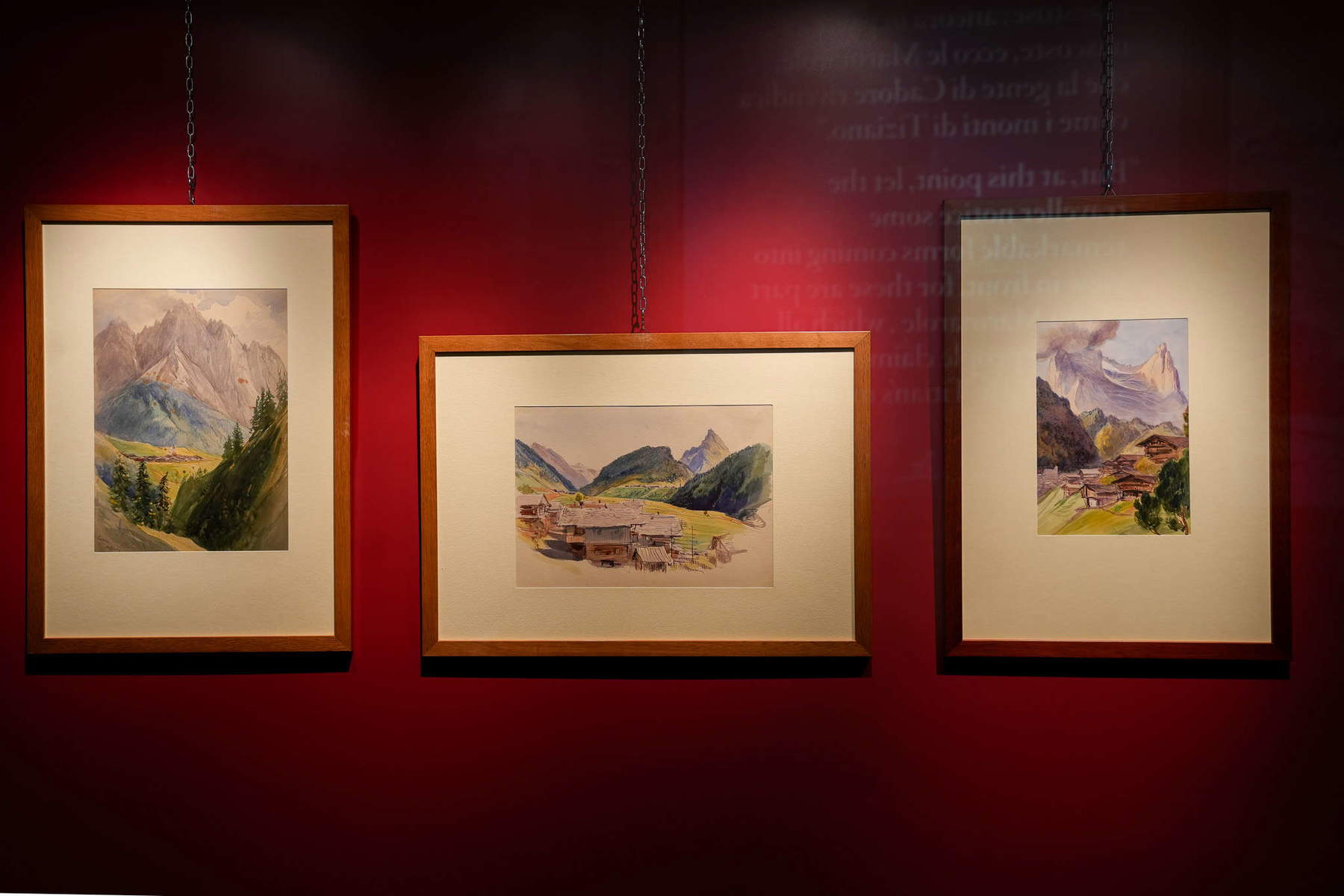
Second: the other major innovation in Vecellio’s painting is his use of tonalism. An absolute master of color—so much so that his name is associated with the famous “Titian red”—the painter from Cadore, through his skillful use of color, was able to express every thematic aspect of painting, from the depiction of the female figure in the fusion of sensual and faithful spirit (as in the “Flora” and “Venus of Urbino”), to the psychological depth in his dark-ground portraits (as in the famous portrait of his friend Pietro Aretino), and finally, indeed, to the landscape integrated into the composition—no longer merely a scenic backdrop.
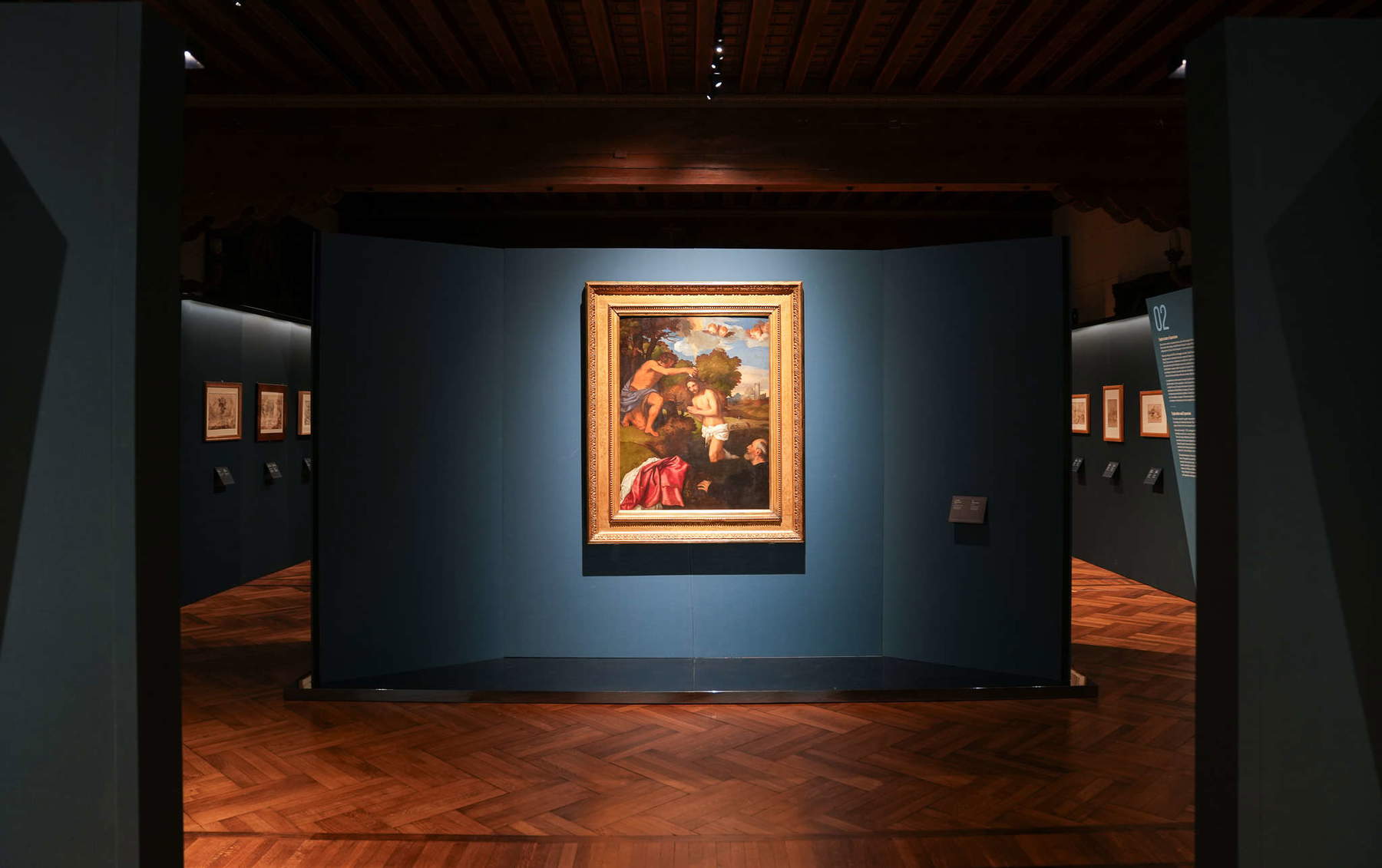
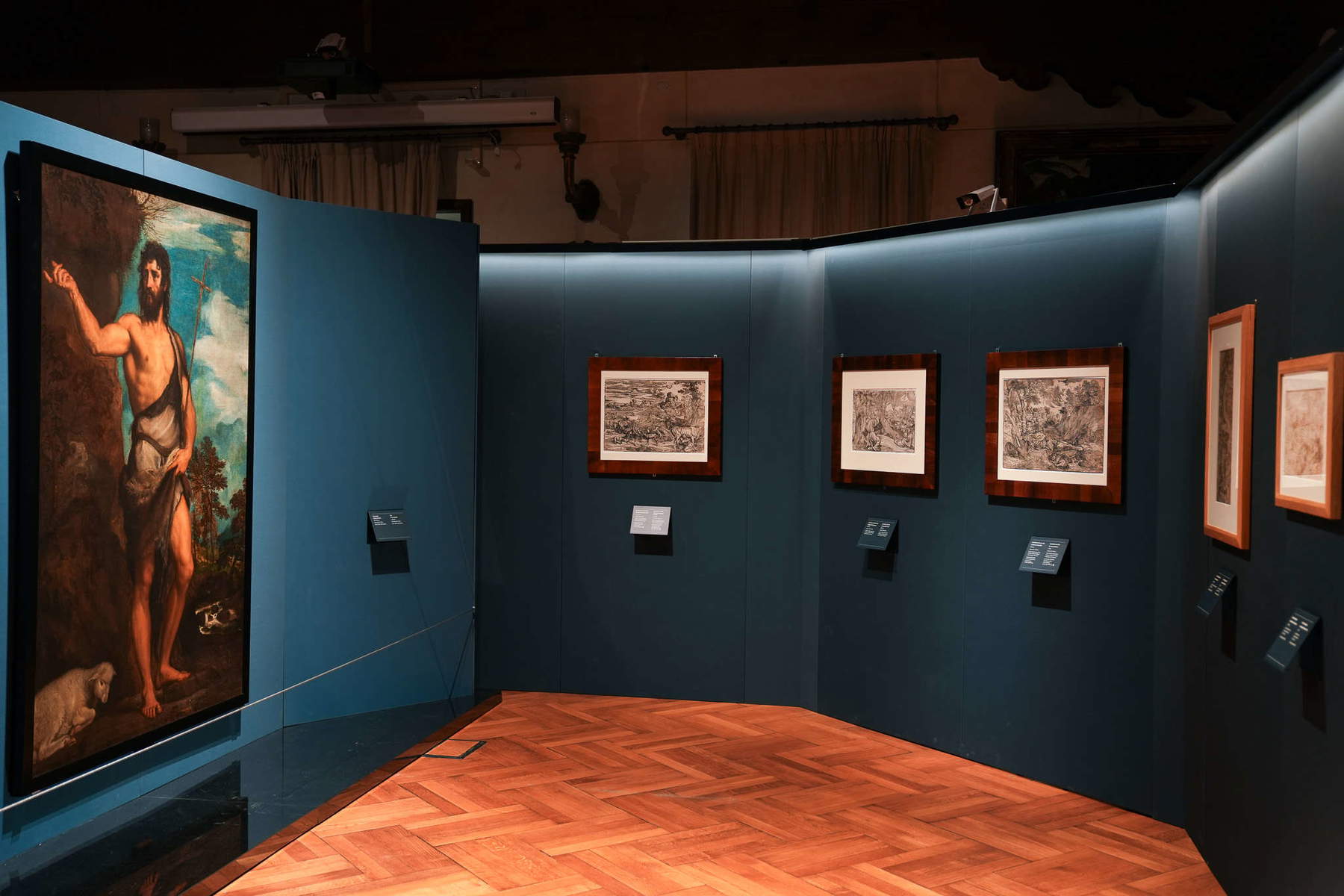
It is this last aspect that we sought to explore in Pieve di Cadore. And it is precisely the theme of the landscape—captured in the drawing and graphic lines through more precise details or rendered in the painting through vaporous glazes—that forms the centerpiece of this ambitious project organized by the Magnifica Comunità di Cadore, the Fondazione Centro Studi Tiziano e Cadore, and the Municipality of Pieve itself. “Titian and the Landscape” is a comprehensive exhibition with a strong impact—not only emotional but above all scientific—and of the highest methodological caliber. In fact, it focuses on two key elements: the role of graphic art and the workshop, illustrating, in particular, how Titian’s creative forge operated. Among other things, the exhibition shifts its conceptual focus from the master’s often immovable masterpieces on canvas to his corpus of engravings, woodcuts, and drawings (the dialogue with Giulio and Domenico Campagnola is central). And, we must admit, by doing so, the exhibition has avoided the risk of taking a terrible shortcut—one often used in this field—of presenting a blockbuster exhibition for a landmark occasion such as the 450th anniversary of Titian’s death. And this, we reiterate, is achieved not only by reexamining the role of his workshop but also through a reconstruction of the dialogue with graphic art from beyond the Alps. The aim is thus to demonstrate how the Venetian workshop did not passively submit to the Nordic “Weltlandschaft,” but rather assimilated and reinvented it through the atmospheric and tonal sensibility of the Venetian Lagoon.
Why are we still talking about Titian? Born between 1488 and 1490 in Pieve di Cadore, Titian arrived in Venice, presumably around the age of ten. Trained in the workshops of Gentile and Giovanni Bellini and having worked alongside Giorgione (with whom he painted the frescoes in the Fondaco dei Tedeschi), he made a name for himself with the frescoes in the Scuola del Santo in Padua (1511). Appointed official painter of the Republic of Venice in 1516, he marked an epochal turning point with the impact of his painting.
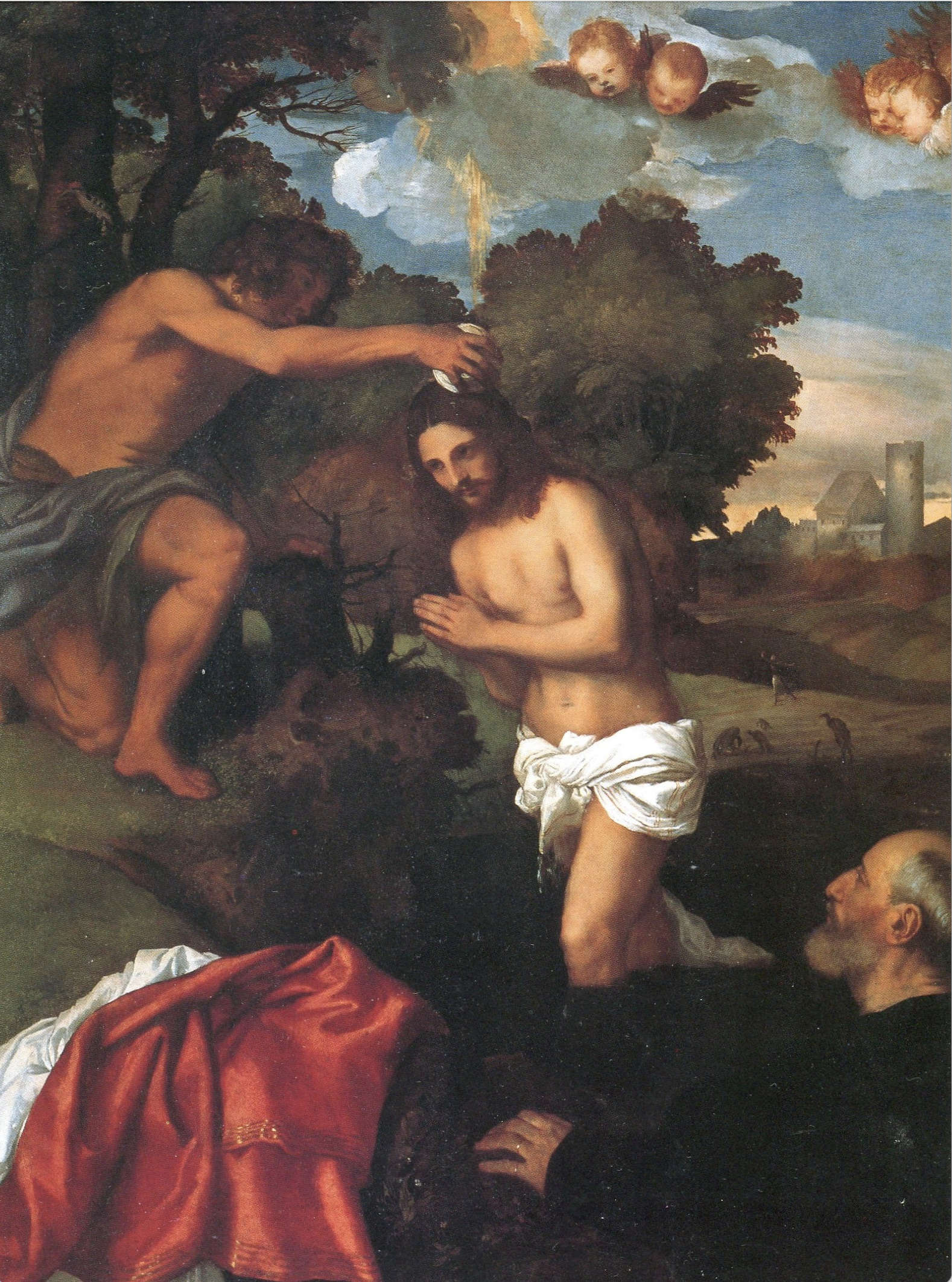
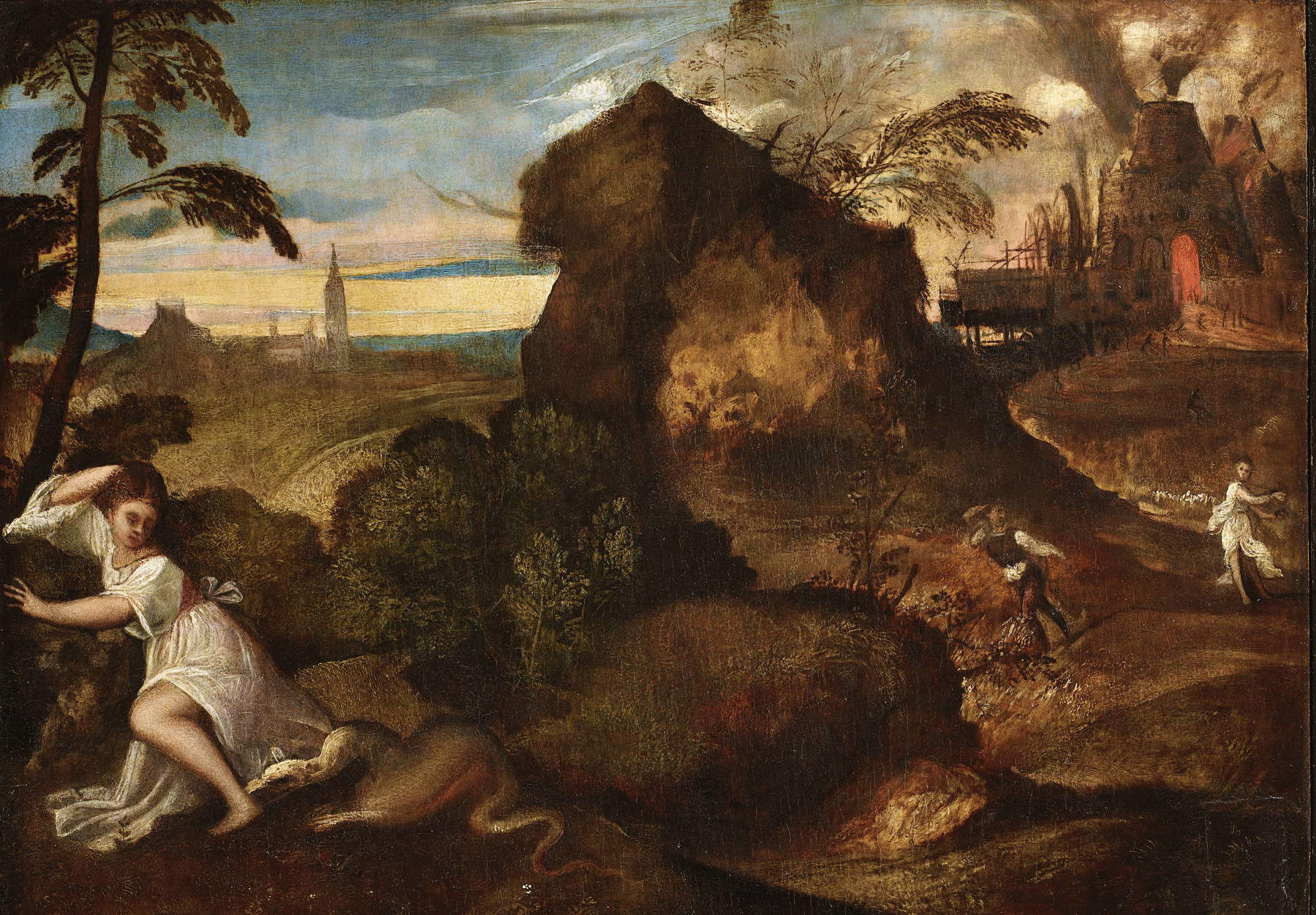
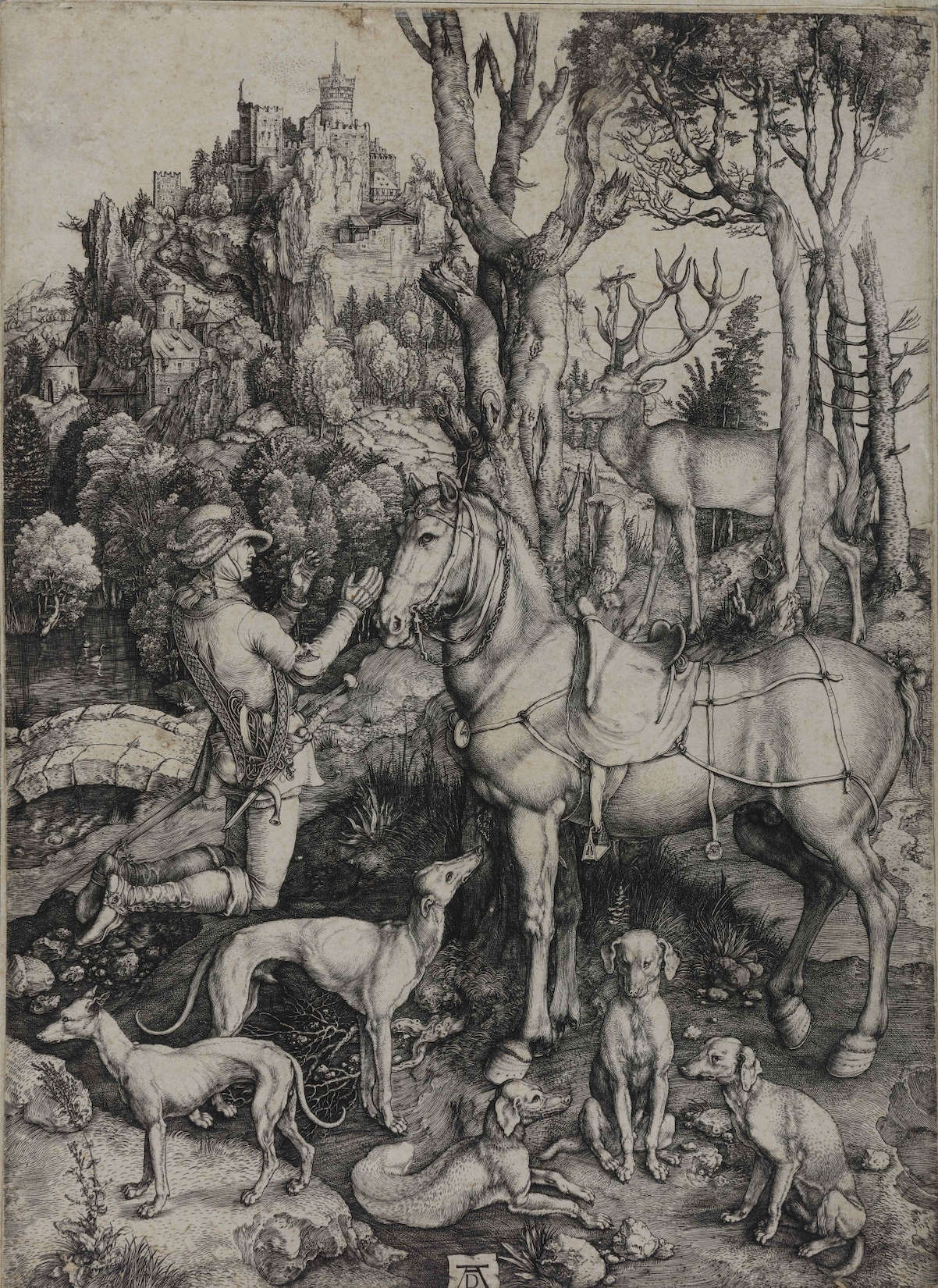
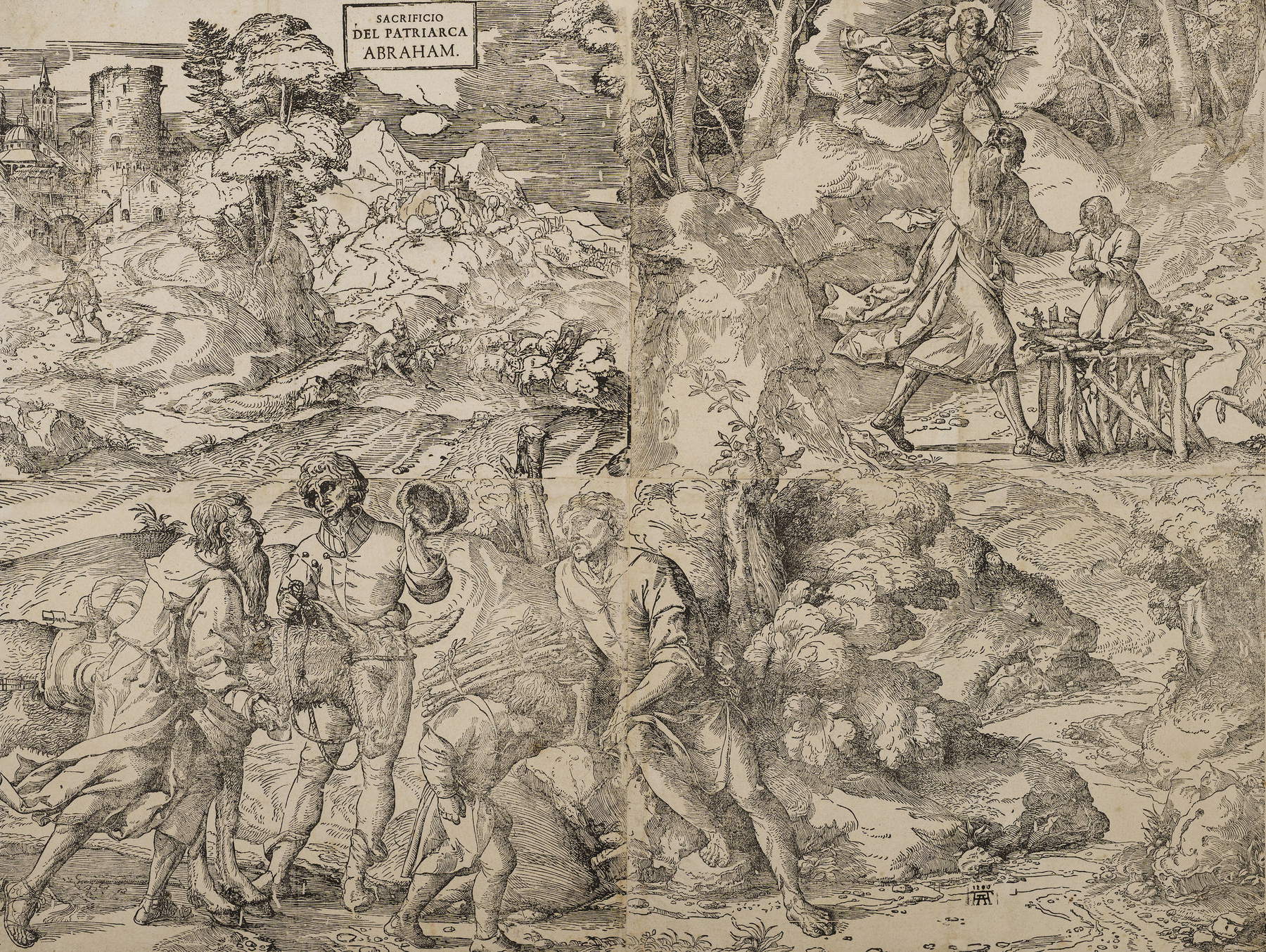
Titian was not only a brilliant painter but also a “seasoned” businessman and cultural strategist. Capable of dealing on equal terms with the most powerful figures on Earth (from Pope Paul III to Emperor Charles V, and even Philip II of Spain), he organized his workshop like a modern business. He never stopped experimenting, even in his late years when the Renaissance era was drawing to a close. In his late works, his painting became much more dramatic and somber. His brushstrokes became “frayed” and nervous, and the paint was thick and applied directly with his fingers (the famous “sfregazzi”), effectively anticipating the gestural styleof action painting.
We now come to the central focus of the exhibition, which draws a critical parallel between two different perspectives on Titian’s landscape painting. One is the view established by studies of the painter to date; the other is the current critical reevaluation by the two curators, Aikema and Dalla Costa. The landscape shifts from a perspective of the background’s emancipation toward the emergence of an autonomous genre to a definition of “genre” that did not yet exist in the sixteenth century, and where nature serves as a meaningful parerga. Perhaps, therefore, the main value of this work lies precisely in the courage to dismantle an anachronistic approach that remains prevalent in the field of art history. Declaring that an autonomous “landscape genre” did not exist in the 16th century restores Titian to his true Renaissance context: the landscape is not a timeless Romantic invention, but a parerga, according to Giovio’s definition, endowed with extraordinary semantic, symbolic, and narrative power. In this process, Titian and his circle constantly engaged with Northern prints (Albrecht Dürer, Lucas Cranach, the Danubian School, the *Weltlandschaft* by Patinir and Bles), assimilating compositional schemes featuring high horizons, natural central focal points (caves, rocks), and dense vegetation. Beginning in the second decade of the sixteenth century, the collaboration between Titian and Giulio and Domenico Campagnola gave rise to a distinct style of landscape on paper (drawings and engravings) destined for enormous success in the collectors’ market.
Over time, a “Titianesque” scheme became established, characterized by a horizontal development of the composition; the presence of a tree with a gnarled trunk placed in the foreground (often on the right) serving as a visual backdrop, and the presence of sloping planes receding into the distance along diagonals marked by winding waterways, hills, and small villages. And it would soon become a model that spread rapidly throughout Italy and Europe. From Girolamo Muziano, a pupil of Campagnola, who brought this style to Italy and Rome, all the way to Flanders and the Netherlands, where painters such as Paolo Fiammingo assimilated Titian’s artistic language, and Karel van Mander, in his *Schilderboeck* of 1604, expressly recommended that young artists study Venetian “landscapes.”
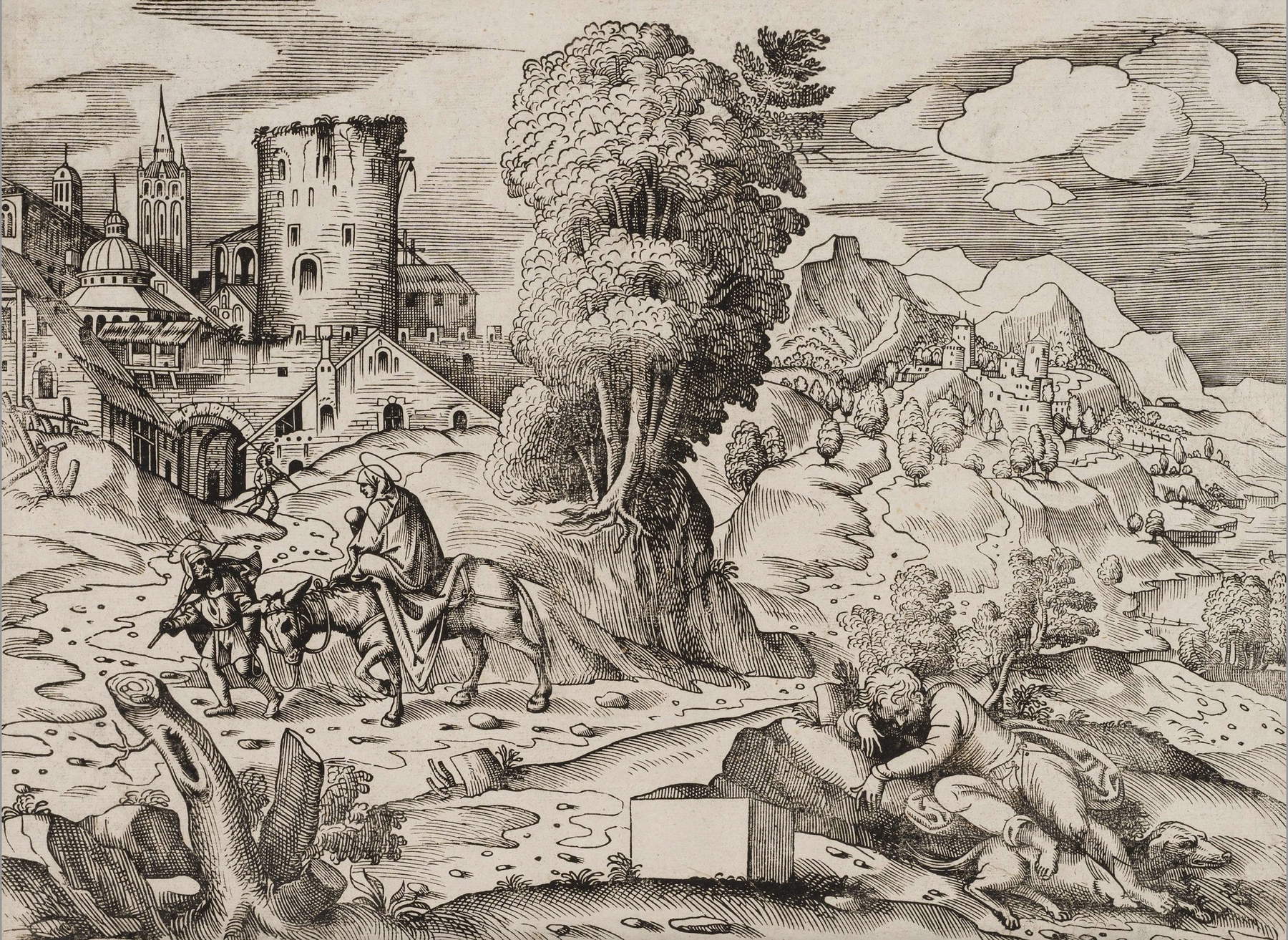
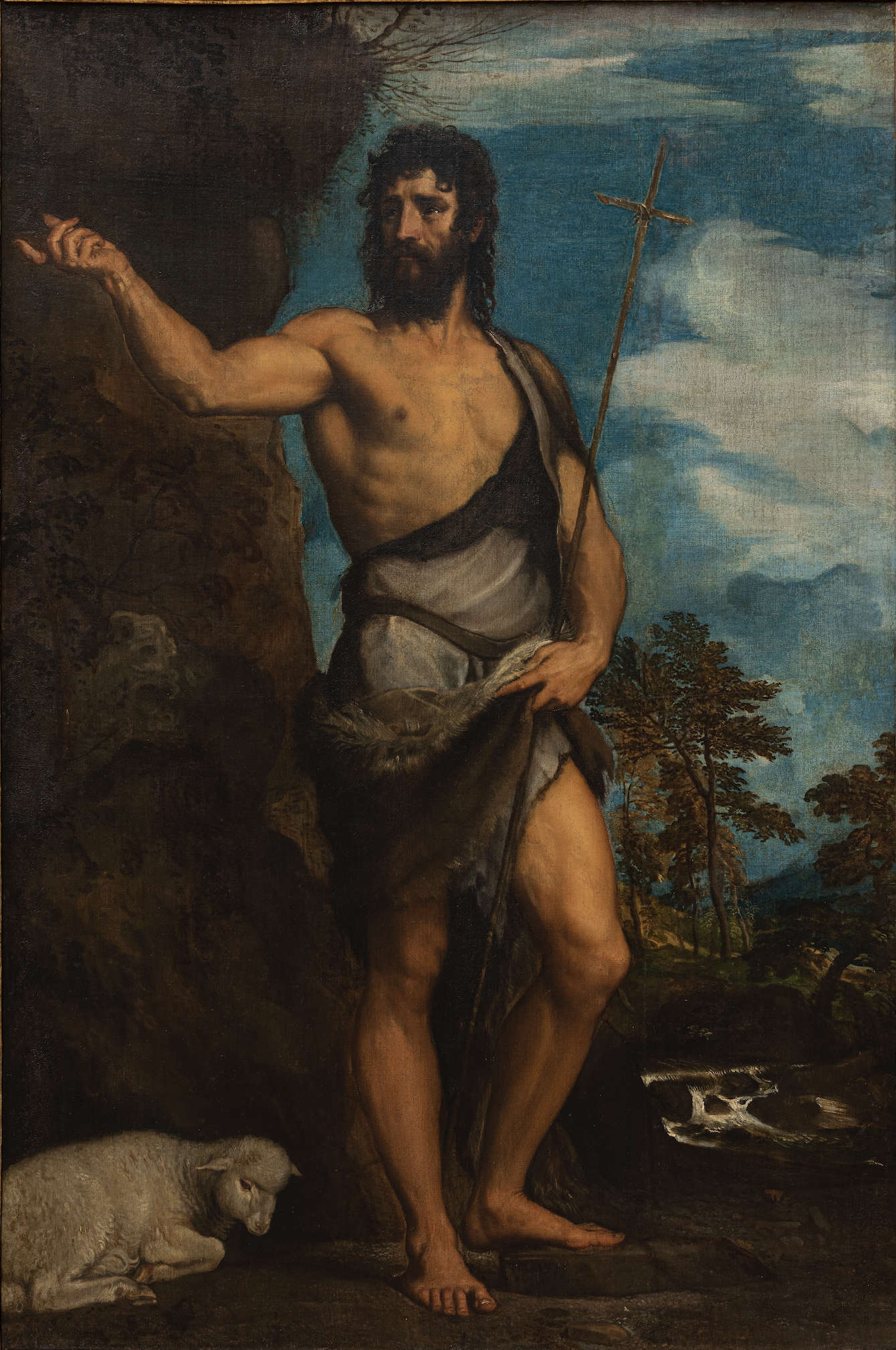
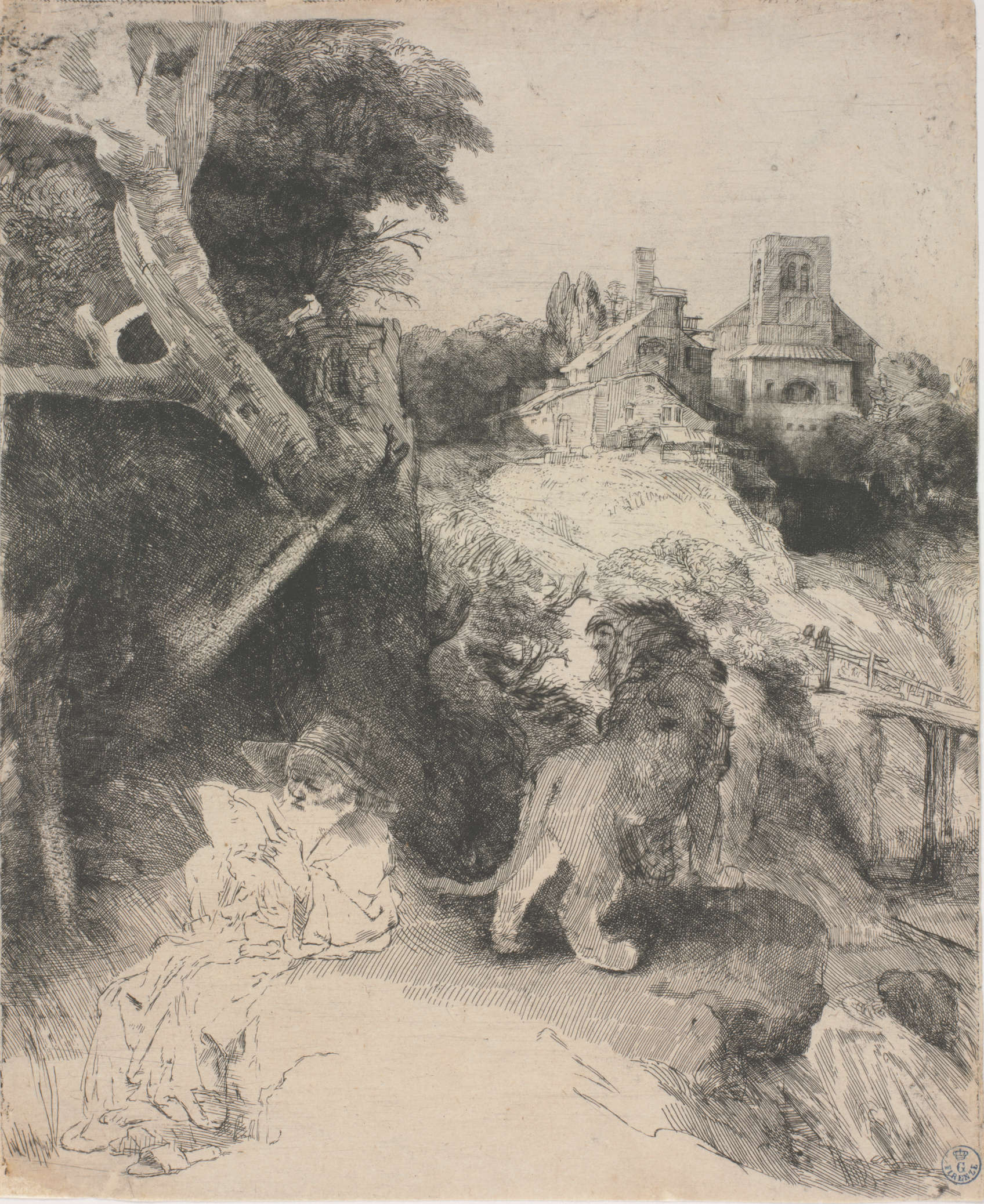
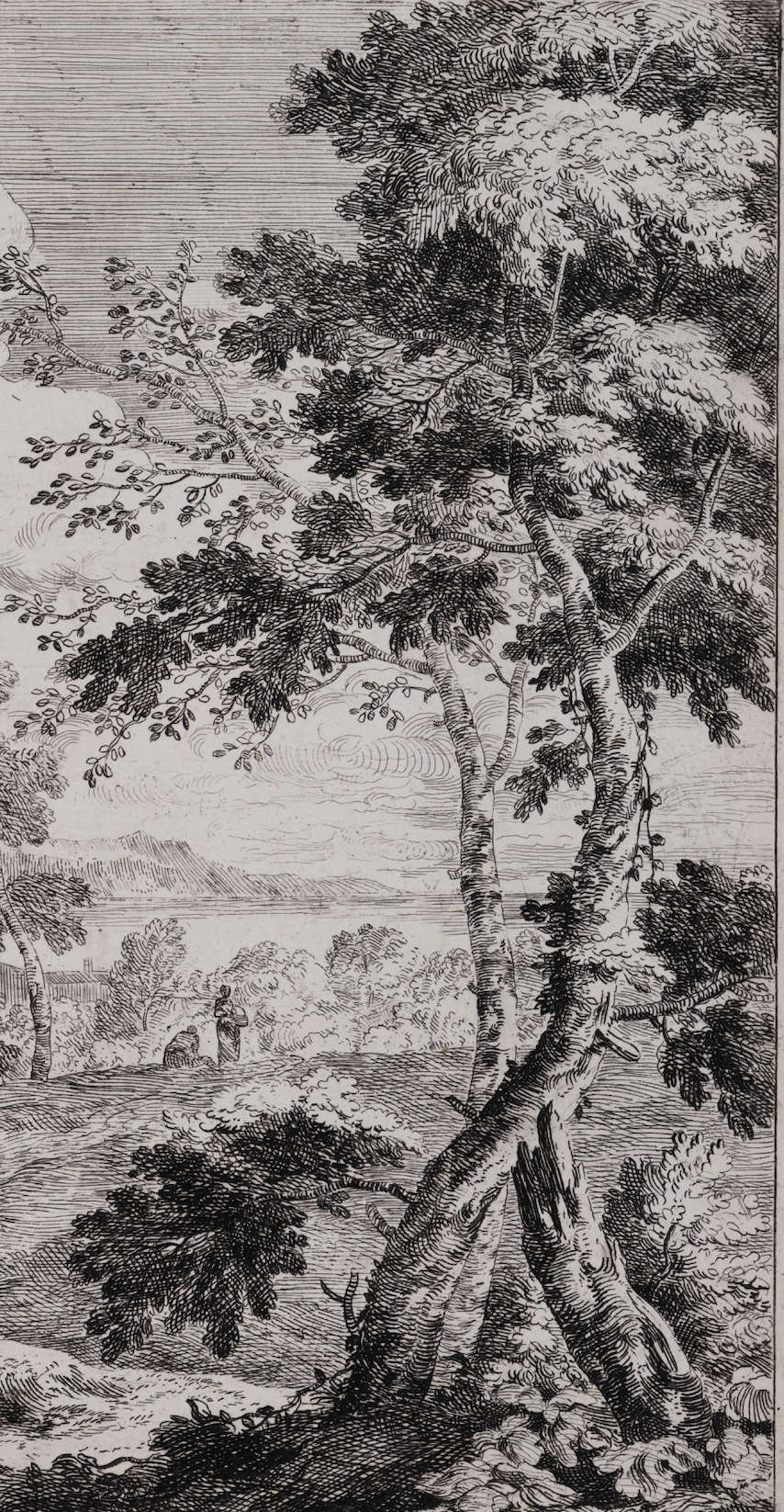
The persistence of this model extends into other eras as well. For example, Domenico Campagnola’s woodcut *Landscape with a Hurdy-Gurdy Player* became a prototype that was taken up and reworked by masters such as Pieter Paul Rubens, Giovan Francesco Grimaldi, and Marco Ricci. From Bologna (with Francesco Bosio and the Carracci circle) to England (Francis Torond), the compositional formula codified in Venice ultimately left an indelible mark on the history of European printmaking and landscape painting. As the curators explain: “The exhibition explores the role and importance of landscape in Titian’s work—an aspect that, curiously, is among the least explored in scholarly literature, even though it is perhaps one of the most significant elements of his artistic vision. In fact, in addition to the human figure, many other elements drawn from the natural environment also appear in the Cadorino artist’s paintings and works on paper. He was certainly not the first painter to include landscapes in his works; important artists from both Northern and Southern Europe had preceded him. However, it is evident that the depiction of nature in Vecellio’s images appears transformed compared to these models; it takes on new atmospheric qualities and a different role within the pictorial fabric, since in these works the figures are harmoniously integrated into the natural setting rather than simply placed in front of the landscape. Examples of this new approach abound in Titian’s body of work, from his early pieces through to his mature output. The project therefore aims to pose new questions and investigate this phenomenon—which had an enormous impact on subsequent visual culture, not only in Italy—with a fresh critical perspective.”
But there is more: the exhibition also offers an opportunity to reflect on the transformations in our relationship with the natural world, allowing us to restore to the seventeenth and then the eighteenth centuries the proper role of landscape in painting, centuries in which a true codification of nature in European painting took place through artists ranging from Poussin to Watteau.
Ultimately, even in light of all the critical, visual, and theoretical insights that the exhibition has brought to the fore, the project organized in Pieve di Cadore—albeit featuring a limited number of paintings—proves to be one of the most profound and insightful moments of the Titian celebrations. Its merit lies precisely in its rejection of monolithic certainties and in its ability to foster an open critical debate. By demystifying the figure of the “pioneering landscape painter,” the exhibition restores Titian to his true stature: a master for whom women and men, light and nature share, on the canvas, the same blood and the same flesh, in a single, unforgettable destiny. That of great painting: from Cadore, from Venice, from Italy, and from Europe.
Warning: the translation into English of the original Italian article was created using automatic tools. We undertake to review all articles, but we do not guarantee the total absence of inaccuracies in the translation due to the program. You can find the original by clicking on the ITA button. If you find any mistake,please contact us.