




by Emanuela Zanon 24/11/2026



Categories: Exhibition reviews / Disclaimer
At the Museo Novecento in Florence, 25 paintings trace the artistic journey of Victor Man, a Romanian artist born in 1974—a reclusive figure on the international art scene, rarely photographed, and almost impossible to approach by his own choice. A nocturnal style of painting in which images slowly emerge from the darkness and art history is transformed into unease and vision. A review by Emanuela Zanon.


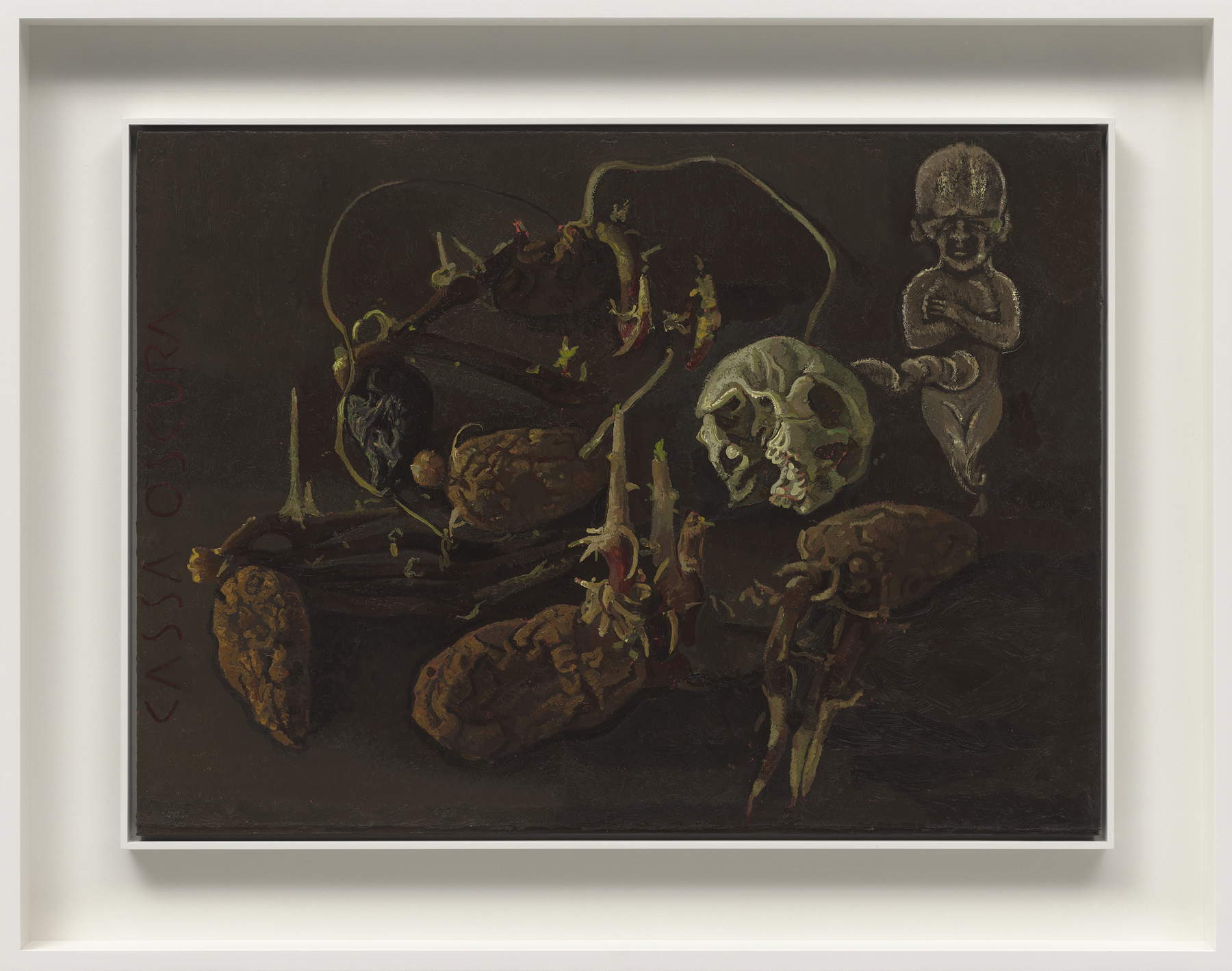
Victor Man (Cluj, 1974) is one of the best-known and, at the same time, most mysterious artists of our time. Although he is invited to exhibit at the world’s most prestigious venues, such as the Venice Biennale (Romanian Pavilion, 2007) or the Bourse de Commerce in Paris (Clair-obscur, March 4–August 24, 2026), represented by leading international galleries such as David Zwirner (New York, London, Paris, Hong Kong), Galerie Max Hetzler (Berlin, Paris, London), and Gladstone Gallery (New York, Brussels), and featured in major collections such as the Centre Pompidou, the Tate, and, in Italy, the Fondazione Sandretto Re Rebaudengo, it is virtually impossible to find a photograph of him or an interview with him online. As Mihai Pop, co-founder of Galeria Plan B—which opened in 2005 in Cluj with a solo exhibition by the painter, whom he has known since their shared childhood in Romania’s second-largest city— explains, Victor Man “wanted to be in the most visible contexts, yet remain the most invisible person within them.” In contrast to the fame he has achieved and the growing attention from the international art world, the artist continues to adopt a reclusive and elusive stance, resistant to the dynamics of media overexposure, entrusting his public identity solely to the iconic nature of his painting, characterized by unmistakable twilight atmospheres, semi-darkness, visual enigmas, and figures steeped in sulfurous reverberations.


The Museo Novecento in Florence is now dedicating the entire ground floor of the former Leopoldine—an historic complex overlooking Piazza Santa Maria Novella that for centuries housed a religious community and a shelter for pilgrims—to his work, bringing together, curated by Sergio Risaliti, twenty-five paintings created between 2008 and 2026. The exhibition offers a valuable overview for understanding the artist’s trajectory, having grown up in the 1980s under Ceaușescu’s regime in a climate of censorship where access to Western visual culture was largely barred. One is tempted to attribute to this experience of deprivation and longing the constant tension toward what remains hidden, inaccessible, or merely intuited—a hallmark of his paintings— a sense of unease that the artist seems intent on conveying to the viewer as well, who is in turn compelled to uncover with their gaze what the image conceals in the shadows.


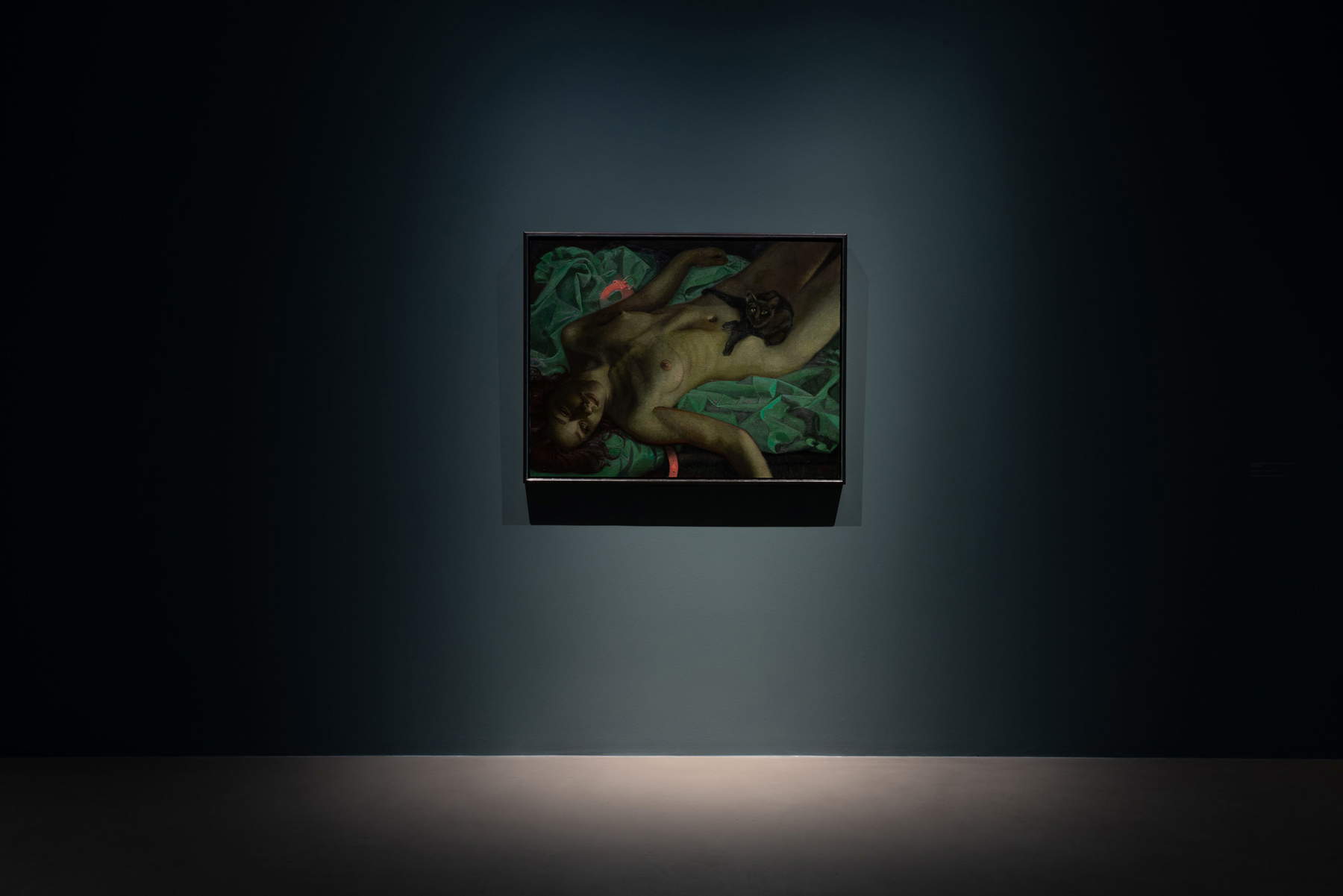
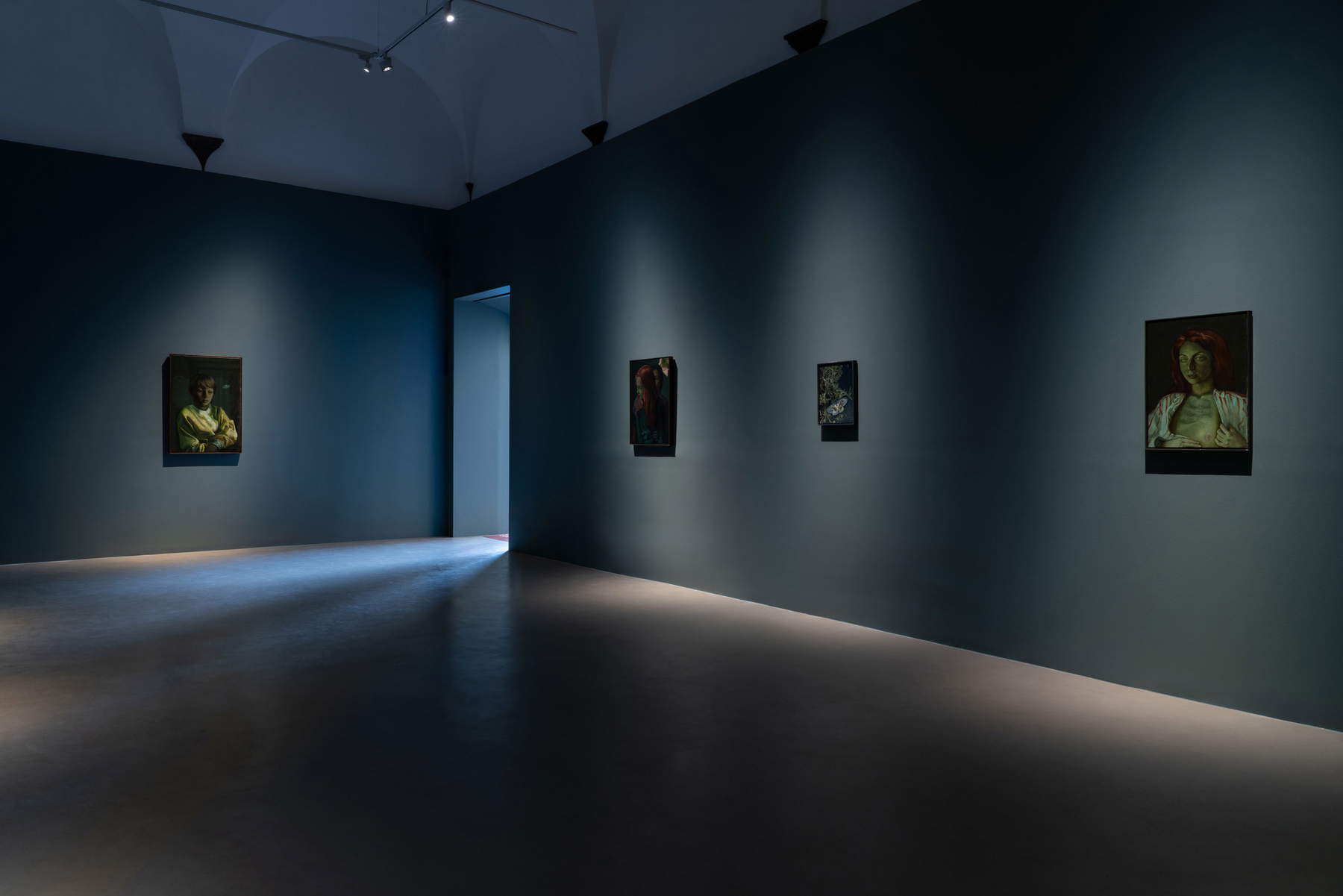
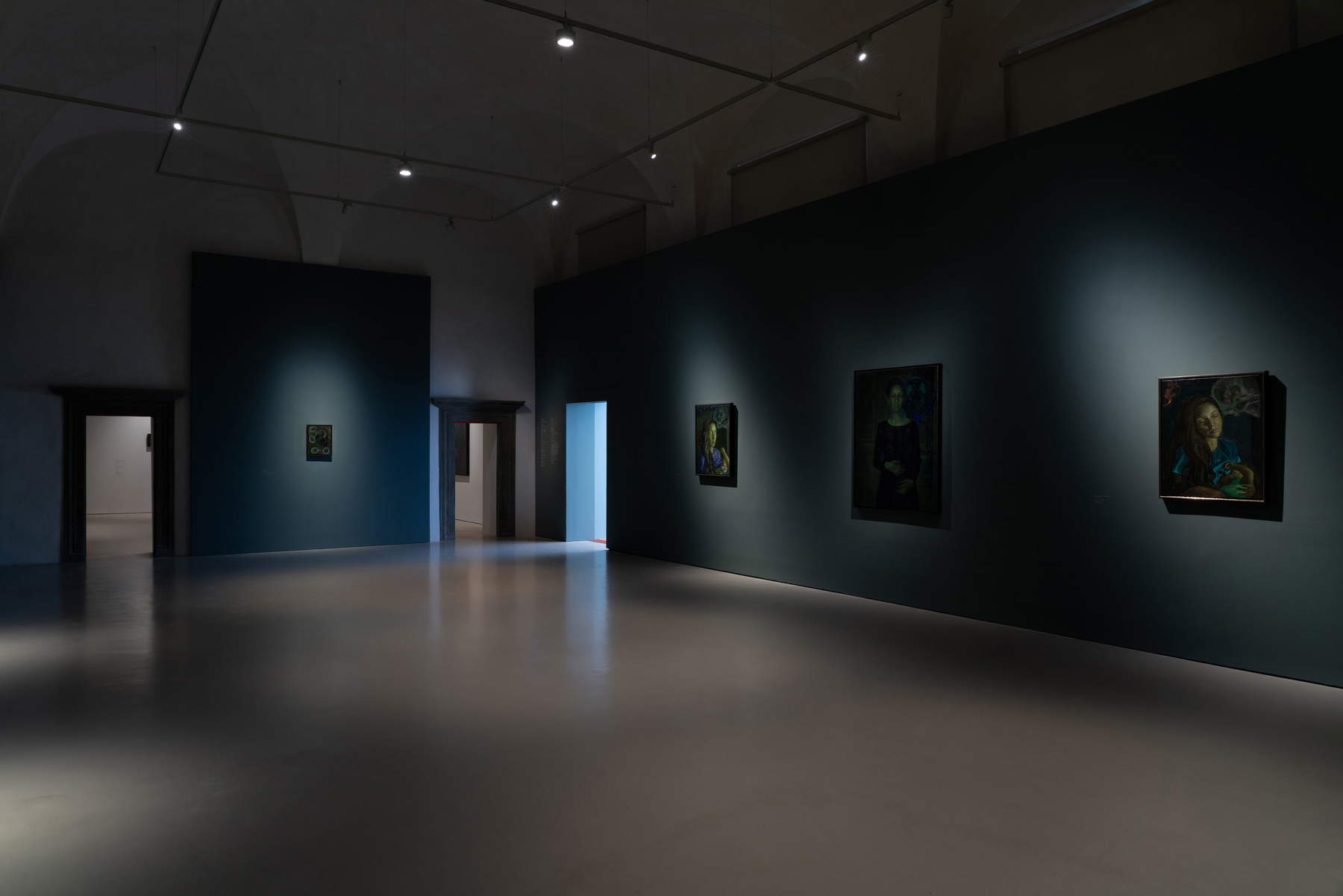
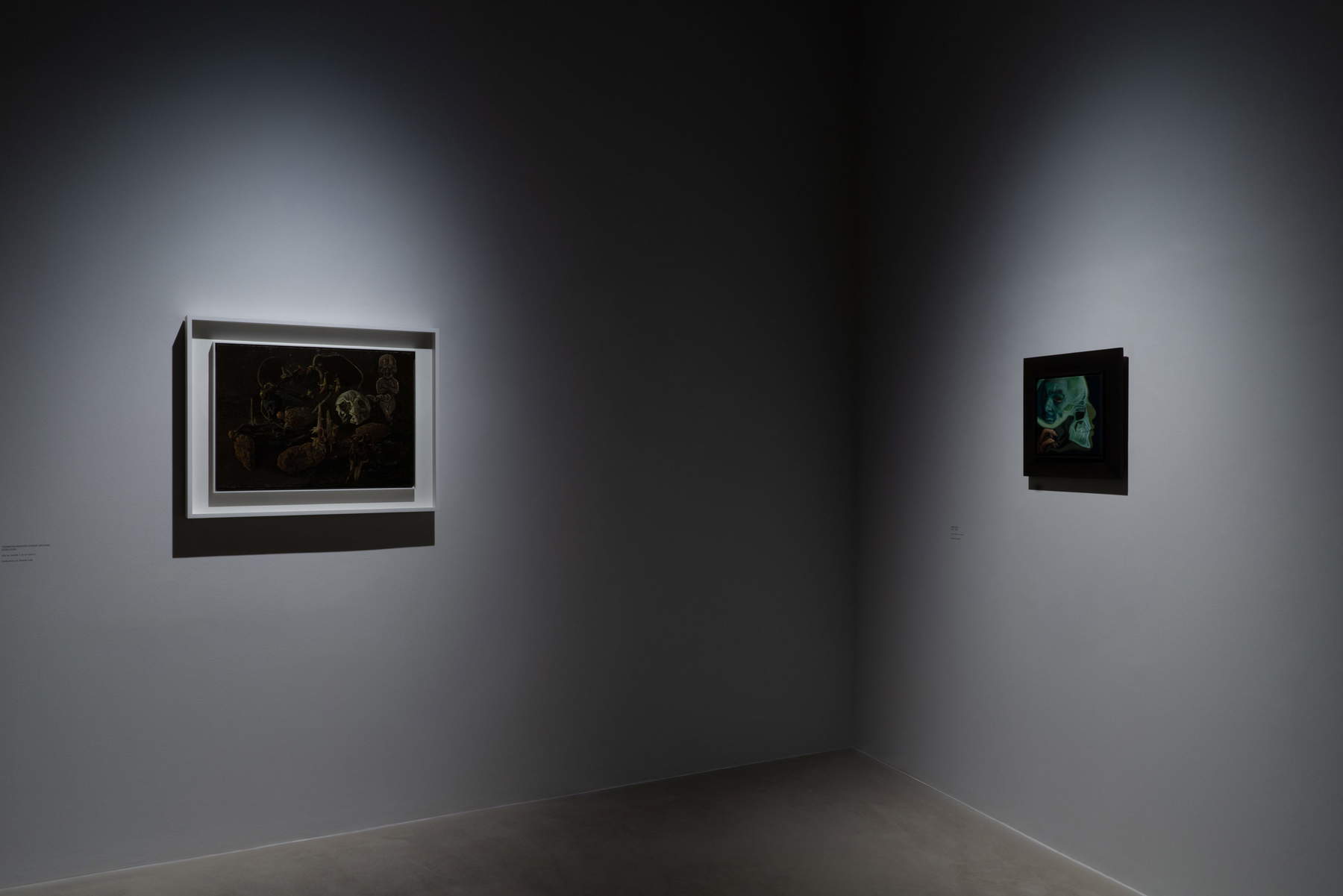
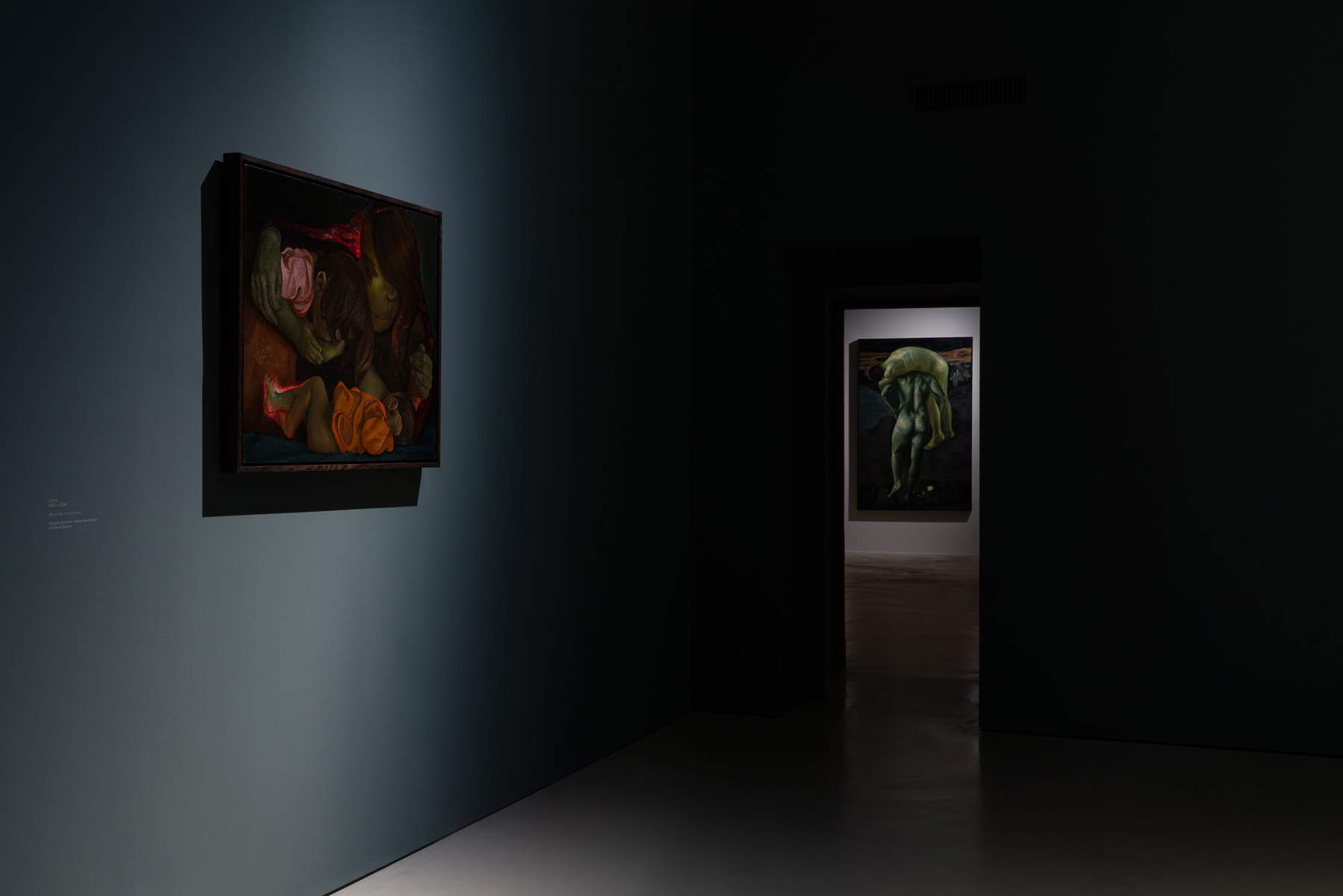
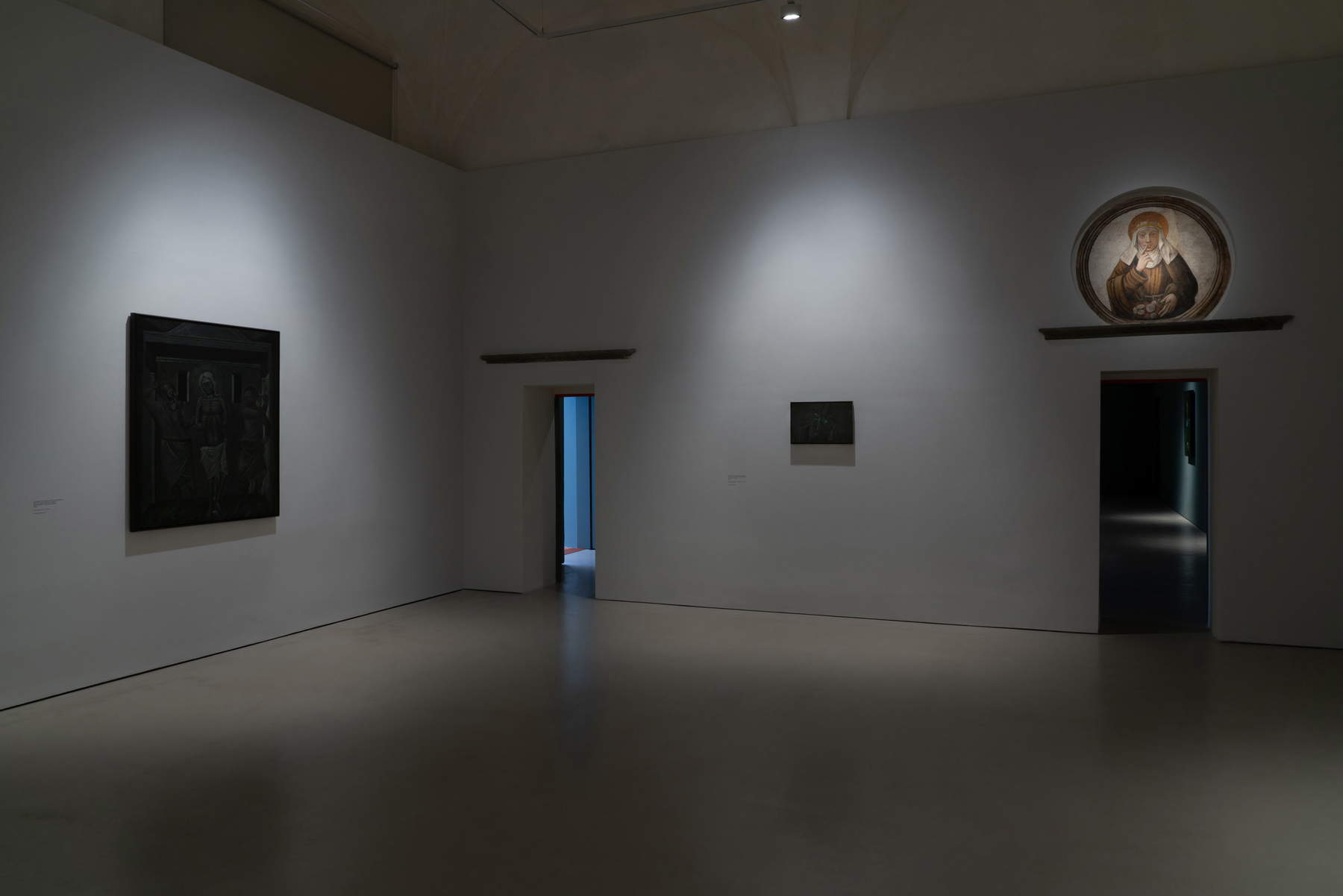
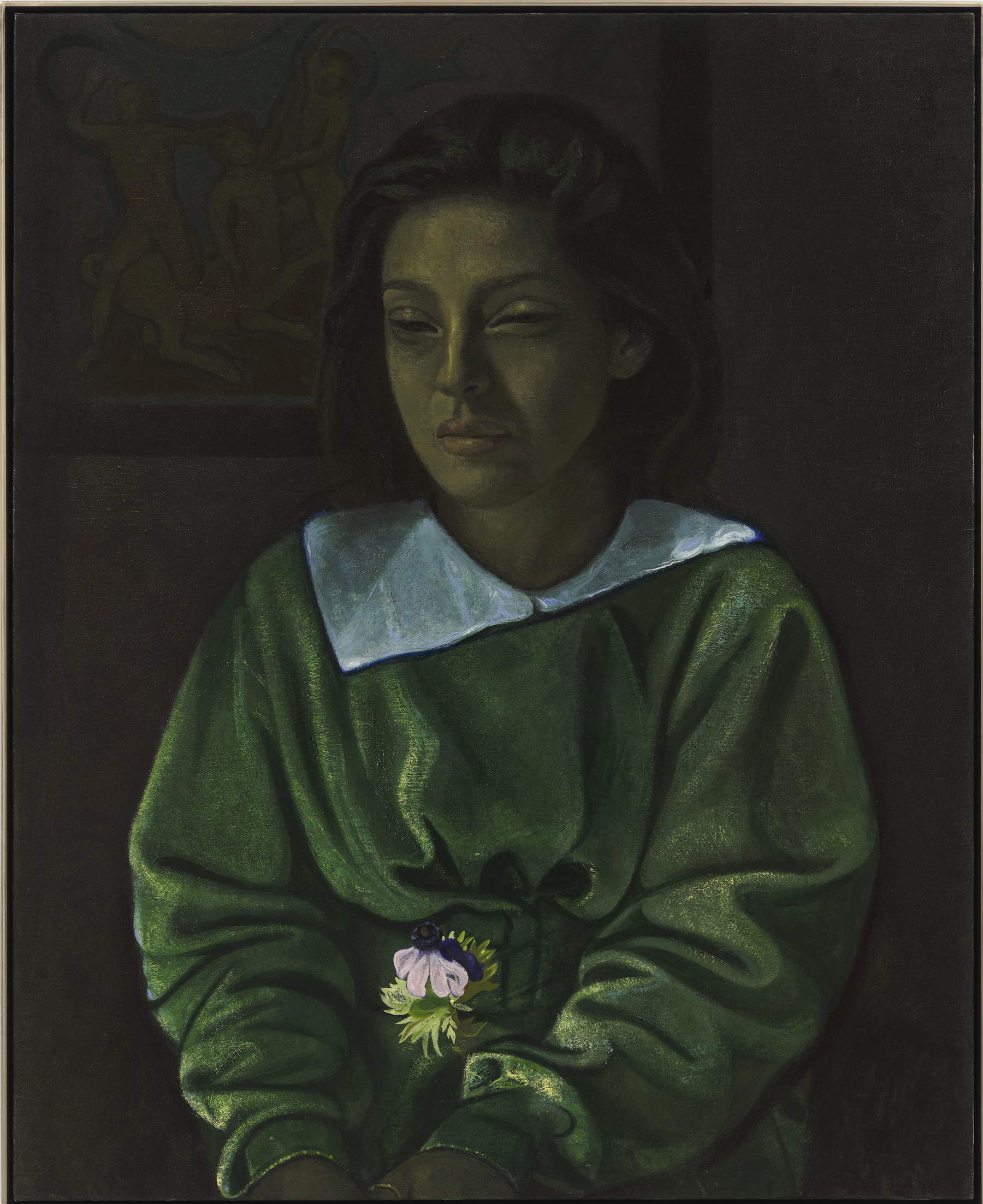
In Man’s work, references to historical masters—from Goya to El Greco and Velázquez—intertwine with echoes of Symbolism and Surrealism and with a dialogue with 19th- and 20th-century painting, from Édouard Manet to Gerhard Richter. After studying at the Academy of Fine Arts in Cluj in the 1990s, the artist continued his training at the Jerusalem Studio School, practicing from life. This was followed by a long period of experimentation, during which his painting moved beyond the canvas to engage with the wall and with diverse materials. In 2005, for the opening of Plan B, the artist painted an imaginary monochrome duel on the wall, culminating in the cremation of the combatants and the transformation of their remains into pigment: a sort of allegory of painting as matter born of death. Beginning in the mid-2010s, this artistic exploration reached full maturity, focusing on oil painting—often in small formats—and portraiture. Man draws on canonical poses and iconography from art history and transposes them into the present through details of contemporary clothing and objects. An unnatural color palette, dominated by spectral greens and livid blues, interposes a filter between the image and reality that distances it from current events and transports it to a meditative, almost devotional dimension.


The essence of this nocturnal painting is effectively summarized by a statement by the artist, chosen by Sergio Risaliti as the epigraph for his text: “Painting must silence language.” Each painting eludes a single interpretation (an expression used too casually by many painters today, but here restored to its proper weight), and figuration gives way to an evocation that proceeds through allusions, symbols, and associations, revealing themselves only to a gaze capable of waiting. The silence required to approach these works finds an echo in one of the rooms of the Florentine museum, in a frescoed tondo from the former convent complex, where a saint, wrapped in a habit, raises her index finger to her lips—a fitting invitation to contemplation for the visitor as well.
The exhibition design has successfully risen to a twofold challenge: immersing the visitor in the emotional atmosphere of the paintings and, at the same time, lowering the threshold of visual perception, enabling the eye to grasp, on the surface of the canvas, the slow and surprising emergence of figures and colors. The rooms are shrouded in dim light, the walls painted in muted, deep colors, and each painting emerges from the darkness thanks to a focused beam of light that isolates it like an epiphany. The viewer is encouraged to slow down, to wait for the eye to adjust to the darkness, and only then does the image begin to reveal itself, along with the details that enrich its meaning: a red ribbon in the hair, flowers, bones, small objects laden with symbolic meaning, scattered like clues. In Man’s paintings, light directs attention toward the focal points of shadow and manifests as an intrinsic property of color itself, revealing itself in sudden, acid-like phosphorescence and flashes of orange that pierce a palette dominated by green, cobalt, and black. It is the grammar of chiaroscuro, which Emma Lavigne placed at the center of the recent exhibition at the Bourse de Commerce, in which Man emerges as a paradigmatic contemporary interpreter of the tension between light and darkness characteristic of great 17th-century European religious painting—whose sense of mystery, even as faith has waned, survives intact in his paintings.
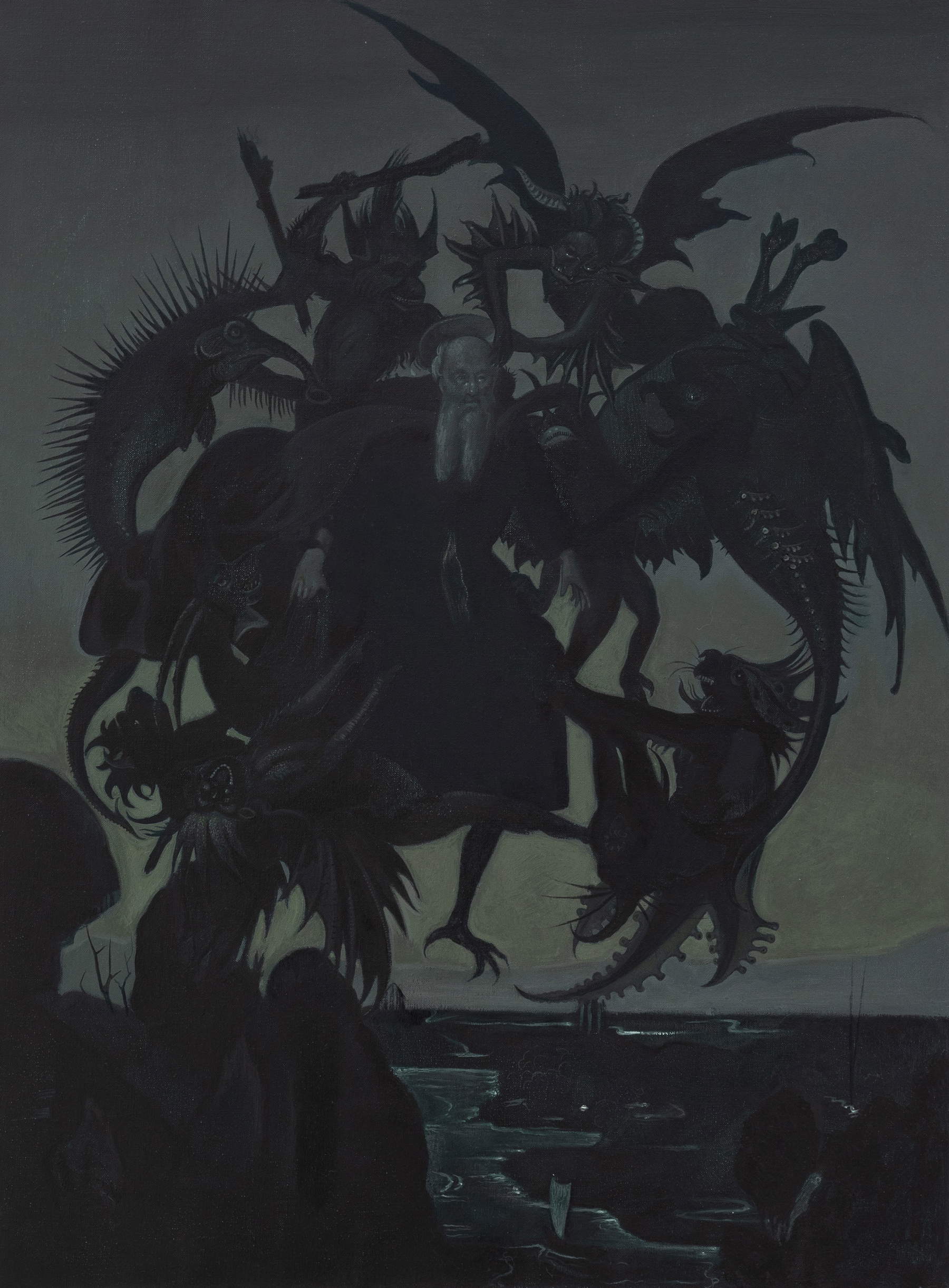
The artist’s relationship with the history of painting is made explicit in the room dedicated to several paintings from the series *Luminary Petals on a Wet Black Bough*, created between 2008 and 2023. The title draws on the closing line of Ezra Pound’s “In a Station of the Metro” (1913), which compares the faces glimpsed in a station crowd to “petals on a wet black bough.” The first line of the poem speaks of an apparition, and in a similar way, the images in this series present themselves to the viewer as ghostly presences, akin to frames from a film altered by the passage of time. In these canvases, Man repaints masterpieces of Italian painting from the Middle Ages to the Renaissance, transforming them into a somber monochrome, almost at the limit of visibility, as if a veil of soot had settled over the images. In *Untitled (After Michelangelo) * from 2022, one can recognize *The Torment of Saint Anthony*, an early painting attributed to Michelangelo from his apprenticeship in Ghirlandaio’s workshop, which in turn is based on an engraving by Martin Schongauer. A swarm of winged, clawed creatures lifts the saint into the sky, above a seascape, and the scene—reduced to a range of grays and blacks—transforms into a sort of Chinese shadow play, a photographic negative, in which the demons seem to dissolve into the night that gave birth to them. The series offers a privileged vantage point on the process through which Man assimilated the models of the past. The source works are repainted with a philological precision that renders every detail—from the perforations in the halos to the folds of the drapery, from the architecture to the facial expressions—only to then submerge everything in a single nocturnal hue. For him, copying an image means passing through it, appropriating it, and finally extinguishing it, so that only its structure, rhythm, and memory survive. Rooted in this practice of listening and transfiguration, therefore, lies the maturity of a painting capable of alluding without resorting to pastiche, and of looking to the old masters without granting the contemporary world the privilege of consuming them hastily.
The artist’s works seem to come from another era, in part due to their distinctive material quality. The surface texture, shaped by thin, transparent glazes, appears fragile and worn from use; in certain areas, it is bubbled and uneven, as if it had undergone aggressive restoration. The varnishes seem darkened by time and smoke, while the blacks of the backgrounds advance into the foreground as if they were trying to gradually absorb all the other colors, allowing only the brightest tones to survive. Set against this complex patina are greenish figures and faces, luminous and bloodless at the same time. In the city, “ ” by Pontormo and Rosso Fiorentino, more than ever, bring to mind the iridescent flesh of Mannerism—the era when, immediately following the balance of the Renaissance, bodies began to turn gray, green, and restless. Rather than merely reflecting a stylistic adherence, this palette functions as a diaphragm that creates distance from reality, reminding us that painting can afford to betray the colors of the world in order to reveal a deeper truth.
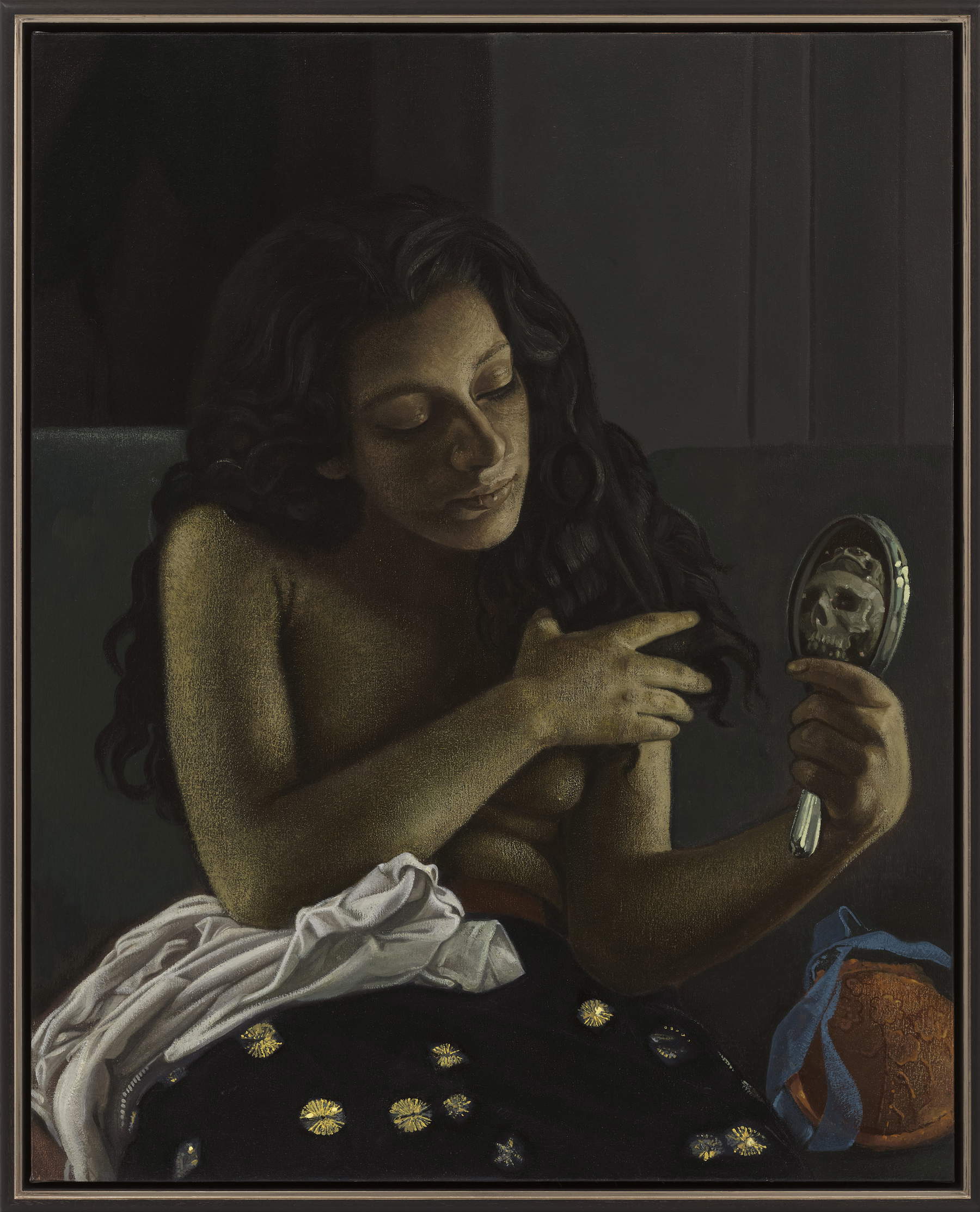
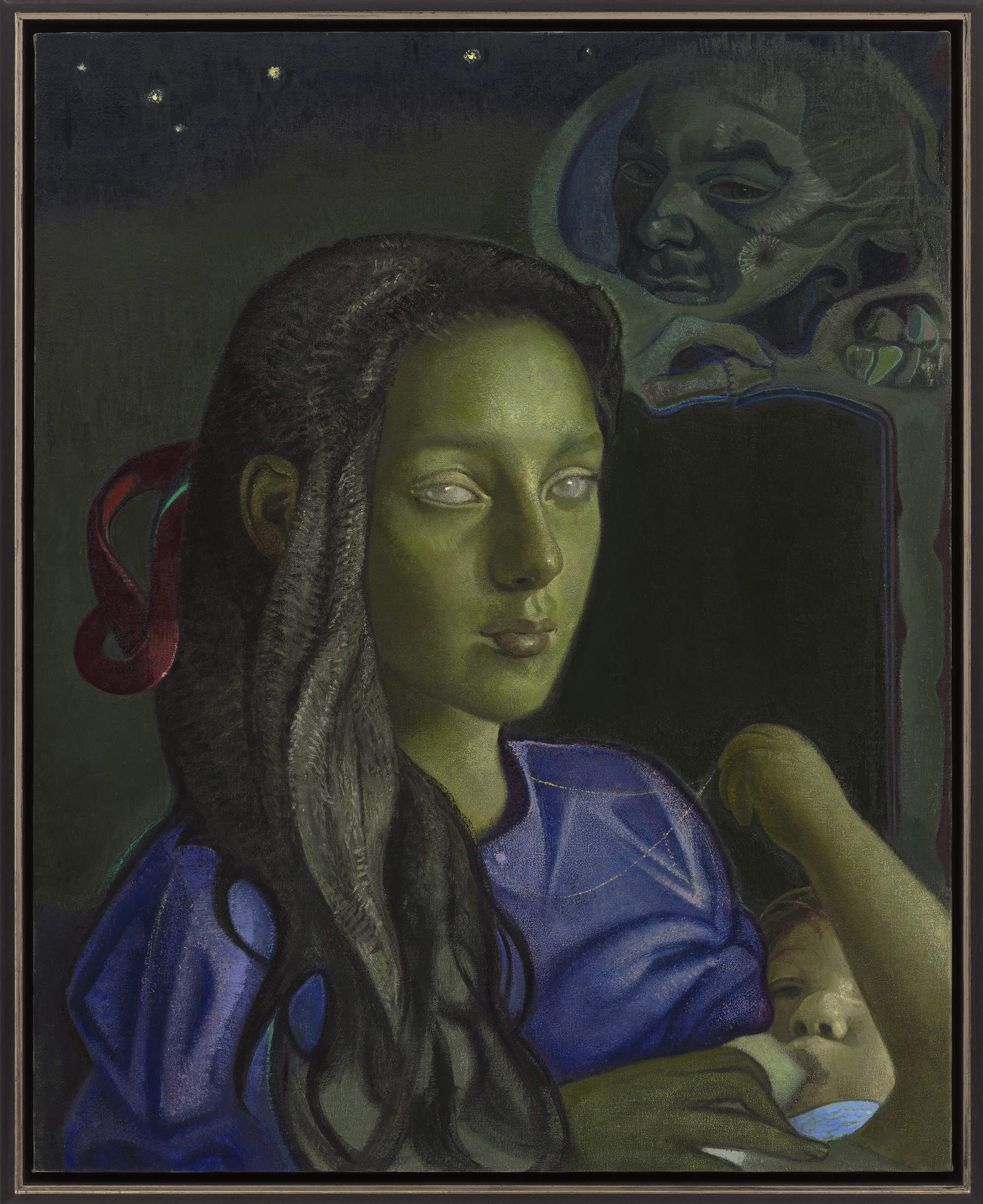
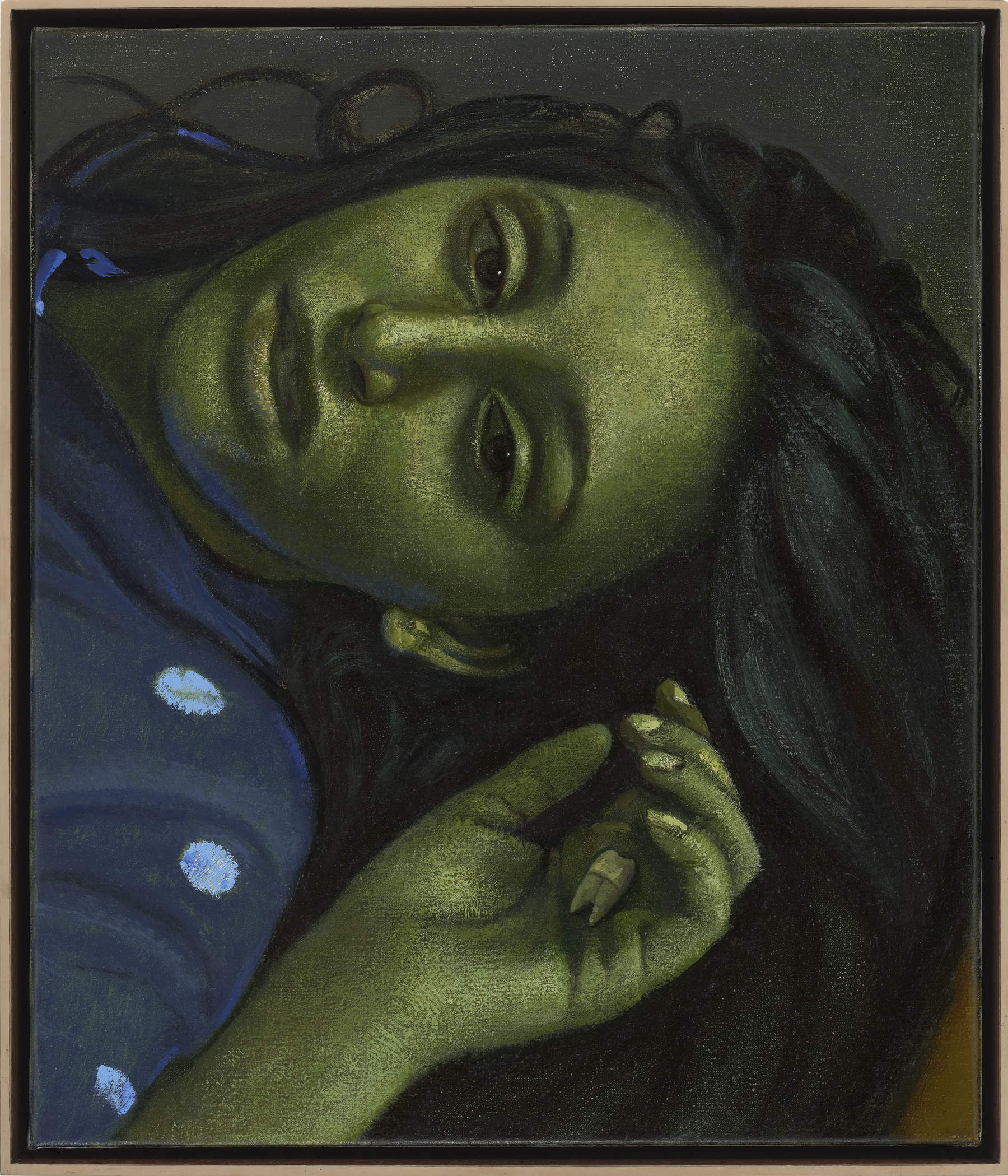
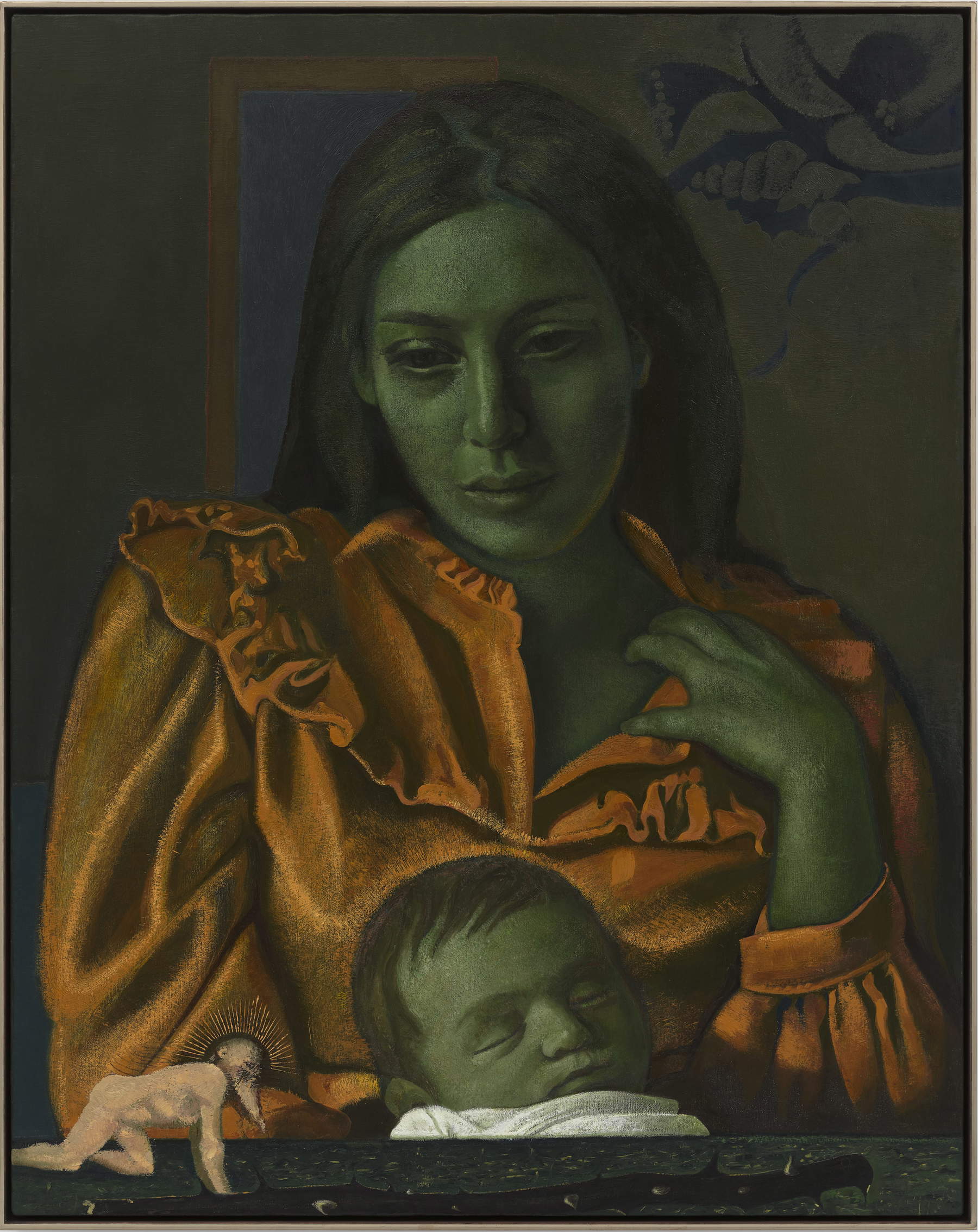
The first room is dedicated to the theme of motherhood, one of the most intimate core themes in Man’s painting, consistently rendered in images suspended between contemplation and apprehension, in which the sacred iconography of the Madonna and Child is transposed into a domestic and unadorned present. In *Maternity with Legend* (2024), the head of a newborn with closed eyes—whose pallor suggests the uncertainty between sleep and death—appears in the foreground next to the mother, while at the bottom edge a small, haloed cherub (whose face is disfigured by a smear of paint that makes him resemble the grotesque creatures of Hieronymus Bosch) crawls alongside a thorny branch—another fragment of sacred iconography that has escaped the frame. This foreboding returns in *Maternity (Curve delle Anime) * (2025), in which the X-ray outline of a skull (inside which a flayed head takes the place of the brain) emerges from the darkness above a nursing mother, and in the small tooth that the protagonist of *Gypsy Girl with Tooth* (2023) holds against her cheek—both a childhood relic and a *memento mori* at the same time. Finally, in *Maiden with Skull* (2024), Man blends the Nordic motif of Death and the Maiden with the iconography of the Penitent Magdalene, rendering them with natural ease.
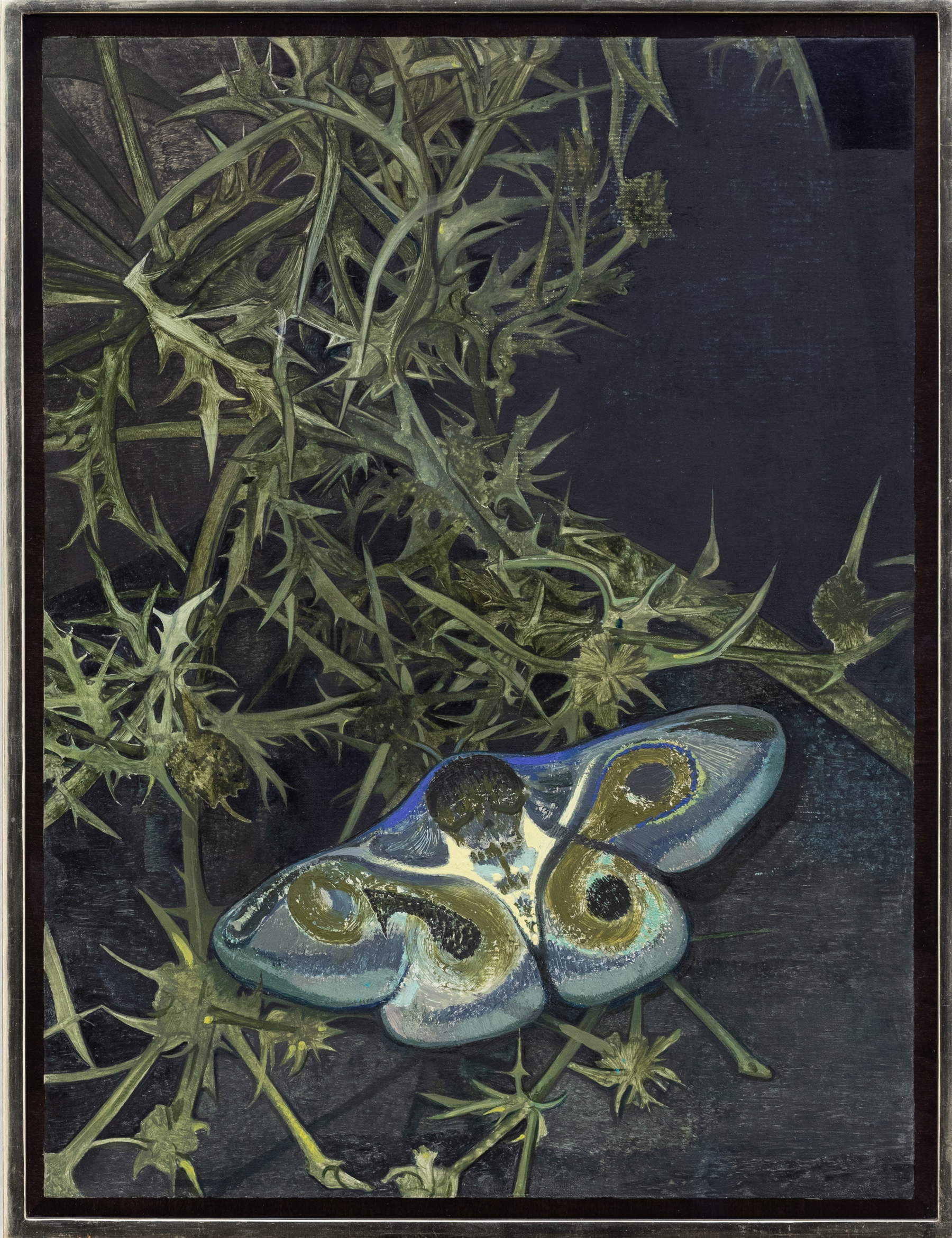
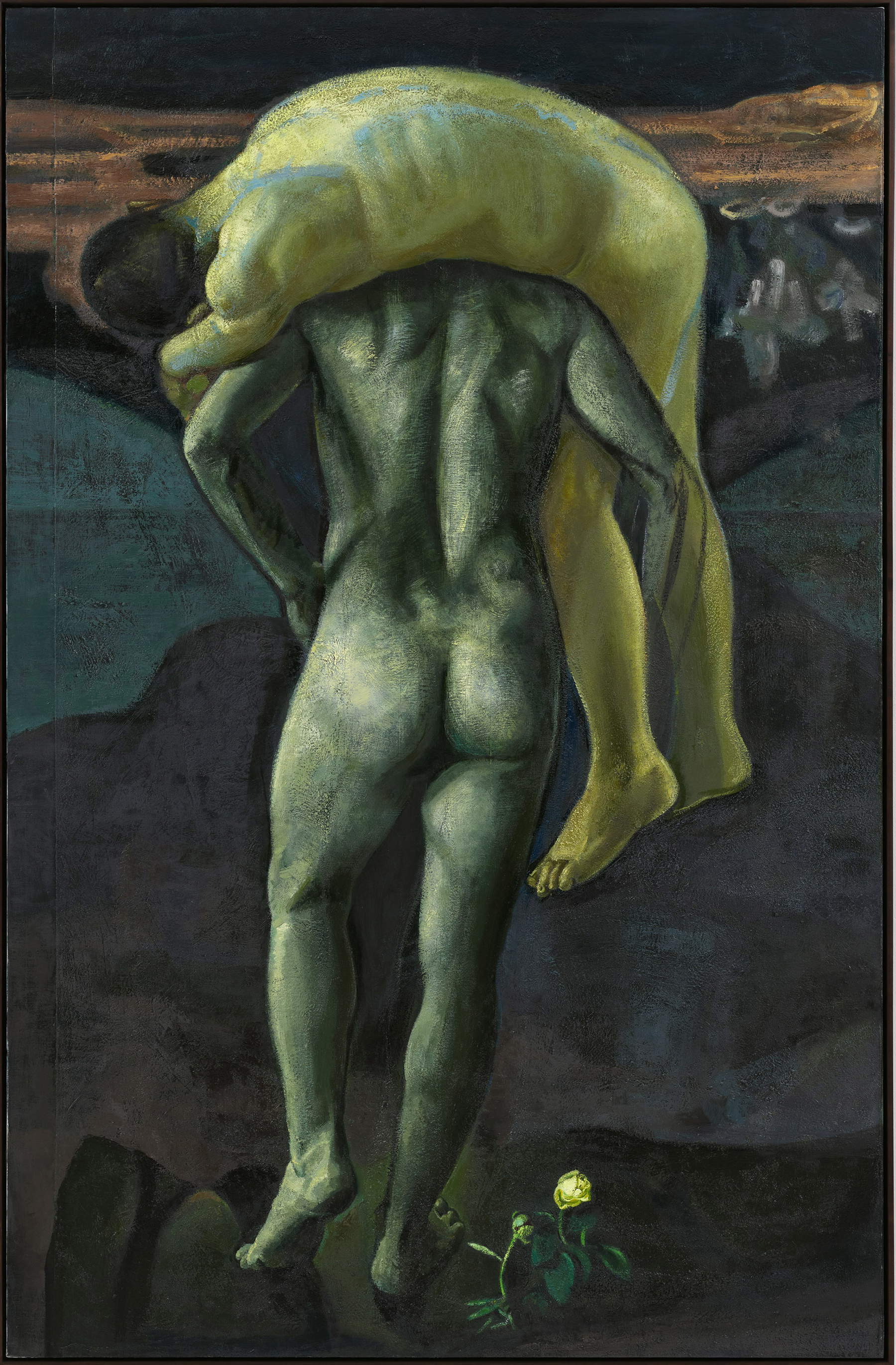
Moving forward, the tension between life and death becomes more explicit. In *A lelkek temetöje, der Friedhof der Seelen* (2019)—a title that combines Hungarian and German to evoke a cemetery of souls—a large moth with eye-like wings alights on a tangle of brambles, a symbol of a fragile, nocturnal psyche. *Noapte Transfigurata* (2020–2025), the Romanian translation of *Verklärte Nacht*, Arnold Schönberg’s sextet inspired by Richard Dehmel’s poem in which a woman confesses to her beloved that she is expecting a child by another man and receives his forgiveness in return, depicts a man advancing through an underworld landscape, carrying a pale, abandoned figure on his shoulders. The composition evokes both the carrying of a lifeless body and the ancient iconography of the Good Shepherd, causing the scene to oscillate between mourning and salvation, while a small white flower blooms on the ground, the sole note of light.
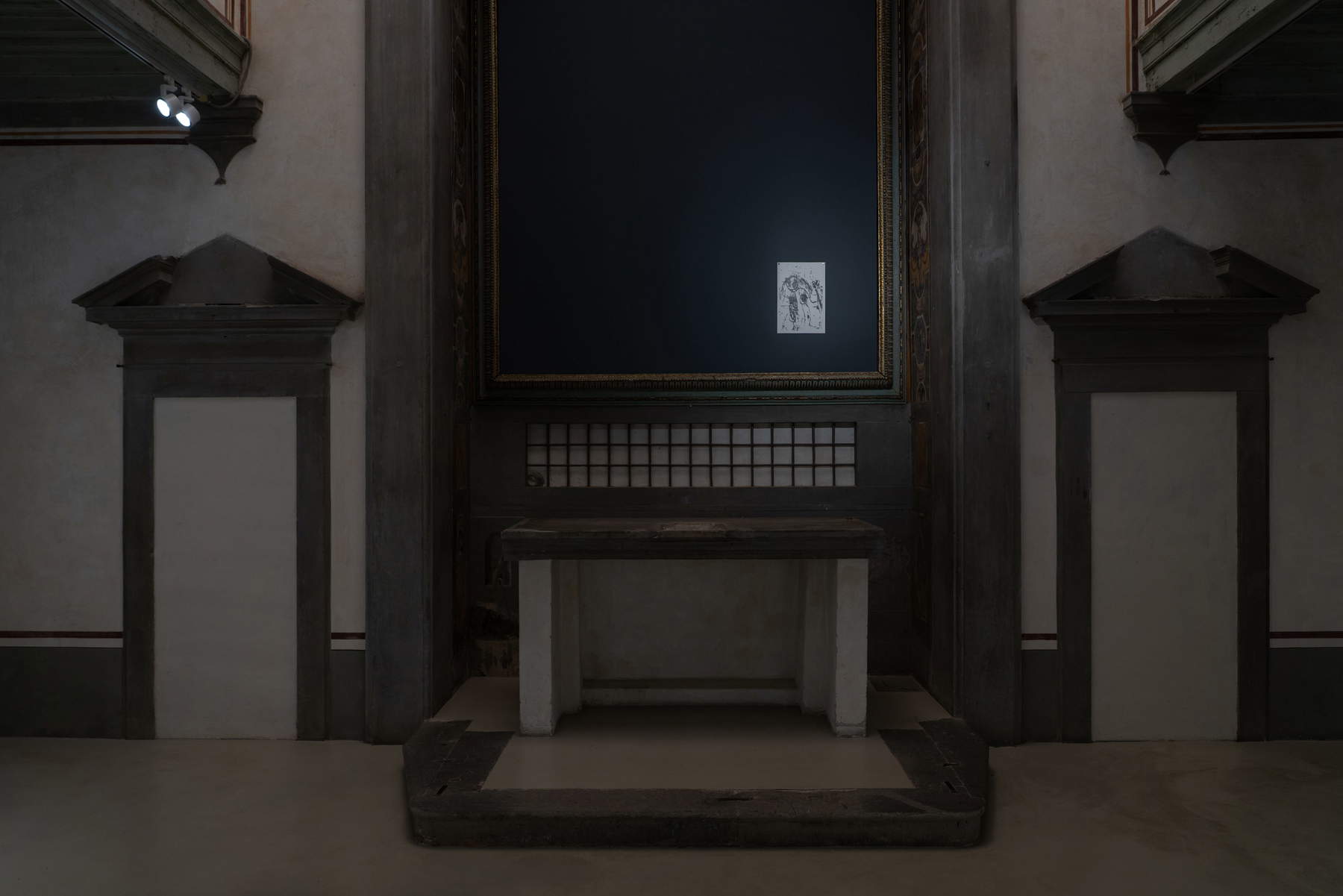
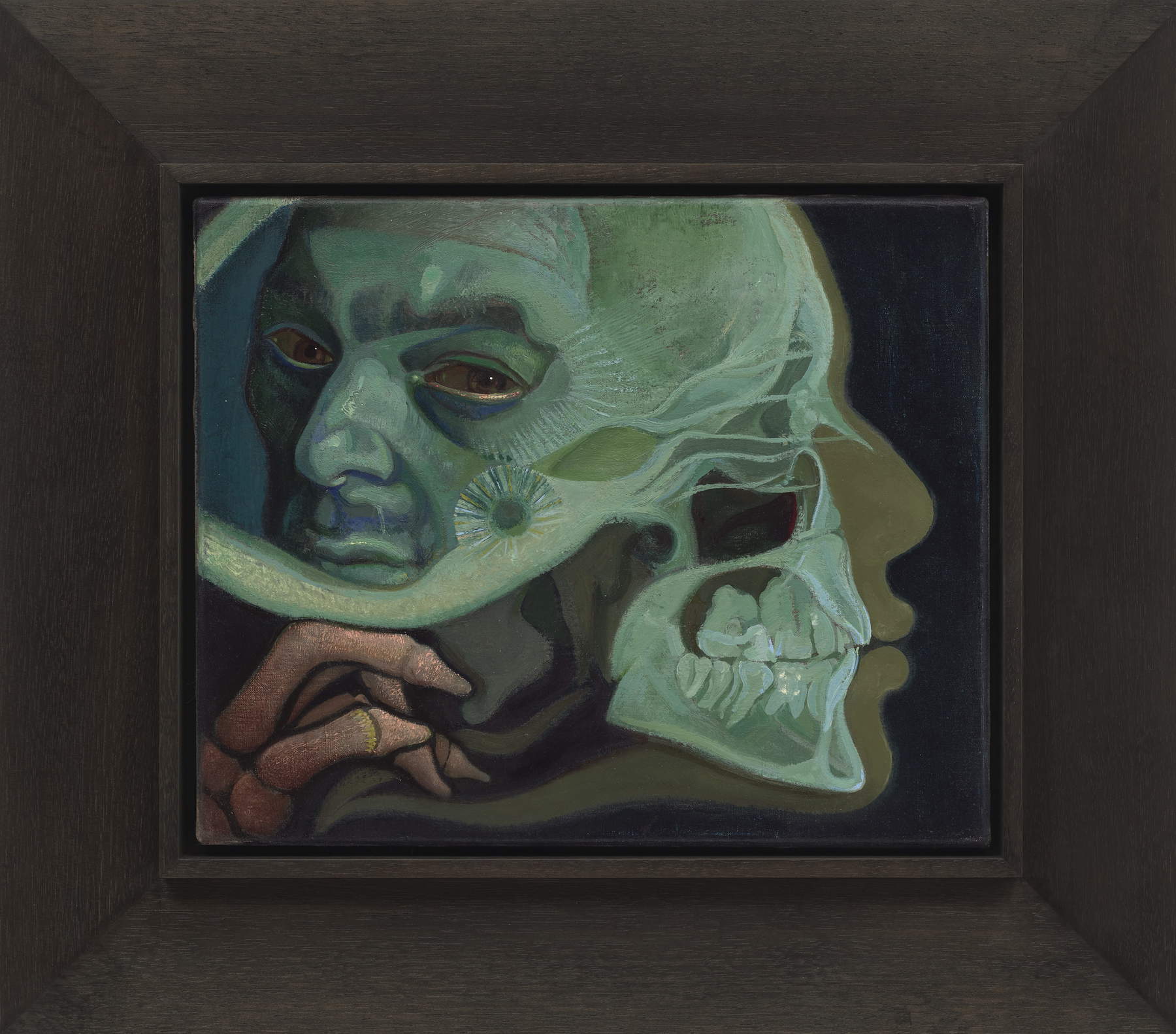
The former convent chapel also houses *Umbra Vitae* (2024–2025), which takes its title from the posthumous collection of poems by the Expressionist Georg Heym, edited by the poet’s friends in 1912 following his tragic death and republished in 1924 with woodcuts by Ernst Ludwig Kirchner. At the center of the canvas, a self-portrait of the artist stares at the viewer, enclosed within the X-ray outline of a woman’s skull—that of his partner—facing to the right, while in the foreground the skeletal hand of his father emerges. Life and its shadow coincide within the same image, as if painting could make visible what the flesh conceals, and the very same structure—already glimpsed in miniature above the head of the mother in *Curves of Souls*—links birth, thought, and death into a single chain of references. In the same space, the large gilded frame above the altar—now devoid of the altarpiece that once hung there and transformed into a field of darkness—houses a childlike drawing by Man’s daughter: an anthropomorphic figure sketched with an uncertain yet vibrant hand, with wide-open eyes, slender arms, and a body that seems on the verge of blossoming. In the space once reserved for a sacred image, the artist places the simple, free gesture of a little girl drawing without models to imitate or traditions to assimilate. At the heart of a journey marked by an obsession with death, the exhibition thus preserves an origin, and the empty niche of the altar once again becomes the place where painting, lightened of the weight of history, can begin anew.
Warning: the translation into English of the original Italian article was created using automatic tools. We undertake to review all articles, but we do not guarantee the total absence of inaccuracies in the translation due to the program. You can find the original by clicking on the ITA button. If you find any mistake,please contact us.