





To mark the 100th anniversary of the death of Mary Cassatt (Pittsburgh, 1844 – Château de Beaufresne, 1926), the Musée d’Orsay in Paris is presenting one of the most eagerly anticipated exhibitions in France dedicated to the American artist, one of the greatest painters of the Impressionist movement. Despite her prominent role within the movement, France’s national museums had not yet dedicated a major monographic exhibition to her. Curated by Caroline Corbeau-Parsons, curator of Prints and Paintings at the Musée d’Orsay, and Anne Robbins, curator of Paintings at the same museum, the exhibition, titled *Mary Cassatt. The Independent, will be open to the public from October 6, 2026, to January 31, 2027, and is part of the celebrations marking the 40th anniversary of the Musée d’Orsay.
Mary Cassatt proudly described herself as “American, decidedly and sincerely American,” but her artistic journey was deeply influenced byEurope. After traveling extensively and studying the tradition of the great masters of the past, Cassatt settled permanently in France, where she would live for about sixty years. Her determination is also evident in the words with which she asserted her independence: “I am independent! I can live on my own, and I enjoy working.” It is precisely this concept of independence that serves as the central theme of the exhibition. Through a chronological and thematic itinerary, the exhibition aims to analyze the various phases of Cassatt’s career, showing how her artistic exploration developed in parallel with her achievement of ever-greater personal and professional autonomy.
The exhibition brings together approximately eighty paintings, pastels, and prints from European public and private collections and from major American institutions. Many of the works from American collections are rarely exhibited outside the United States. The exhibition also draws on previously unpublished letters and sources that have not been used until now, allowing for a deeper exploration of aspects of the artist’s life and personality and offering a fresh interpretation of her body of work.
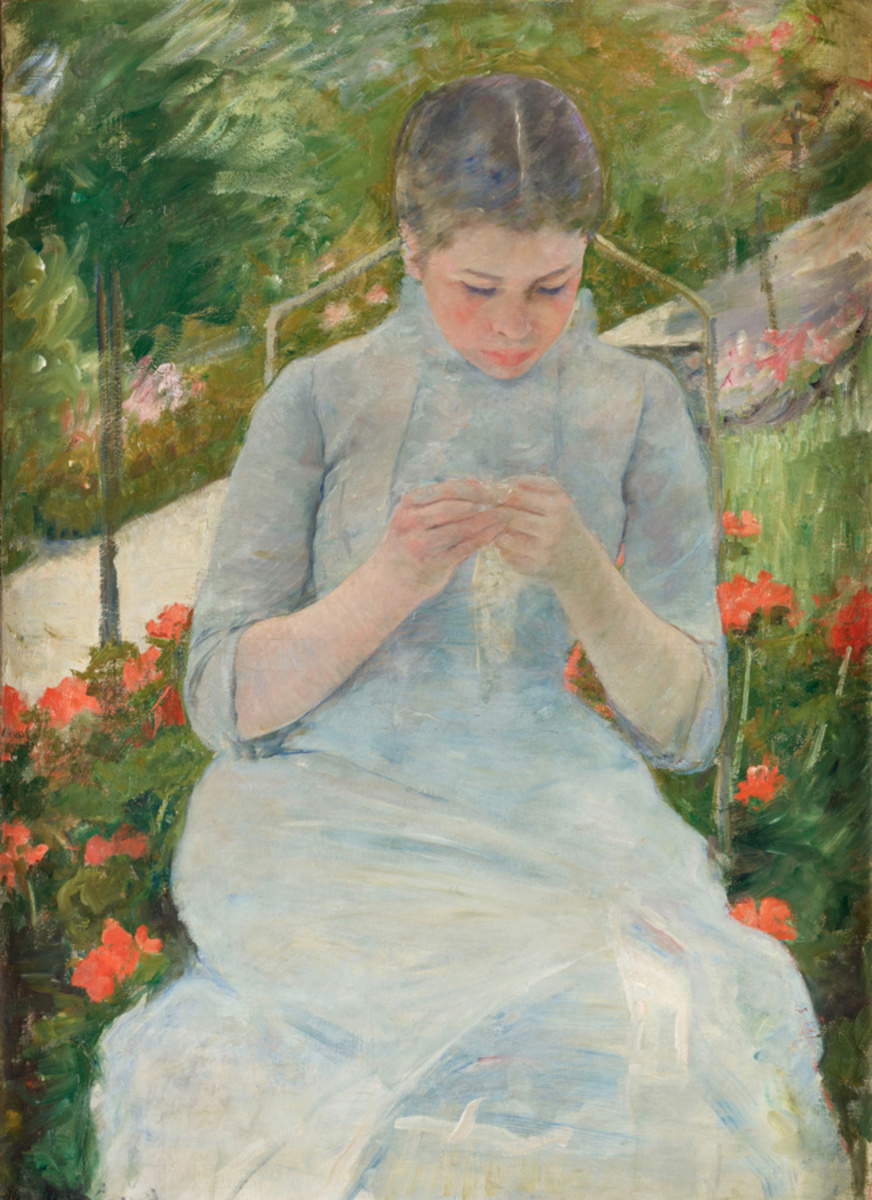
Her early works and portraits of those close to her also help reconstruct the social milieu, travels, and experiences that shaped her artistic sensibility. In a field still predominantly male, Cassatt quickly established her own identity as a professional painter, working in her studio with paid models.
One of the exhibition’s most significant sections is dedicated to depictions of modern women—the protagonists of social life, social events, home visits, and evenings at the theater. Cassatt observes these figures as they gradually carve out new spaces of autonomy and participation in society. Her vivid and innovative images contributed to her success in the Impressionist exhibitions. Invited by her friend Edgar Degas, the artist participated four times in the Impressionist exhibitions, beginning in 1879. The exhibition at the Musée d’Orsay aims to reevaluate Cassatt’s contribution to these avant-garde exhibitions, which presented themselves as alternatives to and independent of the official art establishment.
Mary Cassatt’s independence was not limited to painting. Her activities in the art market also played an important role. The artist specialized in portraits of “mothers with children,” a particularly sought-after genre in which she achieved extraordinary results. At the same time, she became a valuable advisor to friends, family members, and American collectors interested in European art, particularly Impressionism. Cassatt thus contributed to the formation of major Impressionist collections in the United States, playing a fundamental role in the dissemination of French painting across the Atlantic. In the early 1890s, her newly achieved financial independence also allowed her to purchase a property in the Oise region. The château, surrounded by a large park, became the setting for numerous works depicting women and children outdoors, characterized by bright, vibrant colors.
One of the most important moments in Mary Cassatt’s career was the creation of *Modern Woman*, the monumental mural commissioned for the Pavillon de la Femme at the 1893 World’s Columbian Exposition in Chicago. The work, now lost, was of extraordinary dimensions (approximately 4 meters by 18) and represented one of the most ambitious undertakings the artist ever undertook. The Musée d’Orsay will trace its history through prints and pastels related to the project’s creation, as well as a video documenting the digital restoration of the monumental decoration.
The exhibition will also explore the famous series *Dix Planches en couleurs*, placing it in the context of Cassatt’s most experimental phase and her progressive ideas on women’s education.
The idea of independence championed by Mary Cassatt extended far beyond her artistic work. The artist was, in fact, a staunch supporter of women’s struggle for the right to vote. In 1915, together with her friend Louisine Havemeyer, she organized an exhibition in New York in support of the women’s suffrage movement. The Musée d’Orsay’s exhibition concludes with a selection of paintings presented on that occasion, highlighting the connection between Cassatt’s artistic output and her growing civic engagement. The exhibition thus aims to present a portrait of an artist who was not only a leading figure of Impressionism but also a woman who independently forged her own path in a male-dominated environment, making art, economic independence, and social commitment inseparable elements of her identity.
“Mary Cassatt: The Independent” is organized as part of the celebrations marking the 40th anniversary of the Musée d’Orsay, in collaboration with the National Portrait Gallery in London and the Museum of Fine Arts in Boston.
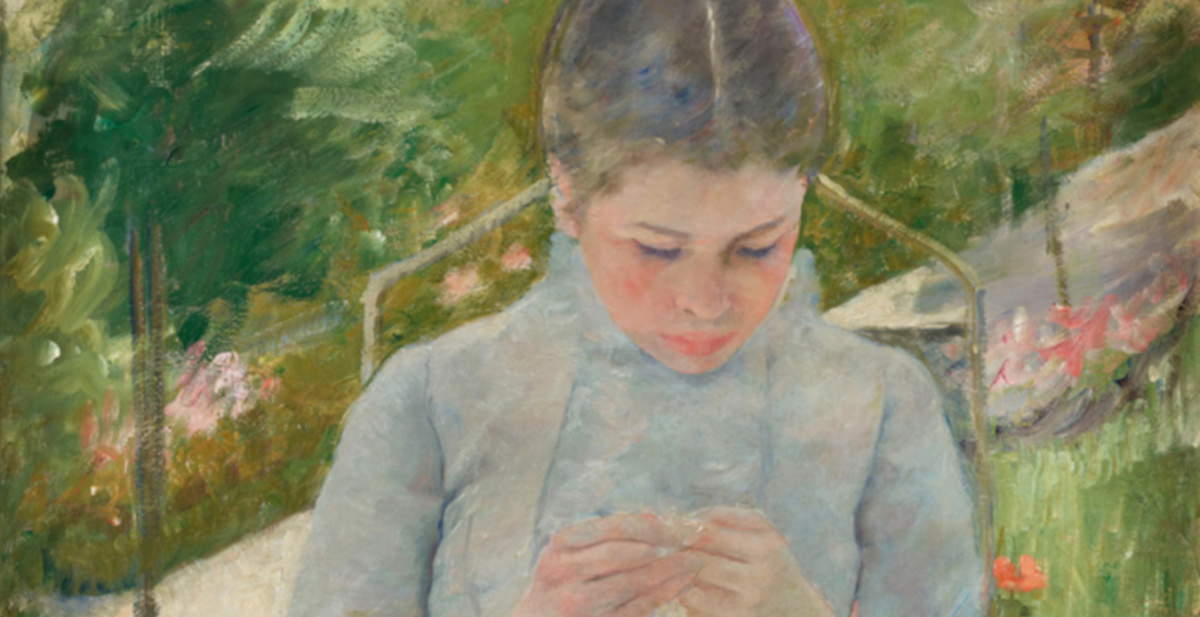 |
| A major exhibition at the Musée d’Orsay celebrates the Impressionist painter Mary Cassatt and her independence |

Warning: the translation into English of the original Italian article was created using automatic tools. We undertake to review all articles, but we do not guarantee the total absence of inaccuracies in the translation due to the program. You can find the original by clicking on the ITA button. If you find any mistake,please contact us.






















 IT
IT FR
FR DE
DE ES
ES CN
CN


