





From July 17, 2026, to January 10, 2027, the Castle of Charles V in Lecce will host *The Stuff of Dreams*. Worlds and Visions from the Works of Shakespeare, an interdisciplinary and international project offering an immersive journey into the universe of William Shakespeare through installations, visual arts, digital technologies, and historical-literary research. Sponsored by the Castello Svevo in Bari—Regional Directorate of National Museums of Puglia—the exhibition is curated by Peter Bottazzi and Silvia Rigon with scientific consultation from Michael Dobson, director of the Shakespeare Institute, and aims to offer a contemporary reinterpretation of Shakespeare’s work through an accessible, inclusive, and innovative approach.
The exhibition unfolds in the underground spaces of the Castello Carlo V, transformed into a sensory journey in which theater, images, music, and installations interact with the fortress’s monumental architecture. The entire artistic project was conceived and realized by Peter Bottazzi and Silvia Rigon, who oversaw every creative aspect of the exhibition design—from installations to sculptures, from video works to original music, from soundscapes to multimedia devices, creating an experience in constant dialogue with the scholarly framework developed by the Shakespeare Institute.
The exhibition’s title echoes one of the most famous lines from *The Tempest* —“we are such stuff as dreams are made on”—and introduces a journey that aims to explore Shakespeare’s body of work as a universal heritage still capable of speaking to the present. Rather than simply recounting the Bard’s works, the project aims to immerse the audience in the worlds evoked by his writing, connecting the evocative power of theater with the languages of the contemporary world.
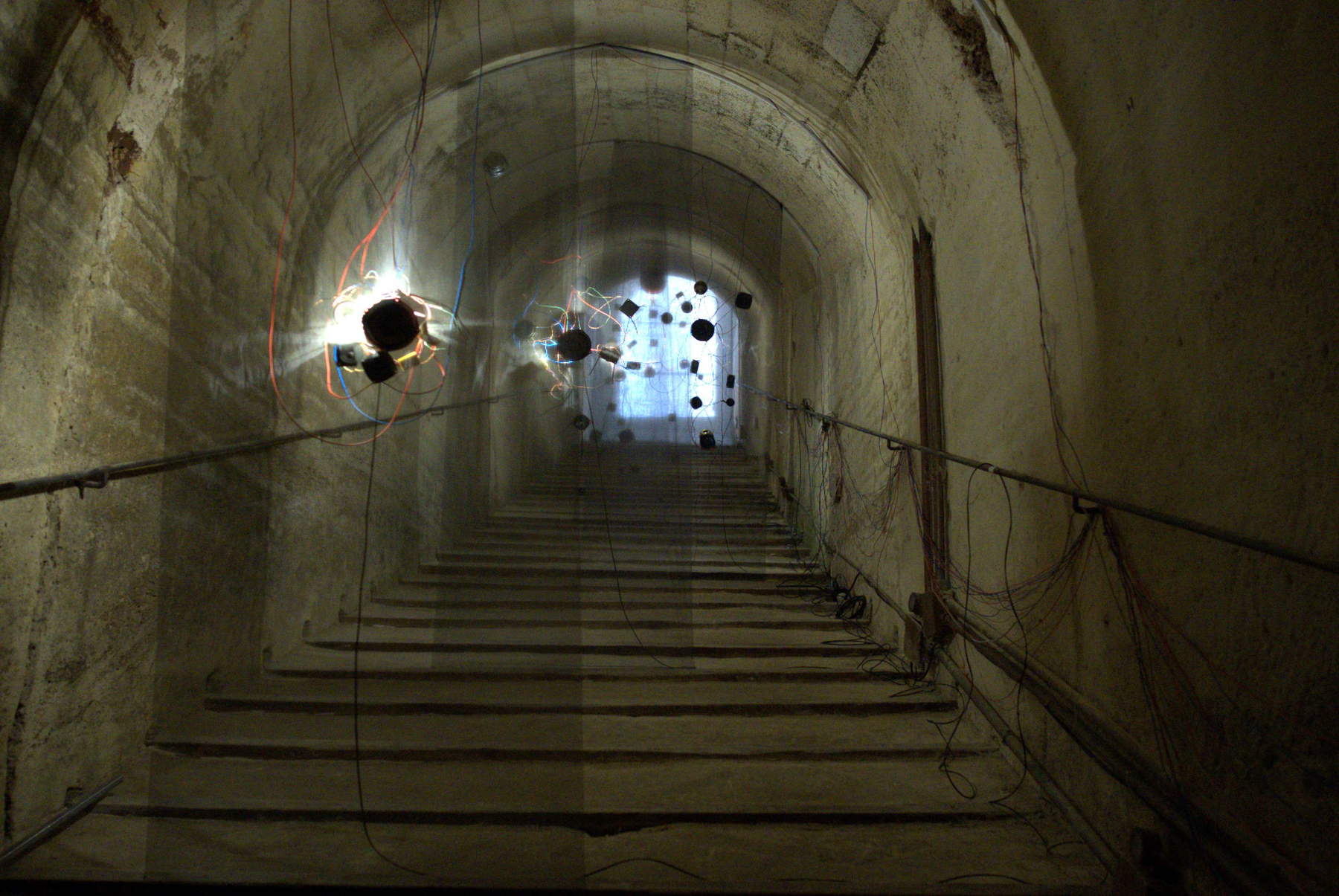
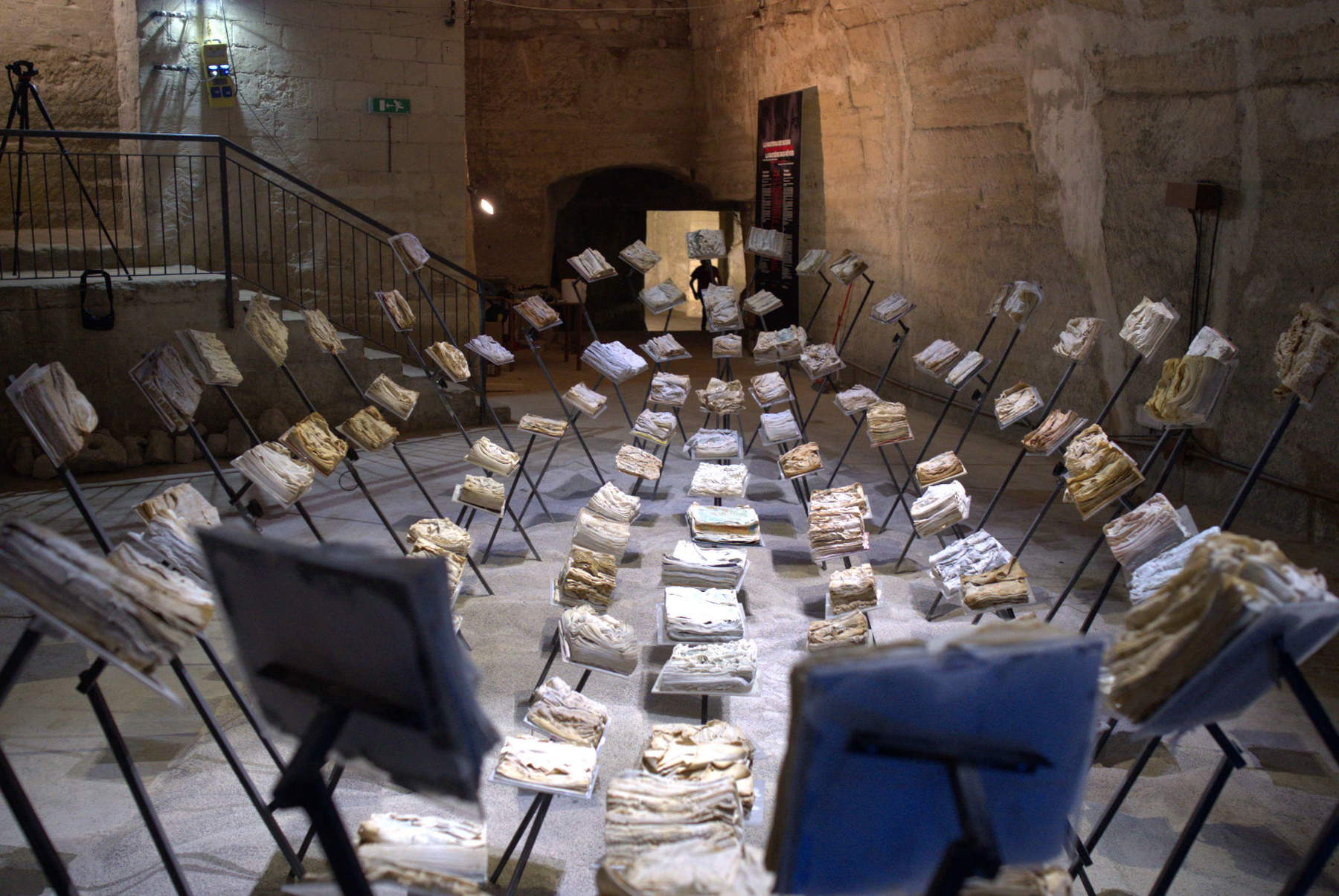
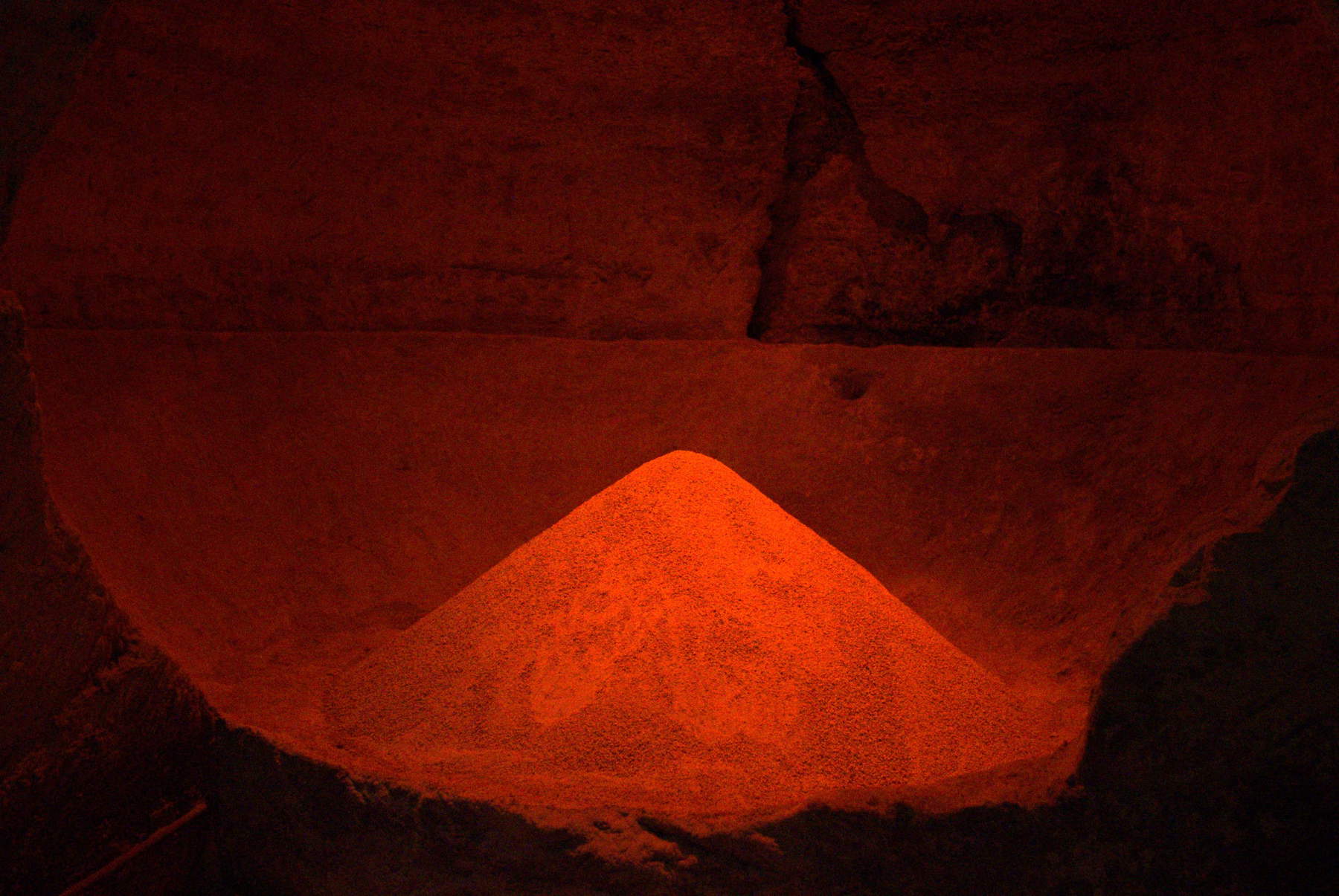
The choice of Castello Carlo V as the venue for the initiative stems from a dialogue between the location and the exhibition’s content: the fortress is, in fact, one of the city’s principal monuments and the most imposing fortified structure in Puglia, while Lecce boasts a long theatrical tradition that has its roots in the Roman amphitheater and Roman theater, continuing over the centuries with the construction of numerous theaters built right next to the castle walls. This dialogue is further reinforced by a symbolic connection between the monument and the era of the English playwright: Shakespeare lived during the very years when the castle took on its current form, as part of the major defensive renovation program for the region promoted by Emperor Charles V.
The exhibition itinerary is organized around seven major installations, each dedicated to a different aspect of Shakespeare’s work. Poetry, dialogue, monologues, and song become tools through which to convey the complexity of the playwright’s body of work, in a multidisciplinary setting where his words resonate anew through contemporary forms of expression.
The exhibition begins with *Prospero’s Boat*, a large installation inspired by the protagonist of *The Tempest*. The work is conceived as a vessel symbolically composed of all of Shakespeare’s plays and introduces visitors to the Bard’s creative universe. As they walk through it, visitors are immersed in a soundscape created by the recitation of poetic verses in numerous languages, underscoring the international and universal dimension of his literary legacy.
With *Through the Cracks of Power*, the exhibition explores one of the central themes of Shakespearean theater: the relationship between power, its acquisition, and its loss. Light sculptures, sound installations, and projections create a suspended environment in which dialogues drawn from Shakespeare’s works convey the dramatic tension of conspiracies, betrayals, and political conflicts that run through much of his body of work.
A different perspective is offered by the Shakespeare Workshop, a space dedicated to historical and scholarly exploration. Through documents, images, digital materials, and multimedia content, visitors can learn about the playwright’s life, the historical context in which he worked, and the key ways to interpret his theatrical works. The entire scholarly framework of this section was developed under the direction of the Shakespeare Institute in Stratford-upon-Avon.
The focus then shifts to the more intimate dimension of Shakespeare’s work with *Soliloquio*, an installation built around Hamlet’s famous soliloquy, “To be or not to be.” The text is transformed into a multisensory environment in which the audience is invited to grapple with the great questions of existence through an experience that combines words, space, and perception.
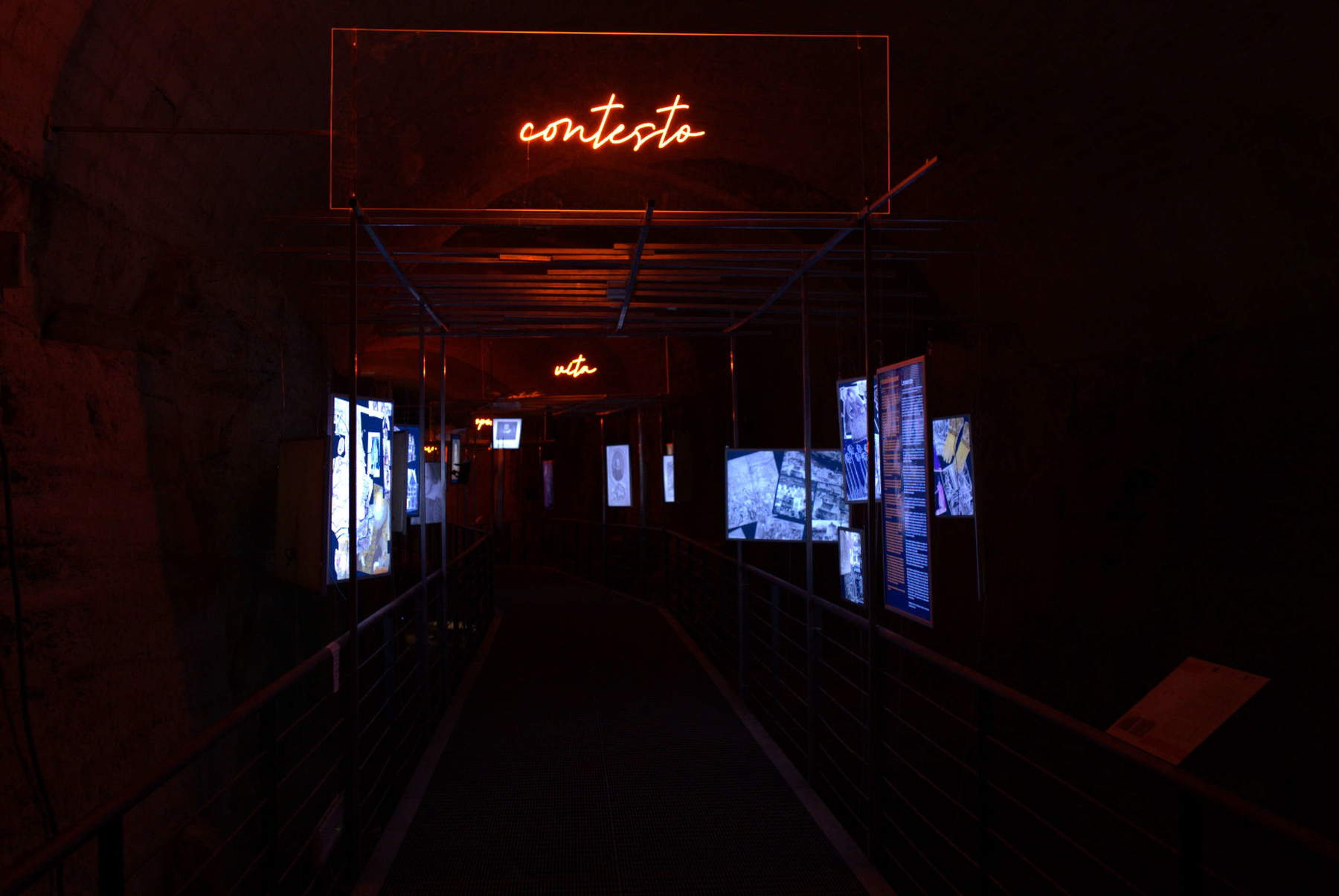
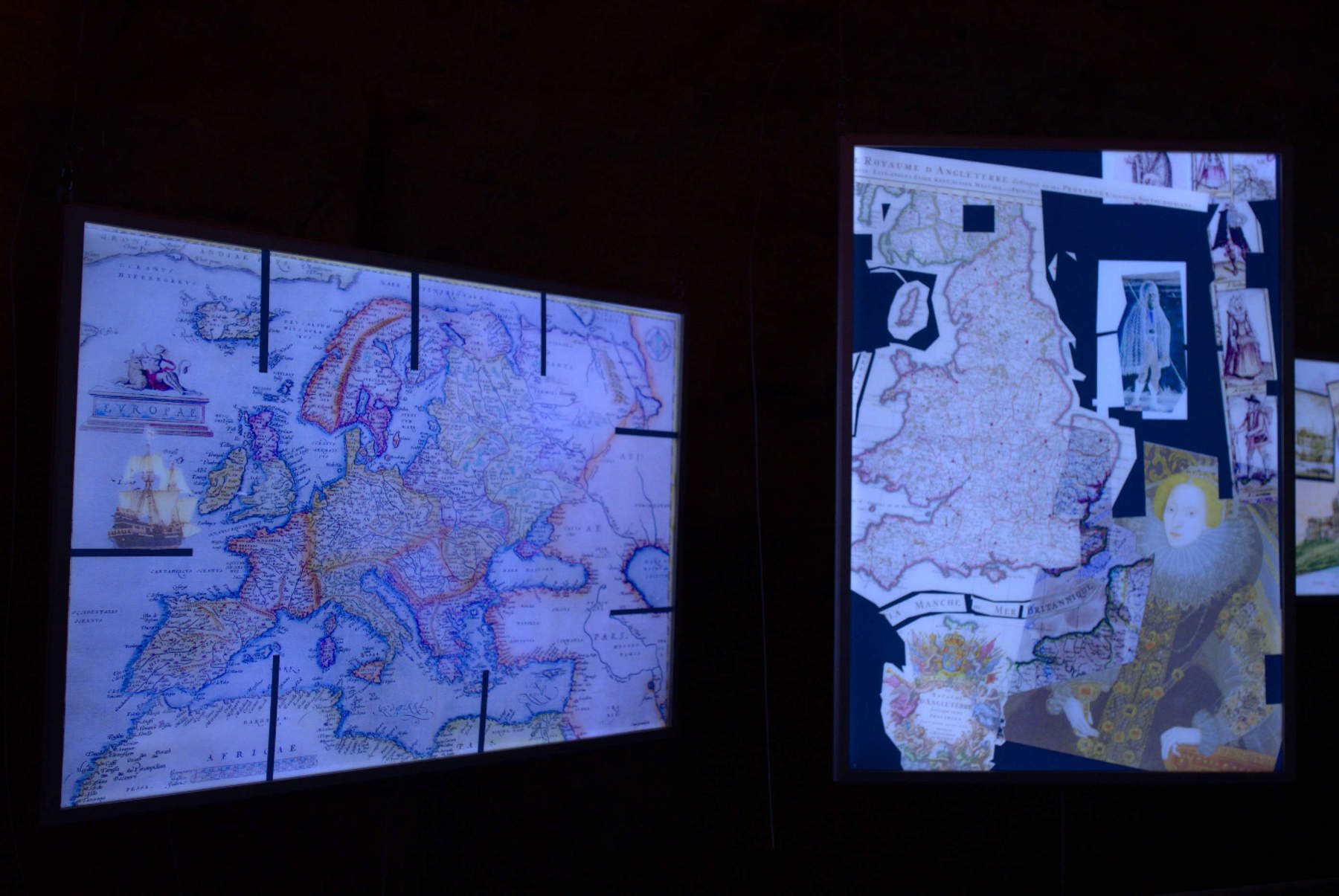
With *Il Fantastico*, the exhibition explores the realm of the marvelous present in Shakespearean theater. Through the use of video mapping and musical excerpts from *The Tempest*, *Macbeth*, *A Midsummer Night’s Dream*, and *Hamlet*, a traversable space takes shape where the boundary between reality and imagination dissolves, while the visible and the invisible coexist in a single immersive experience. The “Radio Shakespeare” installation restores the centrality of the act of listening. Visitors can hear some of the most famous monologues and dialogues from Shakespearean theater through a soundscape in which voices, translations, and constantly shifting scenic images recreate the theater as a place of memory, imagination, and the spoken word. The exhibition concludes with *Attraverso le Parole* (Through Words), an installation in which pages, letters, and verses seem to dissolve into the light as they pass through the castle’s walls. The book thus becomes a visual experience that illustrates the continuous transmission of Shakespeare’s work through reading, the spoken word, and collective memory.
According to curators Peter Bottazzi and Silvia Rigon, the project’s goal is not to present Shakespeare in a traditional way, but to highlight his work’s ability to continue generating new interpretations and new forms of imagination even today. “Rather than simply presenting Shakespeare,” they explain, “we have sought to convey his extraordinary ability to generate—even today—new questions, new interpretations, and new forms of imagination. The installations bring together theater, visual arts, research, and sound design, transforming the basement of Castello Carlo V into a space where words, images, and voices continue to resonate.”
Michael Dobson also highlights the original nature of the initiative, born from the collaboration between the curators’ artistic work and the Shakespeare Institute’s scholarly contribution. “It was exciting,” he says, “to help conceive an installation that translates the rich, metaphorical, and polyphonic universe of Shakespeare’s theater not onto the stage, but into a place: allowing Shakespeare to ‘haunt/inhabit’ a castle with all the visionary power of his imagination’s dreams.”
The entire project aims to transform the visit into an experience that is at once emotional, educational, and enriching, in which scientific rigor and artistic creativity coexist within a single journey. All the works on display are original creations by Peter Bottazzi and Silvia Rigon, who personally oversaw every phase of their conception, design, and execution—from the installation architecture to the sculptures, from the video works to the soundscapes, and all the way to the multimedia content.
During its run, the exhibition will also be accompanied by a program of related events that may include workshops, meetings with artists and scholars, activities for schools, performances, and an exhibition dedicated to the “making of” the project. The goal is to transform the Castello Carlo V into a permanent laboratory for research, experimentation, and cultural production, capable of fostering a dialogue between the city’s monumental heritage, contemporary artistic languages, and one of the most influential figures in world literature.
“With *La materia dei sogni*,” states the director of the Castello Svevo in Bari—Regional Directorate of National Museums of Puglia, Anita Guarnieri, “we continue our commitment to promoting projects that combine scientific research, heritage preservation, and contemporary forms of expression, creating opportunities for dialogue between cultural institutions, the research community, and the public. The collaboration with the Shakespeare Institute and the interdisciplinary nature of the initiative demonstrate our commitment to developing projects of international scope, capable of fostering a dialogue between sites of extraordinary historical value and new forms of storytelling and participation. It is particularly significant that the project will be presented on July 21 at the International Shakespeare Congress in Verona—an important recognition of the exhibition’s scientific and cultural value and an opportunity to promote, in an international context, Puglia’s cultural heritage and the preservation efforts carried out by the National Museums.”
“With this exhibition,” adds the director of the Castle, Pietro Copani, “we are re-launching the Carlo V in Lecce as a venue that, in addition to the activities planned as part of the Open Castle project, aims to host major events of national and international significance. In this case, by bringing together the most famous name in world theater, reinterpreted through contemporary art and the possibilities made available by new technologies. All of this forms part of a multifaceted narrative in which Shakespeare’s history and works engage in a harmonious dialogue with the underground chambers of Puglia’s largest fortified structure.”
“We are particularly delighted that Lecce is hosting *The Stuff of Dreams: Worlds and Visions from Shakespeare’s Work*, ” declares the mayor of Lecce, Adriana Poli Bortone. “It is not simply an exhibition dedicated to a great author. It is an invitation to enter a universe that continues to generate questions, emotions, and curiosity. Hosting Shakespeare means offering young people an opportunity for discovery, scholars new food for thought, and visitors a cultural experience of international scope. It means that Lecce aspires to be a city that never ceases to question itself and engage with the great voices of European civilization. And then there is a connection that we feel is particularly our own. It is also thanks to figures like Carmelo Bene that we understand how Shakespeare is not a monument to be merely contemplated, but an author who continues to provoke, to divide, and to inspire. This exhibition is a precious opportunity. And the title perhaps offers us the most beautiful definition. Shakespeare wrote that we are made of the same stuff as dreams. It’s a phrase that continues to move us because it reminds us that culture, art, and theater are born precisely from that invisible substance that fuels the imagination, freedom, and even the future of a community.”
|
| An immersive exhibition dedicated to Shakespeare is on display in Lecce, in the basement of the Castle of Charles V |

Warning: the translation into English of the original Italian article was created using automatic tools. We undertake to review all articles, but we do not guarantee the total absence of inaccuracies in the translation due to the program. You can find the original by clicking on the ITA button. If you find any mistake,please contact us.




















 IT
IT FR
FR DE
DE ES
ES CN
CN


