





The Ricci Oddi Gallery of Modern Art in Piacenza is dedicating a retrospective exhibition to Armando Spadini ( Florence, 1883 – Rome, 1925), one of the leading figures in Italian painting during the early decades of the 20th century. The exhibition, scheduled from November 21, 2026, to February 28, 2027, and curated by Barbara Cinelli, offers a focused exploration of the final phase of the artist’s career, through a selection of fifteen paintings that document the role Spadini played in the development of Italian modernism between 1917 and 1922. More than a retrospective, the exhibition presents itself as a focused exploration of one of the high points of Spadini’s artistic development. The goal is to highlight the full artistic maturity the artist achieved in the final years of his career, emphasizing the dialogue he established with the most innovative trends of the 20th century and confirming the central role that recent art criticism has recognized for him in the history of Italian art.
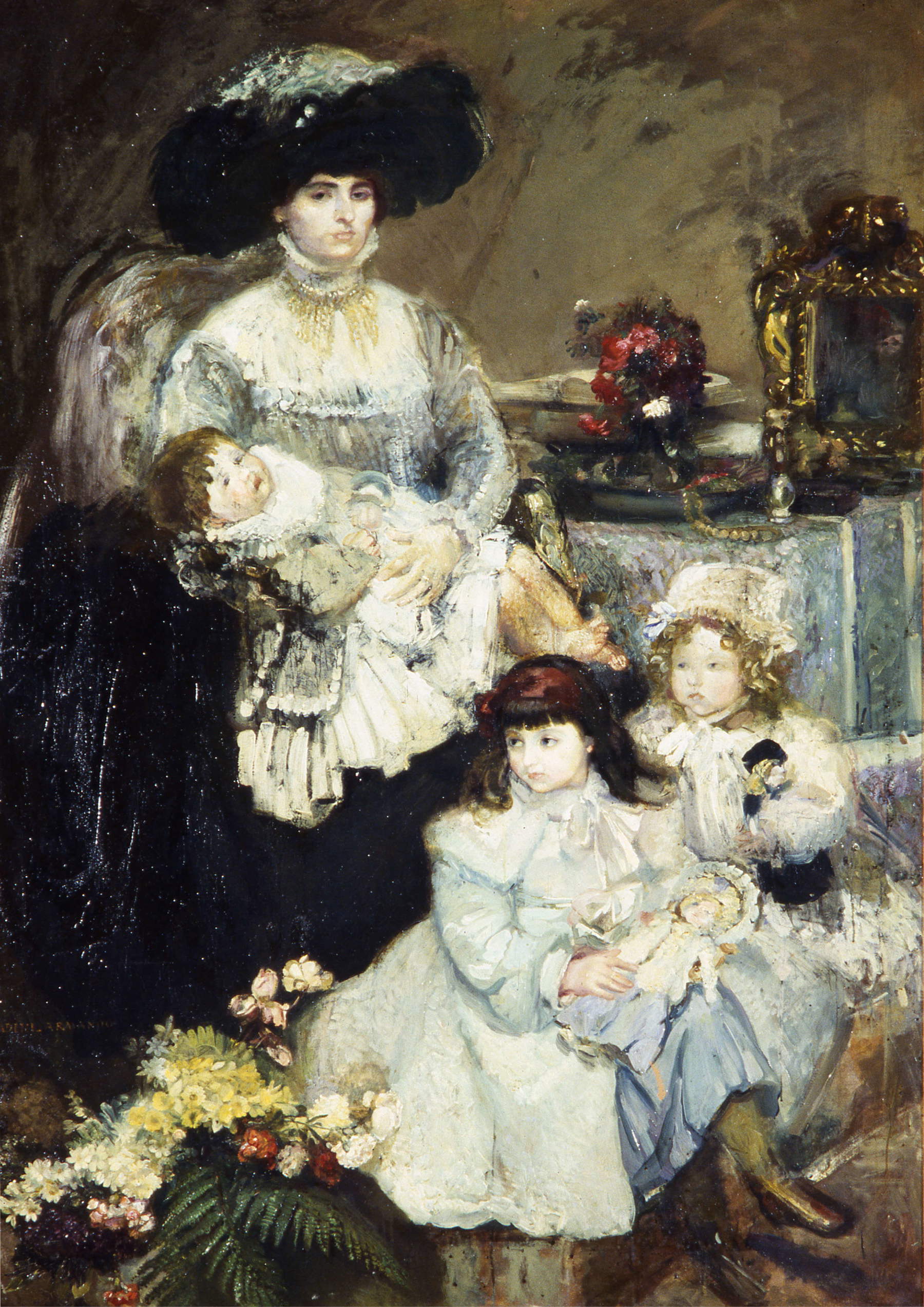
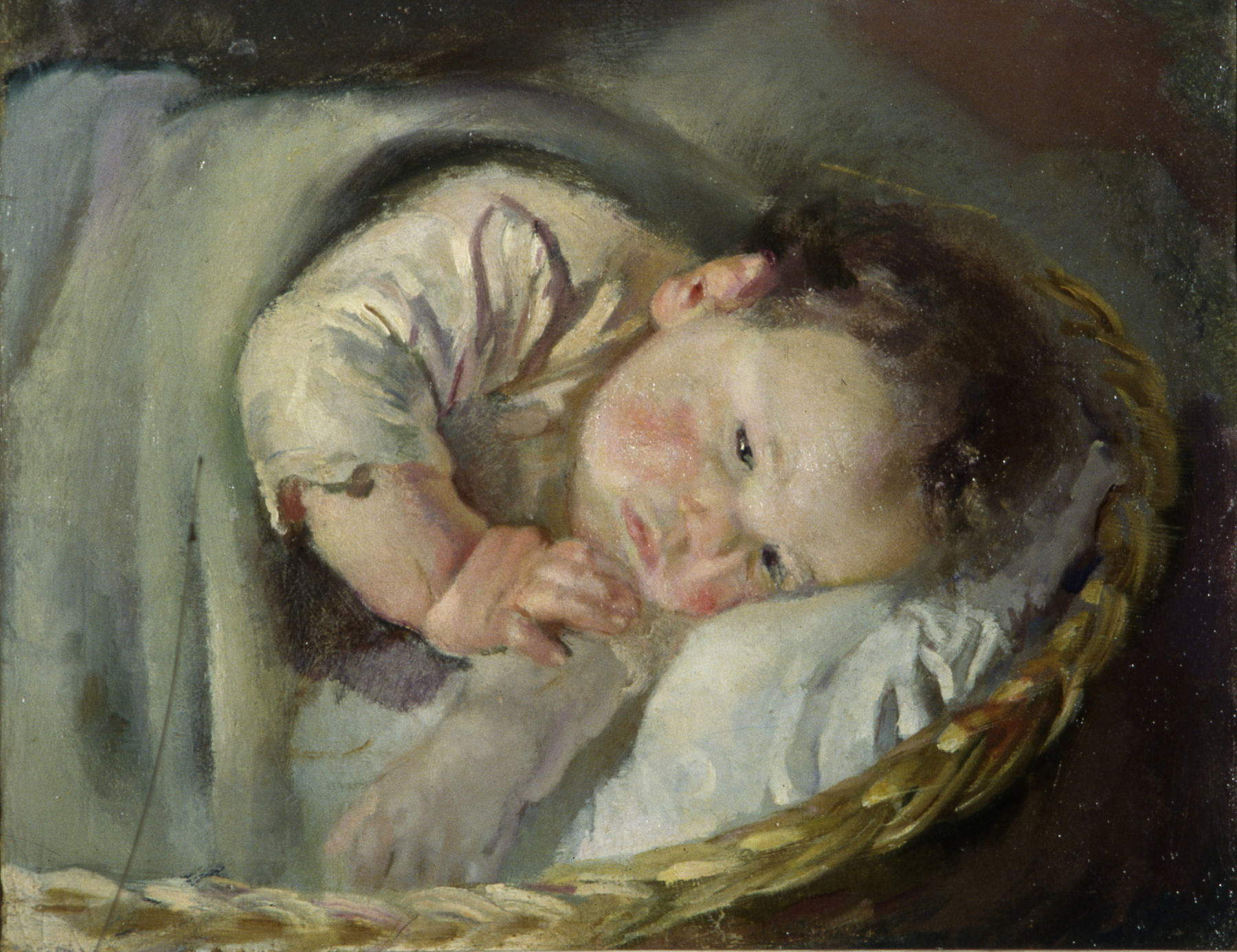
The initiative stems from the presence in the Ricci Oddi permanent collection of two important paintings by the artist: *Portrait of Mrs. De Carolis with Her Daughters* (1908) and *Lillo in a Cradle* (1921). These two works, now considered among Spadini’s masterpieces, were acquired by Giuseppe Ricci Oddi in 1925 and at the 1924 Venice Biennale, respectively, and serve as the starting point for a project aimed at highlighting the relationship between the Piacenza museum and the Tuscan painter. The exhibition also comes at a time of renewed interest in Spadini’s work. In 2025, on the occasion of the centennial of his death, major institutions have organized a conference dedicated to the artist, jointly organized by the Academy of Fine Arts in Florence, the Licia and Carlo Ludovico Ragghianti Art Studies Center Foundation in Lucca, and the Soffici Museum in Poggio a Caiano. The exhibition in Piacenza thus represents a new chapter in this line of research, several decades after the two major exhibitions that marked the artist’s rediscovery: the 1983 exhibition at the National Gallery of Modern Art in Rome and the 1995 exhibition in Poggio a Caiano. It was precisely this latter exhibition that helped redefine Spadini’s role in the history of Italian art, thanks to the insights of critic Maurizio Fagiolo dell’Arco, who even then had identified him as one of the true leading figures of Italian modern painting. The exhibition in Piacenza takes up this critical perspective, focusing exclusively on the years between 1917 and 1922, when the artist’s style reached its freest and most personal expression.
Each painting in the exhibition was selected according to specific criteria. The works on display are united by the importance attributed to them by contemporary critics, their inclusion in major exhibitions of the time, and the role they played in the formation of the most significant collections dedicated to the artist. The result is an exhibition that does not merely aim to document Spadini’s output, but to recount the critical and collector’s success of his paintings.
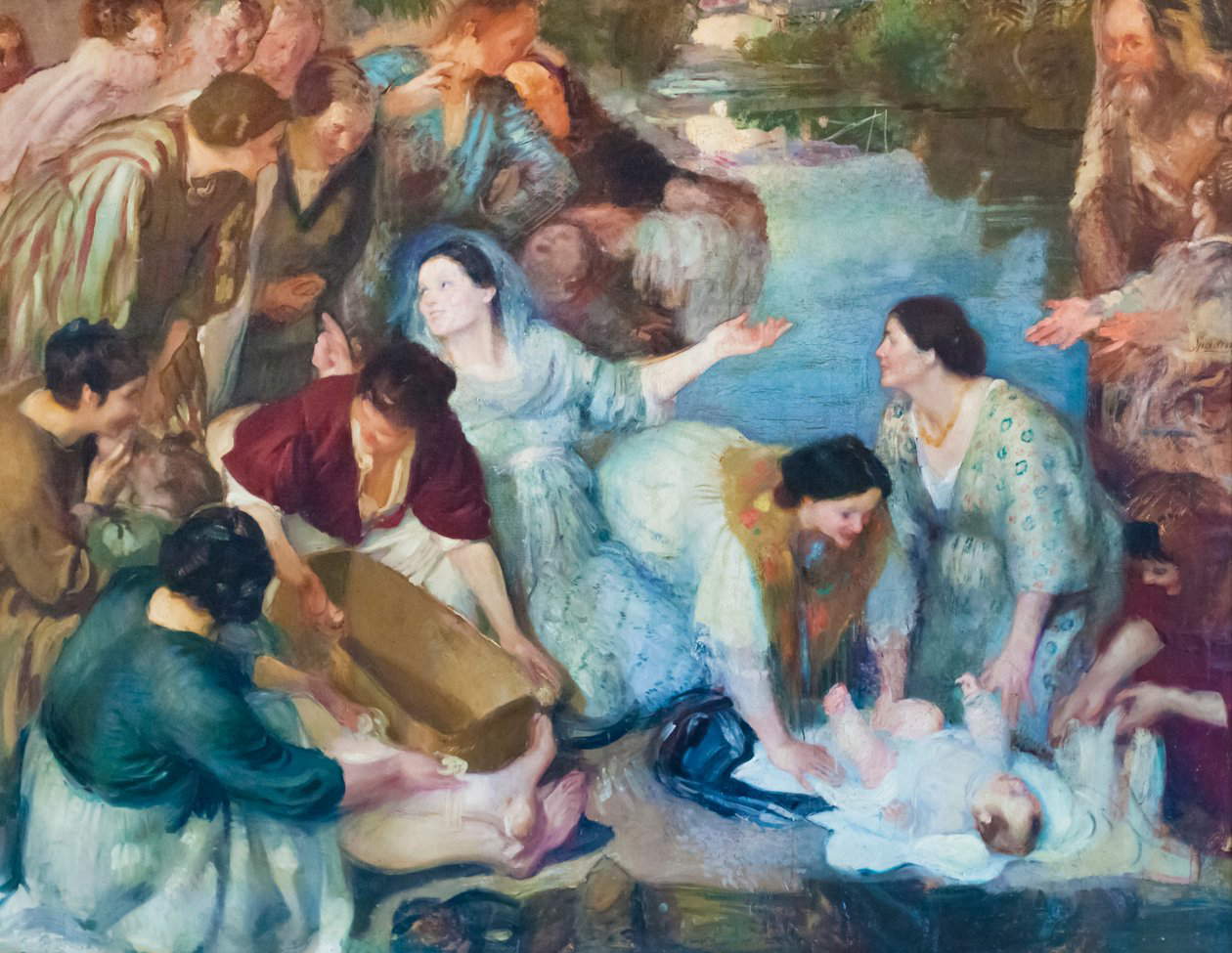
The exhibition opens with two works that chronologically precede the core of the exhibition but are fundamental to understanding the painter’s subsequent evolution. On one hand, the *Portrait of Mrs. De Carolis with Her Daughters*, housed at the Ricci Oddi Museum; on the other, the monumental *Moses Saved from the Waters* (1912), on loan from the Vatican Museums. The Portrait of the De Carolis Family represents one of the artist’s earliest major works. It is a composition of almost monumental scale in which, despite its still-unrefined structure, certain elements that would come to characterize his mature work are already evident. Among these are his ambition toward large-scale figurative compositions and the structural role assigned to the brushstroke, which would gradually become one of the distinctive elements of his painting. The *Moses Saved from the Waters* also constitutes a fundamental milestone in Spadini’s artistic career. The painting was created during a particularly difficult period in his life, marked by financial hardship and the need to secure the renewal of his Roman artist’s residency. It was precisely in this work that the artist found a form of redemption through a return to the great Venetian painting tradition of the sixteenth century, reinterpreted, however, with a modern sensibility and through the introduction of contemporary costumes.
Following this introduction, the exhibition focuses on its core, consisting of thirteen paintings created between 1917 and 1922. These are primarily medium- and large-format canvases from some of the most important historical collections dedicated to the artist and from major Italian public museums. Many of the works on display once belonged to the famous collections of Emanuele Fiano and Olindo Malagodi, which were later incorporated into the prestigious collection of Riccardo Gualino, a central figure in 20th-century Italian art collecting. The provenance of the paintings attests to the importance these works have held, ever since their creation, in the history of criticism and collecting dedicated to Spadini.
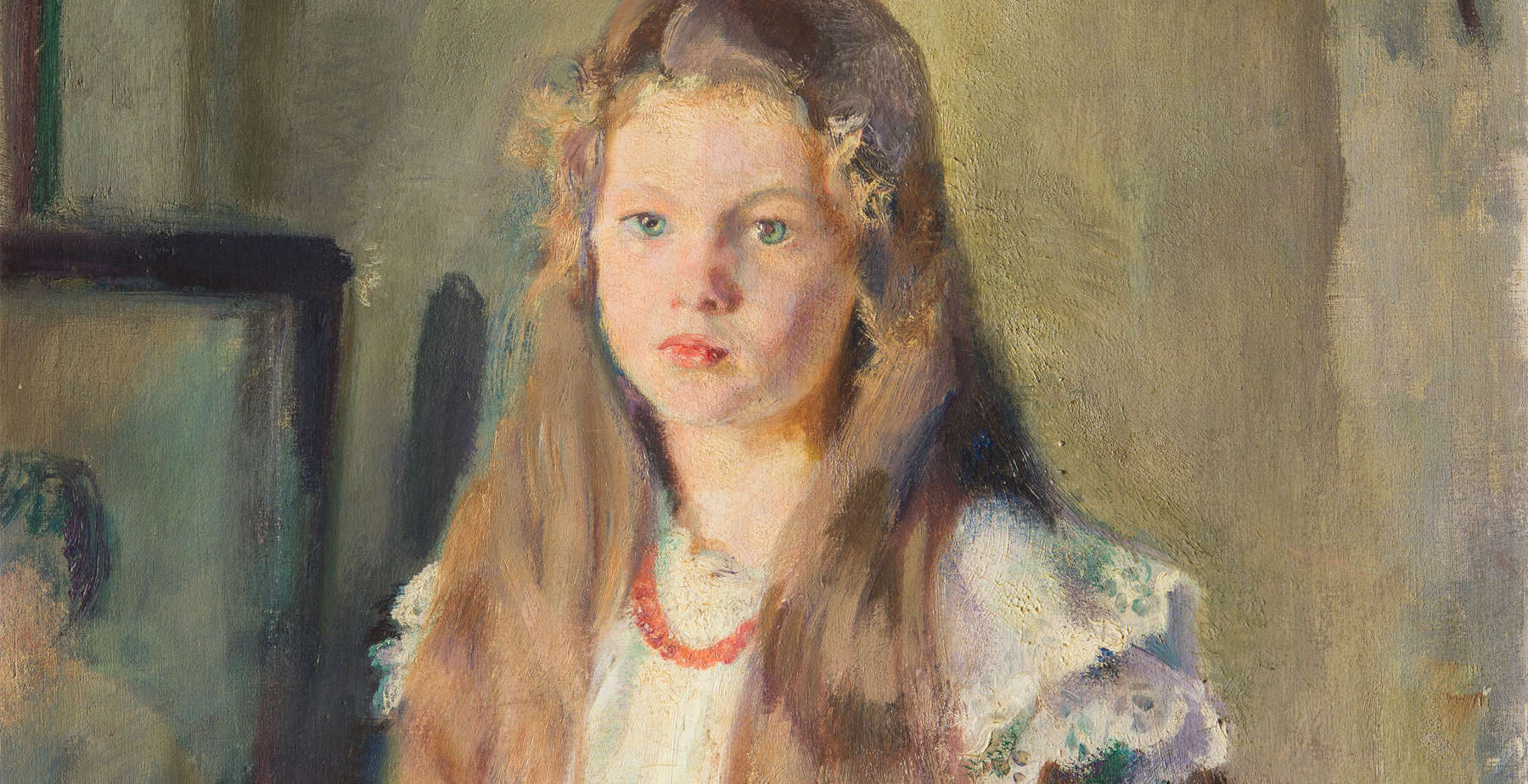
Among the works on display are *Nudi* (1918), from the Civica Galleria d’Arte Moderna e Contemporanea in Turin; *Mattino* (1918), on loan from the Civica Galleria d’Arte Moderna in Mantua; *Anna in White*, also from 1918, on loan from the Civic Gallery of Modern Art in Milan, and *Confidences*, created between 1919 and 1920 and housed at the Gallery of Modern Art in Palazzo Pitti.
The entire selection is deliberately focused on figurative painting. This choice aims to challenge a long-standing critical prejudice, according to which the frequent depictions of mothers and children are merely a reflection of the artist’s anecdotal or sentimental interest.
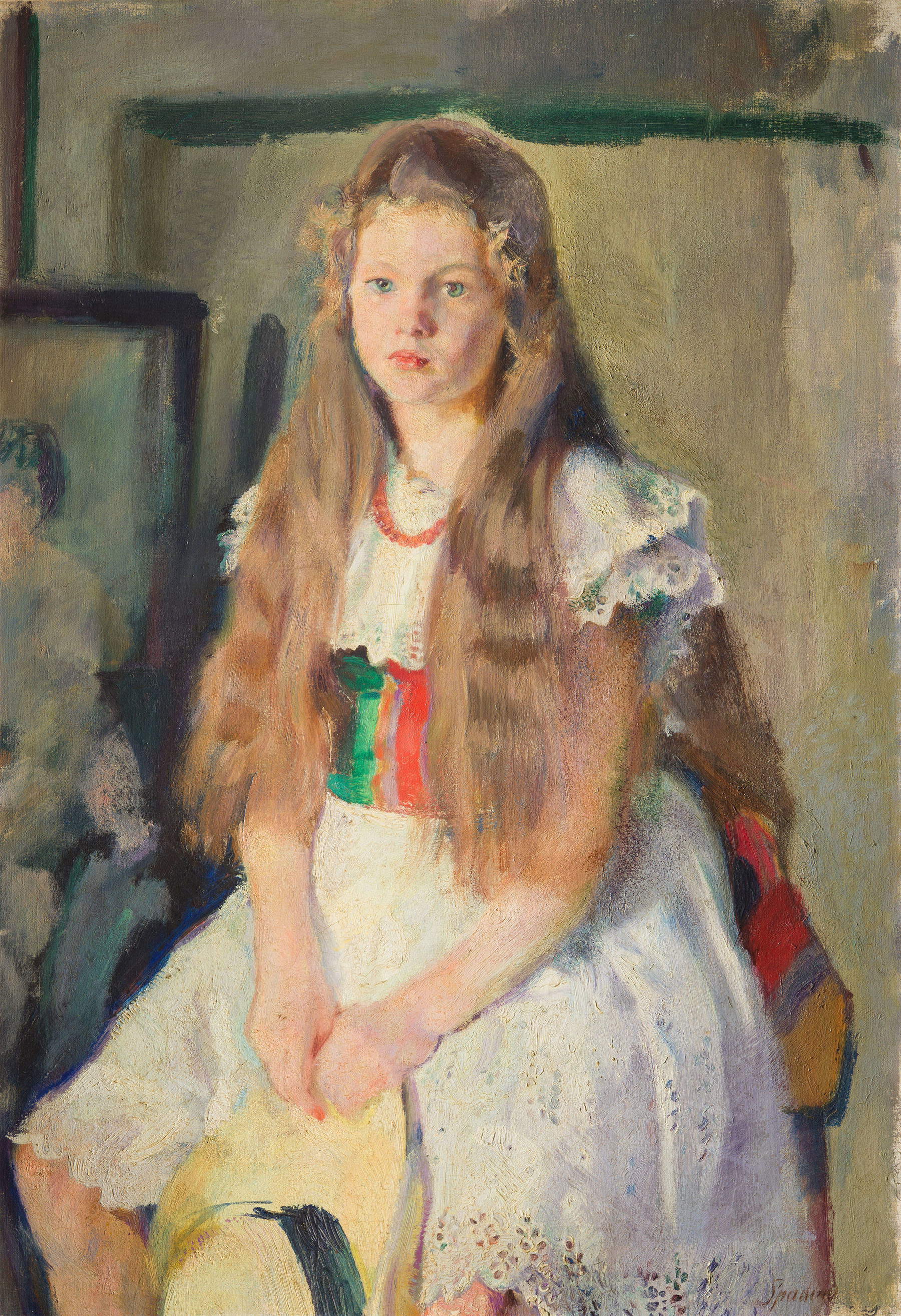
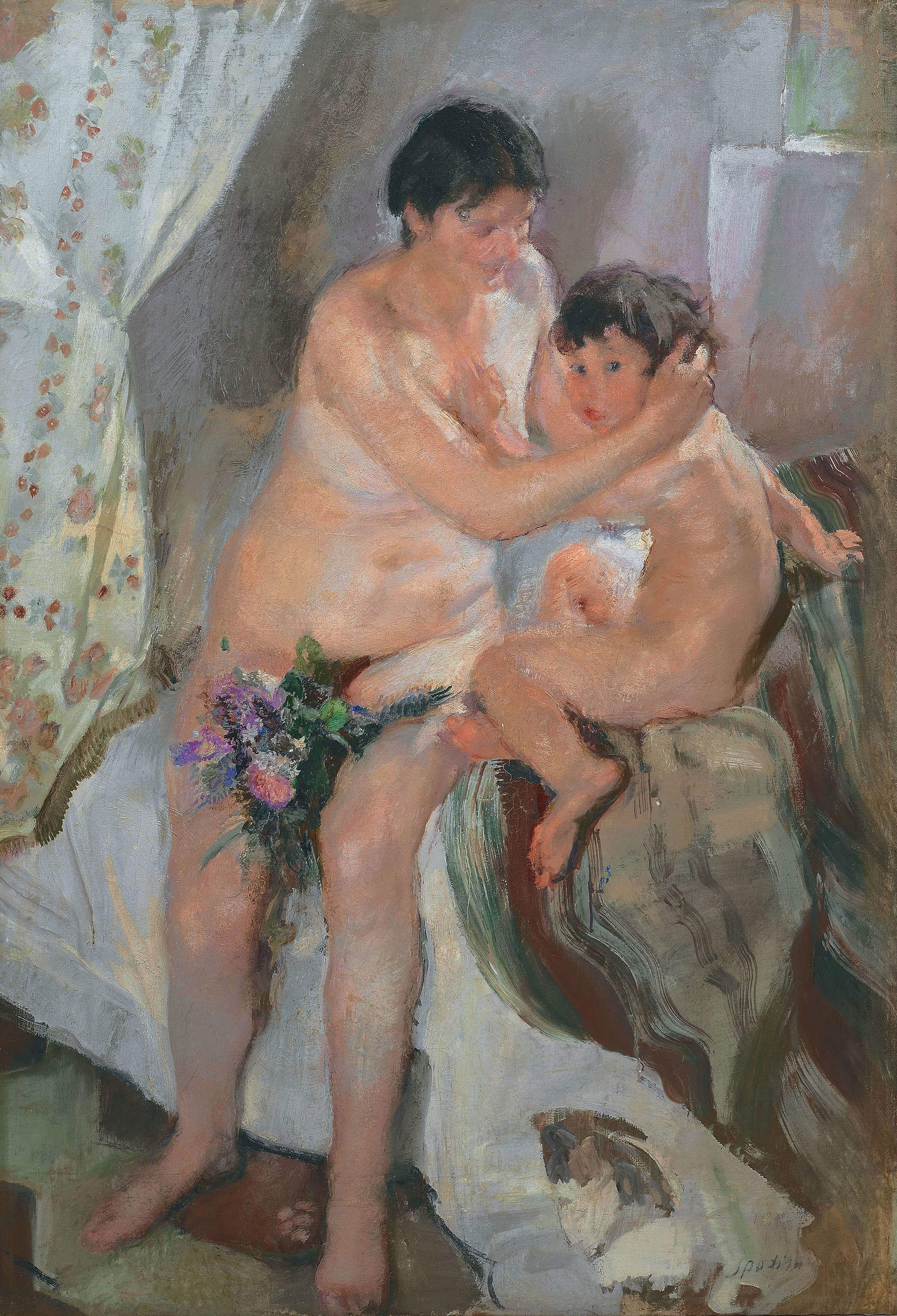
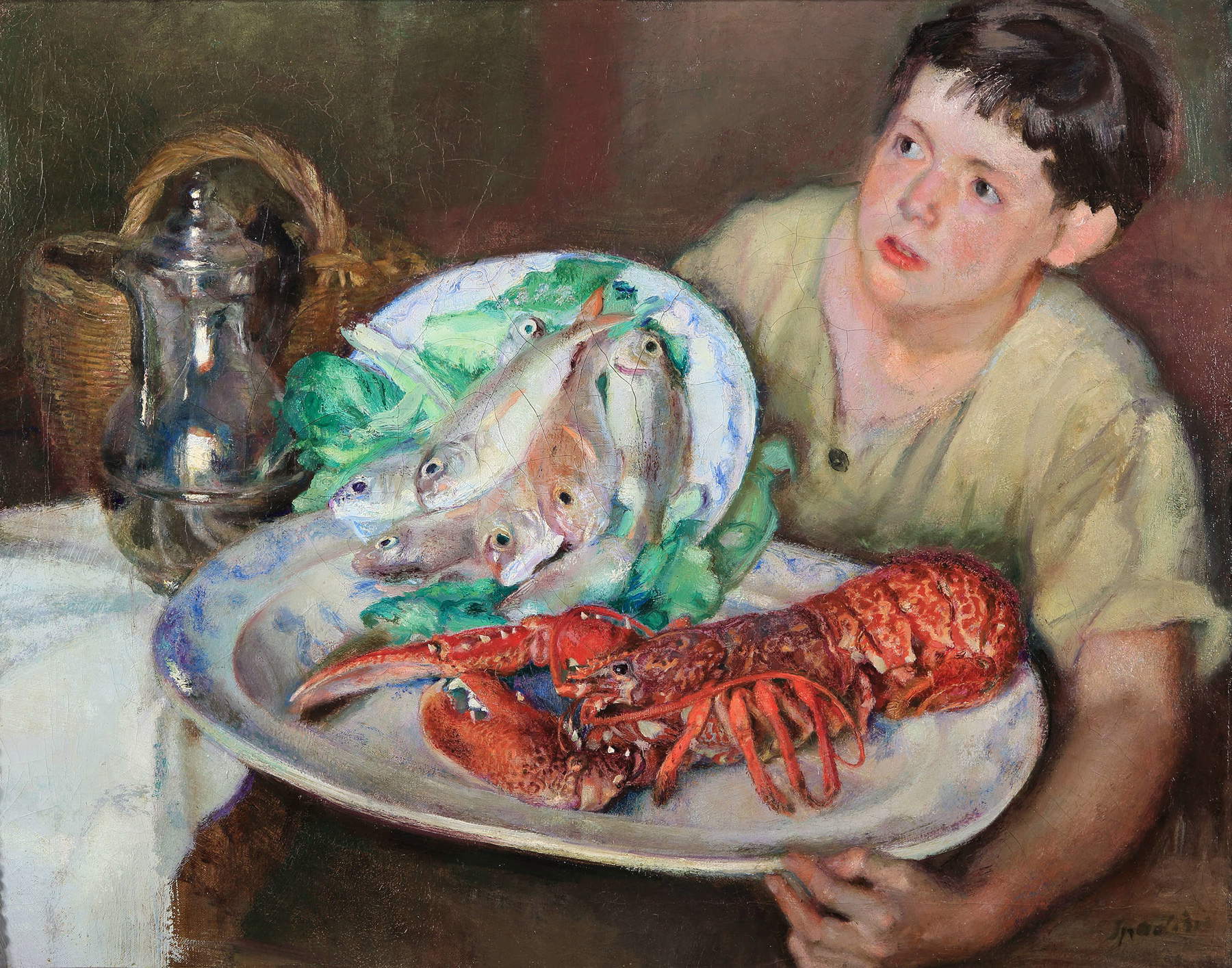
The exhibition, however, offers a different interpretation of this recurring iconography. The repetition of domestic scenes is not interpreted as a choice dictated by narrative taste or sentimentality, but as a tool through which Spadini could focus almost exclusively on the problems of painting. By returning repeatedly to the same subjects, the painter was in fact able to freely experiment with color, light, the rhythm of the brushstroke, and compositional structure, gradually refining his artistic language.
From this perspective, the figure becomes the primary laboratory for Spadini’s artistic exploration. It is precisely through these paintings that the artist achieves the expressive freedom that the exhibition identifies as one of the fundamental aspects of his mature period. The works from 1917–1922 bear witness to a pictorial language now fully emancipated from earlier models, characterized by an increasingly fluid, luminous, and structural brushstroke.
The exhibition is also part of the new direction of the Ricci Oddi Gallery of Modern Art. The museum, which emerged from the transformation of Giuseppe Ricci Oddi’s private collection into a public gallery inaugurated in 1931, houses one of Italy’s most important collections dedicated to figurative art from the nineteenth and twentieth centuries. The gallery’s history has its roots in the founder’s passion for collecting. Born in Piacenza in 1868, Giuseppe Ricci Oddi began collecting works in his apartment on Via Poggiali. Around 1924, however, he conceived the idea of creating a museum open to the city. Unable to find a suitable building to house the collection, he decided to commission architect Giulio Ulisse Arata to design a purpose-built facility, financed entirely at his own expense on land made available free of charge by the City of Piacenza.
The Ricci Oddi remains to this day one of the rare examples of a museum in which the building and the collection were conceived from the outset as a unified project. The exhibition layout has always maintained the approach envisioned by the founder, focusing on Italian figurative painting from the 1830s to the 1930s, with particular emphasis on landscapes and figure paintings. Since April 2026, the museum has also been presenting itself to the public with a new layout resulting from a major renovation project overseen by Studio Piero Lissoni. The project involved all twenty-two rooms of the Gallery—twenty years after the last major maintenance project—renovating the exhibition spaces without altering the institution’s historical identity.
 |
| Armando Spadini on Display at the Ricci Oddi: A Focus on the Painter’s Maturity in Piacenza |

Warning: the translation into English of the original Italian article was created using automatic tools. We undertake to review all articles, but we do not guarantee the total absence of inaccuracies in the translation due to the program. You can find the original by clicking on the ITA button. If you find any mistake,please contact us.

















 IT
IT FR
FR DE
DE ES
ES CN
CN


