


by Redazione 29/10/2026


Categories: Exhibitions / Disclaimer
From the Marzocco of the Florentine Republic to the live lions kept in medieval menageries, an exhibition in Florence’s Sala dei Gigli, open from October 27, 2026, to January 18, 2027, traces the role of this animal in the city’s political, artistic, and cultural history, from Roman times to the modern era.
What does a lion tell us about the history of Florence? For centuries, its image has been a constant presence in the city’s political and cultural life—from the sculptures in its squares and public buildings to its architectural decorations—eventually becoming one of the most recognizable symbols of Florentine identity. Dedicated to this enduring presence is *The Lions of Florence*, an exhibition on view from October 27, 2026, to January 18, 2027, in the Sala dei Gigli at the Palazzo Vecchio Museum in Florence. The exhibition traces the meaning the animal has taken on over the centuries, with a particular focus on its relationship to power, freedom, and civic identity.


Sponsored by the City of Florence – Florentine Civic Museums and organized by the MUS.E Foundation, the exhibition is curated by Carlo Francini and Valentina Zucchi and produced in collaboration with GAMB – Galleria dell’Accademia di Firenze and the Bargello Museums. Through sculptures, paintings, artifacts, and documents, the exhibition brings together evidence from Roman times to the modern era, showing how the figure of the lion has been used to represent the sovereignty and autonomy of the Florentine community.


The centerpiece of the project is the Marzocco, the lion symbol of the Florentine Republic, associated with freedom and civic dignity. The choice of Palazzo Vecchio, the historic seat of the city government, underscores the link between the animal and the representation of public power. The Sala dei Gigli, one of the building’s most emblematic rooms, also plays a part in the narrative: the works on display engage in a dialogue with the architecture and lion-themed decorations already present in the space, highlighting the political and communicative function these images serve.

Visitors are greeted by two monumental lion protomes by Baccio d’Agnolo from the Museum of San Marco. Also from that museum are two other Marzocco Lions dating from 1383, created by Jacopo di Piero Guidi and Francesco Neri, known as “il Sellaio.” The exhibition also includes the bronze replica of the Marzocco created by Clemente Papi for Piazza della Signoria, which belongs to the civic collections, a detached fresco depicting a lion with a lily from the Convent of the Santissima Annunziata, and the painting *Leone in due vedute* (Lion in Two Views), attributed to Bartolomeo Bimbi.
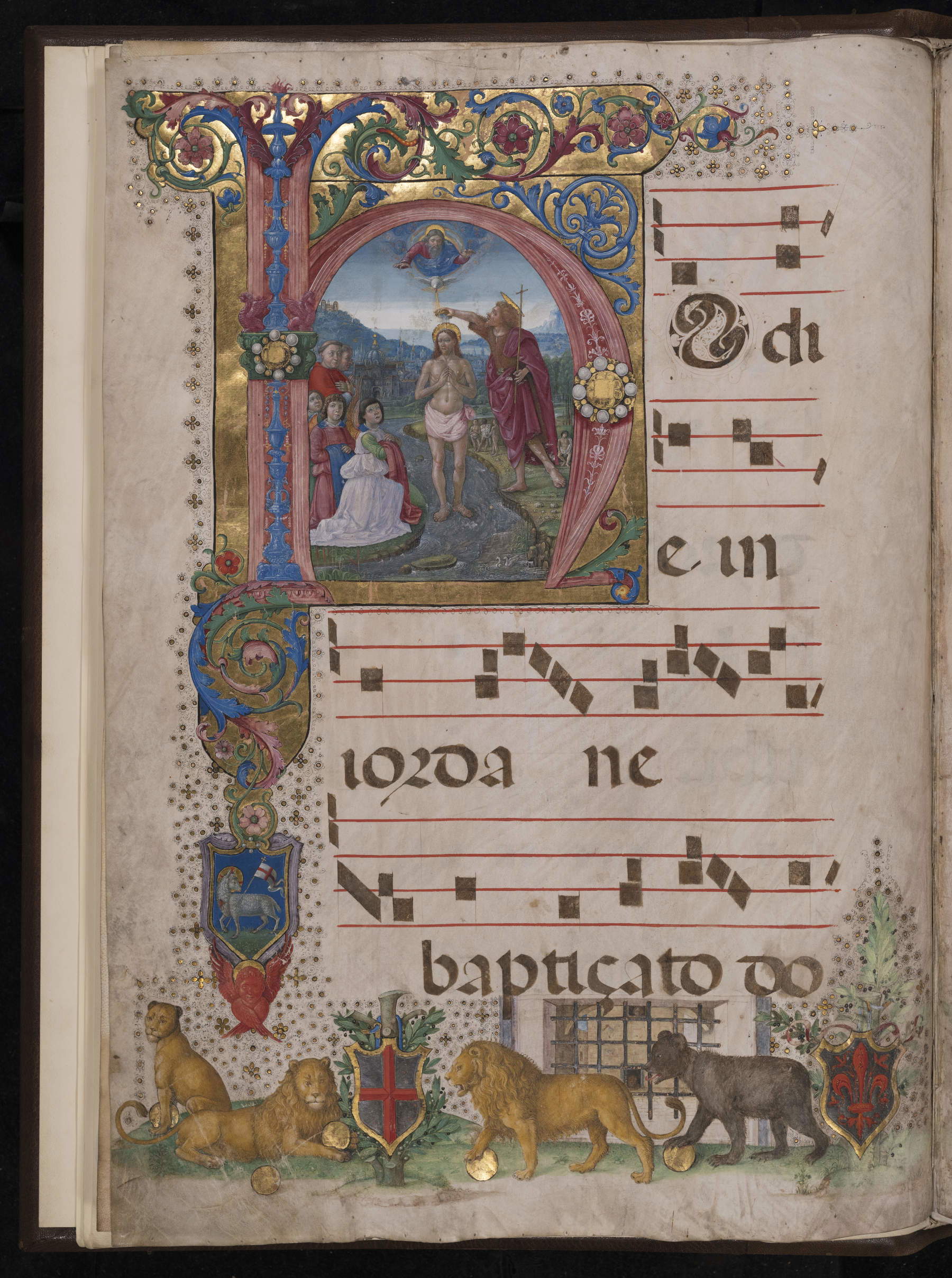
Alongside the figurative works are documents and evidence of the spread of lion iconography in Florentine culture. These include an illuminated antiphonary from the Opera di Santa Maria del Fiore, the *Specchio umano* from the Laurentian Library, an 18th-century map by Ferdinando Ruggieri documenting the lion menagerie, preserved in the Historical Archives of the City of Florence, and a lithograph by Adolfo de Carolis dedicated to the Marzocco, from the Salce National Museum in Treviso.
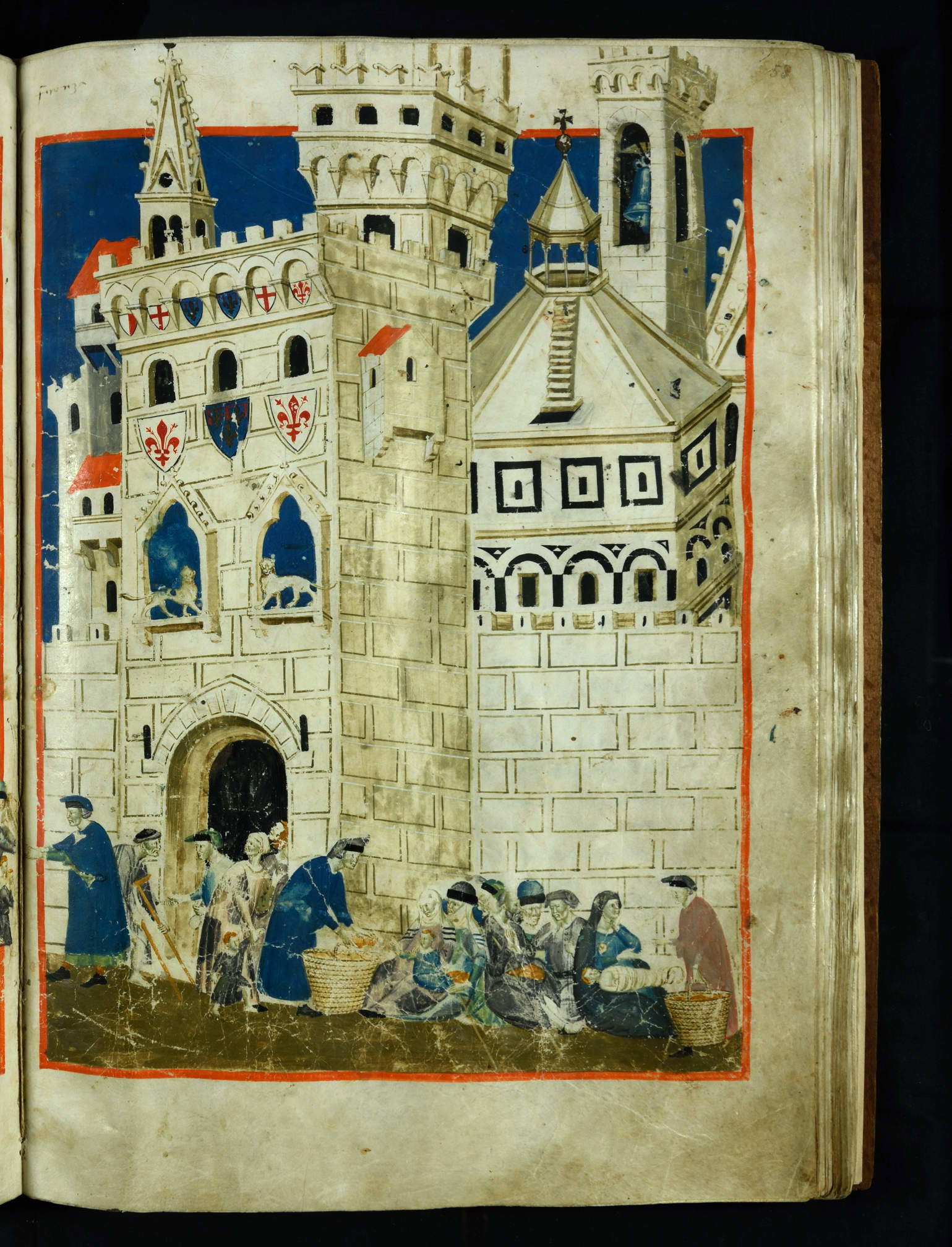
The exhibition also explores a lesser-known aspect of the city’s history: the presence of live lions in Florence dating back to the Middle Ages. These exotic and feared animals were kept in menageries that served as tangible symbols of prestige and authority. After being housed in Piazza San Giovanni and at the Palazzo del Podestà, the lions were moved to Palazzo Vecchio in the mid-14th century, where they remained until 1550. Their presence further strengthened the bond with the city’s institutions, so much so that the street behind the palace is still called Via dei Leoni today. The same name was given to what is now Via Cesare Battisti when the menagerie was moved to that area.
Chronicles recount the number of lions bred in the heart of the city and the solemn occasions on which hunts and fights were organized. These practices are documented in a drawing by Giovanni Stradano from the Department of Drawings and Prints at the Uffizi Galleries. The narrative is complemented by the display of a stuffed lion from the Natural History Museum of the University of Florence.
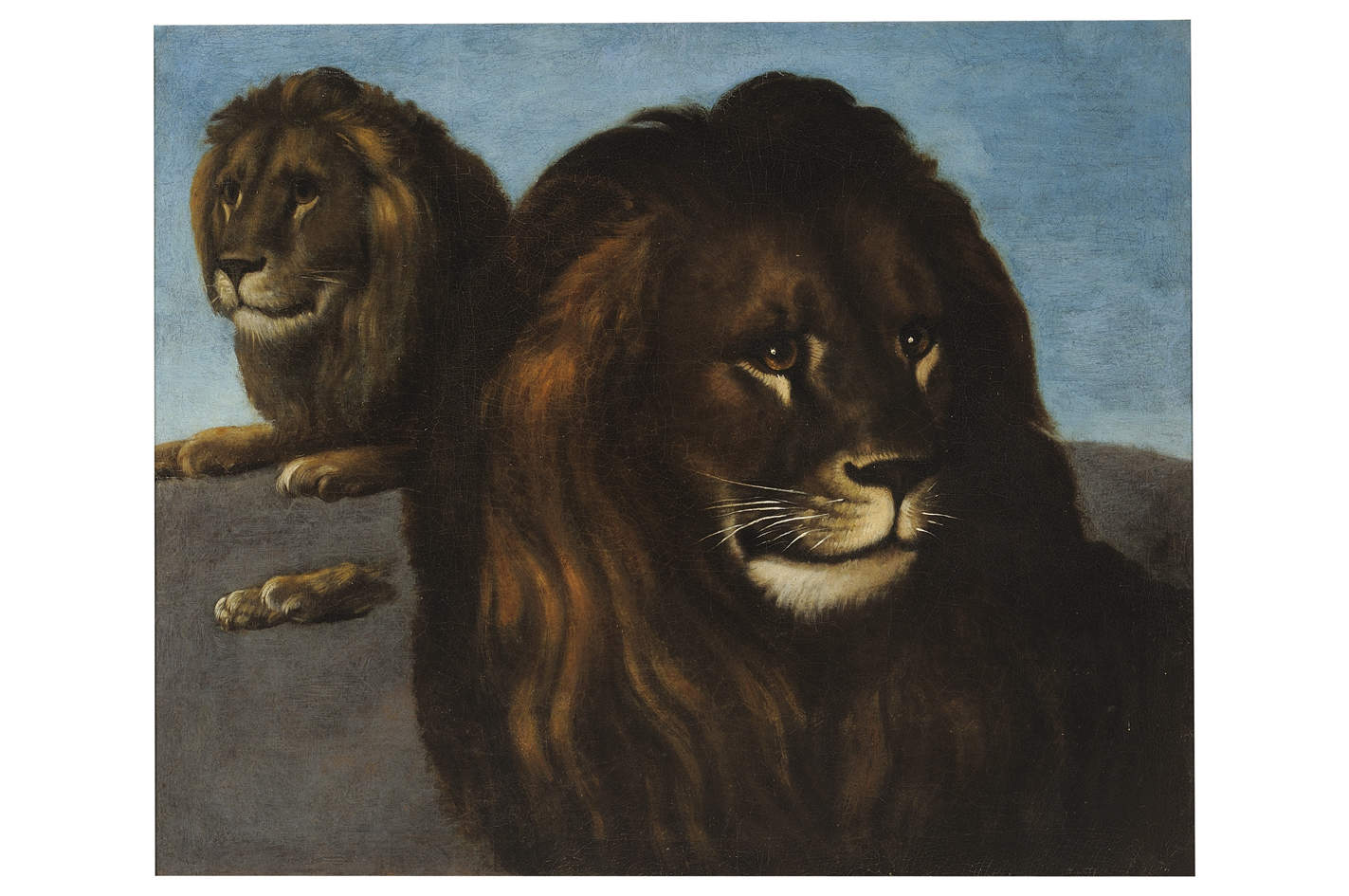
The itinerary also extends to other rooms in Palazzo Vecchio, where painted and sculpted lions guide visitors along a thematic path through the museum. The collaboration with GAMB also involves the Bargello National Museum, which houses Donatello’s famous Marzocco, one of the most important depictions of the Florentine civic lion. Holders of a Palazzo Vecchio ticket will receive a discount on admission to the Bargello, where a special tour highlights the major works featuring depictions of lions in the collections.
Further exploration is offered at the Stefano Bardini Museum: upon entry, visitors will receive a map highlighting the numerous depictions of lions collected by the antiquarian, a testament to the enduring popularity of this iconography from antiquity to the contemporary era.
The program also includes activities for the public. Every Sunday at 3:00 p.m., there are guided tours dedicated to the exhibition, while at 10:15 a.m., “Marzocco” takes place. “The Lion of Florence,” a story designed for young children. Reservations are required for both events by calling 055 0541450 or emailing info@musefirenze.it.
Statements
“The lion is much more than a symbol for Florence: it is an image that spans the centuries and tells the story of our city—its desire for freedom, its autonomy, and its ability to identify with shared values,” said Giovanni Bettarini, Councilor for Culture. “From the Marzocco to artistic and historical artifacts, the lion’s image reveals the connection between art, civic identity, and political power—a connection that has helped shape the face of Florence. With this exhibition, Palazzo Vecchio—a symbol of city government—becomes the ideal setting to rediscover a fascinating history, made up of works of art, documents, and curiosities, such as the story of the live lions housed for centuries in the heart of the city. A journey that allows us to view our heritage with fresh eyes and to understand how the symbols of the past continue to speak to the community and to new generations even today.”
“When Valentina Zucchi and I conceived this exhibition, we were guided by the idea of tracing the presence of a familiar yet often unnoticed figure: the lion, which has accompanied the history and image of Florence for centuries,” explained Carlo Francini, curator of the exhibition and superintendent of the Florentine Civic Museums. “This research gave rise to an exhibition that brings together diverse works, places, and historical accounts, revealing the richness of meaning in a symbol that still speaks to us today. This narrative extends beyond Palazzo Vecchio to the Stefano Bardini Museum, where depictions of lions are particularly numerous, and to the Bargello National Museum, home to Donatello’s famous Marzocco. Thanks to the generosity and collaboration of Andreina Contessa, director of the GAMB Group—which includes the Galleria dell’Accademia in Florence and the Bargello Museums—we are thus able to offer visitors a more comprehensive educational experience, demonstrating how dialogue among cultural institutions can help enhance our shared heritage.”
“A project that, once again, highlights the extraordinary history of Florence’s government palace, in its relationship with the city and its citizens,” reflects Valentina Zucchi, curator of the exhibition, “Thanks to the exquisite works on display, it is possible to trace the narrative that, through the lions, weaves together the political, economic, and artistic developments of Florence from the Middle Ages to the modern era, extending all the way to the present day: the Marzocco remains the undisputed emblem of Florentine identity. A heartfelt thank you to the cultural institutions that collaborated to ensure the success of this project.”
“Donatello’s Marzocco, housed at the Bargello National Museum, is not only a masterpiece of Renaissance sculpture,” states Andreina Contessa, General Director of the Accademia Gallery in Florence and the Bargello Museums, “but also a symbol deeply rooted in the history and civic identity of Florence. The exhibition *The Lions of Florence* offers a precious opportunity to rediscover this connection and to bring into dialogue the works, places, and collections that preserve the city’s memory. We are particularly pleased to contribute to the project with a thematic exhibition within the Bargello, which invites visitors to explore the richness and variety of lion iconography. This collaboration with the Florentine Civic Museums demonstrates the value of a shared vision of cultural heritage, in which museums—through dialogue and the forging of new connections—can offer the public fresh perspectives on the history and art of Florence.”
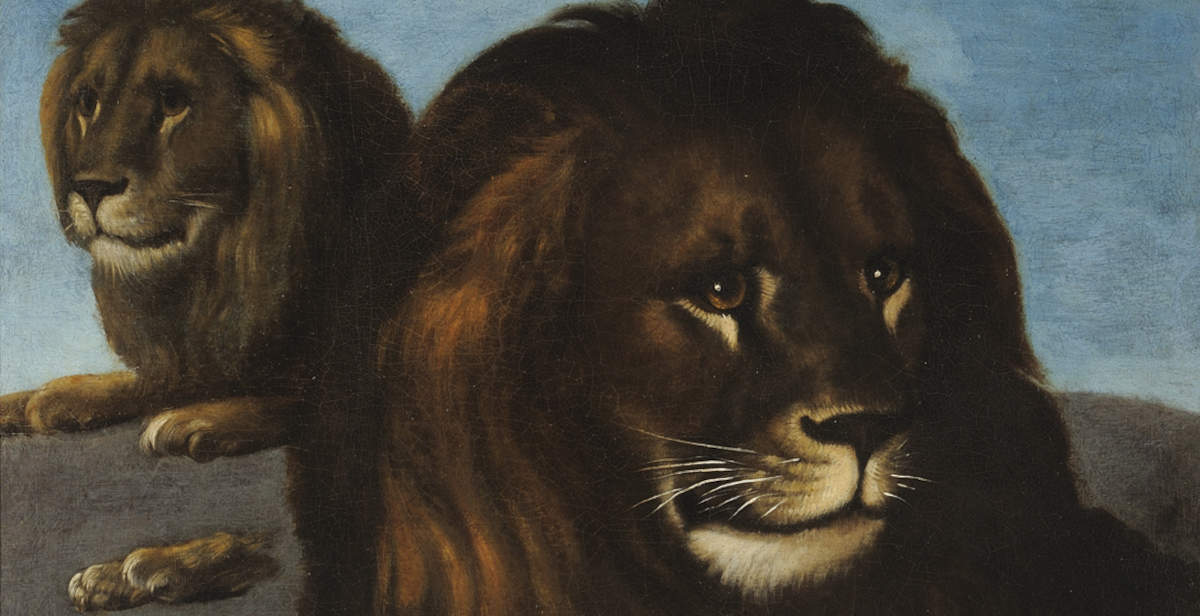 |
| At Palazzo Vecchio, the lions symbolize Florence’s power and identity |
Warning: the translation into English of the original Italian article was created using automatic tools. We undertake to review all articles, but we do not guarantee the total absence of inaccuracies in the translation due to the program. You can find the original by clicking on the ITA button. If you find any mistake,please contact us.