





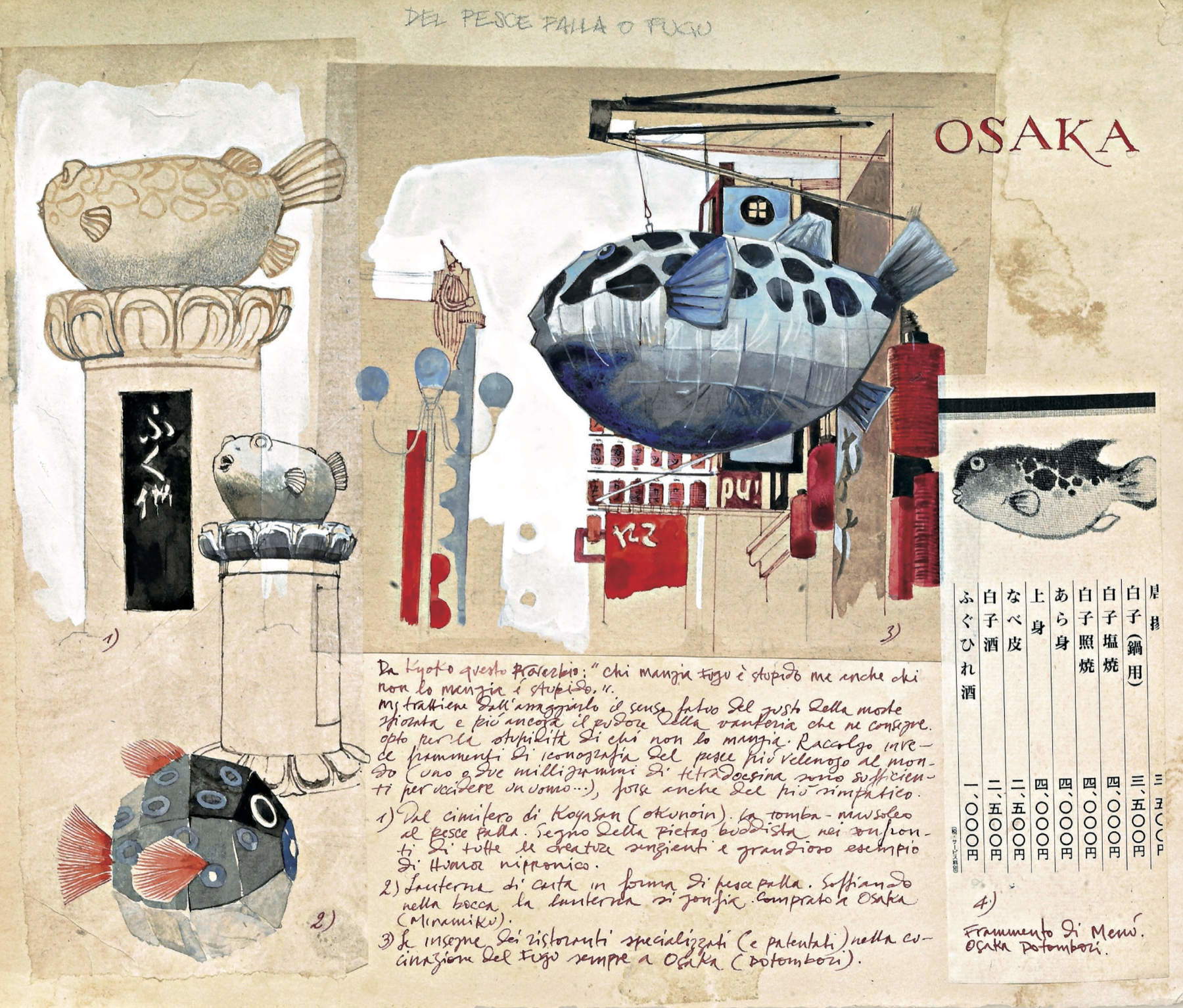
From September 13 to November 1, 2026, Racconigi Castle (Cuneo) will host *Specchi del Giappone. Stefano Faravelli at Racconigi Castle*, an exhibition dedicated to the artist’s relationship with Japan and the work that led to the creation of the *Giappone* sketchbook . “Notebooks from the Floating World,” published by EDT in 2026. The exhibition, part of the September program of the EFFIMERA cultural festival . “Experiencing the Racconigi Castle Park” brings together for the first time the original sketchbooks, albums, travel tools, and working materials of artist Stefano Faravelli, considered one of the pioneers in Italy who paved the way for the genre of the carnet de voyage.
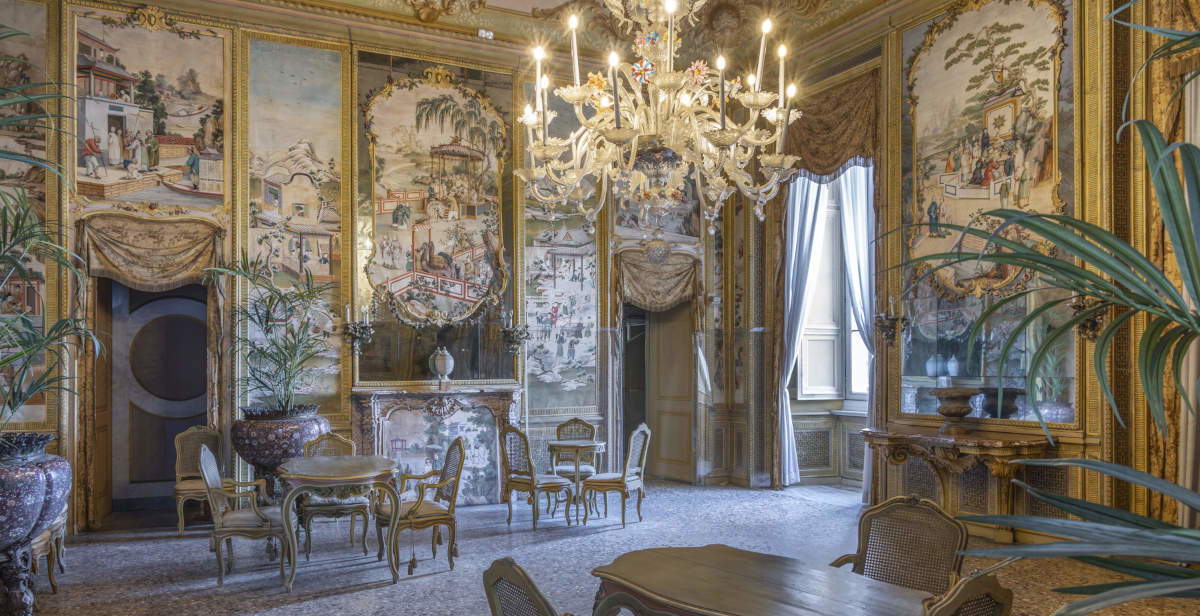
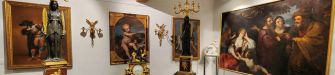
Produced with the support of the CRC Foundation, the exhibition is housed in the Castle’s Chinese Apartment and is curated by Alessandra Giovannini Luca and Laura Gallo, in collaboration with EDT and with the participation of the Carmagnola Reading Group. The exhibition connects Faravelli’s work with the spaces that preserve evidence of the Savoy court’s fascination with the East. The artist’s travel journals, watercolors, albums, and tools are, in fact, presented in the rooms that were renamed the “Japanese Apartment” in the early 20th century, drawing a connection between the image of Japan constructed in Europe and the one observed directly by the artist during years of travel and study.
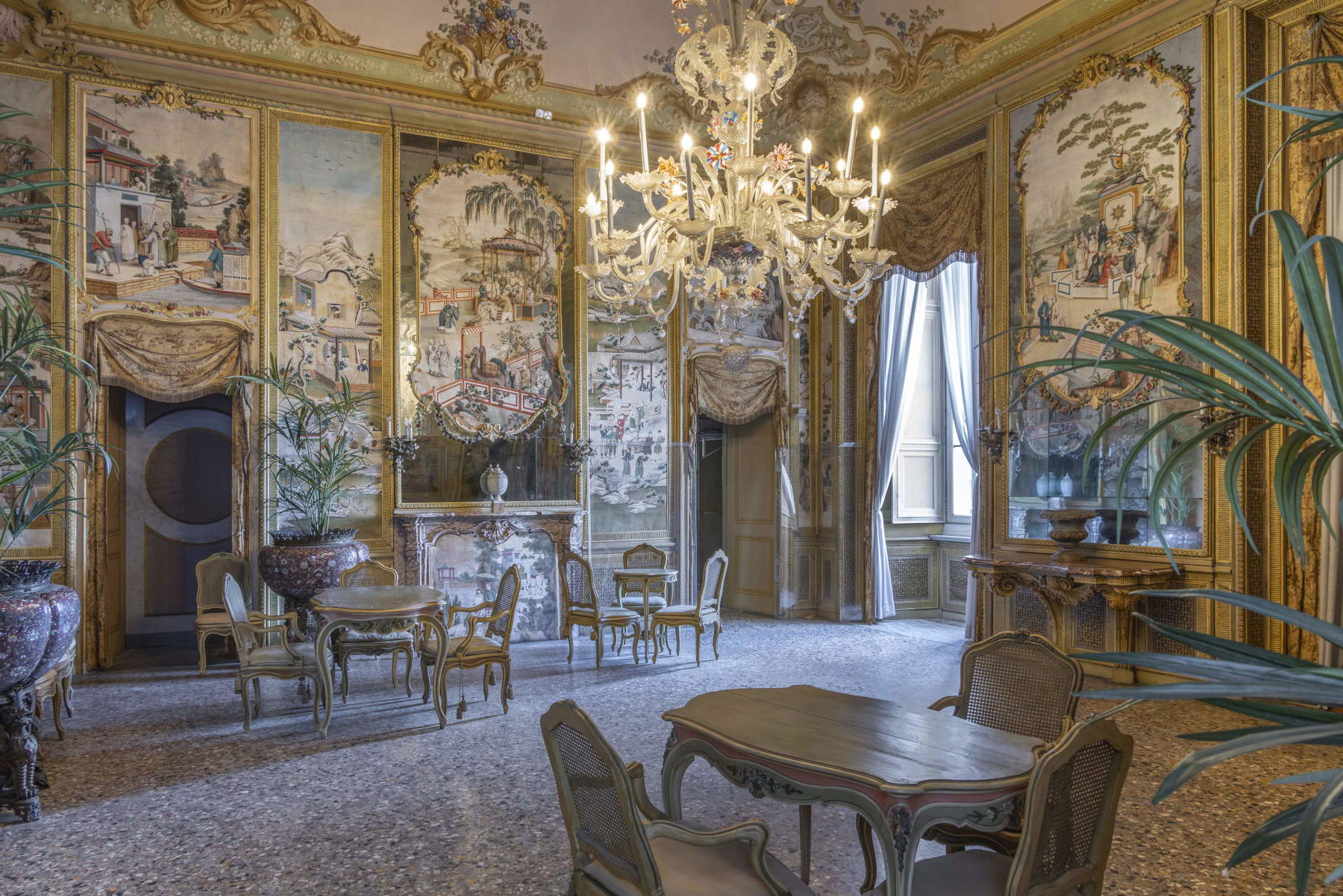
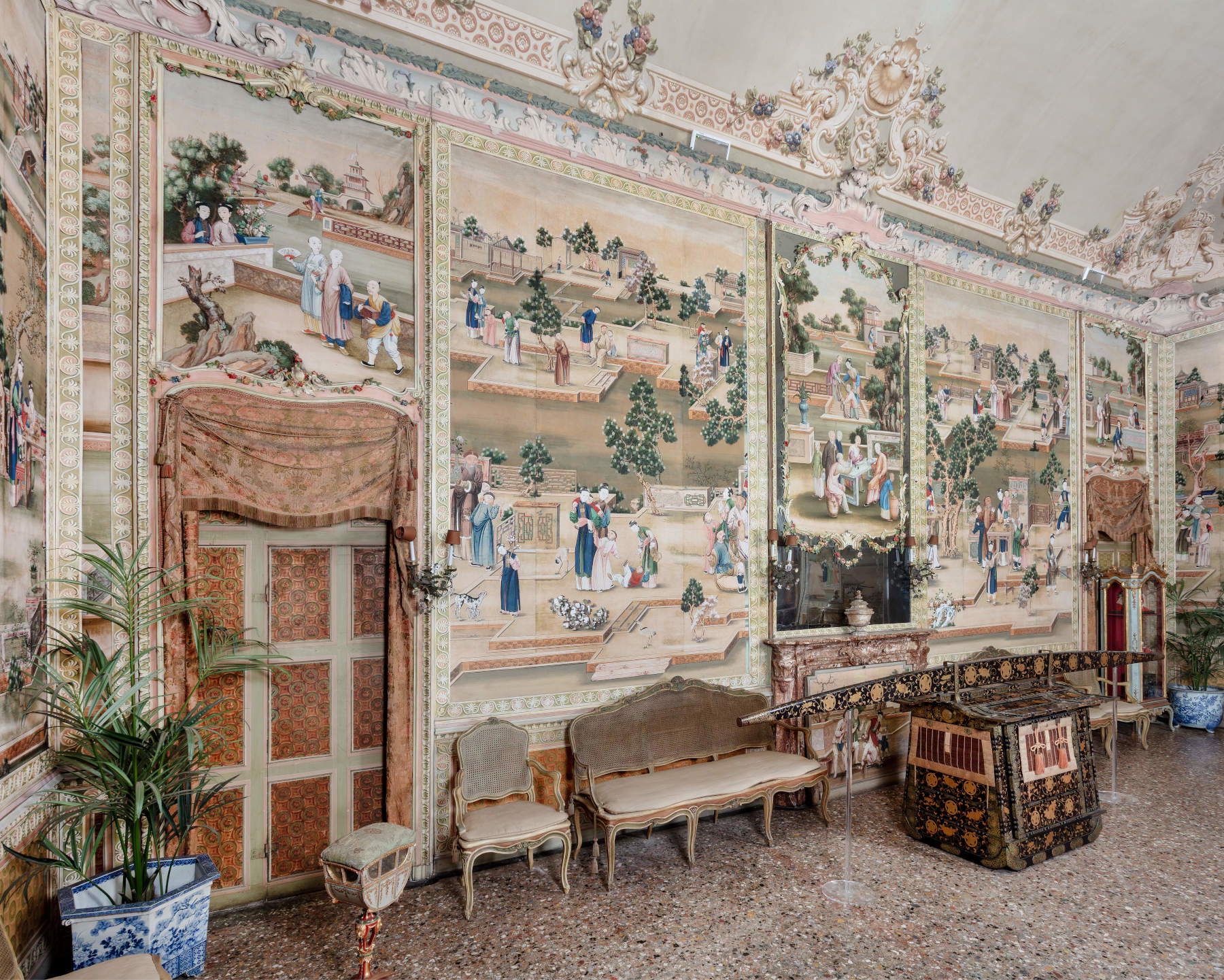
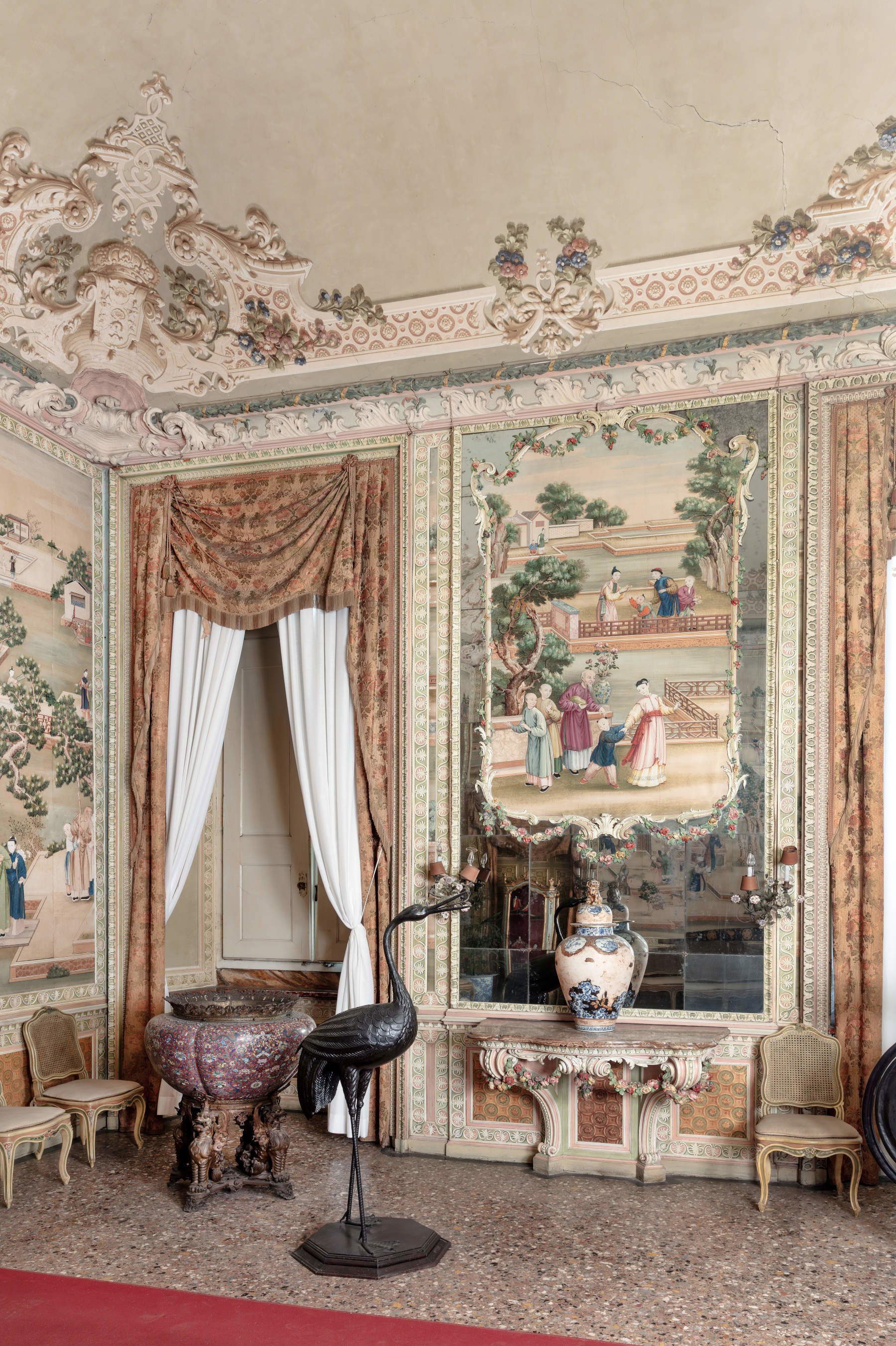
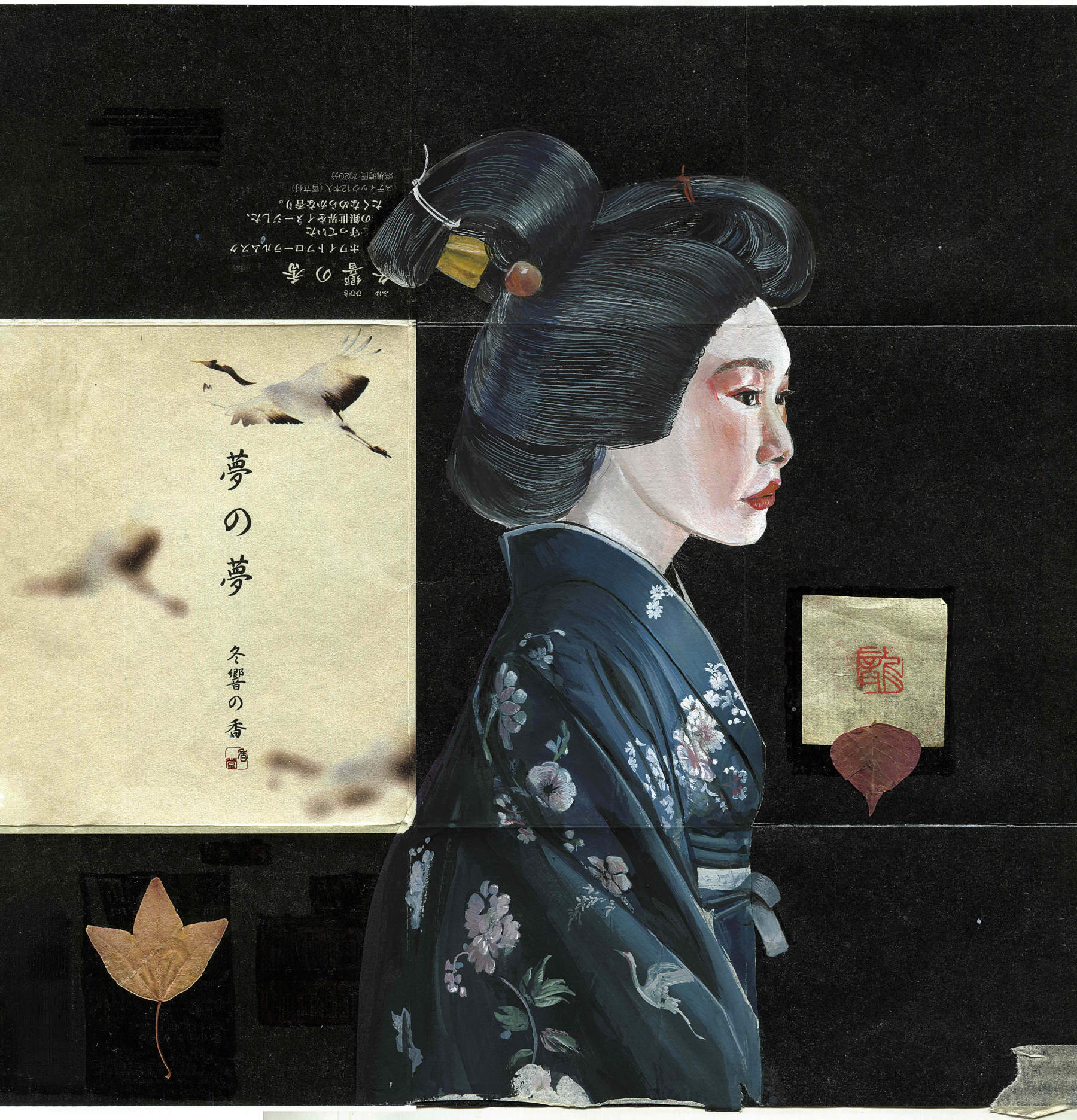
Faravelli’s connection to Japan also has a family dimension. In the family archives, the artist discovered photographs of his great-aunt Irma, portrayed in the early 20th century posing in geisha attire, perhaps inspired by Sada Yakko, whose 1902 tour also included a stop in Turin. This connection gave rise to a body of work developed over several years, based on drawing, the collection of objects and notes, and direct observation. Faravelli sketches from life and uses his sketchbook as a tool to engage with places, people, and culture, moving beyond stereotypes. The reference to the “floating world,” orukiyo, thus evokes the ever-changing universe of fleeting things—a concept that has taken on different and even contradictory meanings in Japanese culture over the centuries.
The exhibition allows visitors to follow the creative process behind *Japan: Notebooks from the Floating World*, from sketch to page and from page to narrative. Faravelli combines images and writing, calligraphy and notes, botanical details and urban vistas, constructing a sort of map composed of visual and textual fragments. Her pages feature vibrantly colored landscapes, figures, and animals, along with motifs recurring in Japanese art, such as bamboo forests, Mount Fuji, temples, shrines, and gardens. The human figure is rendered through delicate, calligraphic lines, combined with a soft touch and allusions to contemporary life.
Alongside Faravelli’s works, three Japanese maki-e lacquer artifacts from the Castle’s collections are on display, bearing witness to the artistic tradition of Japanese lacquerware. The technique uses urushi lacquer, a resin derived from the tree of the same name, which protects the wood and decorates it with glossy surfaces. The objects include a small box depicting a flock of cranes, a picnic set (sagejubako) consisting of a small sake cup, a metal vessel shaped like an hourglass drum, and six stackable containers decorated with cherry blossoms, as well as a document box covered with various maki-e techniques, featuring pine trees and two-tone camellia flowers set among rocks and clouds. The interior, decorated using the nashiji (pear-skin) technique, houses five more small boxes featuring floral and bird motifs.
The presence of lacquerwork contributes to a dialogue with the history of the Chinese Apartment, an 18th-century space characterized by ancient painted scrolls from China. In 1909, the rooms were used to host Tsar Nicholas II during his stay in Racconigi. As early as the beginning of the 20th century, amid the Japonisme trend, the rooms designated for the Royal Guest Quarters were renamed the “Japanese Apartment” and refurbished with furnishings either crafted by Michele Dellera’s workshop or purchased from the Turin-based firm Tognacca & Giglio Tos, which specialized in Oriental furniture and objects.
Two family events round out the program. On Saturday, October 3, at 3:30 p.m. , *My Trip to Japan* () offers children ages 3 to 6 a storytime and a tour of the exhibition, followed by the creation of a *carnet de voyage* with drawings, colors, and collages. On Saturday, October 24, also at 3:30 p.m., *The Secrets of Japanese Lacquer* will guide participants aged 6 to 12 on a journey of discovery through lacquered artifacts, led by restorer Roberta Bianchi, followed by the creation of a leporello inspired by the motifs and colors of Japanese art. Both activities are open to a maximum of 15 children accompanied by an adult and are included in the regular admission ticket to the Castle. Reservations are required on the website or via the Musei Italiani app.
 |
| At Racconigi Castle: Japan as Depicted in Stefano Faravelli’s Travel Journals |

Warning: the translation into English of the original Italian article was created using automatic tools. We undertake to review all articles, but we do not guarantee the total absence of inaccuracies in the translation due to the program. You can find the original by clicking on the ITA button. If you find any mistake,please contact us.
















 IT
IT FR
FR DE
DE ES
ES CN
CN


