


by Redazione 23/10/2026


Categories: Exhibitions / Disclaimer
From November 27, 2026, to May 16, 2027, the Bagatti Valsecchi Museum in Milan will host *Trama e Ordito*, an exhibition curated by Antonio D’Amico featuring approximately 50 works from the Canclini Collection, dedicated to the relationship between contemporary art, textiles, and craftsmanship.


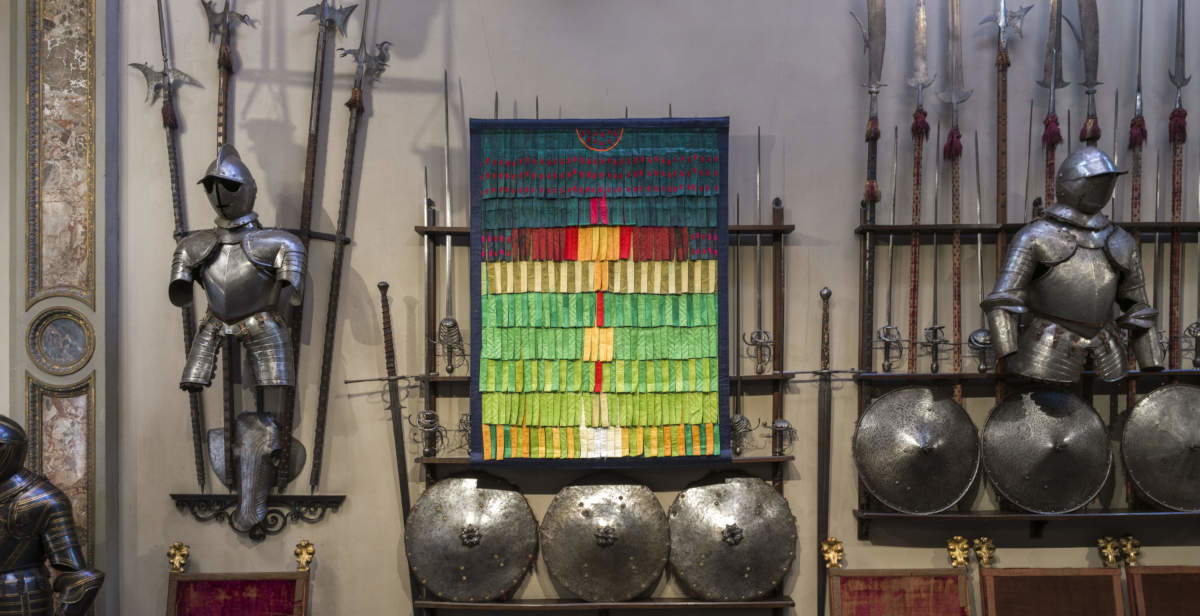
From November 27, 2026, to May 16, 2027, the Bagatti Valsecchi Museum in Milan presents *Trama e Ordito*. Featuring works by Pistoletto, Buren, and Boetti from the Canclini Collection, this exhibition—curated by Antonio D’Amico —explores the connection between contemporary artistic research on textiles and the history of the house-museum and its applied arts. The exhibition brings together approximately 50 works from the Canclini Collection, a private collection dedicated to the relationship between art and textiles, to mark the centennial of Canclini Tessile, a company founded in 1925 in the Como silk-producing district.

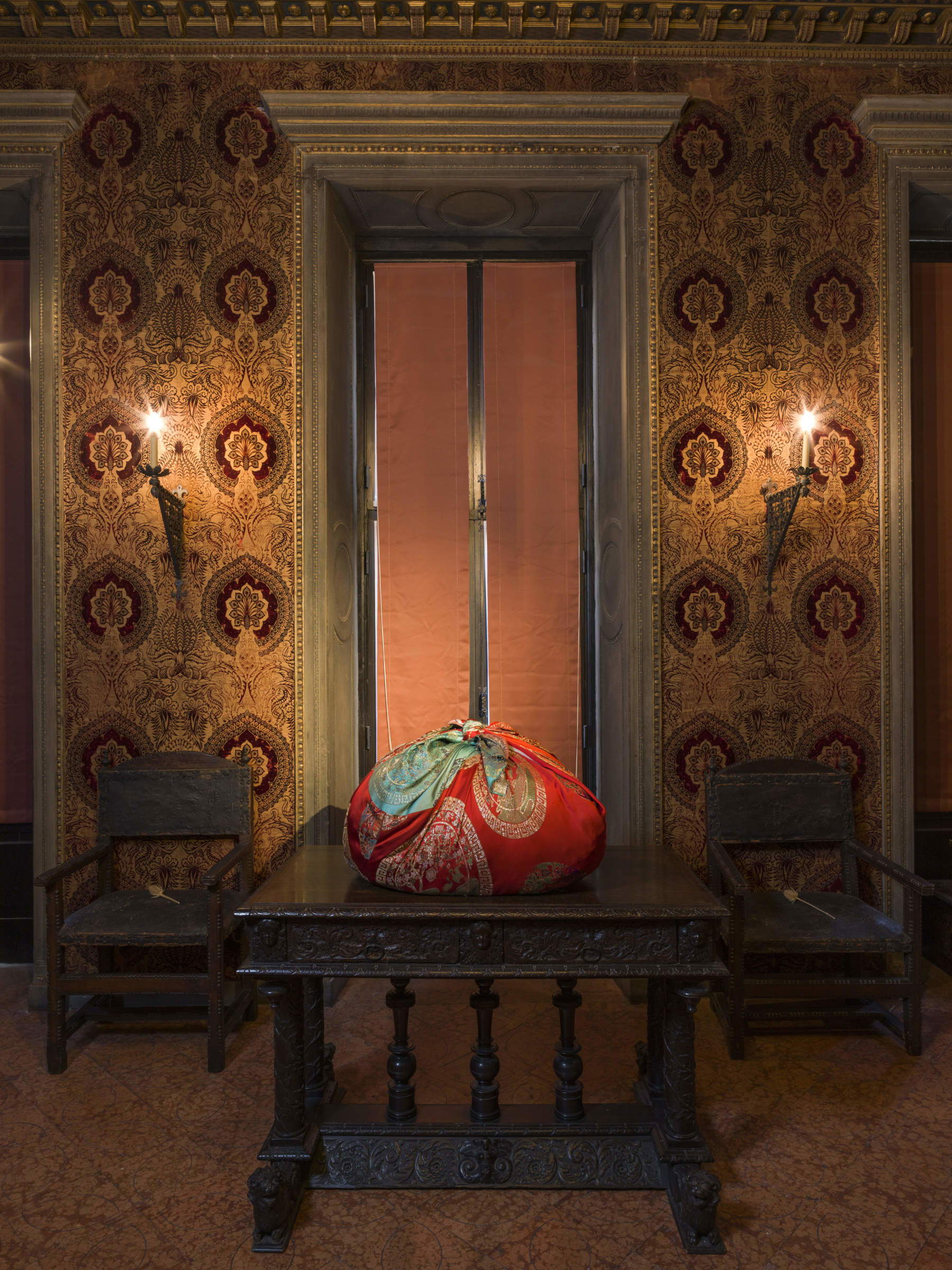
The exhibition places contemporary works alongside interiors designed in the mid-19th century by the brothers Fausto and Giuseppe Bagatti Valsecchi, who chose to live in a residence inspired by late Renaissance style. Sixteenth-century tapestries and nineteenth-century wall hangings based on antique designs—featuring decorations and narratives of symbolic significance—provide the context for works by artists who have identified thread, weave, and color as tools for visual and conceptual exploration.


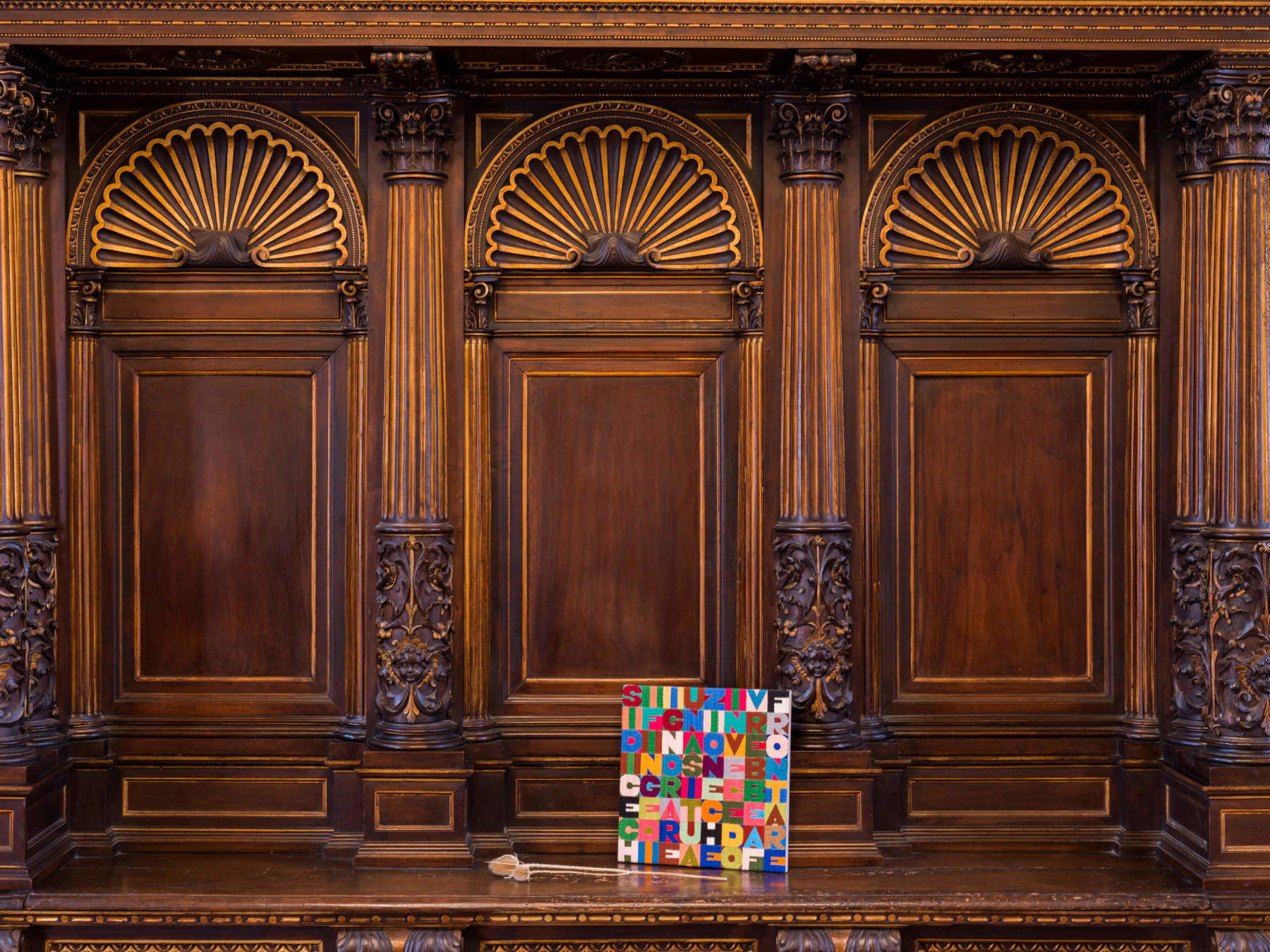
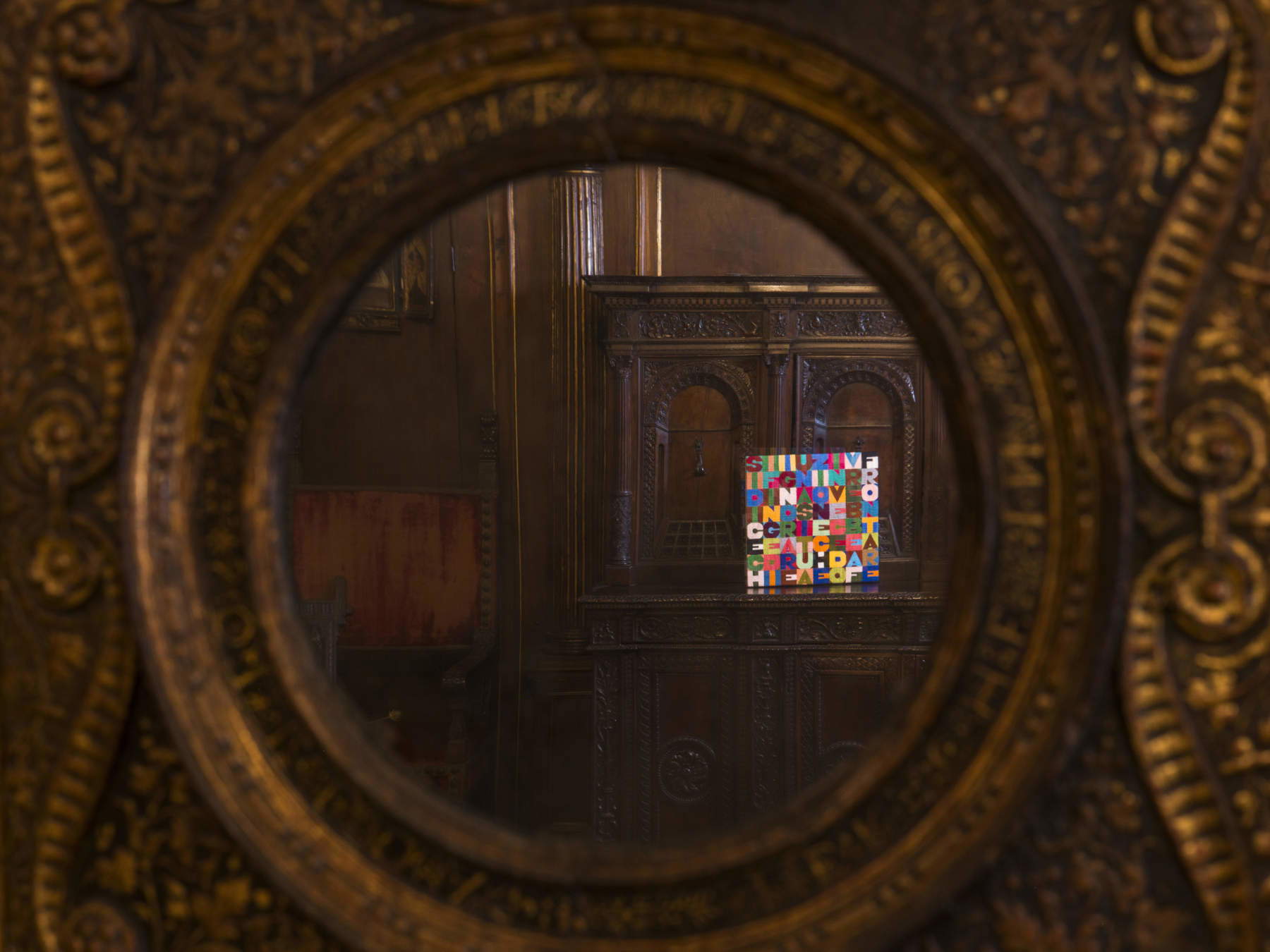
Among the featured artists are Michelangelo Pistoletto, Daniel Buren, Alighiero Boetti, Jannis Kounellis, Andy Warhol, Christian Boltanski, Maria Lai, Yayoi Kusama, and Tracey Emin. The works demonstrate how fabric can transcend its decorative function to become an autonomous language, capable of conveying social, identity-related, and symbolic meanings. Thread and weave are thus transformed into tools for reflecting on memory, craftsmanship, and the relationship between material and gesture.
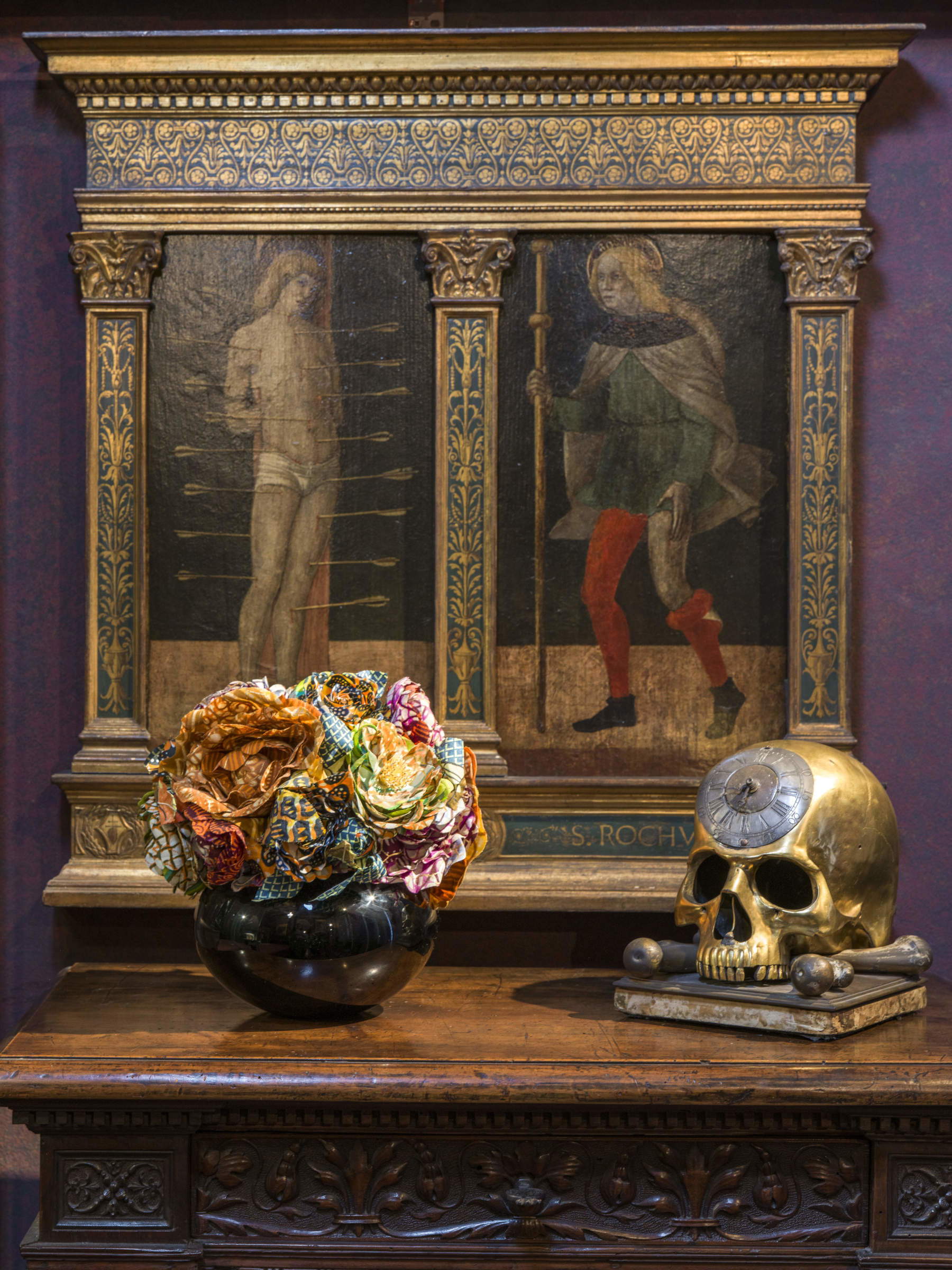
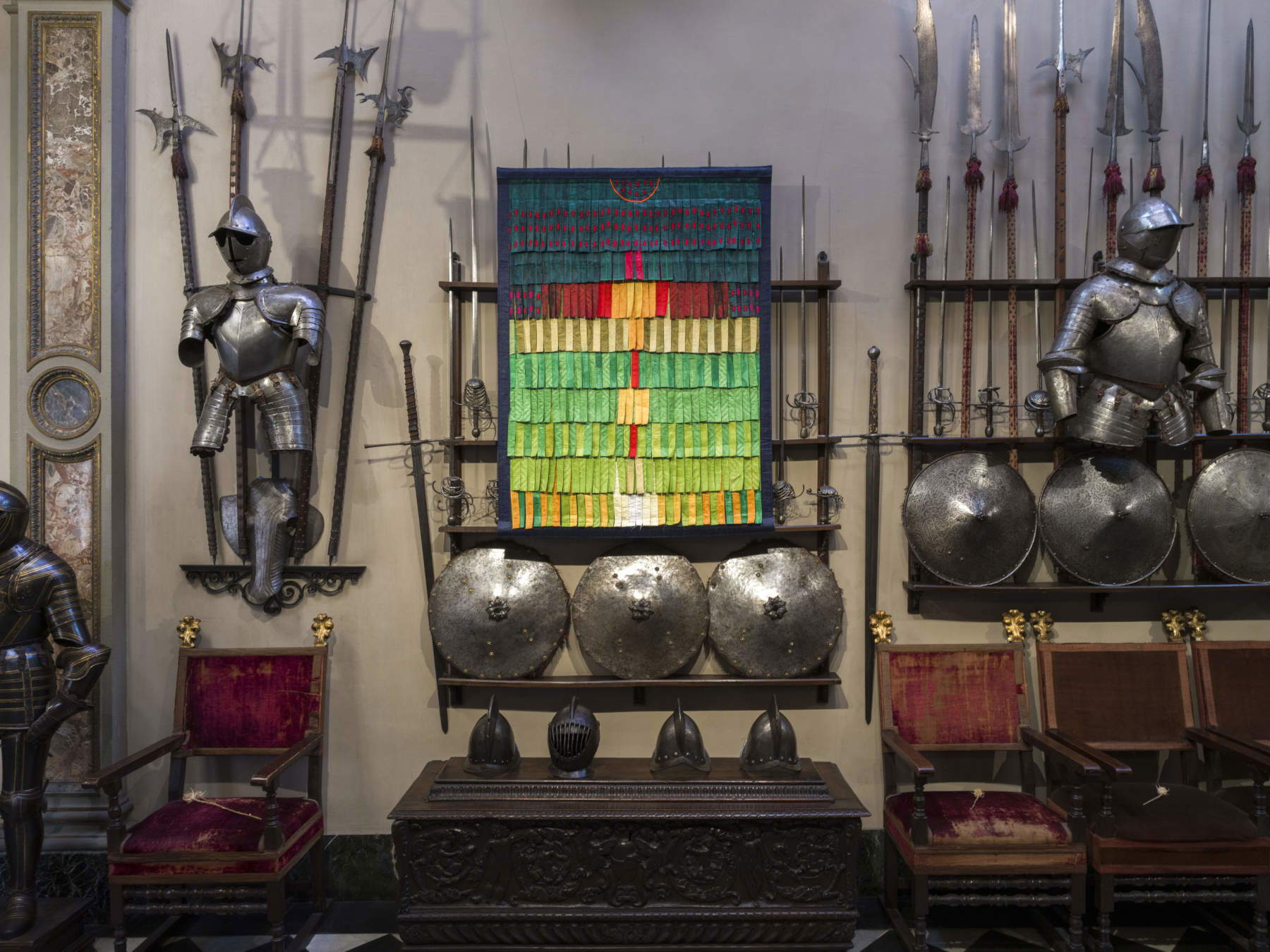
The inclusion of 43 works within the museum’s Neo-Renaissance interiors creates a dialogue with the permanent collection. The house still preserves precious tapestries in some rooms, while historical photographs document the original presence of wall coverings and draperies in spaces where they have since been lost. Fabrics, in fact, helped define domestic spaces, adorning walls, covering doors, and separating rooms. The exhibition thus highlights the continuity between the value attributed to the applied arts in Renaissance culture and contemporary experiments.
Of particular note is *Formiche* (2009) by Maria Lai, an artist with whom the Canclini family shared a personal and cultural bond. Her motto, “To be is to weave,” offers a key to understanding the entire project, evoking weaving as an act capable of creating relationships, transmitting knowledge, and building communities.
The Canclini Collection stems from the connection between the company—which specializes in high-end fabrics—and the culture of manufacturing. Expertise in the material, innovation, and high-quality production have accompanied the company’s international growth, keeping textile know-how at the core. This experience has given rise to a collection that explores the relationship between art and fabric, highlighting the thread, the weave, craftsmanship, and the transformation of the material. The works, often created through direct collaboration with the artists, take on a poetic and conceptual dimension. The selection is guided not by market dynamics but by the works’ ability to establish a dialogue with the world of textiles and its values.
The exhibition project thus brings together two histories: that of the 19th-century collecting practice of the Bagatti Valsecchi brothers, who assigned a significant role to textile decorations in their home, and that of the Canclini collection, which explores the contemporary possibilities of fabric as a meeting point between art, industry, and culture. The exhibition design, created by DWA Design Studio, guides visitors on a journey dedicated to the continuity between tradition and innovation, demonstrating how artisanal expertise can engage with artistic exploration.
Throughout the duration of the exhibition, the museum will offer guided tours, workshops on textile techniques, activities for schools and families, meetings with scholars, art historians, and curators, lectures, and interdisciplinary events. Among the initiatives is “Ricamare le idee”(Embroidering Ideas), a sewing workshop that includes a guided tour and the opportunity to personalize a tote bag through embroidery, followed by a closing toast. A series of aperitif events accompanied by music is also planned: each event will include a guided tour of the works in the Canclini Collection, musical interludes, and an aperitif in the Salone d’Onore, with the aim of combining artistic exploration, conviviality, and the promotion of the local area.
The exhibition will be accompanied by a catalog published by Silvana Editoriale. The press conference is scheduled for November 25 at 11 a.m., while the invitation-only opening will take place on November 26 at 6 p.m.
“I’m interested in works that establish an authentic dialogue with the world of textiles and with the themes that run through our entrepreneurial experience: time, memory, the transformation of materials, and the value of human labor,” says Simone Canclini. “Every acquisition stems from an encounter and a cultural resonance even before an aesthetic one.”
 |
| At the Bagatti Valsecchi Museum, textiles become art with Pistoletto, Boetti, and Buren |
Warning: the translation into English of the original Italian article was created using automatic tools. We undertake to review all articles, but we do not guarantee the total absence of inaccuracies in the translation due to the program. You can find the original by clicking on the ITA button. If you find any mistake,please contact us.