



by Redazione 28/07/2026



Categories: Exhibitions / Disclaimer
On September 8, the Banco Santander Foundation’s new cultural center will open in Spain, featuring a collection spanning five centuries of art history. It will kick off with three exhibitions dedicated to Leonora Carrington, the foundation’s collection, and modern Mexican art.
Faro Santander, the new art center sponsored by the Banco Santander Foundation in Santander, northern Spain, will open on September 8. The project stems from the transformation of Banco Santander’s historic headquarters into a new cultural hub dedicated to art, culture, and technology, with an inaugural exhibition program centered on three major exhibitions: *The Symptomatic Surreal: Leonora Carrington*, *Masterpieces from the Banco Santander Collection*, and *Modern Mexico in the Gelman Santander Collection*.
The new space is conceived as an evolving cultural center, designed to foster dialogue between historical heritage, contemporary research, and technological experimentation, while maintaining a strong connection to the region of Cantabria yet embracing an international outlook. The inaugural program thus weaves together three distinct themes: Leonora Carrington’s work during her stay in Santander during World War II, a selection of works from the bank’s art collection spanning nearly five centuries of history, and an in-depth exploration of modern Mexican art through the Gelman Santander Collection.
Five Centuries of Art History in the Banco Santander Collection
One of the main focal points of the new center will be dedicated to the Banco Santander Collection, an artistic heritage accumulated over more than 160 years and still relatively unknown to the general public. An entire floor of the building will be devoted to the permanent collection, presented through temporary exhibitions featuring different selections of the works in the collection.


The inaugural exhibition, *Masterpieces from the Banco Santander Collection*, curated by María Dolores Jiménez-Blanco, traces a journey through nearly five centuries of art history, from the panel painting *La predicación de san Juan Bautista* (The Preaching of St. John the Baptist) by Lucas Cranach the Elder (1472–1553), painted between 1537 and 1540, to *Soñé que revelabas* (Sutlej-Indo) (I Dreamed That You Revealed) by Juan Uslé (1954).
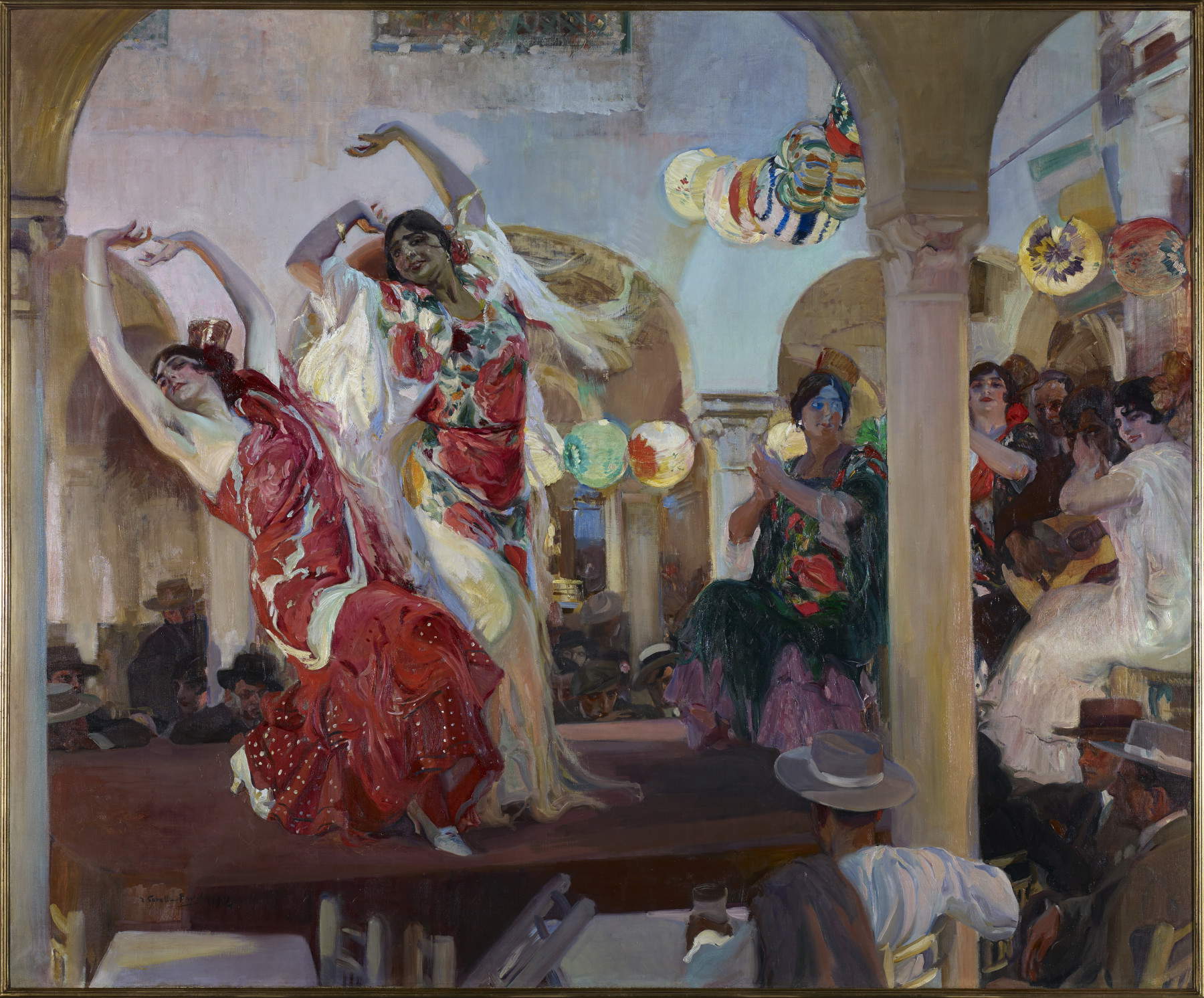
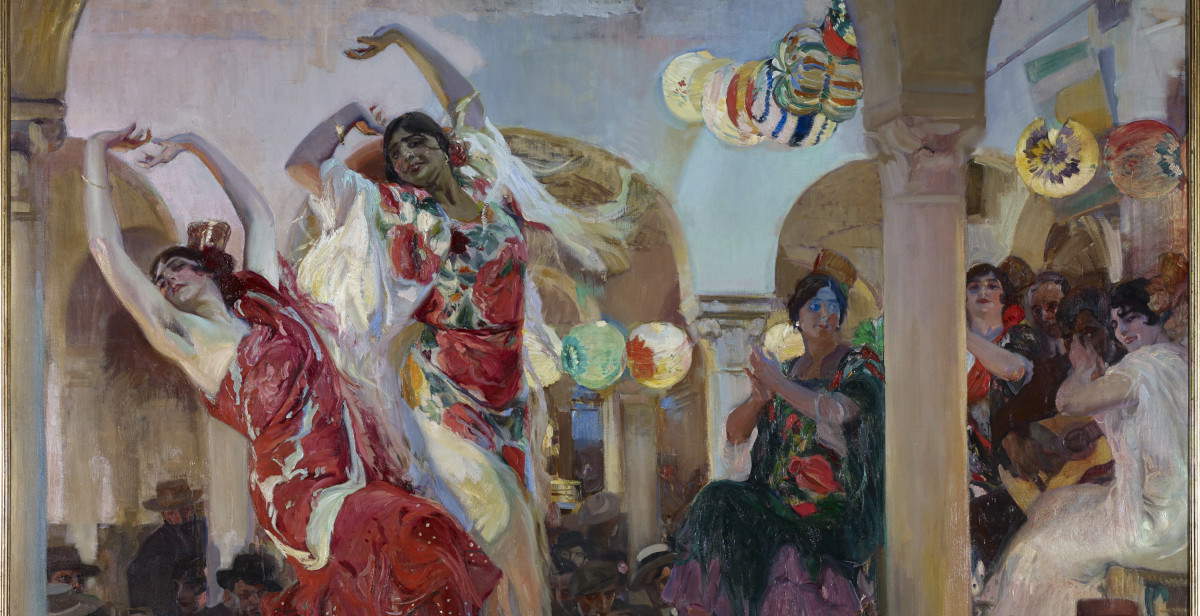
The exhibition, open from September 8, 2026, through February 2027, brings together some of the leading figures in European and international art history, featuring works by Titian, El Greco, Rubens, Velázquez, Goya, Tàpies, Soledad Sevilla, Sorolla, and Juan Uslé, along with other artists. The selection draws on the bank’s more than 160 years of acquisitions and tells the story of the institution through the works collected over time.
“We wanted to show how artists and images from different eras and styles intersect, and to highlight the threads that run through such a multifaceted collection,” says curator María Dolores Jiménez-Blanco.
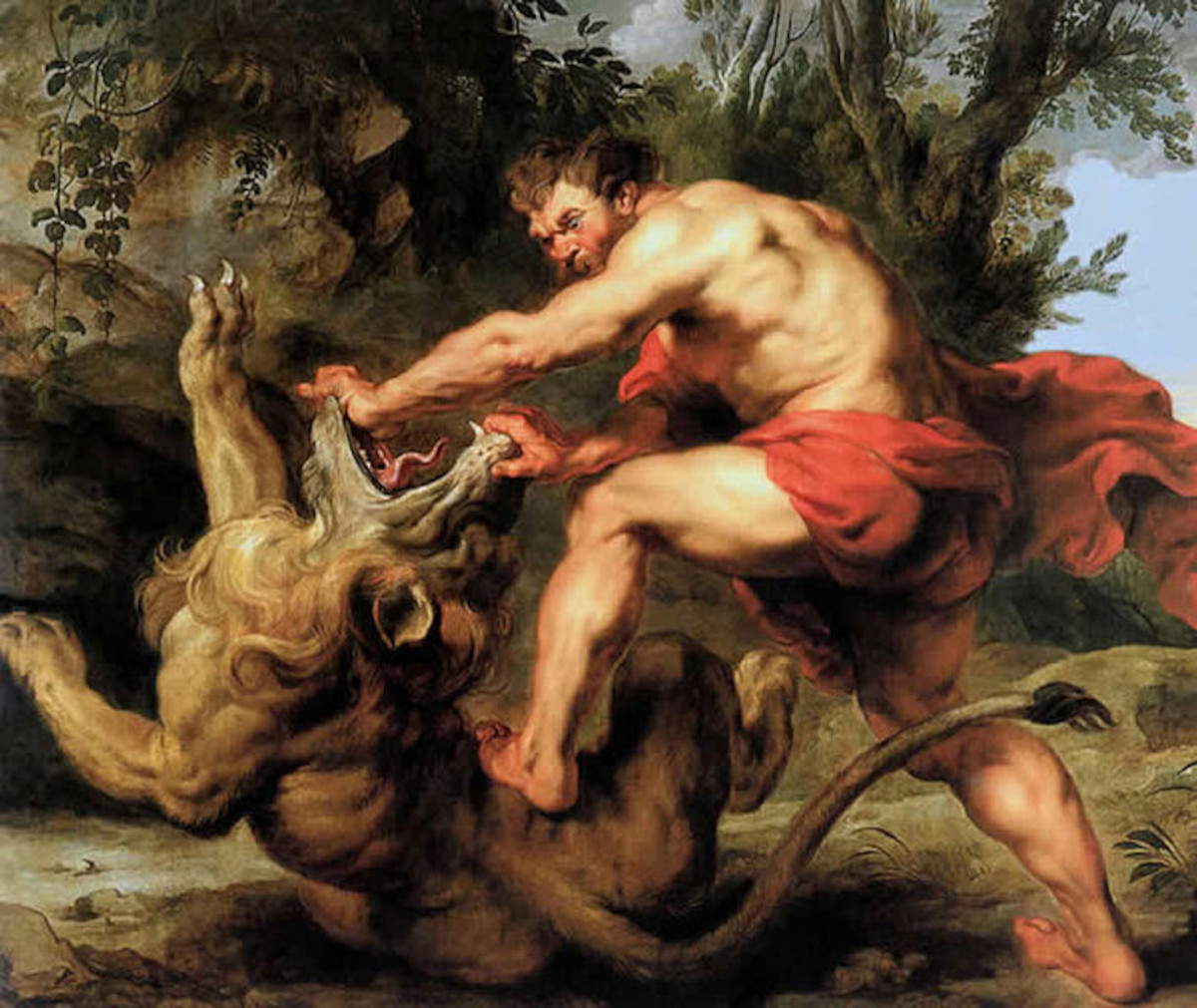
The exhibition is organized into four thematic sections: Sacred Stories , Places and Landscapes , Things: Still Life , and Portraits, Types, Figures . The first section, Sacred Stories, explores the relationship between spirituality and mystery through works by Titian, El Greco, Rubens, Velázquez, Zurbarán, Chillida, Tàpies, and Torner. The second section, “Places and Landscapes,” explores the theme of the landscape as a cultural space linked to memory and identity, juxtaposing idealized views by Canaletto and Beruete with abstract interpretations by Chirino, Guerrero, Soledad Sevilla, and Cristina Iglesias.
The section dedicated to still life traces the evolution of the genre from the Baroque period through the late 20th century, featuring works by Juan de Arellano, Luis Meléndez, Luis Gordillo, and Miquel Barceló. The exhibition concludes with portraiture, exploring the changing representation of the individual and society: from the official portraits of Van Dyck and Giuseppe Bonito to the freer interpretations of Francisco Goya, Sorolla, Miró, Millares, Equipo Crónica, and Niki de Saint Phalle.
To complement the exhibition, the book*Nuevas miradas* will be published, in which fourteen specialists from various cultural fields offer personal reflections on a selection of the collection’s most significant works, chosen by curator María Dolores Jiménez-Blanco.
Modern Mexican Art from the Gelman Santander Collection
Alongside the Banco Santander collection, Faro Santander will present *Modern Mexico in the Gelman Santander Collection* from September 8 to January 10, 2027—a new phase of the exhibition project born out of the success of *Relatos Modernos*. *Obras Emblemáticas de la Colección Gelman Santander* at the Museo de Arte Moderno in Mexico City.
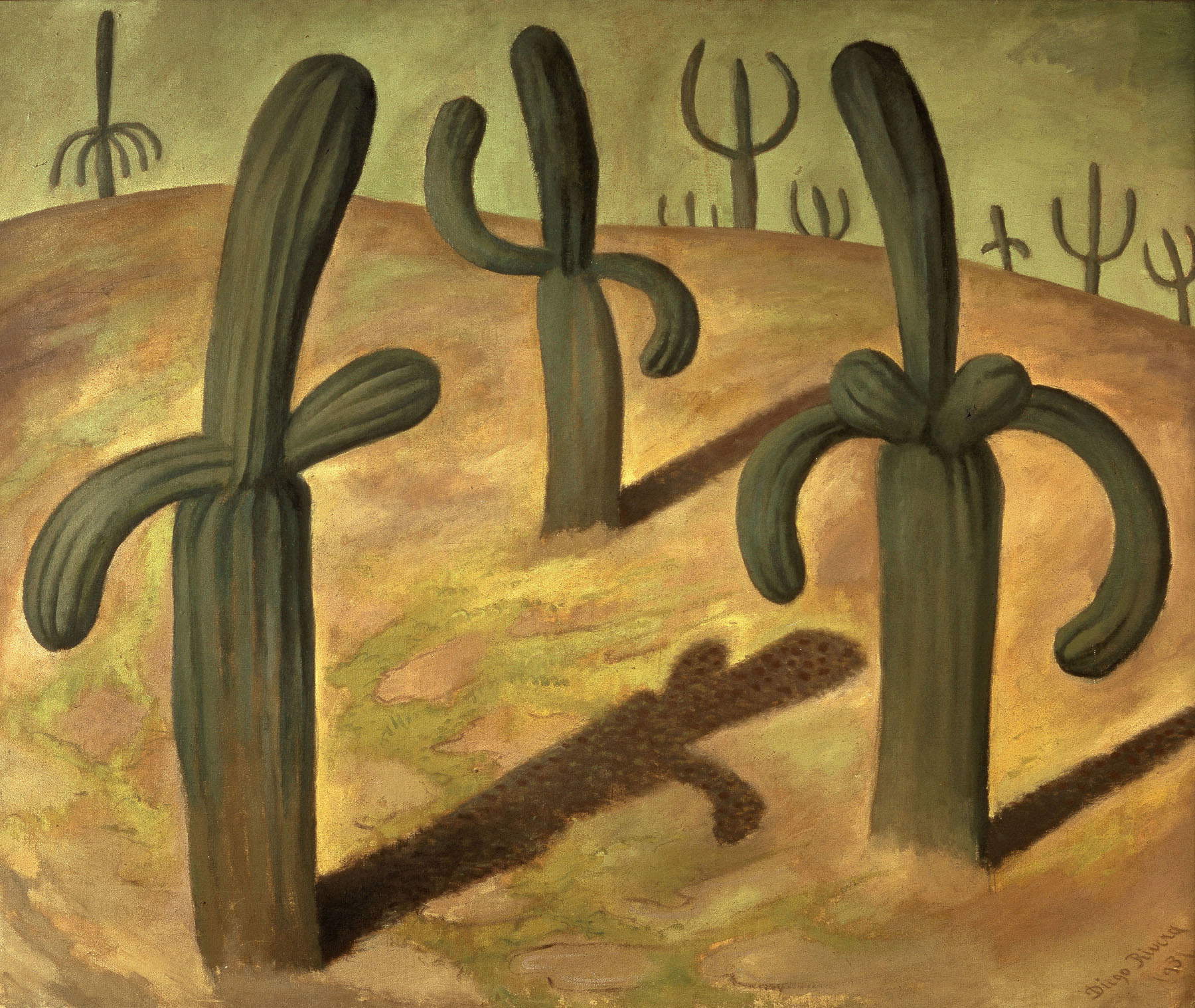
Curated by Marisol Argüelles, director of the Museo de Arte Moderno in Mexico City, the exhibition brings together works by some of the leading figures of Mexican modern art, including Frida Kahlo, Diego Rivera, Rufino Tamayo, José Clemente Orozco, David Alfaro Siqueiros, Gunther Gerzso, and Francisco Toledo, as well as a significant collection of photographs.
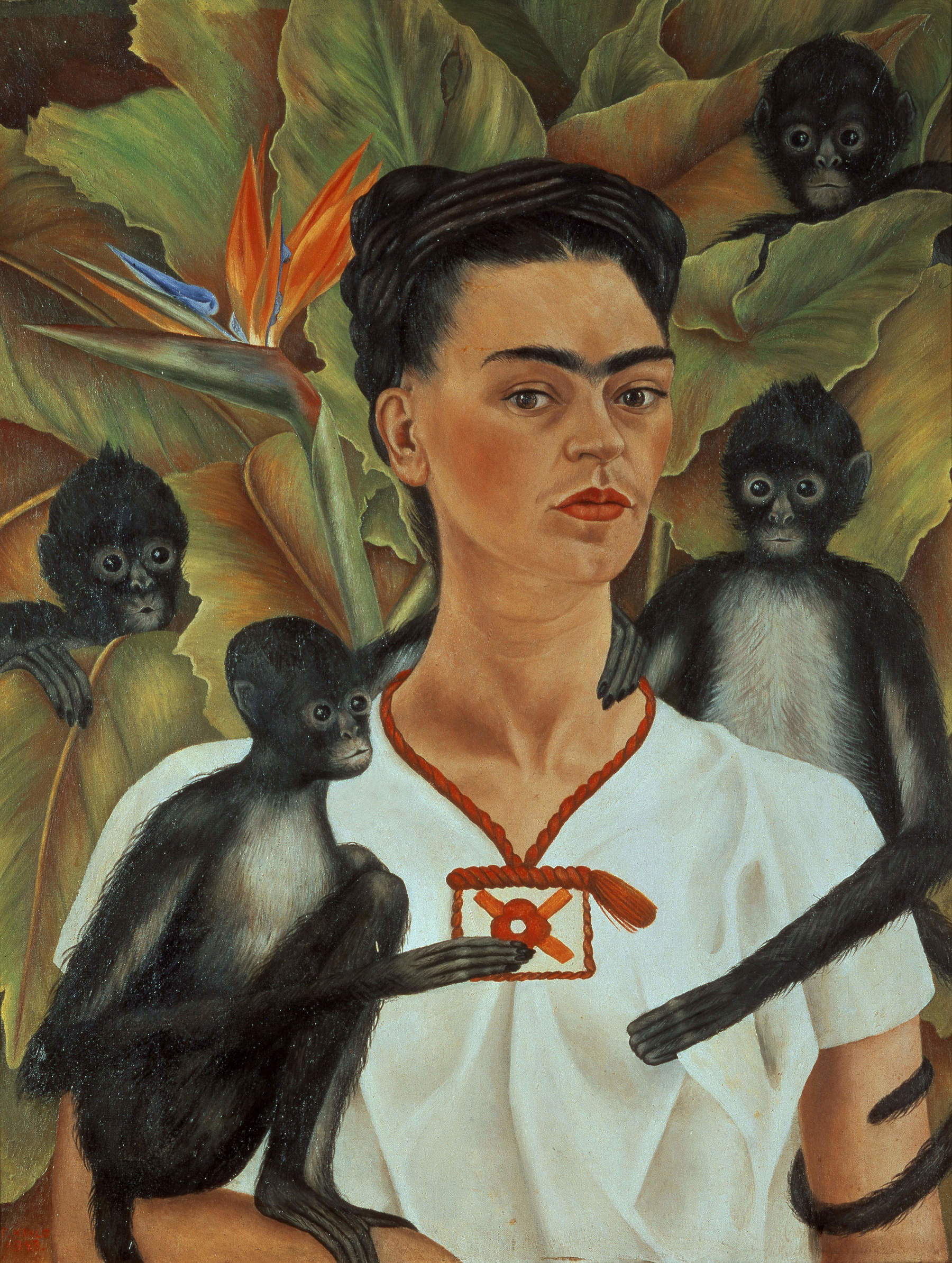
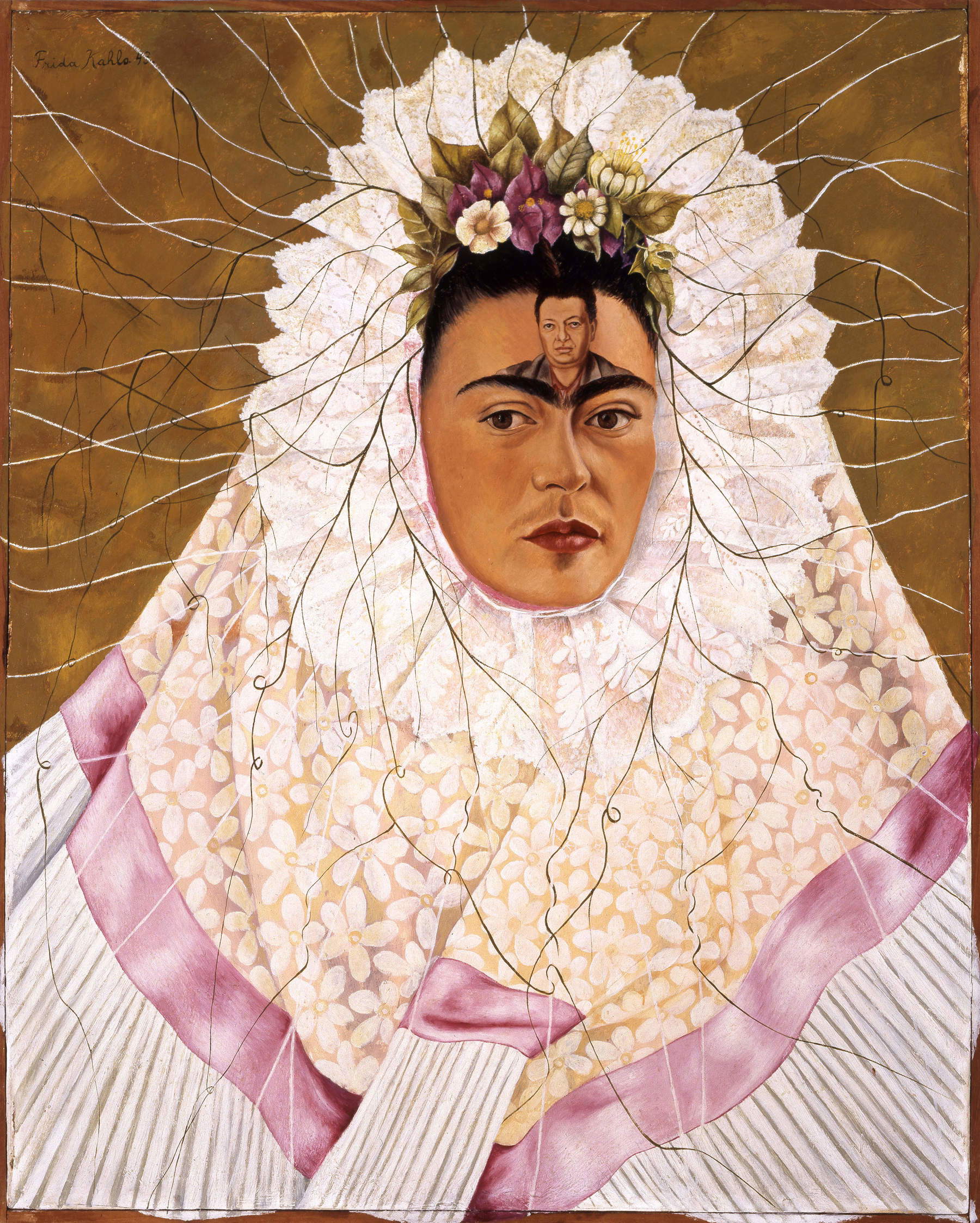
The Gelman Collection was assembled by Jacques and Natasha Gelman over a period of more than fifty years, from 1941 to 1998, and today stands as one of the most significant collections dedicated to 20th-century Mexican art. The exhibition features paintings, drawings, and prints by Frida Kahlo from various phases of her career, including some of her best-known self-portraits, such as *Diego en mi pensamiento* (*Diego in My Mind*) and *Autorretrato con monos* (*Self-Portrait with Monkeys*).
Also on display are Diego Rivera’s *Portrait of Natasha Gelman* and *Vendedora de alcatraces* (Street Vendor) by Diego Rivera—two of the collection’s earliest acquisitions—along with Rufino Tamayo’s *Portrait of Cantinflas*, a testament to the friendship between Jacques Gelman and one of Mexican cinema’s most famous actors. The exhibition also includes works by key figures in Mexican modernism, such as Gunther Gerzso, María Izquierdo, Wolfgang Paalen, and Francisco Toledo, the artist behind the watercolor *Perro con escoba* (Dog with a Broom), one of Natasha Gelman’s most recent acquisitions.
The exhibition will be accompanied by a publication dedicated to the history of the collection, featuring essays by Marisol Argüelles, Sylvia Navarrete, and Estrella de Diego, which explore the historical and cultural significance of the works. The book will be available at the Faro Santander shop starting on opening day.
The opening program also includes *The Symptomatic Surreal: Leonora Carrington*, the first exhibition entirely dedicated to the works created by the artist, writer, and visionary figure of Surrealism during her time at Dr. Morales’s sanatorium in Santander during World War II. The exhibition runs from September 8, 2026, to January 10, 2027.
The exhibition, previously presented at the Freud Museum in London, marks the public debut in Santander of the previously unseen painting *Villa Pilar*, an oil on canvas that Carrington dedicated and donated to her doctor after her stay at the sanatorium ended. The work had remained hidden for decades and was rediscovered thanks to research conducted by the Faro Santander team.
“This exhibition will offer multiple perspectives on Mexican modernity, bringing together leading muralists and artists who have pursued alternative paths within the country’s art scene,” says Marisol Argüelles, who also emphasizes that Frida Kahlo “occupies a central place in the collection, which includes an exceptional group of self-portraits that trace the artist’s personal and artistic development.”
A program of activities blending art, technology, and the local community
In addition to the exhibitions, Faro Santander will offer a calendar of activities tailored to different audiences. For *Masterpieces from the Banco Santander Collection*, the program will feature weekly talks on the exhibition’s themes, performances by artists invited to engage with the collection, guided tours, and family activities.
The exhibition dedicated to modern Mexican art will be accompanied by film screenings, talks, music, and guided tours, with a special focus on Día de Muertos, one of the most important celebrations in Mexican culture. The program will be organized in collaboration with Fundación Casa de México and The Cultural Institute of México in Spain.
The project dedicated to Leonora Carrington will also feature a public program developed in collaboration with local, national, and international partners. Planned initiatives include an audio tour of Parque de la Vaca—the site of the former sanatorium—a theatrical performance dedicated to the artist’s time in Santander, and an engaging day of talks and artistic events.
Faro Santander will also feature a space dedicated to projects carried out in collaboration with cultural organizations in Cantabria, with the aim of becoming an integral part of the region’s artistic life. The center will also feature a new family area designed for exploration and creative activities, as well as installations exploring the relationship between art and technology and a platform for projects focused on artistic innovation and experimentation. Rounding out the visitor experience will be the building’s terrace, offering unique views of the city of Santander and its bay.
“Conceived both as a meeting place for the people of Cantabria and as a cultural destination for visitors from around the world, Faro Santander aims to bring art, technology, and culture to everyone, creating new opportunities for discovery, participation, and exchange,” says Daniel Vega Pérez de Arlucea, director of Faro Santander. “Through this diverse exhibition program, the center aims to position Santander and Cantabria as one of the leading cultural hubs in northern Spain and to strengthen their presence on the international art scene.”
 |
| Banco Santander's Art Center Opens in Spain: Five Centuries of Art History |
Warning: the translation into English of the original Italian article was created using automatic tools. We undertake to review all articles, but we do not guarantee the total absence of inaccuracies in the translation due to the program. You can find the original by clicking on the ITA button. If you find any mistake,please contact us.