




by Redazione 09/09/2026



Categories: Exhibitions / Disclaimer
From December 26, 2026, to May 16, 2027, the Arsenali Repubblicani in Pisa will host the exhibition “BANKSY and Street Art,” which brings a significant collection of works by the Bristol-based artist to the city for the first time.

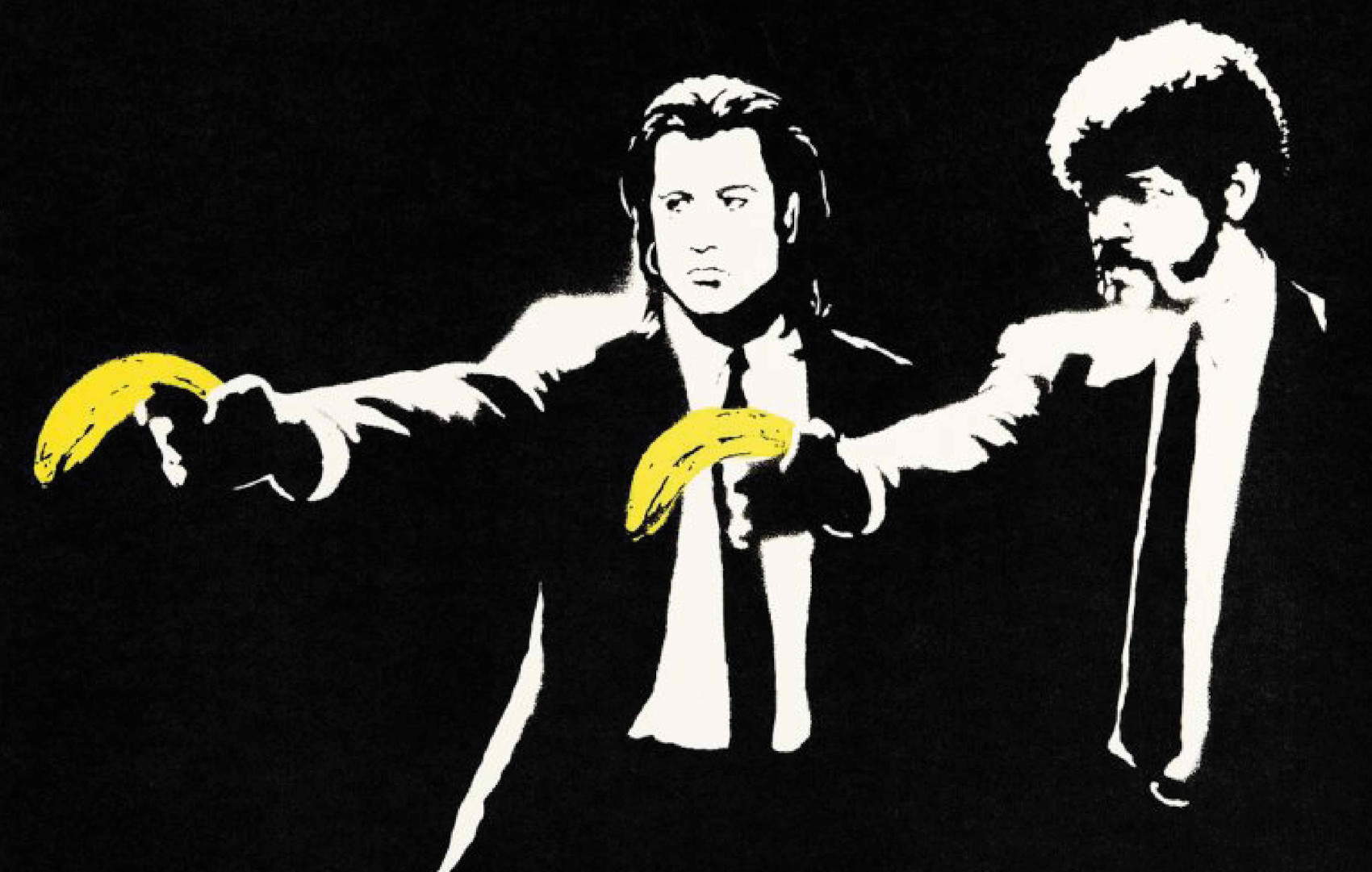
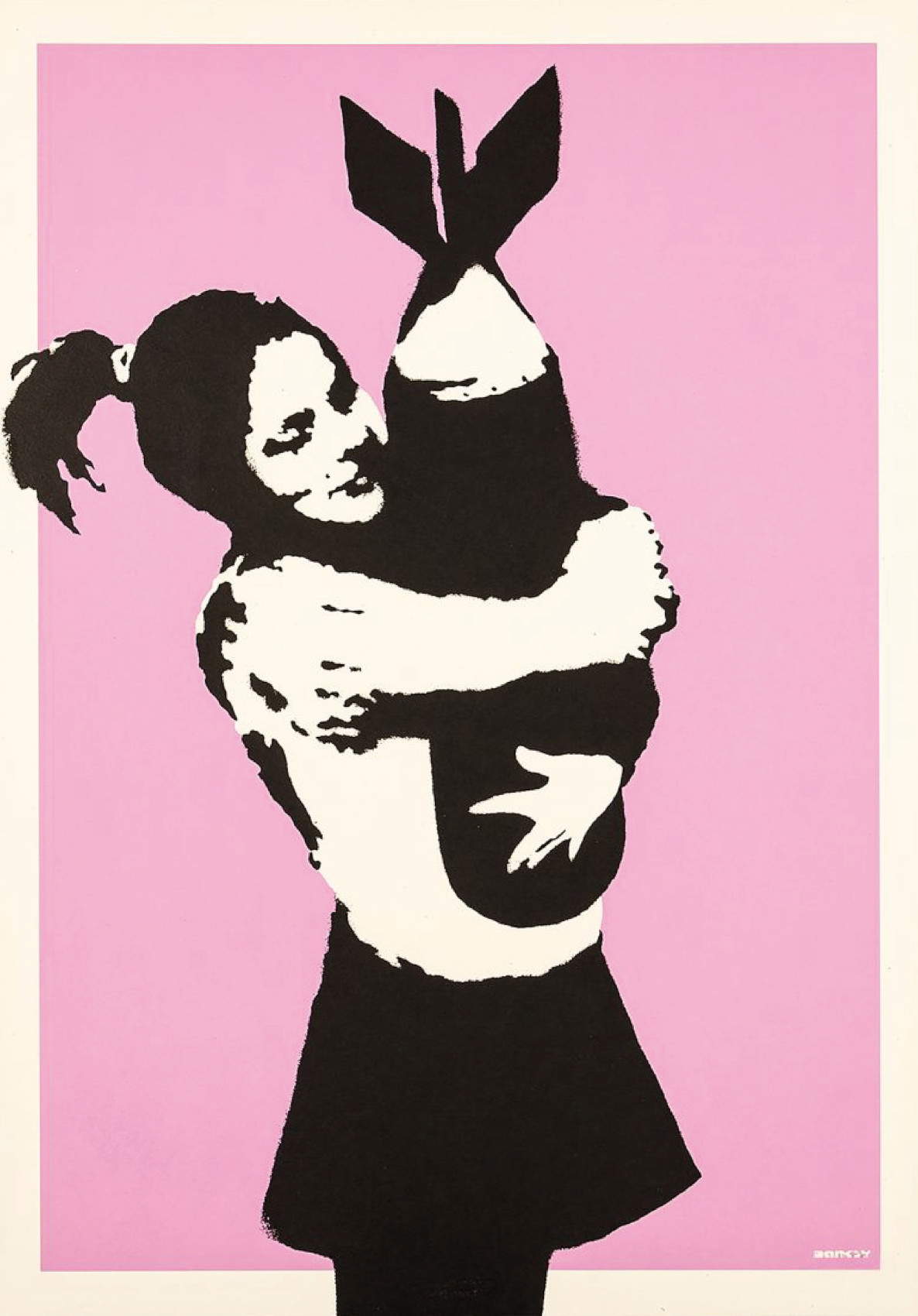
From December 26, 2026, to May 16, 2027, the Arsenali Repubblicani in Pisa will host “BANKSY and Street Art,” an exhibition that brings a significant collection of works by the Bristol-based artist to the Tuscan city for the first time. Alongside Banksy, the exhibition brings together some of the most iconic names in contemporary street art, from Keith Haring to Shepard Fairey. Curated by Daniel Buso, the exhibition is organized by ARTIKA in collaboration with Deodato Arte and the City of Pisa. The project aims to examine one of the most significant cultural phenomena in contemporary art, tracing the journey that has transformed street art from a marginal, underground expression into one of the most recognizable and popular artistic languages on an international level.

For a long time, street art was considered an alternative form of expression, born in urban spaces and far removed from the official art circuits. In just a few decades, however, the movement has undergone a radical transformation. Works originally created on city walls have found their way into galleries, private collections, and museums, while some of its leading figures have achieved million-dollar valuations and international fame.


It is precisely this transformation that constitutes one of the central themes of the exhibition in Pisa. Through the works of leading street artists, *BANKSY and Street Art* highlights the contradictions of a movement that built part of its identity precisely on challenging the system and which today, paradoxically, represents one of its most established expressions. The commercial success of street art thus raises a series of questions: when a work is removed from the public space and sold for millions of dollars, can it still be called “street” art? And what happens to a movement born in opposition to market logic when its artists rise to the top of the art world?


The centerpiece of the exhibition is Banksy, an enigmatic figure and Bristol-based artist who has become the leading international symbol of street art. The anonymity that has always surrounded his identity has helped fuel the myth, as has his choice to use his works to address political and social issues, often through messages that are explicitly critical of those in power and institutions. His body of work has gradually transcended the confines of the street, reaching a global audience and a market willing to invest very large sums in his works. And it is precisely here that one of the most interesting contradictions of his artistic career emerges: Banksy has built much of his artistic vision on a critique of the art system and its dynamics, yet his works are now among the most sought-after and highly valued on the international scene. The exhibition uses this paradox to reflect on the evolution of street art and the increasingly complex relationship between urban art, the market, museums, and collecting.
Joining Banksy at the Arsenali Repubblicani will be Keith Haring, one of the great pioneers of 20th-century urban art. Haring’s fame exploded in the 1980s, in part thanks to the drawings and murals he created in the subway, where he developed an instantly recognizable style. His characteristic black line became the centerpiece of a simple and direct visual language. His conception of art, in fact, rejected an elitist view of culture. Haring argued that art should not be reserved exclusively for a select few, but should be accessible to everyone. His work therefore represents a pivotal milestone in the transformation of urban art into a language capable of entering everyday life and public spaces.
The other major figure featured in the exhibition is Shepard Fairey, known by his artist name Obey, who is now considered one of the world’s most important street artists. His work also stems from an awareness of the increasingly pervasive role of images in contemporary society. According to Fairey, we are constantly surrounded by visual messages, but we are rarely given the means to truly understand their meaning and the mechanisms through which they influence our behavior. This reflection also informs his choice of pseudonym: “Obey” refers to the relationship between the individual, propaganda, visual communication, and social conditioning. Through this language, Fairey has transformed posters, images, and interventions in urban spaces into tools for critical reflection on contemporary society.
A comparison between Banksy, Keith Haring, and Shepard Fairey allows us to trace some of the key stages in the evolution of street art: from the conquest of public space to the spread of a recognizable graphic language, all the way to its full establishment within the international art world. The exhibition in Pisa thus aims to connect different generations and artistic trajectories, demonstrating how a movement born on the margins has managed to profoundly change the way we understand the production and appreciation of contemporary art.
|
| Banksy and Street Art in Pisa: The Stars of Urban Art at the Arsenali Repubblicani |
Warning: the translation into English of the original Italian article was created using automatic tools. We undertake to review all articles, but we do not guarantee the total absence of inaccuracies in the translation due to the program. You can find the original by clicking on the ITA button. If you find any mistake,please contact us.