



by Redazione 24/11/2026



Categories: Exhibitions / Disclaimer
From December 16 to May 2, 2027, the “New York Superstars” exhibition will bring to Udine over one hundred works by Basquiat, Haring, Warhol, Clemente, and other leading figures of 1970s and 1980s New York, accompanied by music from the legendary Danceteria.


Between 1979 and 1986, there was a club in Manhattan where many of the figures who would go on to change art and pop culture would cross paths. It was called Danceteria. Keith Haring, Kenny Scharf, and Jean-Michel Basquiat worked there, while Andy Warhol, Julian Schnabel, and Francesco Clemente were regulars. Madonna, LL Cool J, the Beastie Boys, Duran Duran, RuPaul, and Debi Mazar also took their first steps there. It was a melting pot where art, music, fashion, and underground culture blended together. The sounds of that club, curated by Rafe Gomez—DJ and host of Danceteria REWIND—will accompany visitors to “New York Superstars,” the exhibition running from December 16 to May 2, 2027, at Casa Cavazzini in Udine —the Museum of Modern and Contemporary Art—the leading figures of the New York art scene of the 1970s and 1980s.


The exhibition, curated by Dieter Buchhart and Anna Karina Hofbauer, brings together over one hundred works from some fifty collectors. It depicts New York in the early 1980s, where—in the clubs of Downtown Manhattan, in subway stations, and in lofts converted into studios—painting, music, photography, performance art, and graffiti converged, blurring the line between high culture and popular culture.


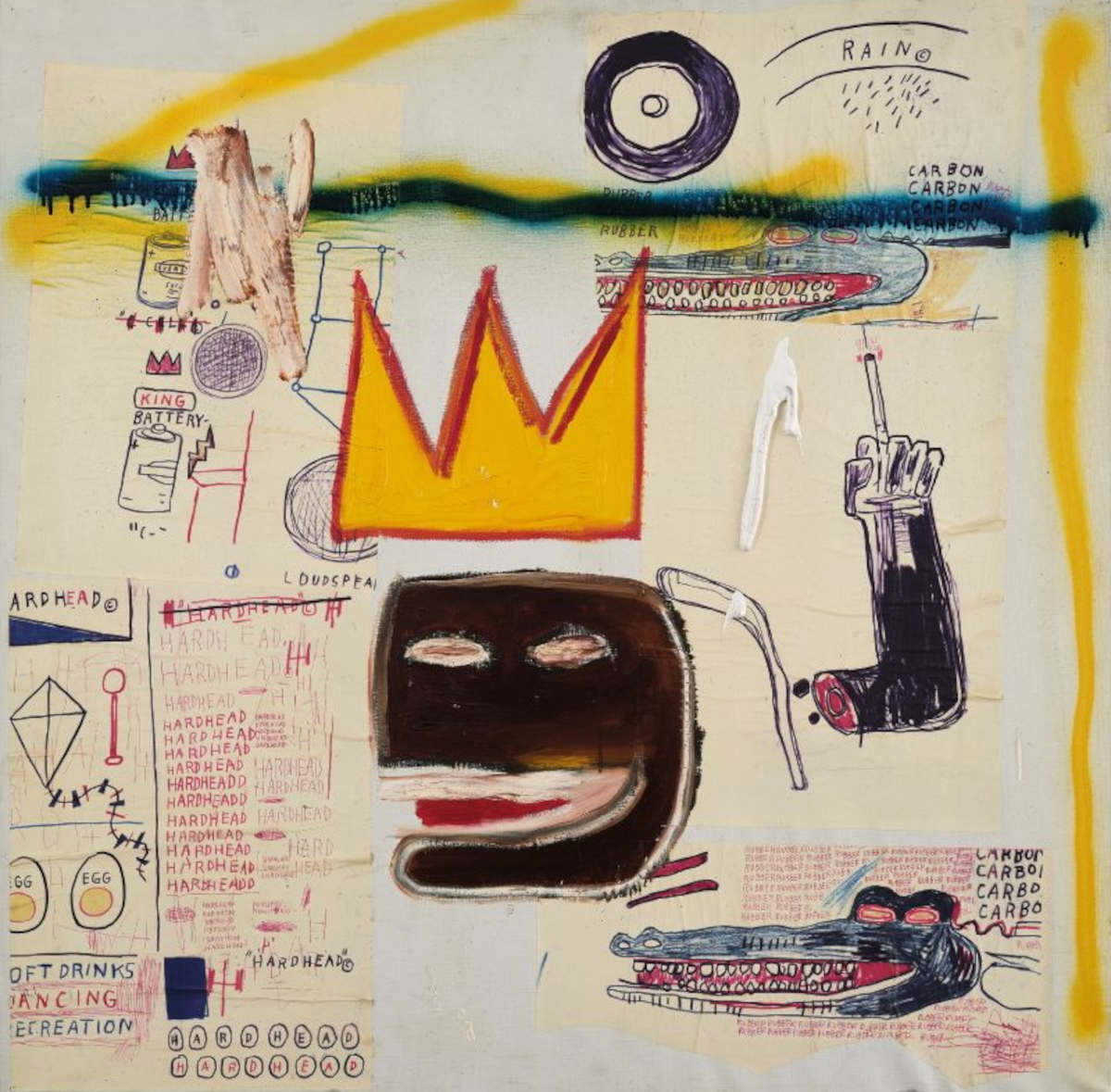
At the center of this story is Andy Warhol, whom the exhibition presents as a pioneer and mentor to the new generation. With his Factory and his openness to any form of expression, he had transformed the very role of the artist. Alongside him are the two figures who most epitomize that era. The first is Jean-Michel Basquiat—painter, poet, DJ, actor, and musician—whose multi-layered compositions, according to the curators, foreshadowed the information overload we experience today. The second is Keith Haring, whose language of universal signs and symbols is seen as a precursor to emoji culture. The exhibition also includes works by Francesco Clemente, George Condo, Jenny Holzer, Lady Pink, Kenny Scharf, and Julian Schnabel, demonstrating just how diverse a scene in the midst of transformation was.


One of the central themes of the exhibition is collaboration. On display are the famous collaborative paintings by Warhol and Basquiat, the works the two created together with Francesco Clemente, and Haring’s many collective projects. According to the curators, it was precisely from these encounters between different personalities and artistic languages that some of the most innovative images of the 20th century emerged.
The narrative then expands beyond painting to include graffiti and hip-hop, the underground club scene, early experiments with digital imagery, and the photographs of Maripol, who captured the key figures of those years. The result, as intended by the exhibition, is a portrait of a creative ecosystem built on friendships and exchanges across different disciplines, whose ideas continue to influence art, fashion, and visual communication around the world today.
The mayor of Udine, Alberto Felice De Toni, chose this very lesson to introduce the exhibition. “The New York of the 1980s taught us that great cultural revolutions often arise from the encounter between seemingly distant worlds,” he said. He recalls the principle of “necessary variety” from complexity theory, according to which an increasingly complex reality requires equally varied responses, and observes that New York in those years is an example of this: “Art broke out of traditional venues, encountered music, the streets, and fashion, and gave rise to entirely new forms of expression.” The message that the City wants to convey above all to young people, he adds, is that “we must not be afraid of diversity, but learn to recognize its value.”
For the president of the Friuli-Venezia Giulia Region, Massimiliano Fedriga, “few things have changed not only art but the very eyes with which we view the world as much as the works of the great innovators of New York in the 1970s and 1980s, starting with Andy Warhol.” The goal, he explains, is to make these images—which have become icons of Western and global culture—“available to everyone through a cohesive exhibition experience that allows visitors to appreciate and understand them, freeing them from the fragmented nature of their occasional reproduction.”
The exhibition is produced by the Friuli Venezia Giulia Region in collaboration with PromoTurismoFVG, the City of Udine, and MondoMostre, and is part of PN2027&Friends, the calendar of events accompanying Pordenone’s designation as the 2027 Italian Capital of Culture and extending it throughout the region. For the Region, this marks another step forward in its strategy of hosting major exhibitions. Sergio Emidio Bini, Councilor for Productive Activities and Tourism, notes that “New York Superstars” picks up where “Impressionism and Modernity” left off—an exhibition that drew over 81,000 visitors to Casa Cavazzini in 2026, most of whom came from abroad. With this new exhibition, Bini said, the goal is “to further consolidate the image of Udine—and, more broadly, of our region—as a hub for major events, whether cultural, musical, or sporting.”
“New York Superstars” is on view at Casa Cavazzini in Udine from December 16, 2026, to May 2, 2027. Visitor information is available on the PromoTurismoFVG website.
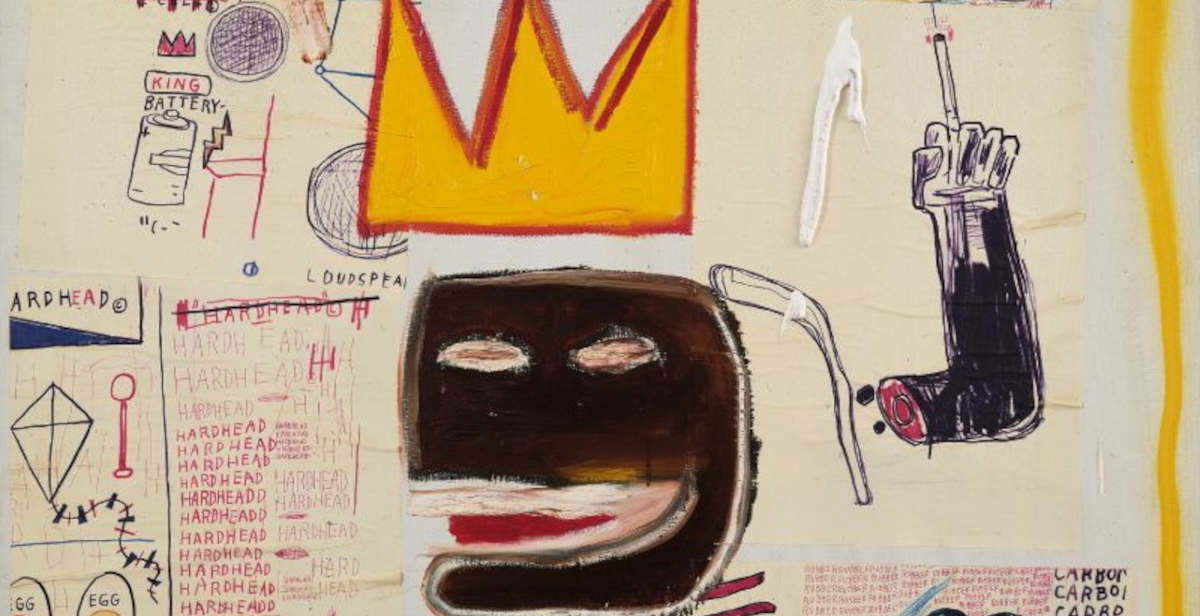 |
| Basquiat, Haring, and Warhol in Udine: New York’s Club and Graffiti Scene on Display at Casa Cavazzini |
Warning: the translation into English of the original Italian article was created using automatic tools. We undertake to review all articles, but we do not guarantee the total absence of inaccuracies in the translation due to the program. You can find the original by clicking on the ITA button. If you find any mistake,please contact us.