





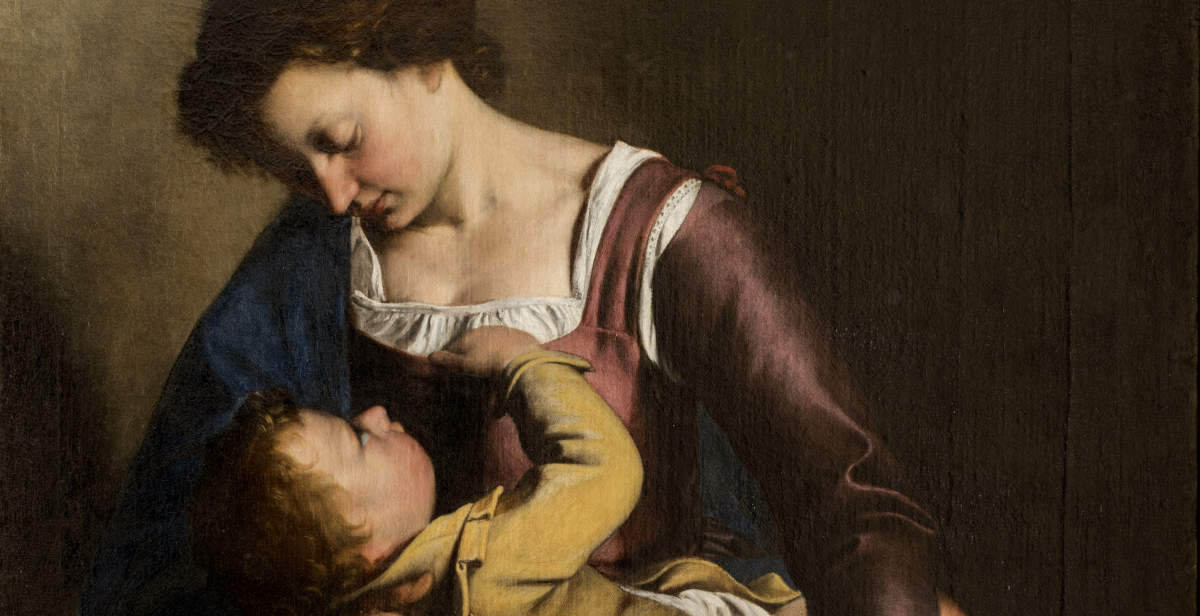
From November 20, 2026 , to March 29, 2027, the San Francesco Monumental Complex in Cuneo will host the exhibition *The Age of the Baroque: Bernini, Gentileschi, Rubens*, sponsored by the CRC Foundation and Intesa Sanpaolo. Curated by Maurizia Cicconi and Alessandro Cosma, with organizational support from MondoMostre, the exhibition brings together 25 works from the National Galleries of Ancient Art in Rome—housed at Palazzo Barberini and the Corsini Gallery—to trace some of the key developments that led Rome to become the principal center for the creation and dissemination of the Baroque style during the 17th century.
The project represents a new chapter in the collaboration launched in Cuneo in 2022 between the CRC Foundation and Intesa Sanpaolo, through a series of exhibitions dedicated to key moments and figures in art history. The series began with *The Colors of Faith in Venice: Titian, Tintoretto, Veronese* in 2022, followed in 2023 by *Lorenzo Lotto and Pellegrino Tibaldi. *Masterpieces from the Holy House of Loreto* in 2024, *Canaletto, van Wittel, Bellotto. *The Grand Theater of Cities* and, in 2025, *The Borghese Gallery: From Raphael to Bernini—The Story of a Collection*. The four exhibitions attracted a total of 115,500 visitors.
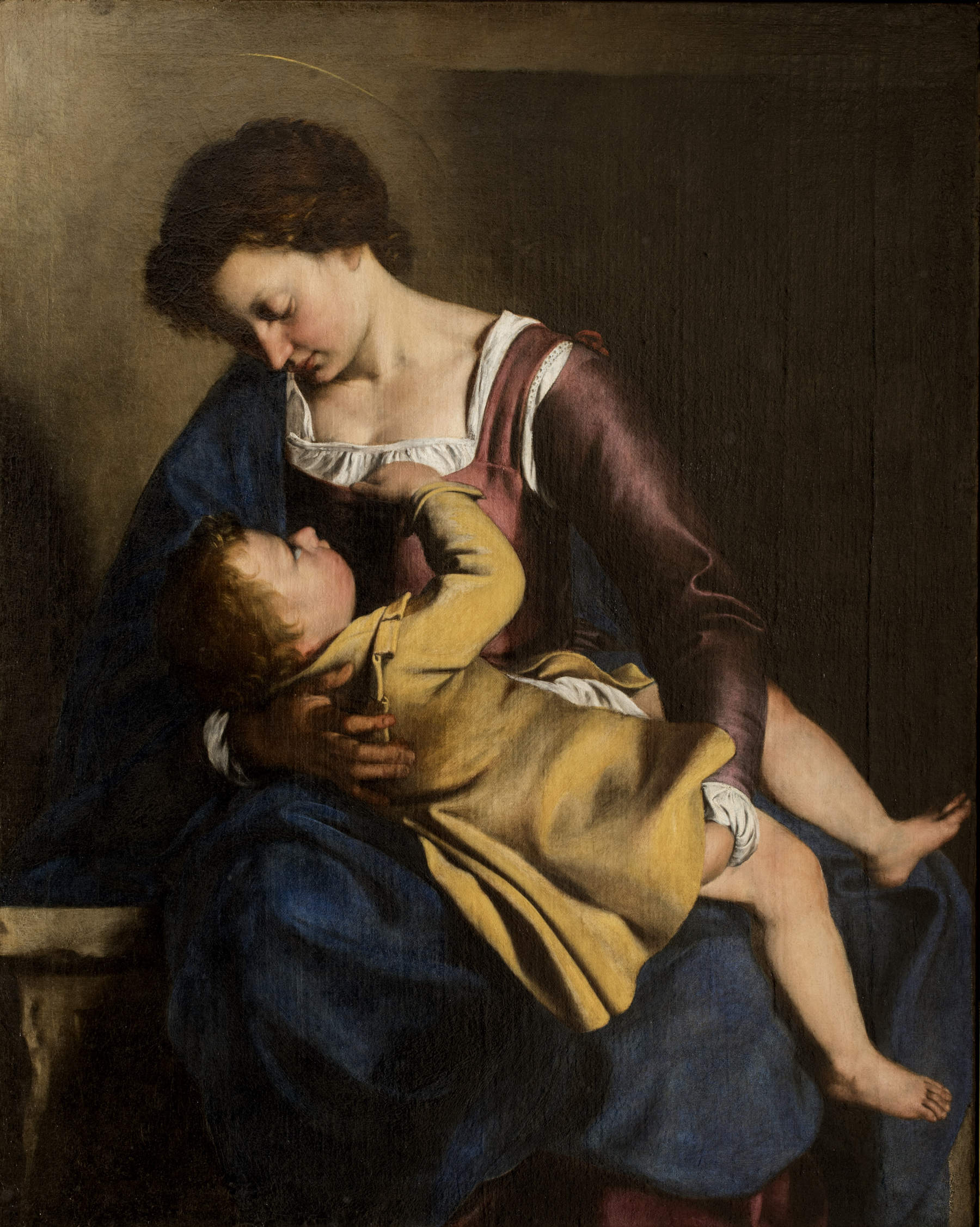
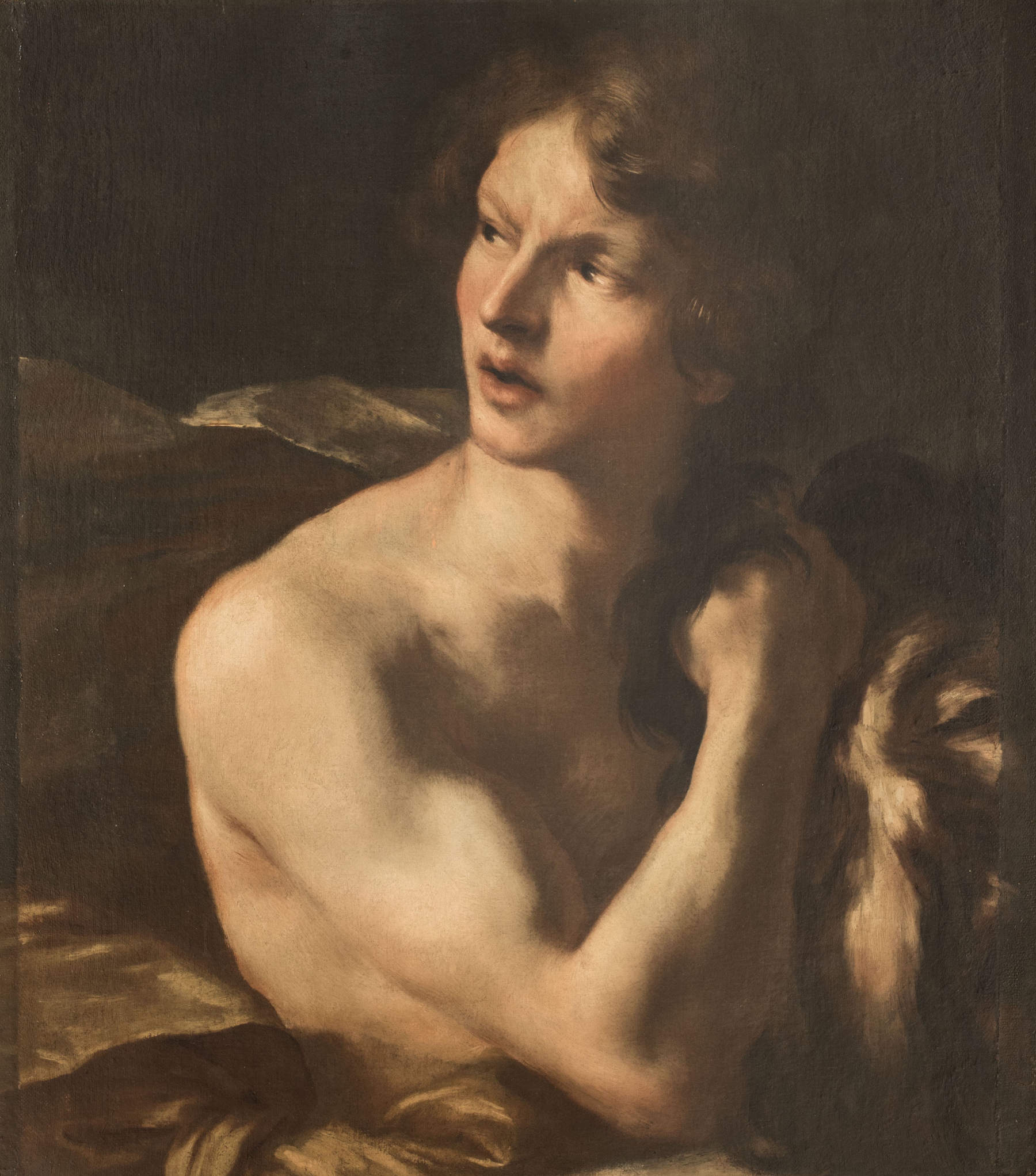
The new exhibition examines the unique artistic and cultural context that, in the 17th century, transformed Rome into an international hub capable of attracting artists and fostering the exchange of ideas, styles, and models. A central role in the exhibition is played by Maffeo Barberini, who was elected pope in 1623 under the name Urban VIII. Even before his election, Barberini had established a reputation as a patron of literature and the arts; once he ascended to the papal throne, he made culture and artistic patronage instruments of his political agenda, engaging some of the leading figures of the contemporary art scene.
The pontificate of Urban VIII thus represents a defining moment in the emergence of this new artistic language. It was during this period that works destined to become defining examples of the Baroque era were created, ranging from the monumental bronze canopy in St. Peter’s Basilica designed by Gian Lorenzo Bernini to the decorations created by Pietro da Cortona for the Barberini Palace. Within a few decades, the artistic language championed by the papal court took hold in Rome and beyond the city’s borders, influencing European artistic and cultural production.
The 25 works selected by the National Galleries of Ancient Art allow visitors to trace this process through the work of some of the leading artists of the 17th century. Alongside Bernini, Artemisia Gentileschi, and Peter Paul Rubens, the exhibition includes works by Guercino, Guido Reni, Annibale Carracci, and Domenichino. The exhibition does not aim to provide an exhaustive reconstruction of the complexity of Roman Baroque, but rather focuses on its leading figures, the ideas that accompanied its development, and the mechanisms underlying a cultural project supported by papal patronage.
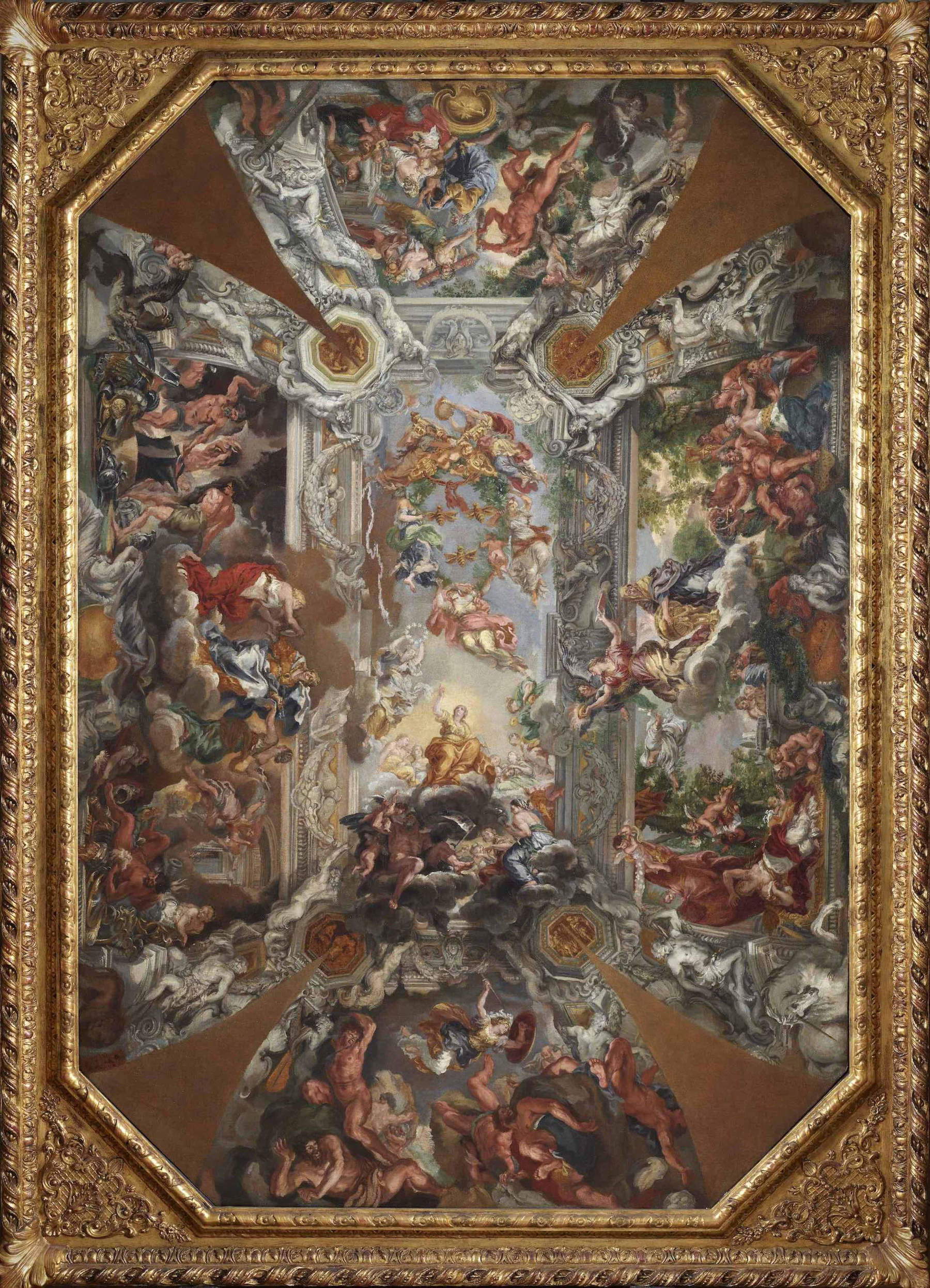
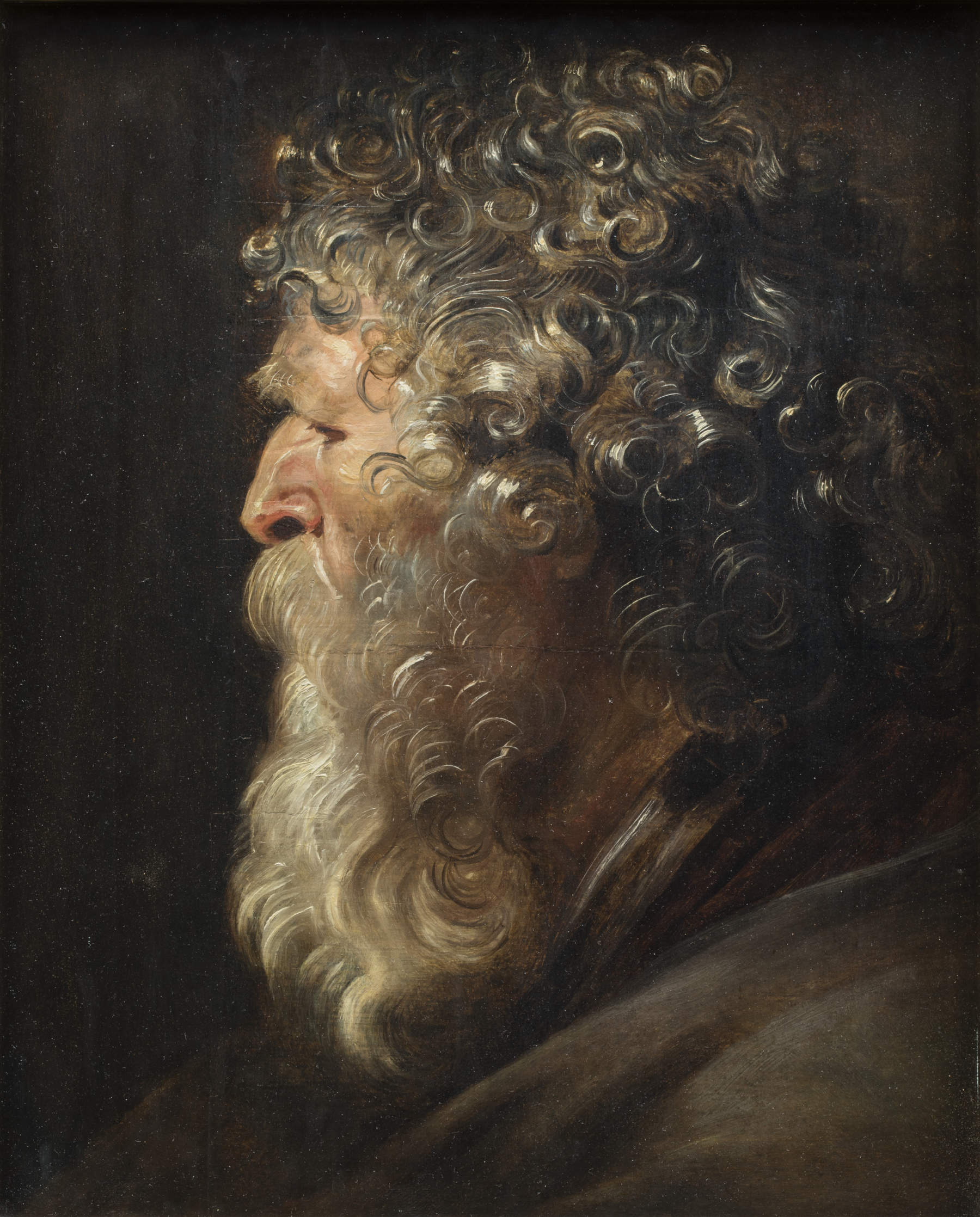
The exhibition begins in the early decades of the seventeenth century and traces the evolution of the Baroque style through to its full flowering under the Barberini court, ultimately examining its legacy during the pontificate of Alexander VII Chigi. Rome’s transformation into the capital of the Baroque is thus also examined in relation to the city’s artistic output and its ability to influence European culture and foster an international exchange of artists and models.
The exhibition will be accompanied by a catalog published by Allemandi, featuring scholarly essays edited by the two curators, Maurizia Cicconi and Alessandro Cosma, with contributions from numerous scholars and experts who have provided detailed descriptions of the works and biographical notes. The exhibition project will also be complemented by a program of related events both within and outside the exhibition. The program includes lectures, in-depth discussions, guided tours, concerts, workshops, and activities for schools of all levels, as well as hands-on workshops for families and visitors of various age groups.
Admission to the exhibition is free. Visitors can explore the exhibition independently using audio guides available in Italian and English, with separate itineraries for adults and children.
Hours: Tuesday–Friday: 3:30 p.m.–7:30 p.m.; Saturday and Sunday: 10:00 a.m.–7:30 p.m.; Closed on December 25 and on Mondays that are not holidays
 |
| Bernini, Gentileschi, Rubens: Roman Baroque on Display in Cuneo |

Warning: the translation into English of the original Italian article was created using automatic tools. We undertake to review all articles, but we do not guarantee the total absence of inaccuracies in the translation due to the program. You can find the original by clicking on the ITA button. If you find any mistake,please contact us.





















 IT
IT FR
FR DE
DE ES
ES CN
CN


