




by Redazione 26/11/2026



Categories: Exhibitions / Disclaimer
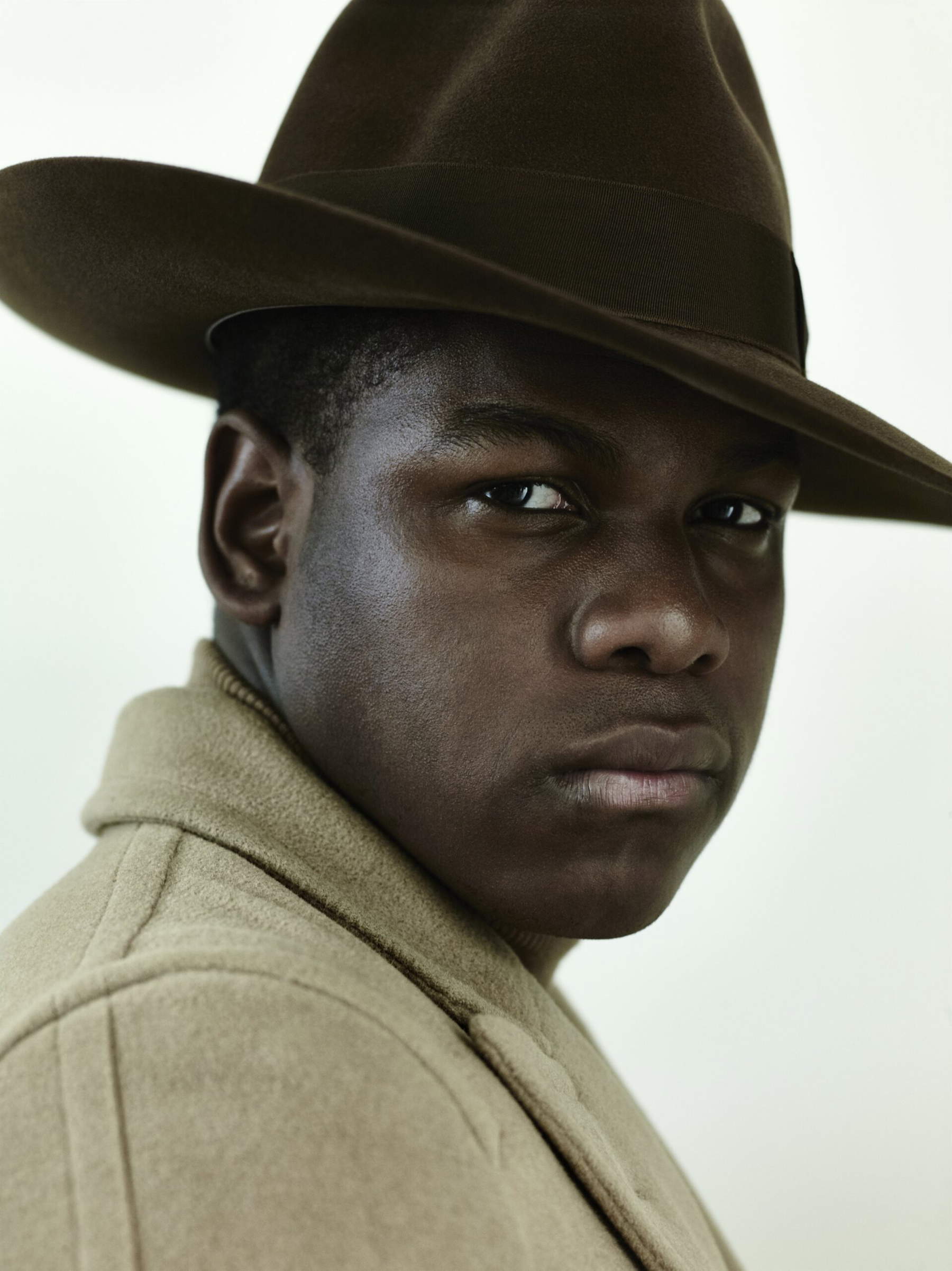
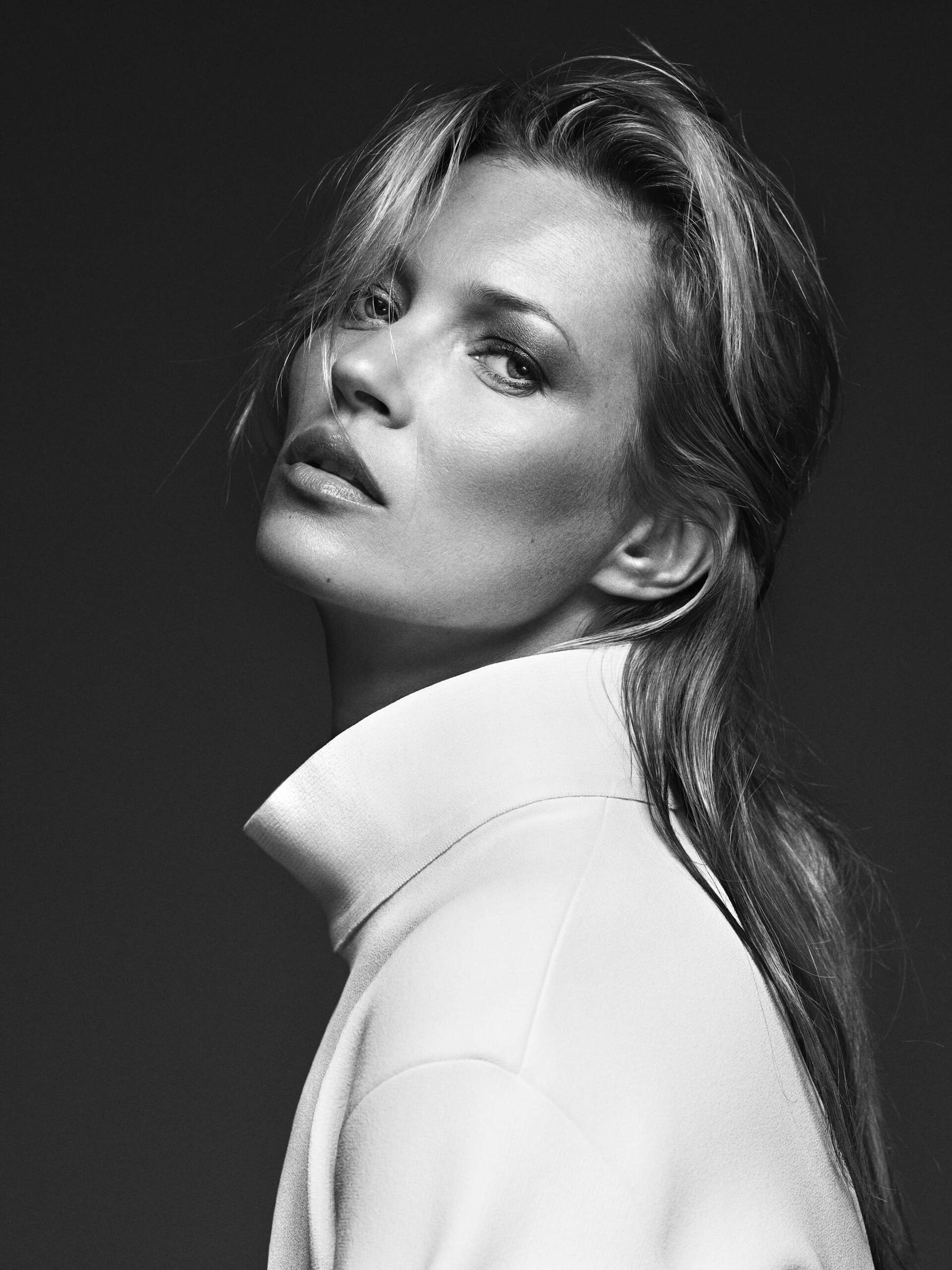
From December 6, 2026, to January 24, 2027, the WeGil space in Rome will exhibit approximately 130 photographs by Bryan Adams, taken over the course of more than thirty years: portraits of celebrities, British soldiers wounded in Afghanistan and Iraq, and homeless people in London. The common thread is the distance between the viewer and the subject.


In the mid-1970s, a Canadian boy received a small camera from his father: the first roll of film included a Beach Boys concert, the walls of a few parking lots, his girlfriend, his mother, the piano—in other words, the things around him. That boy was Bryan Adams. A few years later, he would become one of the most famous musicians in the world—and thus also one of the most photographed men. But he never stopped being on the other side of the lens as well. In fact, since the 1990s, photography has become a recognized side career for him, and now more than thirty years of this work are coming to Rome. From December 6, 2026, to January 24, 2027, the WeGil space will host #SHOTBYADAMS, an exhibition of approximately 130 photographs curated by Anke Degenhard, Lorena Magliocco, and Raffaele Quattrone.


The curators acknowledge that this is precisely one of the exhibition’s most interesting aspects: behind the camera is someone who understands the inner workings of visibility—that is, the construction of the public image, constant exposure, and the distance that opens up between a person and their representation. However, they caution, it would be too simplistic to interpret these photographs solely through the lens of the photographers’ fame. “The images ask to be left alone,” they write in the text accompanying the exhibition. And when viewed in this way, what emerges is “a persistent curiosity about human beings and the way in which each person decides, is able, or is compelled to present themselves to the world.”


The exhibition brings together very diverse series, divided into four sections: #SHOTBYADAMS, In Color, WOUNDED: The Legacy of War, and Homeless. There are movie stars, musicians, and fashion icons; British soldiers who returned maimed from Afghanistan and Iraq; and homeless people selling a street newspaper in London. According to the curators, what ties everything together is a single question: “What happens when someone agrees to stand before the gaze of another?” The conditions of the encounter change, but the need to acknowledge the other’s presence before capturing an image of them remains.


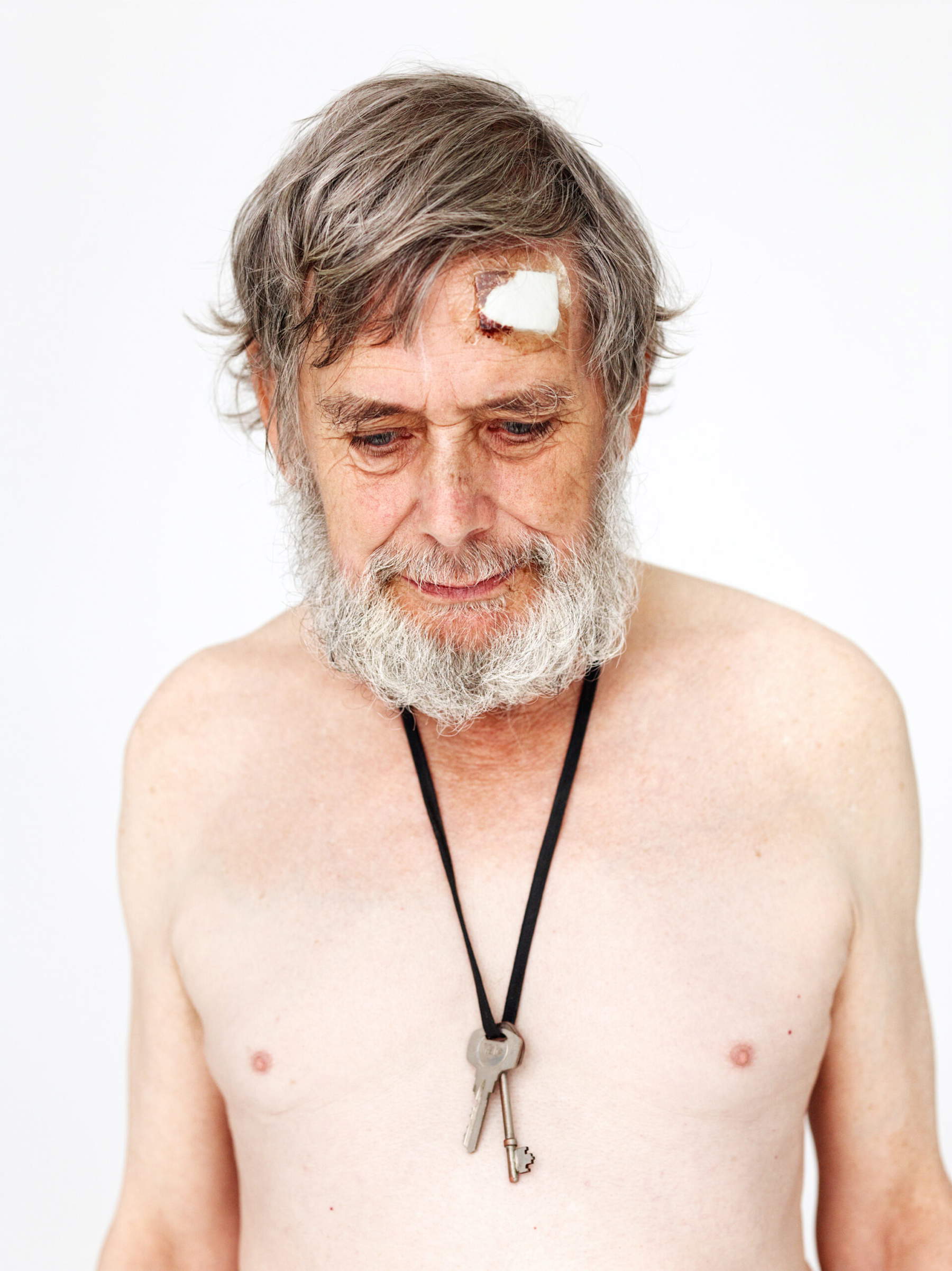

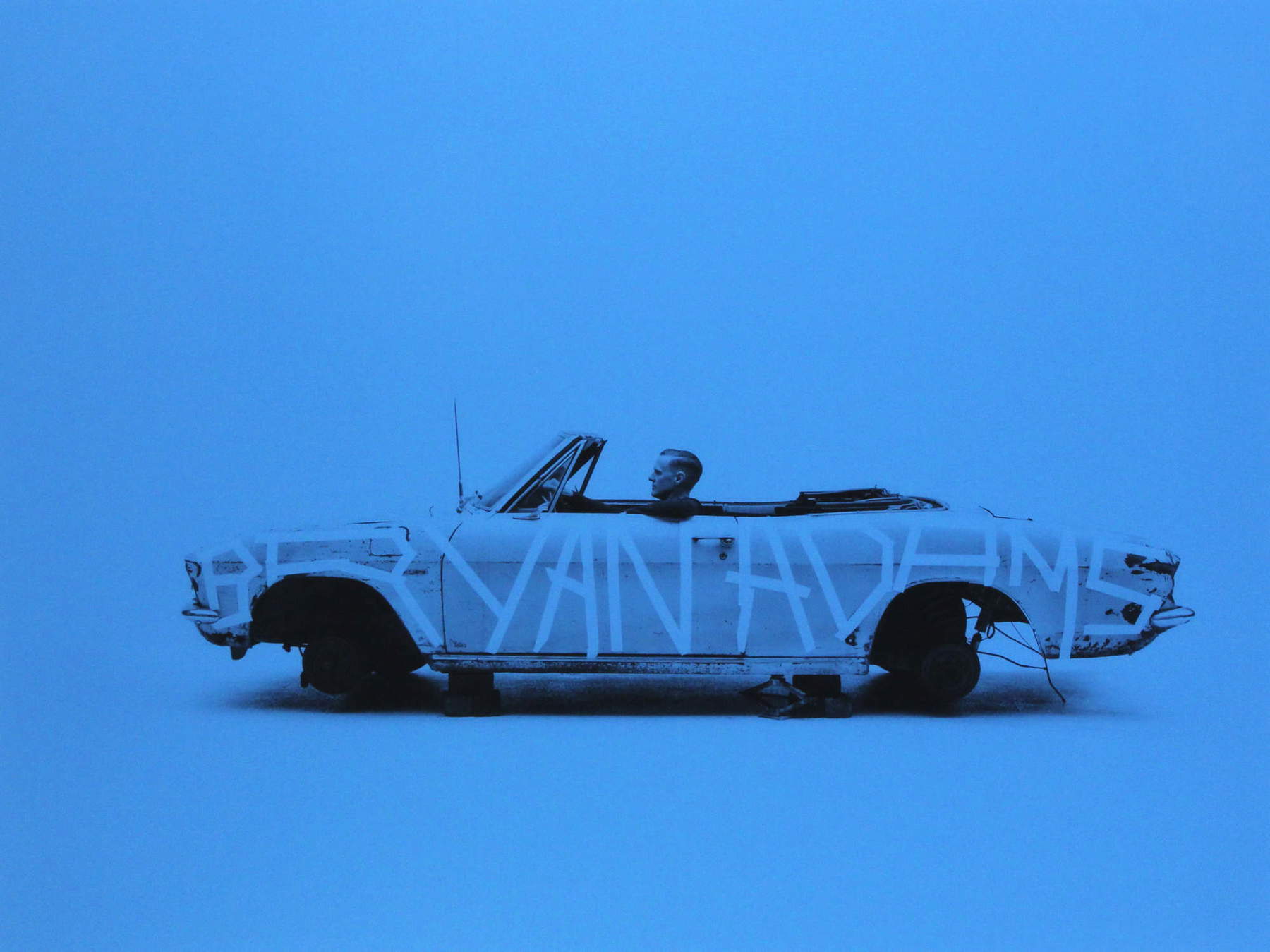
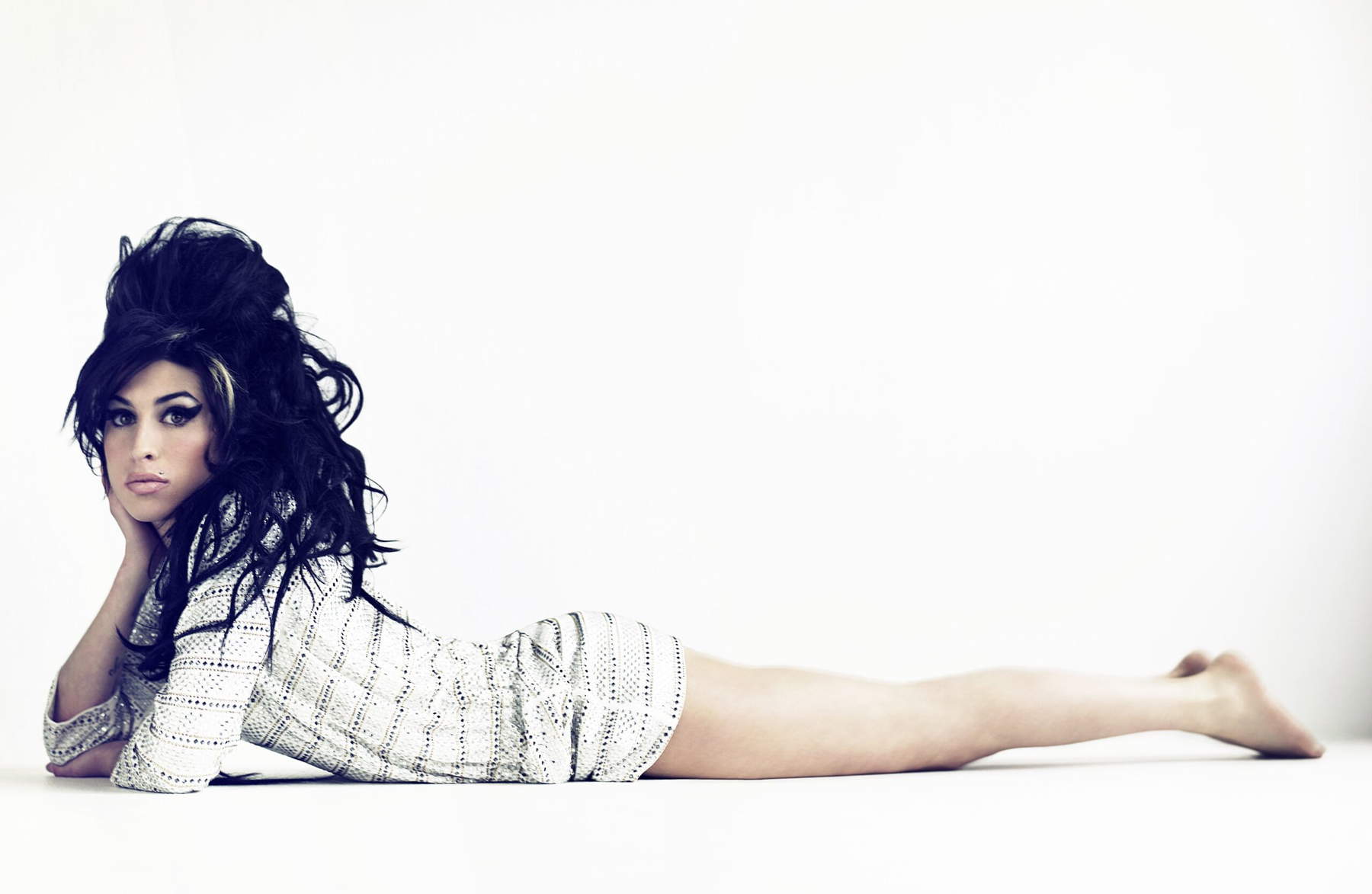
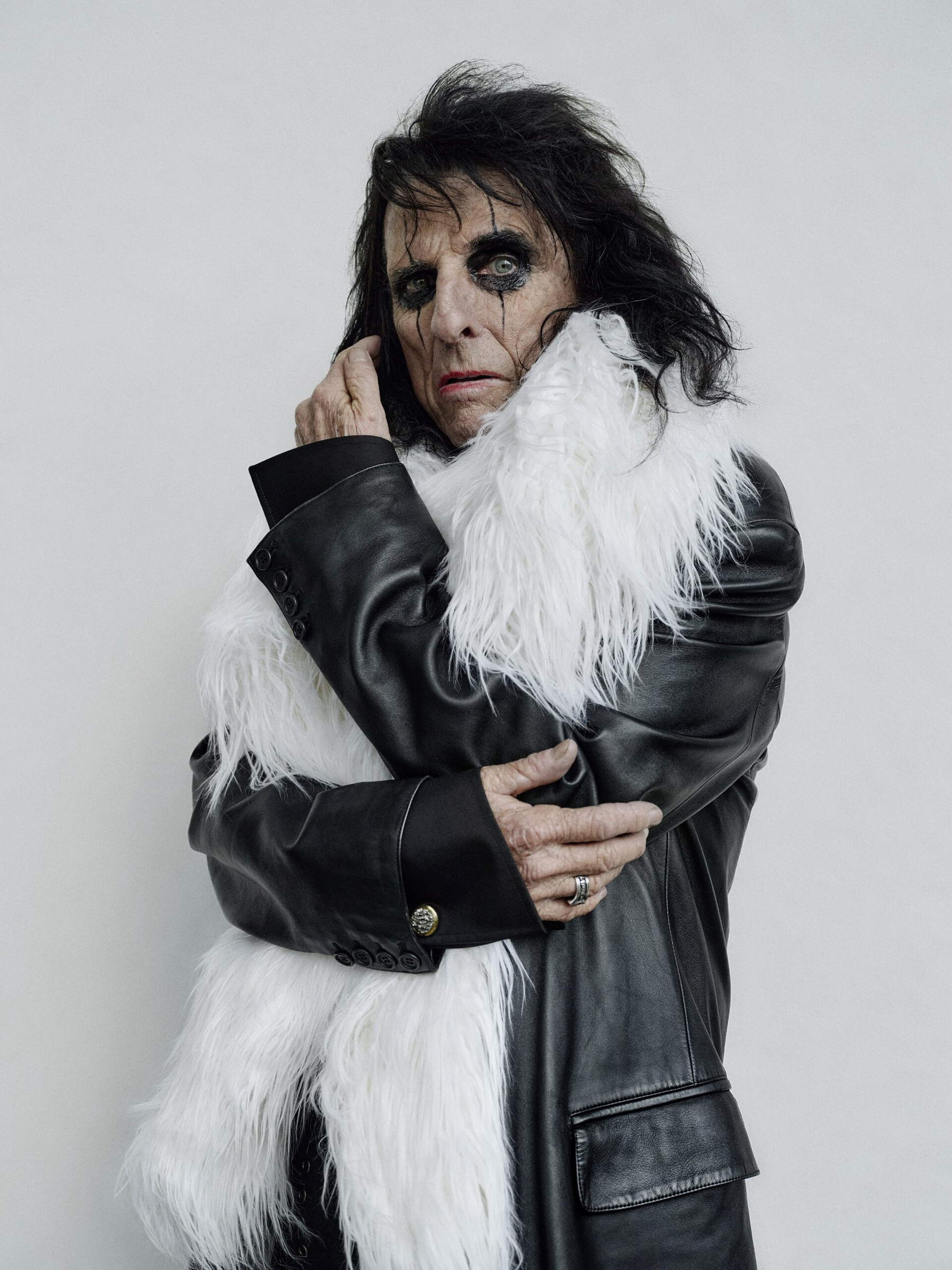
The section that gives the exhibition its title brings together portraits of friends and international personalities: actors, musicians, artists, and models. These are people who step in front of the camera with an already established public image—faces that have been photographed and reproduced endlessly. The portrait must contend with something that already exists. Adams does not necessarily attempt to dismantle that construct. He enters into it: he leaves room for the pose, for irony, for eccentricity, and sometimes for something more intimate. The poses may be theatrical or restrained, but the subject always participates in the creation of the photograph. Adams guides the process but allows the subject to inhabit the image. For the curators, the pose in these shots is not a mask to be removed but can be a form of self-representation. The portrait emerges as a negotiation between two conscious gazes, and behind the apparent immediacy lie trust, control, complicity, and play. “The image ceases to be merely control and becomes negotiation,” write the curators. “Perhaps every good portrait arises precisely from this exchange.”
“In Color” shifts gears. Here, color is not merely an added element: it alters the relationship between the figure, the space, and the image’s surface, and changes the way the viewer perceives the person portrayed. Alongside the other series, this section demonstrates that Adams’s work cannot be reduced to a single photographic approach. Even when the subject is recognizable, the curators observe, the photograph invites us to look beyond the name, toward the form that presence takes.
With *WOUNDED: The Legacy of War*, the distance between the viewer and the viewed becomes harder to sustain. Adams photographed British soldiers who had returned from missions in Afghanistan and Iraq with permanent injuries: amputations, prosthetics, burns. The consequences of war are visible, but they do not become the only lens through which to view these people. The accompanying materials emphasize precisely this: Craig Lundberg remains Craig Lundberg, Mark Ormrod remains Mark Ormrod, Ben Parkinson remains Ben Parkinson. Their lives have changed radically, but their identities are not defined by what has happened to their bodies. “A body can be wounded without the individual becoming their own wound,” write the curators.
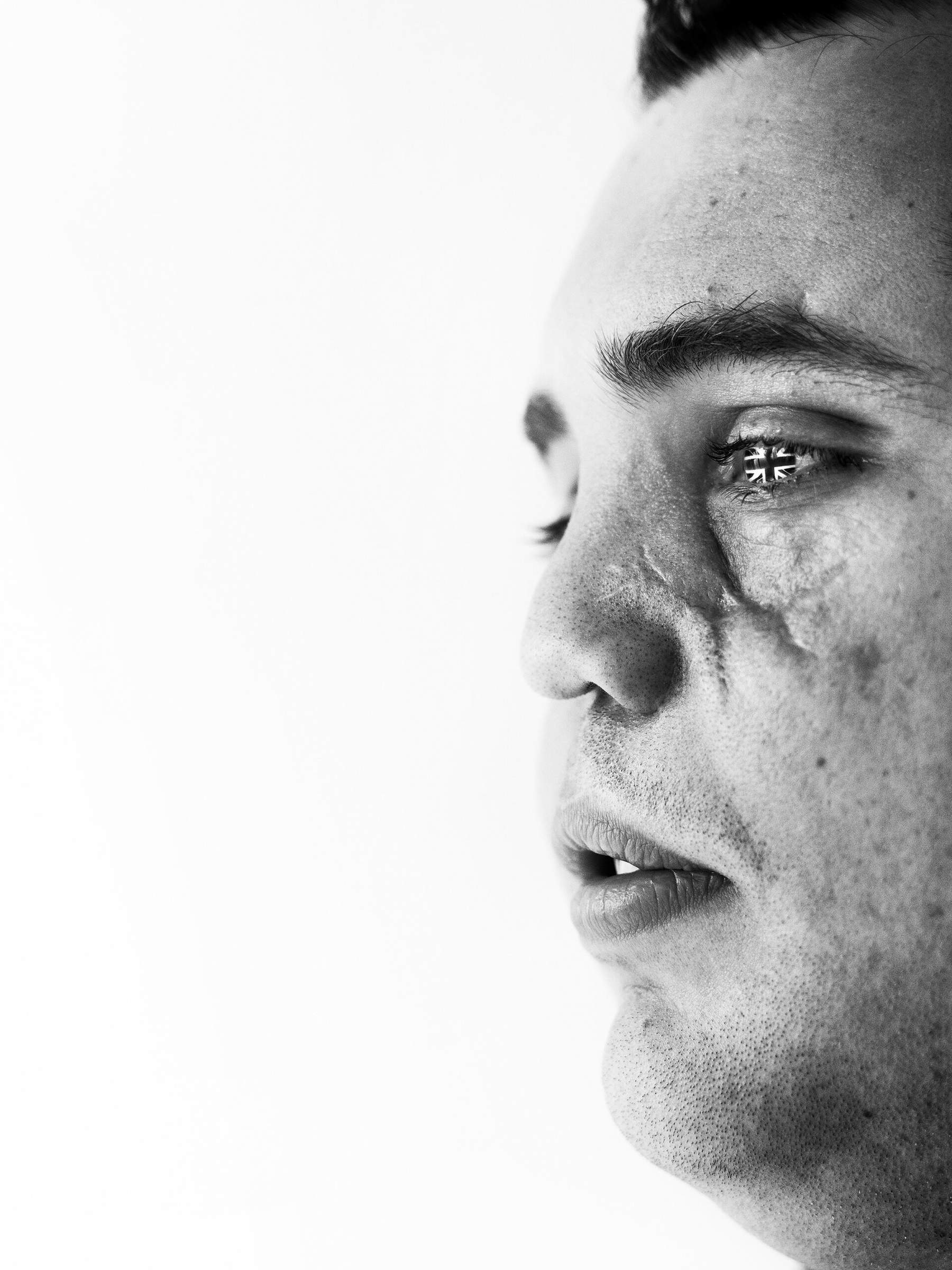
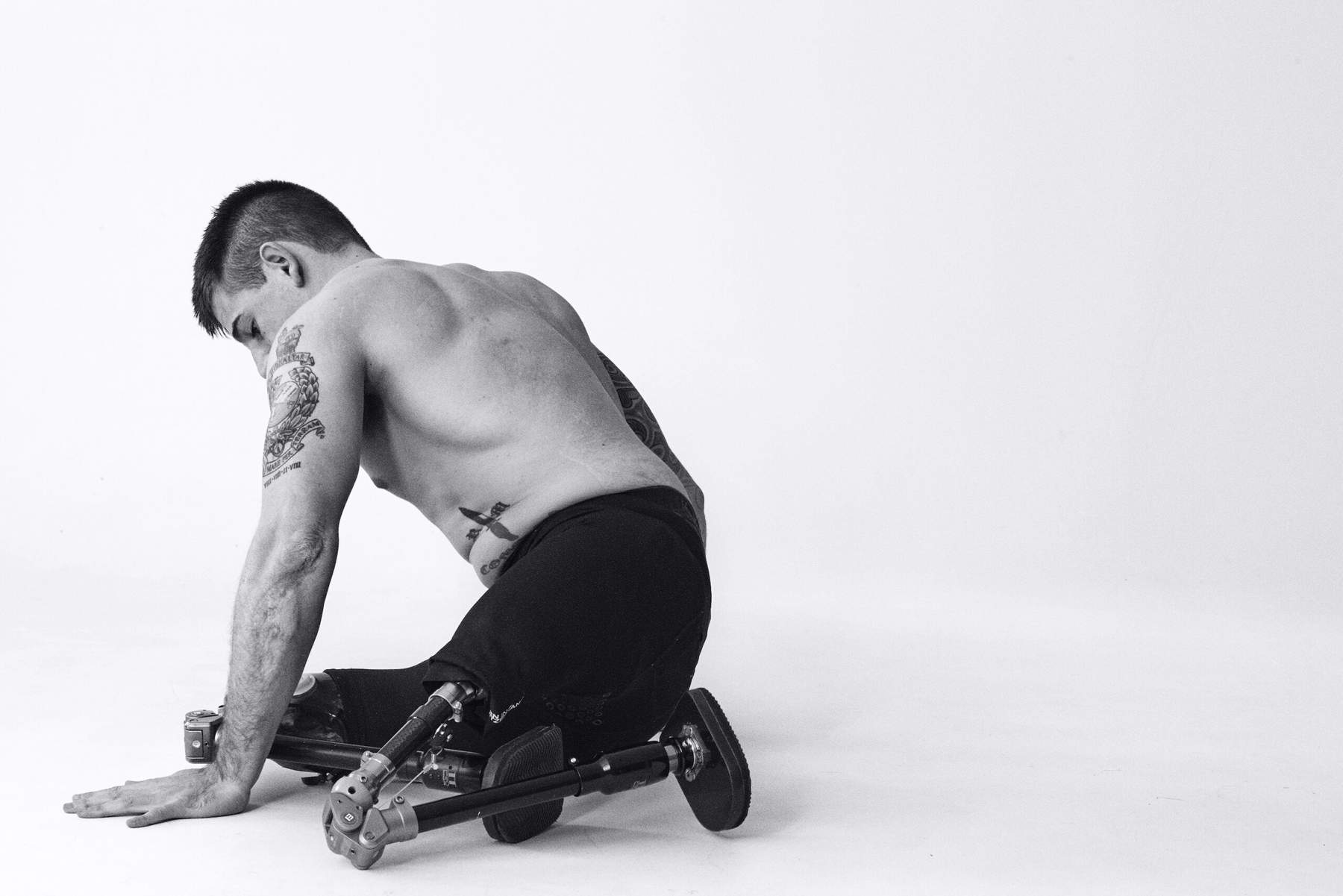
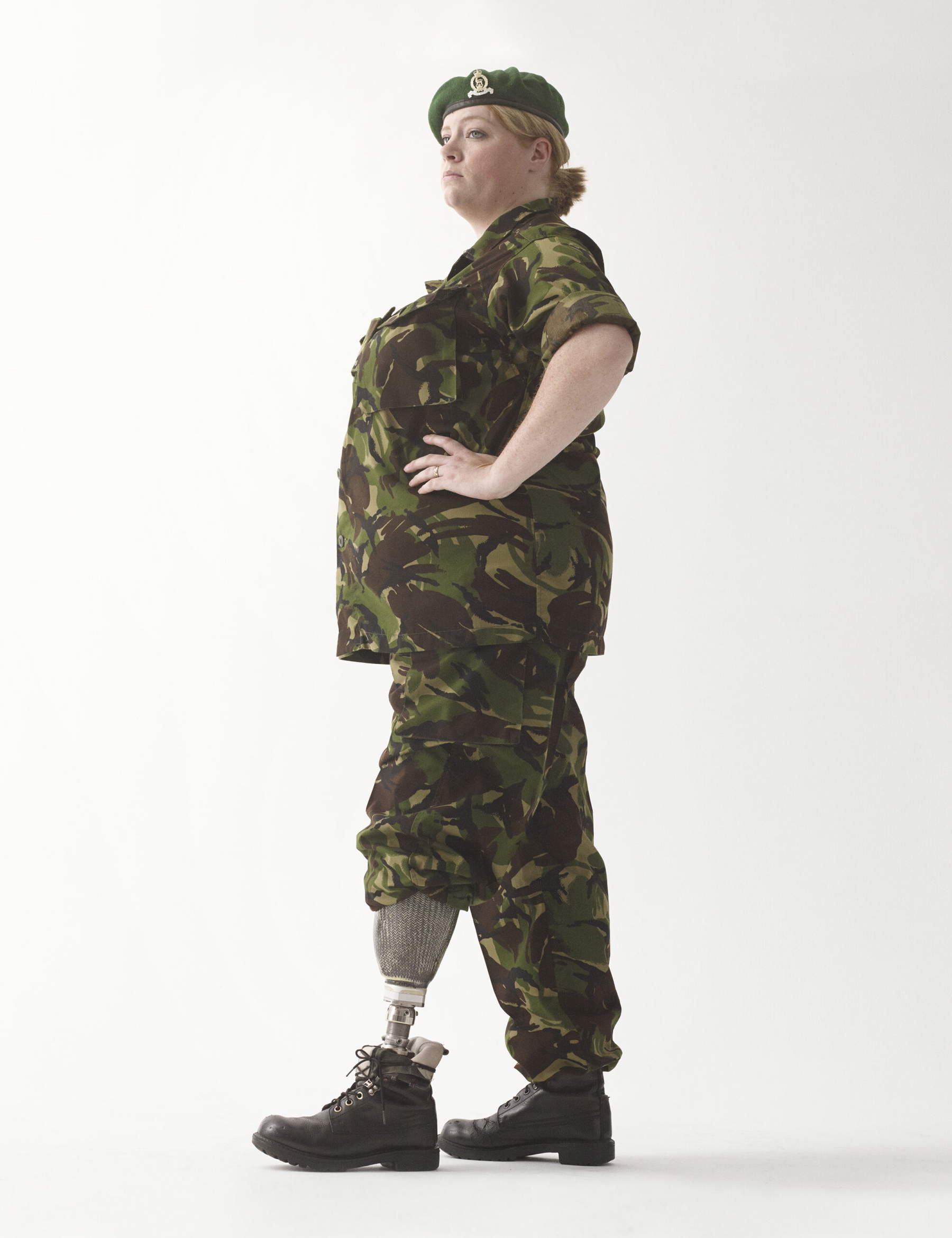
War is usually depicted as it unfolds, with explosions, combat, and destruction. These photographs, however, capture the aftermath: they show what remains when the conflict seems to be over, but its consequences continue to weigh on those who have returned every single day. The men portrayed are not passive. They look directly at the camera, occupy the space, and reveal their wounds with a presence that can be proud, determined, even defiant. The series asks the viewer to make a specific effort: to see the wound without sensationalizing it, to recognize vulnerability without mistaking it for weakness.
The final section, *Homeless*, stems from a photography assignment dedicated to London vendors of *The Big Issue*, the British newspaper that offers an income opportunity to poor and marginalized people. From that assignment, Adams moved on to portraying homeless people he encountered on the streets of London. Here, too, the starting point is a social condition, but the photographs do not construct an abstract image of “the homeless.” They show people, each with their own face, their own gaze, their own posture: vulnerability and pride, fatigue, irony, wariness, openness. “There is no such thing as ‘the homeless.’ There are individuals,” write the curators. The images do not hide the harshness of life on the street, but they do not allow social circumstances to erase the dignity of those portrayed. The project speaks to a “human-to-human” encounter, from person to person. Proceeds from the works in this series and the accompanying book go to The Big Issue Foundation.
*Homeless* explores an everyday gesture: that of looking away. In the city, when faced with those living on the margins, our gaze tends to drift away—out of haste, discomfort, fear, or indifference. The curators speak of an invisibility that does not stem from absence, but from a presence that is continually ignored. Adams, however, pauses—and compels the viewer to pause as well. Photography does not serve to speak on behalf of the other, but to restore a space for them within our field of vision.
Placed side by side, these disparate series begin to engage in a dialogue. “A celebrity is someone everyone looks at. A homeless person is someone almost no one looks at. A wounded soldier bears on his body something we would often rather not look at,” the curators observe. Three very different conditions of the gaze, which Adams brings together before the same framework: a person, a camera, a distance. Hence the title of their essay, “The Necessary Distance”: “Bryan Adams’s photographs seem to suggest a possibility: getting close enough to recognize the other and remaining far enough away not to appropriate them.”
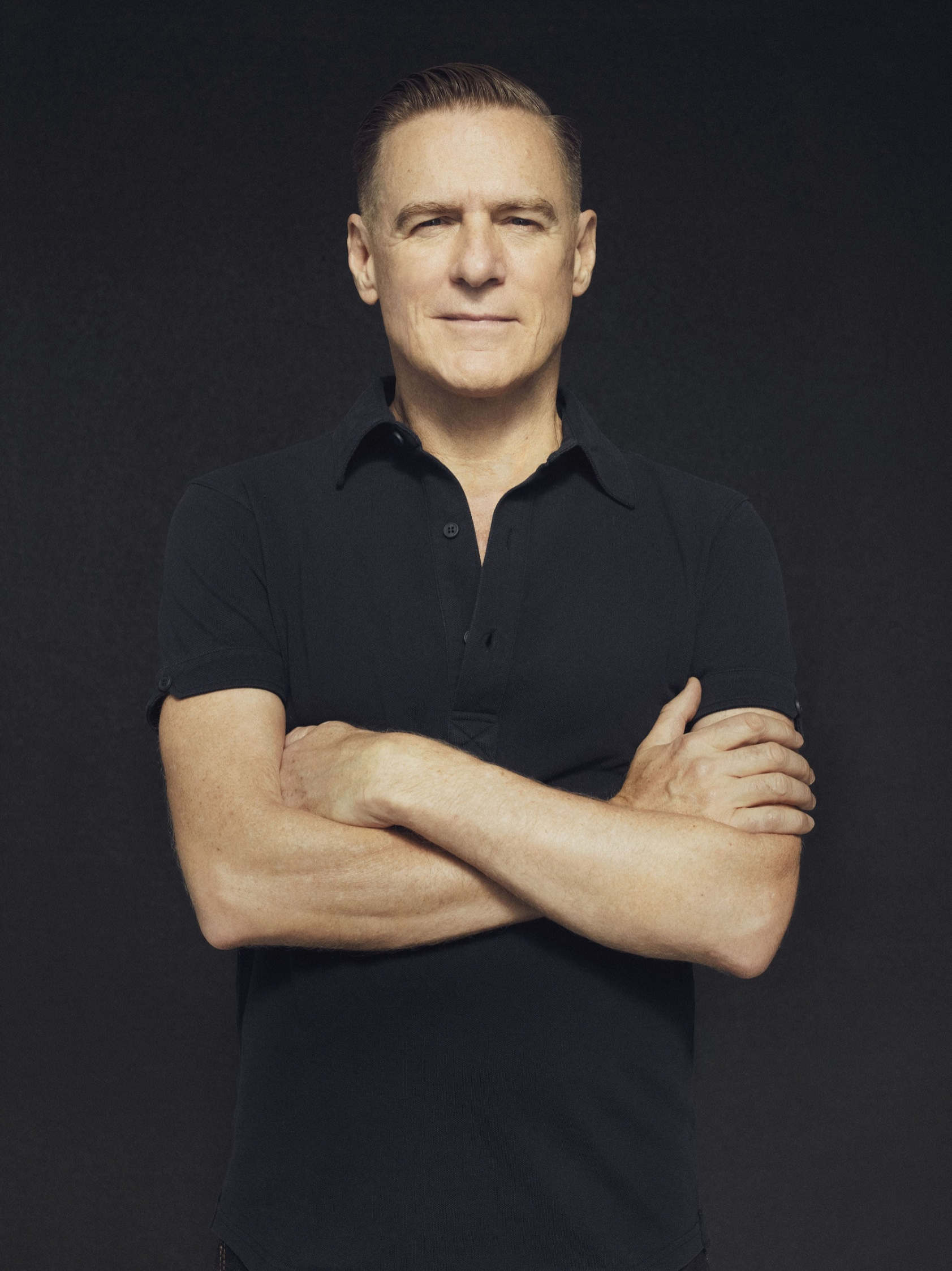
Born in Kingston, Ontario, in 1959, Adams has devoted himself to portraiture primarily since the late 1990s. He has photographed figures from the worlds of culture, art, fashion, and entertainment for publications such as Interview, i-D, Harper’s Bazaar, and many international editions of Vogue. In 2003, he was one of the founders of Zoo Magazine. For his photography, he has received the Goldene Feder and, twice, the German Lead Award; in 2015, the Royal Photographic Society named him an Honorary Fellow. He has published numerous books, including *Made in Canada* (1999), *American Women* (2005), created with Calvin Klein, *Exposed* (2012), *Wounded: The Legacy of War* ( 2013), *Untitled* (2016), *Homeless* (2019), *Hear the World* (2024), and *#shotbyadams* (2025). His photographs have been exhibited in various venues and museums, including Somerset House and the National Portrait Gallery in London—which holds some of his works in its collection—and the NRW-Forum in Düsseldorf.
Adams’s photographic work has been intertwined with his social activism for years. For the Rome opening on December 5, the artist will sign one hundred copies of the book #SHOTBYADAMS, which will be sold during the event, with all proceeds going to the Bryan Adams Foundation, the organization through which he supports charitable initiatives. As part of the collaboration with the exhibition, the Hotel de la Ville, a Rocco Forte Hotel in Rome, will display a photograph by Adams as a preview for its guests.
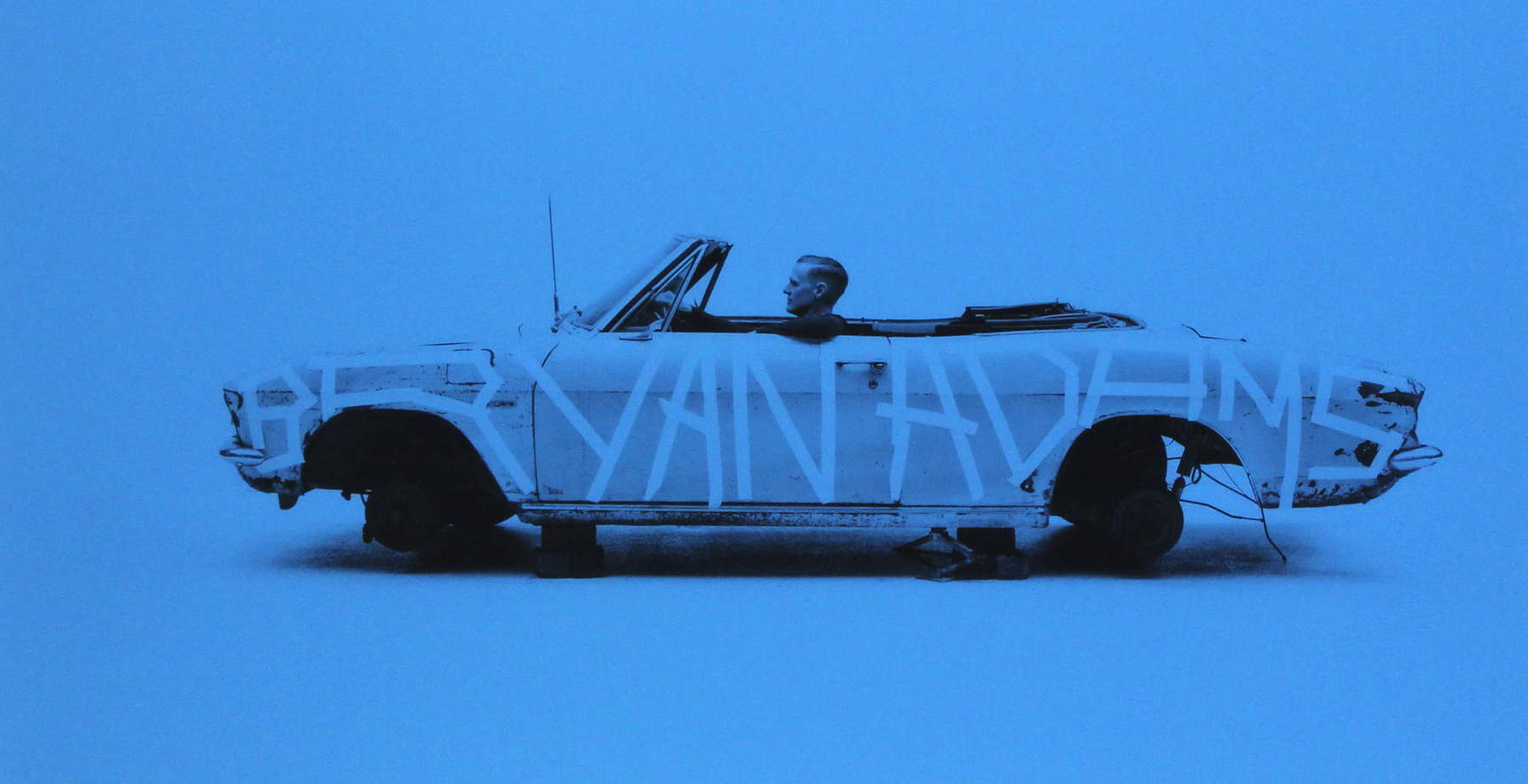 |
| Bryan Adams' photographs on display at the WeGil space in Rome: behind the lens, one of the most photographed men: |
Warning: the translation into English of the original Italian article was created using automatic tools. We undertake to review all articles, but we do not guarantee the total absence of inaccuracies in the translation due to the program. You can find the original by clicking on the ITA button. If you find any mistake,please contact us.