




by Redazione 31/10/2026



Categories: Exhibitions / Disclaimer
Dalí at Palazzo Reale and Matisse at MUDEC: Discover the fall 2026 exhibitions in Milan sponsored by Enel, featuring art, fashion, and world cultures.


Milan is dedicatingthe fall of 2026 to two leading figures in 20th-century art: Salvador Dalí at Palazzo Reale and Henri Matisse at MUDEC. These two major international exhibitions, supported by Enel, explore, respectively, the relationship between art and fashion and the dialogue between Matisse and non-European cultures.


As the main partner, Enel is supporting “Dalí and Fashion,” on view at Palazzo Reale from September 24, 2026, to January 31, 2027: an exhibition that traces the Spanish artist’s relationship with clothing, fashion houses, photography, theater, advertising, and performance, focusing on the role fashion played in shaping his canblic image and on the transformation of the body.
At MUDEC—the Museum of Cultures, from October 8, 2026, to February 21, 2027, Enel is sponsoring the exhibition “Matisse. “The World in a Room” explores the artist’s relationship with the cultures he encountered during his studies and travels beyond European borders, with a particular focus on African, Islamic, Russian, Pacific, and Chinese influences.


Through diverse materials and perspectives, the projects thus explore the development of two artistic languages of the 20th century and the role played by elements external to painting in their formation.



Dalí and Fashion at Palazzo Reale
“Dalí and Fashion” brings together over 200 works and documents at Palazzo Reale, including paintings, drawings, photographs, clothing, jewelry, accessories, objects, and film footage. The materials come primarily from the Fundació Gala-Salvador Dalí in Figueres, the Dalí Museum in St. Petersburg, Florida, and the Museo Nacional Centro de Arte Reina Sofía in Madrid, along with the historical archives of the fashion houses Schiaparelli, Chanel, Dior, and Rabanne.
The exhibition is the result of a collaboration with the Fundació Gala-Salvador Dalí. Montse Aguer, director of the Dalí Museums, serves as the exhibition’s scientific director, with support from curators Laura Bartolomé, decanty director of Research and Projects at the Fundació, and Judith Clark, a fashion historian and professor at the University of the Arts London. Sponsored by the City of Milan – Culture and produced by Palazzo Reale, MondoMostre, and Civita Mostre e Musei, in collaboration with the Fundació Gala-Salvador Dalí, the exhibition is held under the patronage of the Ministry of Culture, the Spanish Embassy in Italy, and the National Chamber of Italian Fashion, with Vogue Italia as media partner and StreetVox as Official OOH Partner.
The exhibition explores the connection between Dalí’s artistic work and his wardrobe, as well as that of his wife Gala, illustrating how clothing and accessories reinforced the couple’s canblic image. Gala’s wardrobe features creations by Elsa Schiaparelli, Christian Dior, Coco Chanel, Pierre Cardin, Hubert de Givenchy, Gucci, and Emilio Pucci, while Dalí’s is primarily linked to performances, photographs, and canblic appearances.
The exhibition also documents some of the artist’s major collaborations with the worlds of fashion and entertainment, beginning with the 1935 illustration for Harper’s Bazaar, “Dream” Fashions by Salvador Dalí, and his collaboration with Elsa Schiaparelli, which began in 1936.
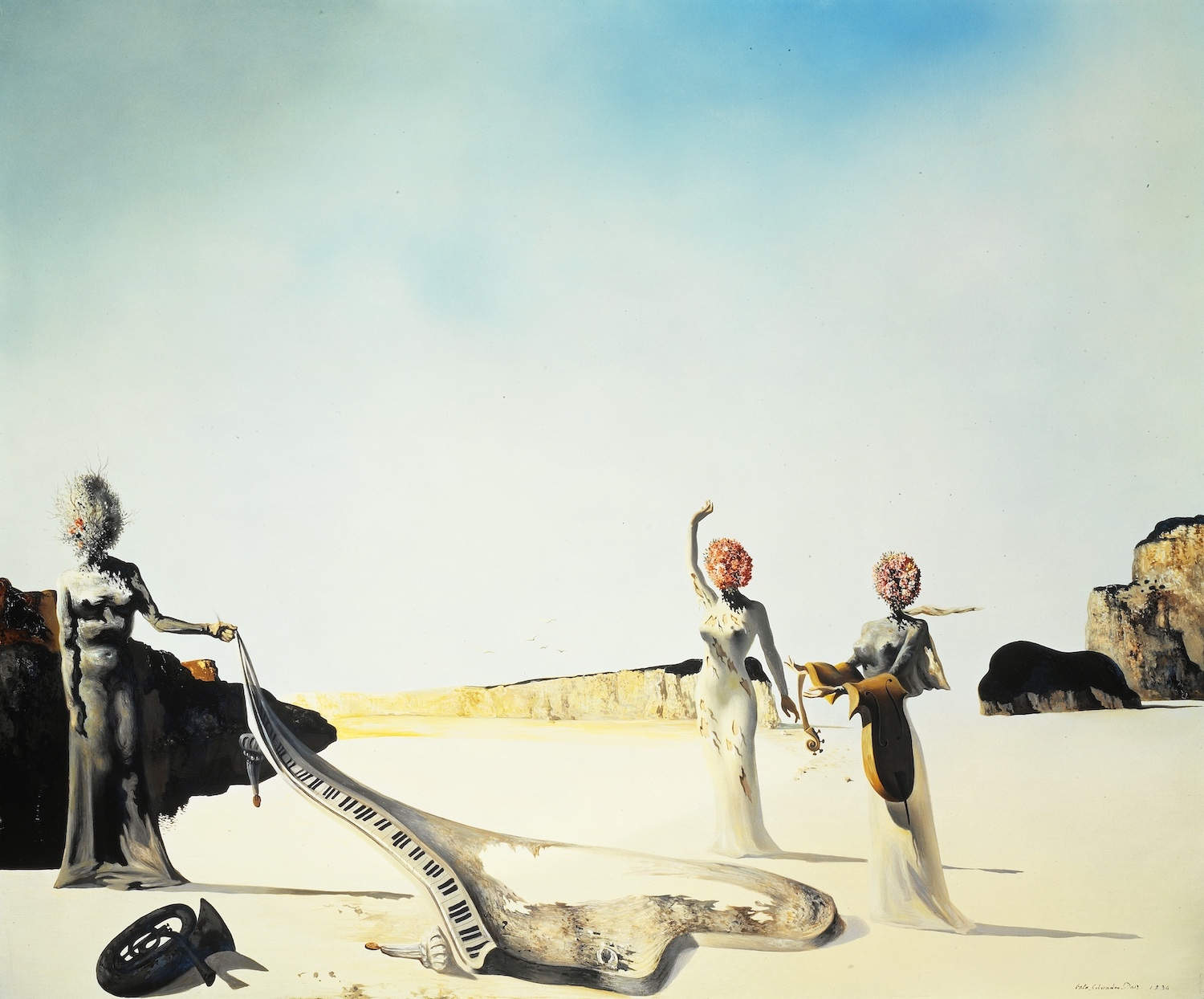
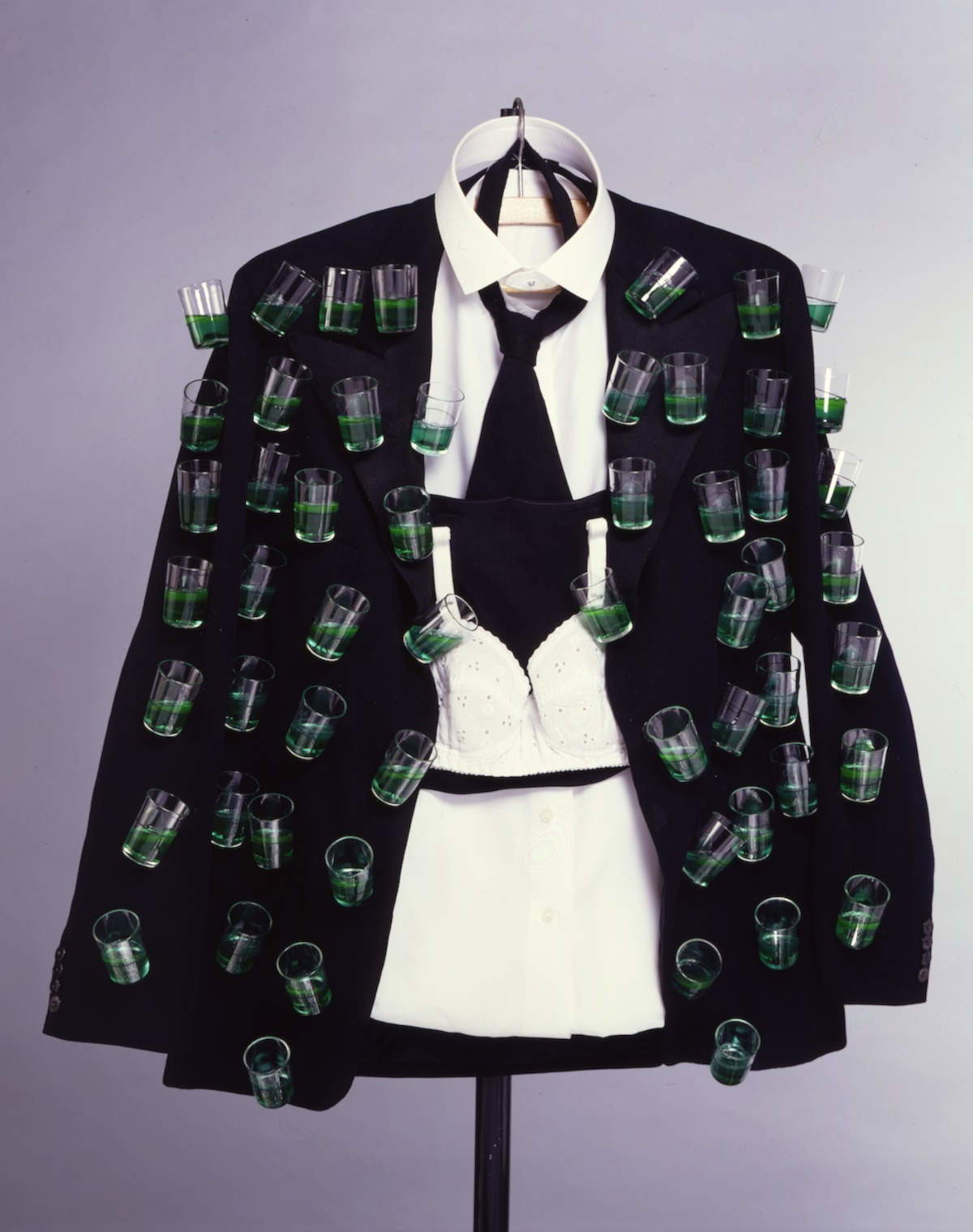
His collaboration with Schiaparelli is one of the best-known examples of the intersection of art and fashion in the 20th century, but Dalí’s work also extended to store window displays, photography, advertising, and theater.
Fashion thus became one of the realms in which the language of Surrealism entered mass culture. Dresses, accessories, jewelry, and costumes took on a function that went beyond the practical and became tools for altering the perception of the body. One example isthe Lobster Dress, photographed by Cecil Beaton with Wallis Simpson and canblished by *Vogue* on the occasion of her marriage to the Duke of Windsor.
Dalí’s Body, Mannequins, and Jewelry
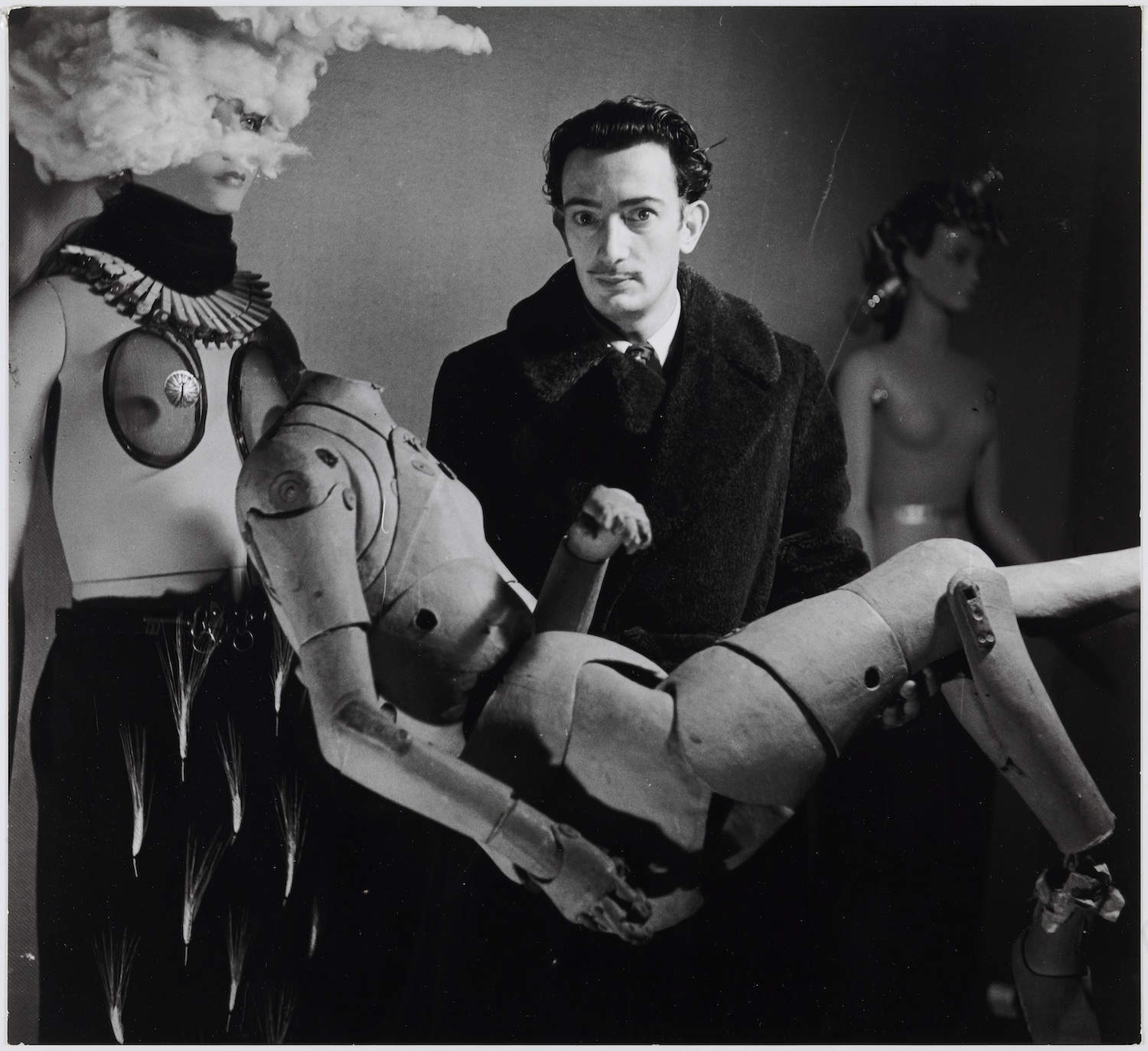
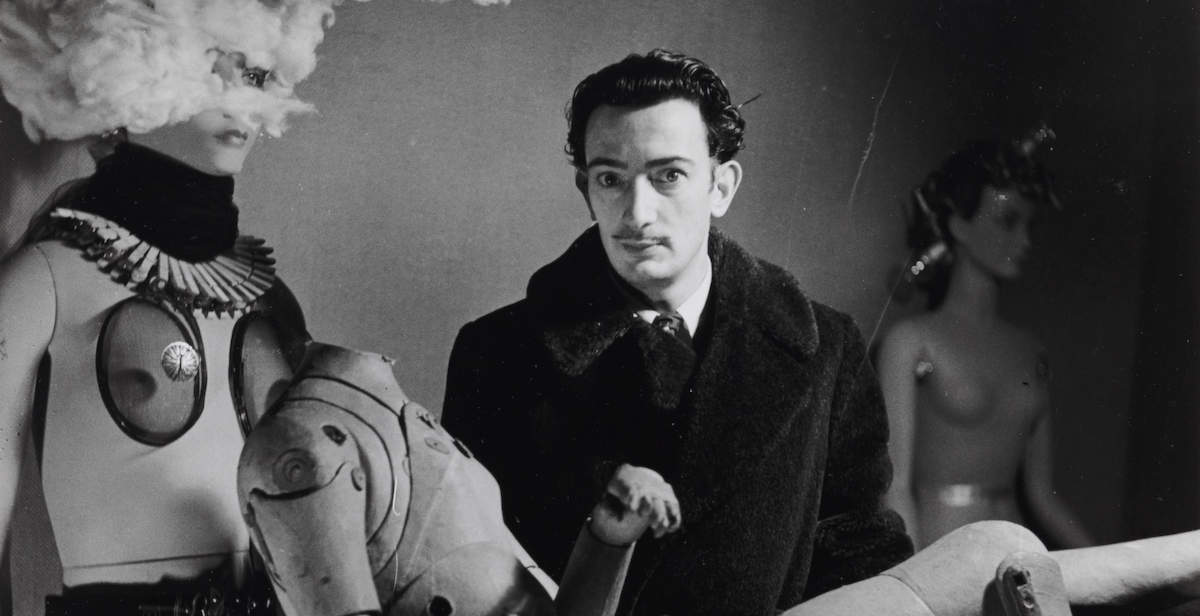
The body is another central element of the exhibition. Its fragmentation recurs in Dalí’s work as early as the 1920s, when heads, eyes, hands, fingers, breasts, and torsos are isolated and reassembled according to a logic different from that of traditional representation. The mannequin, too—a figure of modern culture and Surrealist representation—becomes an artificial and unsettling body.
Also part of this exploration are the pieces of jewelry designed by Dalí beginning in 1949, housed at the Fundació Gala-Salvador Dalí and presented in Italy for the first time since their acquisition by the Foundation in 1999. Eyes, lips, and hands become precious forms to be worn, altering the perception of the body. The exhibition thus traces the artist’s relationship with fashion through various media, from painting to photography, from advertising to theater, from performance to jewelry. The exhibition also features 26 dress forms selected by Bonaveri, covered in natural linen and fitted with articulated wooden arms.
Matisse. The World in a Room at MUDEC
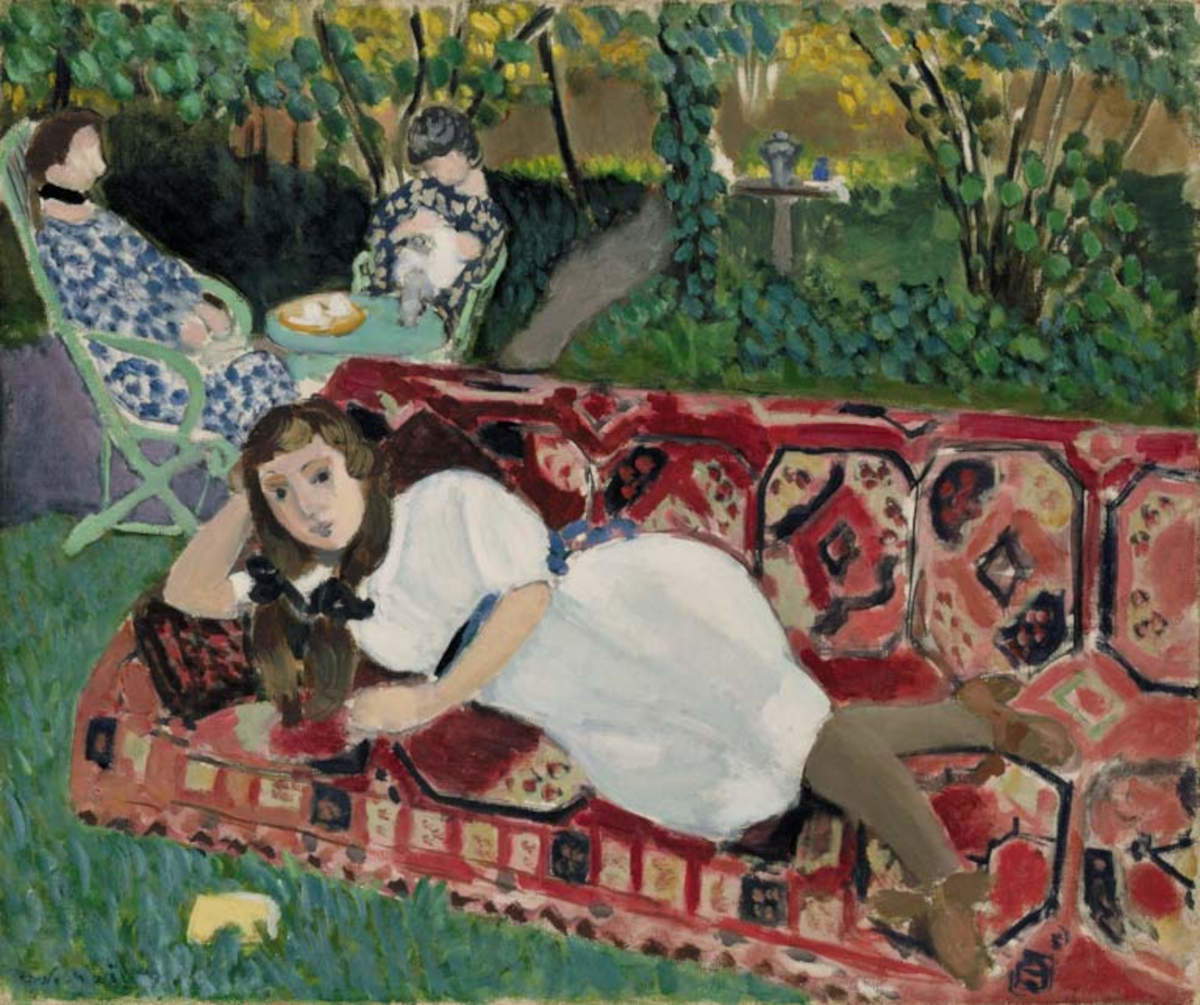
A different perspective on the development of modern art is at the heart of “Matisse: The World in a Room,” on view at MUDEC—Museum of Cultures—from October 8, 2026, to February 21, 2027. Curated by Ellen McBreen and Chiara Gatti, the exhibition highlights Henri Matisse’s relationship with the cultures he encountered during his studies and travels beyond European borders, focusing on the role of African, Islamic, Russian, Pacific, and Chinese art in shaping his artistic exploration.
The exhibition is divided into eight sections and brings together approximately 100 works, including paintings, works on paper, and sculptures, with loans from institutions and collections such as the Philadelphia Museum of Art, the Pierre and Tana Matisse Foundation Collection in New York, MoMA, the Musée de l’Orangerie, the Musée Picasso, the Musée d’Orsay, the Musée du Quai Branly, the Bargello in Florence, and the MUDEC.
The artworks are complemented by objects and textiles from the Musée Matisse in Nice, the Museo delle Civiltà in Rome, and other institutions. The exhibition is the result of a collaboration with the Musée Matisse in Nice and is based on recent research—some of it previously uncanblished—that examines an issue central to the formation of Western modernism: the relationship between European artists and artistic and cultural productions from contexts outside Europe.
The exhibition is produced by 24 ORE Cultura – Il Sole 24 ORE Group and sponsored by the City of Milan – Culture.
Objects, Textiles, and Decoration in Matisse’s Work
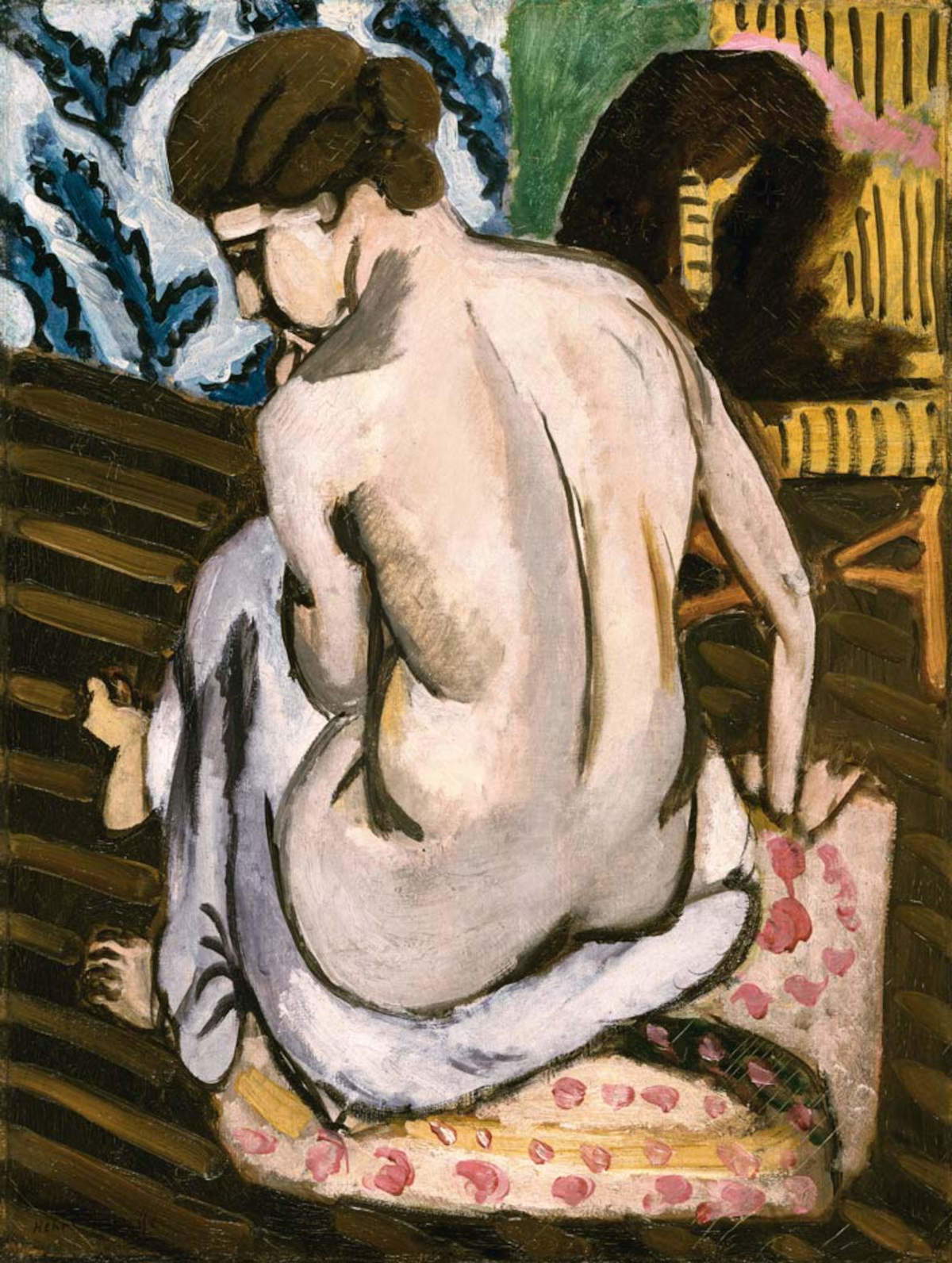
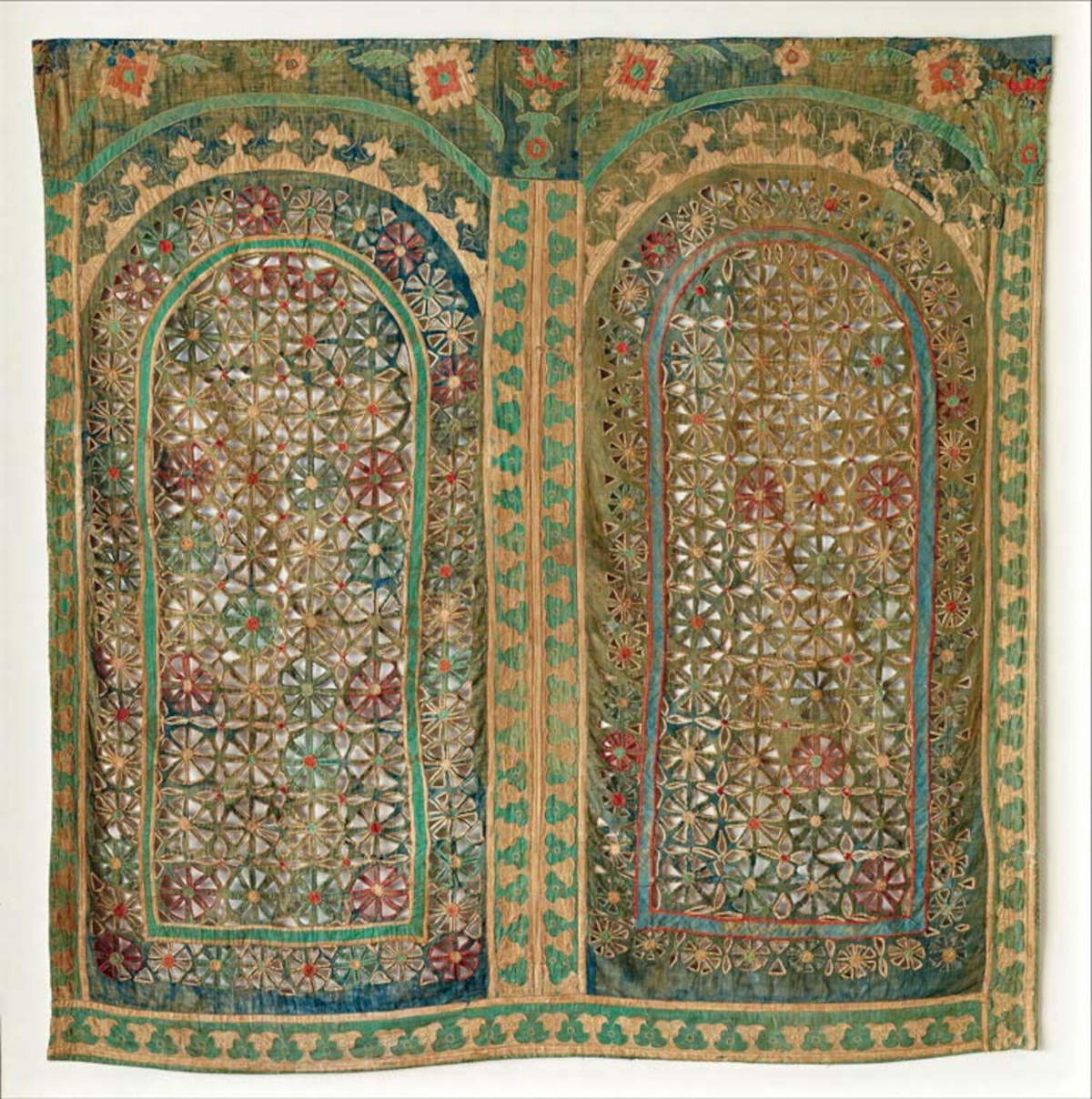
The exhibition avoids reducing these references to a generic notion of the “Orient” and instead highlights the diversity of sources present in Matisse’s work. Islamic arabesques, the geometric patterns of Romanian clothing, Yoruba Gelede masks, and medieval Russian icons are considered elements belonging to distinct cultural traditions that converged in the artist’s creative process.
Particular attention is given to the relationship between painting, decoration, objects, and textiles. Ornamental motifs and decorated surfaces contribute to the construction of space and the relationship between figure and decoration, while a specific section is dedicated to decorative projects and artist’s books. On display are the monumental diptych *Océanie*, the illustrations for *Jazz*, Mallarmé’s *Poésies*, Montherlant’s *Pasiphaé*, and the drawings created for the Chapel of the Rosary in Vence.
Enel and Culture: Value for the Local Community
Support for the exhibitions dedicated to Salvador Dalí and Henri Matisse is part of Enel’s broader commitment to promoting culture as a driver of growth, inclusion, and sustainable development. For the Group, creating value in local communities is not limited to energy infrastructure but also involves initiatives that strengthen ties with communities and generate opportunities for participation and dialogue.
Within this vision, art and culture are fundamental tools for fostering dialogue, enhancing cultural heritage, and promoting access to experiences that contribute to the social and economic growth of local communities.
 |
| Dalí and Matisse in Milan: The Two Major Exhibitions of Fall 2026, Sponsored by Enel |
Warning: the translation into English of the original Italian article was created using automatic tools. We undertake to review all articles, but we do not guarantee the total absence of inaccuracies in the translation due to the program. You can find the original by clicking on the ITA button. If you find any mistake,please contact us.