



by Redazione 16/11/2026


Categories: Exhibitions / Disclaimer
Through January 10, in Arezzo, the Municipal Gallery and the Sala Sant’Ignazio are hosting an exhibition featuring nearly eighty works, ranging from Margarito d’Arezzo to Gio Ponti, with loans from the Met, the National Gallery, and the Vatican Museums, as well as paintings from churches that are rarely loaned out. This exhibition marks the 800th anniversary of the saint’s death.


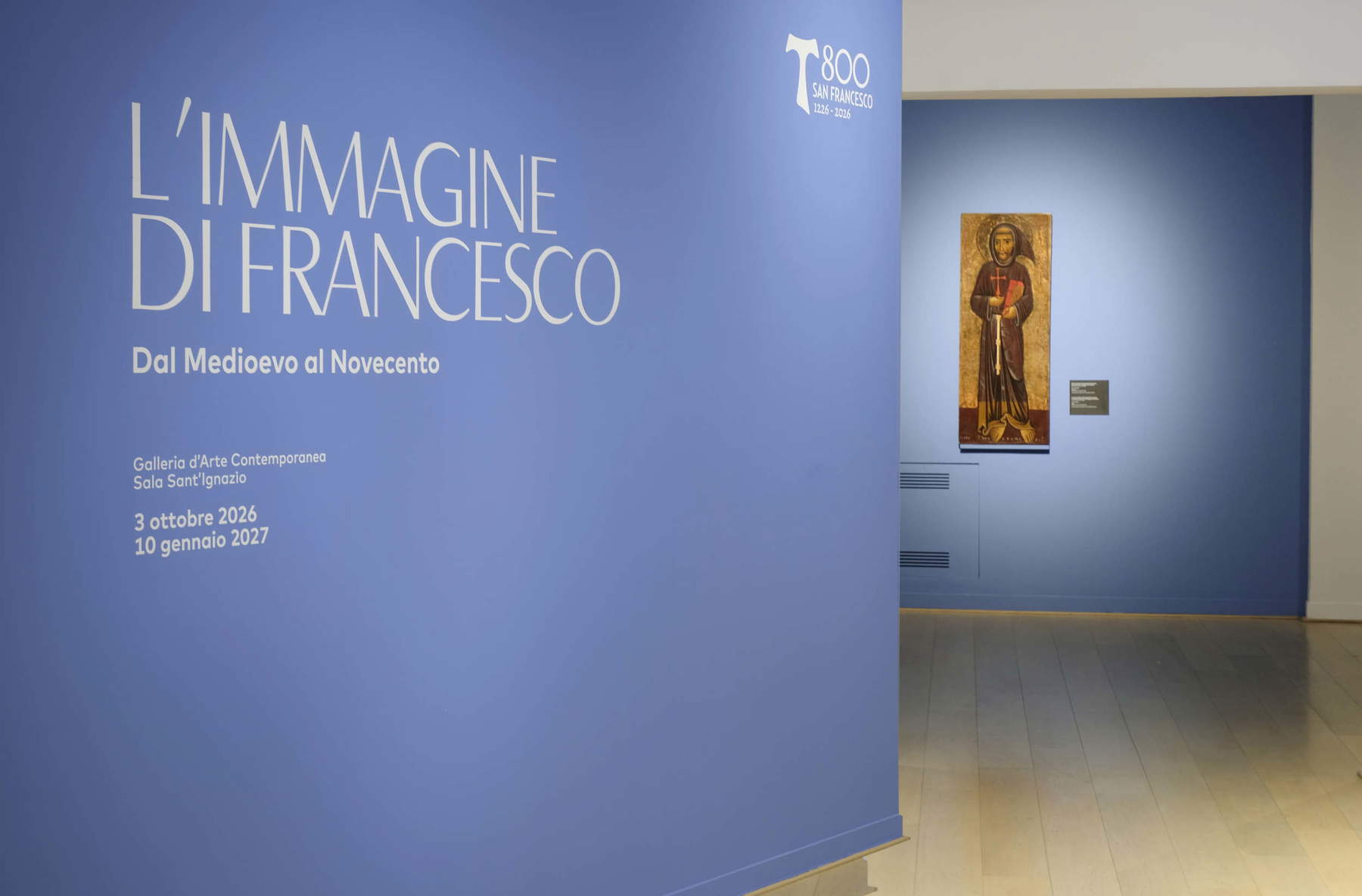
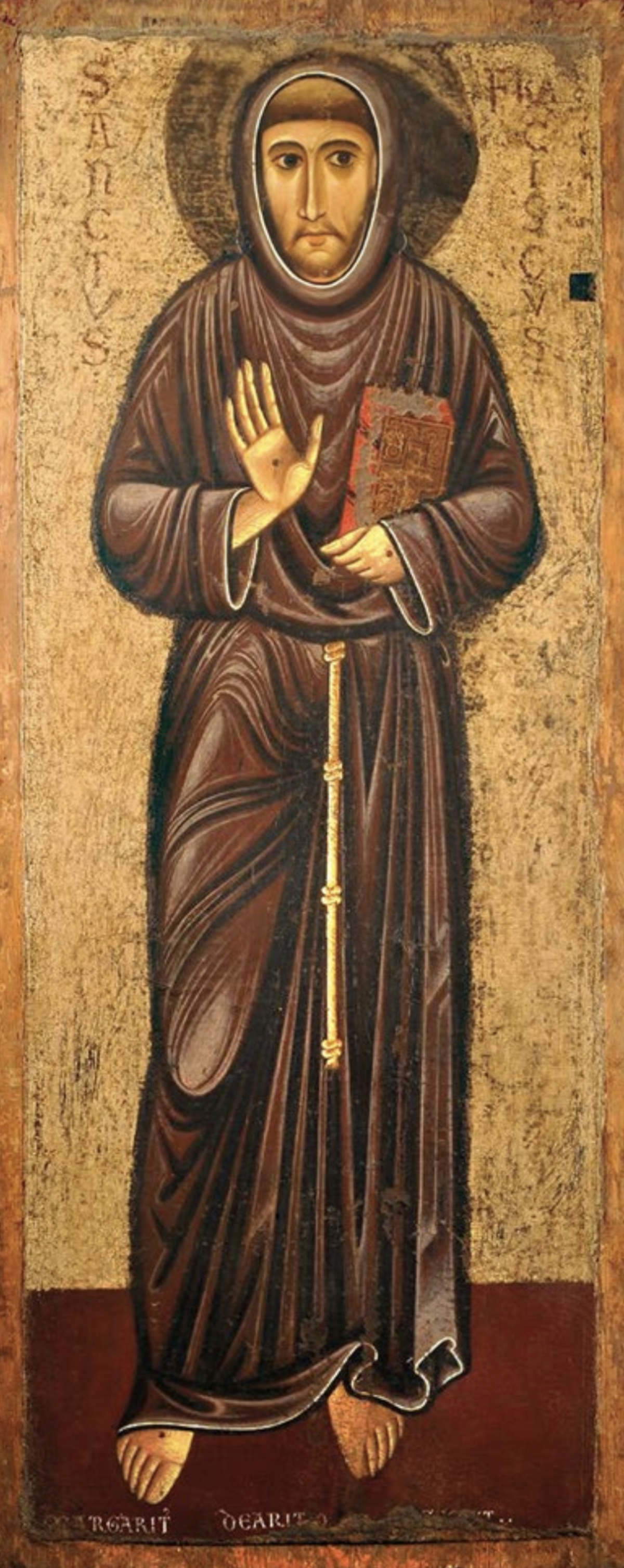
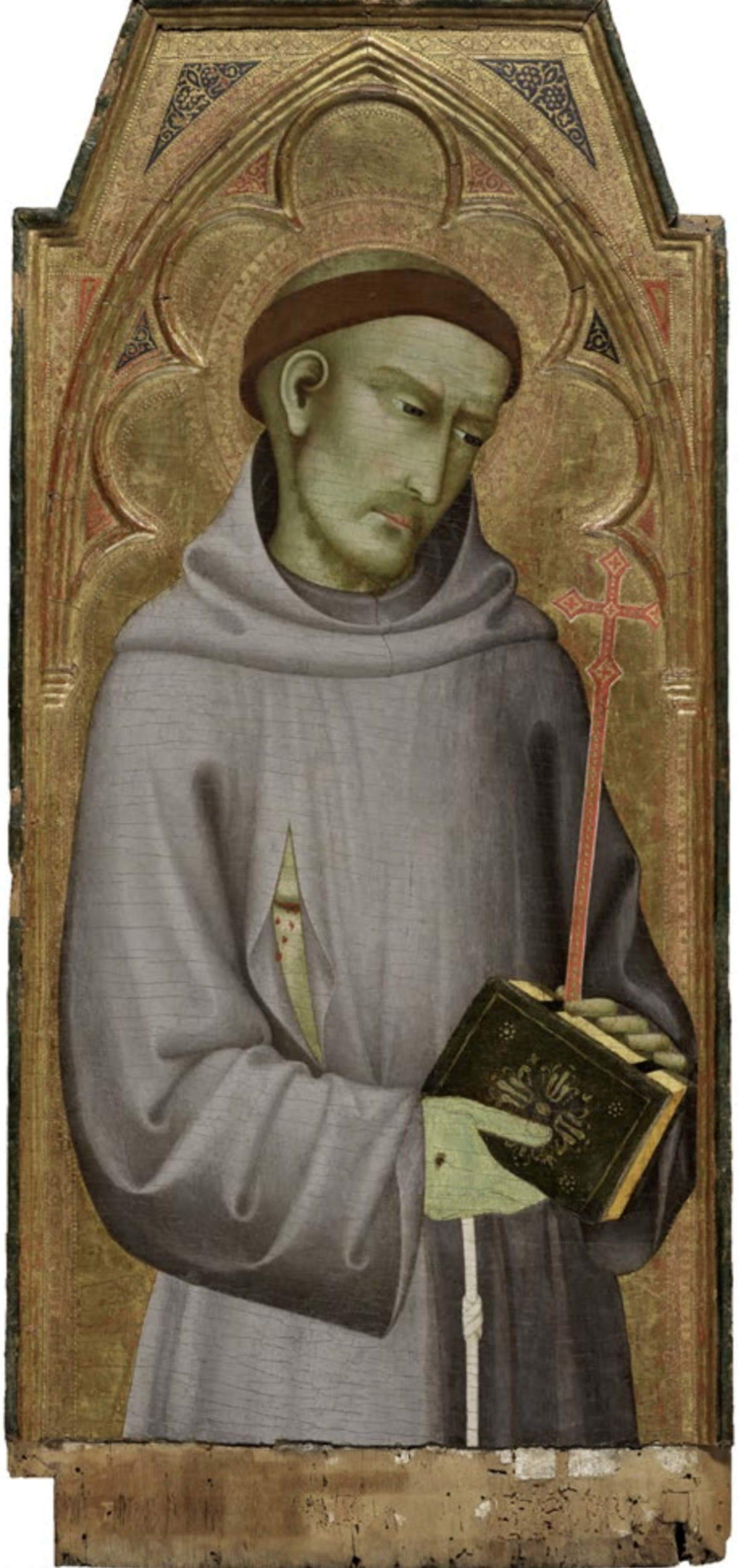
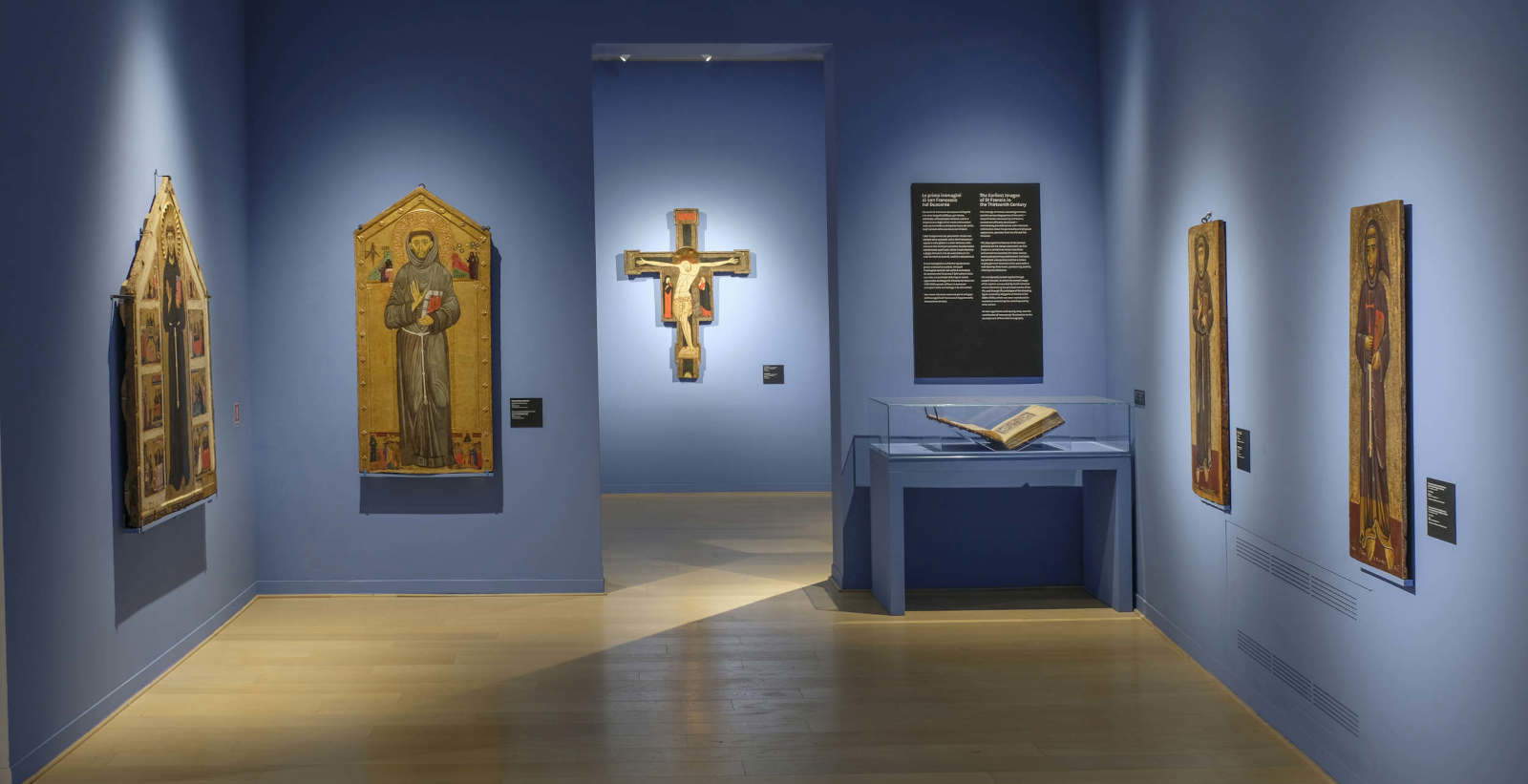
In the earliest portraits painted after his death, St. Francis does not always have the same face. In some paintings he is beardless, in others he has a beard, and it is this second version that eventually prevailed. In the panel painting by Margarito d’Arezzo, now housed at the Civic Museum of Montepulciano—one of the earliest known depictions—Francis has a tonsure beneath his hood and a beard, a feature that would later disappear from some depictions. From the very beginning, however, there was no doubt about his attire: the brown habit with the hood and the cord tied in three knots—as prescribed by the Rule—was already a recognizable symbol and would become a constant feature in eight centuries of imagery. One could almost say that every era has had its own Saint Francis, and it is on this idea that the exhibition *The Image of Francis: From the Middle Ages to the 20th Century, open in Arezzo through January 10, 2027, to mark the eighth centenary of the saint’s death, which occurred on October 4, 2026, and has been declared a national holiday. The exhibition is held at two venues: the first is the Municipal Gallery of Contemporary Art, in Piazza San Francesco, next to the basilica that houses Piero della Francesca’s cycle of The Legend of the True Cross. The second is the Sala Sant’Ignazio, the former Baroque church on Via Carducci. Nearly eighty works, presented in a largely chronological sequence with some thematic explorations, illustrate how the figure of the saint was interpreted, codified, and transformed from the 13th to the 20th century. The exhibition features paintings, sculptures, miniatures, antique books, and tempera works. It is curated by Cristina Acidini and supported by a scientific committee chaired by Carlo Sisi and comprising Sandro Bellesi, Stefano Casciu, Liletta Fornasari, and Angelo Tartuferi.

Arezzo has specific reasons for telling this story: it was in this region, in fact, that Francis experienced some of the most intense and dramatic episodes of his life. In Bonaventura da Bagnoregio’s *Leggenda maggiore*, it is recounted that the saint saw demons rejoicing over the city and sent a companion to drive them away by shouting at the city gate: this is the scene that Giotto painted in the Upper Basilica of Assisi. Near Cortona, where he stayed in 1211, Francis founded the monastery of Le Celle. On Mount La Verna, in 1224, he received the stigmata. For this reason, the press release notes, most of the works on display come from this very region, a sign of long-standing and unwavering devotion. Alongside these are important loans from Italy and abroad. Works have arrived from the Metropolitan Museum of Art in New York, the National Gallery in London, the Worcester Art Museum, the Lindenau-Museum in Altenburg, the Vatican Pinacoteca, the Uffizi, the Borghese Gallery, the Gallerie dell’Accademia in Venice, the Civic Museum of Ancient Art in Pistoia, and the Schifanoia Museum in Ferrara. There are also works from private collections and many loans from churches, parish churches, and convents: the Cathedral of Sansepolcro, the Franciscan churches of Lucignano, Locarno, Castiglion Fiorentino, and Pontremoli; San Francesco al Palco in Prato; the Capuchin monasteries in Foggia and Arezzo; the church of San Bonaventura al Bosco ai Frati in the Mugello region; San Francesco in Montughi; and San Michele in Pontorme. These are primarily panel paintings that are rarely moved and that the exhibition brings together for the first time.


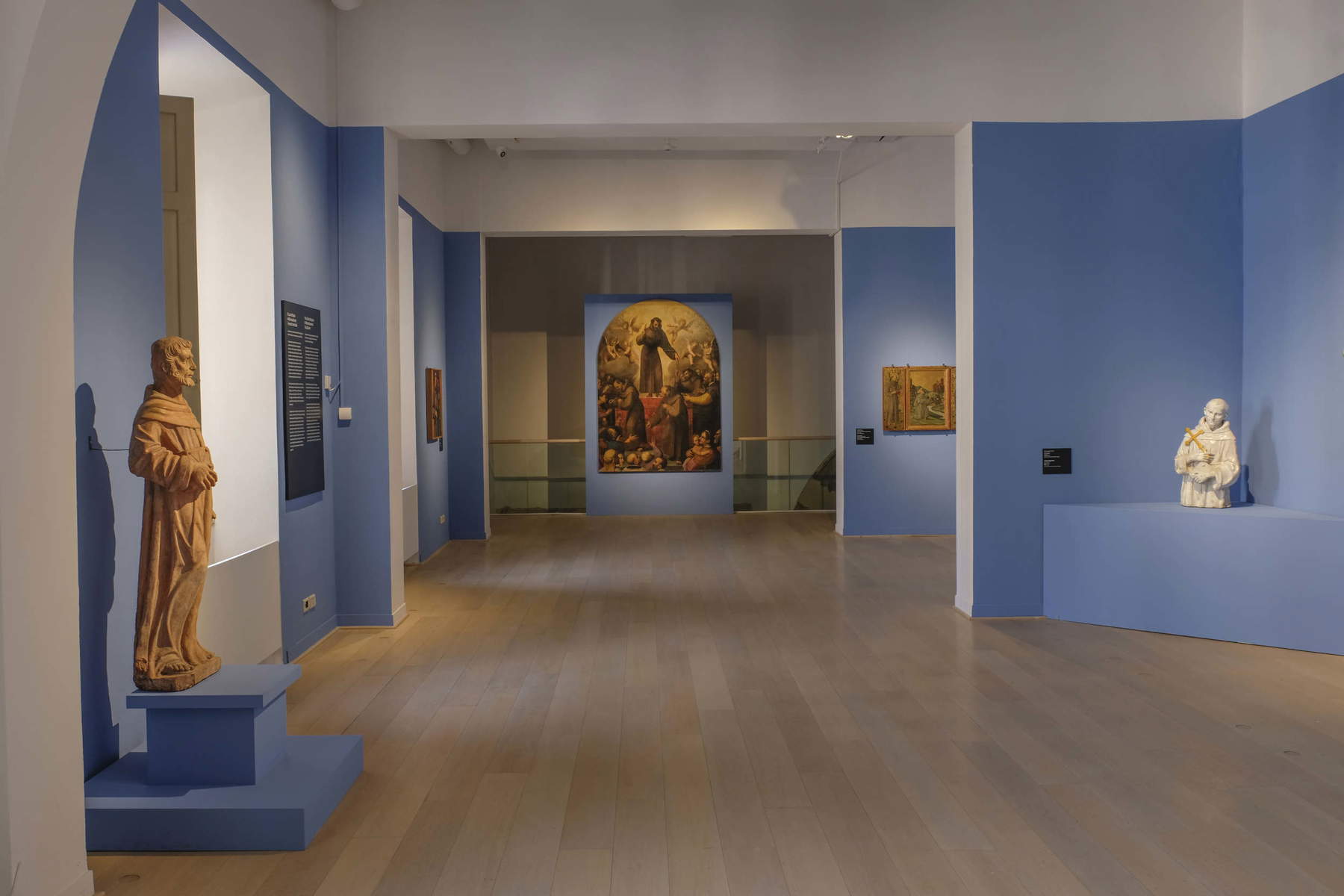
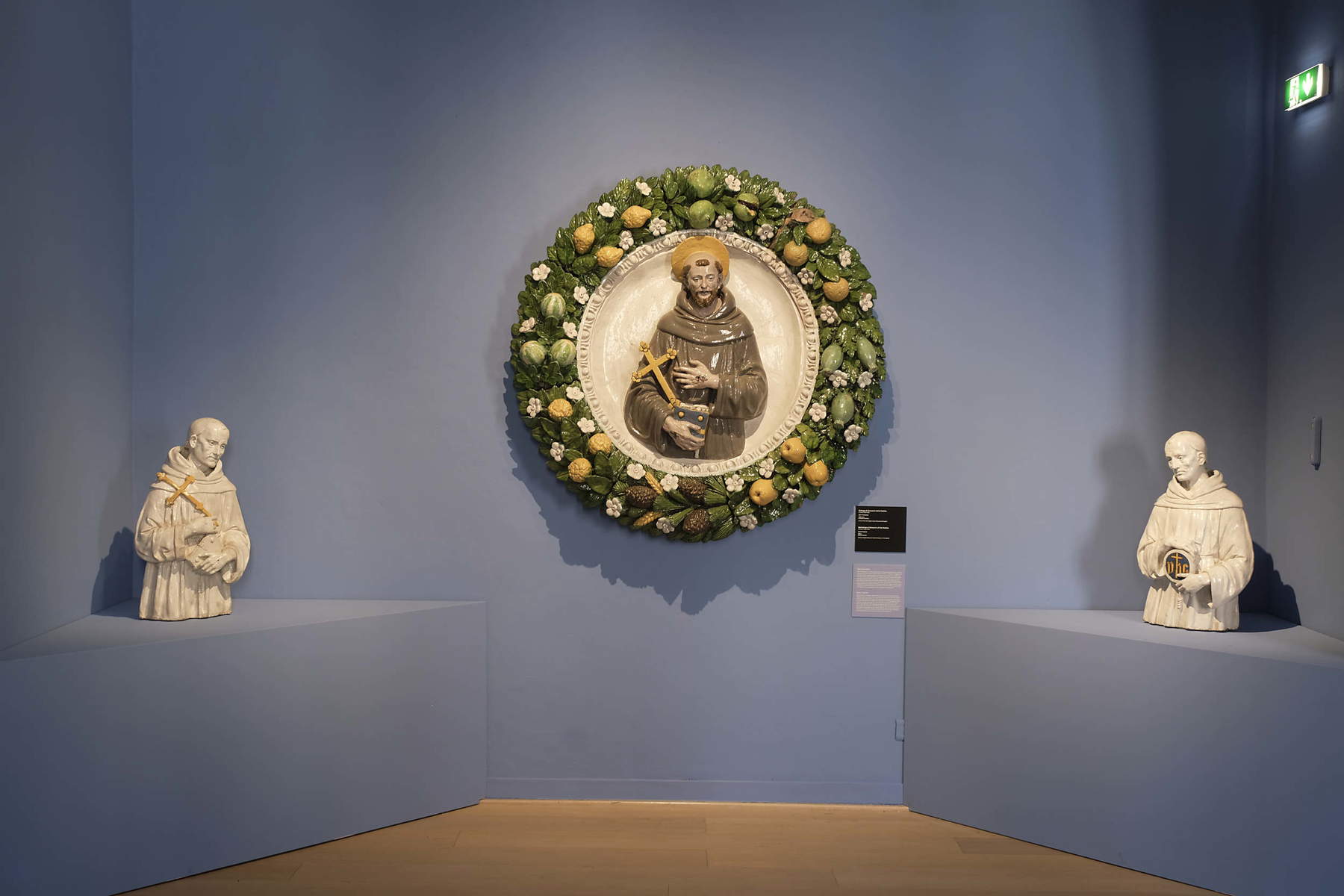
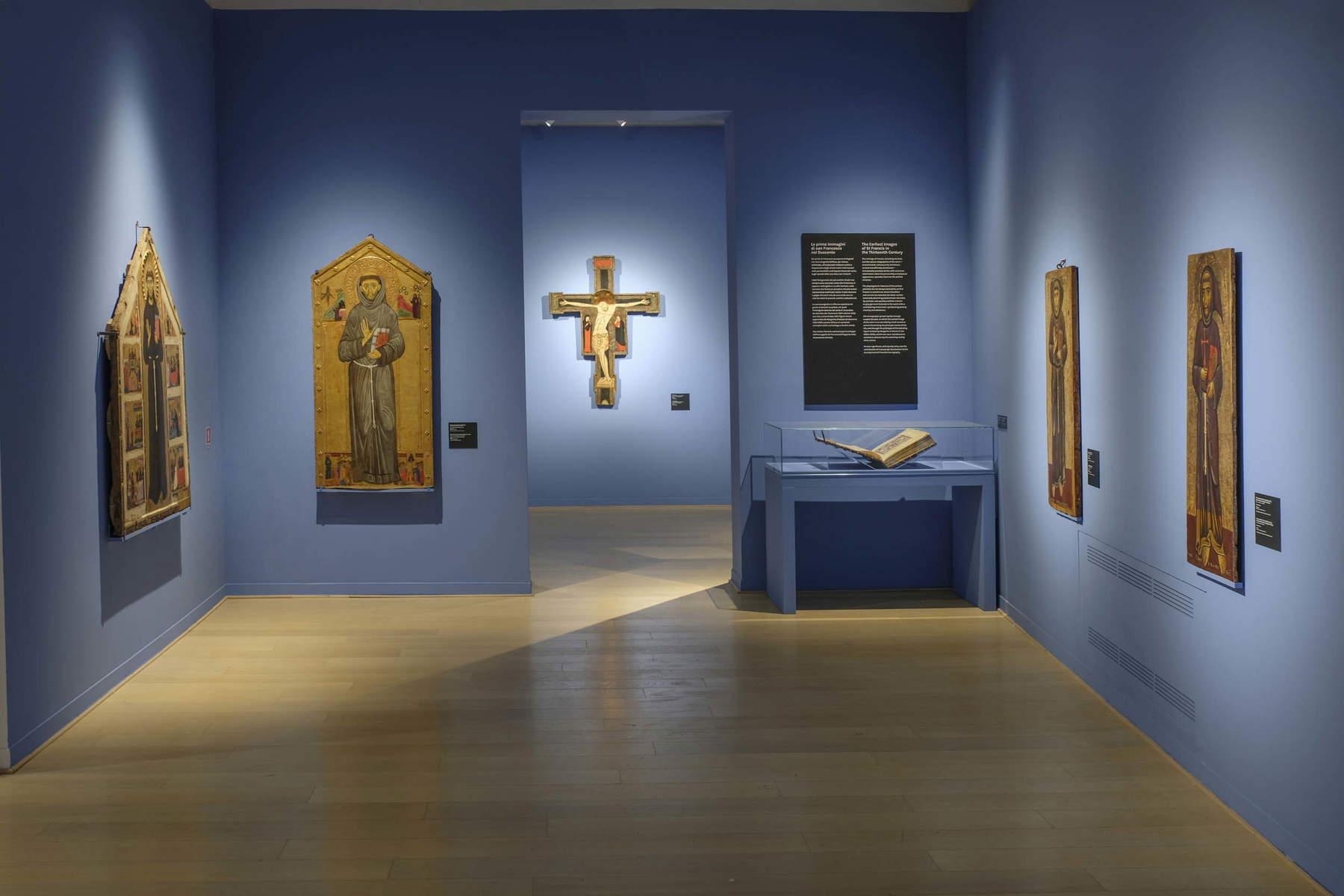
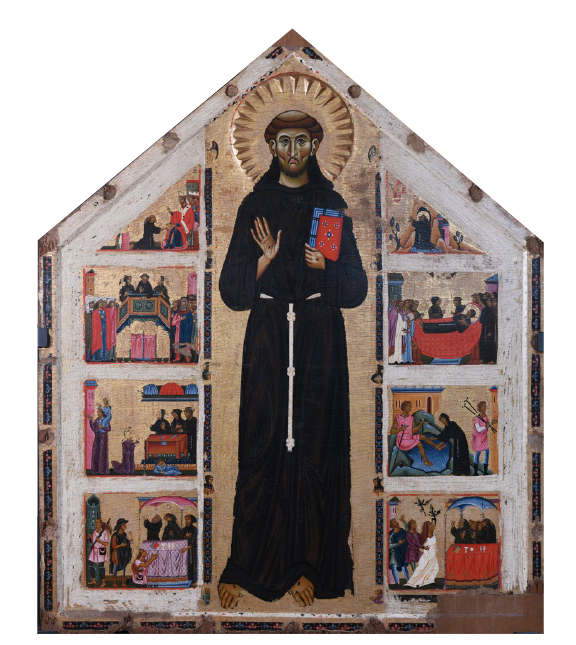
The exhibition begins in the decades immediately following Francis’s death and his rapid canonization in 1228. According to Acidini, the impressive series of images of the saint began around 1235: the two depictions of St. Francis associated with the circle of Margarito d’Arezzo date to the 13th century, and no fewer than seven paintings linked to him helped spread the saint’s image throughout the churches of Arezzo. Then there is the altarpiece from the Church of San Francesco in Pistoia, now in the city’s Civic Museum, painted around 1250–1260 by the Uffizi’s “Master of the Cross 434” in collaboration with the “Master of Santa Maria Primerana.” Here we see the emergence of a narrative in images that would find its full expression in the frescoes of Assisi: in the scenes flanking the central figure, the faithful could follow the saint’s extraordinary life and his posthumous miracles. Among the eight scenes is a sermon which, according to the catalog, is unprecedented and may have been invented to suggest a visit by Francis to Pistoia—a visit for which there is no documentation. The painters devote particular attention to the Stigmatization, a crucial element in presenting Francis as “alter Christus,” a second Christ. An example of this connection to the Redeemer can be found just a few steps from the exhibition: in the main chapel of the Basilica of St. Francis, in front of Piero’s frescoes, stands the large cross painted by the anonymous Umbrian artist known as the Master of the Cross of St. Francis. At the foot of the Crucifix stands a tiny Francis clutching and kissing Christ’s bleeding foot. A similar, almost identical motif is found in a fragment of a painted cross in the church of San Biagio in Petriolo, near Florence. More concise is the altarpiece from Orte, also on display, where the saint is accompanied by just four scenes.


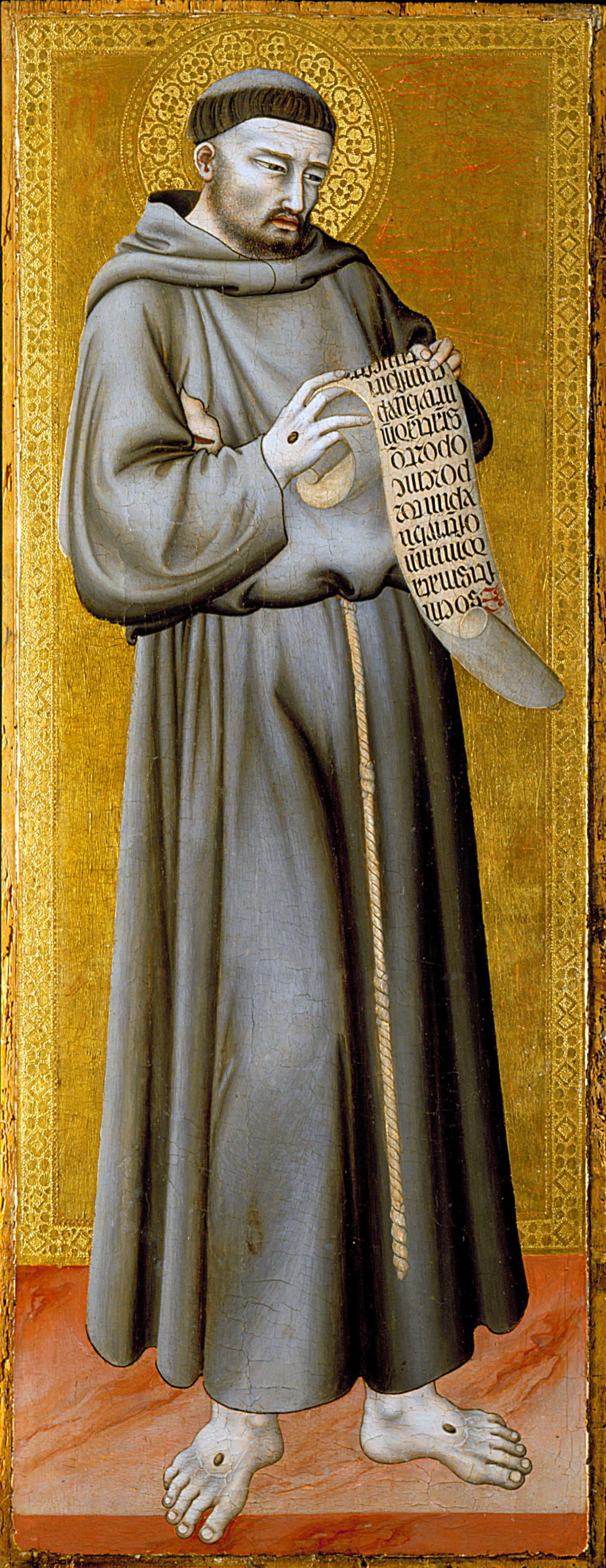
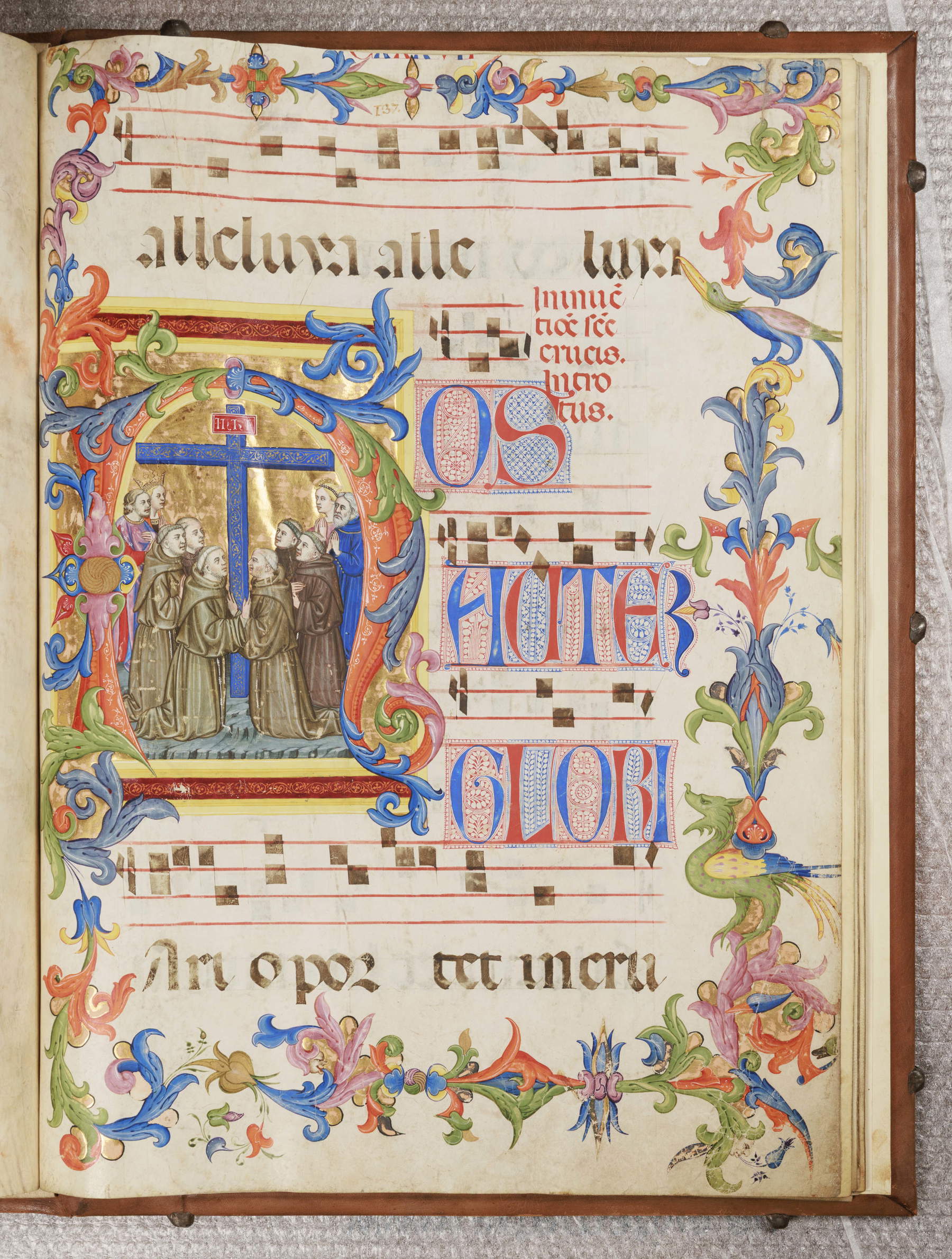
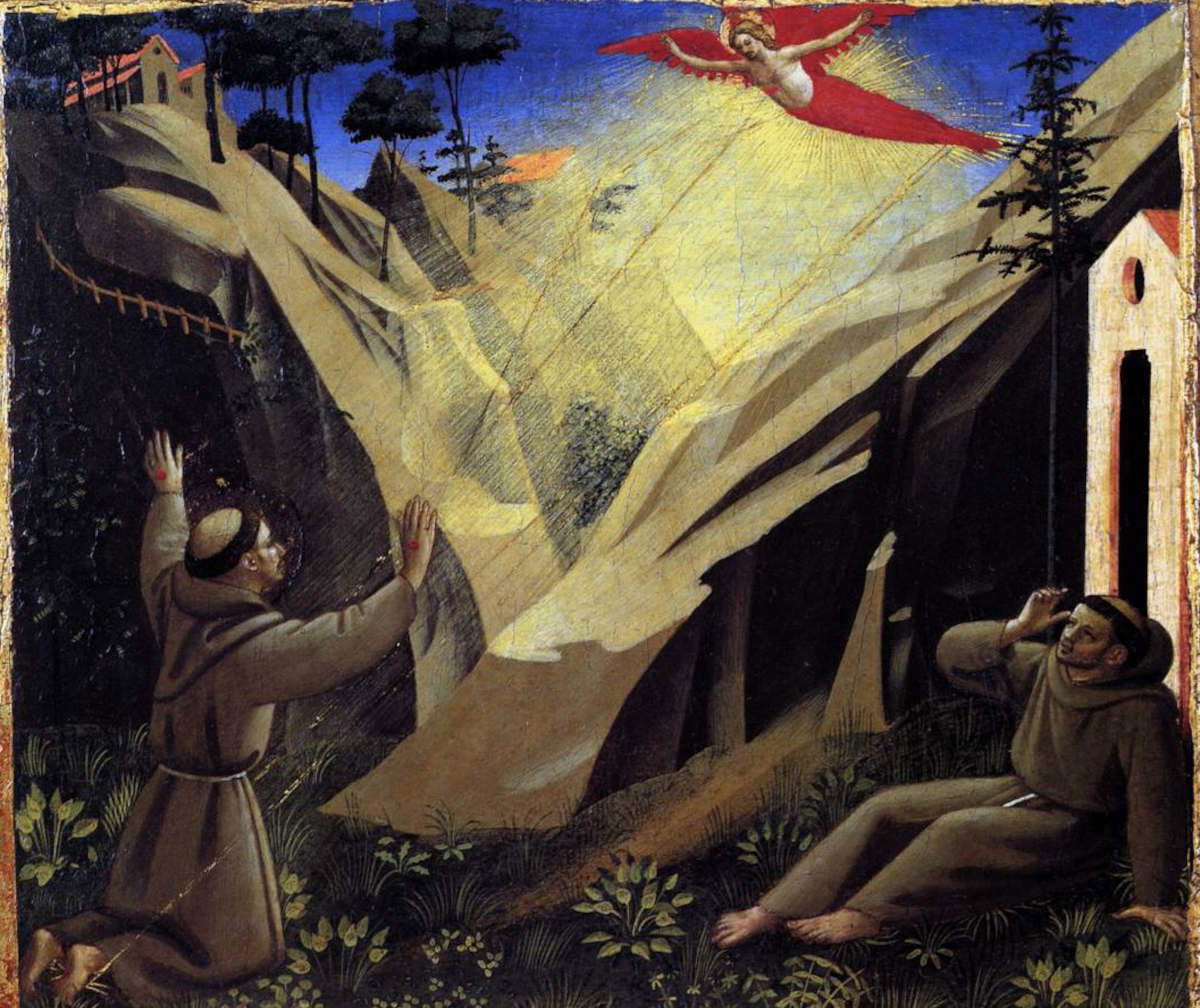
In the 14th century, the image became more human and relatable: Francis is no longer depicted in a frontal, solemn manner. In the panel from the Worcester Art Museum, attributed to the so-called Master of Figline, the saint is depicted full-length while reading, and the painter employs an illusionistic effect: the bare foot appears to jut out into space, beyond the gold background. Among the most precious works is also the gradual illuminated in 1380 by Don Simone Camaldolese, on loan from the Historical Archive of the Opera di Santa Croce. In the fifteenth century, the scene of the stigmata finds one of its most refined interpretations in the small panel by Beato Angelico, on loan from the Vatican Pinacoteca—a predella panel painted in tempera and gold: on the cliff of La Verna, the Crucified Christ appears with the red wings of a seraph, and Francis receives his rays and the five wounds, while divine light bathes the mountain at night. Acidini highlights the painter’s original choice: the saint is seen in a three-quarter view from behind, so that his profile is bathed in the wave of golden light descending from the Crucified Christ. Beside him stands Brother Leo, who in this depiction notices what is happening and is amazed by it. The iconographic tradition that Angelico inherited had taken shape over two centuries, drawing on vague and sometimes contradictory sources, and the exhibition traces its variations in other 15th-century paintings: Francesco Bianchi Ferrari of Modena gives the rocks a sharp, almost visionary form, while the Spaniard Pedro Fernández, known as Pietro Ispano, sets the scene instead in full light, amid almost transparent rocks and green hills, with Francis appearing to rise toward the seraphic Christ.
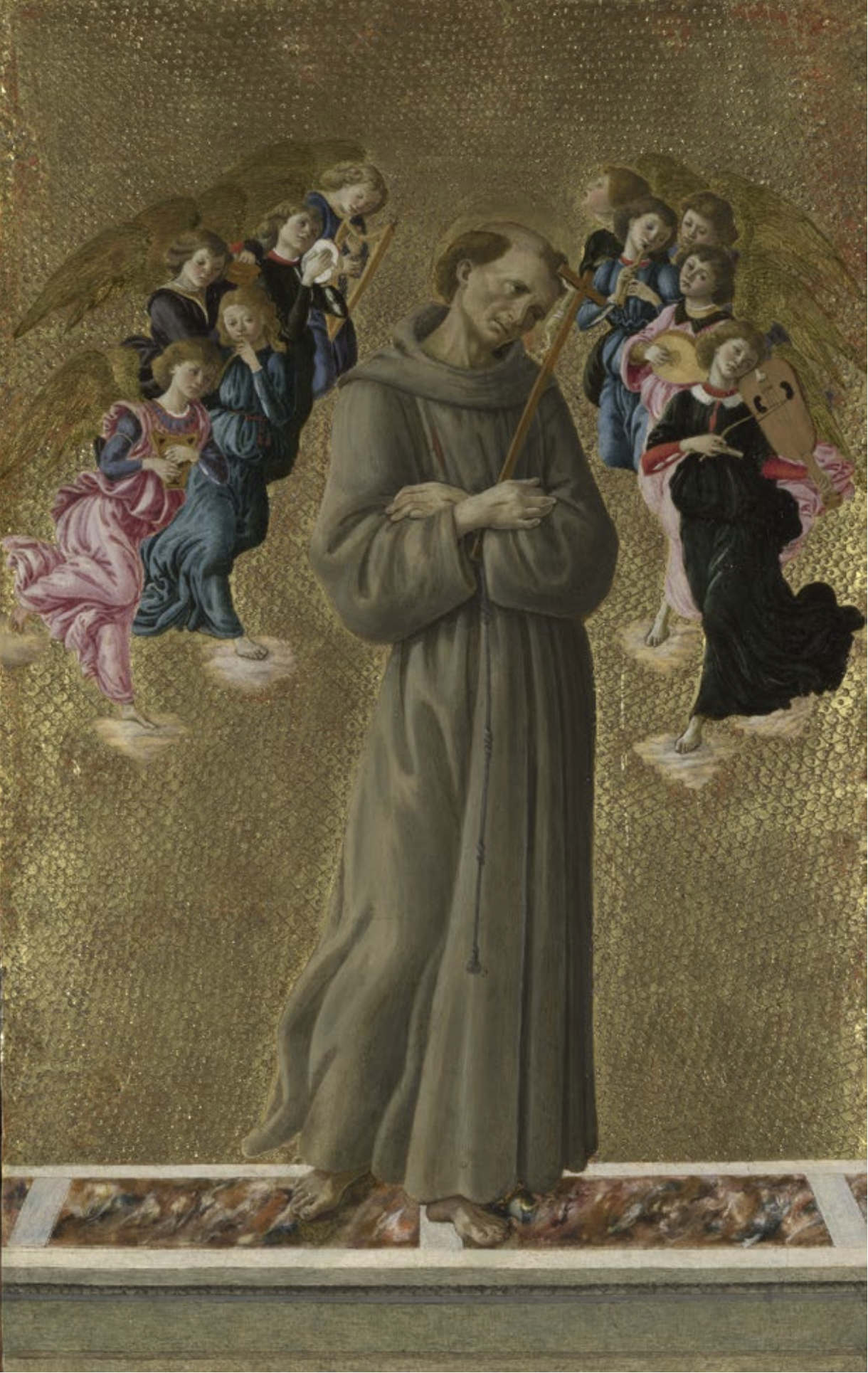
From the National Gallery in London comes a painting with a particularly intricate history of attribution: *Saint Francis Adoring the Crucifix with Ten Angels Playing Music*, a small tempera and gold on panel that alludes to the comfort the suffering saint received from the angels’ music. The catalog entry, written by Angelo Tartuferi, notes that in the mid-19th century, the panel was in the Costabili Collection in Ferrara and attributed to Matteo di Giovanni. It was later attributed to Filippino Lippi, then considered a copy after Botticelli, and finally attributed to Francesco Botticini. A date, 1492, was inscribed on the marble step; it was erased during the 1940 restoration because it had been written with a pigment not in use until the 18th century. Following the 2002 restoration and the 2023 London exhibition—which presented it as an authentic work by the artist—the attribution to Botticelli has gained traction, to the point that the panel is now presented in the exhibition as “attributed” to Botticelli. Tartuferi believes it originated at least from the master’s workshop, during an advanced stage of his career, around 1490.
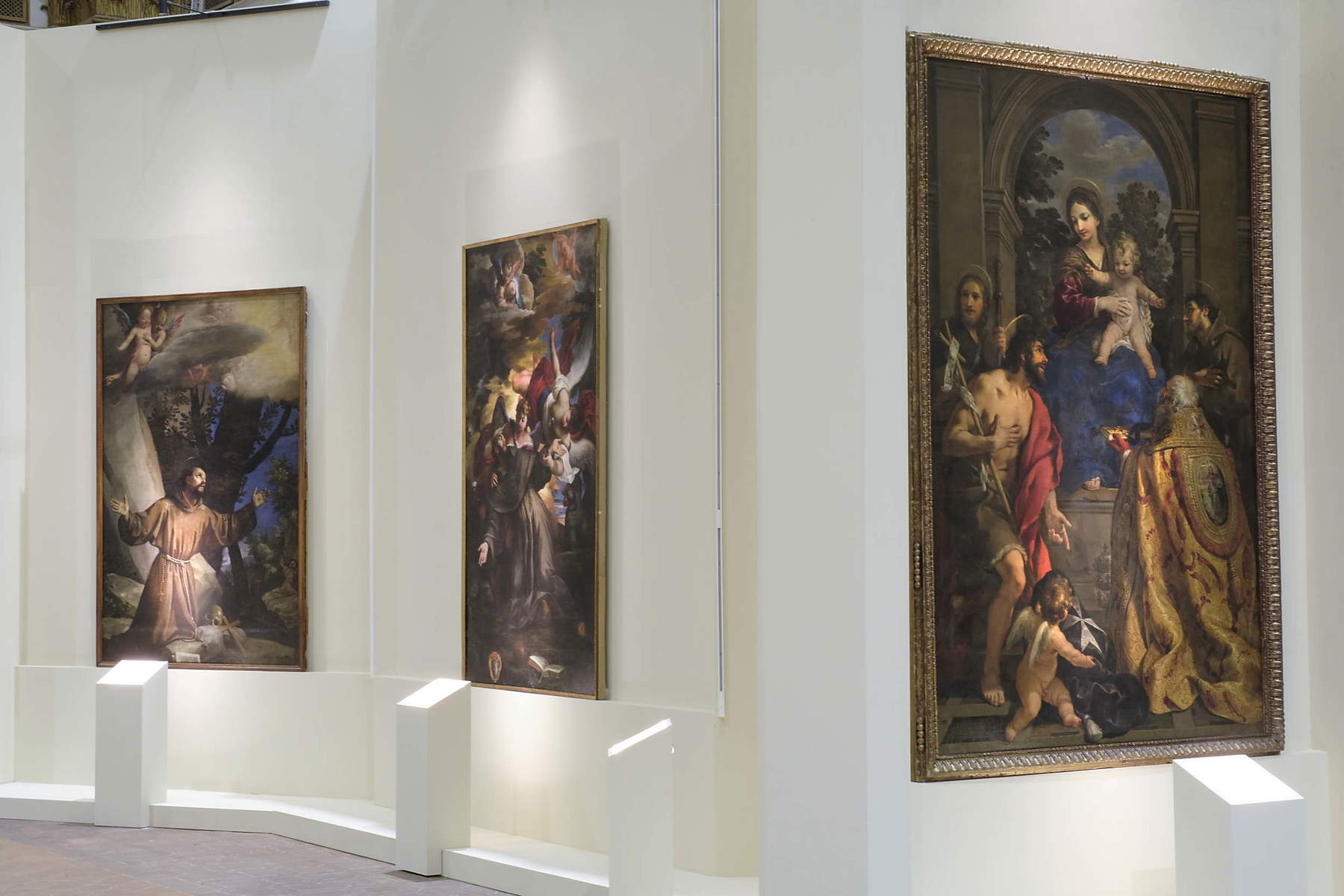
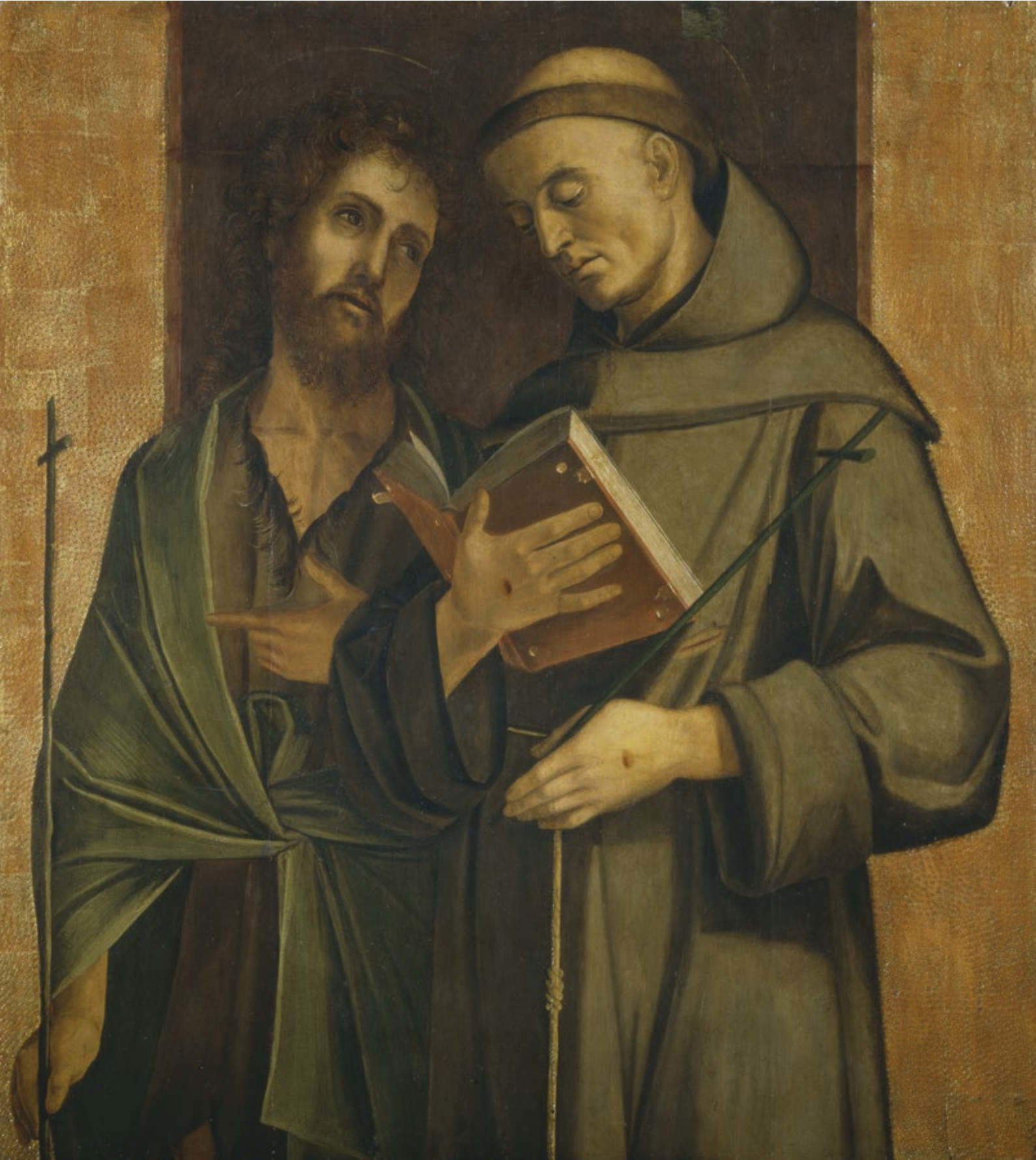
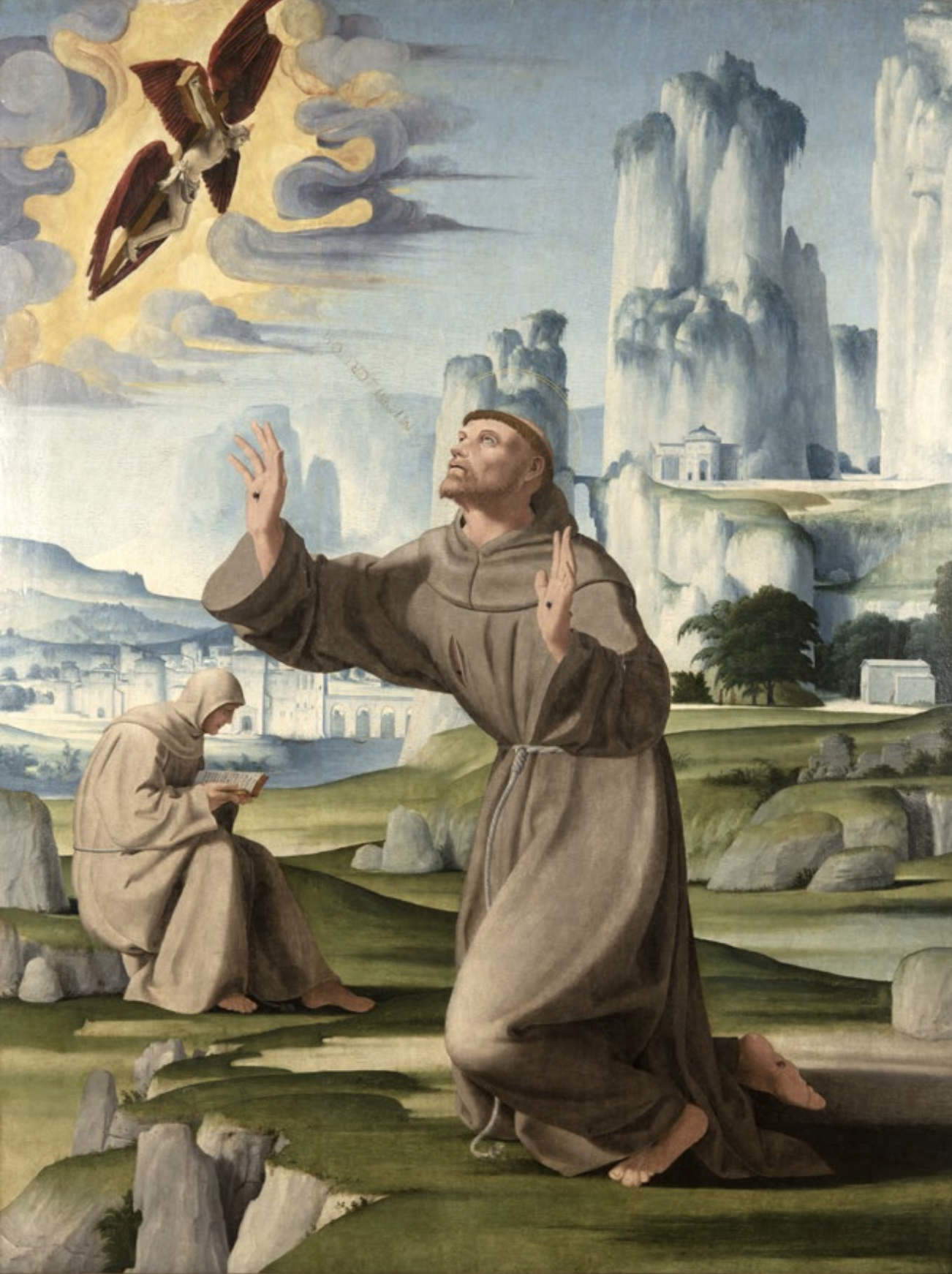
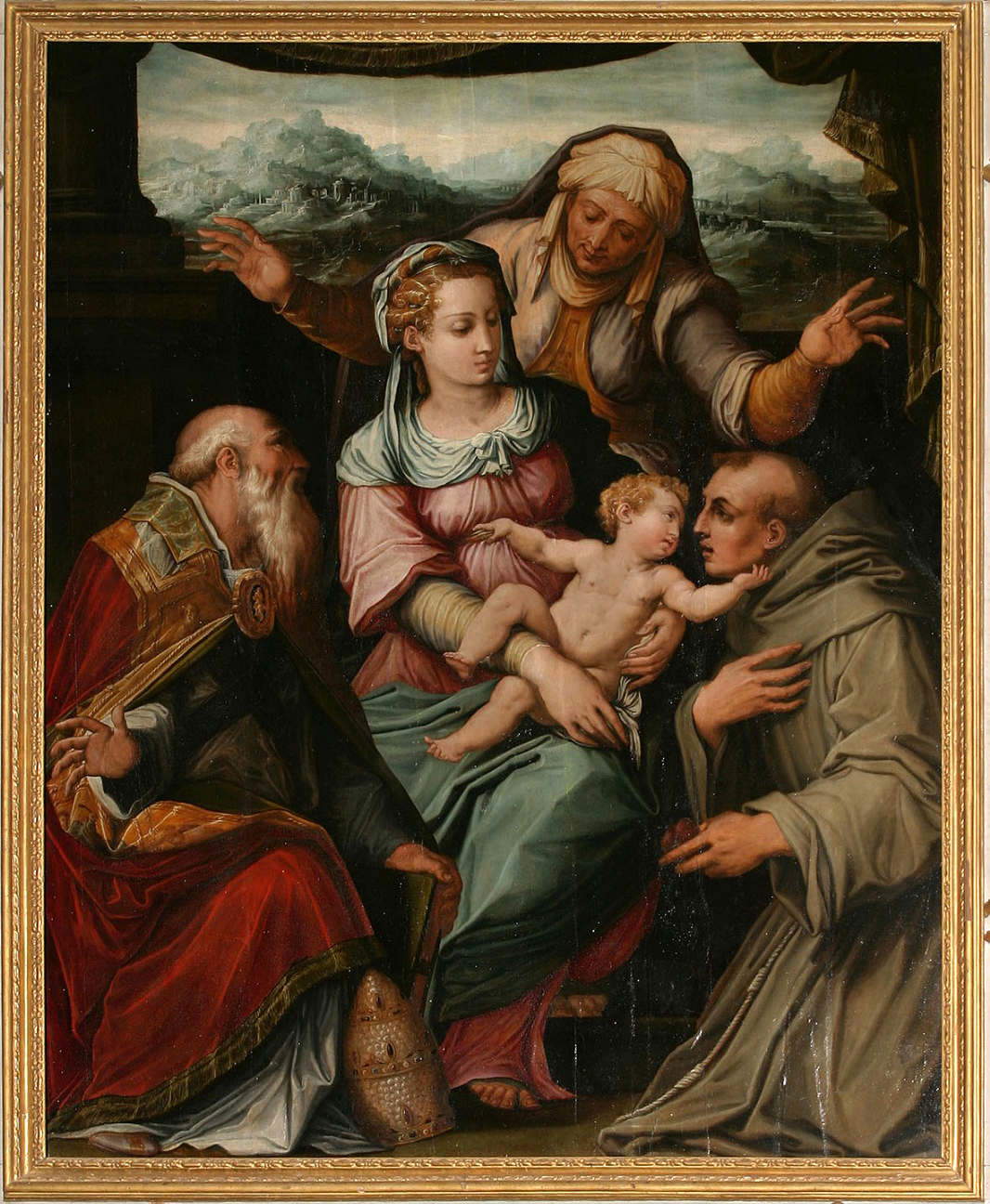
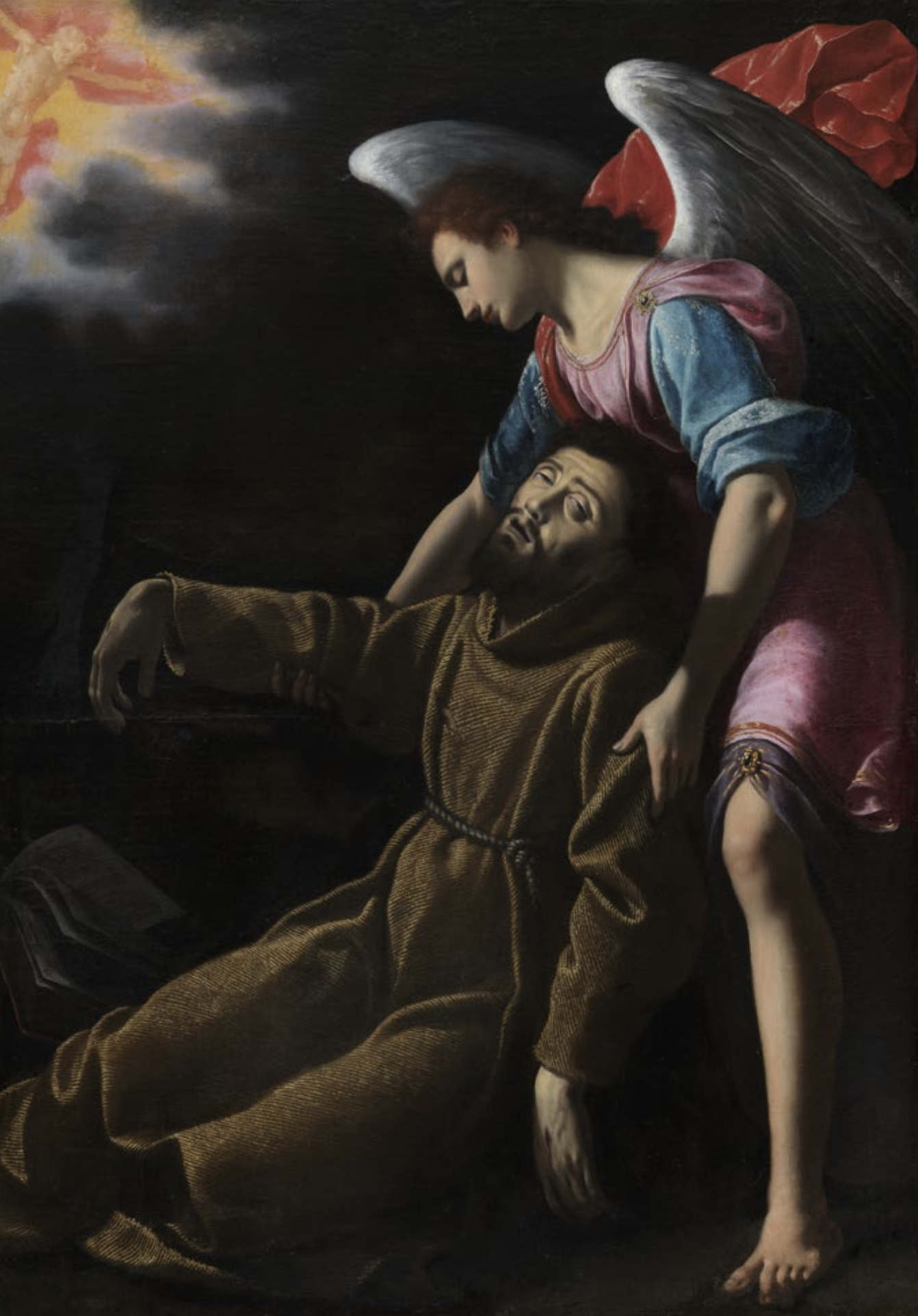
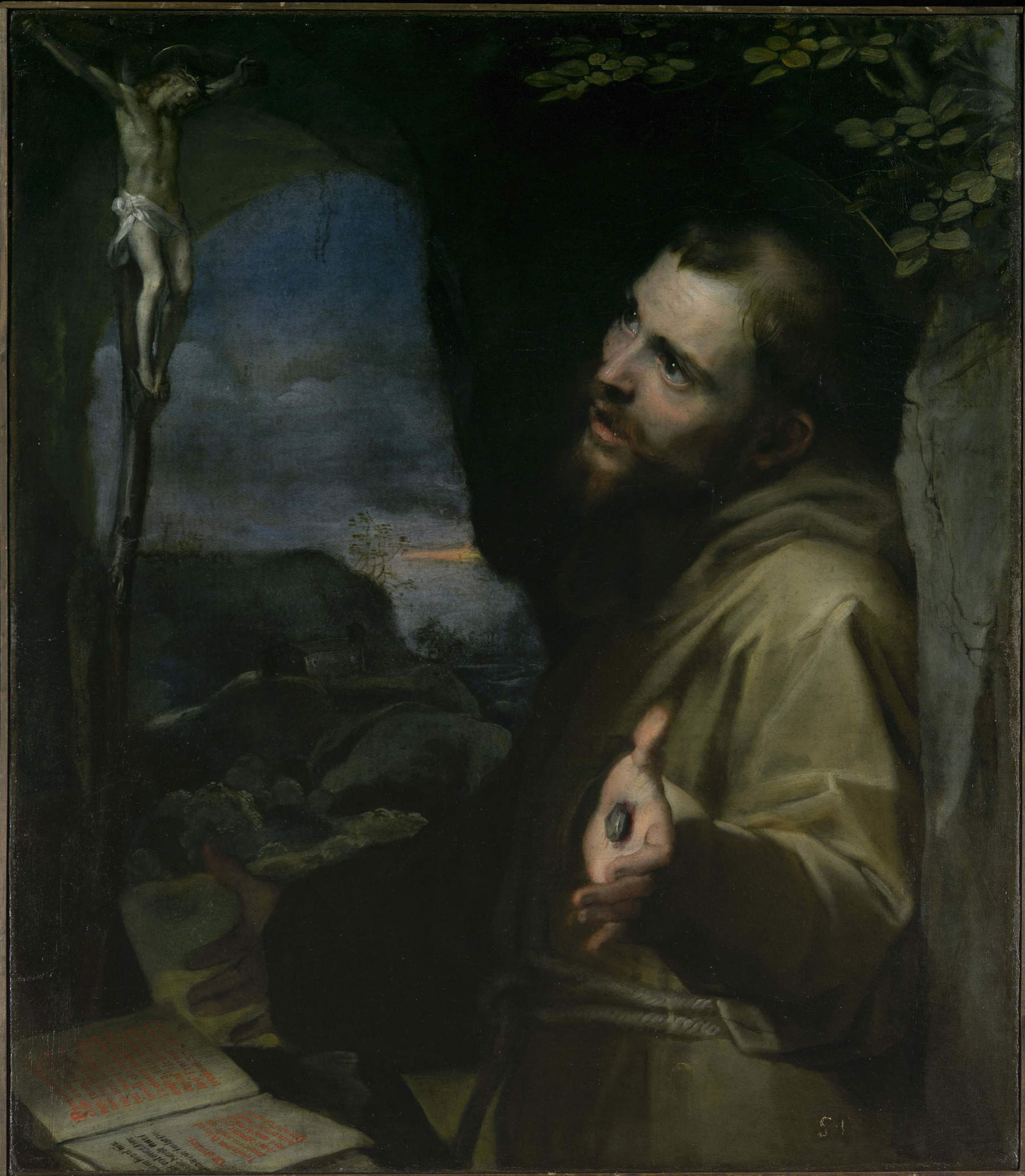
With the Counter-Reformation, between the late 16th and 17th centuries, the image of Francis gave rise to various interpretations. Most of the large altarpieces from this period are gathered in the Sala Sant’Ignazio, one of the most important 17th-century buildings in Arezzo. In keeping with the sensibilities of the time, painters emphasized the mysticism of solitary meditation. Annibale Carracci, in the painting at the Gallerie dell’Accademia in Venice, depicts the saint in adoration of the Crucifix. Federico Barocci, in his *St. Francis in the Cave* —on loan from the Metropolitan Museum—depicts him lost in ecstasy within a rocky shelter, an image of humility and the “richness of poverty.” During the same period, Jacopo Ligozzi illustrated the *Description of the Sacred Mount of Vernia*(1612), endowing the sanctuary and its rocks with a rugged and powerful physicality. Also on display is Ligozzi’s large *Allegory of the Cord* from 1589, painted for the Bosco ai Frati, in which the saint distributes cords to friars and devotees of all walks of life. Acidini interprets this as a possible Franciscan response to the popularity of the Rosary, which originated in the Dominican order. In the Baroque period, then, Francis appears in triumphant and swirling scenes: in Luca Giordano’s *The Stigmata*, for example, he encounters the divine in the glory of Paradise through an ecstatic vision, while this section is rounded out by Pietro da Cortona’s *Madonna Enthroned with the Child and Saints*, Guercino ’s *St. Francis in Adoration of the Crucifix *, and Angelo Ricci’s *The Immaculate Conception among Franciscan Saints *.
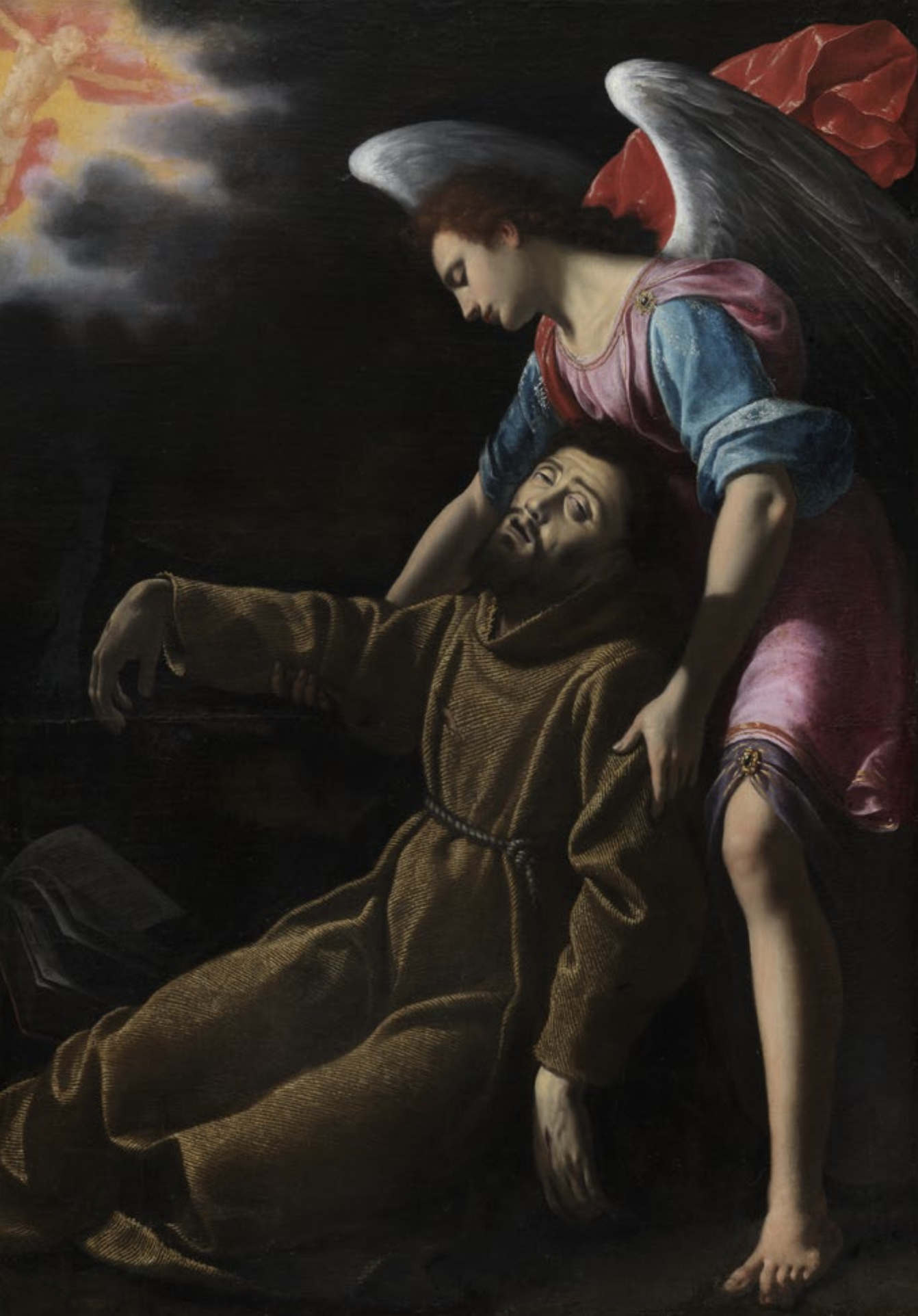
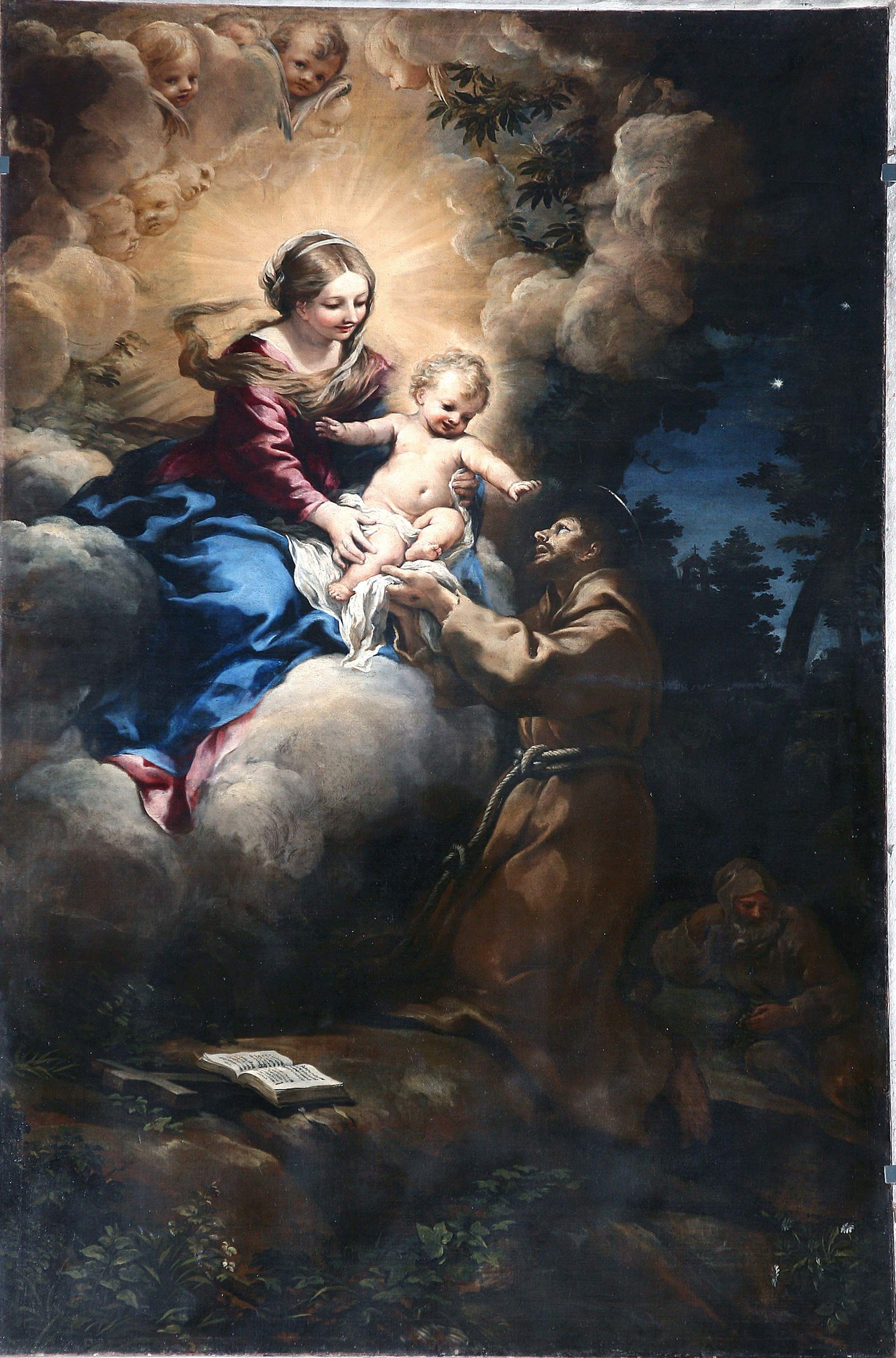
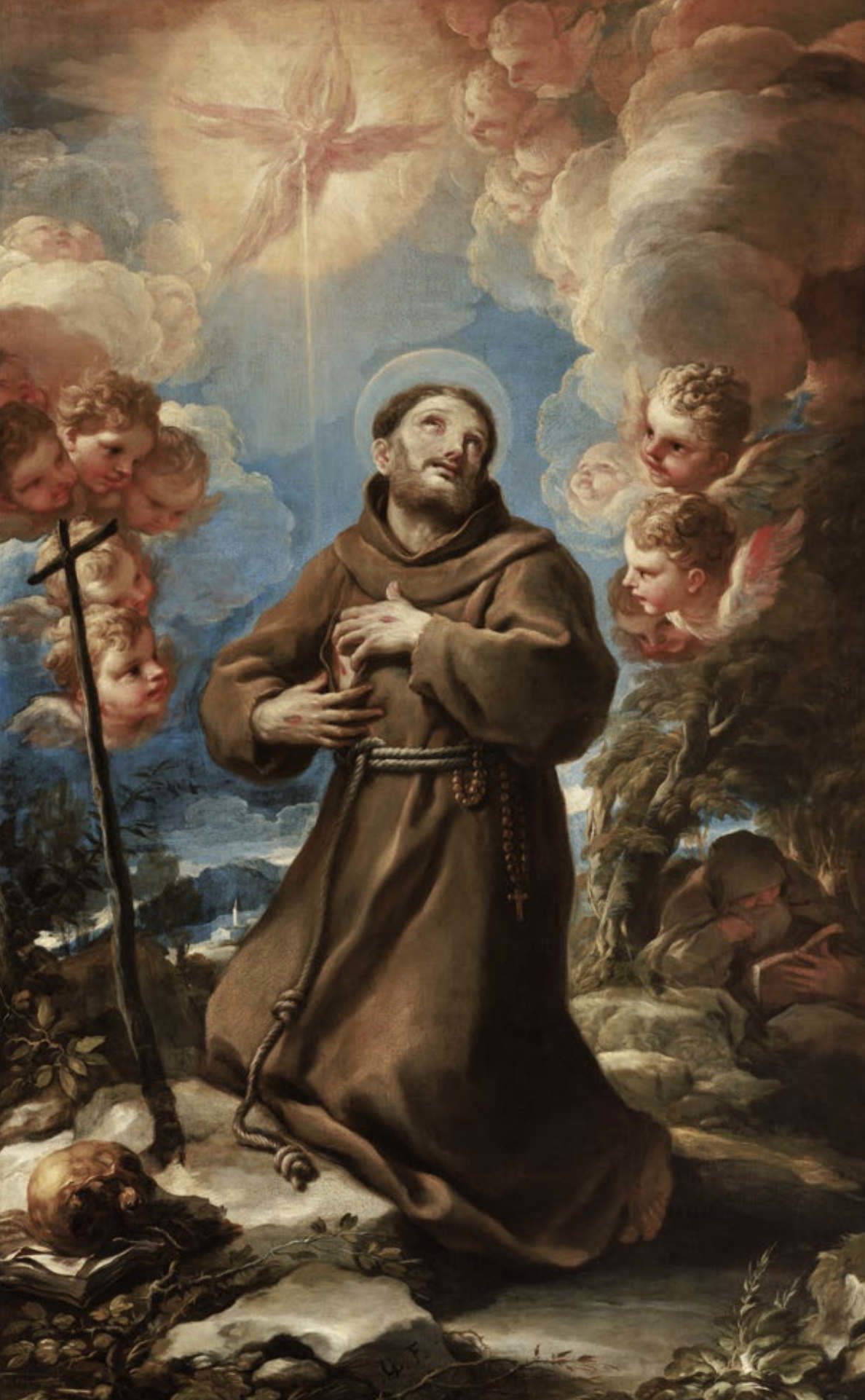
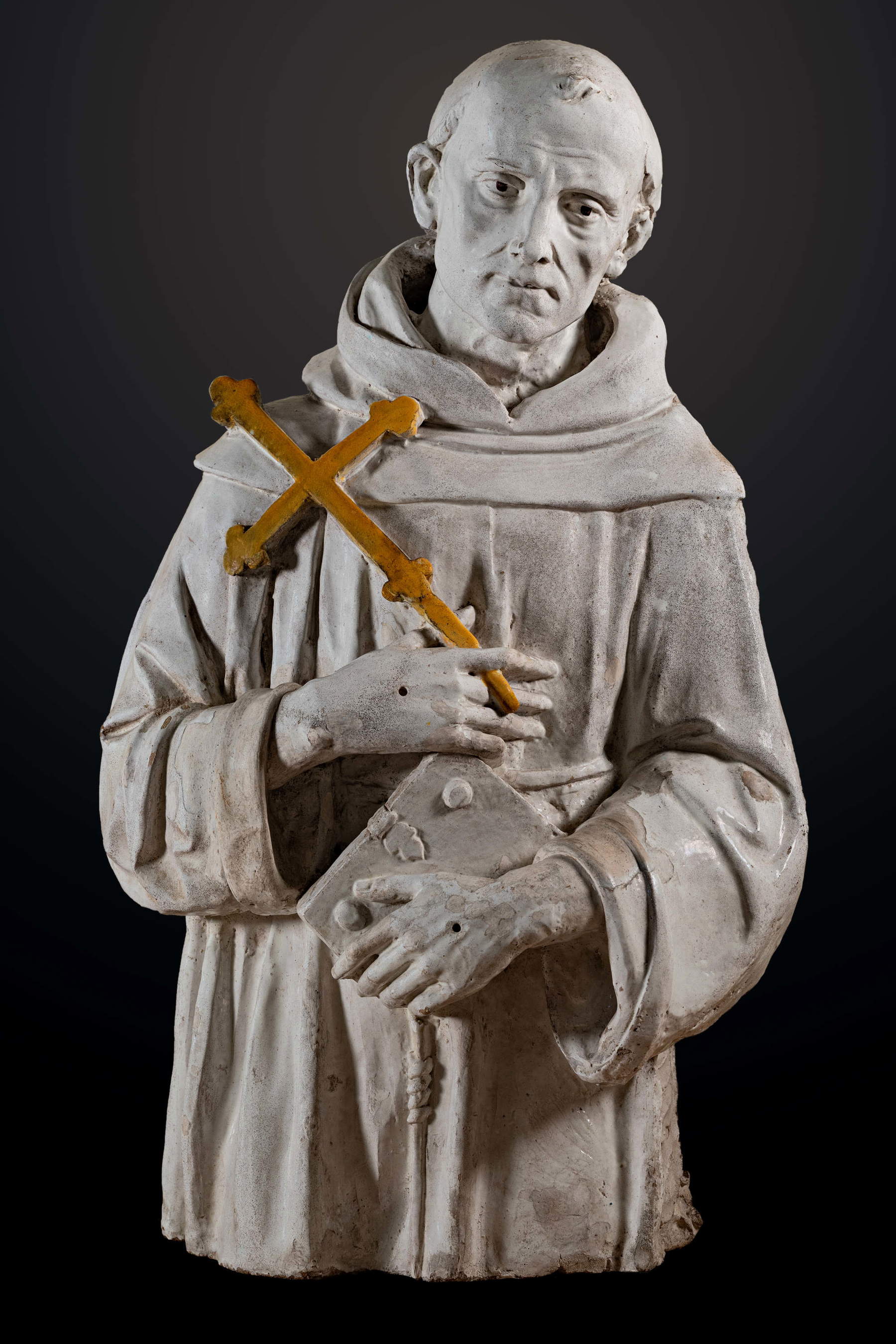
By the 18th century, Acidini explains, the saint’s presence in art began to wane. His message of poverty and the mysticism of his ecstasies were at odds with the rationalism of the Enlightenment, and the suppression of religious orders brought commissions to a halt. In the 19th and 20th centuries, Francis returned to the forefront, with once again diverse approaches. Some artists revisited the edifying tales and miracles, while others emphasized his simple and essential spirituality. This is the case with Antonio Ciseri, who, in his 1887 work *St. Francis Receiving the Stigmata*, places him face-to-face with the Crucifix. Another example is Libero Andreotti, with the ascetic figure reaching toward God in his 1920 plaster sculpture. And this is also the case with the wooden sculpture designed by Gio Ponti in collaboration with Father Costantino Ruggeri around 1965 for the Church of Santa Maria Annunciata at the San Carlo Borromeo Hospital in Milan: it is part of a series of twenty-two figures of saints. In the Acidini catalog, it is interpreted as a response to Paul VI’s address to artists that same year.
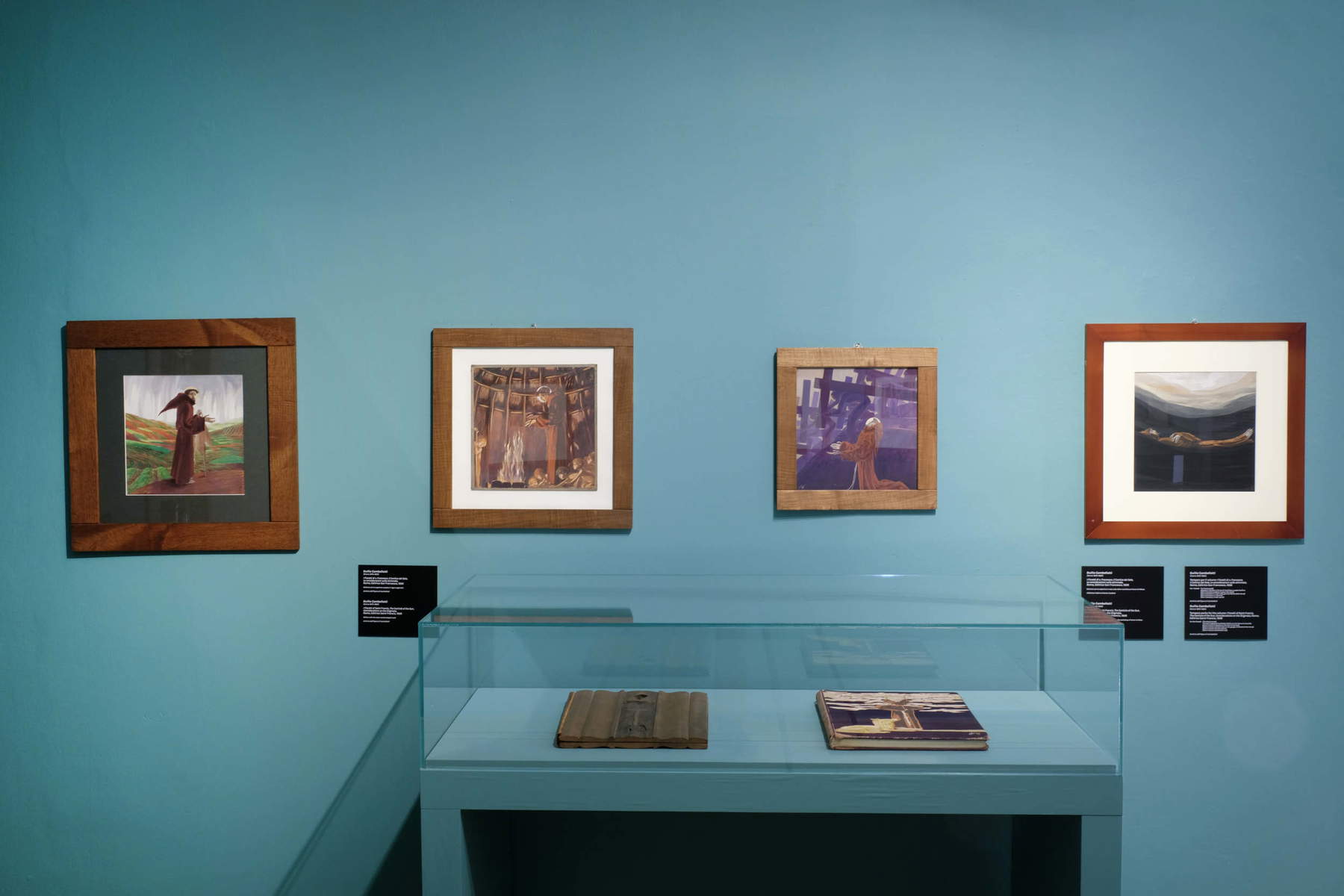
The final section is dedicated to the Franciscan celebrations of 1926, marking the seventh centenary of his death. At that time, numerous artistic initiatives sprang up throughout Italy, often linked to messages of nationalist propaganda. The central figure is Duilio Cambellotti, who, among other works, created a stained-glass window dedicated to the saint and edited an entire volume on the *Fioretti* and the miracles of Francis, published in 1926; many of his tempera paintings from this project are on display. Also on display is one of his sketches for a centennial postage stamp that was never issued.
The exhibition is a project of the City of Arezzo and the Fondazione CR Firenze in collaboration with the Fondazione Guido d’Arezzo. It is organized in agreement with the dioceses, the Franciscan communities, and the offices of the Ministry of Culture, and is sponsored by the National Committee for the 800th anniversary of the death of St. Francis of Assisi. The Ministry of Culture and the Region of Tuscany have provided patronage and funding. Collaborating partners include the Diocese of Arezzo, Cortona, and Sansepolcro, and the Regional Directorate of Museums of Tuscany. The catalog is published by Mandragora. The main sponsor is Estra, with contributions from Coingas, Caurum, Unicoop Firenze, Tesi, and LFI. The technical sponsors are AXA and Insurance Advisor; the technology partner is Metriks.Ai.
“The Image of Francis: From the Middle Ages to the Twentieth Century” is open through January 10, 2027, at the Municipal Gallery of Contemporary Art, located at Piazza San Francesco 4, and at the Sala Sant’Ignazio, located at Via Giosuè Carducci 7, in Arezzo. Those who wish to follow in the saint’s footsteps can also explore “Le vie di Francesco,” the trails promoted by the Region of Tuscany that retrace the routes of St. Francis and his friars.
 |
| Eight Centuries of Images of St. Francis on Display in Arezzo, from the Middle Ages to Gio Ponti |
Warning: the translation into English of the original Italian article was created using automatic tools. We undertake to review all articles, but we do not guarantee the total absence of inaccuracies in the translation due to the program. You can find the original by clicking on the ITA button. If you find any mistake,please contact us.