





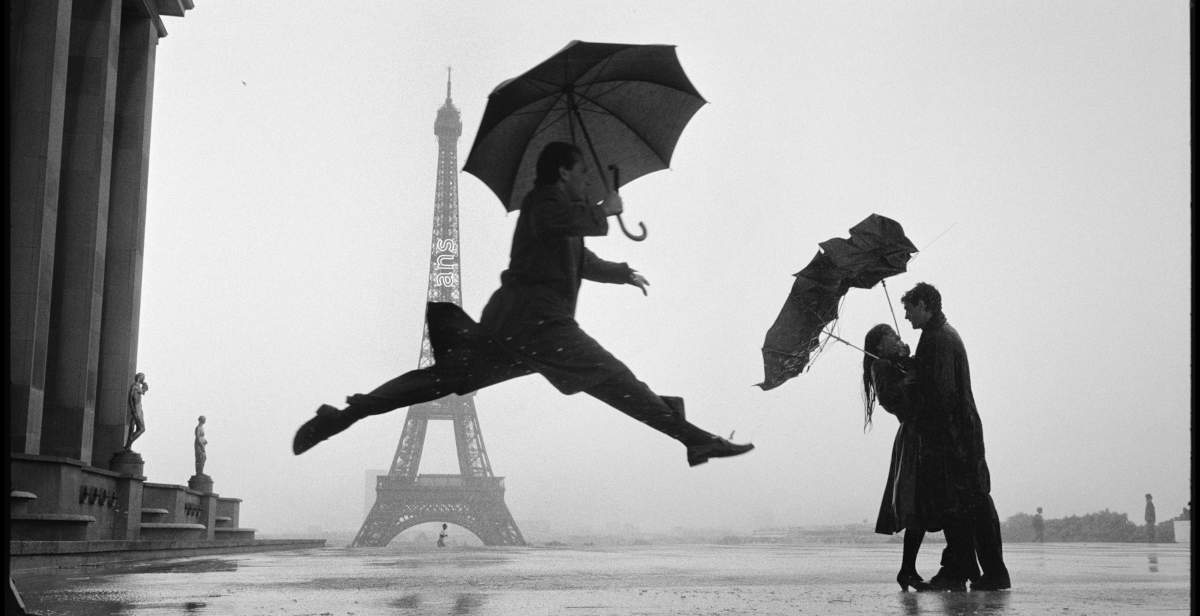
From October 1, 2026, to February 28, 2027, the Civic Archaeological Museum of Bologna will host the exhibition* : Elliott Erwitt. The Art of Observation*, dedicated to one of the leading figures in 20th-century photography. The project, curated by Biba Giacchetti and produced and organized by Civita Mostre e Musei in collaboration with the Civic Archaeological Museum of the Civic Museums Department of the City of Bologna, offers a fresh perspective on the work of Elliott Erwitt (Paris, 1928 – New York, 2023) that goes beyond his most famous images to focus on the man behind the lens.
The exhibition brings together approximately one hundred photographs spanning the artist’s entire career, pairing the images that have entered the collective imagination with a significant selection of works from his private collection, many of which have never been shown to the public. The exhibition aims to convey the complexity of a vision capable of uniting personal memory and collective history, highlighting the relationship between biographical experience and photographic creation.
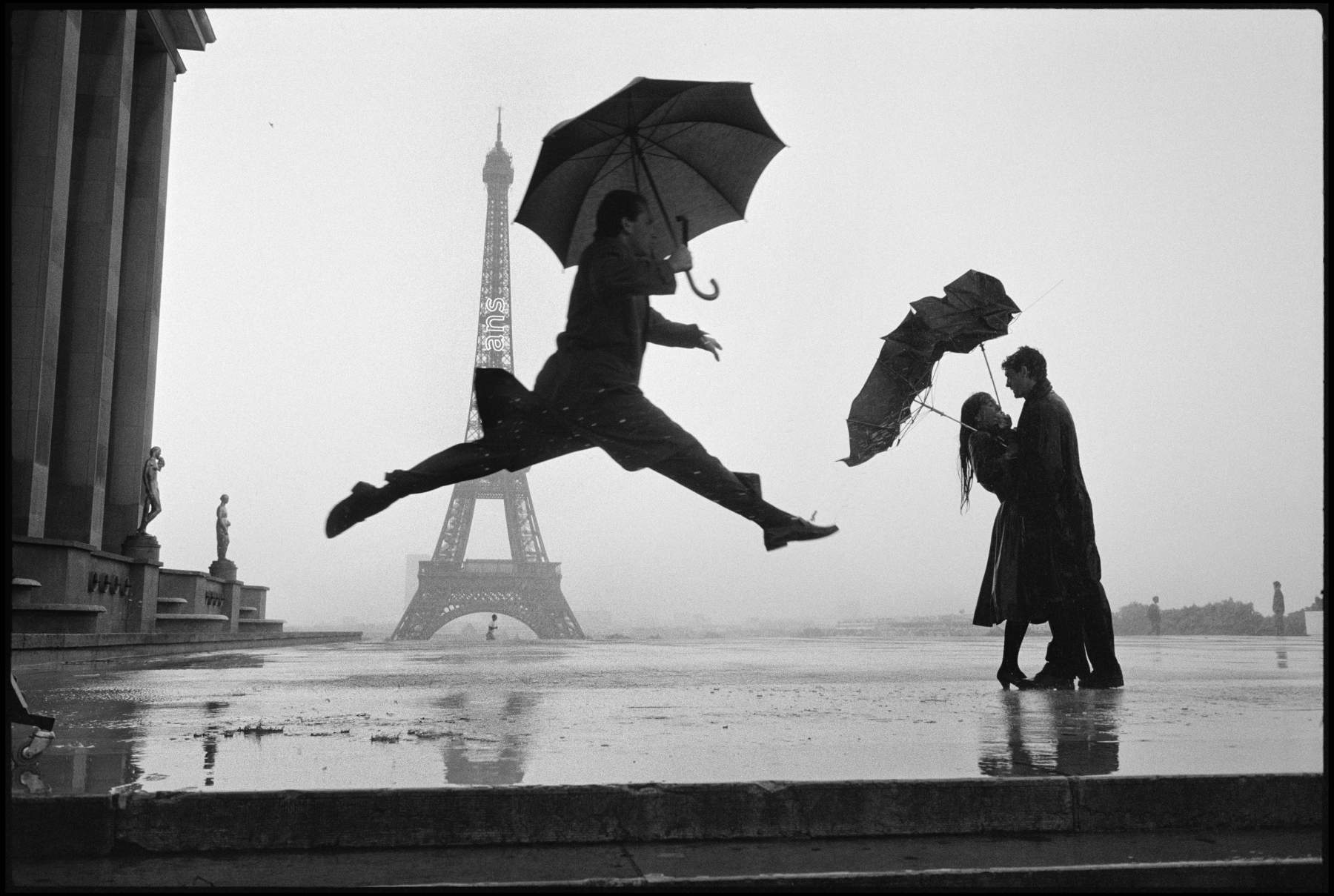
The exhibition presents itself as a dynamic portrait of the photographer: alongside the artist renowned for his ability to transform everyday life into universal images, we see the father, the husband, the friend, the traveler, and the observer of the human condition. His most famous photographs are thus traced back to their private origins, revealing how even the images that have become symbols of the 20th century were born from personal experiences.
The exhibition is divided into five sections and guides visitors through Erwitt’s life and work. Alongside the images that established his international fame—including those featured in the historic exhibition *The Family of Man*, curated by Edward Steichen at the Museum of Modern Art in New York in 1955—is a section dedicated to the artist’s more intimate work.
In this part of the exhibition, photography takes the form of a personal diary, extending beyond the family sphere. The images dedicated to his wives, children, friends, and the people who crossed Erwitt’s path convey emotions, relationships, and gestures capable of resonating with a broader audience. Among the subjects is Edward Steichen, Erwitt’s mentor and role model, portrayed alongside his eldest daughter, as well as Sammy, the dog who accompanied him for many years.
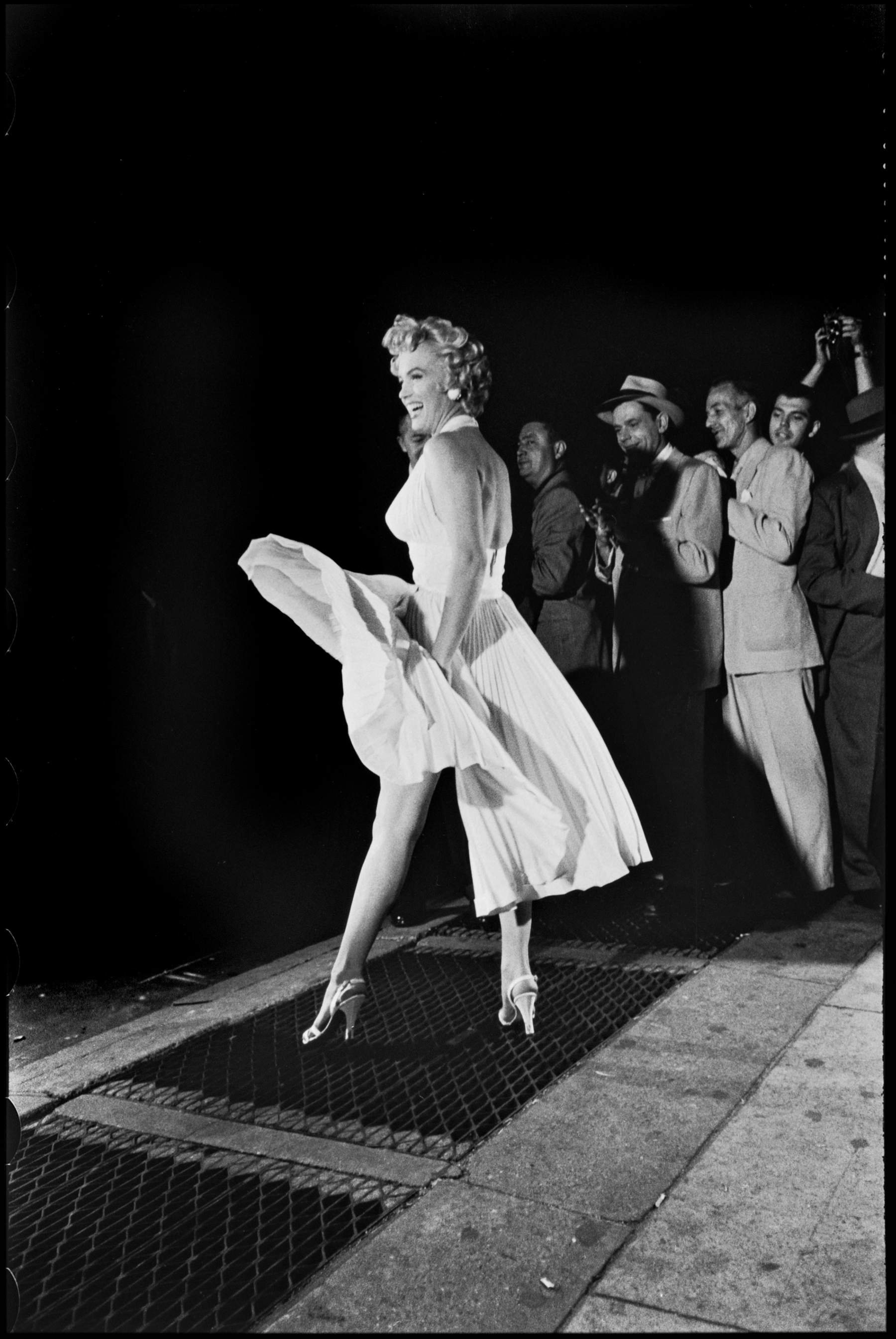
Even now-famous photographs are presented from a new perspective. This is the case with the portrait of little Ellen watched over by her mother—an image that has become one of the iconic photographs of the 20th century—which is returned to its original context as a moment in Erwitt’s family life that was later, almost unconsciously, transformed into a universal icon. Some works also belong to a previously unpublished body of work and are being exhibited for the first time. Each photograph is accompanied by texts that reconstruct the human, emotional, and biographical context from which it emerged.
At the heart of the curatorial project lies the idea of a deeply autobiographical photograph. The irony that characterizes Erwitt’s work is interpreted as the result of a unique ability to observe the contradictions of existence, the fragilities, the tenderness, and the unpredictable aspects of daily life.
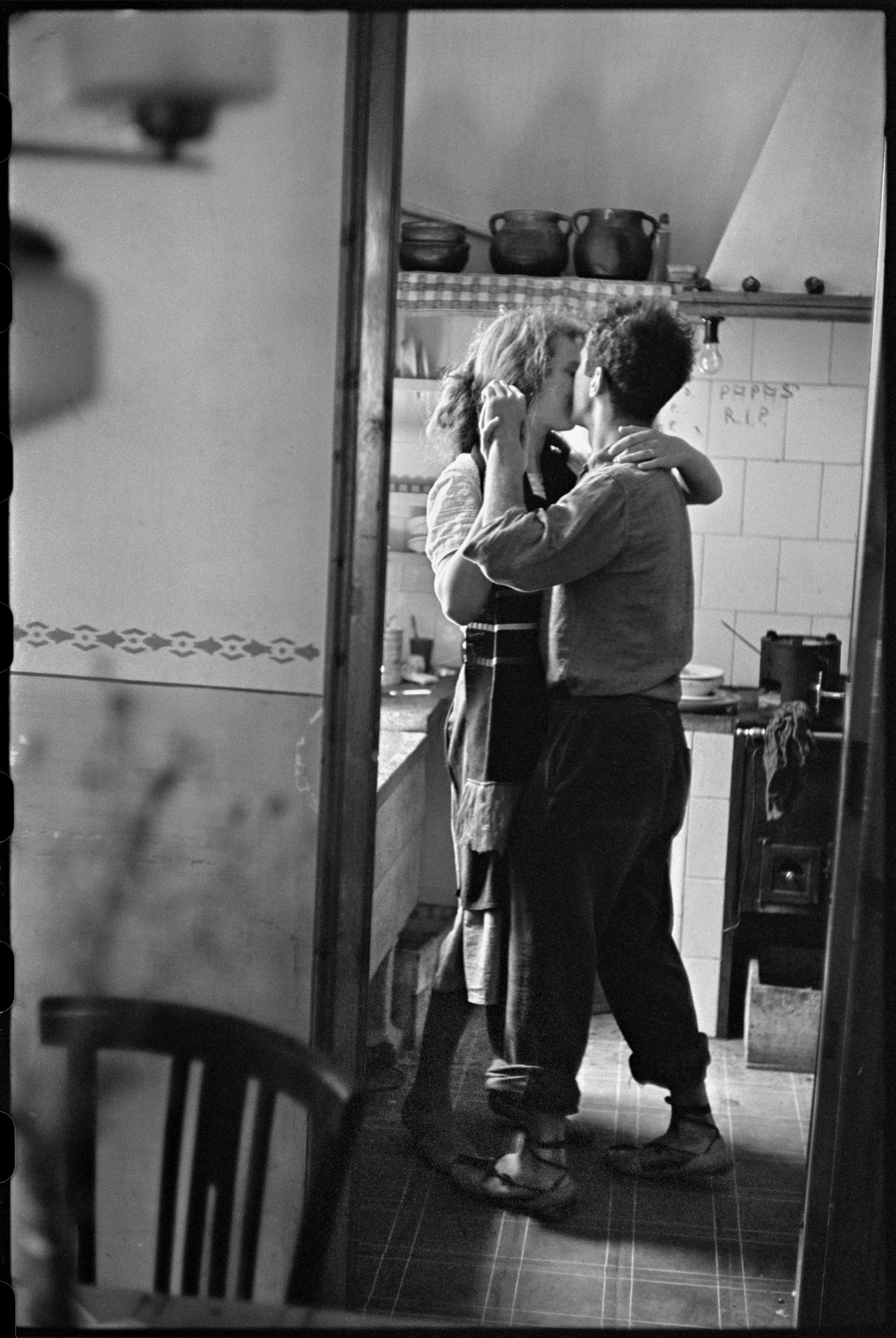
The private photographs thus engage in a dialogue with major photoessays, with the events that shaped the 20th century, and with portraits of figures from politics, cinema, and international culture. The funeral of President John Fitzgerald Kennedy, encounters with movie stars, street scenes, and moments of family life coexist within the same narrative, demonstrating that for Erwitt there was no clear separation between history and the personal sphere.
A specific section of the exhibition is dedicated to the photographer’s relationship with Italy. Before emigrating to the United States, Erwitt spent a formative period of his life in Milan. At the age of ten, he was forced to leave the country with his family due to fascist racial laws, but this departure never severed his ties to Italy, to which he returned several times throughout his life.
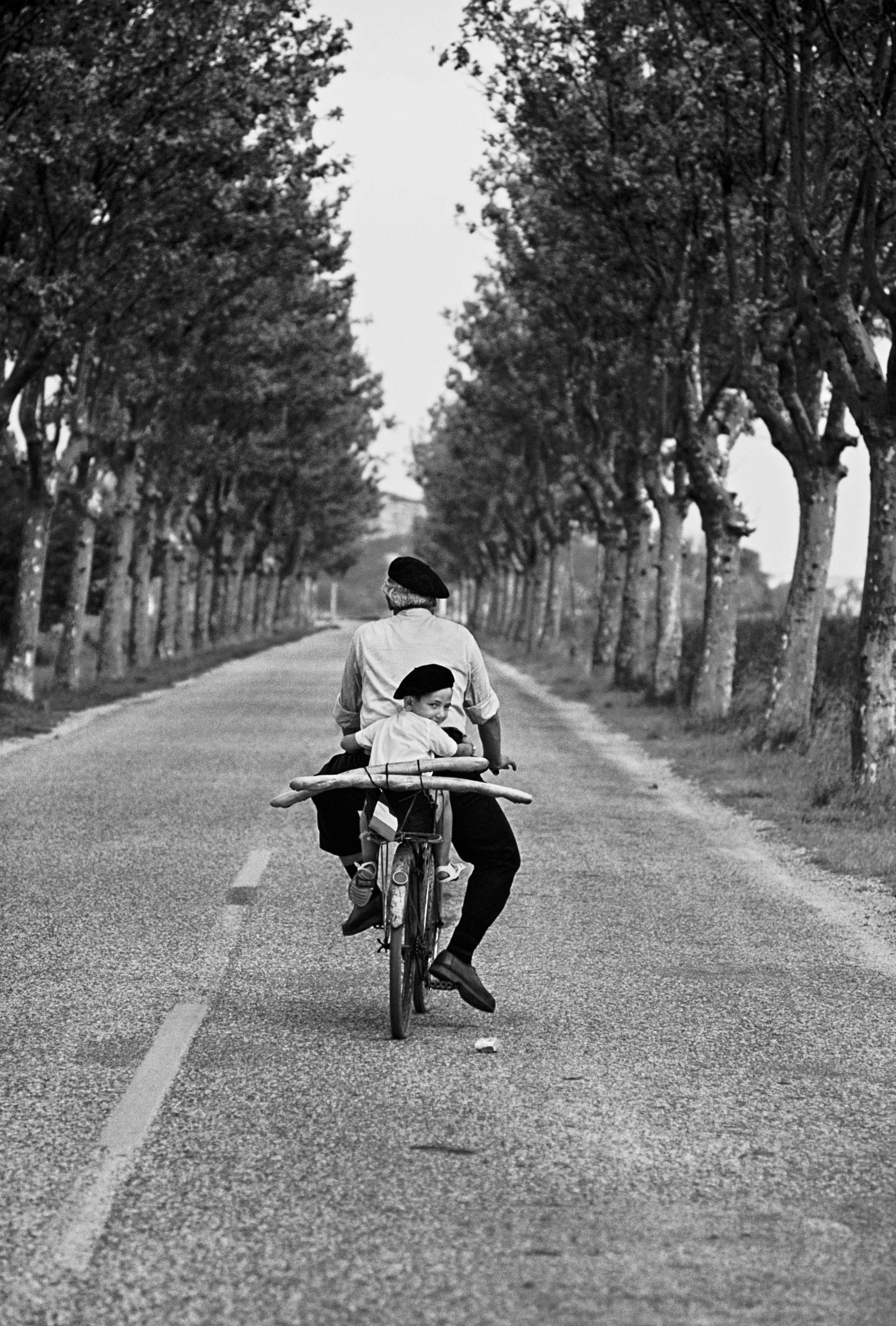
His years in Milan helped shape his visual imagination and cultural sensibility. For Erwitt, Italy remained a sort of emotional homeland—a place tied to personal memory and destined to resurface in his way of seeing the world. This relationship emerges throughout the exhibition through photographs and texts that trace a European and international biography.
The images are accompanied by previously unpublished texts by Biba Giacchetti, who shared over thirty years of professional collaboration and friendship with Erwitt. This relationship provided access to materials, stories, and testimonies that form the core of the exhibition. Through personal memories, conversations, and little-known episodes from the photographer’s life, the exhibition thus offers an interpretation of Erwitt’s work in which photography, memory, and biography intertwine.
 |
| Elliott Erwitt in Bologna: A Glimpse into the Most Intimate Side of the Photographer Who Chronicled the 20th Century |

Warning: the translation into English of the original Italian article was created using automatic tools. We undertake to review all articles, but we do not guarantee the total absence of inaccuracies in the translation due to the program. You can find the original by clicking on the ITA button. If you find any mistake,please contact us.























 IT
IT FR
FR DE
DE ES
ES CN
CN


