



by Redazione 16/11/2026


Categories: Exhibitions / Disclaimer
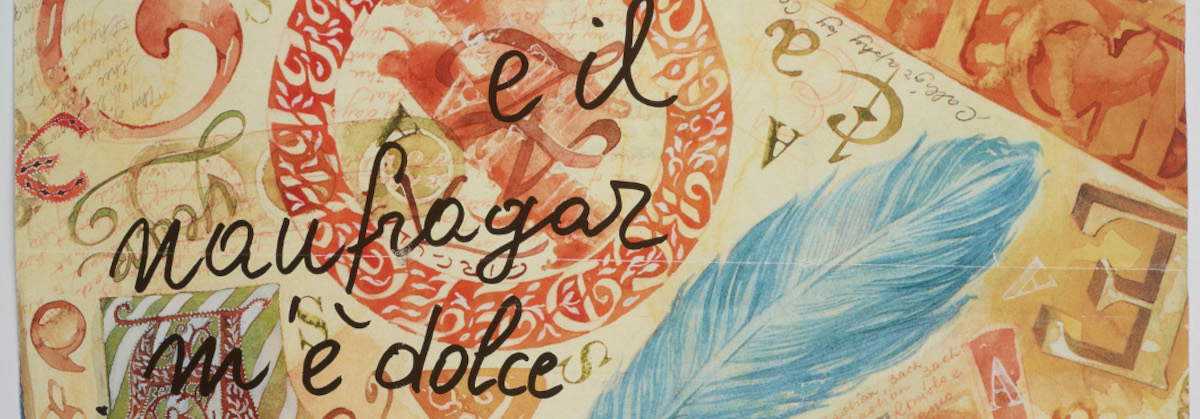
How can Giacomo Leopardi’s poetry engage with the visual arts of the past and present? The MA*GA Museum in Gallarate explores this intersection through an exhibition that brings together historical works and contemporary artistic explorations, featuring some of the leading figures in Italian visual poetry.


Giacomo Leopardi ’s poetry serves as the starting point for a journey through words, images, and artistic experimentation. This is the journey proposed by SECONDO LEOPARDI. From poetry to contemporary art, the exhibition at the MA*GA Museum in Gallarate, in the province of Varese, is dedicated to the dialogue between the work of the great poet from Recanati and contemporary art. Curated by Alessandro Castiglioni, the exhibition will be open from November 15 to December 8, 2026, as part of Duemilalibri 2026, Gallarate’s book and author festival.

The exhibition project stems from a core group of works that entered the museum’s collection thanks to the exhibition *Pagine e Pagine. 1798 / 1998: A Tribute to Giacomo Leopardi*, conceived by Gino Gini in 1998 to celebrate the bicentennial of the poet’s birth. Nearly thirty years later, this heritage is being reinterpreted through a new perspective that connects the historical experiences of visual poetry with the most recent forms of artistic exploration.
Among the artists involved are some key figures in Italian verbal-visual experimentation, such as Tomaso Binga, Mirella Bentivoglio, Lamberto Pignotti, Arrigo Lora Totino, Luciano Caruso, William Xerra, and Irma Blank. Their works engage with Leopardi’s figure and thought, demonstrating how poetry can transcend the boundaries of the written page and transform into image, sign, and visual matter.



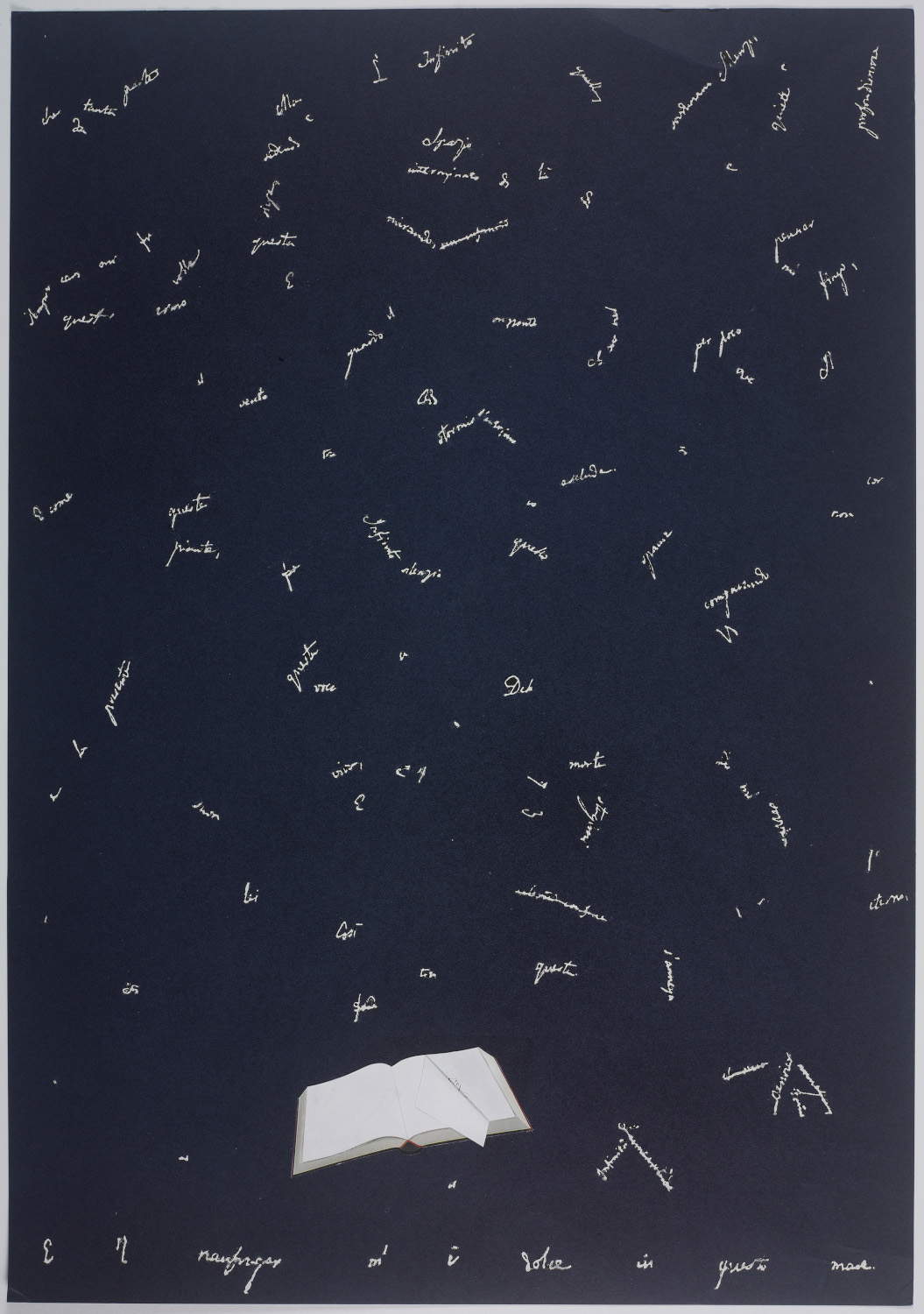
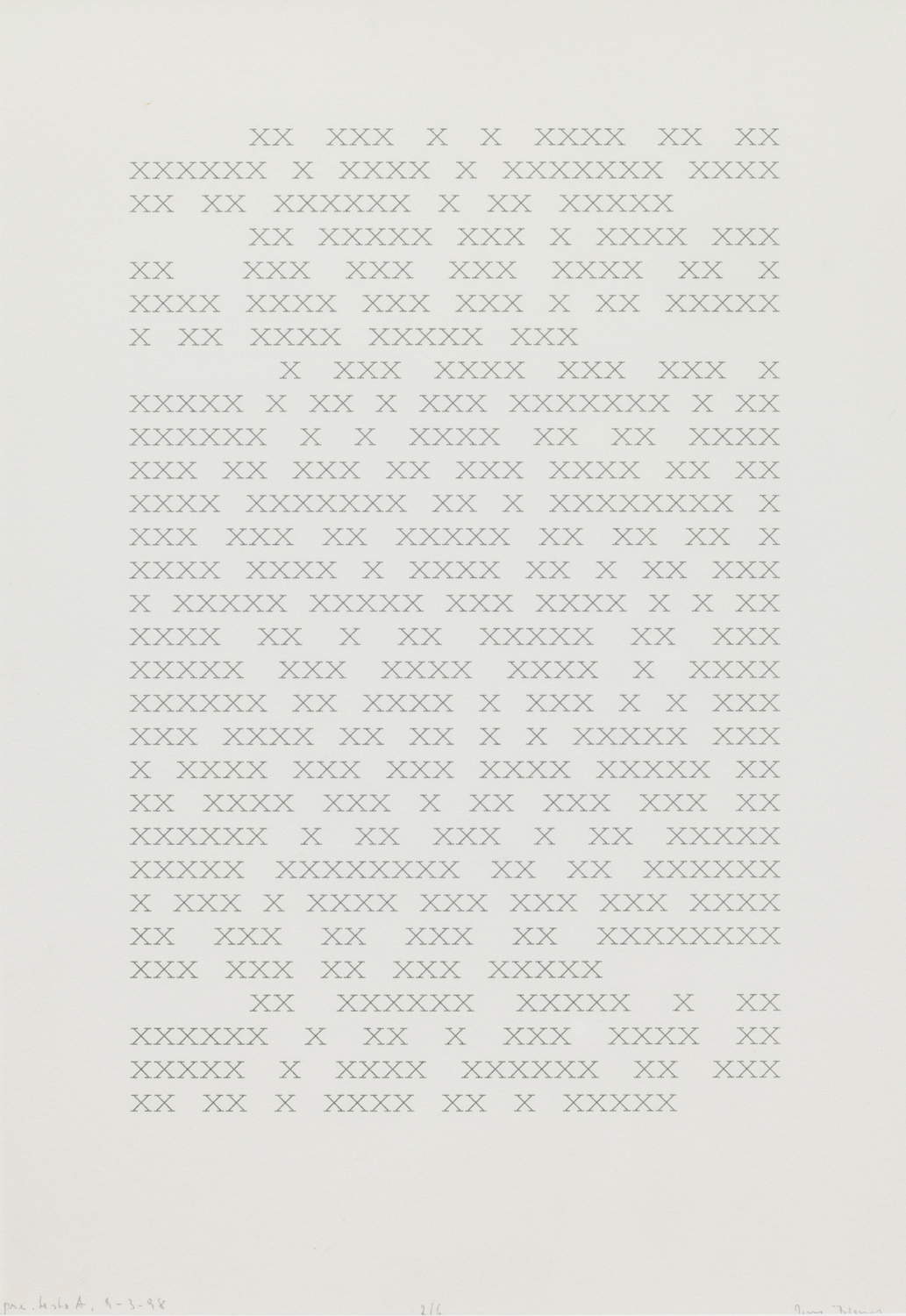
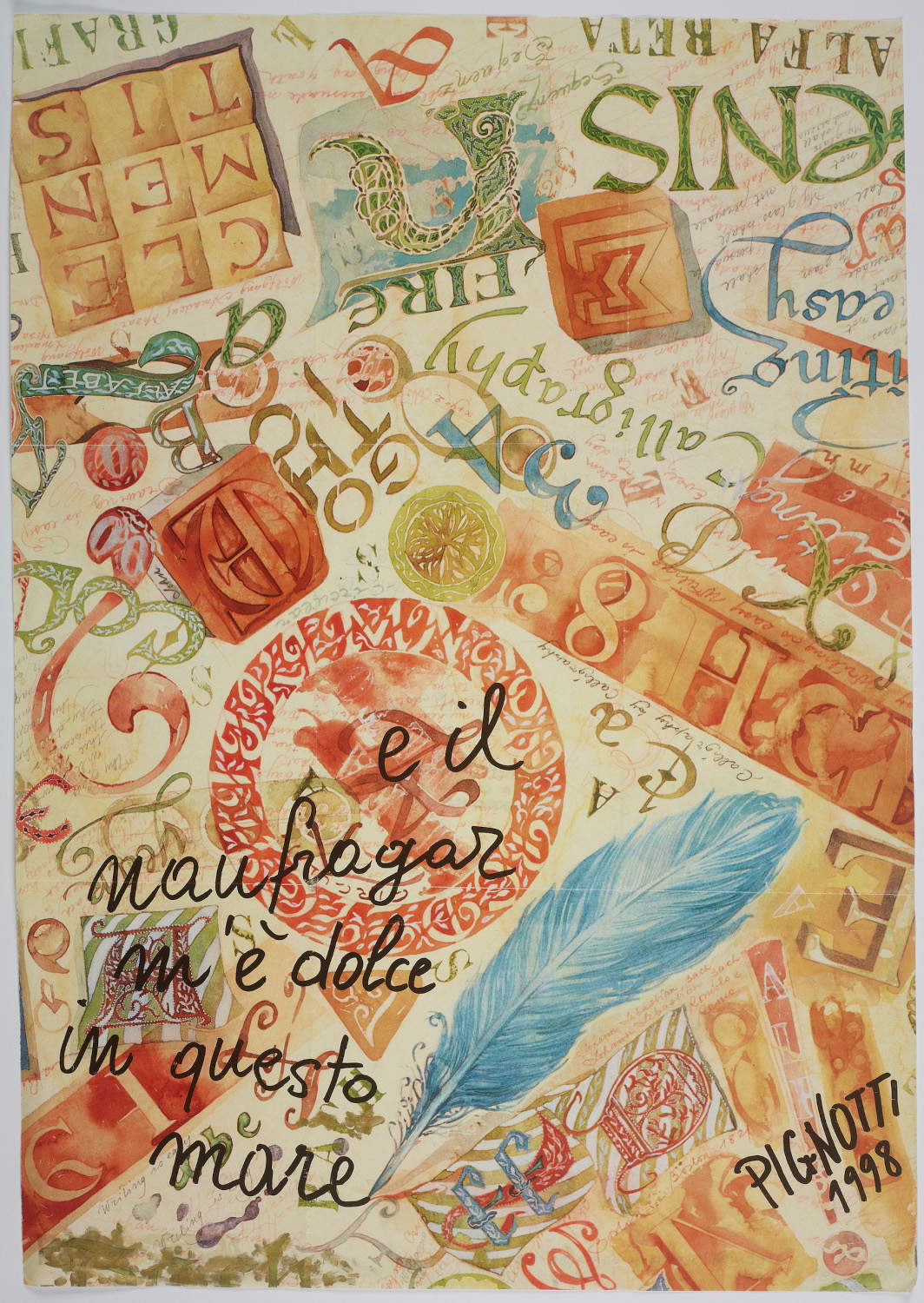
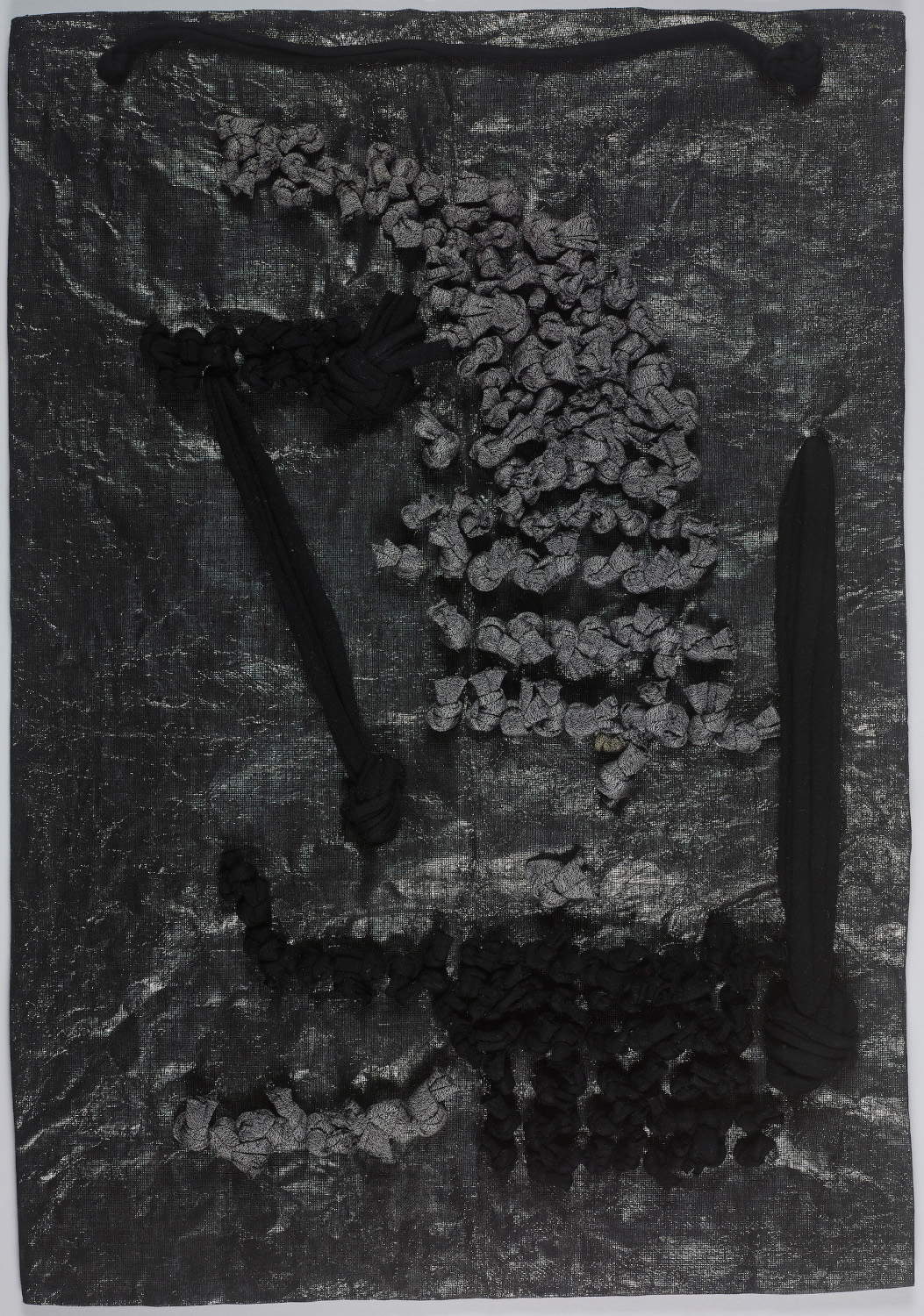
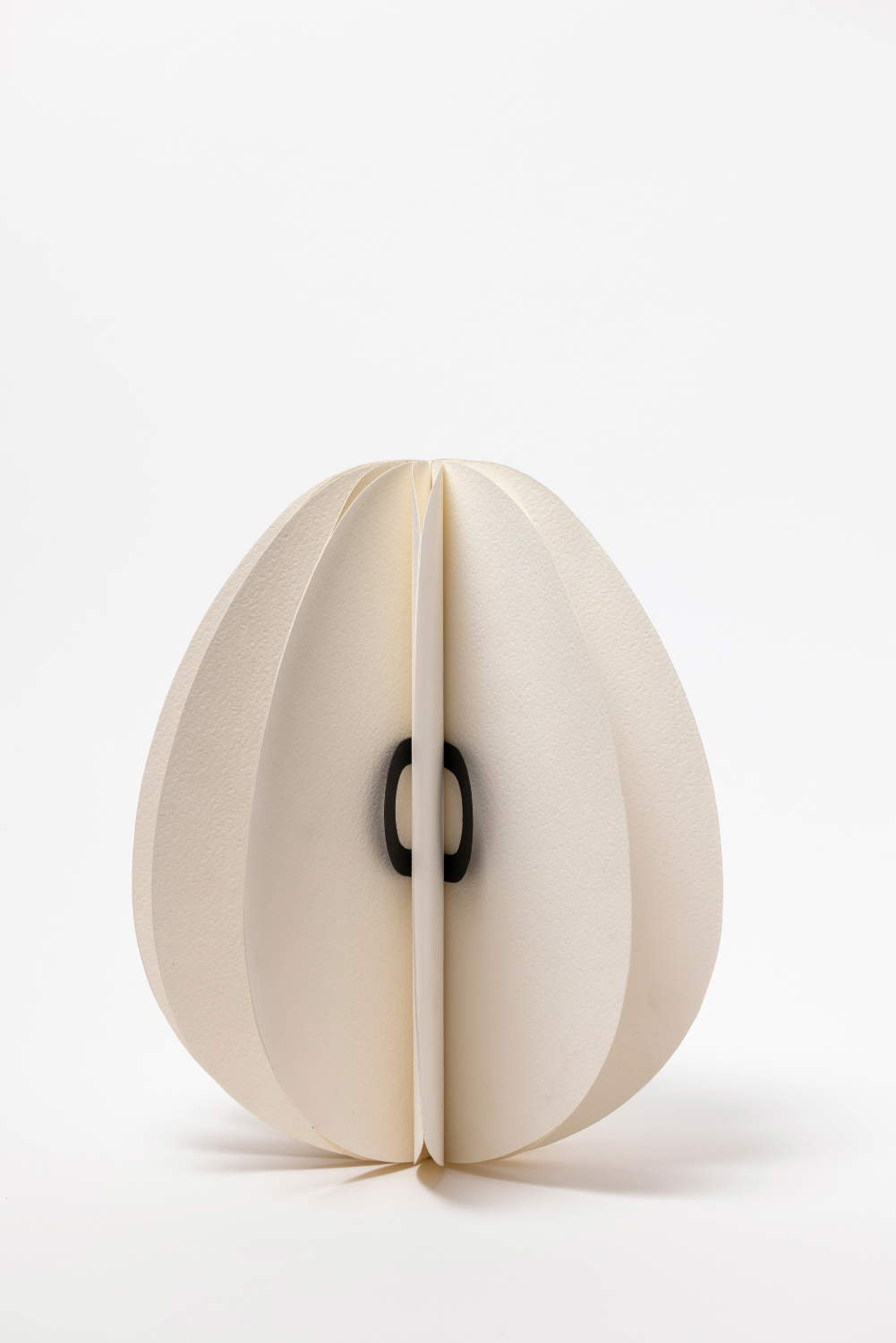
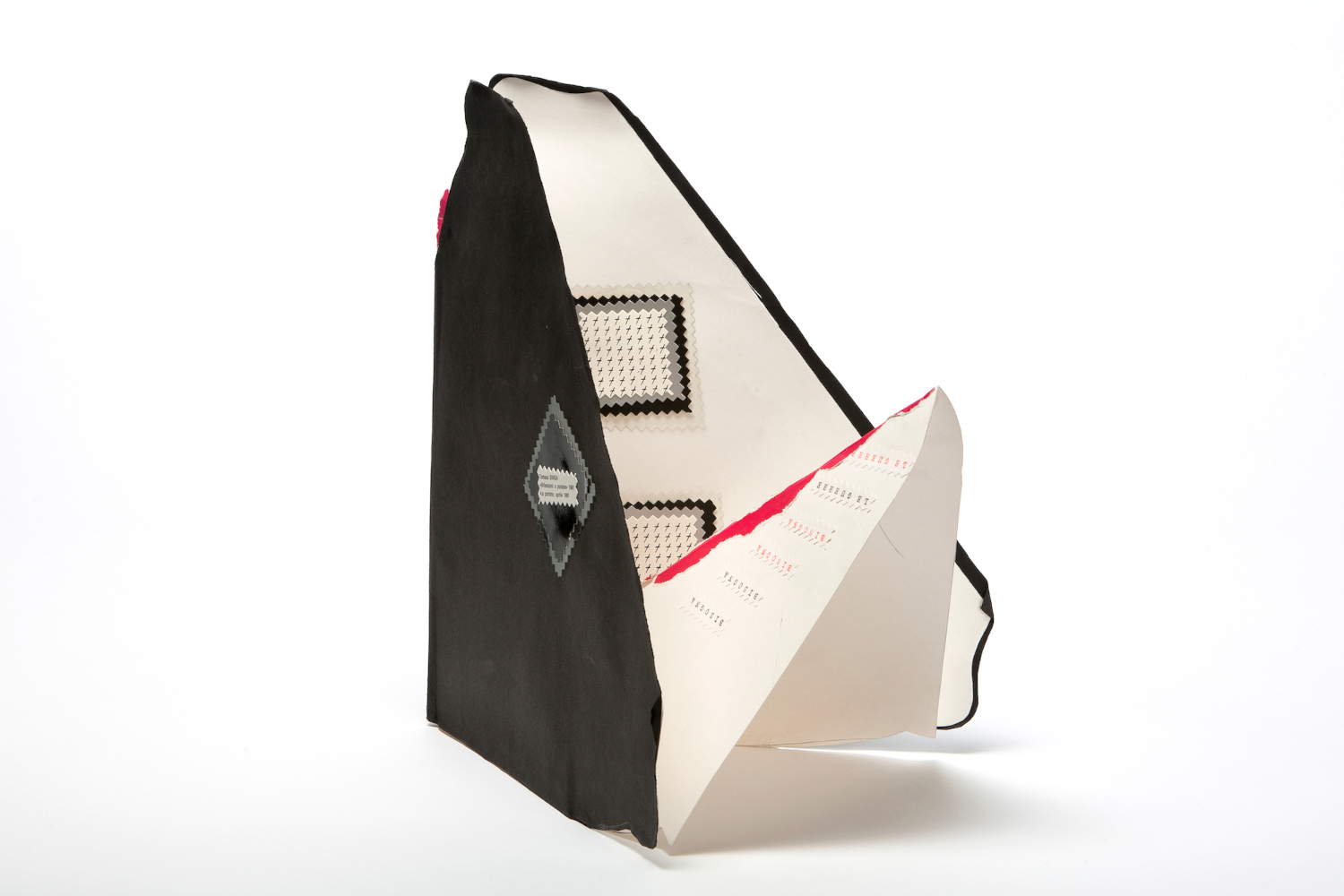
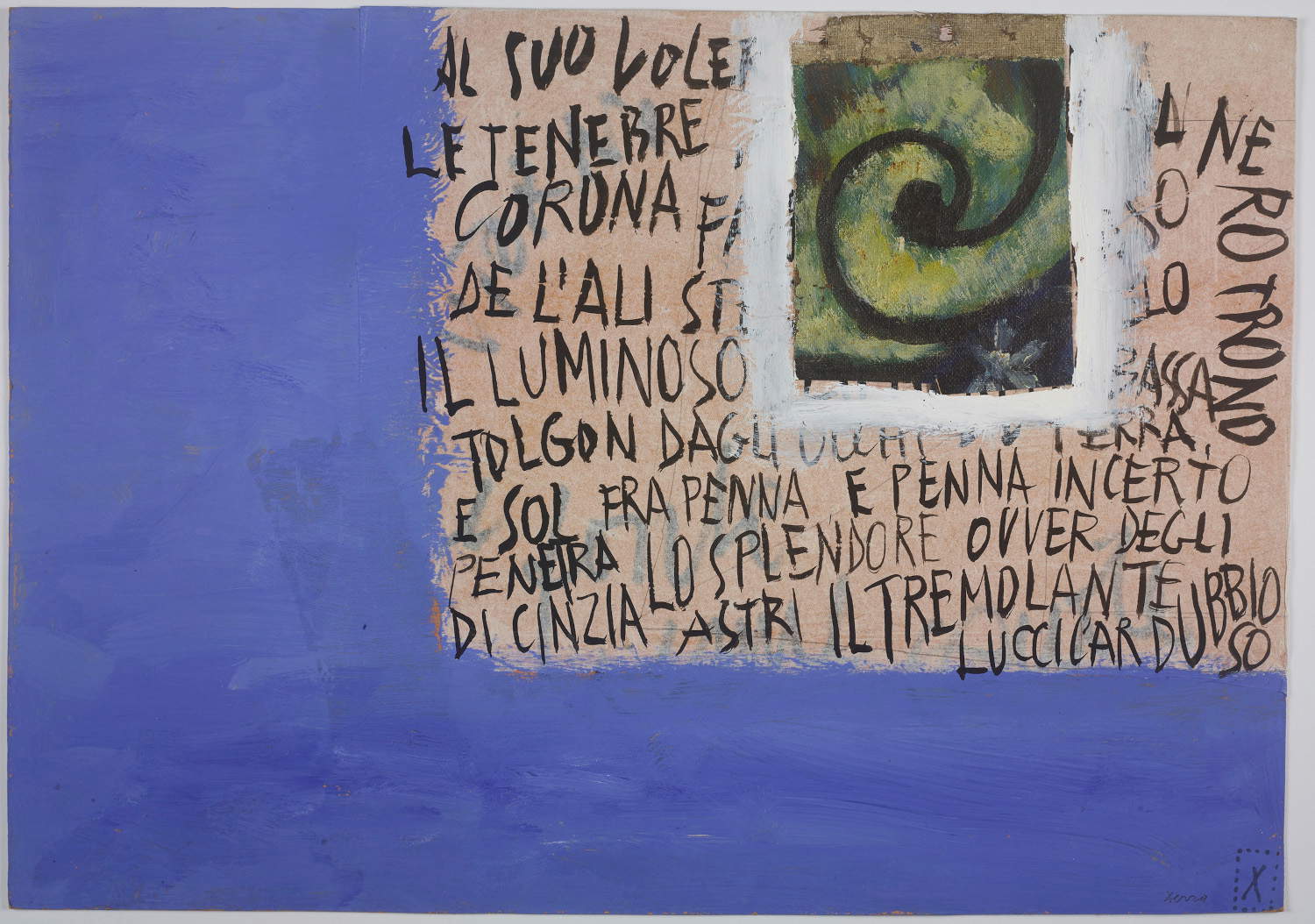
The exhibition unfolds through four thematic sections. The first section focuses on the artists who participated in *Materializzazione del Linguaggio*(Materialization of Language), the renowned exhibition curated by Mirella Bentivoglio in 1978 as part of the 38th Venice Biennale. This was a seminal exhibition in the history of women’s artistic practice and visual poetry, highlighting the expressive potential of language beyond the traditional realm of writing. A second section explores the work of Gino Gini and Fernanda Fedi, key figures in the 1998 exhibition project at MA*GA, from which the current initiative originated. The final two sections, meanwhile, broaden the perspective on Italian poetic-visual experimentation: one is dedicated to artists associated with Gruppo 70, a movement that explored the relationships between words, images, and mass communication; the other brings together artists who have engaged with Leopardi’s universe through approaches independent of visual poetry, including Lucia Pescador, Roberto Sanesi, and Mariuccia Secol.
With SECONDO LEOPARDI, MA*GA thus offers a reinterpretation of the relationship between literature and the visual arts, demonstrating how Leopardi’s work and thought continue to provide food for thought and opportunities for interpretation even for contemporary generations of artists.
“Giacomo Leopardi’s work,” states the exhibition’s curator, Alessandro Castiglioni, “transcends every era, and this exhibition documents just how much it can still convey, inspire, and shape contemporary culture. As one of the greatest living Italian poets (and a native of Gallarate), Franco Buffoni, wrote, ‘Silvia is an anagram,’ and Leopardi himself is an inexhaustible enigma. The works of some of Italy’s most important conceptual artists and visual poets are presented here not to solve that enigma, but to amplify its mystery.”
 |
| How can Giacomo Leopardi engage with the visual arts of the past and present? An exhibition at MA*GA |
Warning: the translation into English of the original Italian article was created using automatic tools. We undertake to review all articles, but we do not guarantee the total absence of inaccuracies in the translation due to the program. You can find the original by clicking on the ITA button. If you find any mistake,please contact us.