




by Redazione 26/11/2026



Categories: Exhibitions / Disclaimer
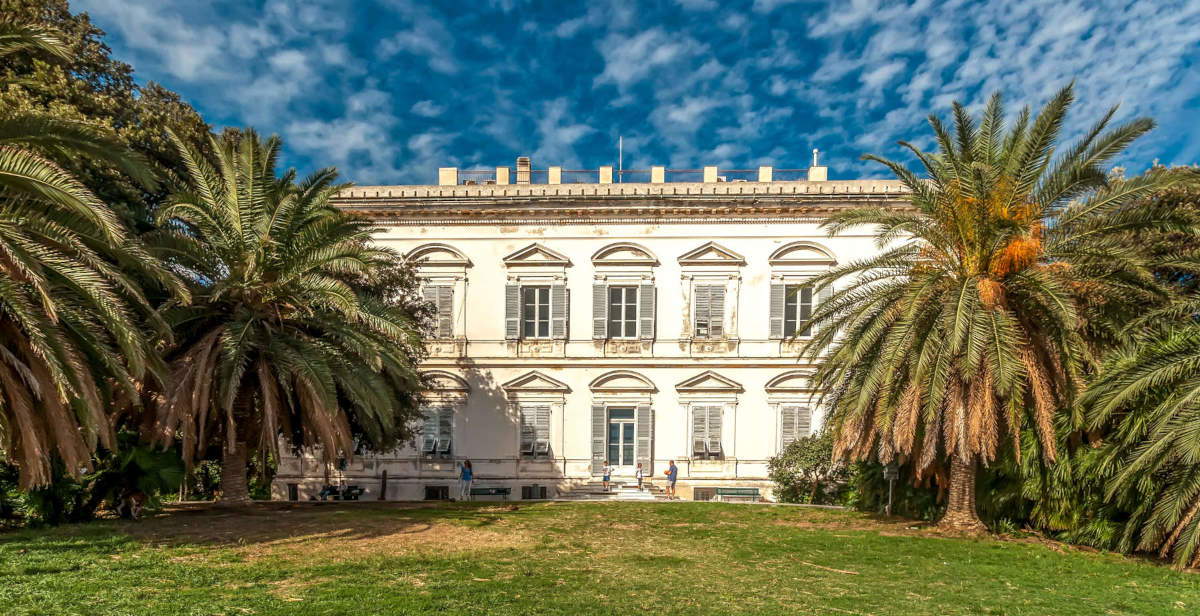
Following its renovation, the Villa Croce Museum of Contemporary Art reopens to the public with an exhibition dedicated to the city’s transformations from 1926 to the present. From November 27 to April 4, 2027, over 400 works and documents trace the emergence of Greater Genoa and the diverse identities of its territories.


How has Genoa changed from 1926 to the present? The exhibition *Cent’anni di Grande Genova* traces a century of urban transformation . This evolving narrative opens on Thursday, November 26, at 5:30 p.m. at the Museum of Contemporary Art at Villa Croce in Genoa, following a renovation project that revitalized the museum’s spaces. The exhibition will be open to the public from November 27 through April 4, 2027, and offers a journey through the urban planning, architectural, and social developments that have helped define the identity of the contemporary city.


Curated by Francesco Saverio Fera, Matteo Fochessati, Simona Gabrielli, Antonio Lavarello, Andrea Michelini, and Gian Luca Porcile, the exhibition brings together over 400 works and documents from archives, museums, universities, corporate archives, and public and private collections in Genoa and throughout Italy. Original drawings, paintings, models, photographs, archival footage, and interviews form a body of evidence that allows visitors to observe the city’s changes through diverse types of materials. A significant portion of the documentation—originally produced to plan or document urban transformations—is unpublished or is being presented to the public for the first time.
Alongside the historical materials, the exhibition also offers a glimpse into the present with Luca Barcellona’s *Skyline No. 12*, a work created as part of the 2026 edition of *The Genoeser Visual Days*, which introduces a contemporary perspective on the relationship between art and the urban landscape into the exhibition itinerary.




The starting point for this reconstruction is 1926, the year of the annexation that led to the formation of Greater Genoa. A transition that, according to the perspective presented by the exhibition, represented not merely an administrative reorganization, but the result of a process of transformation that had already begun in the 19th century, with the development of the port, railway infrastructure, and industry.

The geographical configuration of the territory has helped shape this unique urban structure. Nestled between the sea and the hills, traversed by the Bisagno and Polcevera valleys, and stretching for about thirty kilometers along the coast, Genoa is an example of what is defined as a “city made up of cities”: a unified administrative entity composed of settlements and communities that have preserved their specific characteristics and identities over time. The industrial areas of Ponente, the villages of Levante, and the settlements in the valleys, in fact, create a polycentric reality in which the various territorial components continue to interact with the metropolitan context.
The exhibition addresses this complexity through two complementary perspectives. The first traces the city’s chronological development, from the 19th century to the present day: from the first annexation in 1874 to the post-World War II reconstruction, through the shift toward the service sector and the major international events of 1992 and 2004. The second, on the other hand, relates the territorial dimension of urban plans to the architectural dimension of individual buildings, showing how design choices and transformations of the built environment have contributed to defining Genoa’s current layout.
Comparative maps, corporate graphics, contemporary artworks, and testimonies collected in the “Voci dal presente” oral history archive come together to construct a multidisciplinary narrative, in which different documents and forms of expression allow visitors to interpret the city’s layers and the transformations of its neighborhoods.
The reopening of Villa Croce is also accompanied by an initiative specifically dedicated to physical and cognitive accessibility. Thanks to the renovation work and the installation of a new elevator, all of the museum’s exhibition floors are now free of architectural barriers. The exhibition itinerary also features audio guides and tactile models with Braille captions—tools designed to broaden access to the content.
At the end of the exhibition, visitors will also be able to explore a new gallery—created with funding from the PNRR—where a selection of works from the permanent collection will be accompanied by tactile labels and an audio guide. Dedicated guided tours will also be available by reservation for blind and visually impaired visitors. The exhibition project is realized with the support of Fondazione Compagnia di San Paolo, Iren, Coop Liguria, and Impresa geom. Stefano Cresta Srl.
Statements
“With the reopening of Villa Croce, we are giving the city back a renovated exhibition space, but above all a cultural institution that is fully accessible, inclusive, and reimagined to engage with contemporary art forms,” comments Giacomo Montanari, Councilor for Culture. “In this context, choosing to reinterpret the 100 years of ‘Grande Genova’ means undertaking a necessary exercise in civic awareness: investigating the origins of our unique polycentric structure, made up of valleys, districts, and neighborhoods, each with its own distinct history and precise identity. Only by understanding how this urban mosaic has formed and held together over the course of a century can we equip ourselves with the cultural tools needed to interpret—and navigate—the profound urban, demographic, and social transformations that await Genoa in the coming decades.”
“Genoa is a city that has been able to transform itself over time while maintaining a deep connection to its history and heritage,” states Nicoletta Viziano of the Management Committee of the Fondazione Compagnia di San Paolo. “This project offers the opportunity to reexamine this journey, while at the same time highlighting the role of museums as vibrant spaces, open to the city and capable of engaging with new audiences. As the Fondazione Compagnia di San Paolo, we are pleased to support an initiative that embodies our vision of culture as a driver of knowledge, development, and regional appeal. This investment enhances Genoa’s cultural identity, strengthens its standing, and helps create new opportunities for its future.”
 |
| How Genoa Has Changed from 1926 to Today: Villa Croce Reopens with an Exhibition |
Warning: the translation into English of the original Italian article was created using automatic tools. We undertake to review all articles, but we do not guarantee the total absence of inaccuracies in the translation due to the program. You can find the original by clicking on the ITA button. If you find any mistake,please contact us.