



by Redazione 17/11/2026


Categories: Exhibitions / Disclaimer
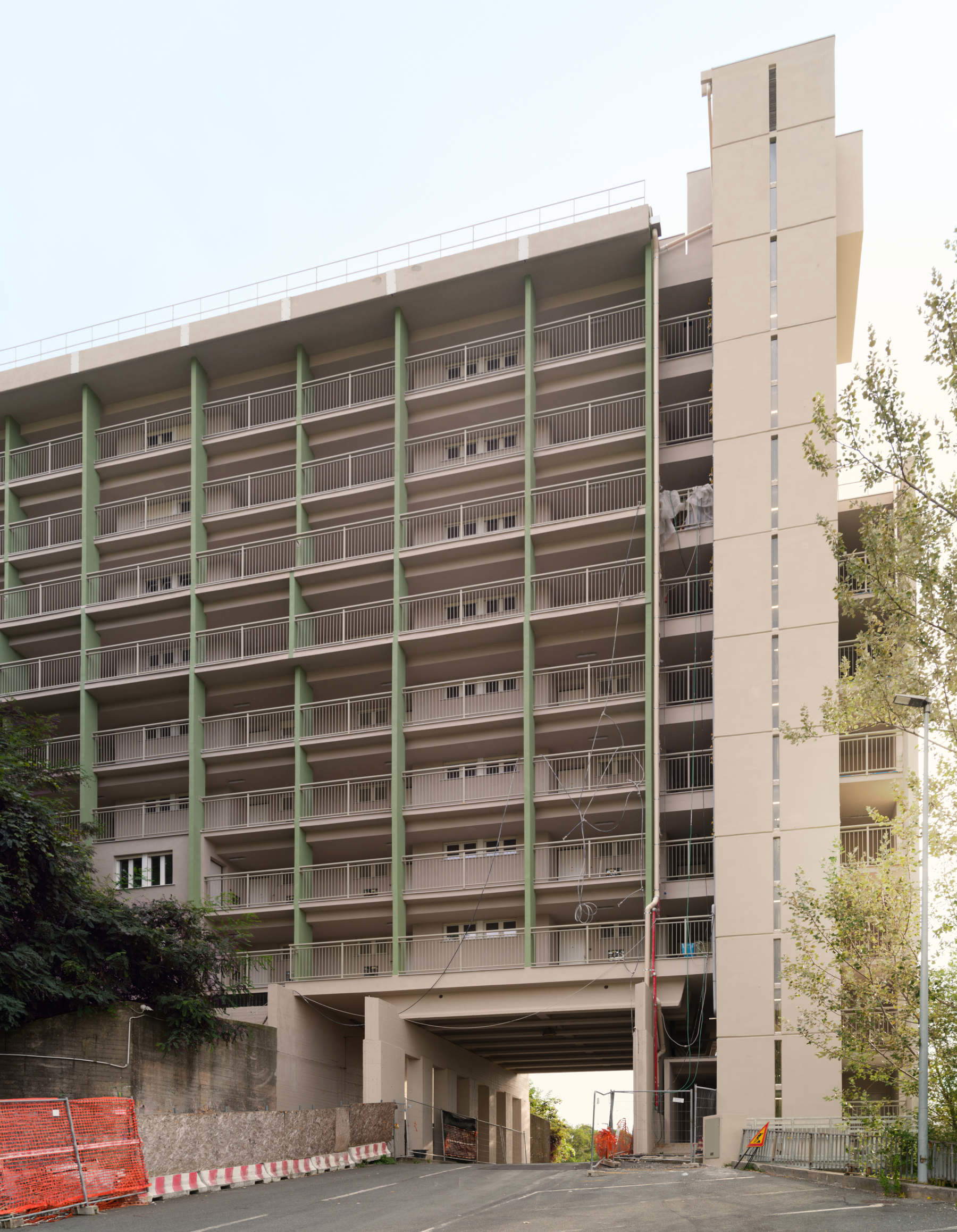
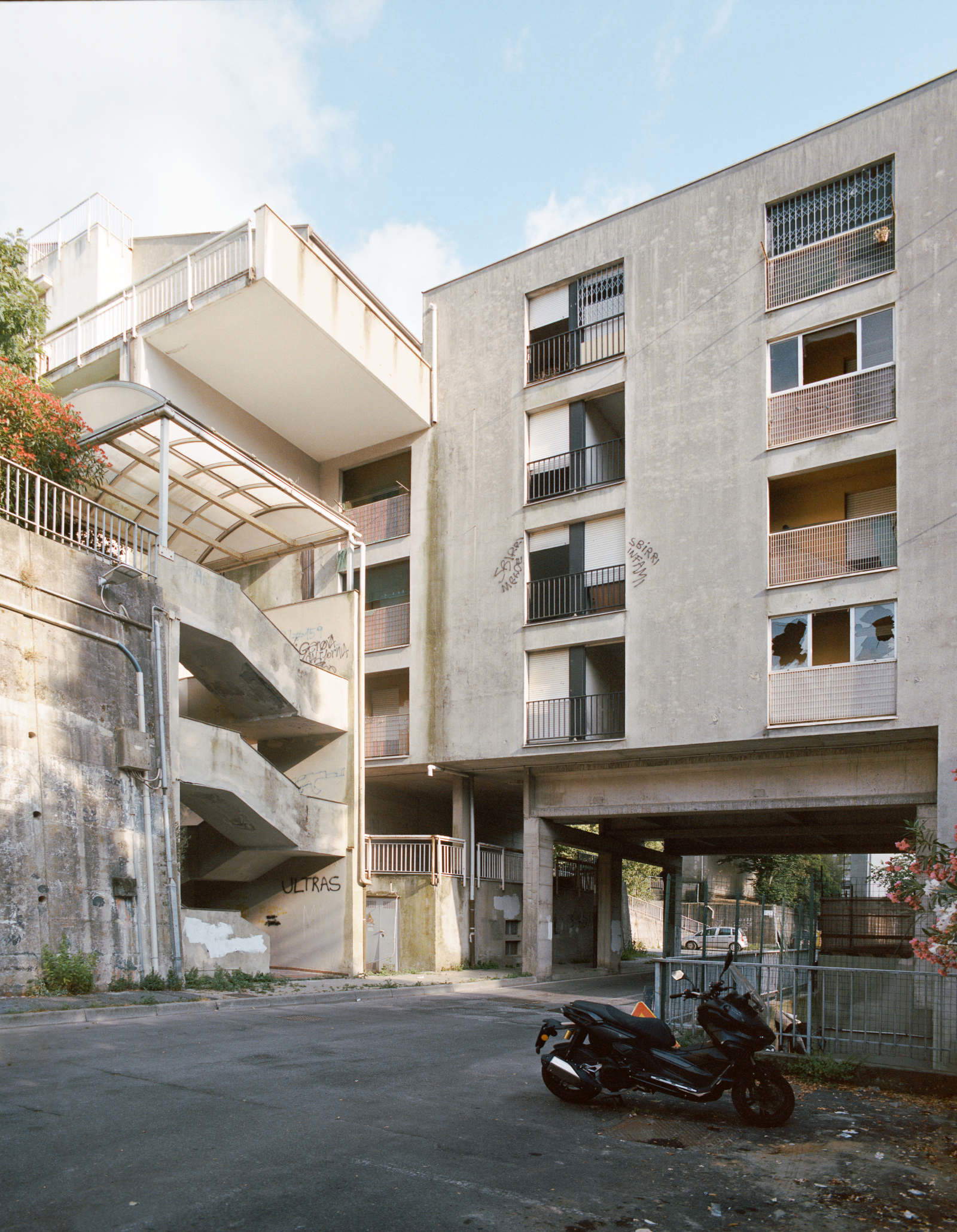
In Genoa, Begato, a working-class neighborhood, becomes the subject of a collective atlas: Through December 6, the National Museums of Genoa are presenting *Controcampo*, a project on the working-class neighborhood of Val Polcevera featuring fifty photographs by Anna Positano created in collaboration with nine residents, along with works from a workshop with children aged 11 to 14.


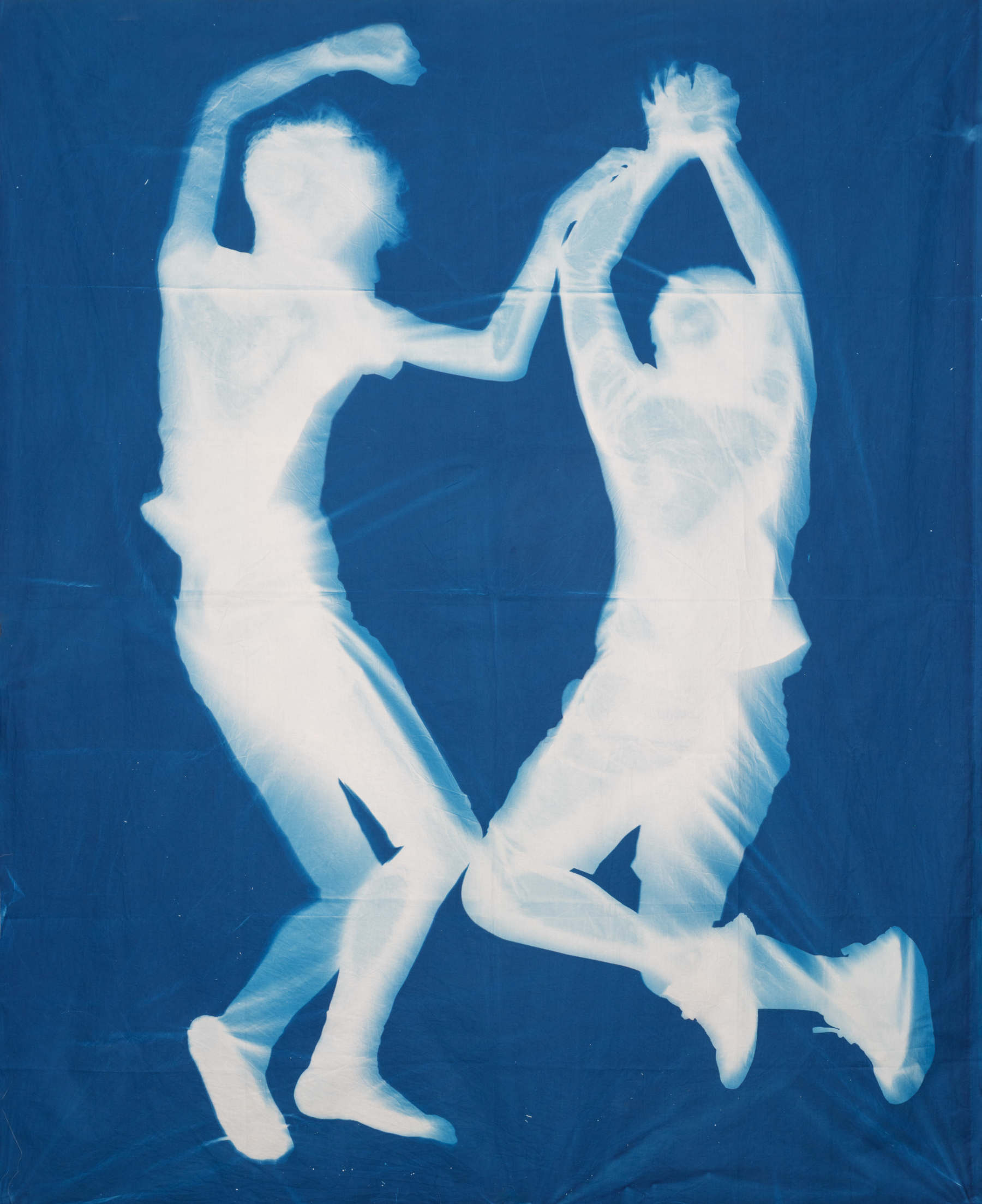
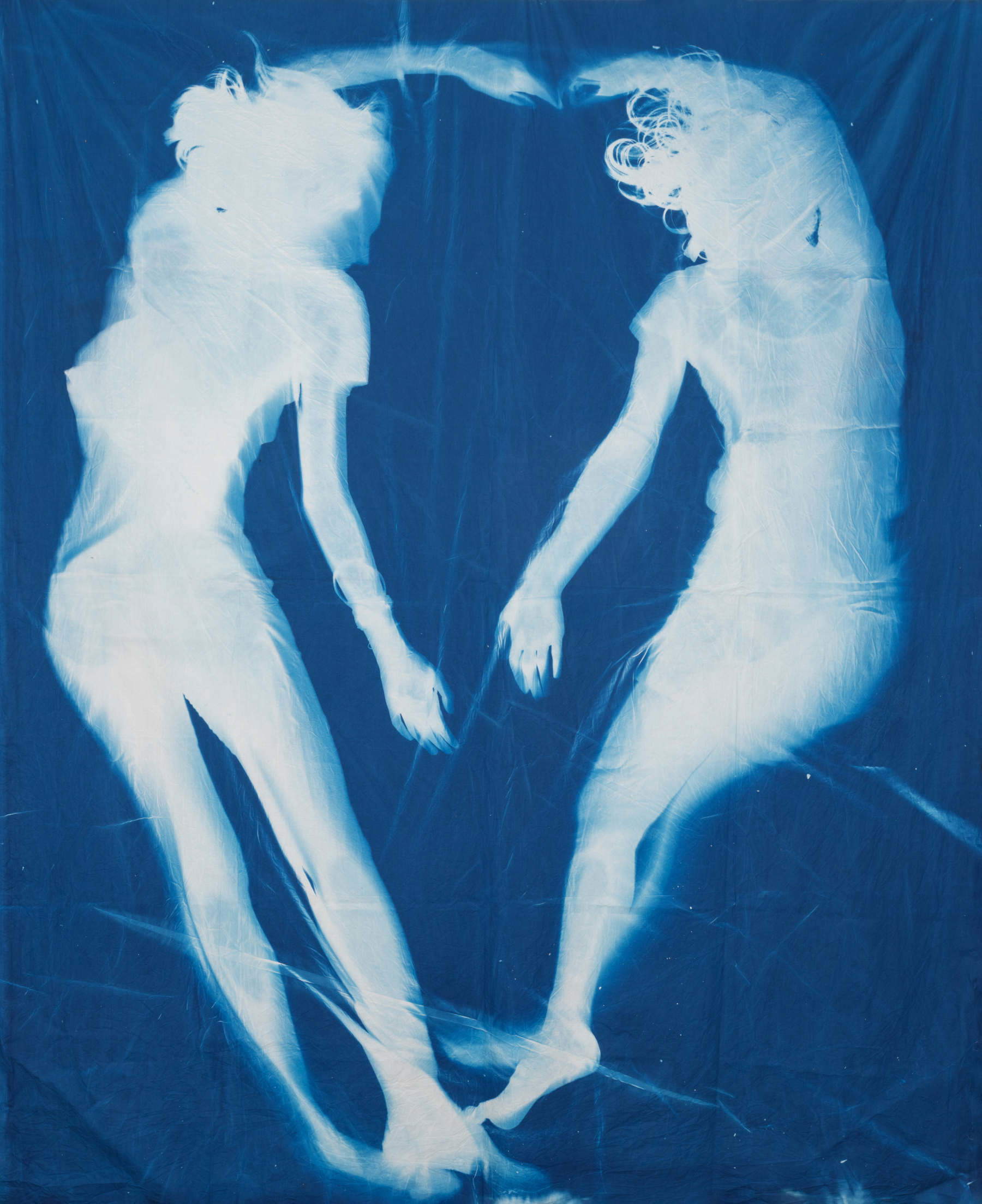
In Genoa, in the halls of Palazzo Reale and Palazzo Spinola, portraits of the ancient Genoese nobility show what a ruling class looked like: measured gestures, studied poses, bodies arranged to assert a role. This summer, a group of girls and boys from the Begato and Rivarolo neighborhoods—all between the ages of 11 and 14—entered those museums, spent a long time observing the figures and their postures, and then lay down in the sun on large sheets treated with light-sensitive iron salts. Some replicated the poses of the painted figures, others modified or reinvented them, and still others chose freely how to position themselves. After about four minutes in the sun and a rinse in water, their faint silhouettes remained on the blue background of the sheets. These are portraits that do not reproduce the face but rather the direct imprint of the body, and they are now on display at Palazzo Raggio, also in Genoa, in the exhibition *Controcampo: Collective Atlas of Begato*, which opened on November 13 and runs through December 6.

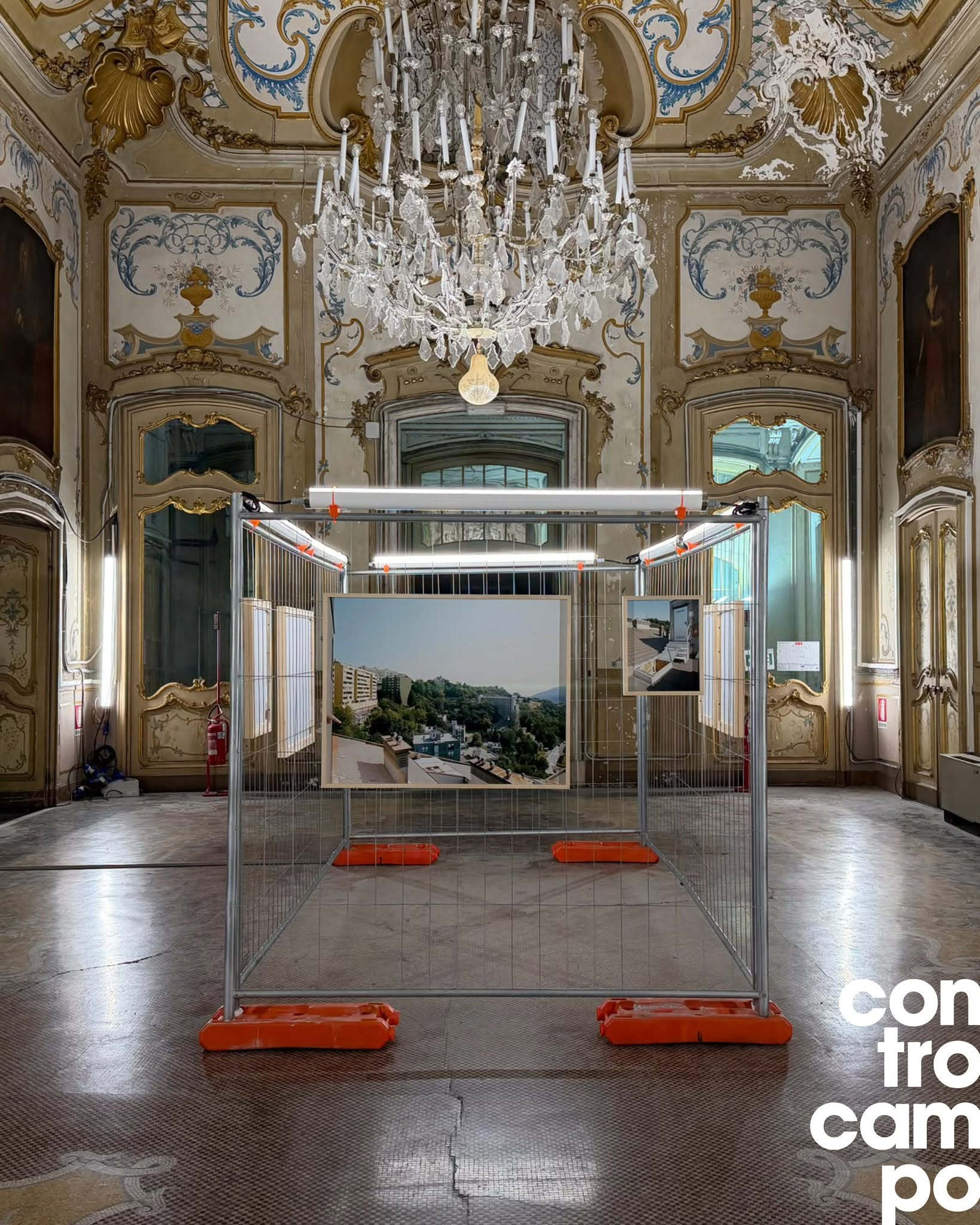
The project was created specifically to tell the story of Begato, a public housing neighborhood in the Val Polcevera, through the eyes and experiences of those who live there and frequent the area. It was promoted by the National Museums of Genoa, curated by Adriano Di Carlo and Hilda Ricaldone, and conceived and produced in collaboration with photographer Anna Positano. It won the “Il Museo rigenera – Photography Edition” call for proposals issued by the General Directorate for Contemporary Creativity of the Ministry of Culture.


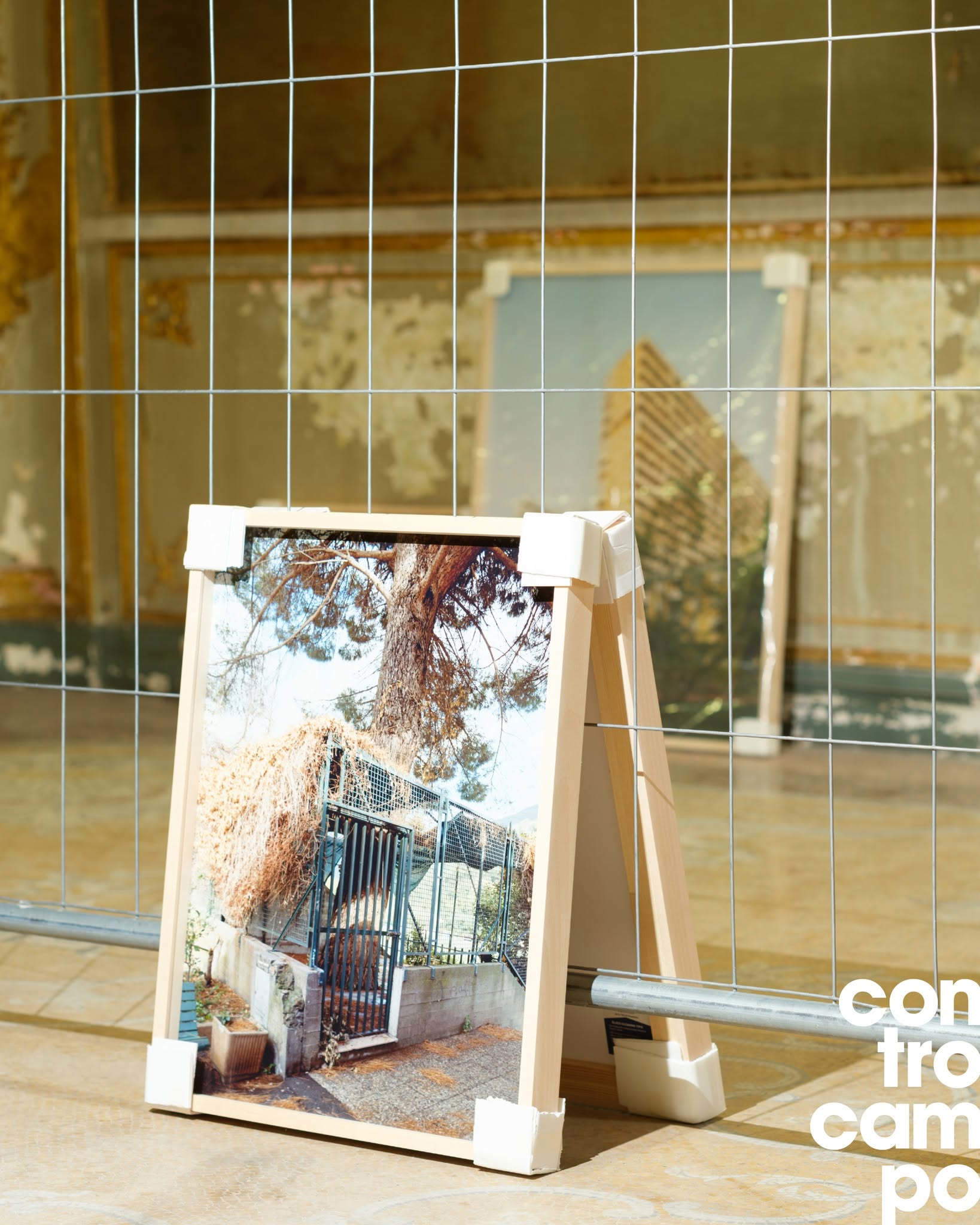
The title refers to the “counter-shot” in cinema—the shot that shows the opposite point of view: here, in fact, the neighborhood is not viewed from the outside but told through the eyes of those who live there. The core of the exhibition is the photographic research by Positano, a photographer and independent researcher with a degree in architecture: her work explores the dynamics of the landscape through a materialist approach and engages with anti-capitalism, postcolonial theories, and ecology. Alongside her research, she takes on commissioned work for architects, magazines, and institutions. For *Controcampo*, she enlisted nine people of varying ages, backgrounds, and relationships with the neighborhood: Angelo, Hasna, Luigi, Maria Pia, Marcella, Marco, Simone, Tyma, and Viviana. She asked each of them to identify the places in Begato that were important to them: familiar spaces, gathering spots, daily routes, and places tied to a particular memory. She then visited these places with them, photographed them, and collected their stories through conversations and interviews.

The result is fifty photographs, accompanied by texts crafted from the participants’ own words. Some places appear in multiple routes, but their meaning changes depending on who passes through them: the same neighborhood corner can be a meeting place for one person and a childhood memory for another. The project is not intended to be a comprehensive map of Begato; rather, it presents nine personal perspectives—nine different ways of experiencing the same place. At the end of the exhibition, the fifty photographs will be added to the collections of the National Gallery of Liguria, enriching the section dedicated to contemporary art and the Ligurian region.
The second part of the exhibition stems from the workshop *The Neighborhood in a Box*, which took place from June 29 to July 3, 2026, organized by the National Museums of Genoa and led by Positano in collaboration with Agorà Social Cooperative. The young participants built pinhole cameras out of tin cans and cardboard, without lenses: light passes through a small hole and forms an upside-down image on photosensitive paper. They chose what to photograph on their own, experimented with different exposure times, and developed the images in a darkroom. They also created portraits with Positano using a folding camera, known as a view camera. Visits to Palazzo Reale and Palazzo Spinola, where they observed portraits and poses in ancient works of art, also served as an opportunity to reflect on how we represent ourselves today through instant photography, and to find new ideas for portraits and self-portraits to hold in their hands and share. In September, some participants returned to select and prepare the photographs for the exhibition and helped set up the exhibition space.
The cyanotypes were created with Carlos Lalvay Estrada, again as part of the program led by Positano. This technique was invented in 1842 by the English scientist John Herschel: iron salts, when exposed to light and then washed, turn Prussian blue, while objects or bodies placed on the surface shield it from the light and leave light-colored imprints. It was chosen precisely because it is a slow, manual process that requires preparation, patience, and direct contact with the materials and light.
The exhibition venue itself also tells a story of transformation. Palazzo Raggio, located on Via Edilio Raggio above Largo Zecca, was built beginning in 1588 for Benedetto Lomellino. It later passed to the Imperiale and Centurione families, and in 1897 it was purchased by Edilio Raggio, an industrialist and shipowner in late-19th-century Genoa. Raggio profoundly transformed the building and the surrounding area, helping to give it the appearance it still has today. That same year, the Zecca-Righi section of the funicular began operating, with its station at the foot of the palace. It was a period of expansion and modernization for the city, which also led to the transformation of Largo Zecca and the opening of the Galleria Vittorio Emanuele III, now known as the Galleria Garibaldi.
Many traces of the aristocratic residence remain: the atrium with six busts of Roman figures, the painted and stucco decorations on the upper floors, and, in the Music Hall, two large Baroque canvases by Domenico Piola and Gregorio De Ferrari and a large rock crystal chandelier, all of which have survived subsequent changes. After years of neglect, in 2025 the Ministry of Culture purchased the palace, which will become the new home of the National Gallery of Liguria and a space for exhibitions and cultural activities. The state collection, established in 1958 and currently housed at Palazzo Spinola di Pellicceria, comprises more than two hundred works and continues to grow through acquisitions and donations, with a particular focus on the relationship between art and the Ligurian region. The exhibition design of *Controcampo* evokes the very theme of a construction site and transformation, linking the history of the building with that of the neighborhood.
“Controcampo: Begato’s Collective Atlas” is on view at Palazzo Raggio, located at Via Edilio Raggio 4, through December 6, 2026, on Fridays, Saturdays, and Sundays from 2:30 p.m. to 6:30 p.m. (last admission at 6:00 p.m.). Admission is free. On Thursday mornings, the exhibition is reserved for schools, with free guided tours available by reservation at palazzorealegenova.servizioeducativo@cultura.gov.it. For more information: palazzorealegenova@cultura.gov.it.
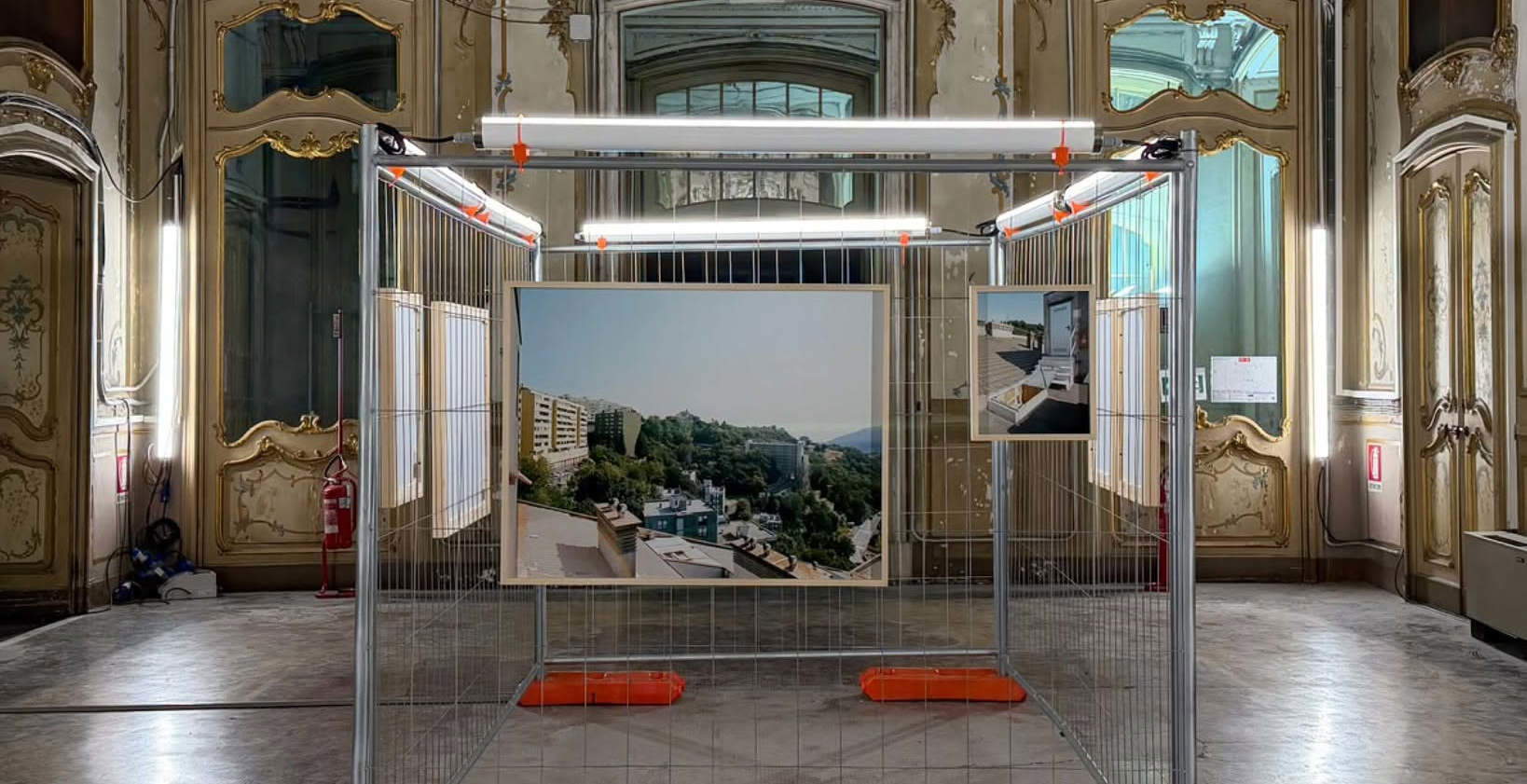 |
| In Genoa, a neighborhood is brought to life by its residents and transformed into a collective work of art. |
Warning: the translation into English of the original Italian article was created using automatic tools. We undertake to review all articles, but we do not guarantee the total absence of inaccuracies in the translation due to the program. You can find the original by clicking on the ITA button. If you find any mistake,please contact us.