



by Redazione 22/10/2026


Categories: Exhibitions / Disclaimer
Ten years after the 2016 earthquake, more than 170 works of art are returning to the places and communities that have preserved them for centuries. “Gold and Earth: The Renaissance of the Valnerina” is a widespread exhibition of recovered and restored artifacts taking place in Spoleto, Norcia, and other Umbrian towns.


Ten years after the 2016 earthquake that struck the central Apennines, art is returning to the places and communities where it has been preserved for centuries. This is the significance of *Oro e terra*. The Renaissance of the Valnerina, the historical-artistic and documentary exhibition that, from November 5, 2026, to March 31, 2027, will bring over 170 works to various venues in Umbria, from Spoleto to Norcia, passing through Ferentillo, Cascia, Arrone, and Vallo di Nera.

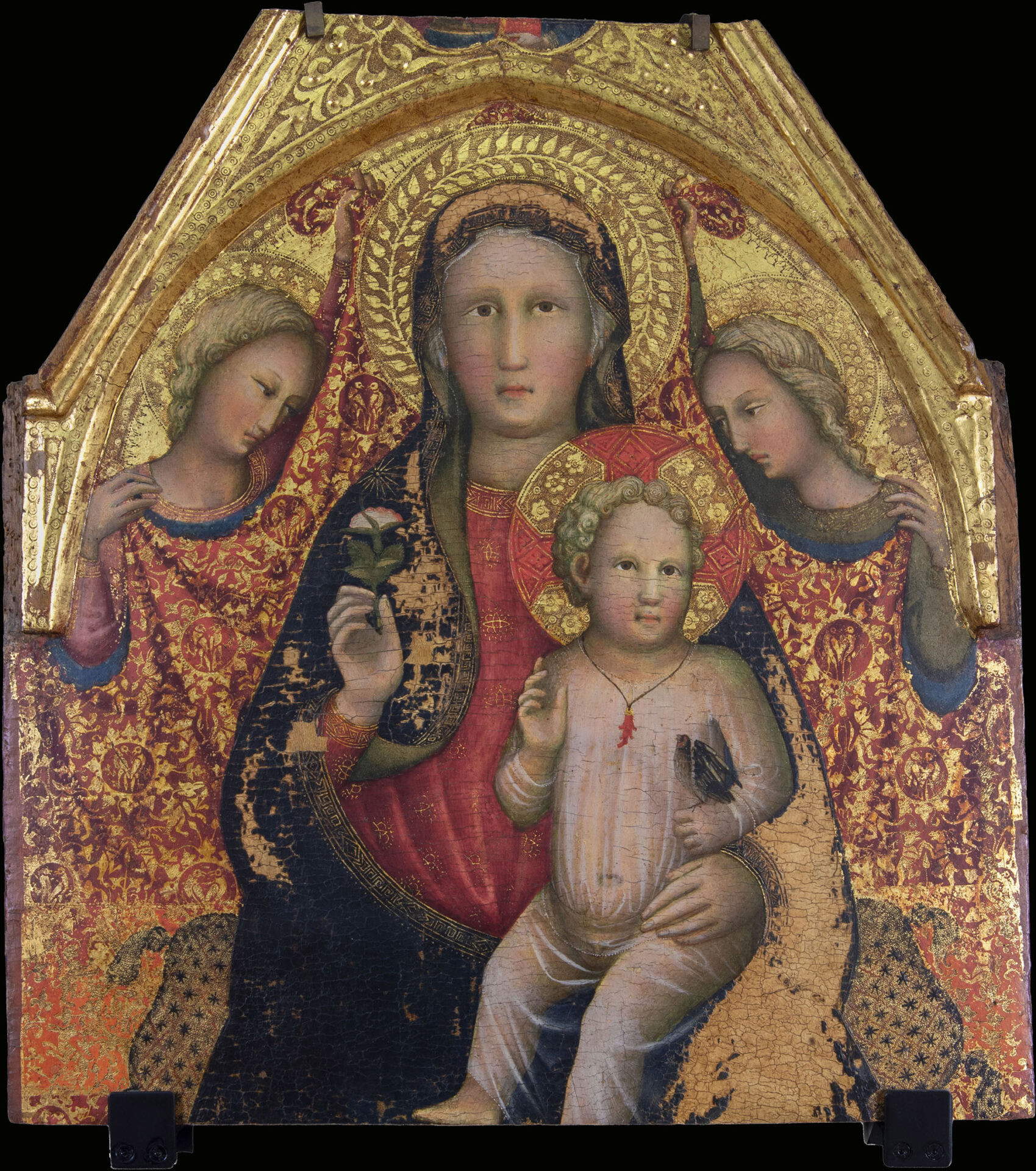
The exhibition chronicles one of the most extensive efforts to recover and preserve cultural heritage undertaken in Europe following a natural disaster. Paintings, sculptures, artifacts, manuscripts, and archival documents—recovered and restored after the earthquake—return to the heart of the region’s cultural life, bearing witness to the work of the cultural heritage authorities and the communities’ ability to rebuild their connection to history. The project, centered in Spoleto—the gateway to the Valnerina—was created to highlight not only the saved works but also the historical and cultural continuity of a region deeply scarred by the earthquake.
A widespread exhibition to tell the story of the Valnerina’s Renaissance


Gold and Earth. The Renaissance of the Valnerina was conceived and produced by the Superintendence of Archaeology, Fine Arts, and Landscape for Umbria and the Archival and Bibliographic Superintendence of Umbria, in collaboration with Virart ODV, a third-sector association dedicated to promoting local cultural heritage. The initiative is part of the institutional program “Ten Years After the Earthquake” (2016–2026), promoted by the Department for the Protection of Cultural Heritage, the General Directorate of Archaeology, Fine Arts, and Landscape, and the General Directorate of Archives. The network of partners also includes the Regional Directorate of Museums of Umbria, the Archdiocese of Spoleto-Norcia, the State Archives of Perugia—Spoleto Branch, and the municipalities of Cascia, Norcia, and Spoleto. The exhibition is curated by Francesca Valentini, Superintendent of Archaeology, Fine Arts, and Landscape for Umbria; Caterina Fontanella, Superintendent of Archives and Bibliography for Umbria; and Alessandro Delpriori, a researcher in modern art history at the University of Camerino.
The exhibition offers an overview of 15th-century Umbrian art and the cultural heritage recovered after the earthquake, presenting archival and bibliographic documents alongside the artworks. Many of the artifacts on display have undergone restoration and conservation work at the Santo Chiodo Center for the Emergency Conservation of Cultural Heritage and the Spoleto branch of the State Archives. A preview of the exhibition is scheduled for Friday, October 30, 2026, in Norcia—one of the towns hardest hit by the earthquake, where the collapse of the Basilica of St. Benedict has become a symbol of the devastation. The event will offer an in-depth look at a selection of the historical and artistic artifacts that will be included in the exhibition itinerary.
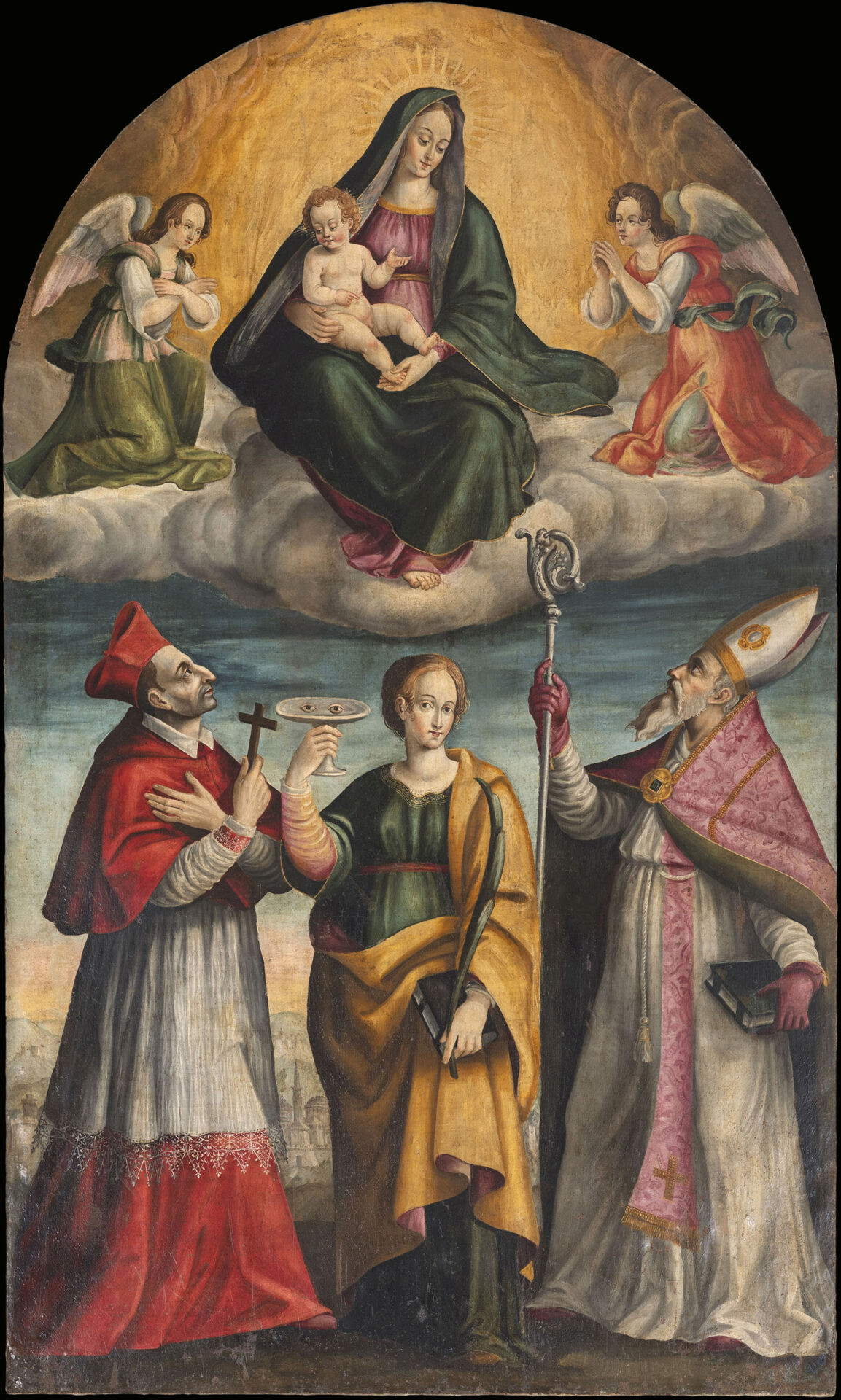
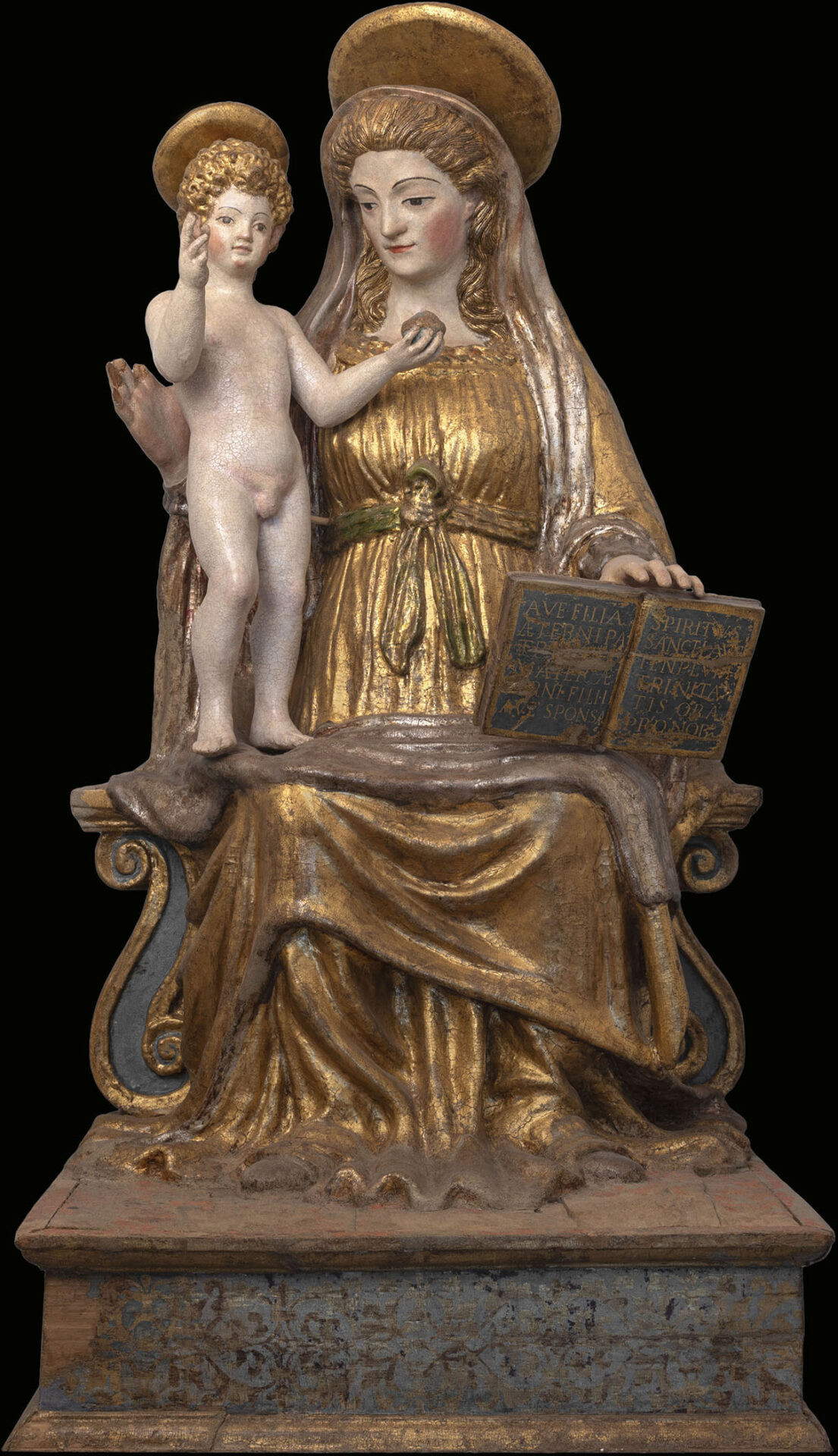
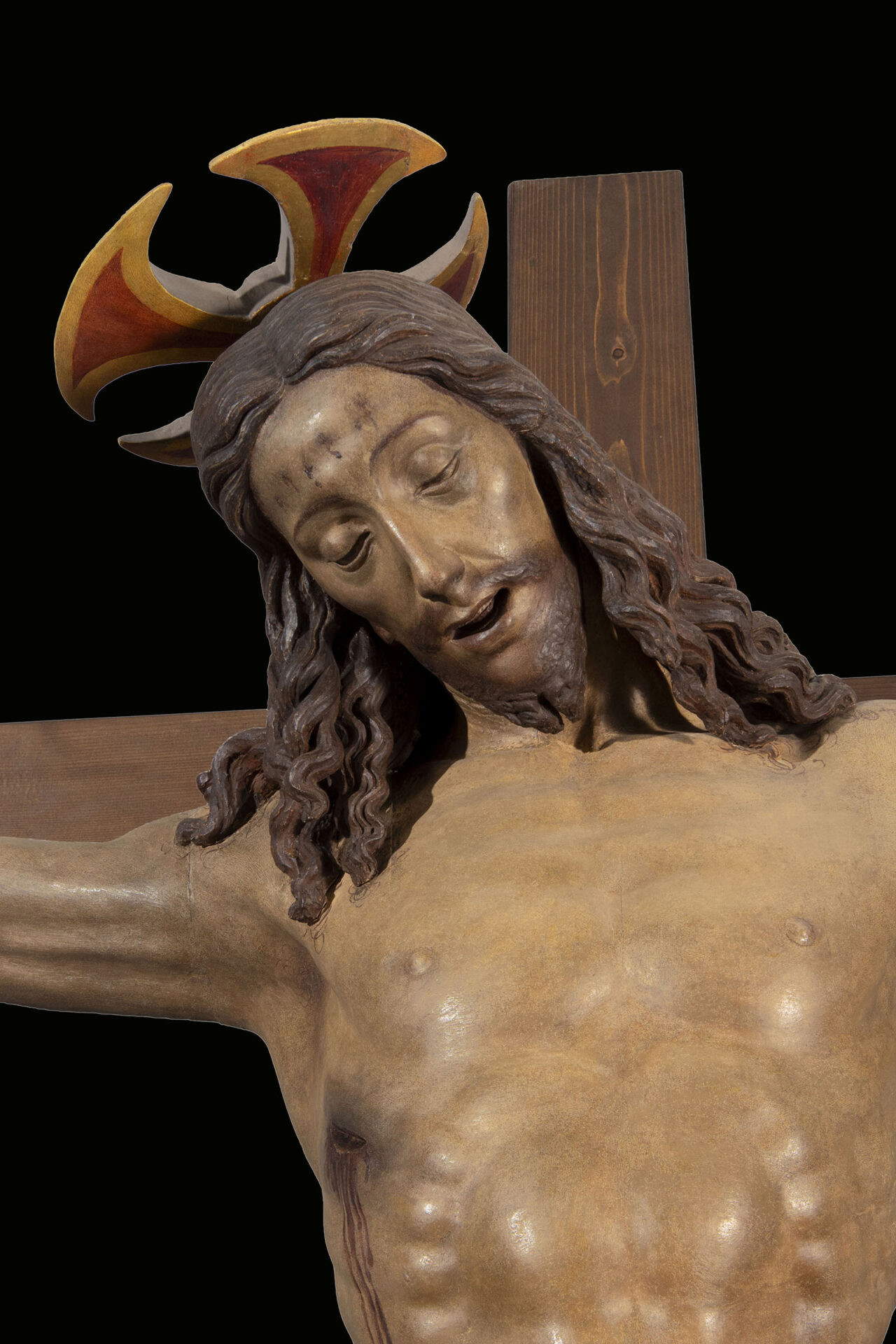
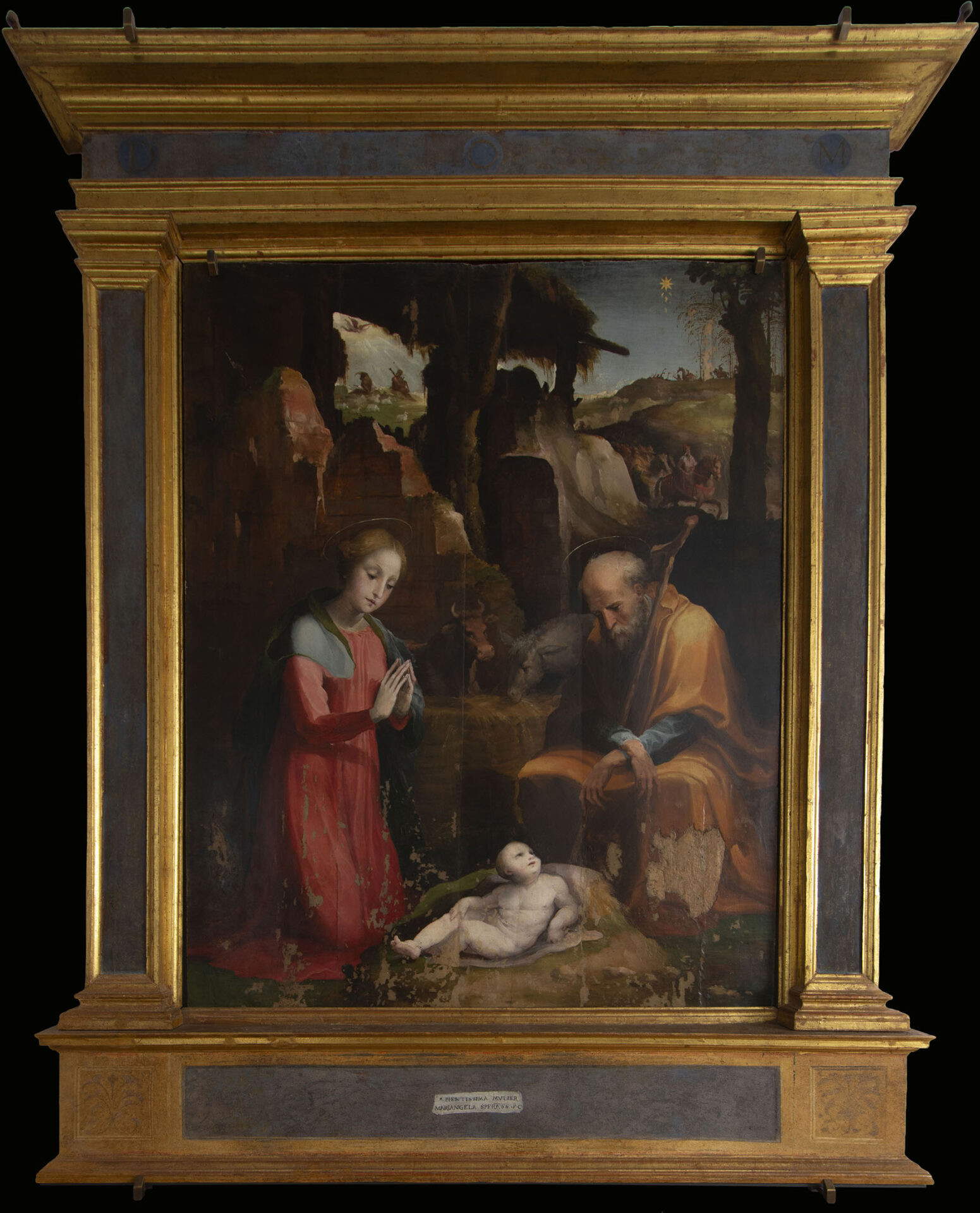
Restored Works Return to Their Community Settings
One of the exhibition’s main objectives is to restore the central role of places where cultural heritage and the community can work together to contribute to the revitalization of the region. In an inland area also grappling with the problem of depopulation, the preservation and promotion of these works serve as tools to strengthen a sense of belonging, keep traditions alive, and enhance the appeal of historic town centers. The project pays tribute to the residents of the Valnerina and to all those who participated in the rescue, safety, recovery, restoration, and reconstruction efforts. The work of the agencies responsible for heritage protection played a decisive role in responding to the emergency and guiding the subsequent recovery phases, through constant collaboration with local authorities and institutions. Ten years after the earthquake, the return of these works thus takes on a significance that goes beyond material restoration: it represents an opportunity to rebuild a collective memory and reaffirm the connection between heritage, identity, and the local area.
The “Gold and Earth: The Renaissance of the Valnerina” itinerary is organized into three types of sites: the main venues, the so-called “satellite locations,” and the “landmark sites,” which together form an exhibition network spanning various Umbrian towns.
The main hub is concentrated in Spoleto, featuring the Rocca Albornoz—National Museum of the Duchy, the Diocesan Museum, the Basilica of Sant’Eufemia, and the State Archives branch. The itinerary continues at the Abbey of San Pietro in Valle in Ferentillo and within the spaces of the Town Hall in Norcia, including the Chapel of the Priors, the Council Chamber, and the Hall of the Forty Conservators of Peace. Alongside the main venues, a network of smaller exhibitions enriches the visit. These satellite locations include the Basilica of San Benedetto in Norcia, Palazzo Santi—Civic Museum of Cascia, the Church of Santa Maria in Vallo di Nera, the Church of Santa Maria Assunta in Arrone, the Giosuè Carducci Municipal Library in Spoleto, the Center for the Emergency Conservation of Cultural Heritage in Santo Chiodo, and the Church of San Francesco in Cascia. These sites house selections of artifacts, books, and documents designed to draw attention to the local heritage.
The third itinerary, the “trail markers” route, leads instead to some of the churches in the area affected by the earthquake: the Madonna Bianca in Ancarano, Sant’Antonio di Frascaro, San Salvatore di Campi, and the Abbey of Sant’Eutizio in Piedivalle, as well as Santa Maria della Pietà in Preci, San Martino in Abeto, and San Bartolomeo in Todiano.
The project will be complemented by a dedicated website featuring geolocated information sheets that are freely accessible. These digital resources will allow visitors to delve deeper into the history of the sites, the characteristics of the cultural heritage, and their current condition following the earthquake, extending the exhibition experience beyond the physical venues.
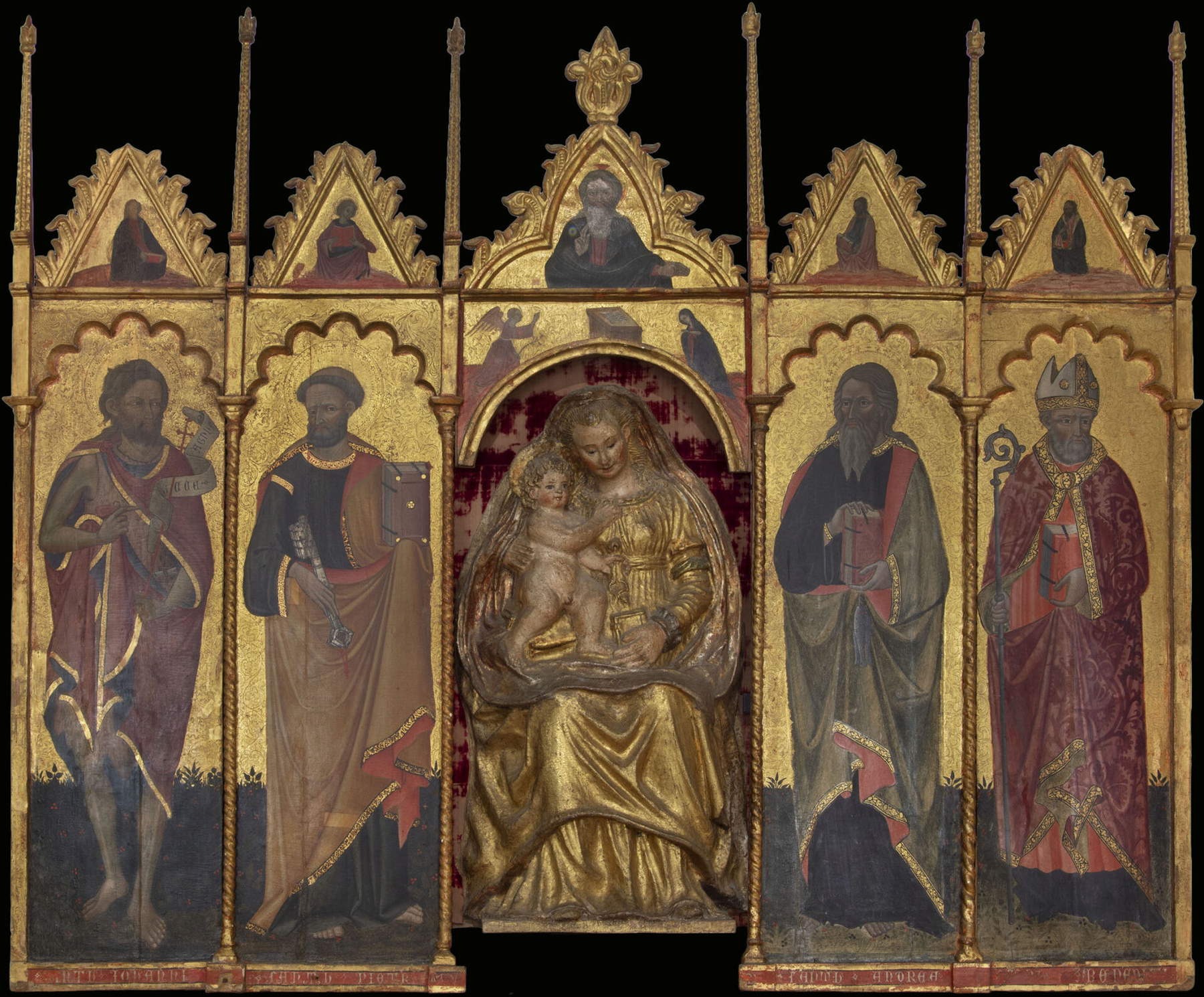
The exhibition itinerary begins, in a sense, at the Rocca Albornoz in Spoleto, where a monographic section is dedicated to Nicola di Ulisse da Siena, one of the leading painters active in the Valnerina in the mid-15th century. For the first time in decades, the collection of Renaissance images from the Abbey of Sant’Eutizio has been reunited, bringing together the complete polyptych with its sculpture and the partition cross.
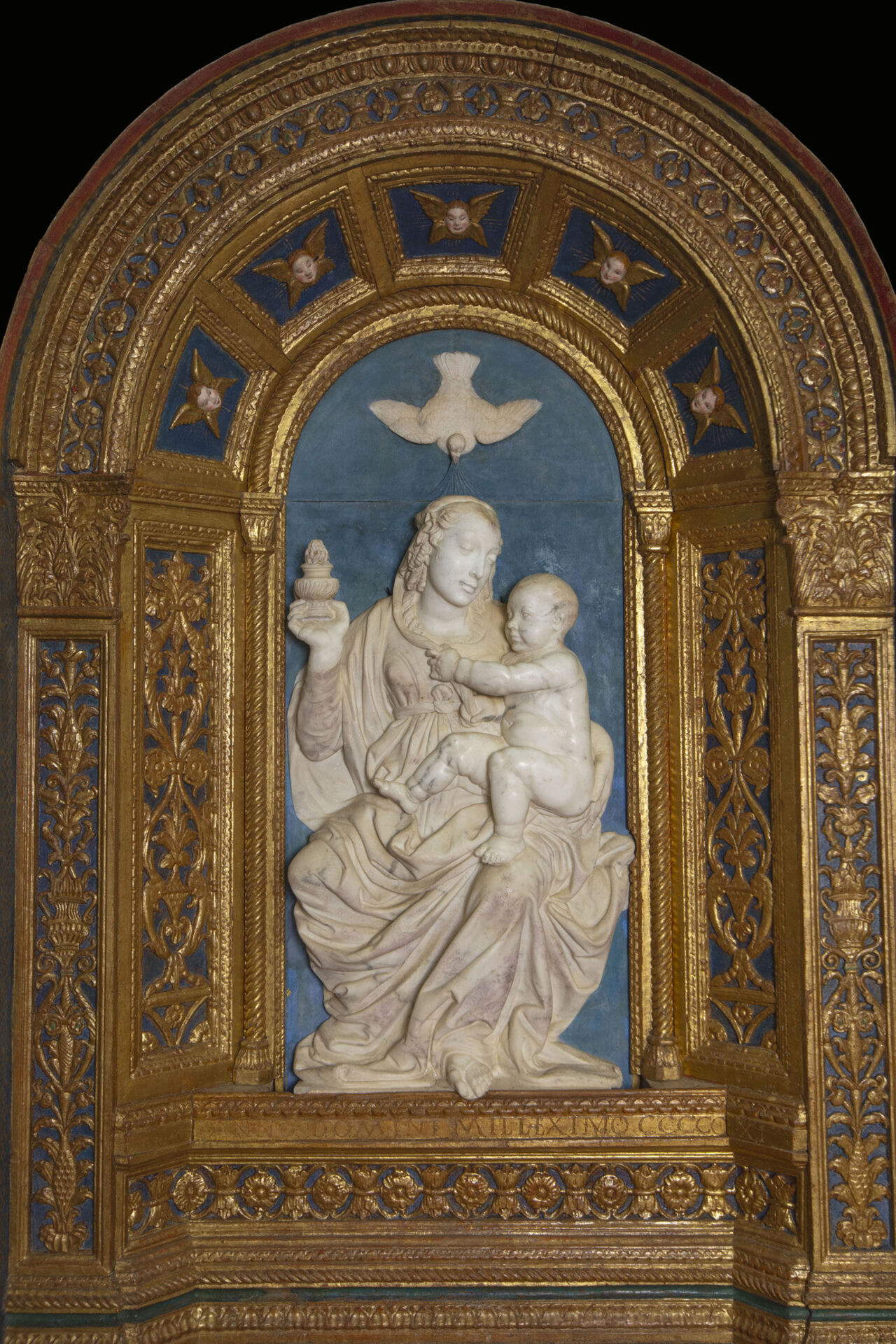
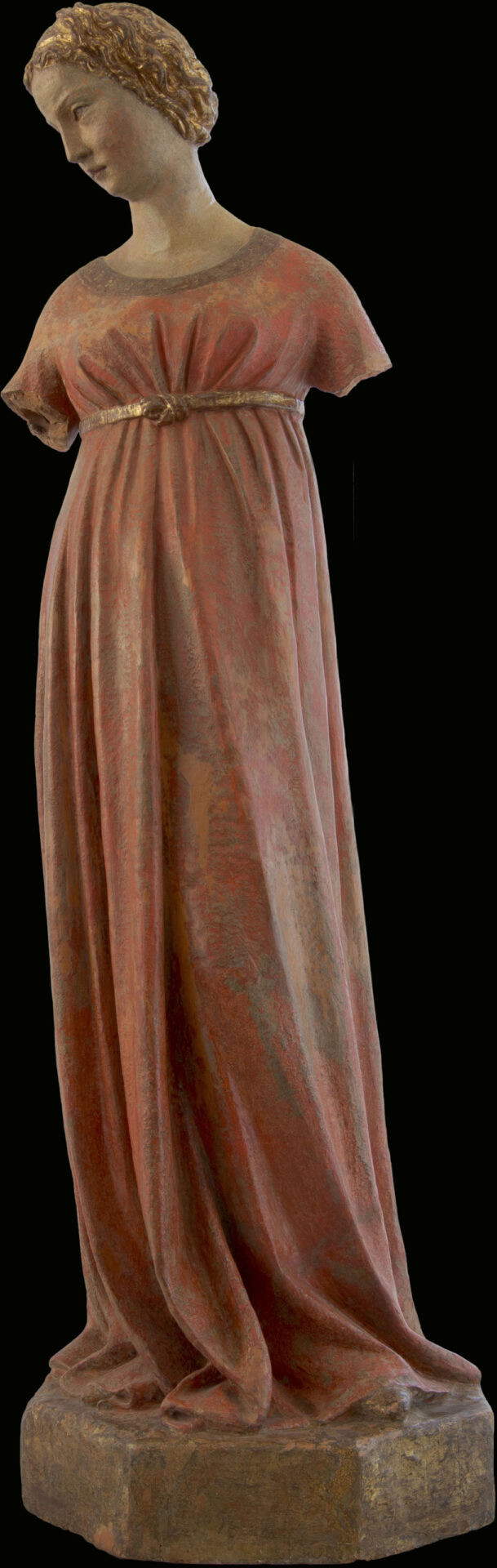
An adjacent room houses works of Florentine origin linked to the Valcastoriana and the Valle Oblita, among which the Pietà by Piero di Cosimo and the Crucifixes by Benedetto da Maiano stand out. The exhibition is enriched by video projections featuring testimonies from those who experienced the 2016 earthquake and took part in the recovery and reconstruction efforts, with a special focus on the Basilica of San Benedetto in Norcia. Among the works on display are also a Saint Francis by Matteo Civitali, restored by the Opificio delle Pietre Dure, and an important group of sculptures that includes the Crucifix by Battista di Barnaba, the “Madonna Bianca” of Ancarano by Francesco di Simone Ferrucci, and the two Crucifixes by Benedetto da Maiano, from Ancarano and Todiano. The latter was restored for this exhibition.
Rounding out the selection are the Nativity by Domenico Beccafumi and, in the Barberini Chapel, the Madonna of Todiano by Giacomo di Giovannofrio, which still bears the marks of the earthquake. The work is presented in dialogue with the *Saint Martin of Legogne* by Giovanni Antonio da Lucoli and the *Annunciation* by Andrea della Robbia.
In the Church of Sant’Eufemia in Spoleto, next to the Annunciation by Francesco Fantone, on loan from the Fondazione Cassa di Risparmio di Terni e Narni, the main section of the exhibition is dedicated to Mannerist painting. On the high altar stands the “Crucifixion of Saint Eutizio,” a masterpiece by Pomarancio, flanked by “Saint Anthony the Abbot” by his pupil Giovan Battista Crescenzi, an early “Crucifixion” by Francesco Furini, and a 17th-century altarpiece by Giacinto Brandi.
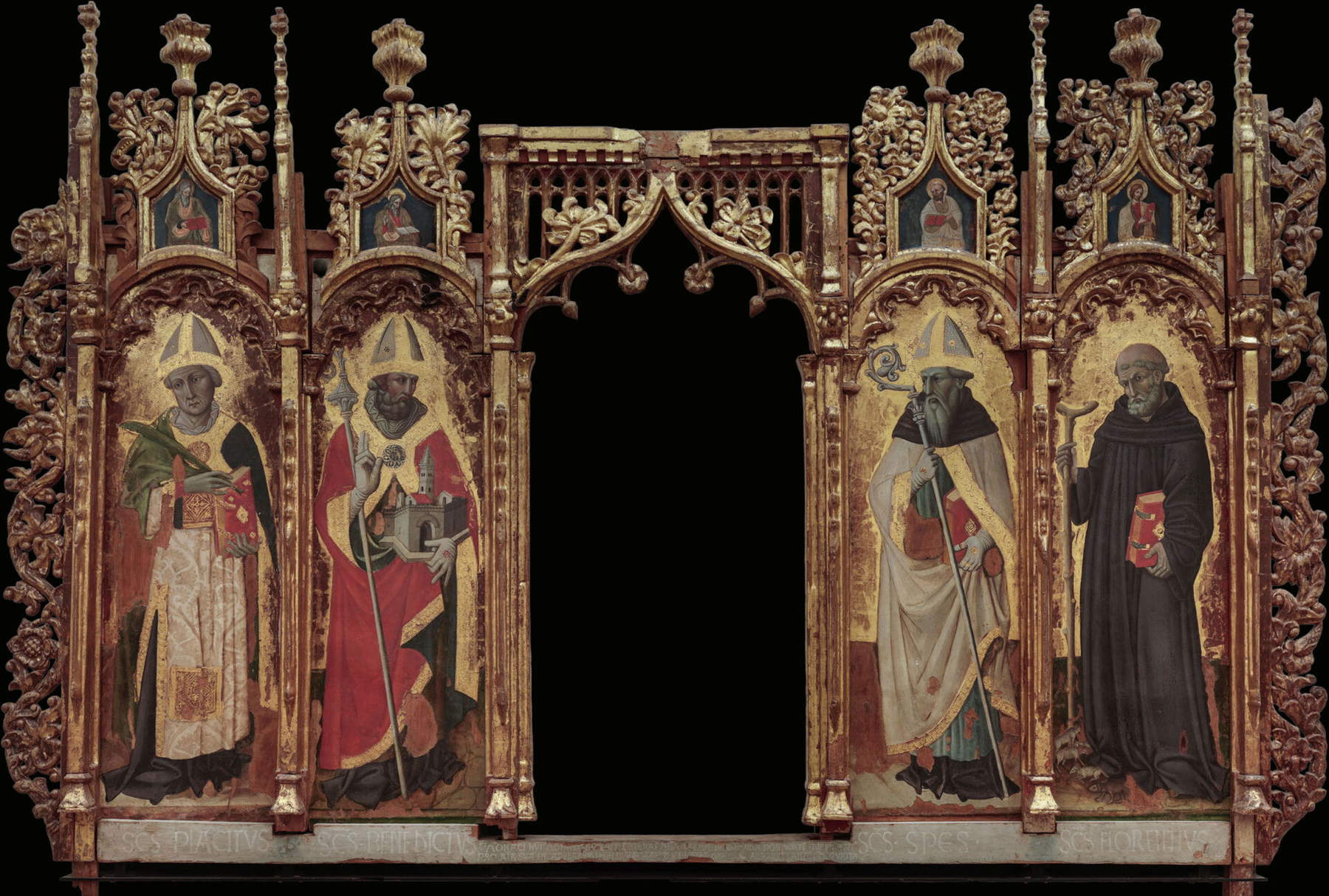
In Ferentillo, at the Abbey of San Pietro in Valle, the exhibition focuses instead on ceremonial arts and liturgical objects. On display are precious vestments and artifacts from the 15th and 16th centuries originating from some of the most important religious centers in the Valnerina, including the Abbey of Sant’Eutizio, the Ansano Fabbi Collection, and the Museo della Castellina in Norcia. Norcia also plays a central role in the exhibition. The Basilica of San Benedetto once again houses works from its own decorative collection, along with restored paintings and sculptures from other churches. The Town Hall, meanwhile, displays sculptures by the Tardini family of San Giovanni in Persiceto, a family of artists who moved to the Valnerina in the 16th century and helped popularize wooden artifacts characterized by rich gilded elements throughout the region.
Documents, manuscripts, and archives tell the story of the Valnerina
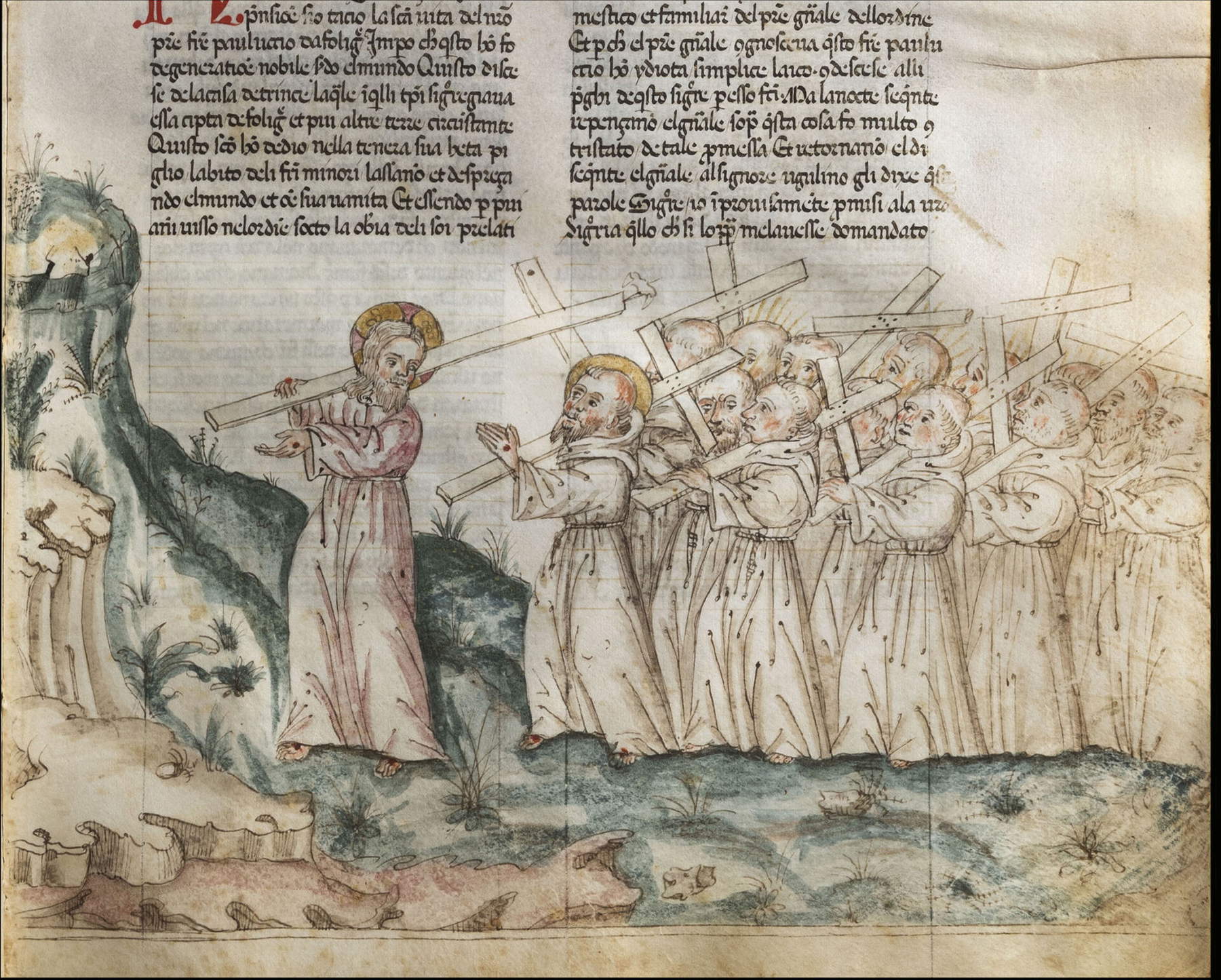
Alongside the works of art, the exhibition presents a collection of documentary sources and bibliographic materials, integrated into the exhibition itinerary to reconstruct the historical, institutional, and economic context in which the region’s artistic production developed. Among the most significant artifacts are the parchments and paper documents preserved in the original wooden drawers of the Secret Archive of Norcia. Added to these is the Norcia copy of the *Specchio dell’Ordine Minore* or *Franceschina*, a work by the Perugian Franciscan friar Iacopo Oddi. It is one of only five known copies of a text that, in the second half of the fifteenth century, recounted the lives of the Observant friars, linking their virtues to those of St. Francis and to the history of the Franciscan Order. Also on display are illuminated liturgical manuscripts from the Abbey of Sant’Eutizio in Preci and the papal bull by which Pope Boniface IX granted the Basilica of San Benedetto the privilege of a plenary indulgence in perpetuity. Through the juxtaposition of paintings, sculptures, documents, and ancient books, *Oro e terra. The Renaissance of the Valnerina thus presents a multifaceted picture of Umbria’s cultural richness, demonstrating how the restoration of cultural heritage can serve as an opportunity to rebuild connections, transmit knowledge, and keep alive the memory of the areas affected by the earthquake.
|
| In Umbria, a traveling exhibition features more than 170 works that have been recovered and restored in areas affected by the 2016 earthquake |
Warning: the translation into English of the original Italian article was created using automatic tools. We undertake to review all articles, but we do not guarantee the total absence of inaccuracies in the translation due to the program. You can find the original by clicking on the ITA button. If you find any mistake,please contact us.