





Ten years of research and cataloging have culminated at the British Museum, where Italian Renaissance woodcuts are the focus of a major exhibition. The project, sponsored by the Giorgio Cini Foundation’sInstitute of Art History and curated by Laura Aldovini, David Landau, and Silvia Urbini, has produced an unprecedented scholarly catalog, now accessible through a continuously expanding digital archive. The exhibition, titled *Multiplied Wonders: Italian Renaissance Woodcuts*, presents a selection of works in London that offers a deeper insight into the richness and variety of Italian woodcut production. For the first time, these materials are the focus of an exhibition of this scope, with the aim of restoring visibility to a field that is fundamental to understanding art history and the circulation of images between the 15th and 16th centuries.
The printing revolution, which took hold at the end of the 15th century, profoundly transformed the circulation of images in Europe. Among the most widespread techniques was woodcut printing, produced by pressing a carved wooden block onto paper. Thanks to its versatility and the ability to reproduce images in series, it initially gained prominence primarily in book illustration, before finding application in an ever-widening range of fields.
Between the end of the 15th century and the first decades of the 16th century, a genuine market for art prints took shape. Some of the most important figures in the Italian art world—from Raphael to Titian to Parmigianino—recognized the potential of this medium, which was capable of spreading their fame far beyond the borders of the cities where they worked. Woodcuts reached levels of remarkable technical complexity, distinguishing themselves not only for the subjects depicted but also for the quality of their execution.
Prints also played a decisive role in the transmission of artistic languages. By enabling the reproduction and dissemination of compositions and models, they connected artists working in different locations, fostering awareness of innovations even in the absence of direct contact. The circulation of images thus contributed to the transformation of Italian art during the Renaissance.
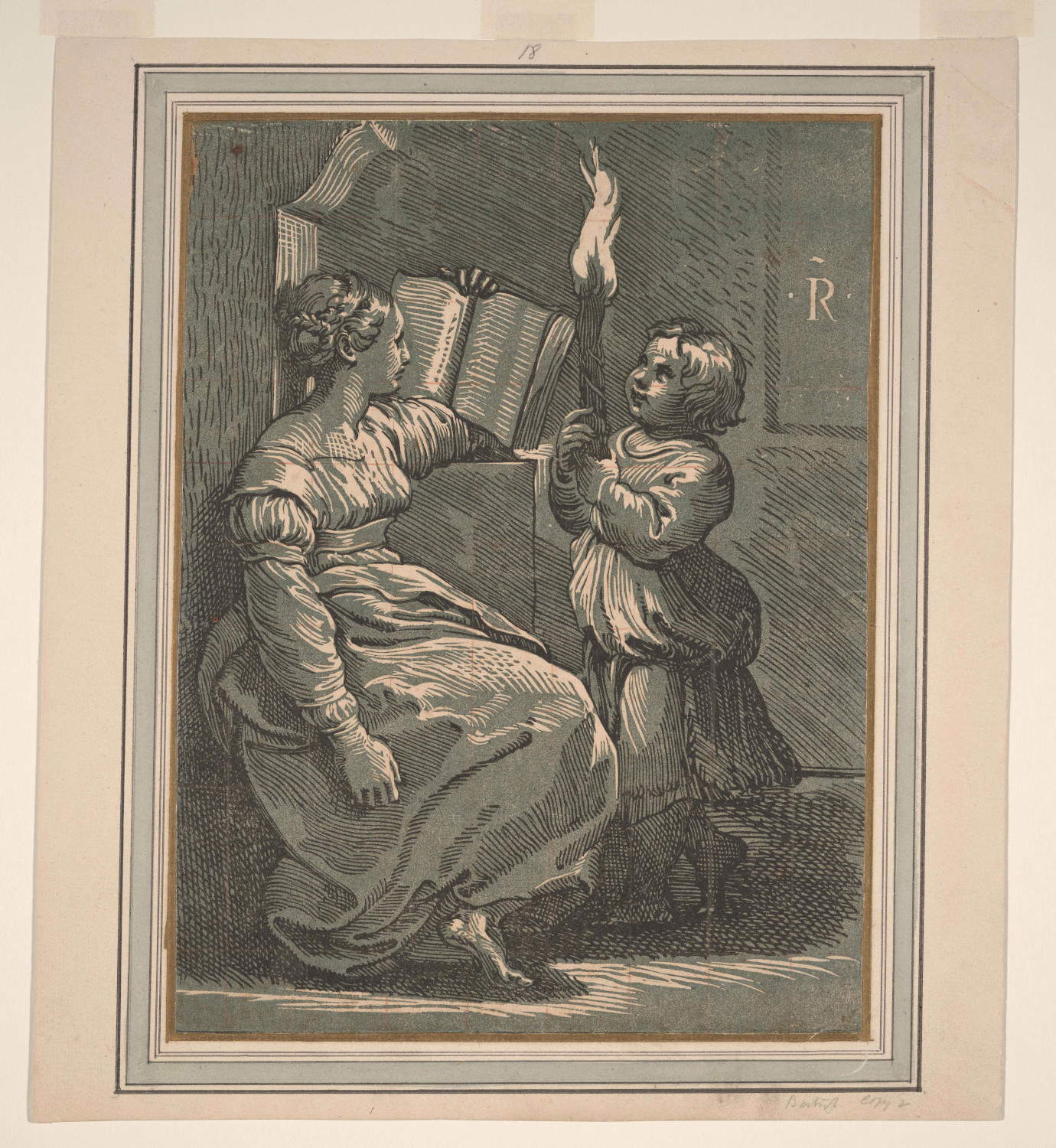
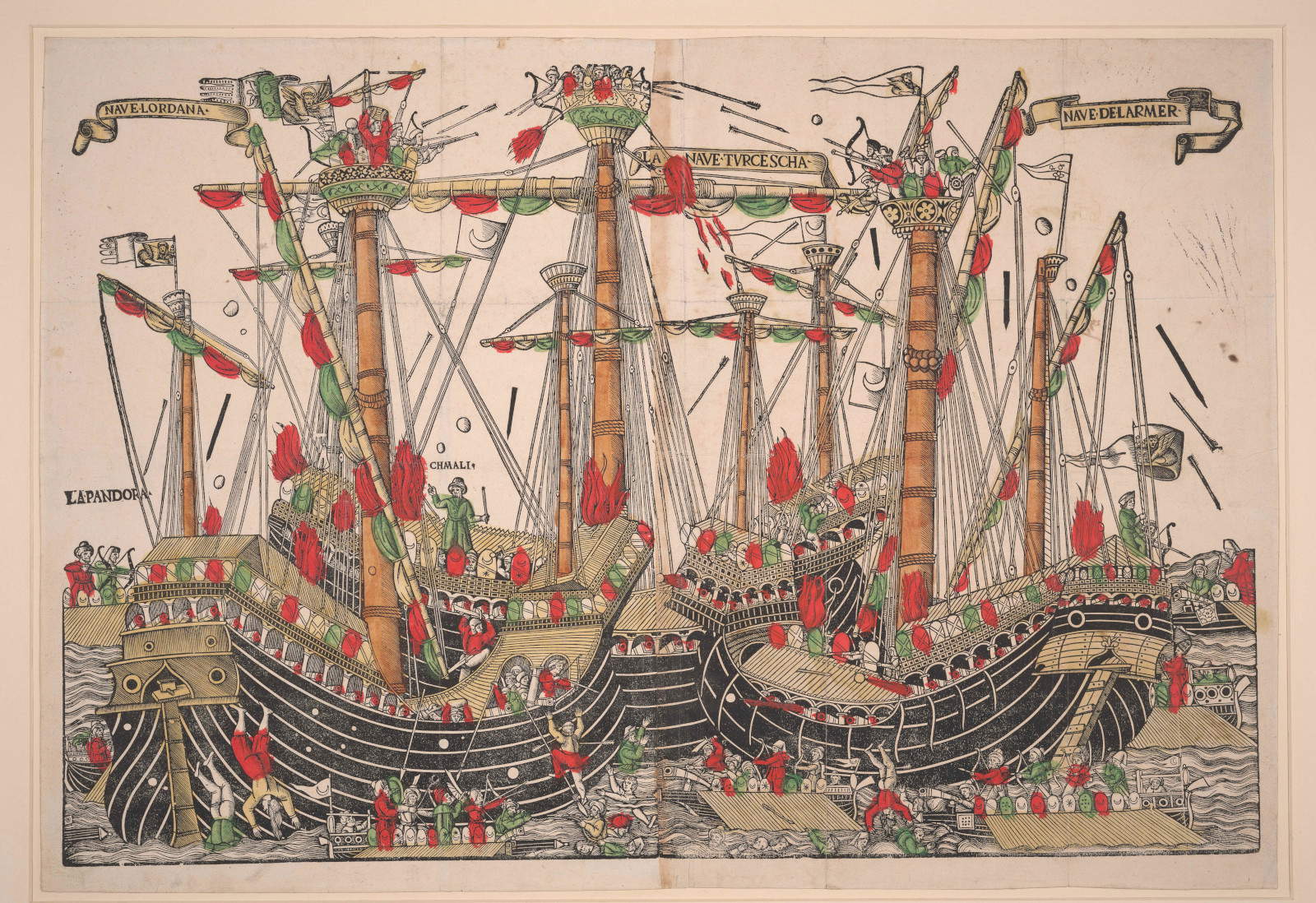
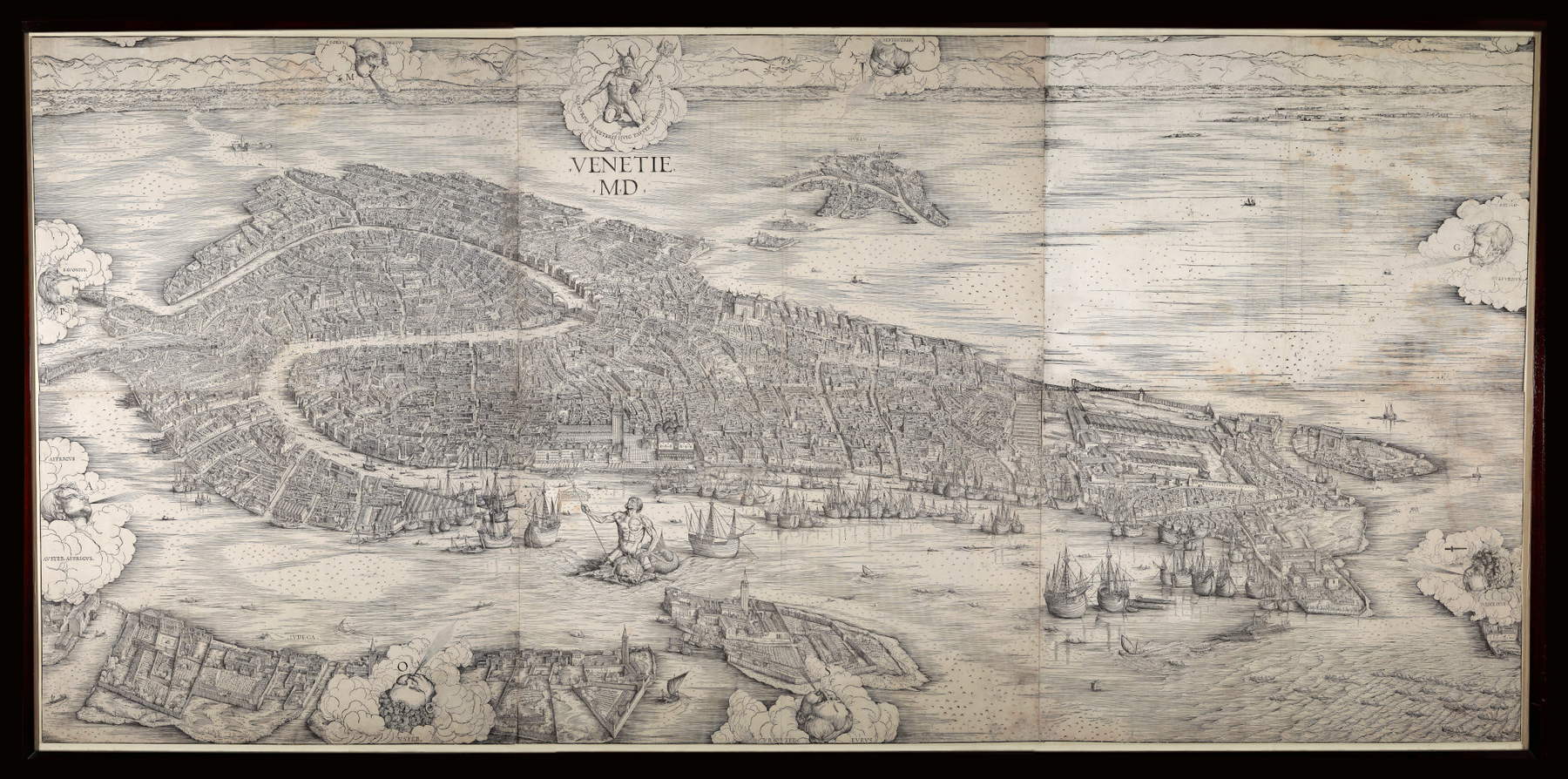
The exhibition is based onthe Atlas of Italian Renaissance Woodcuts, a project launched ten years ago by the Giorgio Cini Foundation’s Institute of Art History, under the scientific direction of Laura Aldovini, David Landau, and Silvia Urbini. The initiative collects, studies, and catalogs Italian woodcuts on loose sheets and their corresponding blocks, ranging from the earliest known examples from the early 15th century to around 1550. The inventory encompasses a highly diverse collection: in addition to artistic prints, it includes playing cards, geographical maps, loose sheets, illustrated proclamations, and woodcut images inserted or pasted into books and manuscripts.
The result is a constantly updated digital archive, linked to museums, archives, libraries, and national and international databases specializing in the field. The collection can be consulted using various search options on the Giorgio Cini Foundation’s archives portal. The scientific value of the initiative has also been recognized by major international institutions. In 2021, the project received support from the Getty Foundation in Los Angeles as part of the program “The Paper Project: Prints and Drawings Curatorship in the 21st Century,” dedicated to training and research in the field of graphic arts. The following year, the International Fine Prints Dealers Association (IFPDA) also provided funding to support research and cataloging activities.
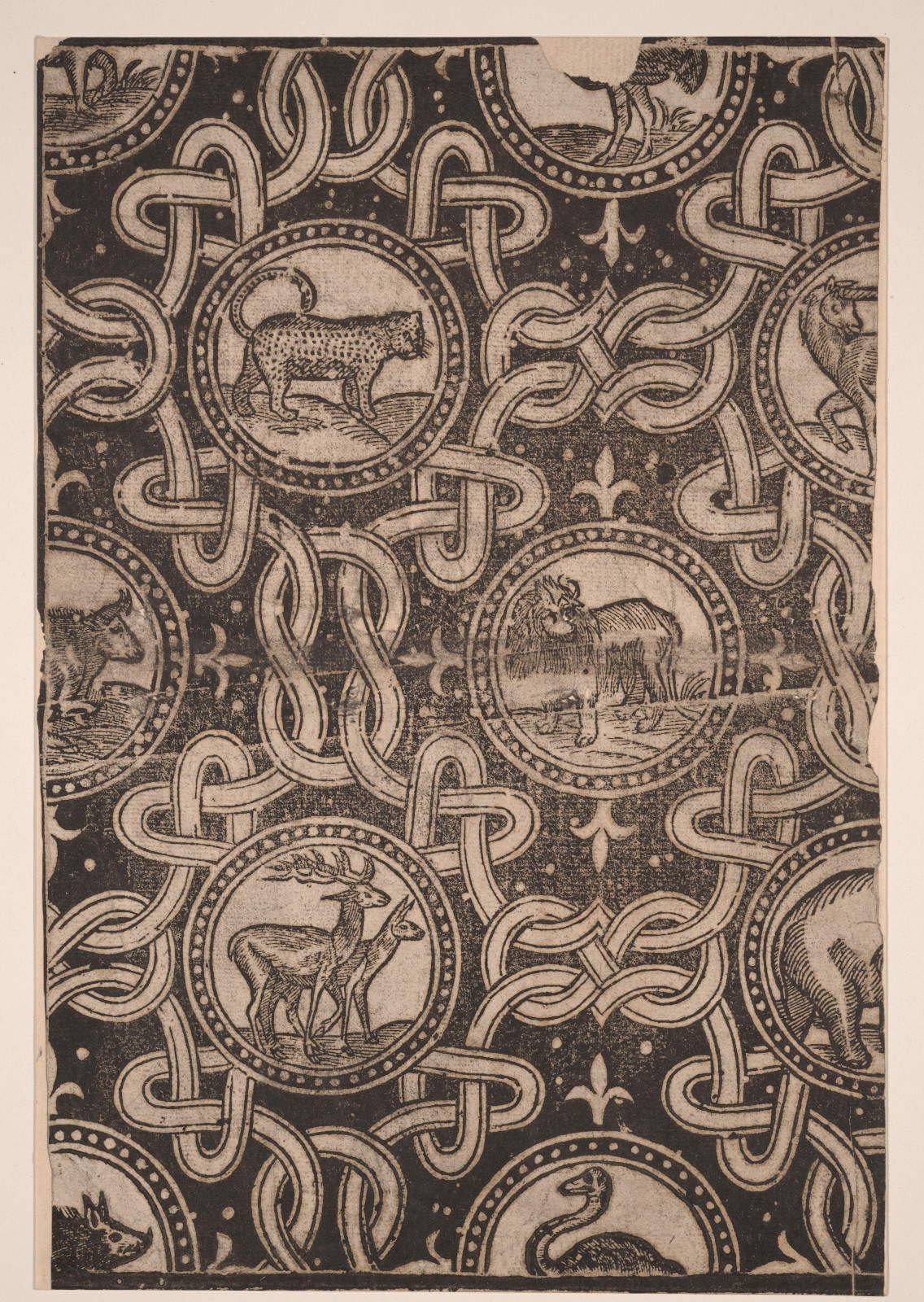
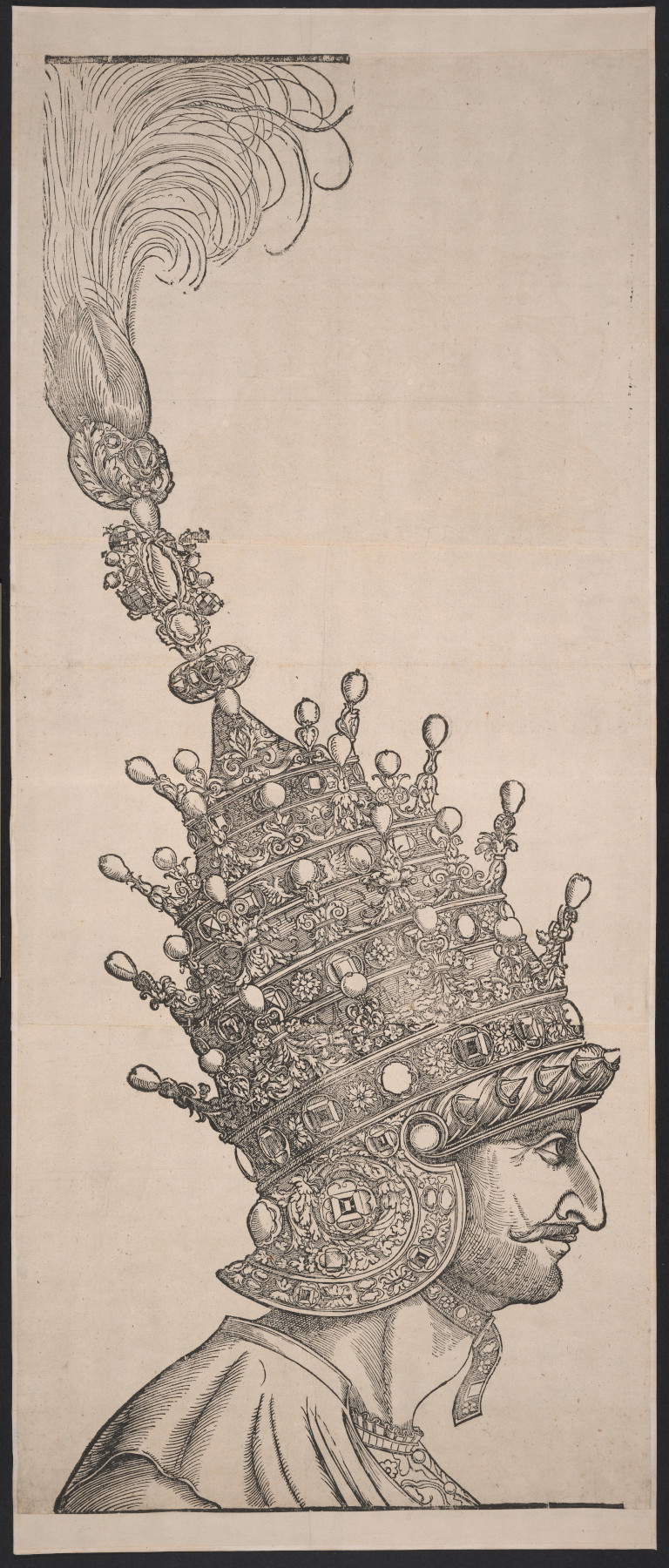
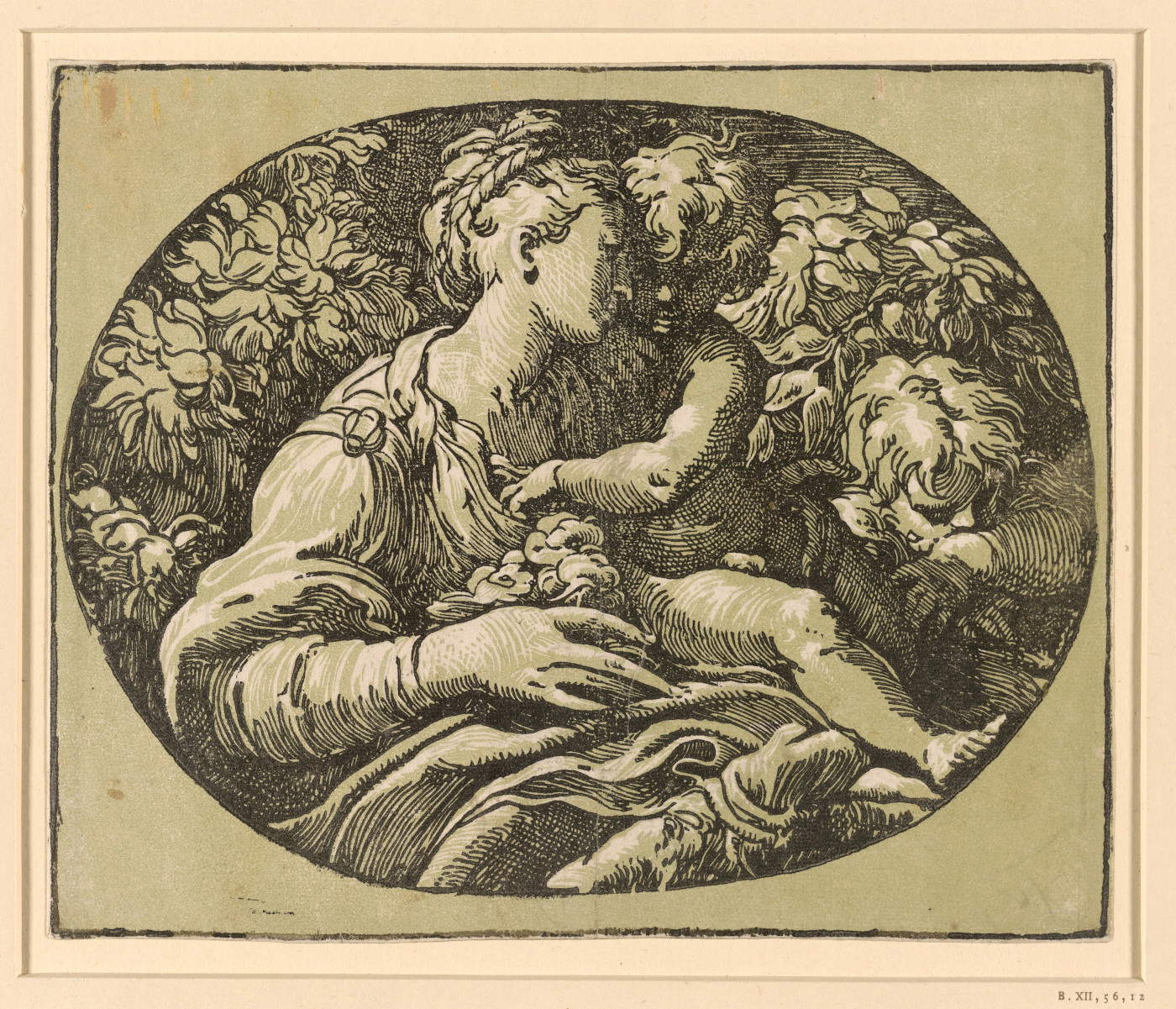
The British Museum houses hundreds of Italian Renaissance woodcuts, a collection whose size and quality have made it possible to organize a comprehensive exhibition. The exhibition offers a glimpse into the evolution of techniques, the stylistic differences across the Italian Peninsula, and the diverse uses of prints. The exhibition unfolds as a journey through Italy, divided into three sections dedicated to the major artistic traditions of the period: the Venetian school, the Tuscan-Roman school, and the Emilian school. Through the works on display, visitors can observe similarities and differences among the various geographical contexts, thereby reconstructing the diversity of Renaissance woodcut production.
A final section, titled “The Woodcut in Everyday Life,” broadens the perspective on the everyday functions of woodcuts. Alongside images intended for religious devotion and humanistic culture—featuring sacred and mythological subjects—woodcuts also served practical and recreational purposes: from the dissemination of historical and geographical knowledge to games and decoration. A specific focus is also given to prints of monumental dimensions, which attest to the expressive possibilities achieved by this technique.
Accompanying the exhibition is an English-language catalog that illustrates the woodcuts held by the British Museum and, for the works on display, refers to their respective scholarly entries published in the Atlas database.
|
| Italian Renaissance Woodcuts at the British Museum: The Giorgio Cini Foundation’s Atlas on Display |

Warning: the translation into English of the original Italian article was created using automatic tools. We undertake to review all articles, but we do not guarantee the total absence of inaccuracies in the translation due to the program. You can find the original by clicking on the ITA button. If you find any mistake,please contact us.

























 IT
IT FR
FR DE
DE ES
ES CN
CN


