



by Redazione 19/11/2026


Categories: Exhibitions / Disclaimer
From December 4, 2026, to April 11, 2027, Palazzo Bisaccioni in Jesi will host an exhibition curated by Marco Bazzini, organized in collaboration with Intesa Sanpaolo’s Gallerie d’Italia. Some forty works trace the transformations in Italian artistic practice during the years of the economic boom, mass culture, and technological progress.


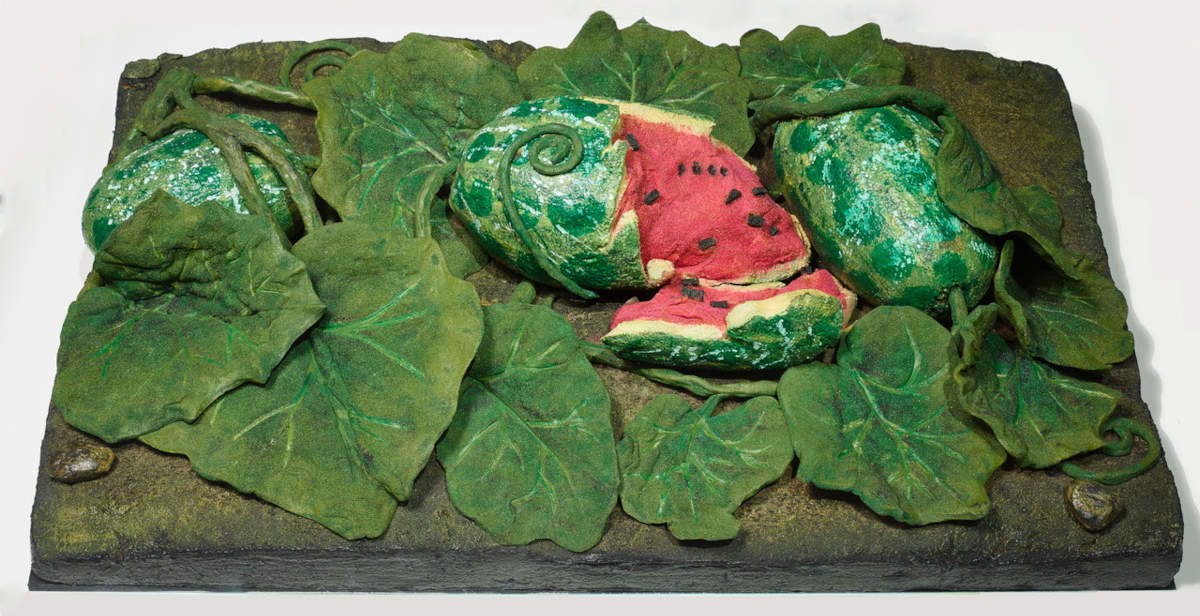
From December 4, 2026, to April 11, 2027, Palazzo Bisaccioni in Jesi will host *Il primato dell’occhio*. The 1960s: Between Pop Art and Programmed Art, an exhibition curated by Marco Bazzini and organized by the Fondazione Cassa di Risparmio di Jesi in collaboration with Intesa Sanpaolo’s Gallerie d’Italia. Through some forty works drawn from the bank’s modern and contemporary art collections, the exhibition traces some of the major directions of Italian artistic exploration during the decade that profoundly transformed society and visual languages. The opening is scheduled for December 4 at 6:00 p.m.

The project is a continuation of an initiative launched in 2024 with *La libera maniera. Abstract and Informal Art in the Intesa Sanpaolo Collections*, also curated by Bazzini and dedicated to the 1950s, considered a pivotal moment in the development of Italian art. The new exhibition shifts the focus to the following decade, marked by rapid economic modernization, the emergence of youth as a prominent force, and the transformation of daily habits.
The 1960s were, in fact, the period in which mass consumption gradually took hold, household appliances entered homes, and the automobile became an increasingly widespread means of leisure and transportation. Technological progress—which also accompanied the conquest of space and the development of modern computers—changed people’s perception of the world. New music, dances, nightspots, and more widespread television programming also transformed forms of entertainment and social life. Against this backdrop, the image took on a central role: knowledge was increasingly conveyed through sight, to the point of shaping what the exhibition describes as a veritable “empire of the gaze.”



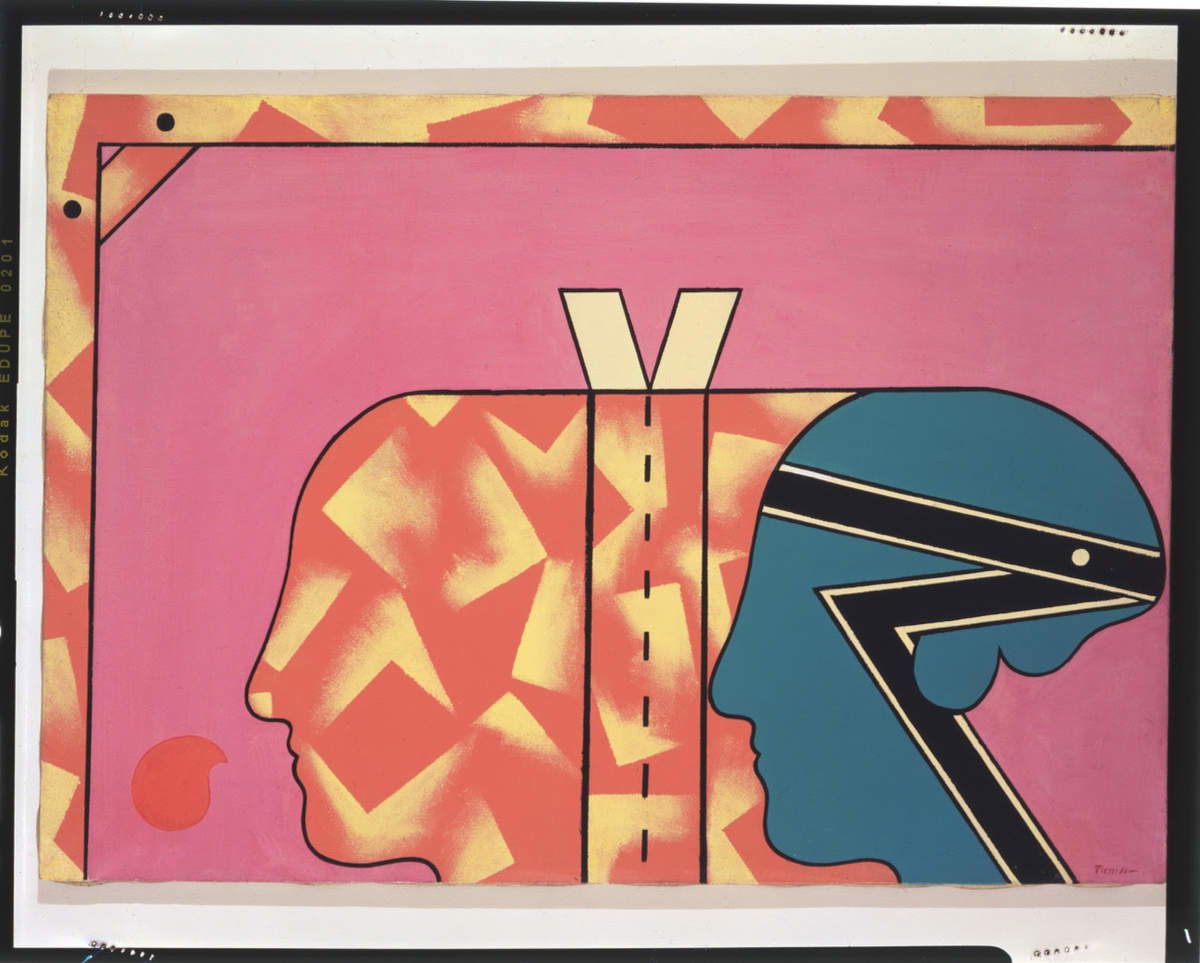
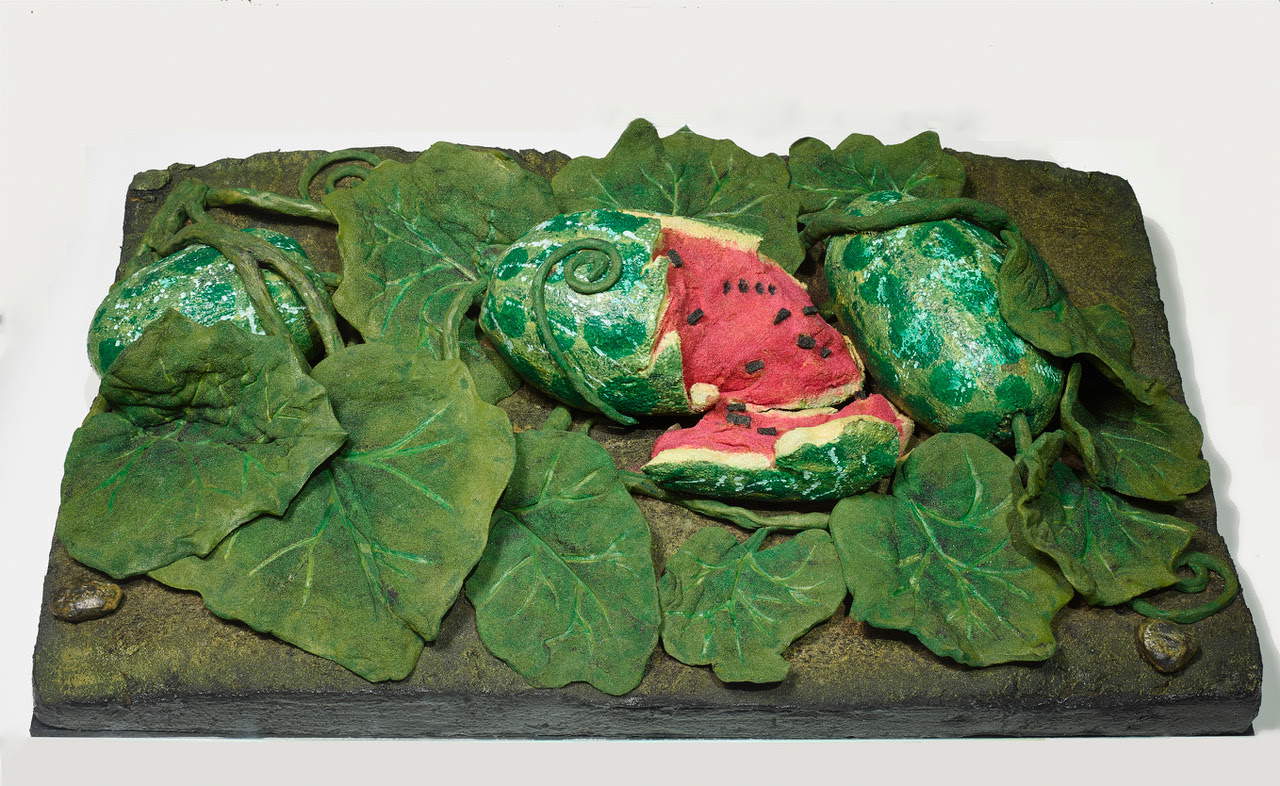
It is precisely this centrality of visual perception that gives meaning to the exhibition’s title. In a context where reality is increasingly absorbed through images, art, too, is adapting its tools and modes of expression. The canvas becomes the starting point for a perceptual experience that is no longer necessarily based on narrative, symbolism, or individual gestures. Reality presents itself as a stream of icons, fueled in part by the spread of mass media. This new condition gives rise to both reflections on the human condition and explorations oriented toward an essentially phenomenological experience.
The exhibition in Jesi examines some of the main manifestations of this transformation. One primary direction is represented by the revival of figuration and its reworking through images disseminated by mass media. It is in this context that an Italian version of Pop Art developed, centered primarily in Rome, where artists such as Mario Schifano, Tano Festa, Kounellis, and Fioroni were active. However, this artistic exploration was not limited to the capital: the works of artists active in other cities—including Giraldi, Pozzati, Volpini, and Mondino—also bear witness to this trend.
A different orientation emerged in Milan, where some artists engaged with figurative art that had more existential implications, focusing on the human condition and destiny. Among others, Recalcati, Romagnoni, and Spadari belonged to this group. Also in Milan, in the early years of the decade, were the artistic endeavors of Castellani and Manzoni, who were associated with the magazine *Azimuth* and engaged in a dialogue with artistic explorations taking place across the rest of Europe.
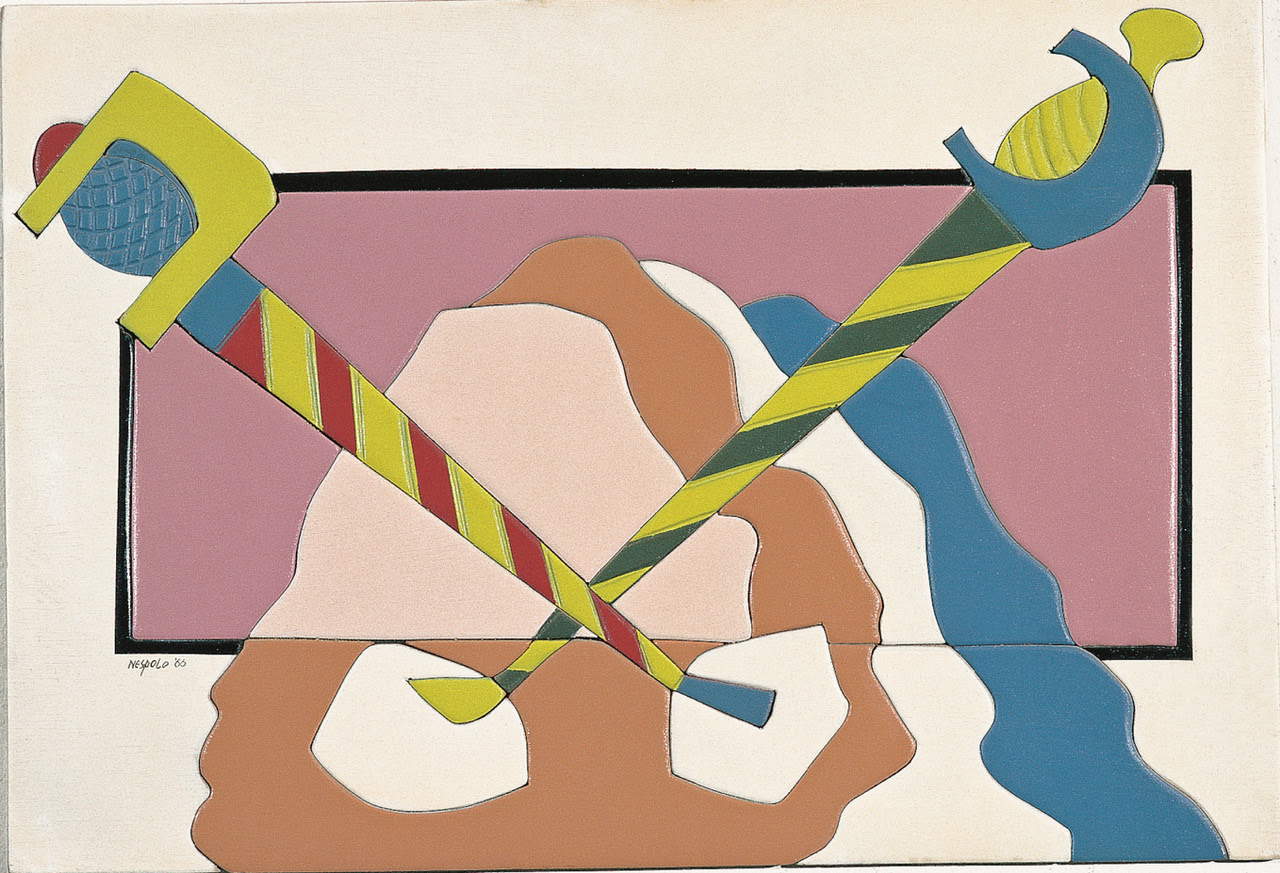
Alongside these movements, the exhibition explores the renewed encounter between art and technology, which finds one of its expressions in Programmed Art. The explorations of Massironi, Biasi, and Colombo fall within this context, supported as well by the theoretical contributions of the critic Giulio Carlo Argan. Their works reflect a different approach to artistic production, grounded in the interaction between design, technology, and perception.
The works presented do not exhaust the complexity of the decade, but they convey its plurality of languages and orientations, highlighting how many of the transformations initiated in the 1960s continued to develop in the decades that followed. The exhibition’s aim is therefore to offer an interpretation of that historical transition through the works, allowing the viewer’s direct experience to guide the visit above all else.
All the works on display were selected from the modern and contemporary art collection of Intesa Sanpaolo’s Gallerie d’Italia, which is thus renewing the collaboration it has maintained in recent years with the Fondazione Cassa di Risparmio di Jesi. A catalog published by Allemandi will also be released to accompany the exhibition.*The Primacy of the Eye: The 1960s Between Pop Art and Programmed Art* will be on view at Palazzo Bisaccioni in Jesi from December 4, 2026, to April 11, 2027.
“These artists,” says Marco Bazzini, “teach us to restore depth to our gaze, training the eye not merely to ‘see’ and consume the appearances of our time, but to truly look—going beyond the surface to grasp the authentic complexity of the images that form before our eyes”.
 |
| Italy in the 1960s as Seen by Artists: An Exhibition at Palazzo Bisaccioni |
Warning: the translation into English of the original Italian article was created using automatic tools. We undertake to review all articles, but we do not guarantee the total absence of inaccuracies in the translation due to the program. You can find the original by clicking on the ITA button. If you find any mistake,please contact us.