





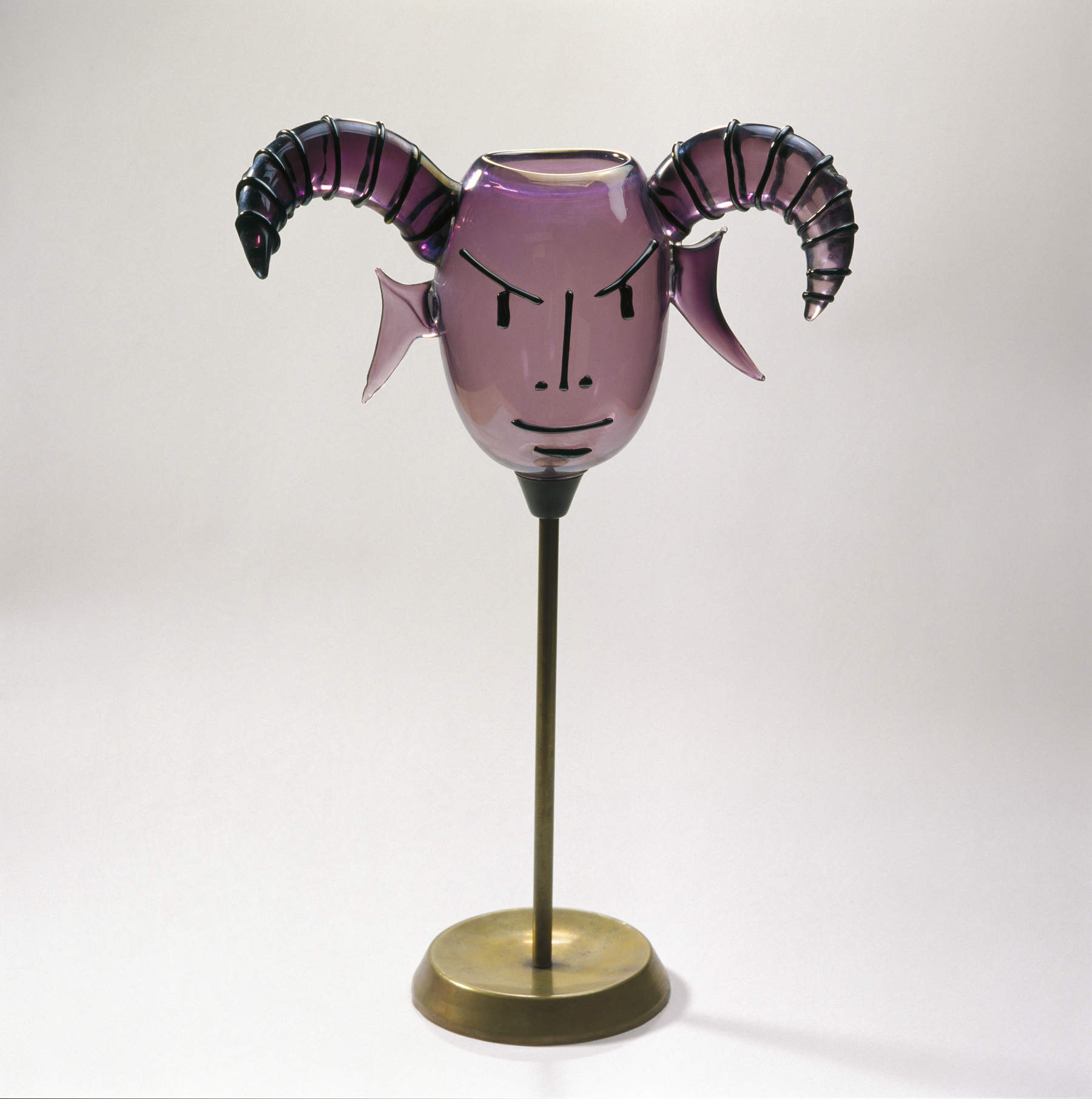
From November 14, 2026, to March 29, 2027, the Peggy Guggenheim Collection in Venice presents *Fucina degli Angeli*. Peggy Guggenheim and 20th-Century Art Glass, an exhibition curated by Cristina Beltrami that traces the history of Fucina degli Angeli, a project conceived in Venice by Egidio Costantini in the mid-1950s and developed through the involvement of numerous key figures in 20th-century art. The exhibition also focuses on the role of Peggy Guggenheim, who supported Costantini during the decisive moments of the venture and contributed to its international success.
Born in Brindisi and a Venetian by choice, Egidio Costantini (1912–2007) lived through the period of particular ferment that Murano experienced in the 1950s, when internationally renowned artists began to engage with some of the island’s most important master glassmakers. In this context, the Murano glass tradition became a forum for experimentation and dialogue with contemporary artistic exploration, bringing together different technical skills and artistic languages.
Following his experience with the Centro Studio Pittori nell’Arte del Vetro, active from 1953 to 1955, Costantini opened a gallery dedicated to artistic glass in Venice’s Campo Santi Filippo e Giacomo in 1955. At the suggestion of Jean Cocteau, the gallery took the name Fucina degli Angeli. Costantini personally oversaw the various stages of production: from the conception of the work—often developed from the artists’ drawings—to its realization in glass within the Murano furnaces, and finally to its presentation to the public.
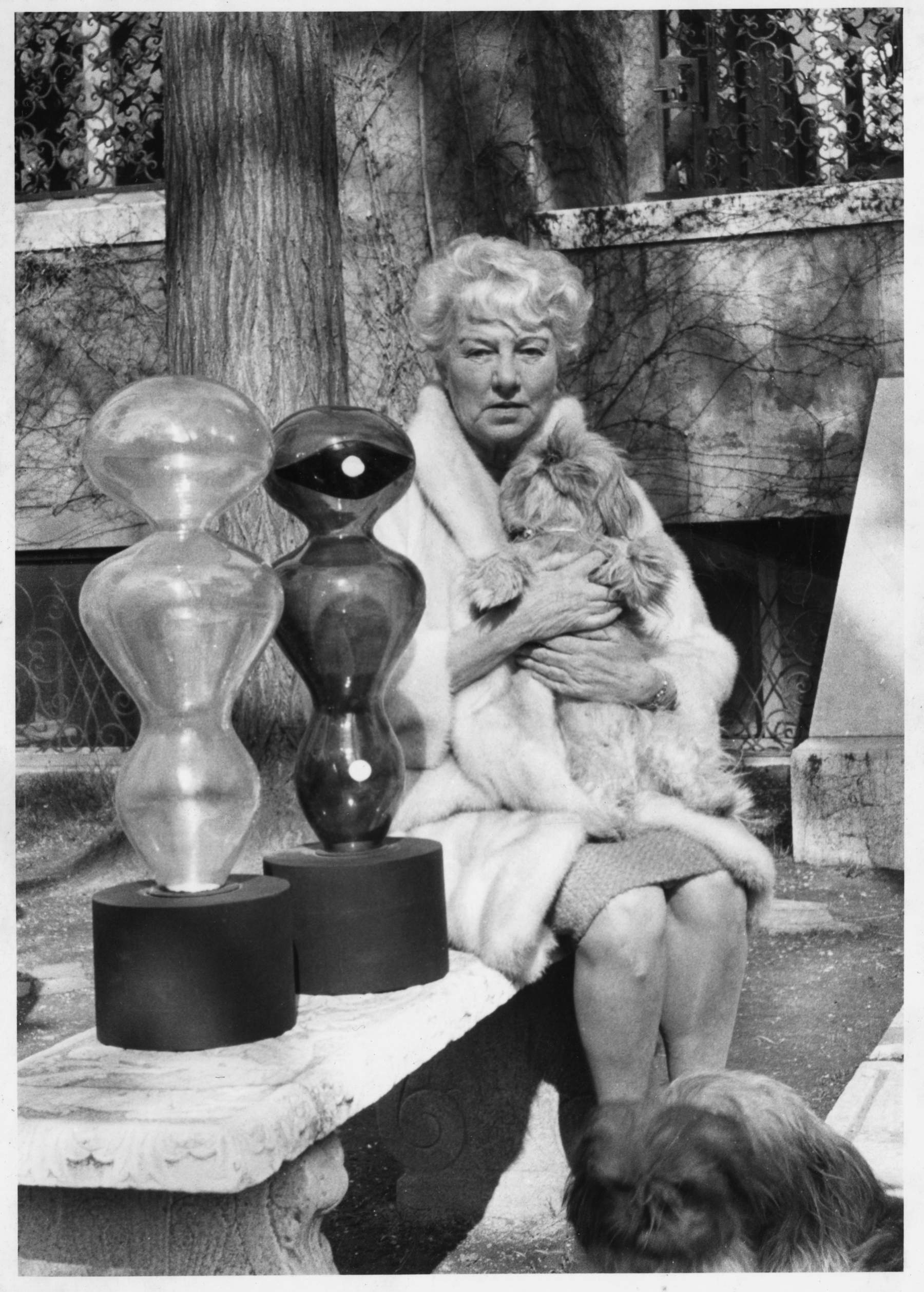
Her relationship with Peggy Guggenheim took on particular significance beginning in the 1960s. Guggenheim supported Costantini by expanding his network of contacts with artists on the international scene and guided him toward an exhibition strategy that would allow the Fucina to reach beyond Italy’s borders. Her involvement was not limited to purchasing numerous works for her own collection: the gallerist and patron also made her own experience and connections with leading figures in twentieth-century art available to Costantini.
Starting in 1964, works from La Fucina were presented in several prominent galleries on the art scene, beginning with the Galleria del Naviglio in Milan, where they were exhibited in 1964 and 1965, and the Galleria dell’Obelisco in Rome in 1965. That same year, the project reached the Museum of Modern Art in New York with “Sculpture in Glass,” the first exhibition of glass sculpture hosted by the American museum. On the occasion of the exhibition, *Time* magazine described Costantini as “a contemporary Venetian visionary, dedicated to restoring to glass the magnificence of past centuries,” in an article published on September 17, 1965.
The exhibition brings together over one hundred works from international institutions such as the Fondation Marguerite Arp in Locarno, the Historisches Museum in Basel, the Augsburg Kunstmuseum Walter, the MUDAC in Lausanne, and the Museum of Fine Arts in Boston. These are joined by works from the Murano Glass Museum, the Fucina degli Angeli Archive, and the Peggy Guggenheim Collection, as well as loans from galleries and private collections.
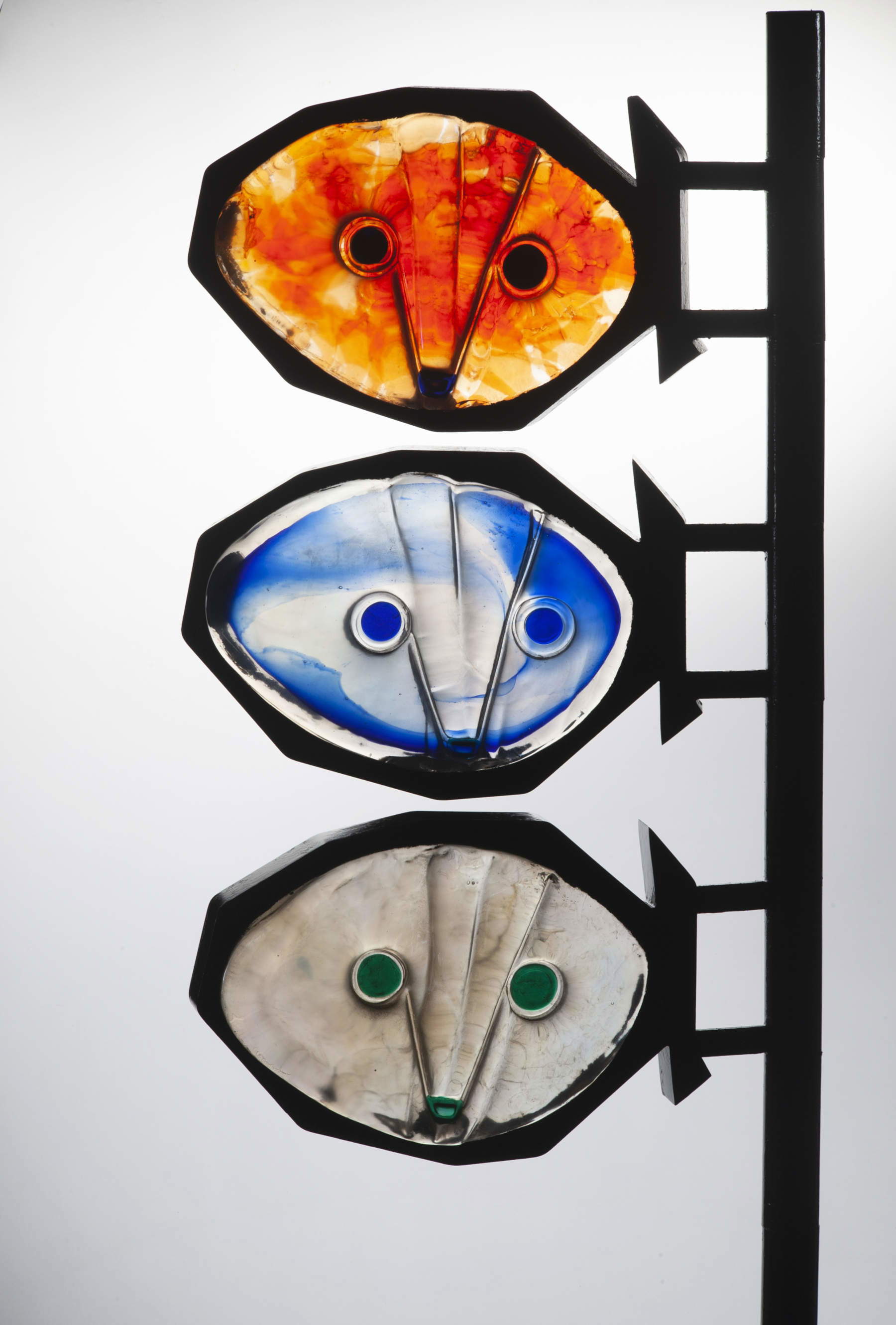
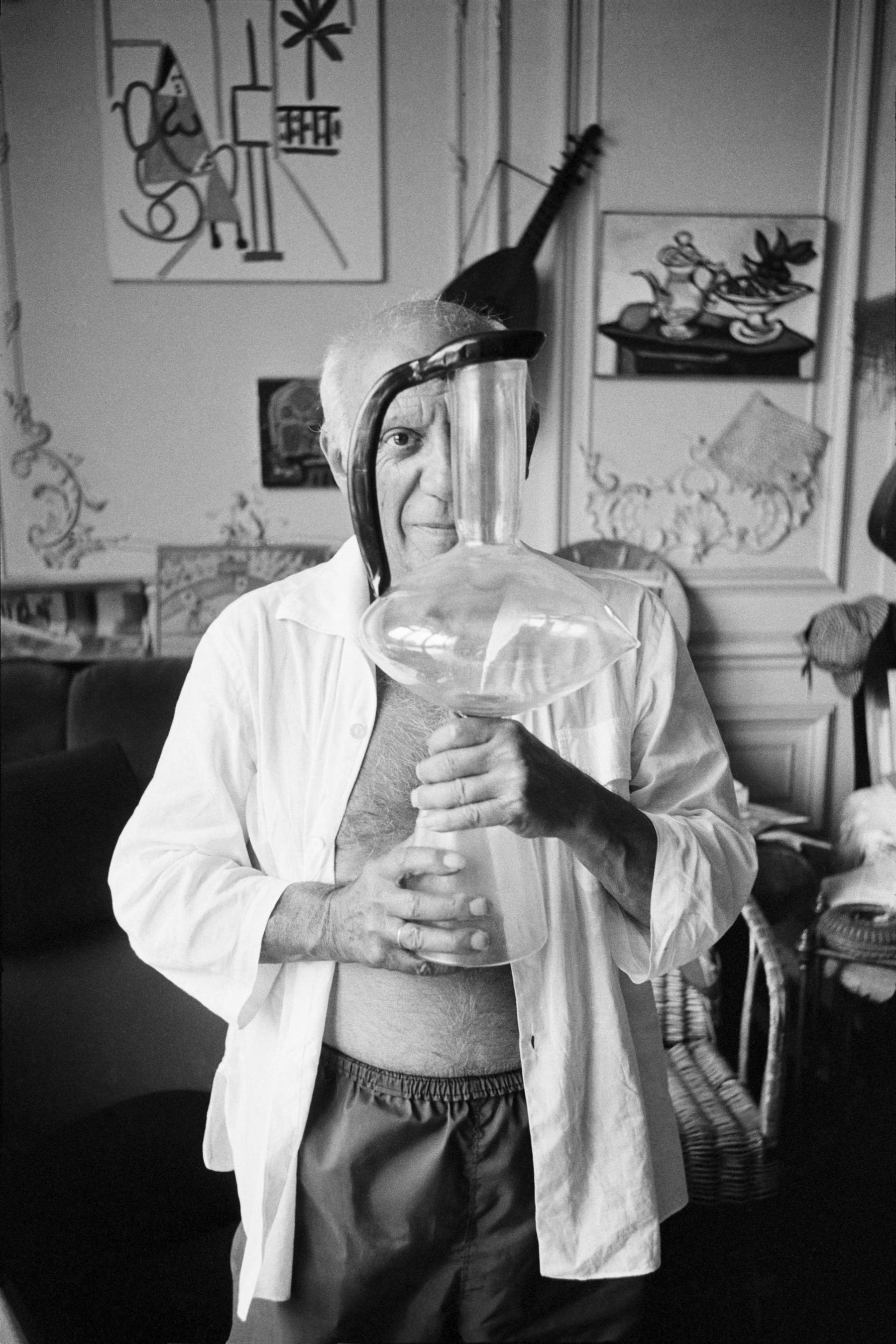
The exhibition begins with Costantini’s early glass works, freely inspired by the ceramics of Georges Braque and Pablo Picasso, and then traces the collaborations he developed with artists such as Arman, Jean (Hans) Arp, Jean Cocteau, Max Ernst, Paul Jenkins, Oskar Kokoschka, Matta, Dorothea Tanning, and Mark Tobey. Special attention is given to the abstract artists Remo Bianco, Giuseppe Capogrossi, and Luigi Veronesi, as well as to Lucio Fontana, with whom Costantini experimented with the expressive possibilities of glass in the creation of several “Spatial Concepts.” Also on view is *Spatial Concept – Construction* from 1964, donated to Peggy Guggenheim and now housed at the Museum of Fine Arts in Boston.
One section is dedicated to his collaborations with key figures from the Japanese art scene active in Venice during the 1960s and 1970s, including Miki Tomio, Katsuhiko Narita, Omura Mikuni, and Yokoo Tadanori. The final room, meanwhile, documents his later collaborations with artists already involved in the history of La Fucina, such as James Coignard and Pino Mucchiut, and with the American architect John C. Portman.
Alongside the glass works, the exhibition features drawings, paintings, and sculptures by the same artists, as well as archival materials. Comparing these materials allows us to reconstruct the process through which Costantini, beginning in the 1950s, helped shift glass from the traditional realm of the decorative arts toward that of contemporary research, involving the Murano glassworks in the experiments of some of the leading figures in 20th-century art. The exhibition will be accompanied by an illustrated catalog published by Marsilio Arte, edited by Cristina Beltrami and featuring contributions by Marianna Rossi and Stefano Turina. The initiative is organized under the patronage of the City of Venice.
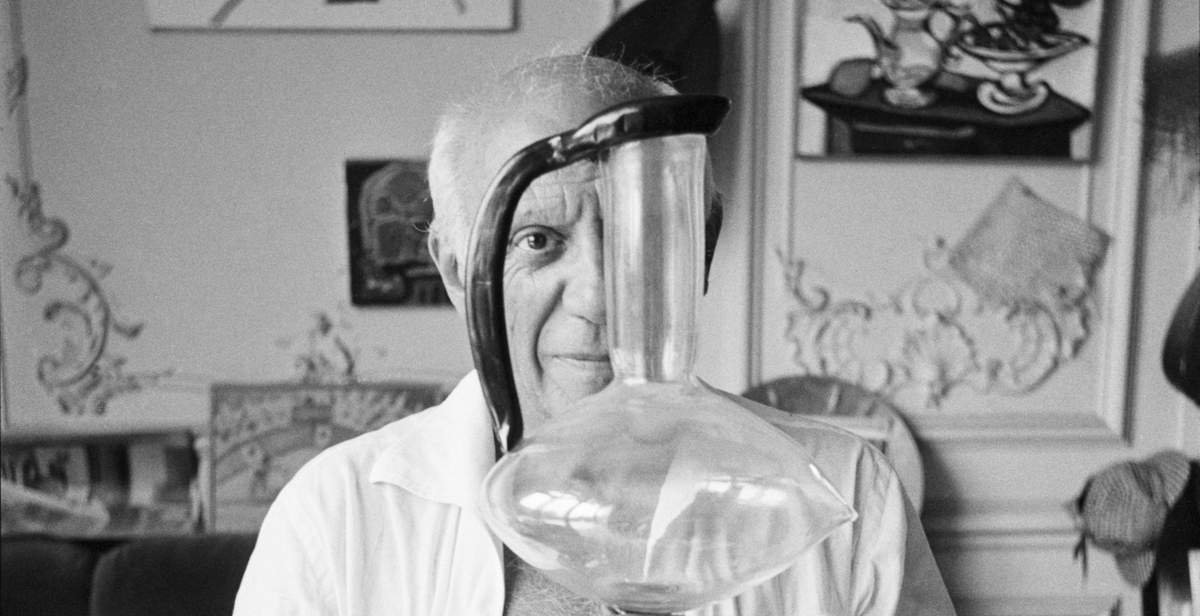 |
| "La Fucina degli Angeli" returns to the Peggy Guggenheim Collection with over one hundred works |

Warning: the translation into English of the original Italian article was created using automatic tools. We undertake to review all articles, but we do not guarantee the total absence of inaccuracies in the translation due to the program. You can find the original by clicking on the ITA button. If you find any mistake,please contact us.





















 IT
IT FR
FR DE
DE ES
ES CN
CN


