



by Redazione 23/10/2026


Categories: Exhibitions / Disclaimer
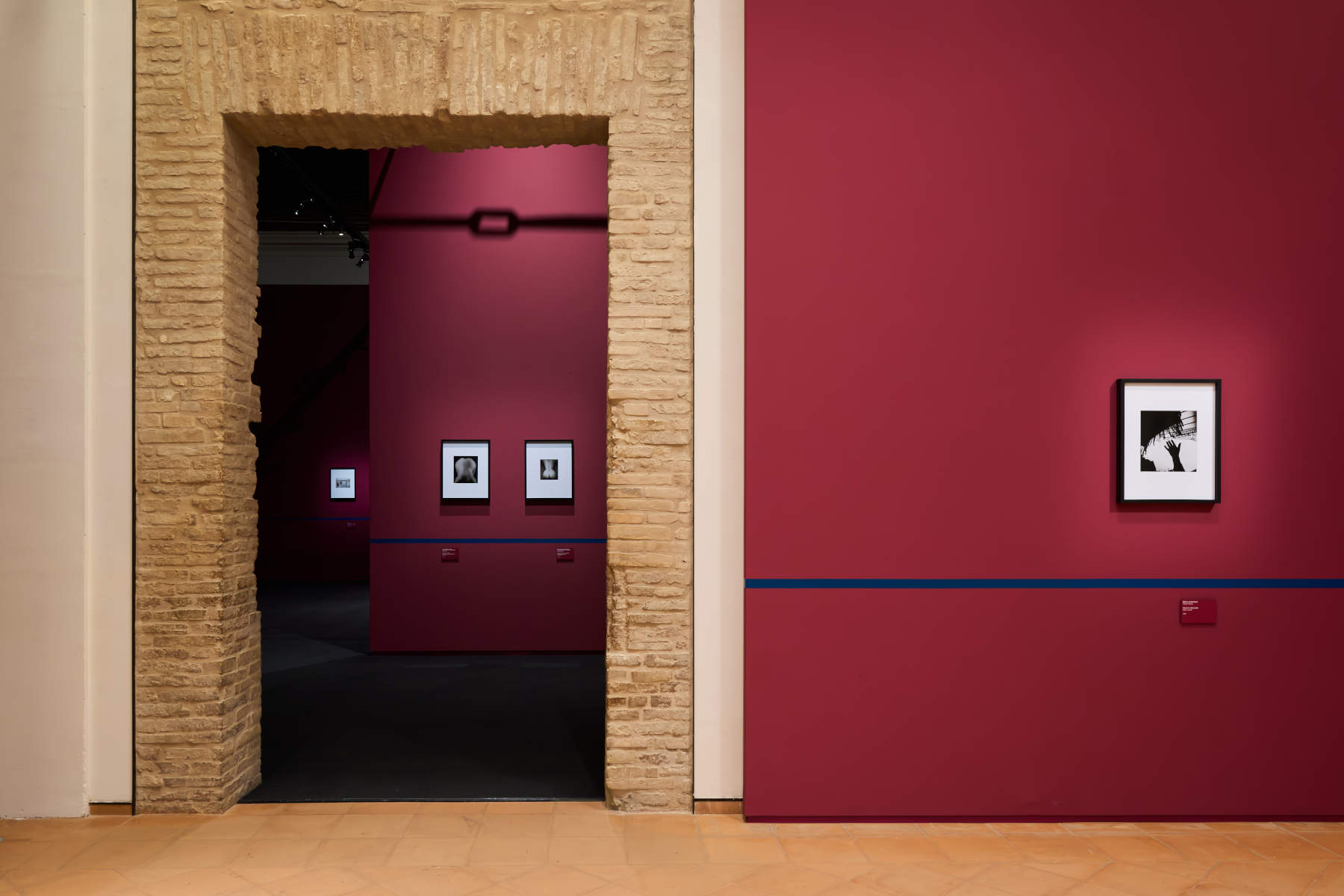
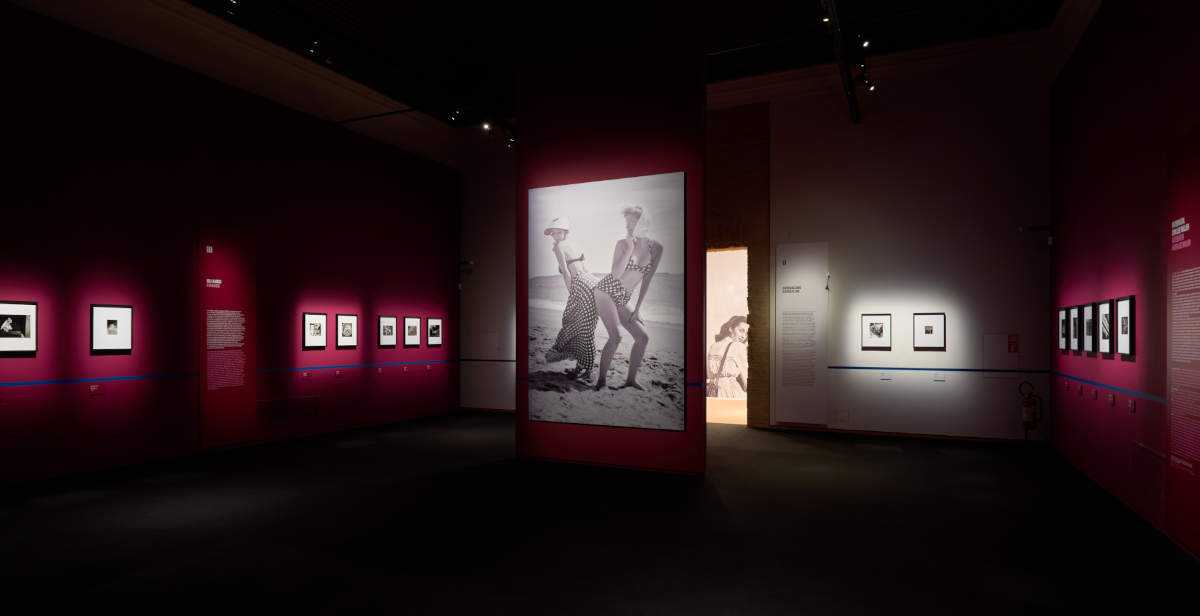
From October 10, 2026, to January 10, 2027, the San Domenico Civic Museum is hosting an exhibition dedicated to the American photographer, featuring over 160 images from the Lee Miller Archives, many of which have never been seen before. The exhibition traces her career from the 1930s through the postwar period, spanning Surrealism and fashion to her photojournalism covering World War II.


In Forlì, the San Domenico Civic Museum is dedicating an exhibition to Lee Miller ( 1907–1977), an American photographer who was active in some of the major artistic and cultural circles of the 20th century, from Surrealism to fashion photography to war photojournalism. Titled “Lee Miller: Works 1930–1955,” the exhibition runs from October 10, 2026, to January 10, 2027, and features over 160 images from the Lee Miller Archives, many of which have rarely, if ever, been seen before. Curated by Walter Guadagnini, the exhibition continues the series of fall photography exhibitions sponsored by the Fondazione Cassa dei Risparmi di Forlì, following the retrospectives dedicated to Eve Arnold in 2024 and Letizia Battaglia in 2025.

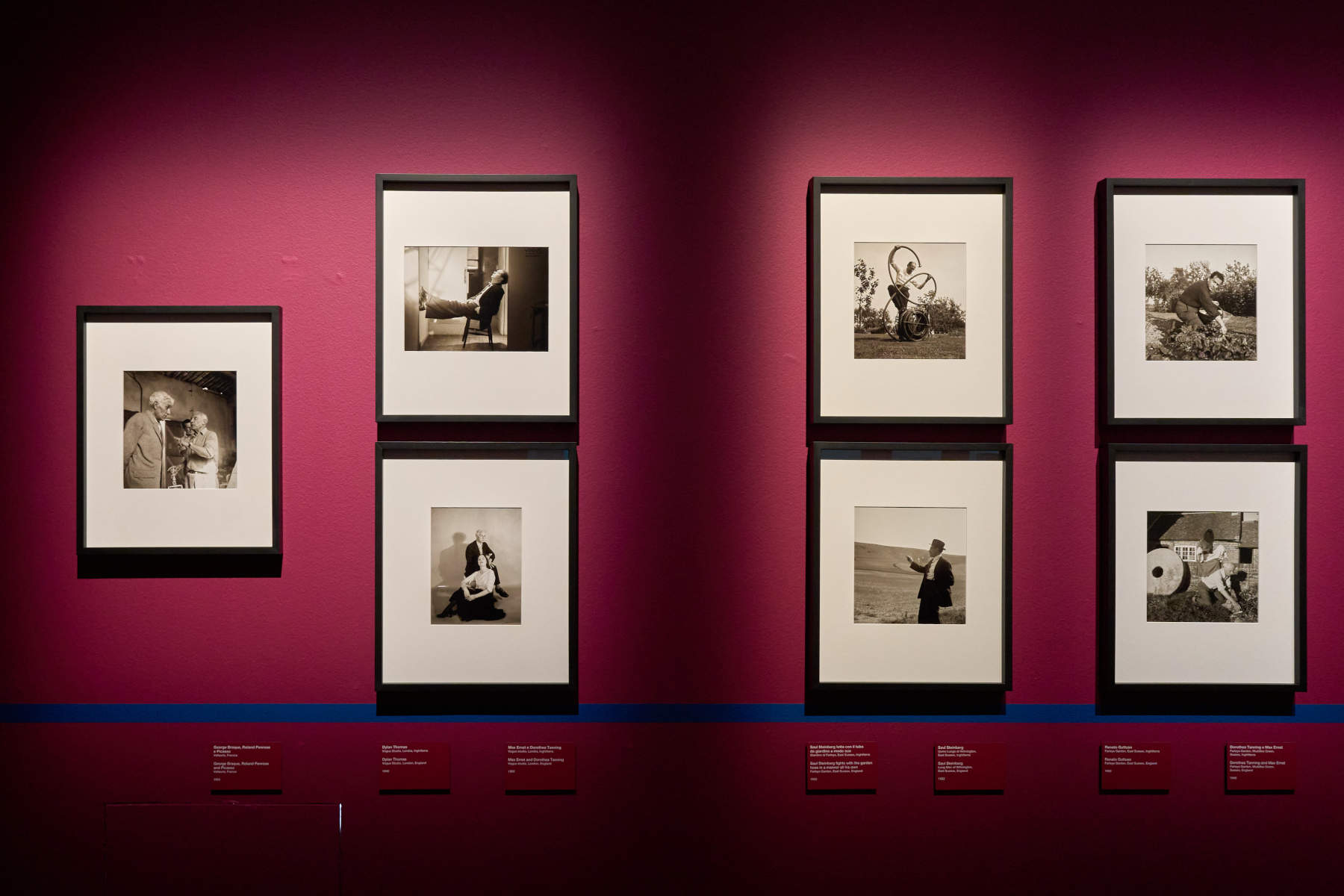
The exhibition chronologically traces the artist’s life and work, highlighting her ongoing search for new forms of expression and contexts. Born in Poughkeepsie, New York, in 1907, Miller moved to Paris in the late 1920s to pursue a career in photography. There, she convinced Man Ray to take her on as an assistant in his studio, where she came into contact with the Surrealist movement and figures such as Pablo Picasso, Max Ernst, and Paul Éluard. She also forged relationships with female artists such as Eileen Agar, Leonora Carrington, and Dorothea Tanning, creating photographs that contributed to the history of Surrealist imagery and to the development of solarization, a technique she experimented with alongside Man Ray.


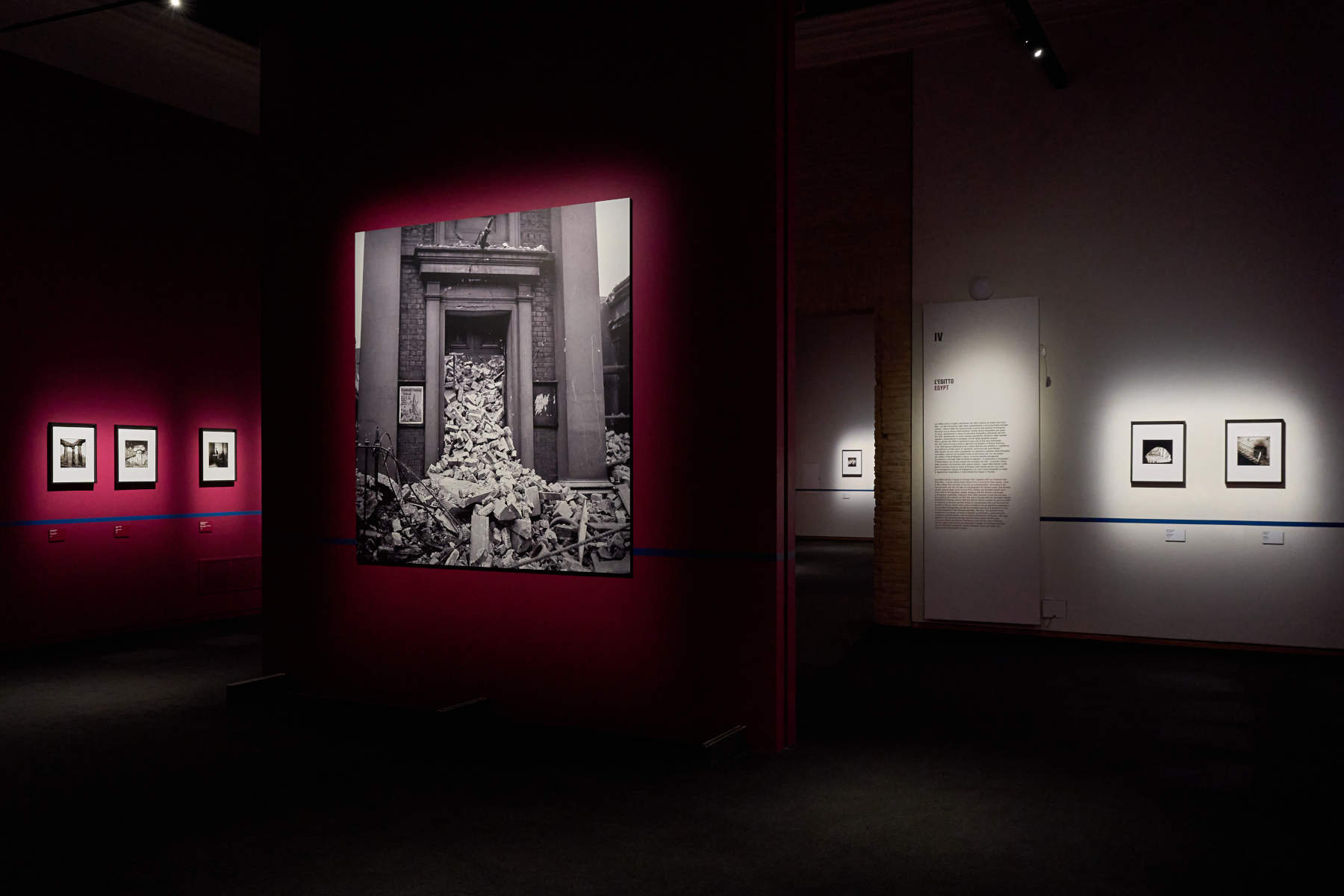
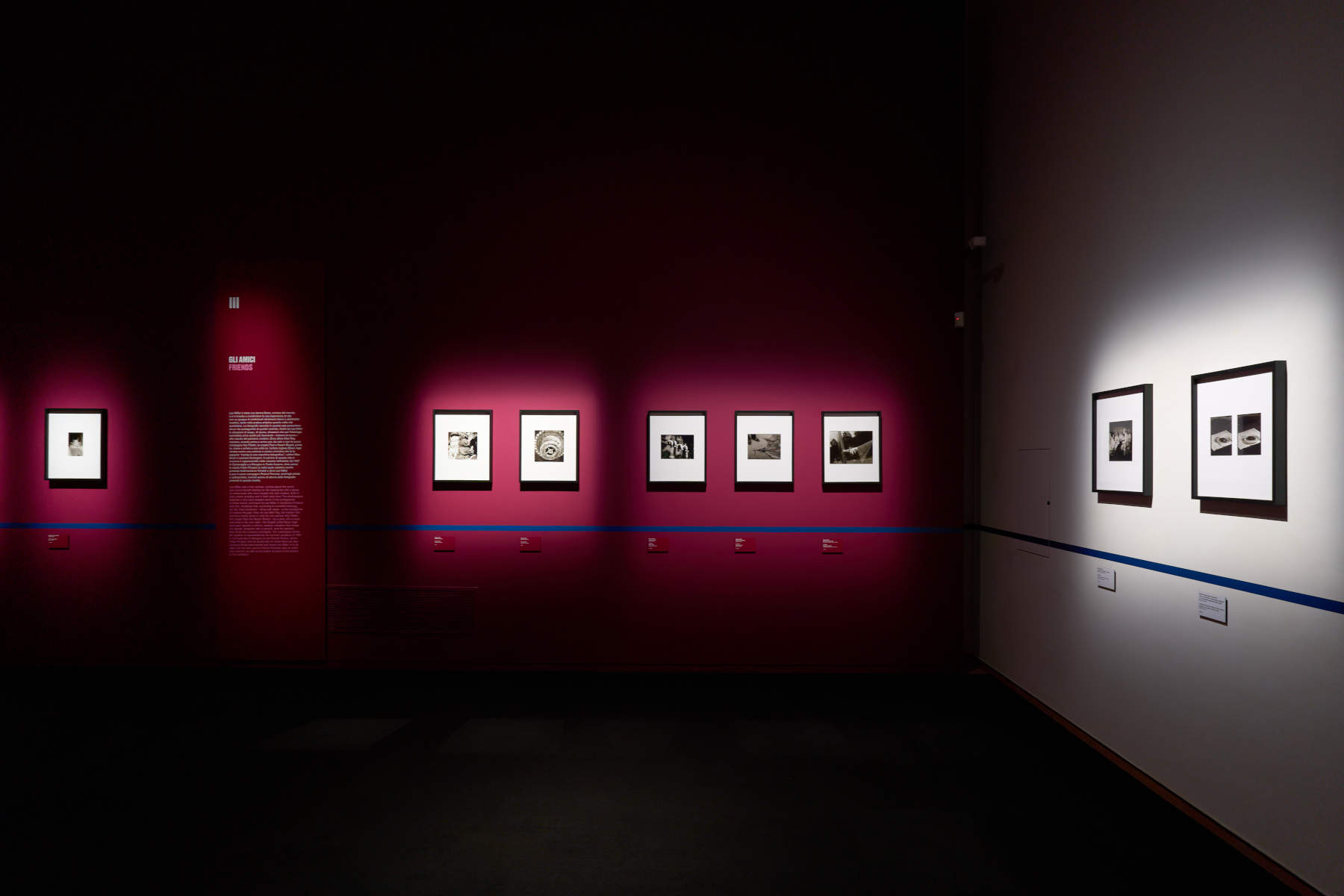
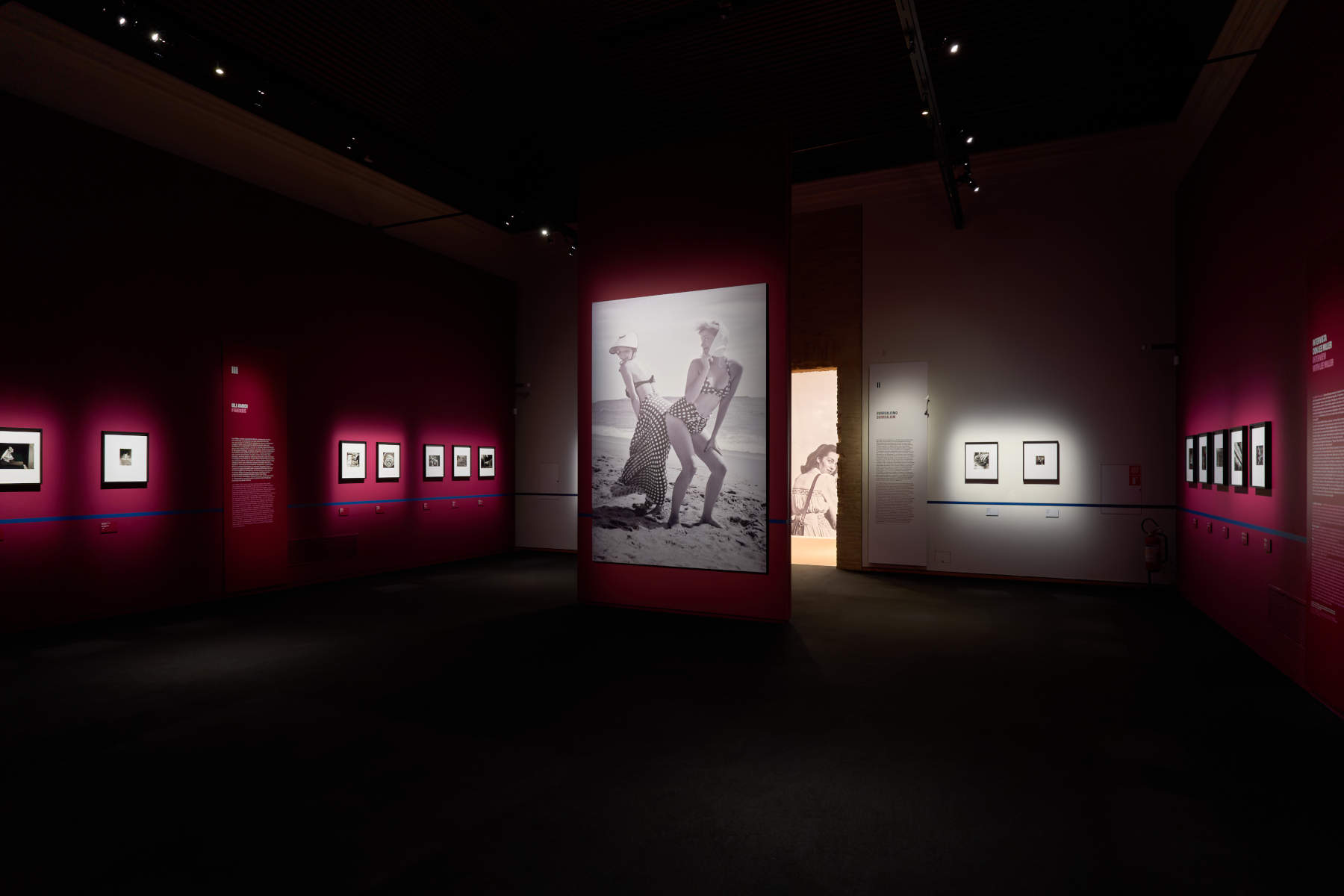
The works *Impasse des Deux Anges*, *Exploding Hand*, and *Coiffure* document this period, which spanned primarily the three-year span from 1929 to 1932. It was during this period that Miller transitioned from her role as an assistant and model to that of an independent photographer, also working in fashion and acting in Jean Cocteau’s *Le Sang d’un poète *. The exhibition also recounts the story of her first encounter with Man Ray: when she introduced herself as his new assistant, he replied that he didn’t have one; she retorted that, from that moment on, he would have one.
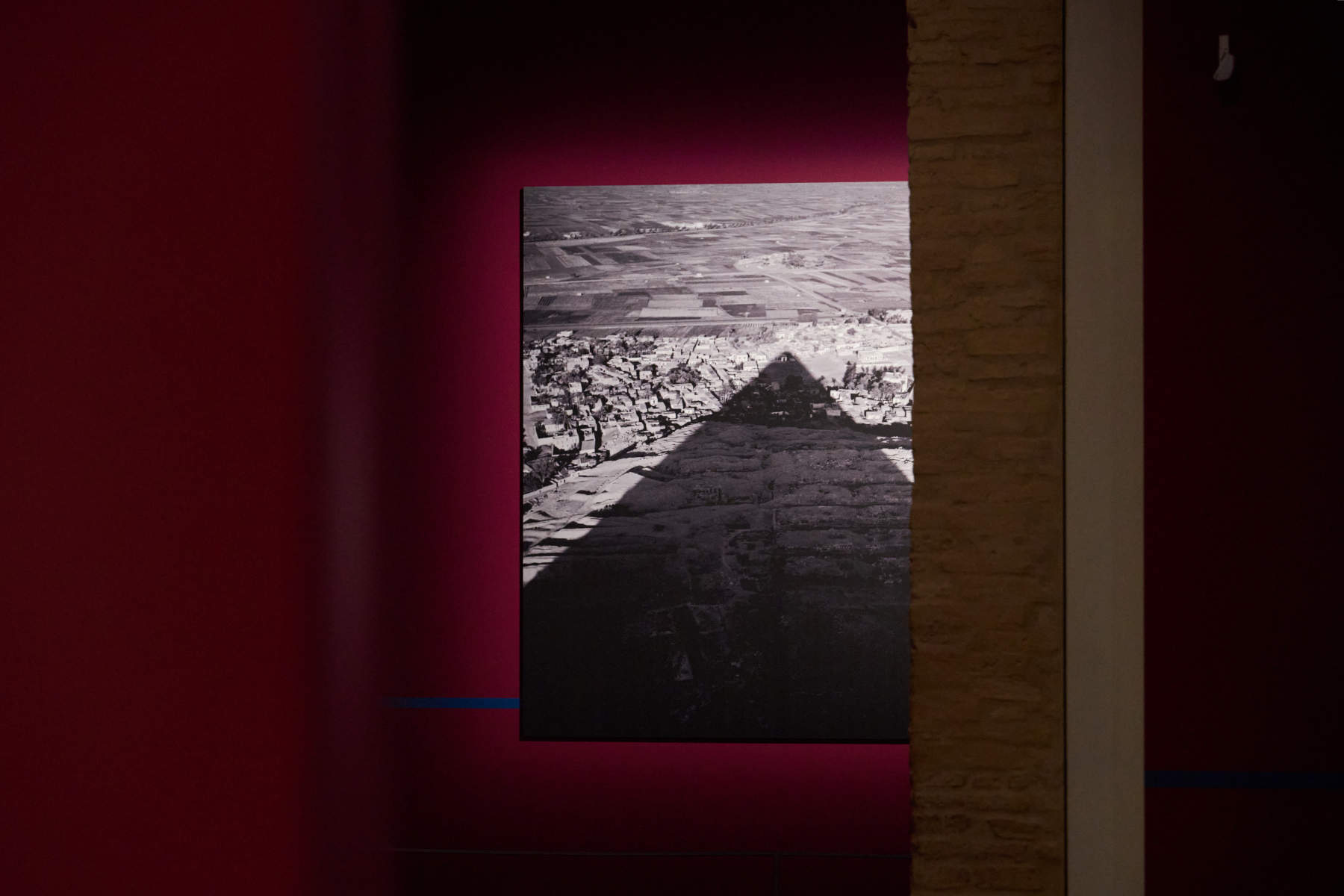
After returning to the United States, where she opened a studio and photographed figures from the film industry and high society, Miller established herself in fashion photography, collaborating with *Vogue*. In 1934, she married the Egyptian businessman Aziz Eloui Bey and moved with him to Egypt. There, she created enigmatic landscapes and photographs such as *Portrait of Space*—an image that seems to have also inspired René Magritte—and helped connect the local Surrealist circles with those in Europe.
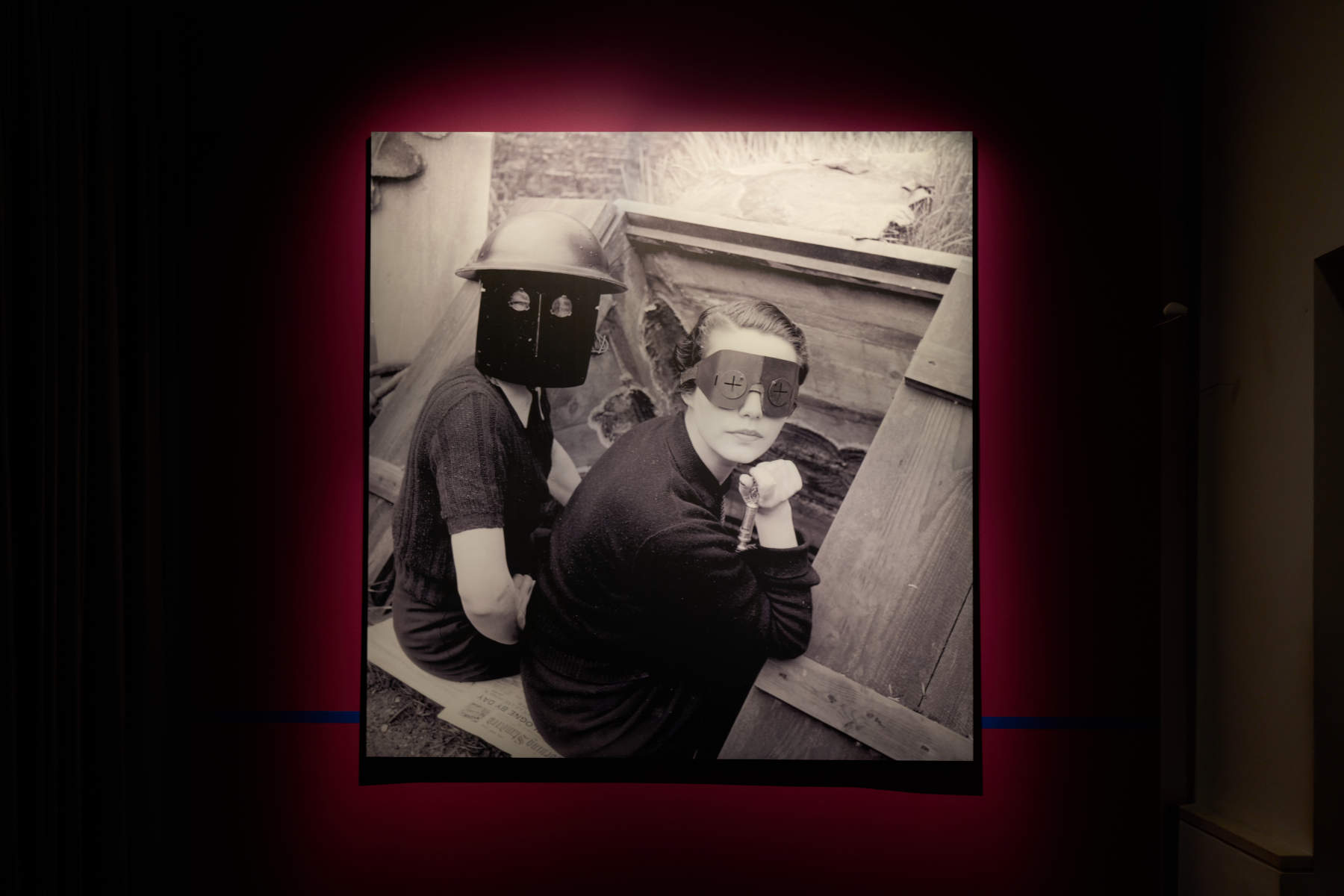
In 1937, she returned to Europe, reuniting with friends from the movement, including Nusch Éluard, Ady Fidelin, and Dora Maar, and met the artist and collector Roland Penrose, who would become her second husband. In 1939, she settled with him in England. During World War II, she chose to remain in London, working for *Vogue* and documenting the effects of German bombing raids on the British capital. The exhibition also features *Fire Masks*, a photograph in which the protective gear worn during the war takes on a visual quality reminiscent of Surrealist imagery.
Miller later became a war correspondent embedded with the Allied forces in Europe. Her reports documented the siege of Saint-Malo, the concentration camps, and Nazi Germany at the end of the war, featuring images of officers committing suicide, the burning of Hitler’s summer residence, and devastated cities. Published in *Vogue*, these photographs are accompanied by texts written by Miller herself, who combined keen observation with remarkable journalistic skill.
After the war, the photographer gradually scaled back her professional commitments and retired with Penrose to the Sussex countryside. Their home became a gathering place for artists and intellectuals, including Saul Steinberg, Max Ernst, Alfred H. Barr Jr., Renato Guttuso, and the young Richard Hamilton. Even the images of her private life and artistic circles retain the ironic and experimental character of her work.
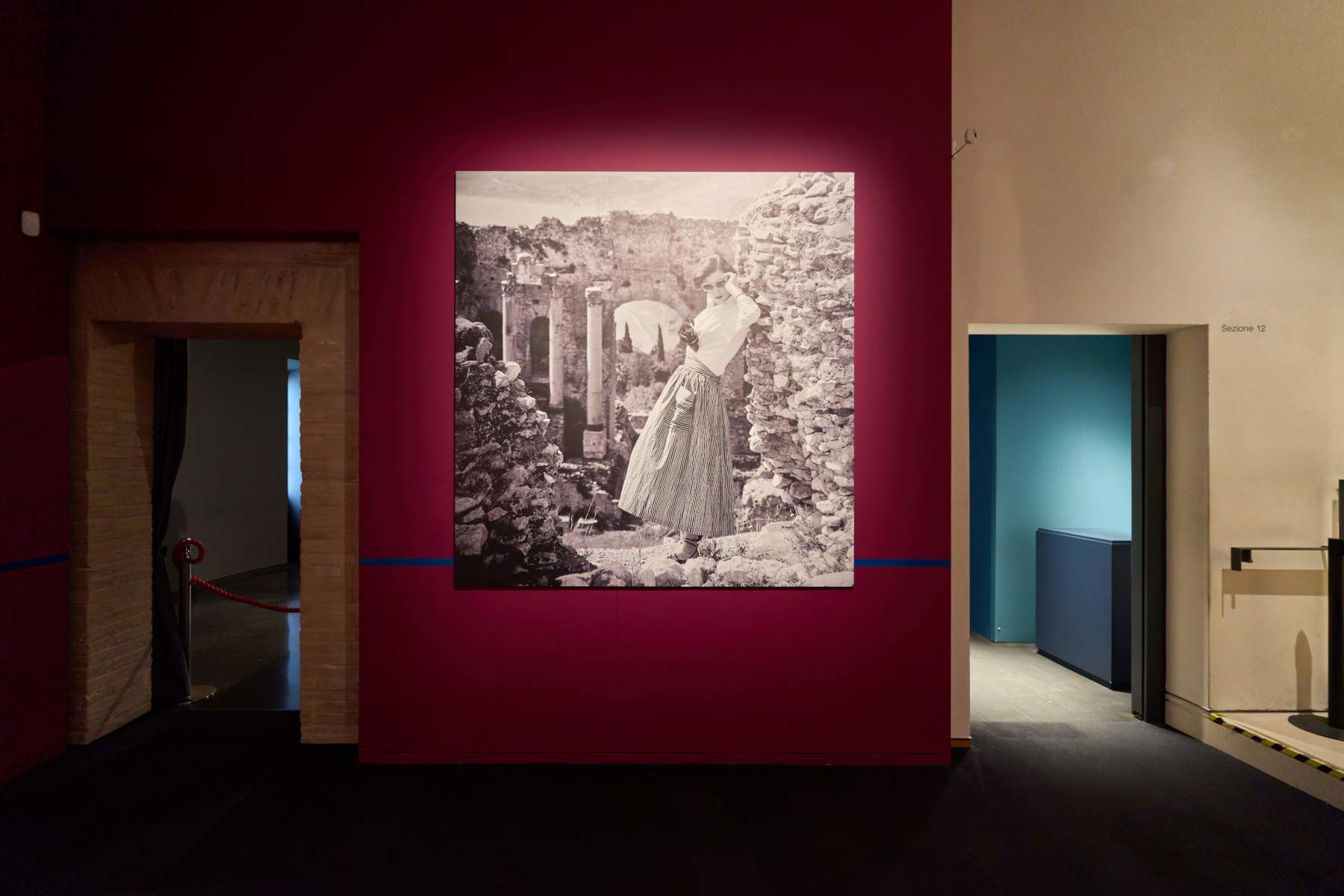
The exhibition also documents her stays in Italy, where Miller produced photo essays on the Venice Biennale, photographing figures such as Peggy Guggenheim and Giorgio Morandi, as well as her final fashion photo essays in Sicily. Alongside the photographs are reproductions of pages from the magazines that published her photoessays and articles. The exhibition is accompanied by a catalog published by Dario Cimorelli Editore and by initiatives dedicated to visual literacy, sharing, and participation.
During the exhibition period, drop-in guided tours will be offered, departing at 5:00 p.m. on the dates listed on the exhibition website. The cost is 5 euros in addition to the admission ticket; no reservation is required, and participation is limited to 25 people. Six interactive tours for families are organized for children ages 6 to 11, accompanied by up to two adults, between October 2026 and January 2027. These activities cost 5 euros in addition to the admission ticket and require a mandatory reservation, at a cost of 1 euro per person.
The exhibition is sponsored by the Fondazione Cassa dei Risparmi di Forlì together with the City of Forlì, in collaboration with Camera – Italian Center for Photography. The exhibition design is by the Lucchi & Biserni studio.
Information and reservations: 329 5617174, prenotazioni@mostrefotograficheforli.it, www.mostrefotograficheforli.it.
 |
| Lee Miller: 160 Photographs in Forlì Tell the Story of a Great Artist’s Many Lives |
Warning: the translation into English of the original Italian article was created using automatic tools. We undertake to review all articles, but we do not guarantee the total absence of inaccuracies in the translation due to the program. You can find the original by clicking on the ITA button. If you find any mistake,please contact us.