





From November 6, 2026, to March 8, 2027 , the Museo Ottocento Bologna is dedicating a solo exhibition to Luigi Serra (1846–1888) , titled *Luigi Serra (1846–1888). “I Would Like Another Life to Learn About Color.”* Marking the 180th anniversary of his birth, curated by Francesca Sinigaglia. The exhibition brings together over 100 works, including oil paintings, watercolors, drawings, and documents, and is the most comprehensive ever organized on the life and artistic career of this 19th-century Bolognese painter. The exhibition is organized into ten thematic sections and includes works on loan from museums, institutions, and private collections.
Among the pieces on display are works from the Vatican Museums, the GNAMC —the National Gallery of Modern and Contemporary Art in Rome—the Gallery of Modern Art in Florence, the National Art Gallery of Bologna, the Venturoli Art College in Bologna, the Cassa di Risparmio di Bologna Foundation, the MAMbo —Museum of Modern Art in Bologna—and the Academy of Fine Arts in Bologna. These are complemented by important private collections, including those of the testamentary heirs from Bologna and Naples.
The exhibition will also offer the first opportunity to view, in its entirety, the collection of 200 drawings and several important paintings belonging to the Museo Ottocento Bologna. These works have never been exhibited before and are considered essential for understanding Serra’s graphic practice and the lengthy preparatory work that preceded the creation of his artworks.
The exhibition marks the 180th anniversary of the artist’s birth and traces a career that unfolded in the major cultural centers of post-unification Italy. Serra, born in Bologna in 1846 and who died in 1888 at the age of just 42, succeeded in establishing a solid reputation on a national level. The success he achieved during his lifetime—as evidenced by the acquisition of his works by institutions such as the Vatican Museums and the National Gallery of Modern Art in Rome—was, however, accompanied by a constant sense of creative unease.
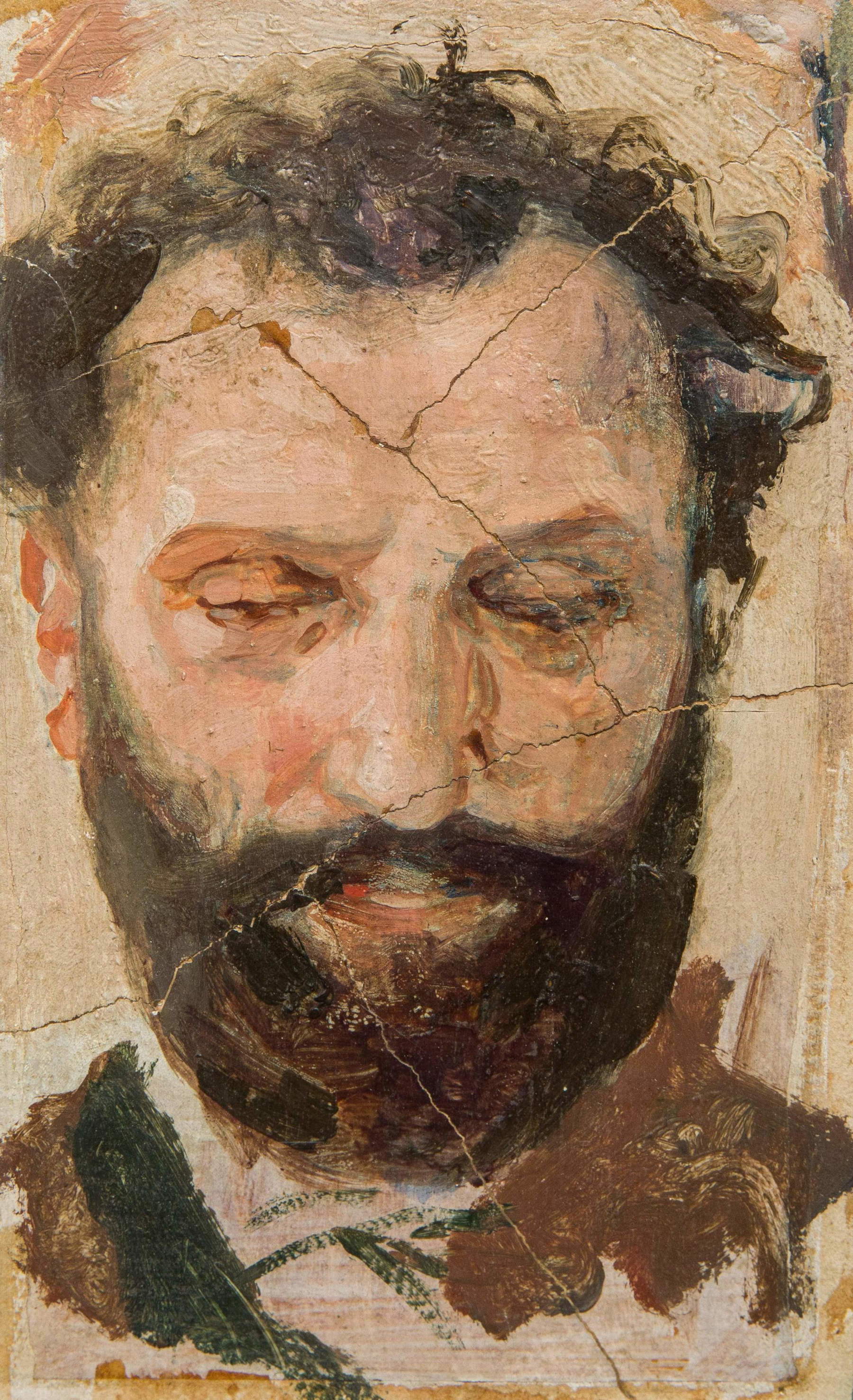
This attitude is summed up by the phrase “I would like another life to learn color,” chosen as the exhibition’s subtitle. Serra, in fact, subjected his subjects to a continuous process of reworking and study, never considering the result he achieved to be fully complete. His troubled relationship with his own work is vividly illustratedby the Self-Portrait of Luigi Serra, March 1884, Studio Quattro Fontane 88 (Rome), housed in the collection of the Museo Ottocento in Bologna.
The painting, which has never been exhibited, bears conspicuous damage on its surface. According to records, it was Serra himself who tore the canvas in a moment of deep artistic despair. The work was then patiently restored by his friend, the sculptor Enrico Barbèri. The painting will be a recurring element in the exhibition, serving as a central theme to explore not only the artist’s body of work but also his doubts, sensitivity, and the fragility that characterized his personal life.
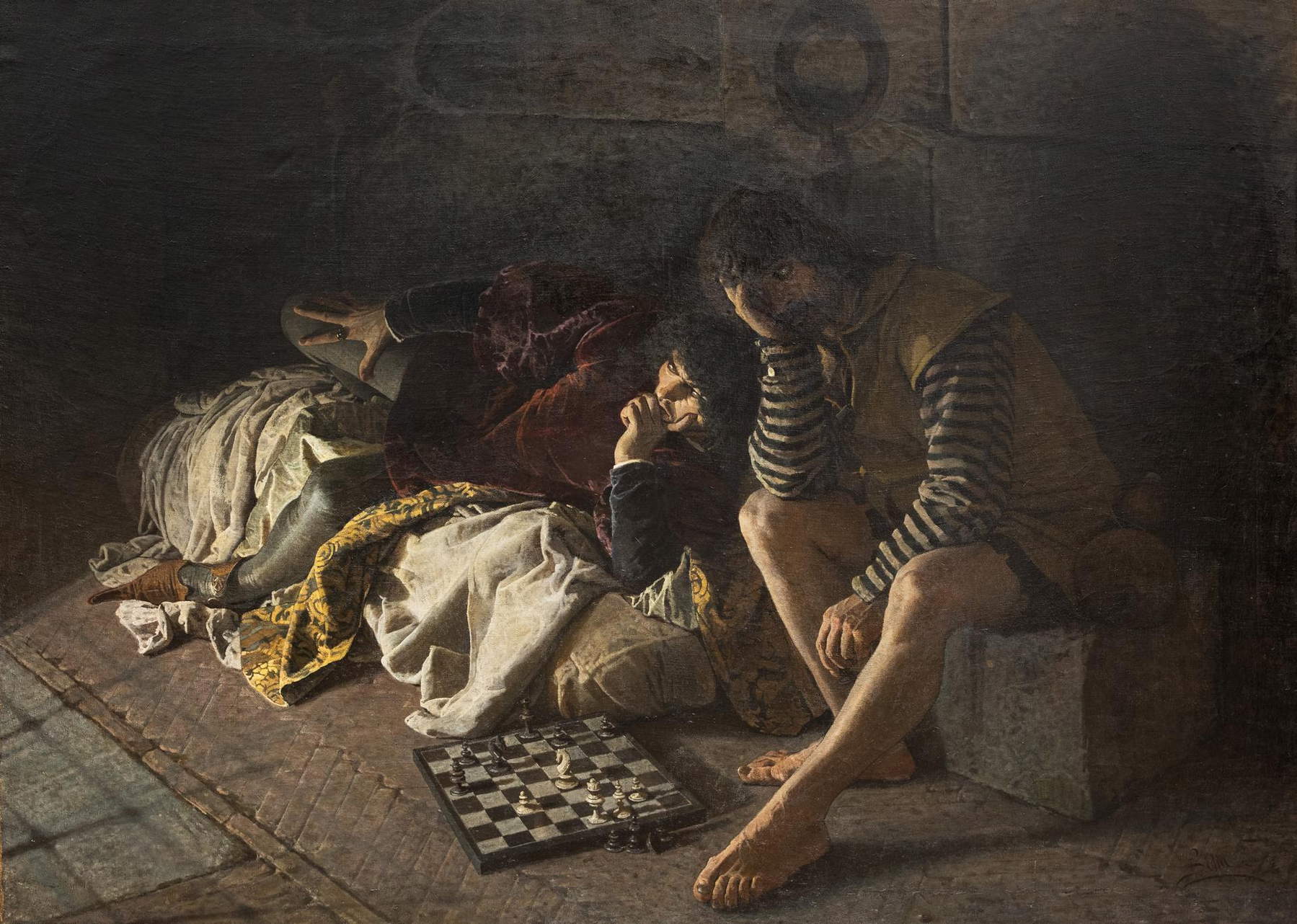
Alongside the self-portrait, some of Serra’s best-known works will be on display, beginning with *Annibale Bentivoglio, Prisoner in the Castle of Varano, Plotting His Escape with a Certain Zanese Chatterbox*(1870), on loan from the Collegio Venturoli. Also on display are *Le confidenze* (1882) and *Scena storica* (a sketch for the large-scale work commissioned from painter Luigi Serra by the Circolo Artistico di Bologna), from a private collection not normally accessible to the public. The exhibition traces the chronological evolution of the painter’s training and career. His early years are linked to the Venturoli Art School and the Academy of Fine Arts in Bologna, where Serra acquired the fundamentals of drawing and figurative art. His subsequent rise to prominence began with his first awards from the Società Protettrice di Belle Arti and his win of the Angiolini Scholarship, an experience that took him to Florence and later to Rome.
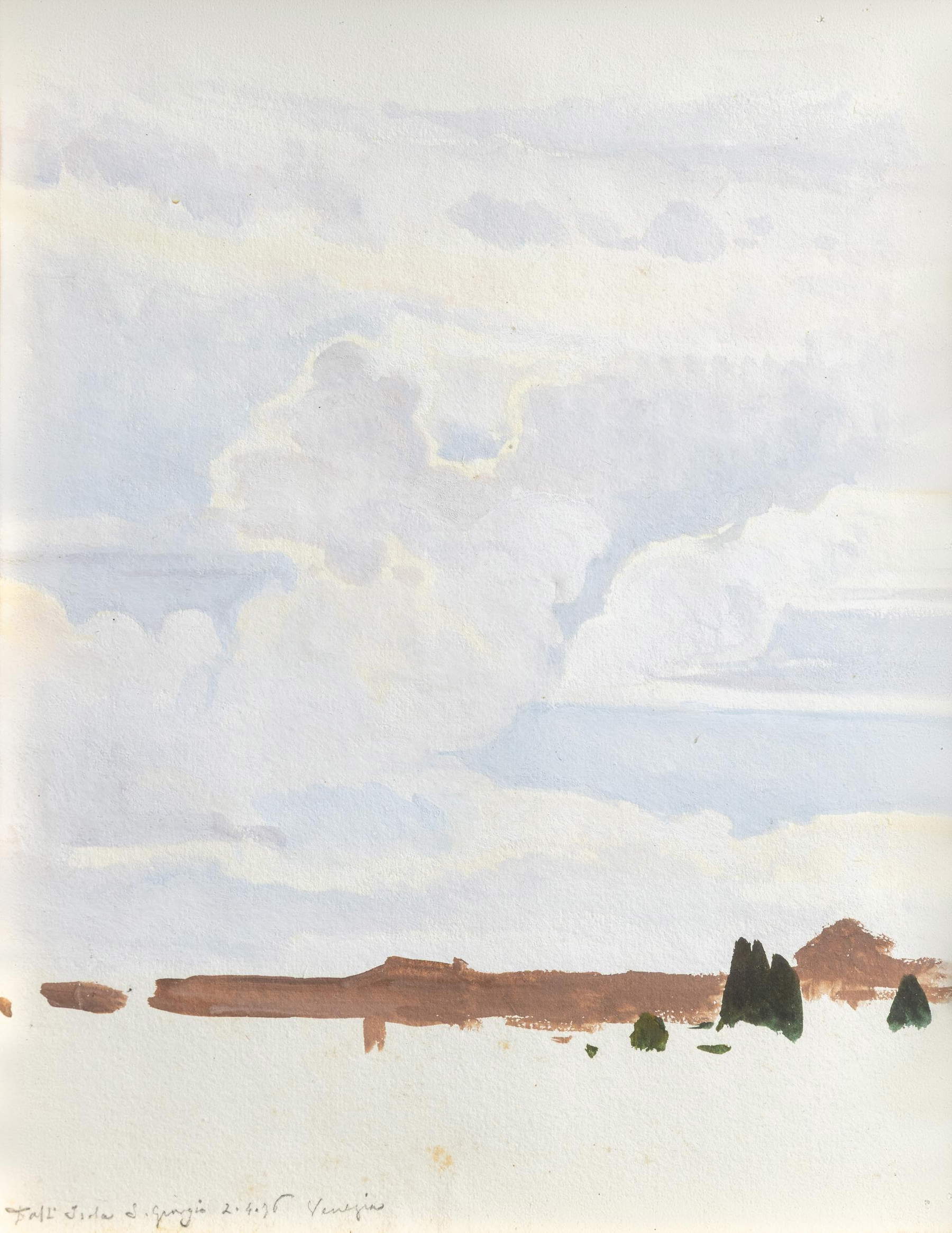
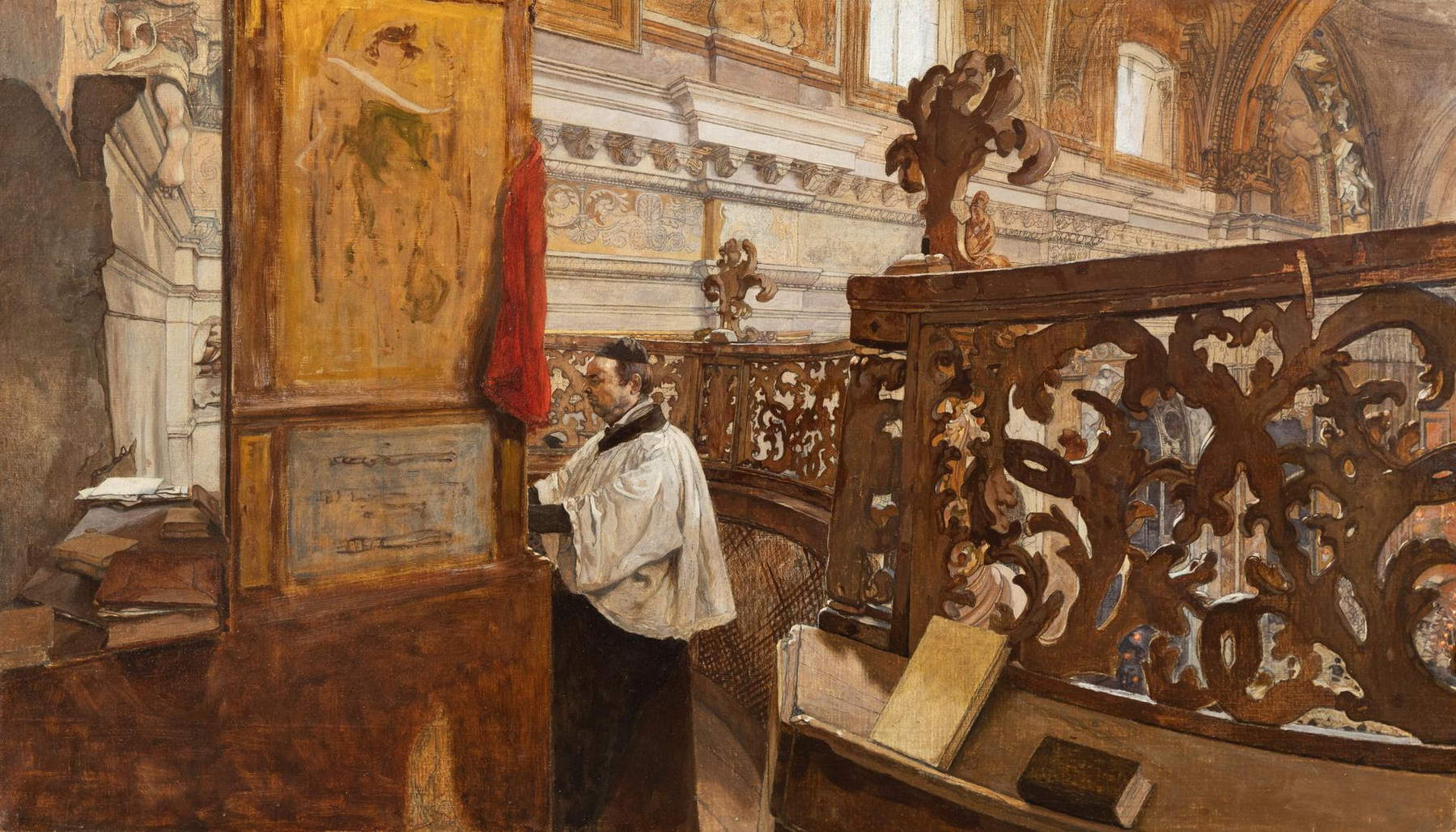
Ample space is devoted to his years in Rome and his collaboration with Maison Goupil, as well as to the curtain and decorations he created for the Teatro Gentile in Fabriano, which was designated a UNESCO World Heritage Site in 2026. The exhibition continues with his Venetian years at the Pensione Triennale and his subsequent return to Rome, documented in part through the works he created for the church of Santa Maria della Vittoria. A specific section explores his professional relationship and friendship with the painter Attilia Marini. It is precisely from this connection that a group of previously unknown works has emerged, contributing to a broader understanding of Serra’s body of work and his relationships within the artistic circles of the time.
The final sections are dedicated to the decorative cycle in the Irnerio Hall of Palazzo d’Accursio and to the artist’s posthumous success. In particular, the exhibition traces the history of the acquisition of the Serra Collection by institutions in Bologna, including the Pinacoteca and the Museo Ottocento Bologna. The story of the preservation of the artist’s legacy thus continues after his death, through the efforts of collectors and institutions that have safeguarded his drawings, paintings, and documents. Luigi Serra had, in fact, already left a significant mark on Italian artistic culture during his lifetime.
Born in Bologna in 1846, his training at the Collegio Artistico Venturoli allowed him to acquire the basic skills of his craft. Winning the Angiolini Scholarship then enabled him to live and work in Florence and Rome, where he became part of the cultural circles of both cities and participated in the major artistic gatherings of post-unification Italy. After his untimely death in 1888, at the age of 42, his legacy and artistic body of work were preserved by collectors and institutions. A significant milestone occurred in 1922, when the Pinacoteca Nazionale di Bologna acquired a substantial collection consisting of the artist’s drawings, paintings, and documents.
The exhibition will be accompanied, from January through March 2027, by a series of in-depth talks open to the public at the Confcommercio Ascom Bologna headquarters. The lectures, which are free to attend, will feature art historians and specialists who will explore the life and work of Luigi Serra.
Hours: Daily, 10 a.m. – 7 p.m.
Admission: €12 (full price) / €10 (reduced price)
|
| Over 100 works on display at the Museo Ottocento in Bologna to mark the 180th anniversary of Luigi Serra's birth |

Warning: the translation into English of the original Italian article was created using automatic tools. We undertake to review all articles, but we do not guarantee the total absence of inaccuracies in the translation due to the program. You can find the original by clicking on the ITA button. If you find any mistake,please contact us.



















 IT
IT FR
FR DE
DE ES
ES CN
CN


