





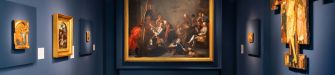
From today through February 7, 2027, the Scuderie del Quirinale in Rome will host the first major monographic exhibition dedicated to Jacopo da Pontormo (Pontorme, Empoli, 1494 – Florence, 1557) ever staged outside of Florence. The exhibition, sponsored by Ales – Scuderie del Quirinale in partnership with the Uffizi Galleries, produced in collaboration with Electa, and curated by Cristina Acidini with Elena Capretti, Philippe Costamagna, Bruce Edelstein, and Carlo Falciani, brings together over 130 works—84 of which are by Pontormo—reconstructing, through a predominantly chronological narrative, the various phases of his career in 16th-century Florence.
The exhibition focuses on the story of an artist who played a role in shaping the Florentine Mannerist style during the height of the Renaissance and who developed a personal artistic language through continuous exploration of the human figure, color, space, and the expression of emotions. The exhibition begins with his early years in republican Florence and follows Pontormo through the major painting projects he undertook under the patronage of the Medici dynasty and ecclesiastical authorities. Alongside the paintings, the exhibition features a substantial selection of drawings, works related to his career as a portraitist, and his autograph writings, with particular attention to the so-called *Libro mio*, the diary the painter kept from 1554 to 1556.
The collection of works brought together in Rome represents one of the most significant opportunities to examine Pontormo’s oeuvre since the “Pontormo and Early Florentine Mannerism” exhibition held at Palazzo Strozzi in 1956, on the occasion of the fourth centenary of the artist’s death. The loans come from leading Italian and international institutions. In addition to the Uffizi Galleries, the Accademia Gallery, and the Bargello Museums in Florence, the Borghese Gallery and the Central Institute for Graphic Arts in Rome, the Louvre in Paris, the National Gallery and the British Museum in London, the Metropolitan Museum of Art in New York, the National Gallery of Art in Washington, the Art Institute of Chicago, the Getty Museum in Los Angeles, and other museums and collections.
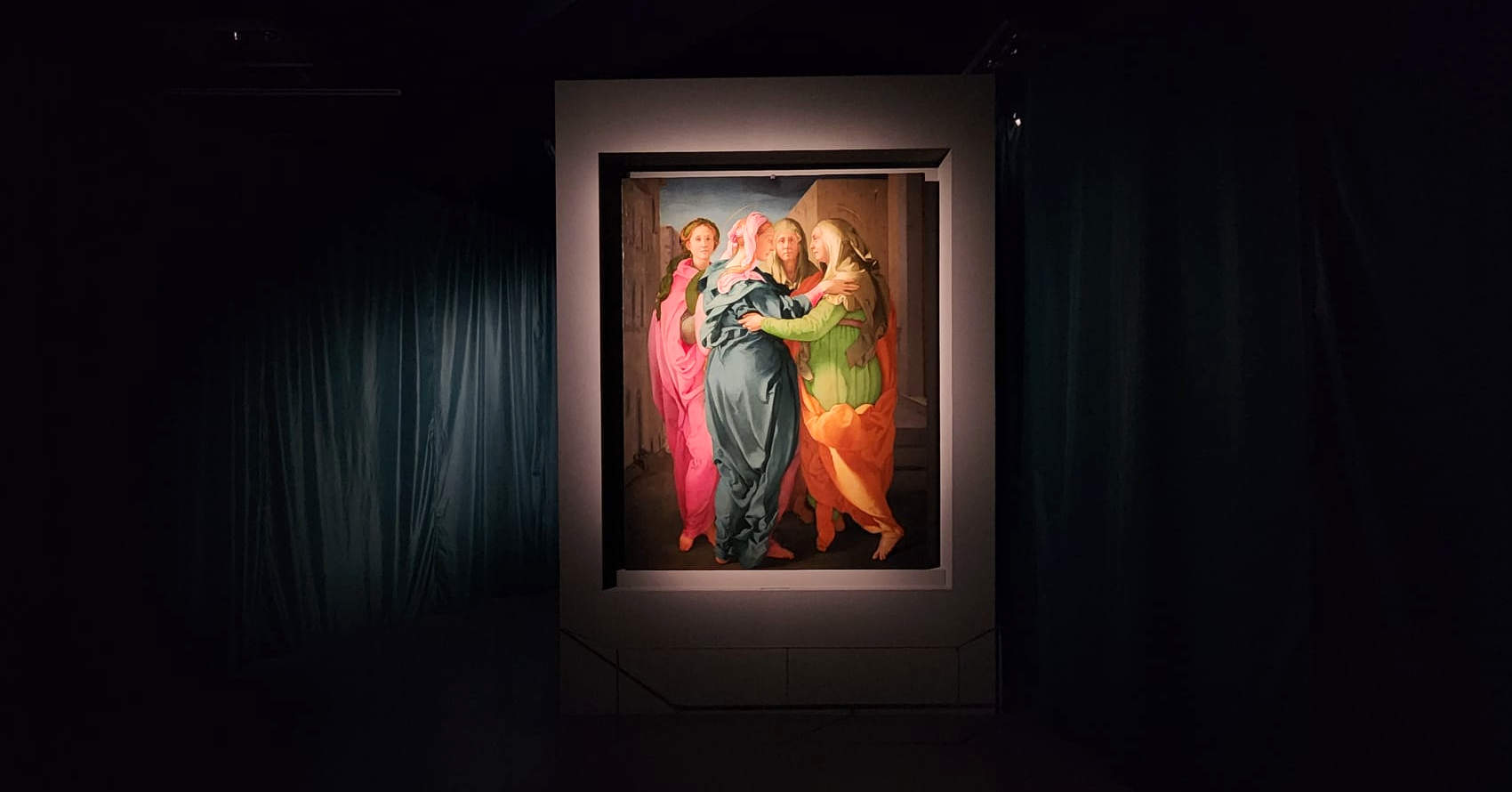
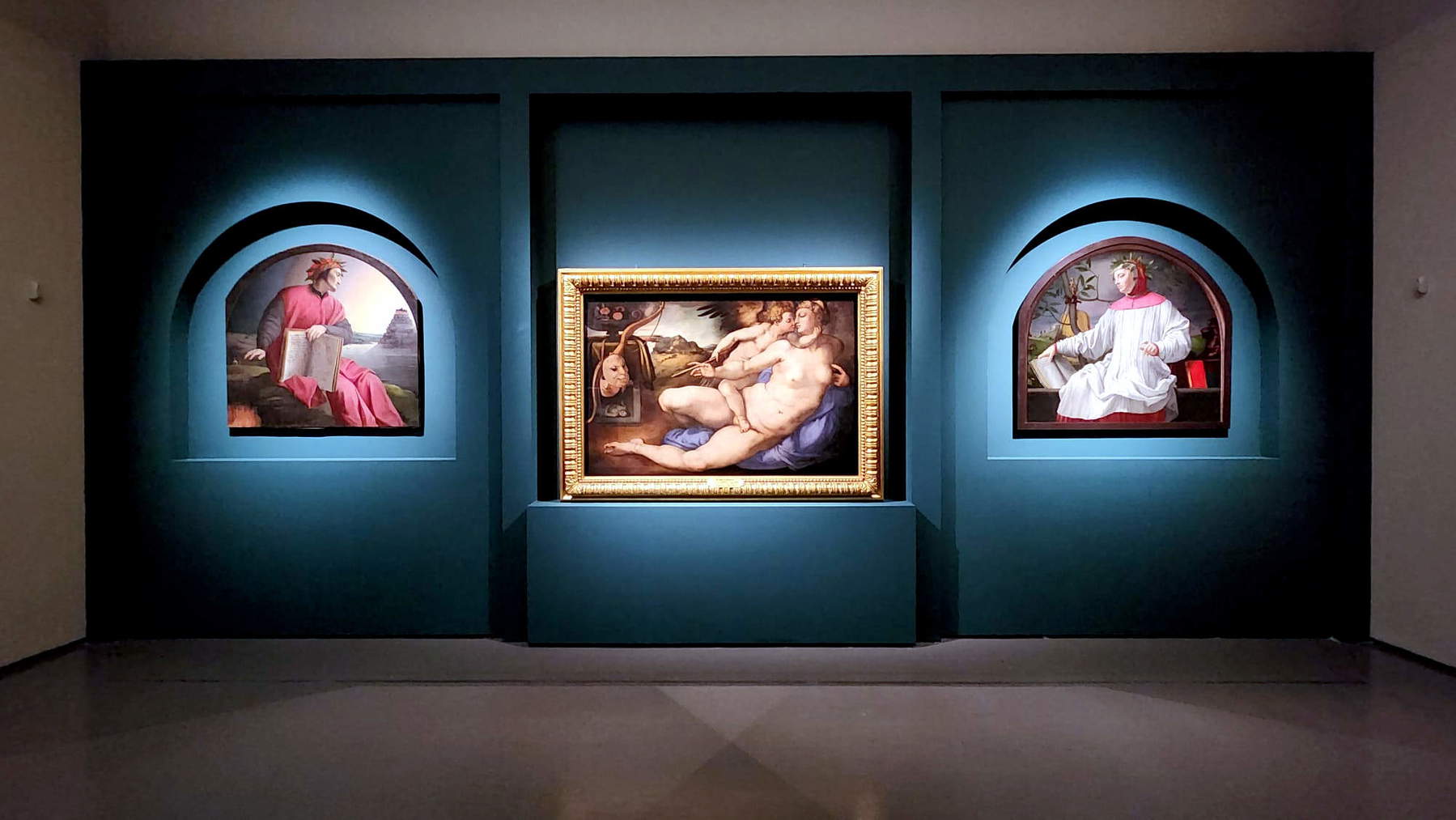
In addition to these loans, the exhibition features works from dioceses and parishes in Florence and the surrounding area. Among these is the *Pietà*, or *Transport of Christ*, painted by Pontormo between 1525 and 1528 for the Capponi Chapel in the Church of Santa Felicita in Florence. Alongside the altarpiece, the four tondos depicting the Evangelists, created by Pontormo and Bronzino, are on display in a layout that echoes the architectural structure of the Florentine chapel. From the parish church of San Michele Arcangelo in Carmignano, near Prato, comes the Visitation from 1528–1532, which is currently undergoing restoration; it is located in the final room of the exhibition, marking the conclusion of the tour.
The Visitation itself serves as one of the exhibition’s central themes, opening and closing it. In fact, the first rooms feature the *Visitation* painted by Pontormo between 1514 and 1516, one of three detached frescoes from the *Chiostrino dei Voti* of the Basilica of the Santissima Annunziata in Florence. The work belongs to the early phase of the painter’s career and documents his rise to prominence in the Florentine art scene. The frescoes were commissioned by the Servite friars and entrusted to Andrea del Sarto and his former assistants, Pontormo and Rosso Fiorentino; Pontormo’s fresco has been loaned by the contemporary Servite order.
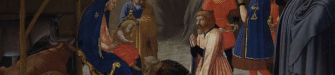
The exhibition continues with an exploration of the first collaborative projects commissioned by the Florentine bourgeoisie. Among these is the cycle of the *Stories of Joseph the Hebrew*, painted in 1515–1516 for the bridal chamber of Pierfrancesco Borgherini and Margherita Acciaioli. The series, intended to decorate the bedroom, was created with the collaboration of Francesco Granacci, Andrea del Sarto, and Francesco Ubertini, known as Bachiacca. Some of the panels have been brought together for this exhibition thanks to loans from major museums.The Adoration of the Magi, created for the Benintendi Antechamber as part of another collaborative artistic project, dates from the same period.
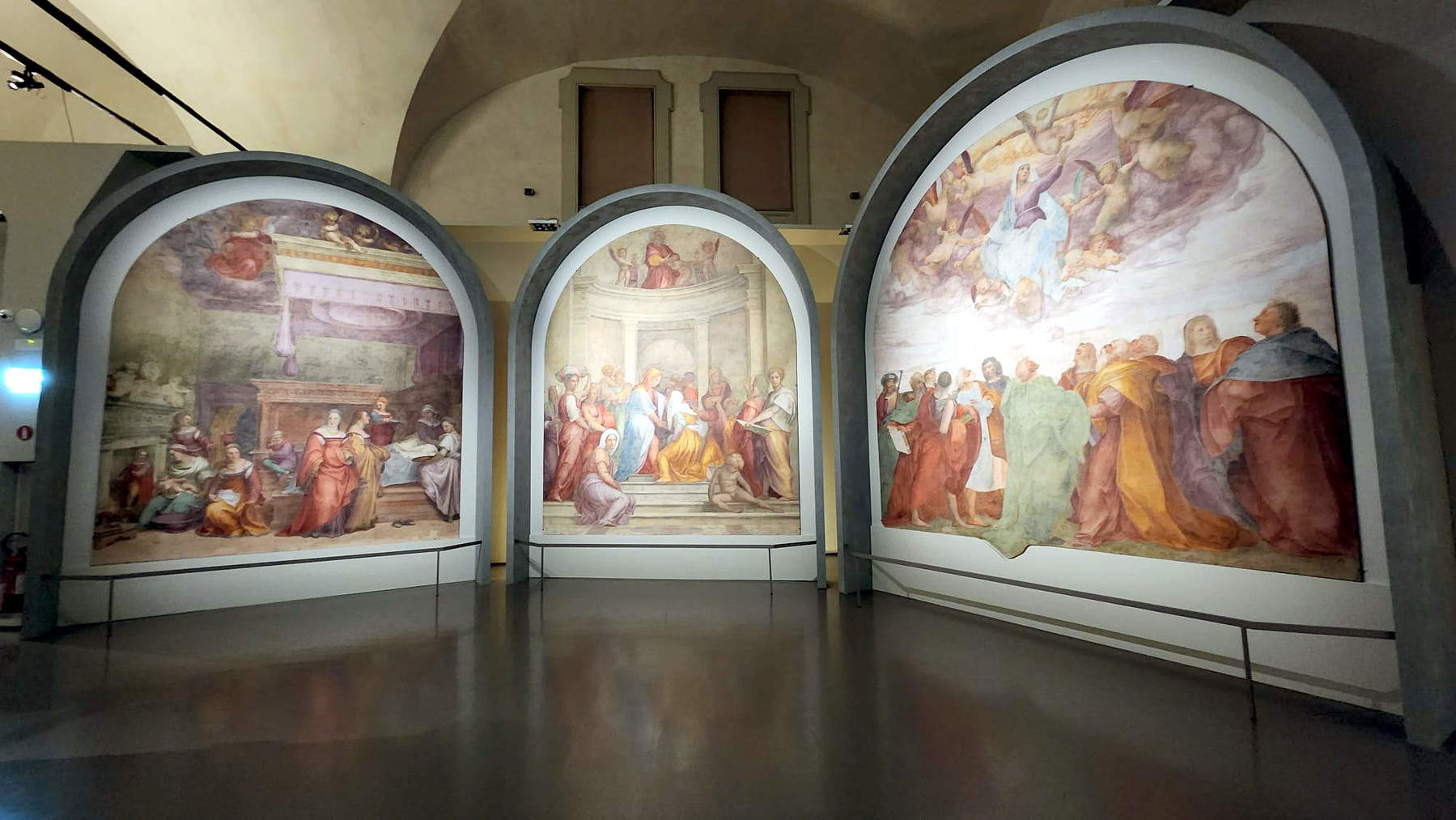
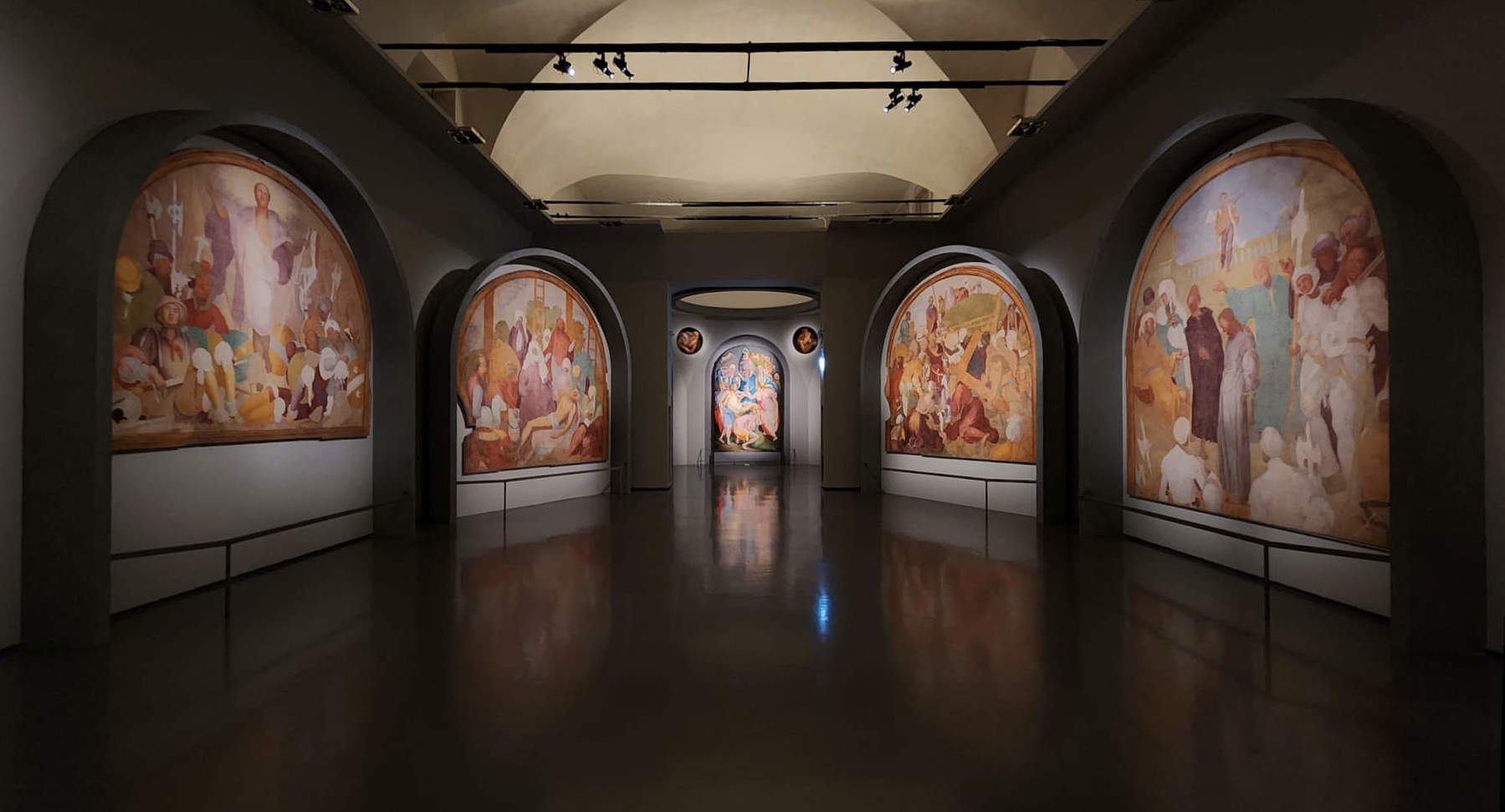
A central section of the exhibition is dedicated to the Passion of Christ at the Certosa del Galluzzo, a cycle of frescoes painted between 1523 and 1525, when Pontormo and the young Bronzino took refuge in the Certosa due to a violent plague. Four of the five lunettes that make up the cycle are on display at the Scuderie del Quirinale. The works underwent a conservation treatment that involved all five lunettes, supported by the Friends of Florence association. The cycle, inspired by the engravings of Albrecht Dürer, contributed to the harsh criticism leveled by Giorgio Vasari in the second edition of *The Lives* in 1568. Vasari criticized Pontormo for straying from the Florentine manner and adopting a style considered German, angular, and ungainly.
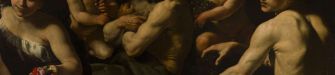
Also dating from the Certosa period is The Supper at Emmaus from 1525, on loan from the Uffizi Galleries. The work is presented in the exhibition as one of the key works in Pontormo’s artistic output and has often been compared to Caravaggio’s painting due to the naturalism of the figures and the marked use of contrasts between light and shadow. Another phase in Pontormo’s artistic career coincides with the years following the fall of the last Florentine Republic and the siege of the city, at the time of the Medici family’s definitive return. During this period, the painter established a temporary collaborative relationship with Michelangelo Buonarroti, who entrusted him with two cartoons to be rendered as paintings. This collaboration produced the *Noli me tangere*, restored for the exhibition, and the *Venus and Cupid*, intended for Bartolomeo Bettini’s bedroom.
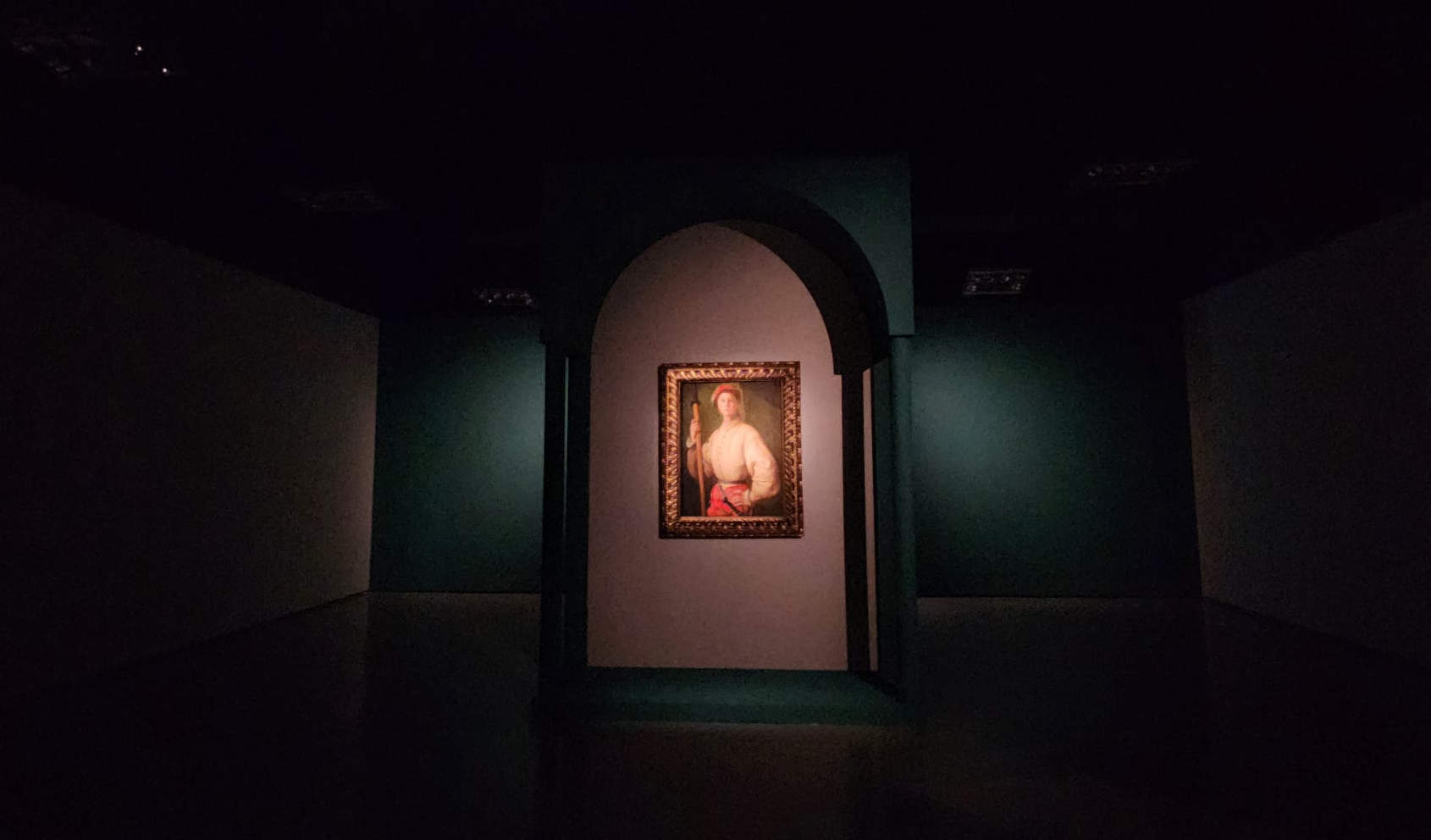
The reconstruction of the Bettini bedroom proposed at the Scuderie also includes the two lunettes depicting Dante and Petrarch by Bronzino, which have resurfaced from private collections. The presence of Pontormo’s *Venus* thus makes it possible to reconstruct, at least ideally, a setting that the patron never saw in its final form: Pontormo’s painting, having just been completed, was in fact transferred to Duke Alessandro through a sort of forced purchase. A substantial portion of the exhibition is devoted to portraiture, featuring works by Pontormo for the Medici family—to whom the artist remained loyal throughout his life—and for other prominent figures in Florentine society. Among the paintings is the famous *Alabardiere*, whose identity remains a subject of debate and which is presented as one of the foremost examples of 16th-century portraiture, depicting an ideal of virile prowess and military pride. Other highlights include the austere *Cosimo the Elder*, in which Pontormo experiments with the allegorical portrait format, and *Two Friends*, displayed alongside Bronzino’s *Lady in Red *.
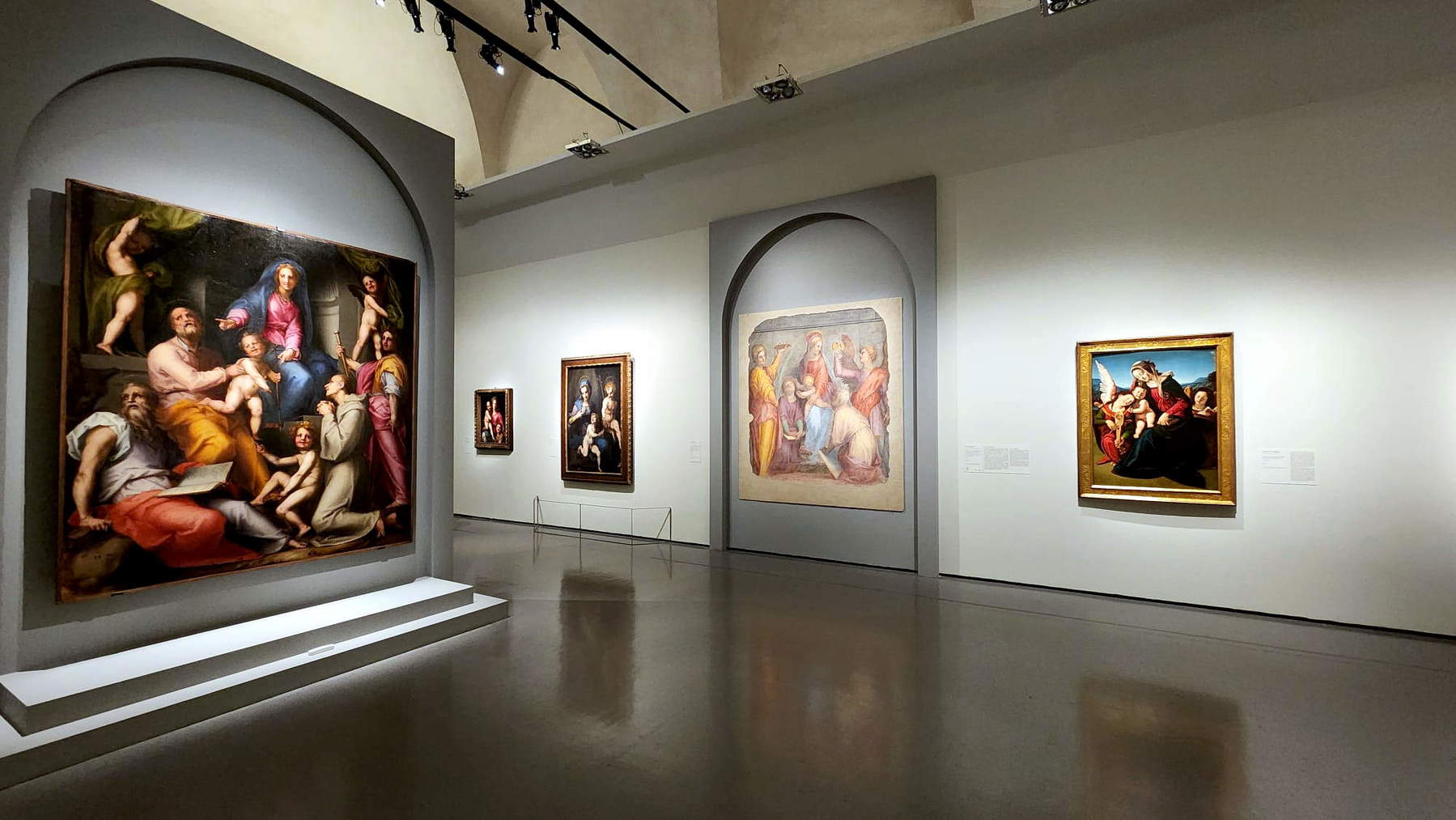
Drawing plays a significant role in the exhibition. The human figure is at the heart of Pontormo’s graphic practice, documented through studies of young apprentices captured from life in various poses and drawings created by comparing different models and sources, including Dürer’s engravings. In the early 1530s, following his association with Michelangelo, Pontormo’s graphic style changed: the figures took on more robust musculature and were rendered with more pronounced chiaroscuro. Among the materials on display are also the preparatory drawings for the frescoes in the choir of San Lorenzo, considered the most important painting project undertaken in Florence in the mid-sixteenth century and now lost.
The narrative of Pontormo’s career is further accompanied by works by artists with whom he came into contact or who contributed to shaping the artistic context of Florence at the time. On display are works by his early masters—Mariotto Albertinelli, Piero di Cosimo, and Andrea del Sarto—as well as by his contemporaries Rosso, Franciabigio, Puligo, Granacci, and Bachiacca, as well as by his students and collaborators Jacone and, above all, Bronzino—whose*Panciatichi Crucifix* is on display, characterized by a sculptural composition of the figure and a distinctive luminosity.
The exhibition’s materials also include the *Libro mio*, the autograph diary written by Pontormo during the final years of his life. The document contains notes and small drawings and, over time, has been the subject of numerous psychological interpretations, often used to construct an image of the painter as an eccentric and restless artist. The catalog offers a new interpretation of the manuscript, aimed at putting into perspective the interpretations linked to the author’s alleged eccentric personality.
The catalog, published by Electa, brings together essays and scholarly entries dedicated to Pontormo’s place within the historical and cultural context of sixteenth-century Florence and to the development of the Mannerist style during the height of the Renaissance. The contributions also address several unresolved issues regarding the artist’s body of work, ranging from the possible identification of the models depicted in the portraits to the dating of certain works, and even the possible involvement of collaborators in the execution of the paintings.
Among the new findings that emerged from the interventions carried out for the exhibition is the restoration of the Corsini Madonna in Florence. The restoration confirmed the work’s authenticity and revealed, beneath a heavy layer of overpainting, a small flap that alters the identification of the small figure depicted at the bottom: it is not Saint John the Baptist, as previously believed, but a little angel.
The exhibition is accompanied by a series of restoration projects made possible by the support of sponsors. The project aims to link a visit to the Scuderie with an exploration of Pontormo’s works preserved in churches and villas in Florence and the surrounding areas, offering alternative itineraries to the main mass-tourism destinations. Finally, the relationship between Pontormo and contemporary art finds further expression in Rome. From October 11, 2026, to February 6, 2027, in the church of Santa Maria Antiqua at the Roman Forum, within the Colosseum Archaeological Park, “The Greeting”—one of Bill Viola’s best-known video installations, inspired by Pontormo’s “Visitation” and first presented at the Venice Biennale in 1995—will be on view. The work will be produced and presented by Electa in collaboration with the Colosseum Archaeological Park. The exhibition project at the Scuderie del Quirinale is supported by Banca Passadore & C., AON, PwC, and Montenovi.
“With Pontormo,” stated Fabio Tagliaferri, President and CEO of Ales S.p.A., “the Scuderie del Quirinale presents a project of international scope, developed in collaboration with a leading partner such as the Uffizi Galleries and a co-producer and catalog publisher such as Electa, featuring loans from the world’s leading museums and supported by private sponsors. It is a model of public-private collaboration that generates economic value, attracts visitors from Italy and abroad, and strengthens the reputation of Italy’s cultural sector worldwide. This was demonstrated by the success of *Treasures of the Pharaohs*, which drew over 400,000 visitors, generated more than 5 million euros in revenue, and embarked on an international tour that took it from the Scuderie del Quirinale to the United States: a high-quality exhibition can also be a sustainable investment and a strategic asset for the country.”
“The exhibition is at once a major organizational challenge, a bold curatorial gamble, and proof of how institutional synergies can make extraordinarily ambitious results achievable,” says Matteo Lafranconi, Director of the Scuderie del Quirinale. “But also—and above all—a once-in-a-lifetime opportunity for the general public to have a ‘face-to-face’ encounter with one of the most captivating and beloved artists of the entire Renaissance.”
“The Uffizi Galleries simply had to partner with the Scuderie del Quirinale and Ales on an exhibition project like this, dedicated to an artist as emblematic of 16th-century Florentine culture as Pontormo,” commented Simone Verde, Director of the Uffizi Galleries. “All the more so because the collection of 27 works—including drawings and paintings, among which are masterpieces such as The Supper at Emmaus, The Madonna and Child with Saint John the Infant, *The Ten Thousand Martyrs*, with which our museum is contributing to this project, constitutes an indispensable piece of the puzzle for understanding the exceptional artistic legacy of this consummate master.”
“With the proposal to Cristina Acidini and the Scuderie del Quirinale for a major exhibition project dedicated to Pontormo—which stems from the initiatives promoted by the publishing house to celebrate its 80th anniversary,” emphasizes Rosanna Cappelli, CEO of Electa, “Electa has sought to renew its commitment to promoting historical-artistic research and the critical reinterpretation of the work of pioneering figures in Italian art, in open dialogue with institutions and scholars. Thanks to their irreplaceable expertise, which has guided us in the creation of the exhibition and the catalog, Pontormo will continue to influence contemporary visual and literary culture—now in a more informed way.”
|
| Pontormo: A massive exhibition featuring over 130 works opens at the Scuderie del Quirinale in Rome |

Warning: the translation into English of the original Italian article was created using automatic tools. We undertake to review all articles, but we do not guarantee the total absence of inaccuracies in the translation due to the program. You can find the original by clicking on the ITA button. If you find any mistake,please contact us.





















 IT
IT FR
FR DE
DE ES
ES CN
CN


