





From September 16 to November 29, 2026, the National Etruscan Museum at Villa Giulia in Rome will host *The Seer*, an installation by Lebanese-born artist Mouna Rebeiz, curated by art critic Roberta Semeraro. The exhibition is organized by the museum in collaboration with the RO.SA.M., and presents—in a version reimagined for the spaces of this Renaissance Roman venue—the project that Rebeiz had presented in Venice in 2022, during the 59th Venice Biennale, at the Pavilion of the Republic of San Marino.
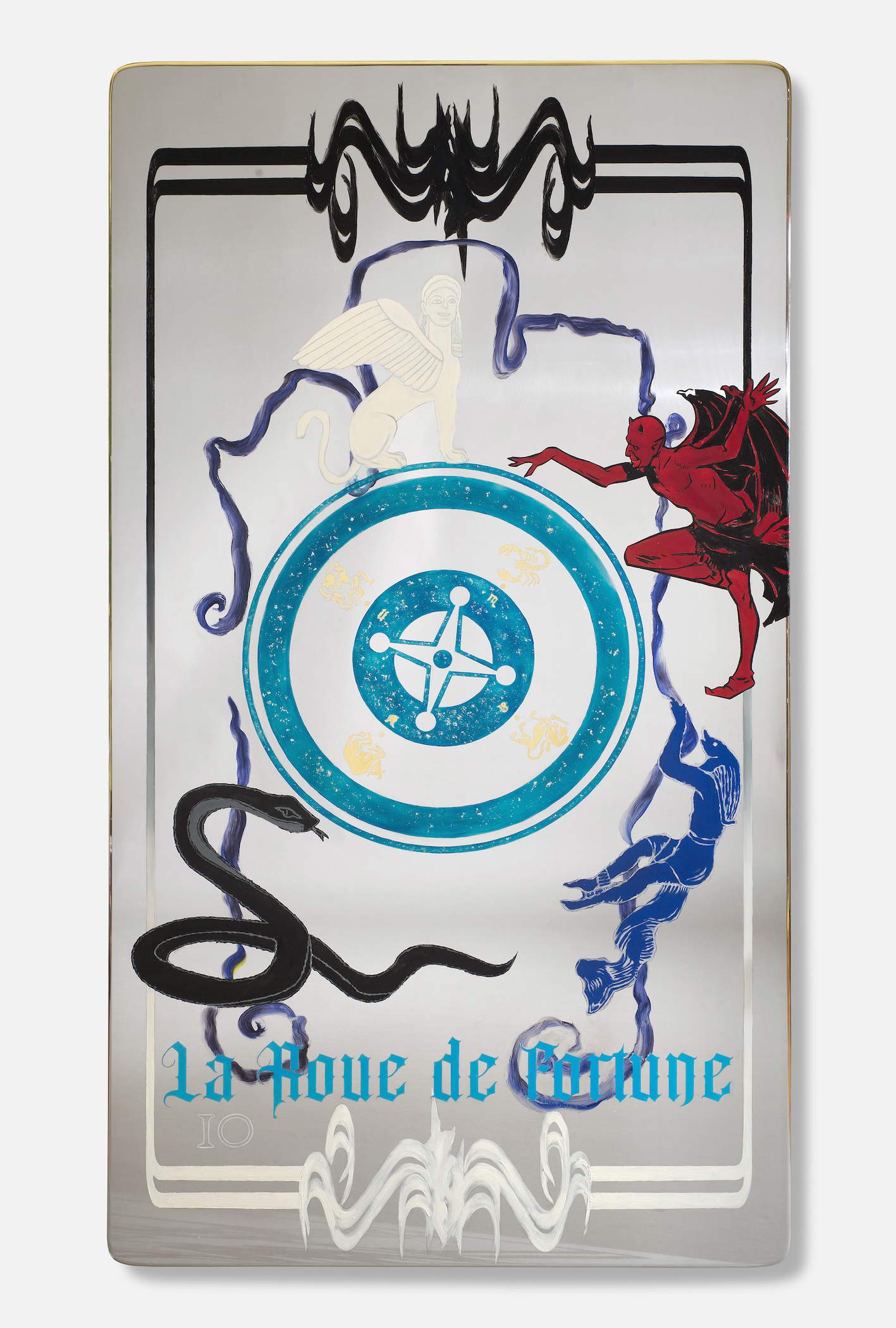
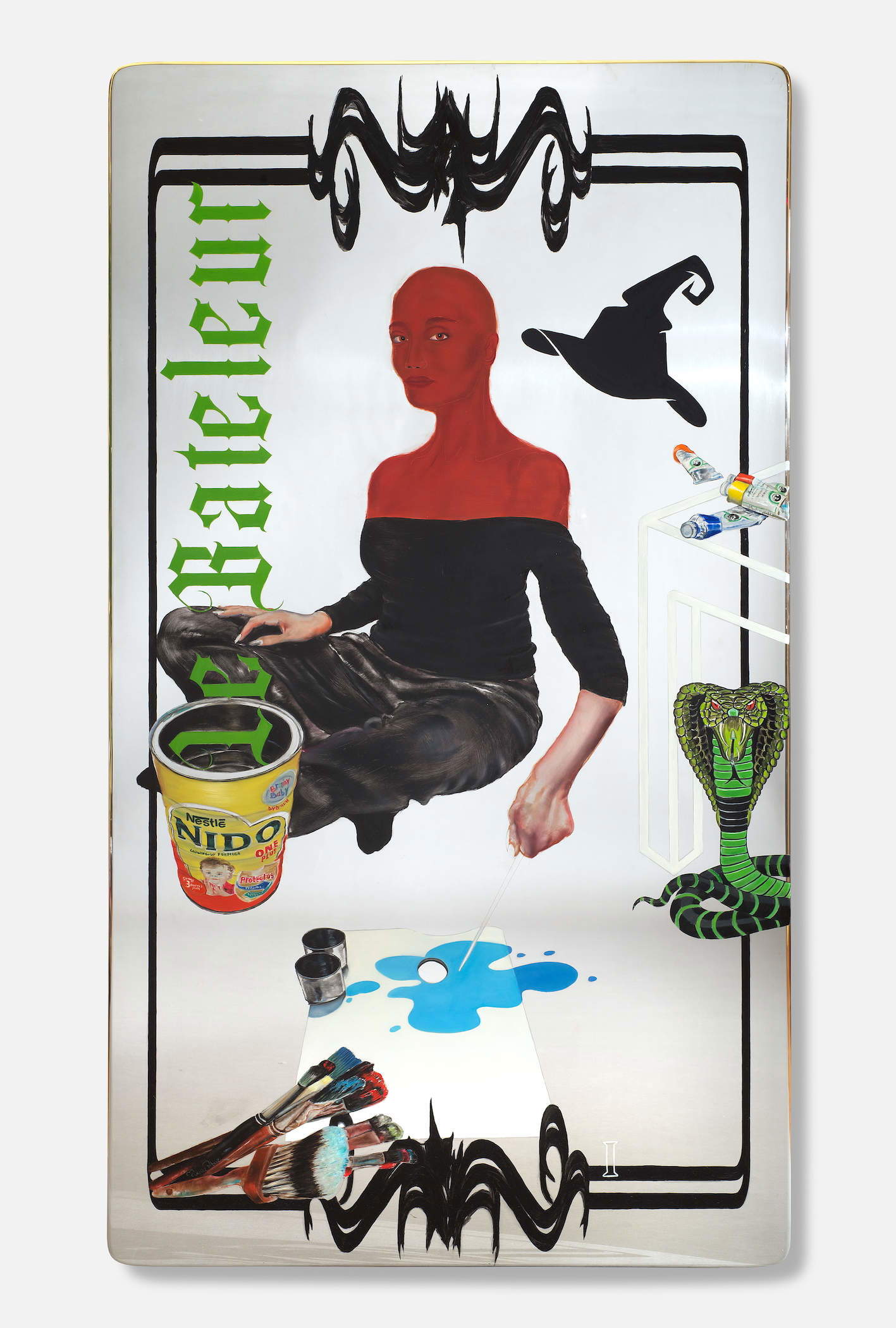
The core of the installation consists of twenty-two cards corresponding to the major arcana of the tarot, rendered on large mirrored surfaces. The works are designed to interact directly with the visitor and suggest a journey of self-discovery aimed at exploring the self. The project sits at the intersection of the symbolic traditions of divination and the transformations brought about by the globalization of Artificial Intelligence, examining in particular the relationship between what eludes rational control and the algorithmic systems used to process information and guide decisions.
The reference to divination is already made explicit in the work’s title, which draws inspiration from William Shakespeare’s* * *Caesar *. In the tragedy, the Etruscan soothsayer Spurinna warns Caesar not to go to the Senate on March 15, predicting his death should he disregard the omen. Caesar ignores the warning and is killed in the conspiracy that tradition has made one of the most famous in Roman history. It is precisely this connection to the Etruscan divination tradition that led curator Roberta Semeraro to propose the installation within the spaces of the National Etruscan Museum of Villa Giulia.
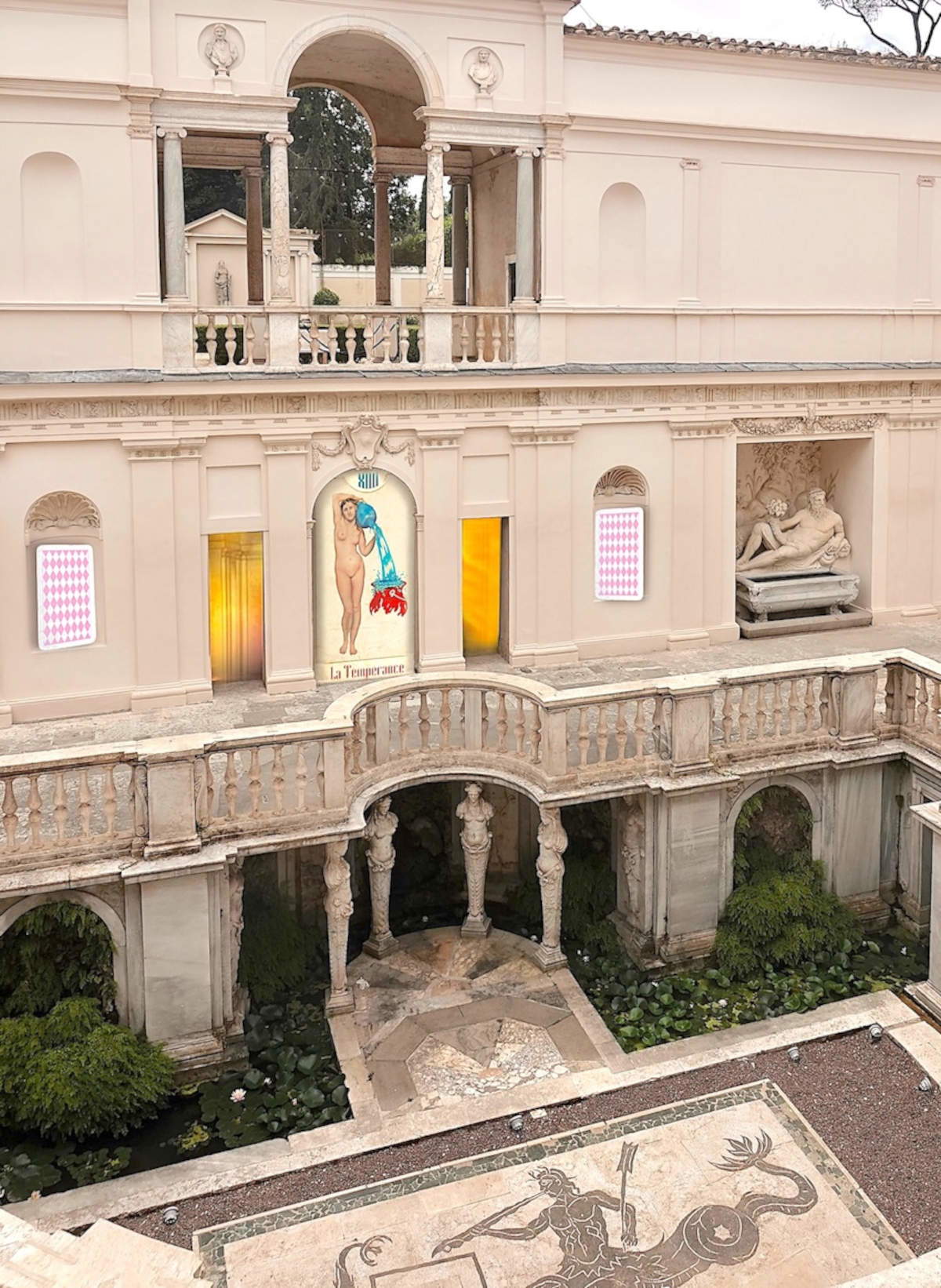
“Mouna Rebeiz’s works transcend time by engaging with a universal theme that has accompanied humanity since its origins: the relationship with the divine and the destiny of individuals,” states the museum’s director, Luana Toniolo. “Like the ancient symbols entrusted by the Etruscans to ritual, art, and the interpretation of the invisible world, the mysteries evoked by the artist open a space for contemplation in which past and present are reflected in one another. The work invites the viewer to embark on a journey in which every symbol—yesterday as today—offers no definitive answers but generates questions that transcend time.”
In Etruscan culture, the art of divination indeed occupied a central position, and the museum preserves artifacts and evidence related to the practices of the haruspices and soothsayers. The contemporary project is thus placed in relation to the institution’s archaeological heritage. Another element of this dialogue is the François Tomb in Vulci, historically acquired by the Italian government and considered one of the foremost examples of Etruscan painting. The tomb’s frescoes indeed depict figures associated with prophecy and divination, including Amphiaraos and Cassandra, as well as references to the practiceof ornithomancy, based on the interpretation of signs associated with birds. These elements document the role attributed in the ancient world to the relationship with the sacred and to the ability to foresee fate.
The exhibition *The Soothsayer* will be held in the museum’s semicircular hall, where Rebeiz’s works will be presented in dialogue with the archaeological finds that bear witness to the ancient Etruscan knowledge to which Spurinna belonged. Through the Fourteenth Arcanum, *L’indovino* will also present its prophecy in the Nymphaeum, built on the ancient Roman aqueduct.
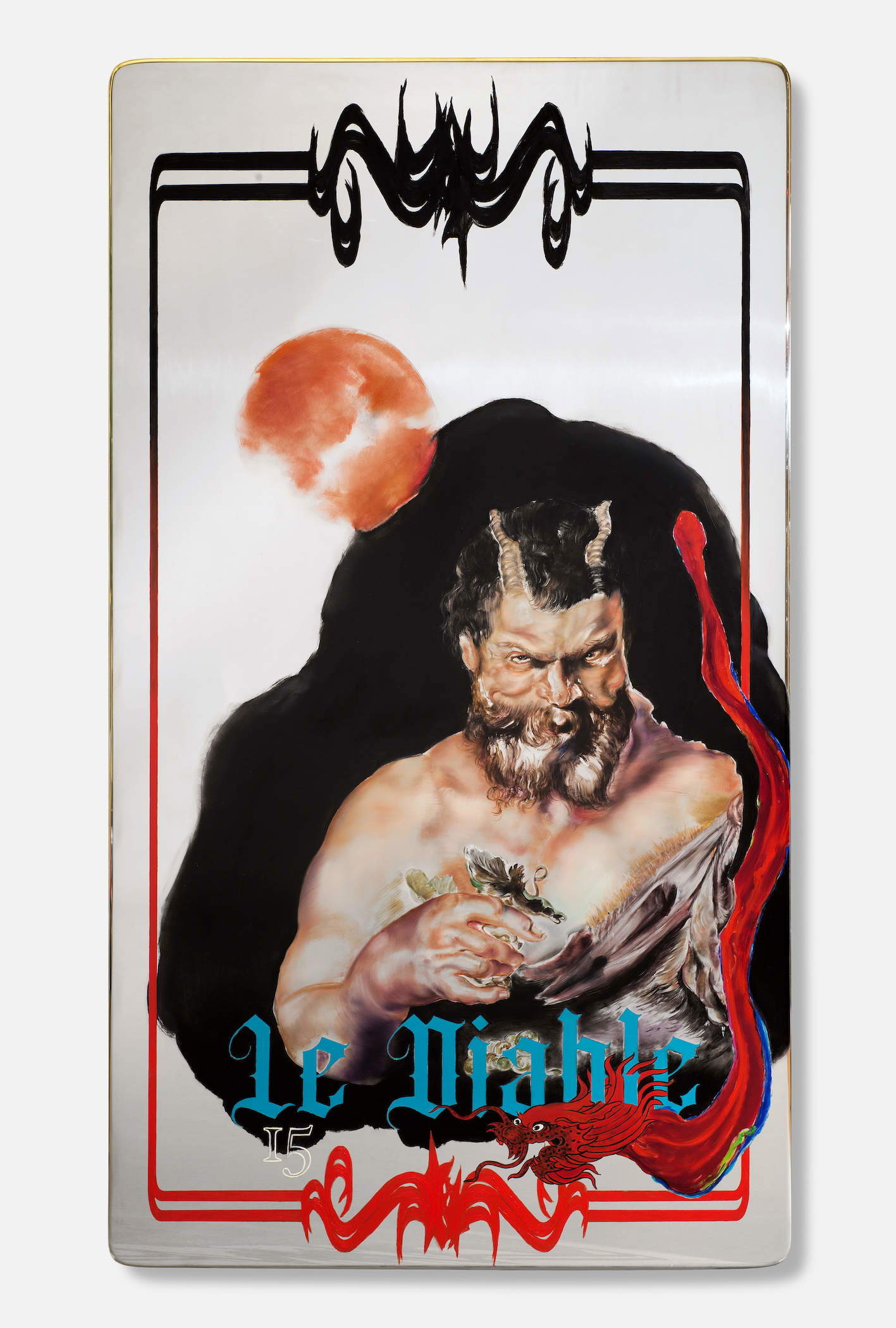
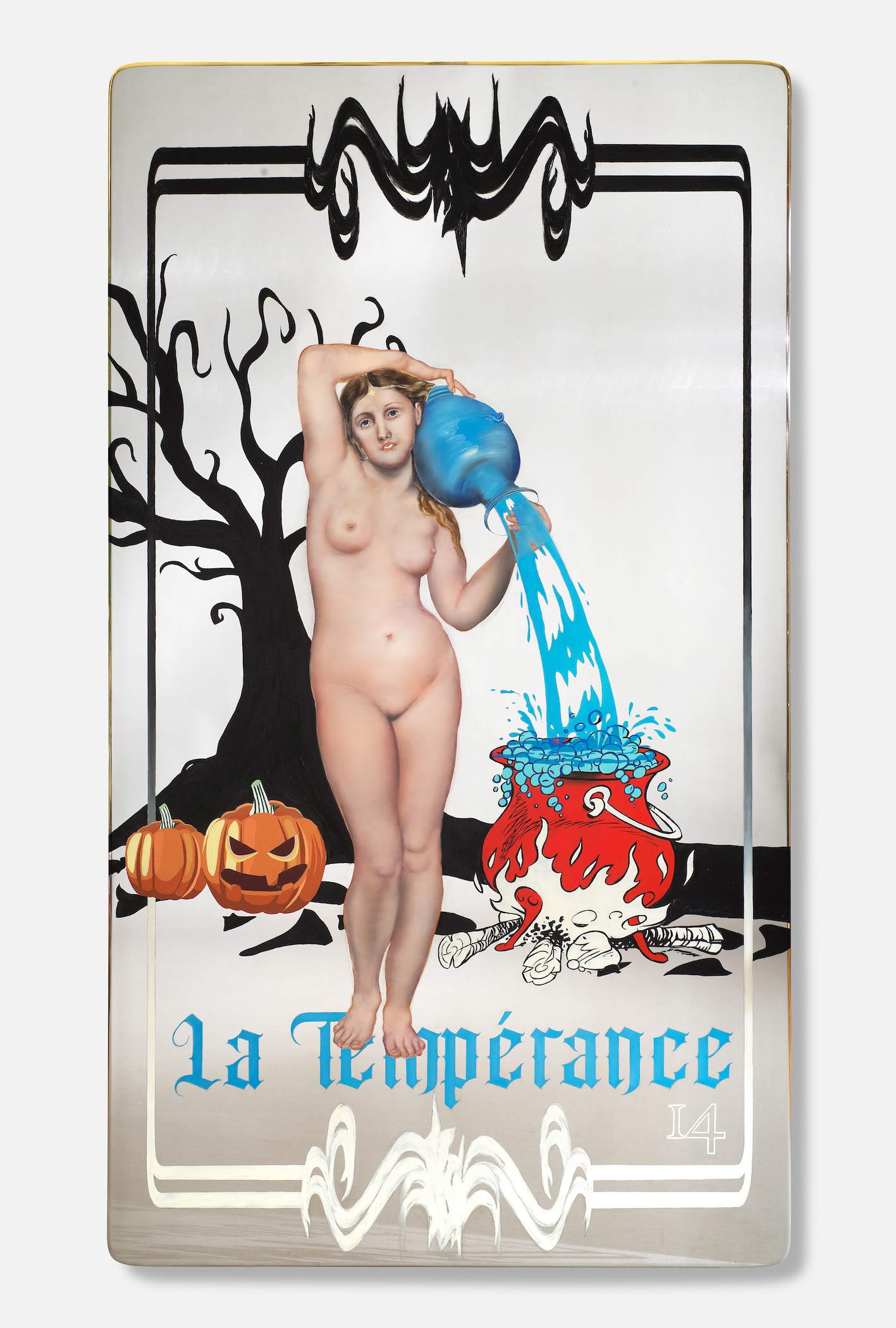
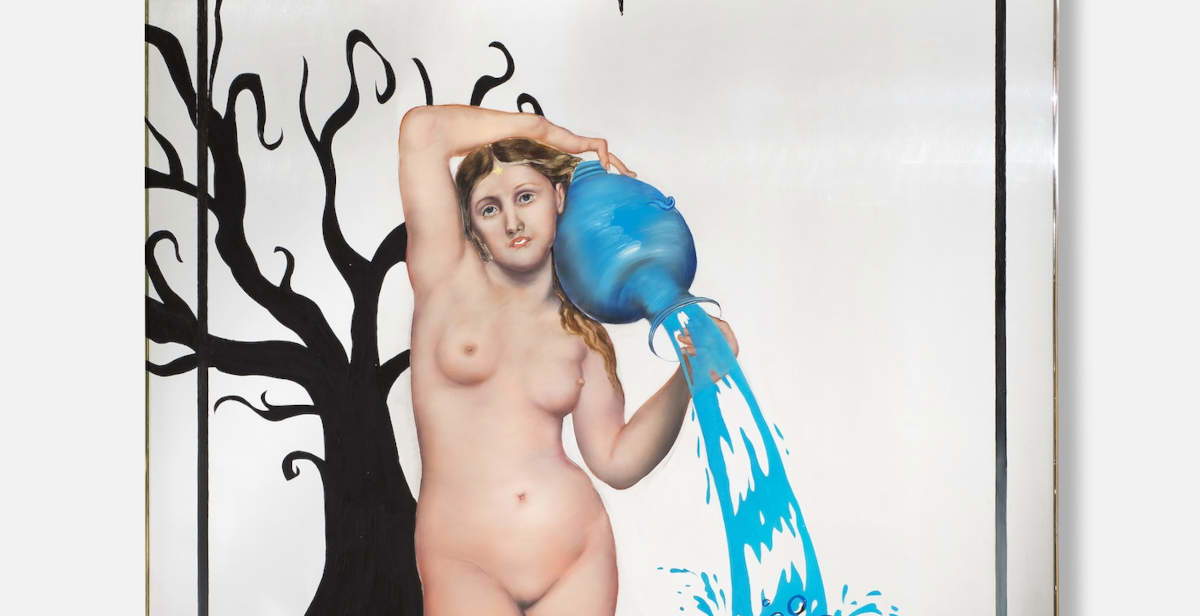
In the same space, *Temperance* will be presented, depicted as a woman pouring water. The work will be accompanied by a performance combining painting and music inspired by Vangelis’s *Mythodea*, a composition to which Mouna Rebeiz has dedicated a painting over sixteen meters tall. Mythodea was composed by the Greek musician in connection with NASA’s exploration of Mars, a planet where the presence of water has led to speculation that life forms may have developed there in the past and that, looking ahead, it could be considered a potential refuge for human beings.
The exhibition tour will conclude in the Zodiac Room, where panels dedicated to the Ecological Transition and information on energy conservation will be displayed. The technical design is being handled by Studio Palinsesto in London, founded by Simonpietro Salini and Federico Lippi, while the installation *Mythodea * will be directed by Slovenian visual artist and filmmaker Atej Tutta.
The project will also have a digital component via the Instagram profile @lindovino.exhibition, which is already active. Starting on the opening day, the channel will allow users to interact with Mouna Rebeiz’s tarot cards, transforming the profile into a space for observing the relationship between chance and algorithmic systems. The curator’s stated goal is to analyze, through followers’ interactions, the contrast between knowledge based on chance—such as that of the tarot—and a system like Artificial Intelligence, programmed according to algorithmic logic.
Each month, a report will be compiled on user interactions with the account. The results will then be shared with visitors during the exhibition period. The analysis aims to prompt reflection on the influence of Artificial Intelligence on individual decision-making processes and on the role of algorithmic biases in shaping choices.
In parallel with the exhibition in Rome, through November 8, 2026, Mouna Rebeiz is the featured artist in Venice in the solo exhibition *Le tarbouche. When an Accessory Becomes a Symbol. Works by Mouna Rebeiz*, also curated by Roberta Semeraro. The exhibition is organized by the Fondazione Musei Civici di Venezia at the Palazzo Mocenigo Museum—Center for the Study of Textiles, Costume, and Perfume.
 |
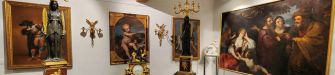
| Rome: At Villa Giulia, Mouna Rebeiz’s tarot cards engage with Etruscan divination |

Warning: the translation into English of the original Italian article was created using automatic tools. We undertake to review all articles, but we do not guarantee the total absence of inaccuracies in the translation due to the program. You can find the original by clicking on the ITA button. If you find any mistake,please contact us.

















 IT
IT FR
FR DE
DE ES
ES CN
CN


