



by Redazione 18/11/2026


Categories: Exhibitions / Disclaimer
From November 20 to 29, Galleria Studiolo will present more than 40 works by the Venetian painter, who passed away at the age of just 24. The exhibition is accompanied by the first monograph dedicated to her, edited by Elena Pontiggia and Roberto Dulio.


A body of work populated by dreamy children, melancholic female figures, and landscapes shrouded in silence, in which reality seems to gradually dissolve into a suspended dimension. This is the world of Paola Consolo (1908–1933), a Venetian artist whose personal and professional life will be the focus of an exhibition at the Galleria Studiolo in Milan from November 20 to 29. The exhibition features over 40 works, including *La canzone*, exhibited at the Second Exhibition of the Italian Novecento in 1929, and *Piazzetta di San Marco*, presented that same year at the Exposition du Novecento Italiano in Nice.

Consolo, who passed away at the age of just 24, one day before the birth of her first child, lived through a significant period in 20th-century Italian art, developing a personal artistic language despite the brevity of her life. Her artistic journey unfolded within a particularly rich cultural milieu: the granddaughter of Margherita Sarfatti and daughter of the writer and poet Eugenia Sarfatti, she was a student of Achille Funi and received the support and patronage of figures such as the sculptor Medardo Rosso. She was also the wife of the architect and painter Gigiotti Zanini.


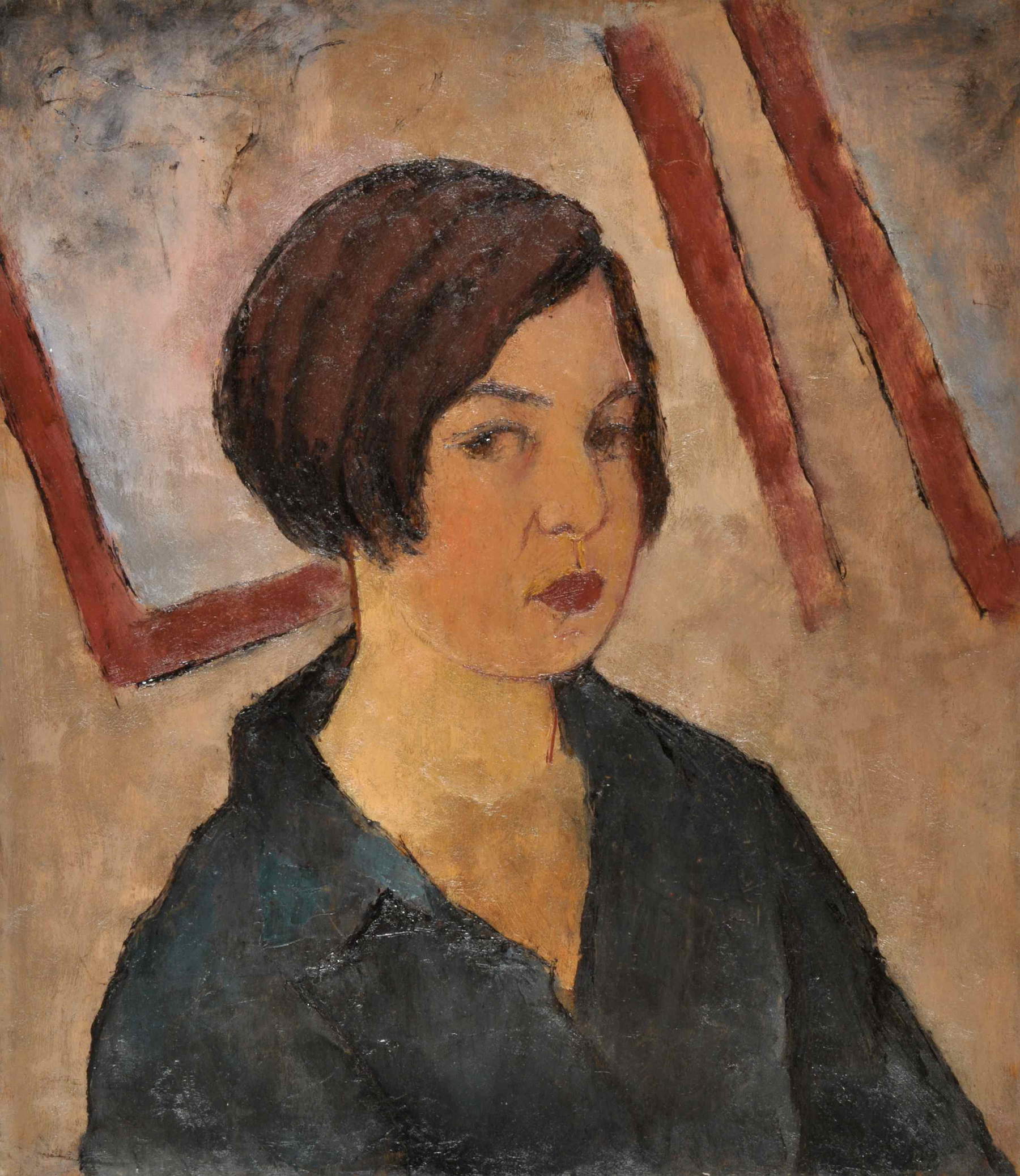
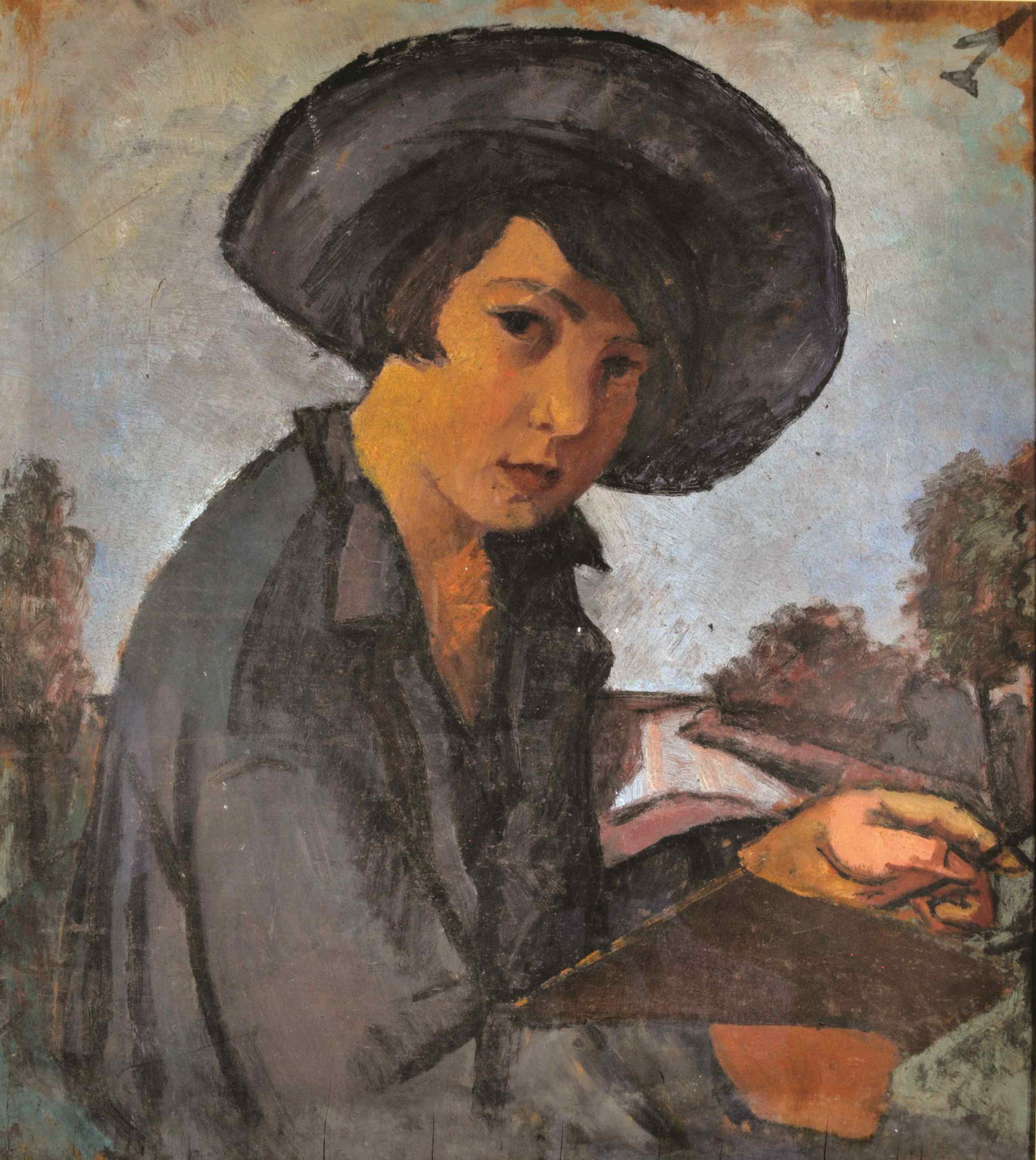
The Milan exhibition aims to explore an artistic body of work that, partly due to the artist’s premature death, has remained largely overlooked. A book published by Vanilla Edizioni, edited by Elena Pontiggia and Roberto Dulio—the first monograph dedicated to the artist—helps to reveal its complexity. The catalog features over 150 works, all reproduced, and traces the various phases of her artistic development through a series of historical and critical analyses. The volume also includes previously unpublished photographs of the painter and transcriptions of her correspondence, offering new material for the study of her life and career.

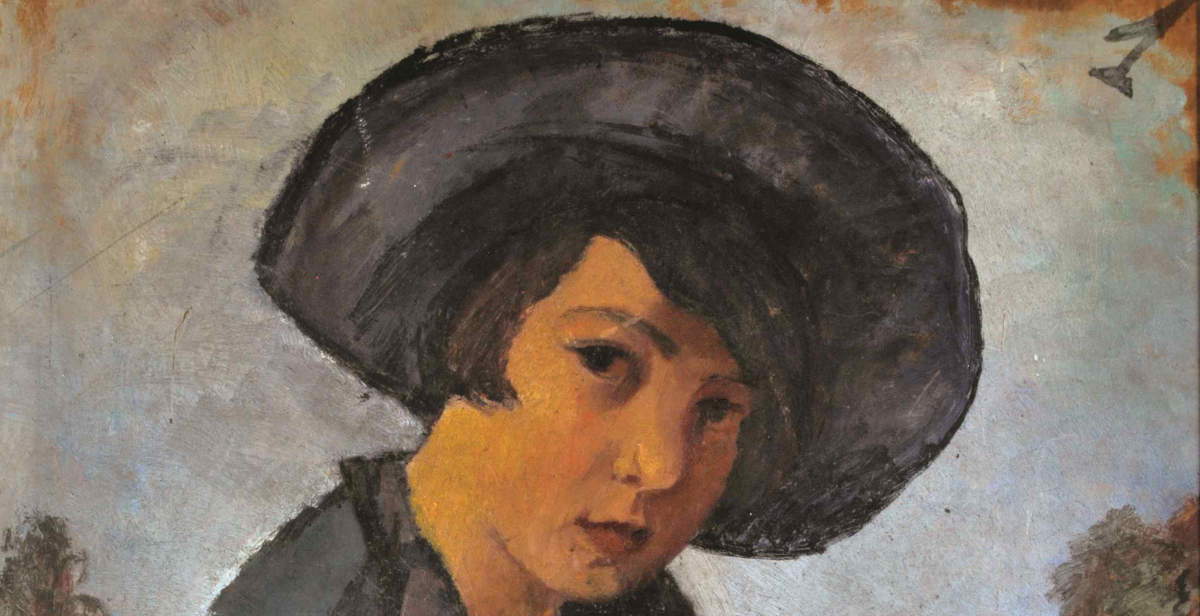
As the editors’ work reveals, behind the apparent simplicity of Consolo’s painting lies a more complex artistic exploration, grounded in delicate tonal effects and a unique relationship with the psychological dimension of her subjects. Her compositions depict children lost in distant thoughts and women enveloped in a subtle melancholy—sometimes playing a musical instrument, sometimes portrayed as they approach old age, dressed in clothes that have long gone out of style. These are figures in whom the everyday seems to gradually lose its substance, giving way to a sense of suspension and disorientation.
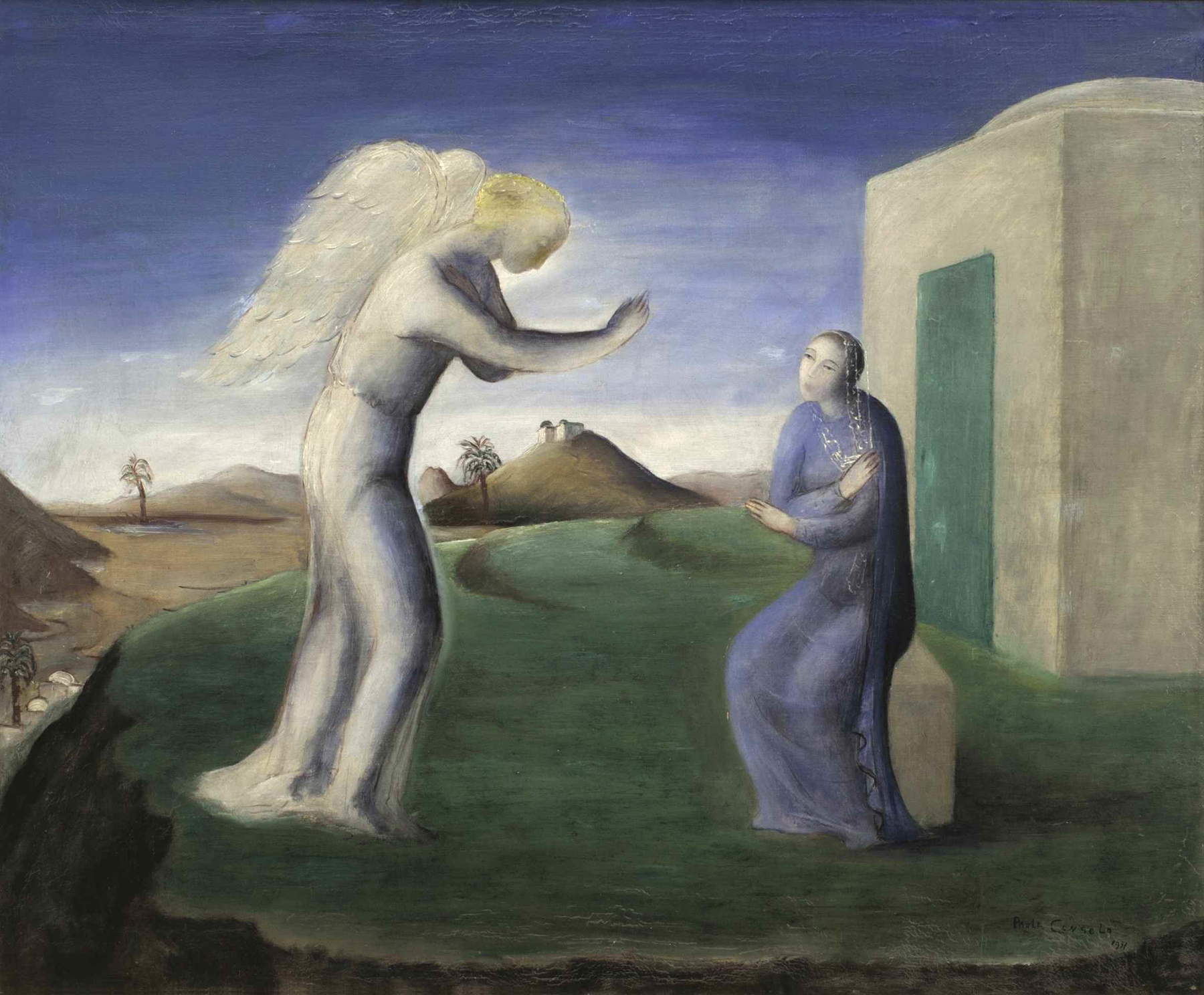
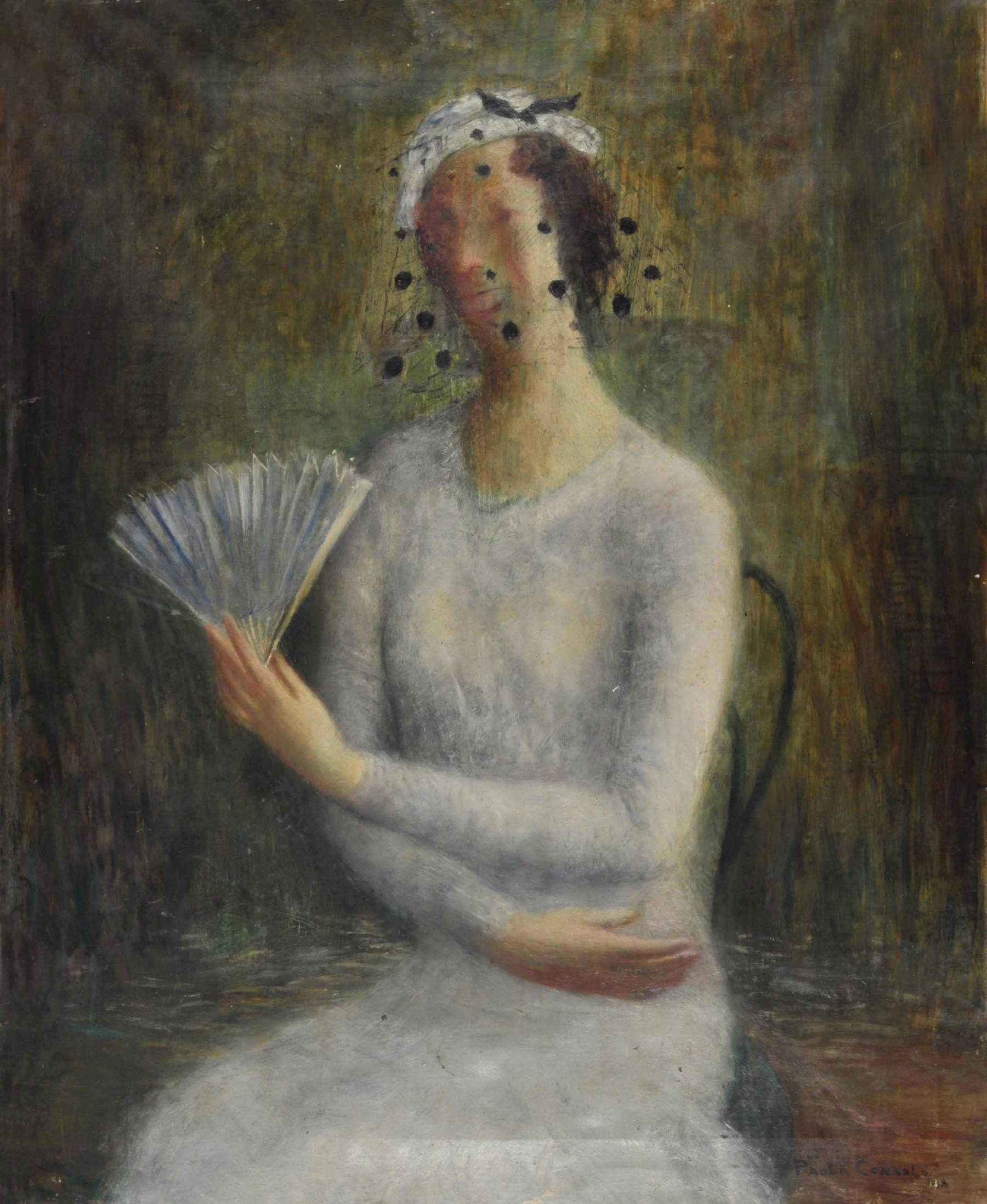
The same atmosphere pervades her still lifes and landscapes, characterized by a stillness that brings the depiction closer to the realm of a metaphysical dream. Even urban spaces, normally associated with movement and human presence, take on a silent and alienating quality in her works. This is the case with the Piazzetta di San Marco, where even one of Venice’s most popular vistas appears shrouded in a suspended atmosphere, far removed from the city’s usual liveliness.
Paola Consolo’s brief artistic career brings together diverse cultural influences, reworked through her own unique sensibility. The exhibition at the Galleria Studiolo and the publication of the monograph thus offer a new opportunity to explore the work of an artist who, despite her short life, managed to establish her own identity within the figurative art scene of the twentieth century.
“An elegiac vein,” writes Elena Pontiggia in the text, “ran through the work of Paola Consolo, who, moving between Novecentismo and Primitivism, observed life from the perspective of a dream and the dream from the perspective of melancholy. She explored many paths, but always with a sense of wonder and delicacy, for ‘delicacy’ is her true muse. Her work, which developed between the late 1920s and the early 1930s (a period marked by the gradual overcoming of the classical ideals of the “Return to Order”), moves seamlessly from Novecentist to post-Novecentist themes. His most original contribution lies in reconciling the solidity of form with the lyricism of a soft, warm color, replacing solid color fields with a nuanced application—a sort of chromatic chiaroscuro on the verge of dissolving. Thus, in his works, the solidity of the figure and the voluptuous nudes are softened by veiled tones that seem, to quote Shakespeare, ‘the stuff that dreams are made of’.”
 |
| She died at the age of 24, but left her mark on the 20th century: Milan rediscovers the painter Paola Consolo |
Warning: the translation into English of the original Italian article was created using automatic tools. We undertake to review all articles, but we do not guarantee the total absence of inaccuracies in the translation due to the program. You can find the original by clicking on the ITA button. If you find any mistake,please contact us.