





In 2026, Modigliana (Forlì-Cesena) will once again pay tribute to its most illustrious artist: Silvestro Lega, who was born in this town in Romagna in 1826 and died in 1895. To mark the bicentennial of his birth, the Pinacoteca Comunale di Palazzo Pretorio is hosting the exhibition *Silvestro Lega. “The Cause of the Fatherland, the Cause of Art,” a project that aims to reinterpret the painter’s life and artistic career in light of the profound changes that swept through Italy in the 19th century. The initiative has been awarded the Medal of the President of the Republic, Sergio Mattarella, a recognition that underscores the cultural significance of the celebration. The exhibition, open from September 12 to December 13, 2026, is sponsored by the Municipality of Modigliana with the patronage and financial support of the Emilia-Romagna Region, the backing of the Fondazione Cassa dei Risparmi di Forlì, and in collaboration with the Accademia degli Incamminati. The project is curated by Gianfranco Brunelli, director of major exhibitions at the San Domenico Civic Museum, and Elisabetta Matteucci, head of scientific coordination at the Matteucci Institute in Viareggio. The collaboration with the Tuscan institute has made it possible to create an exhibition itinerary that also features significant loans from public and private collections. A total of 60 works will be on display, tracing the evolution of Lega’s painting from his formative years through to the final phase of his career.
The starting point of the exhibition is the unique relationship between art and civic engagement that characterized Lega’s generation. The artist was, in fact, one of the leading figures of the Macchiaioli movement, but he also experienced firsthand the political events that led to the birth of a unified Italy. In 1848, he participated in the Risorgimento uprisings and the First War of Independence, an experience that helped shape both his personal sensibilities and his painting style.
The exhibition begins with works related to the Risorgimento and the Wars of Independence, featuring images dedicated to central figures in Italian history such as Giuseppe Garibaldi, Giuseppe Mazzini, and Don Giovanni Verità. From this early phase, the exhibition then moves on to the “Piagentina” period—considered one of the artist’s creative peaks—and continues through to the paintings created in the final years of his life.
Among the works that document Lega’s relationship with the history of the Risorgimento are the *Portrait of Giuseppe Garibaldi* from 1861, the *Head Study for the Last Moments of Giuseppe Mazzini*, dating from around 1873, and the *Portrait of Don Giovanni Verità* from 1885. For Lega, painting works dedicated to the events of his own time also provided an opportunity to find his own artistic voice.
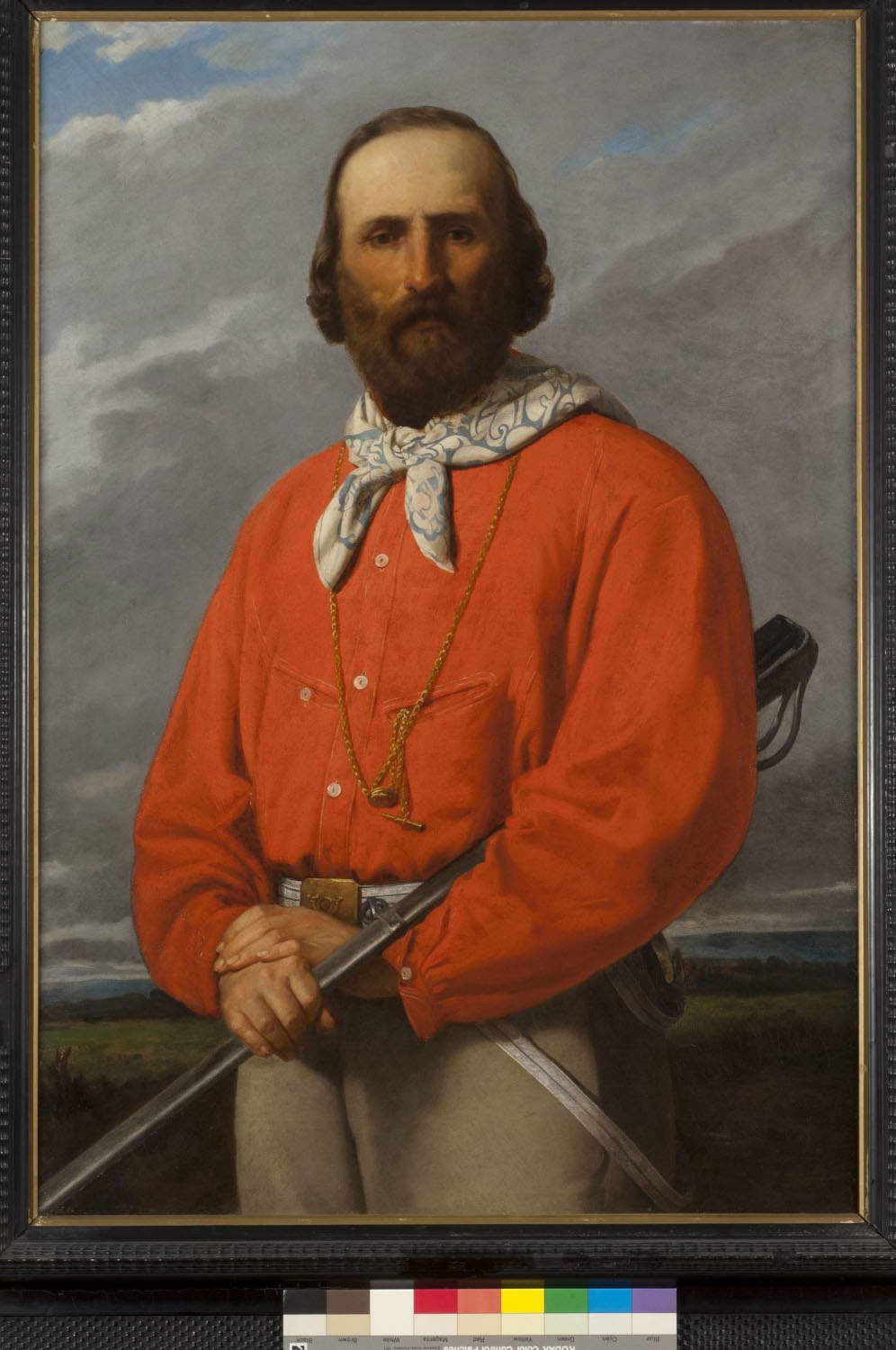
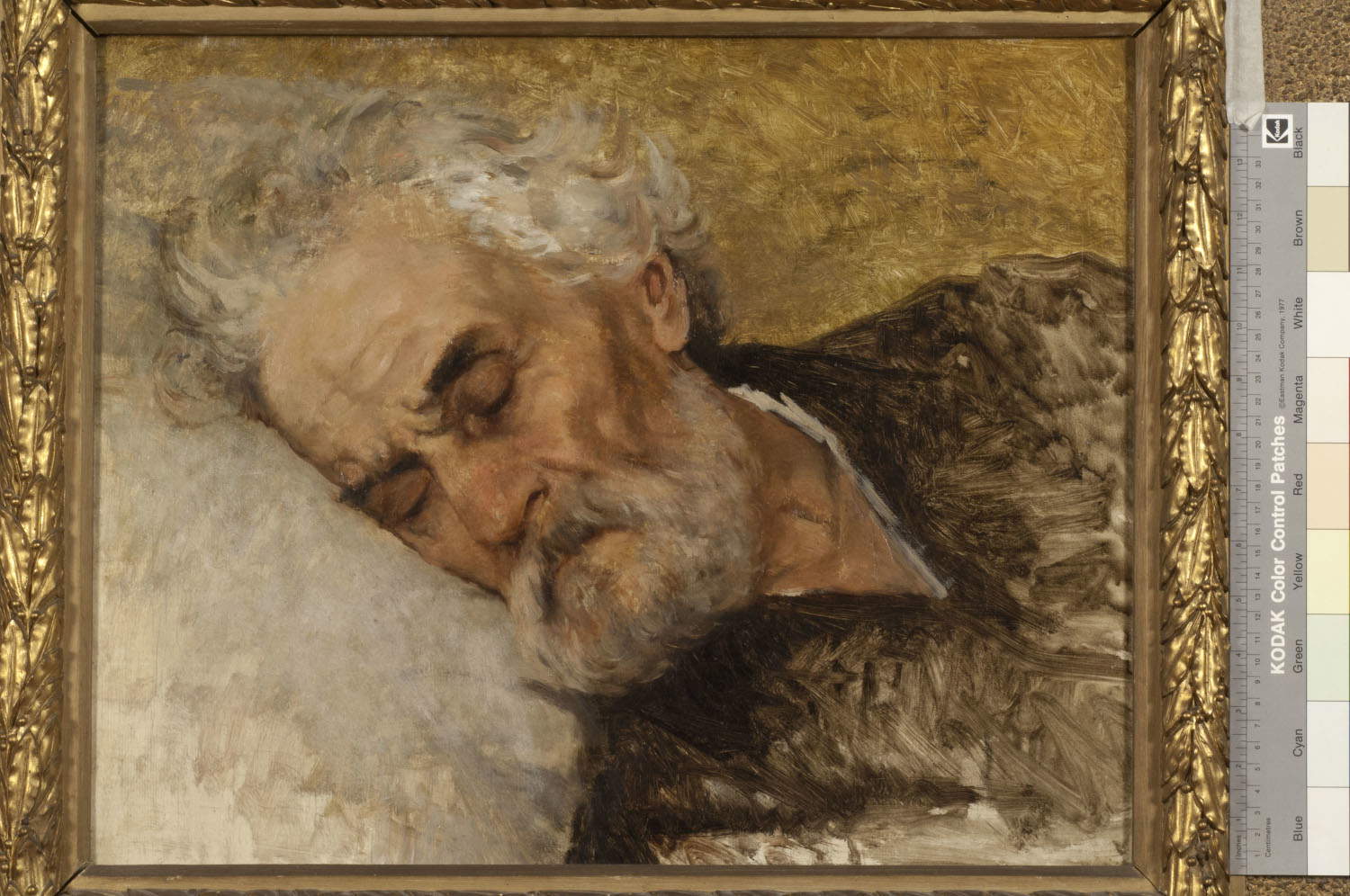
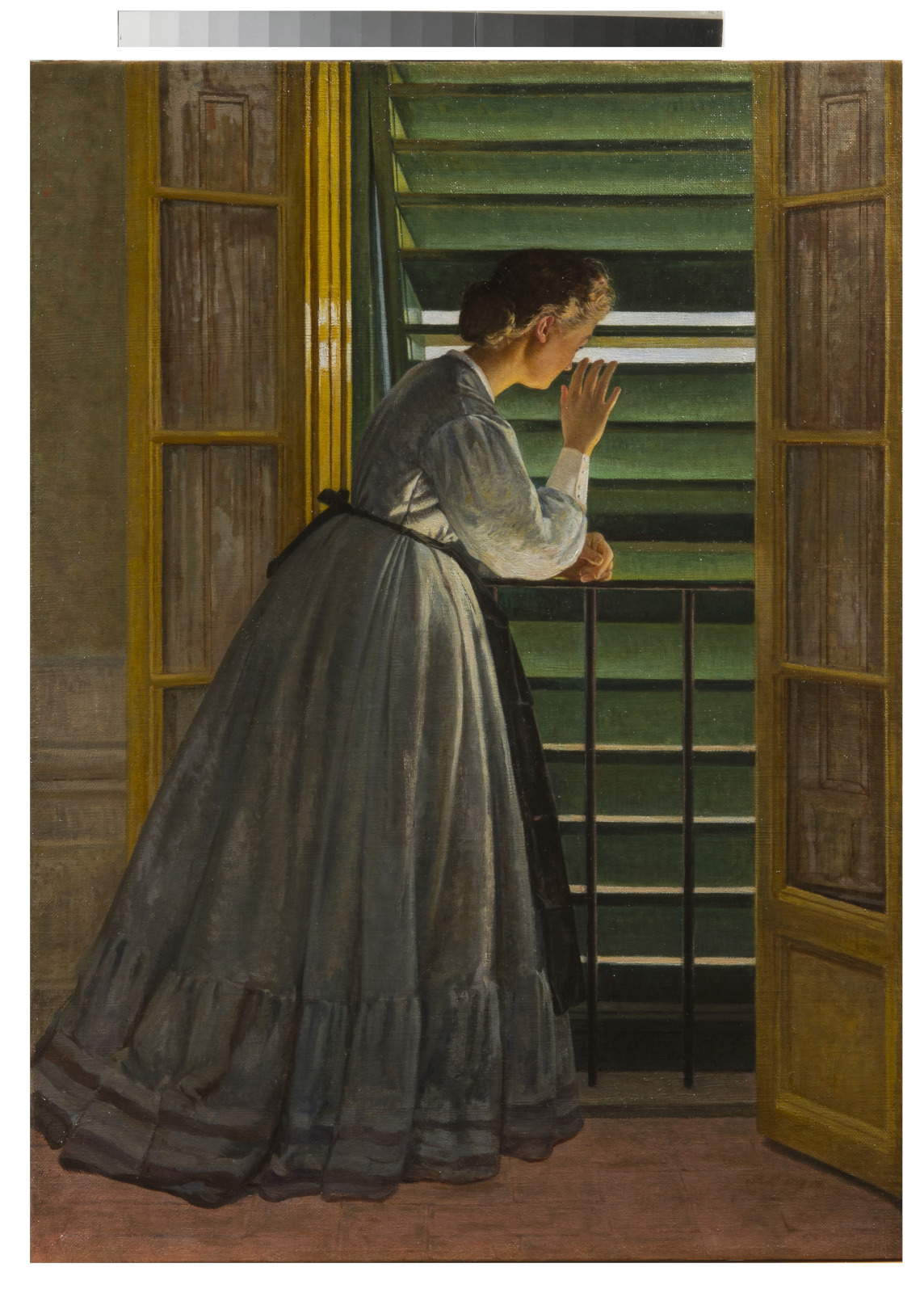
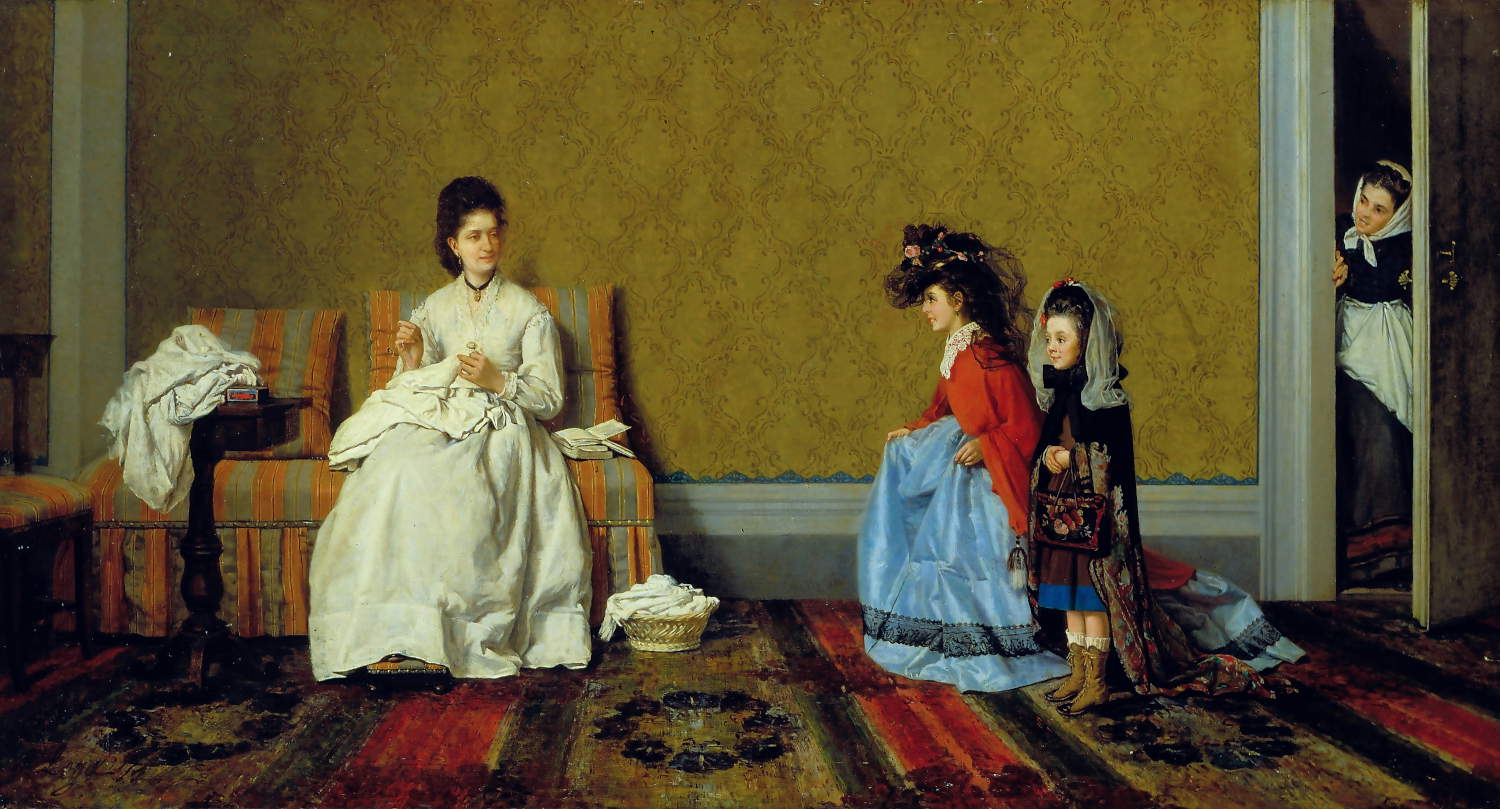
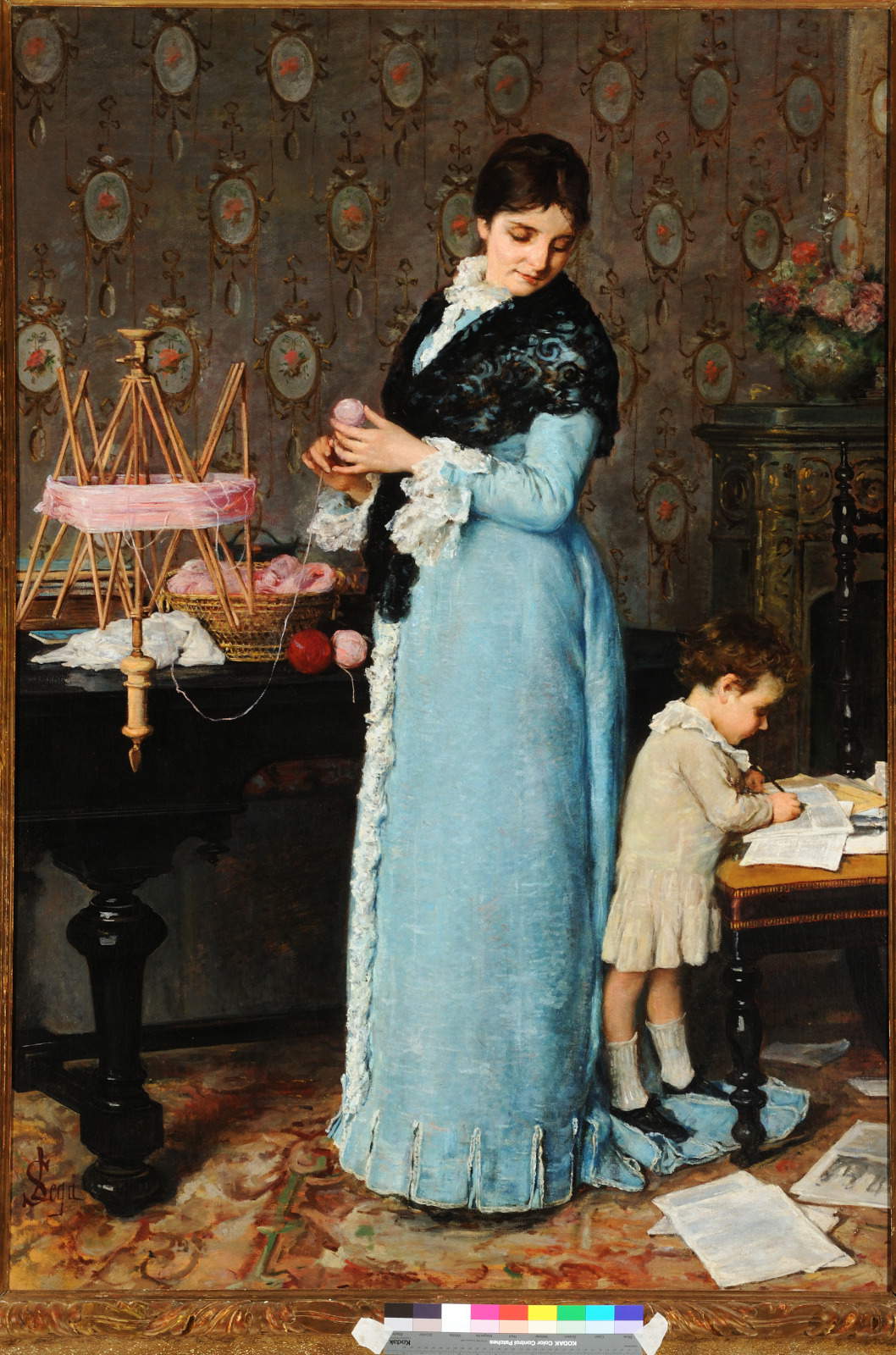
The search for “truth” developed further beginning in the 1860s, when Lega’s interest gradually shifted from major historical events to everyday life. It was especially during the years he spent in Piagentina that the painter reached full artistic maturity. As a guest of the Batelli family in the Affrico and Arno regions, Lega found in that setting not only a natural environment particularly suited to his painting but also a place to foster relationships, share affection, and engage in discussions about the ideals tied to the building of a new Italy. Natural light and its variations play a fundamental role. Through color and direct observation, Lega brings seemingly simple scenes to the canvas: encounters, family moments, daily chores, and glimpses of the rural landscape. Ordinary life thus becomes the subject of a style of painting capable of transforming individual experience into a broader reflection on humanity and human emotions.
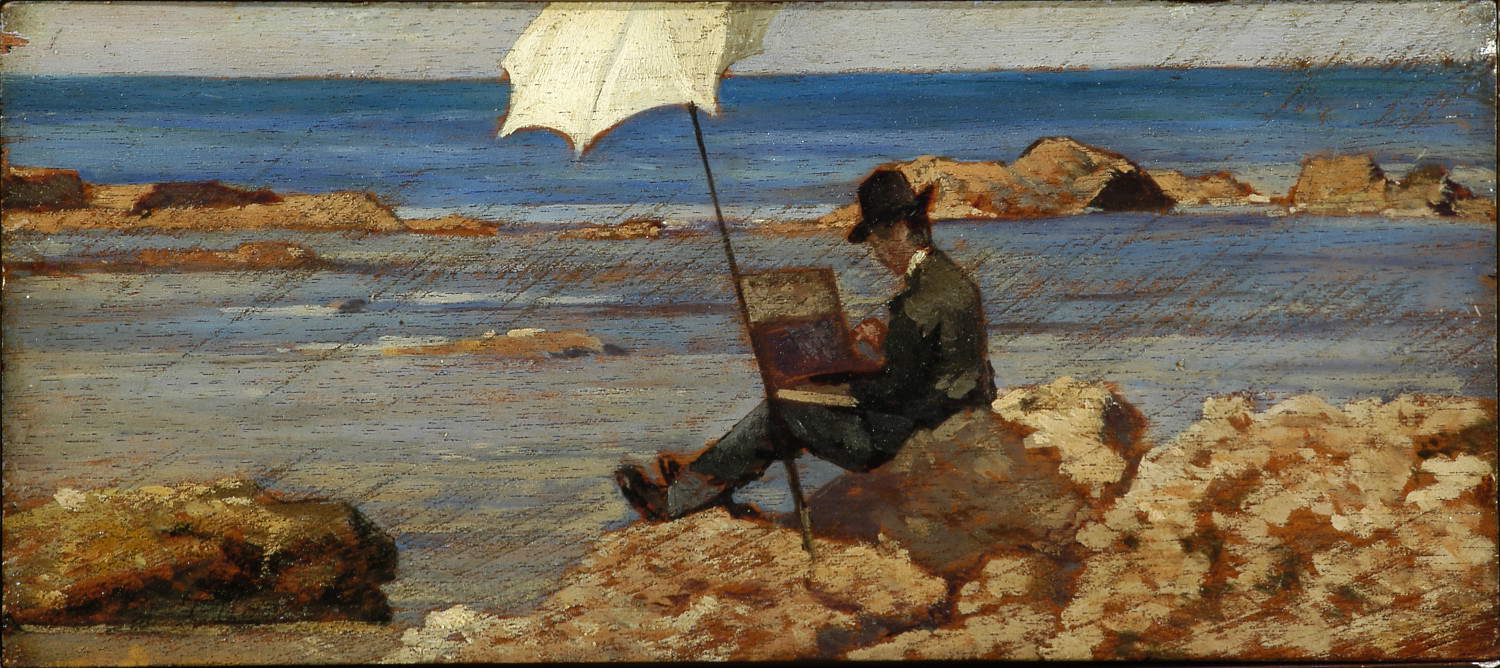
From this period come *Curiosità* (1866) and *I fidanzati* (1869), the latter on loan from the Leonardo da Vinci National Museum of Science and Technology in Milan. The exhibition also explores Lega’s connection with other leading figures of the Macchia movement through *Silvestro Lega Painting on the Rocks*, created by Giovanni Fattori between approximately 1866 and 1867: a painting in which the Romagna-born artist himself becomes the subject of a work by a colleague and friend.
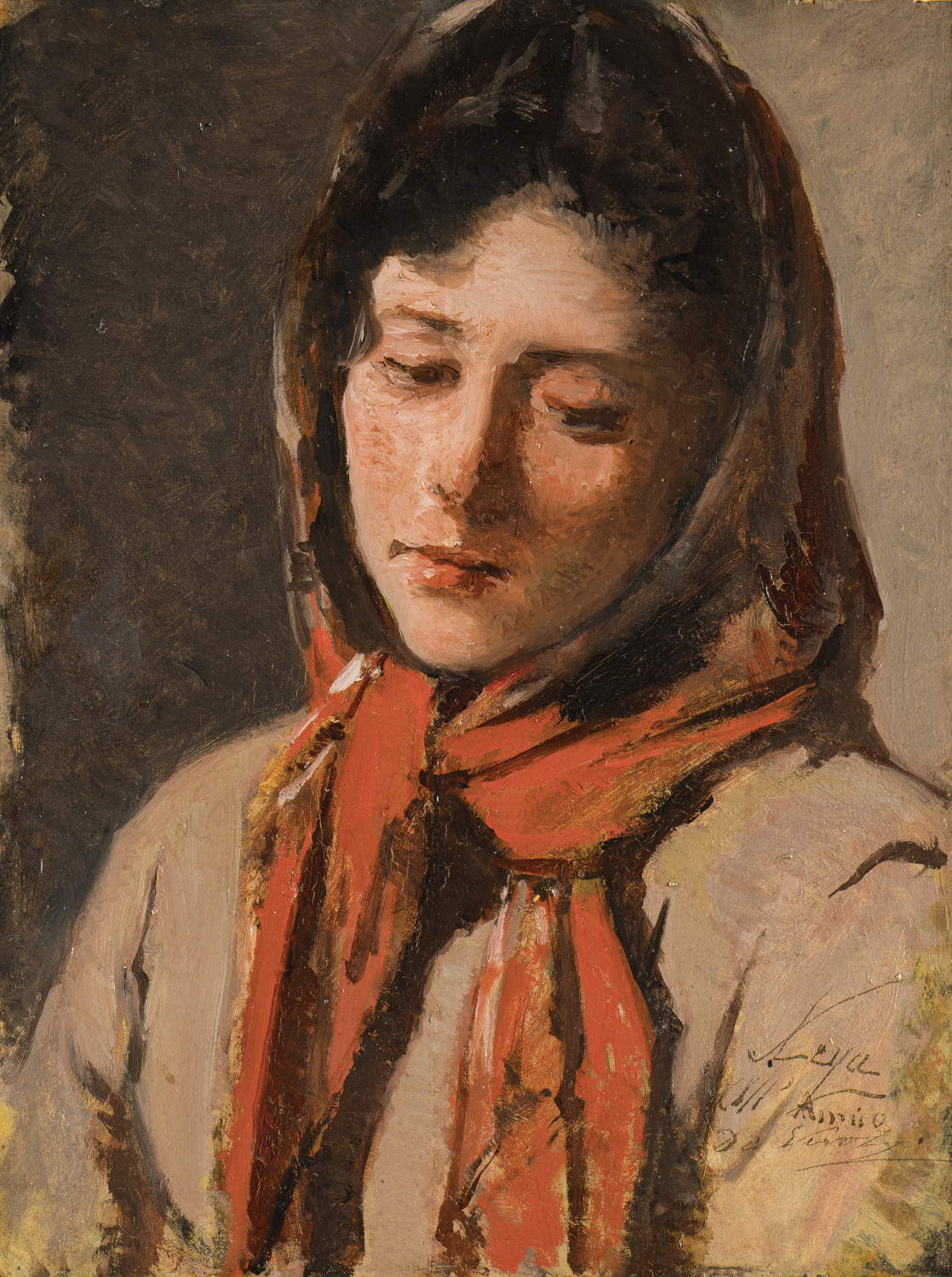
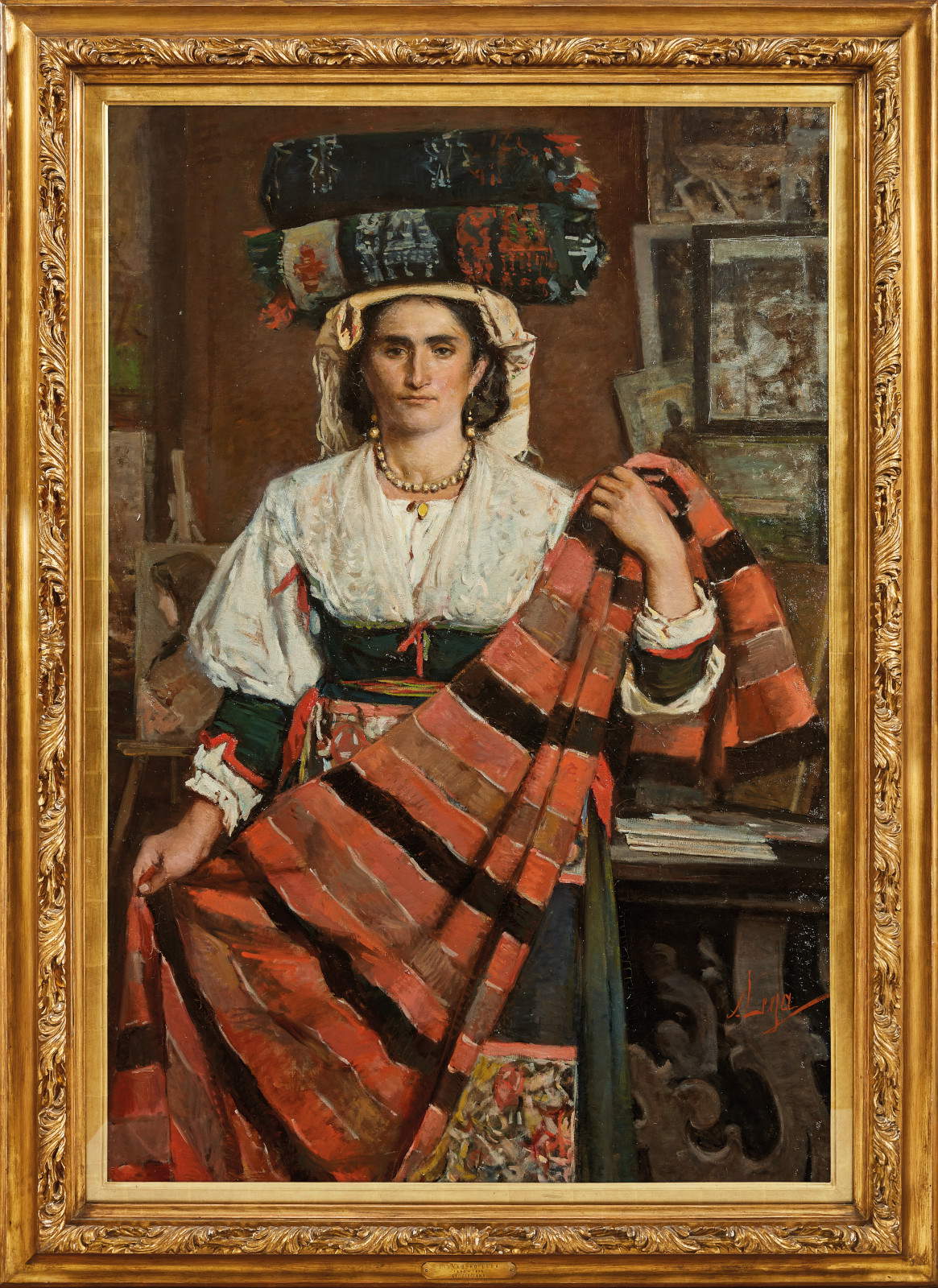
The death of Virginia Batelli in 1870 marked a profound turning point in Lega’s life. After his time in Piagentina, his painting retained its focus on the observation of reality but gradually took on a more introspective and melancholic character. His stay in Bellariva, on the Livorno coast, and later at Gabbro led the artist toward an increasingly intimate representation of the landscape. Light remains essential, but it loses some of its purely descriptive function, transforming into an emotional element. Seascapes, streets, countryside, and domestic settings are depicted through quieter compositions, in which reality seems to take on a slower, meditative rhythm. In the years that followed, especially from the mid-1980s onward, Gabbro became one of the main focal points of his artistic exploration. Here, Lega focused on the local population and, in particular, on the women of the village, the “Gabbrigiane.” Their faces and gestures became the protagonists of an increasingly free and essential style of painting. His brushstrokes became more fragmented, the paint gained intensity, and the light grew increasingly expressive. Even when moving away from historical subjects and Risorgimento themes, Lega thus continued to pursue the same goal that had guided his artistic development: to render on canvas an authentic reality, observed without artifice.
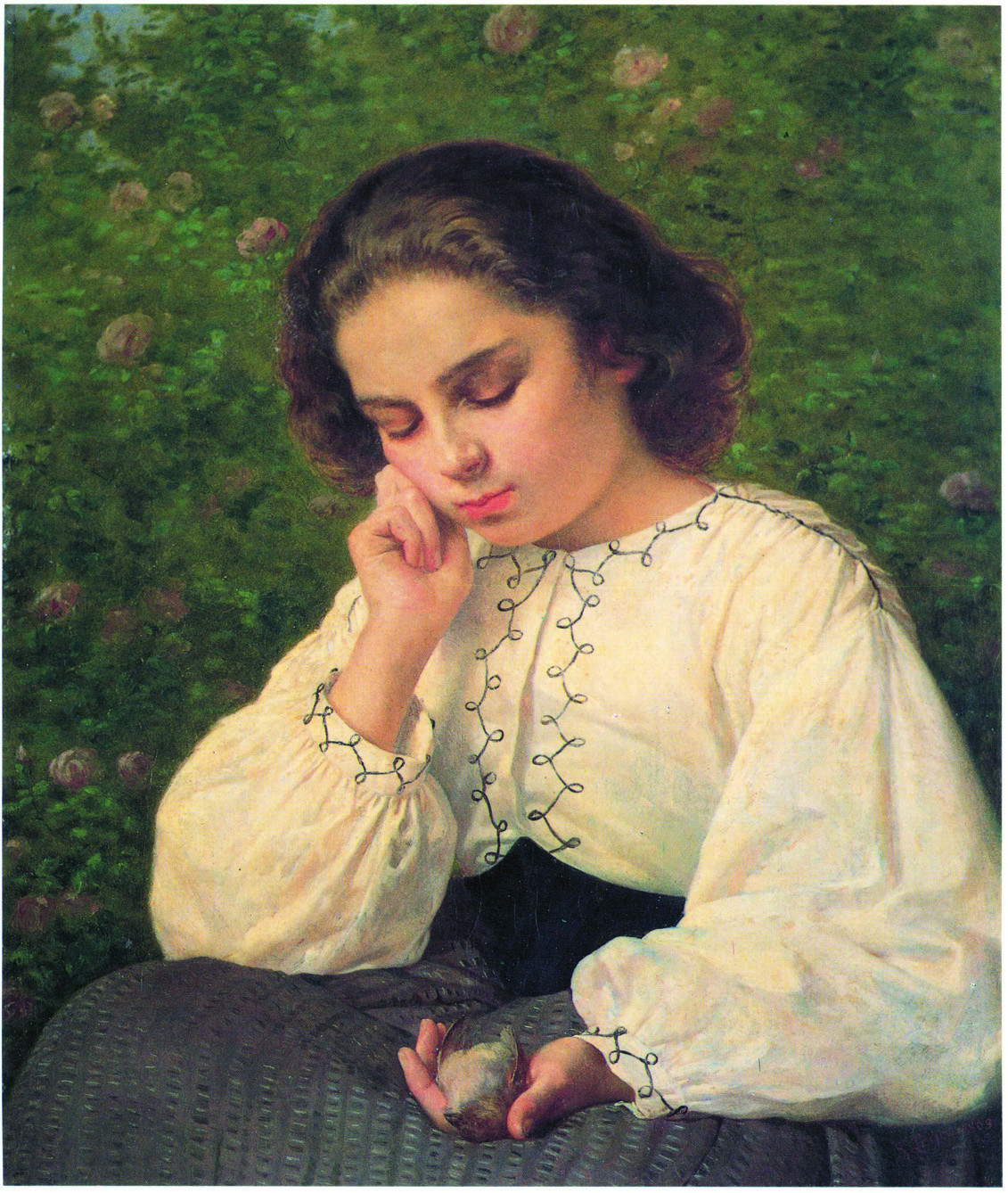
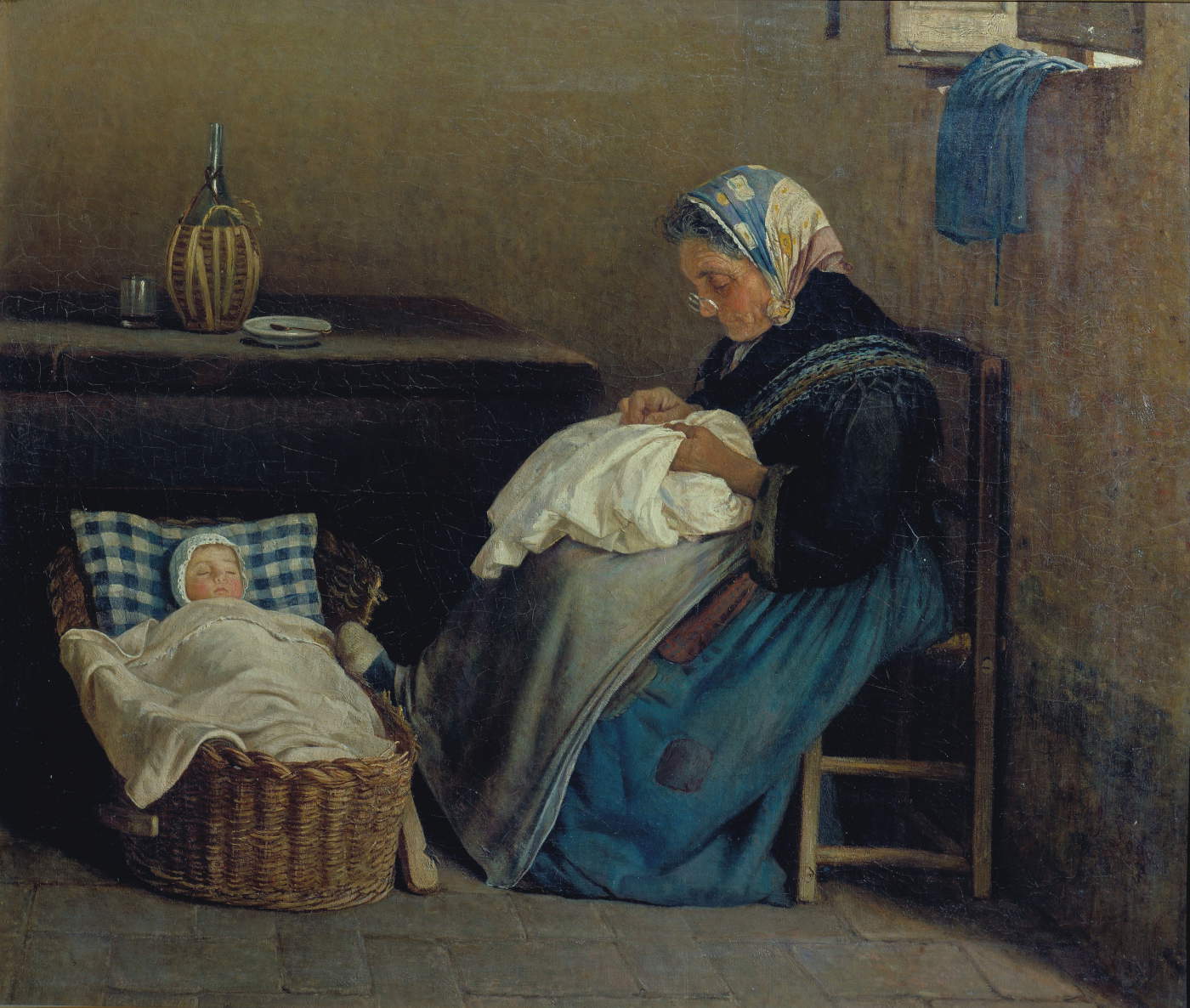
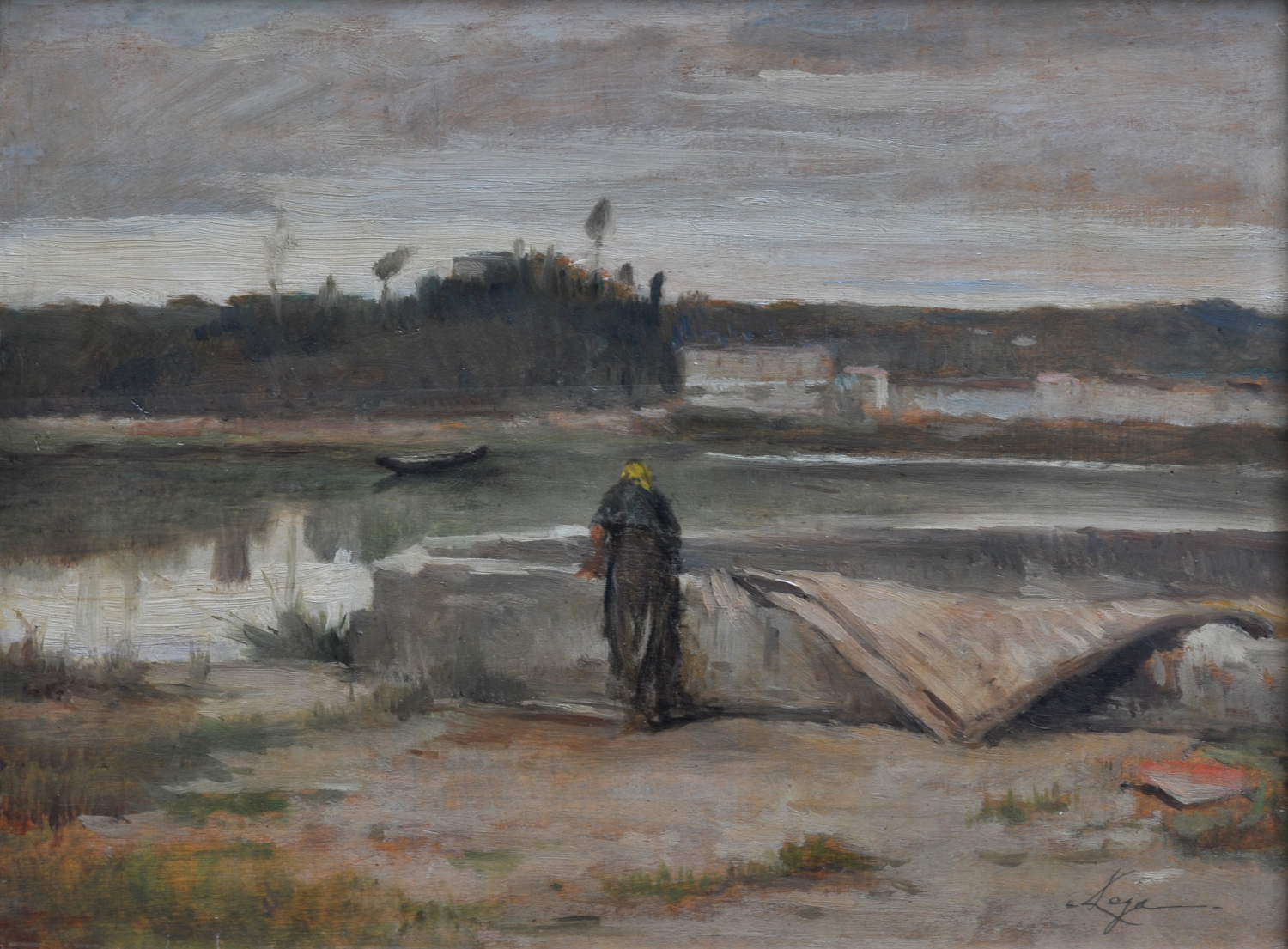
Among the most significant events marking the bicentennial is the temporary return to Modigliana of *Don Giovanni Verità and General Cialdini*, a work attributed to Silvestro Lega and long considered lost. The painting is normally part of a private collection and is therefore not accessible to the public. However, it had been exhibited in Modigliana in 1926, during the celebrations marking the centennial of the artist’s birth. Exactly one century later, the work now returns to Lega’s hometown.
Its identification was made possible by comparing it with photographs from the historic 1926 exhibition. Antonella Brin, who tracked down the painting, also reconstructed its history, helping to bring renewed attention to a work that had remained out of public view for decades. The painting will be displayed separately from the main exhibition itinerary, allowing visitors a fresh, direct view of the artwork. Its return also presents an opportunity to reignite the discussion among scholars and specialists regarding its attribution, iconography, and the events that have shaped its history.
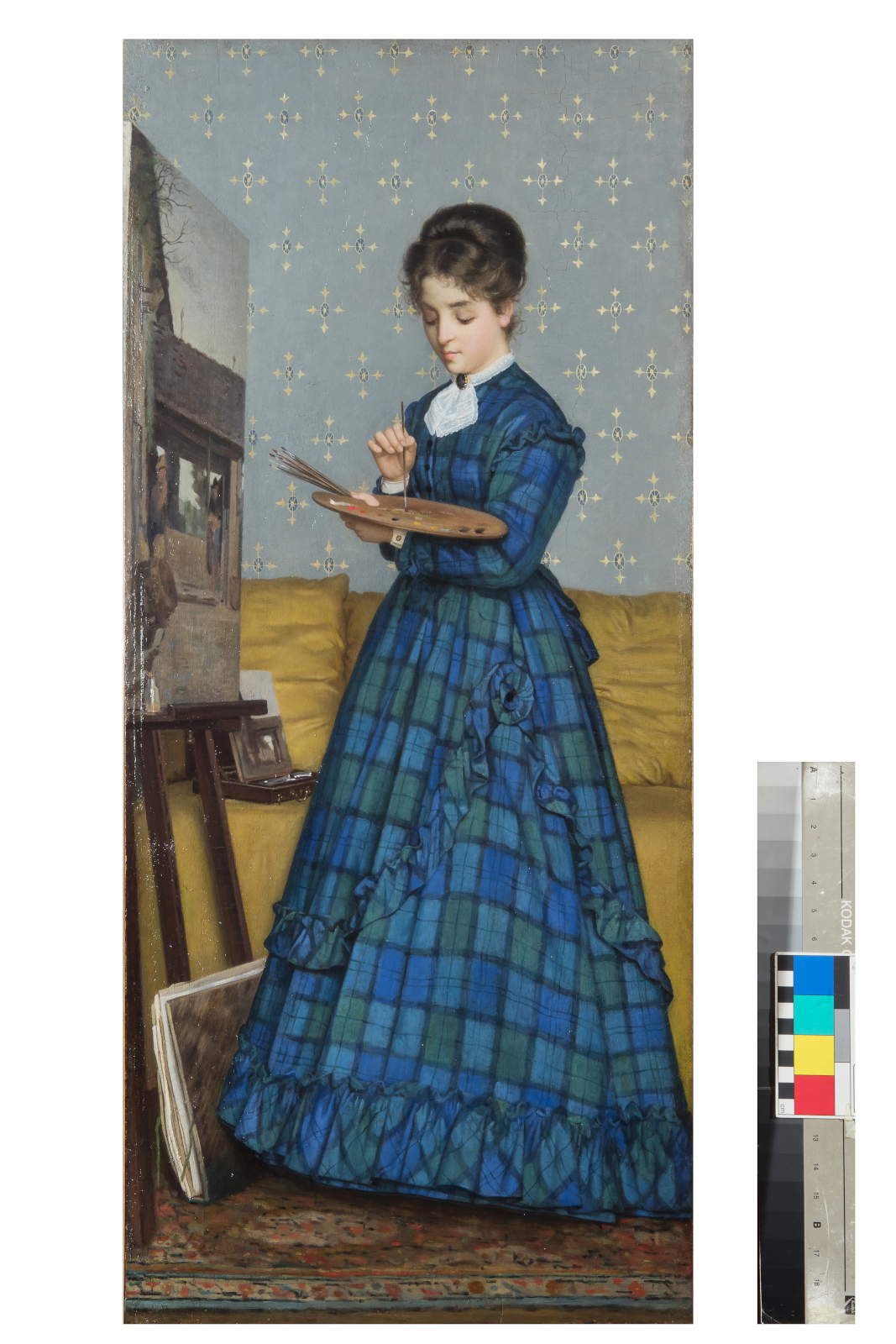
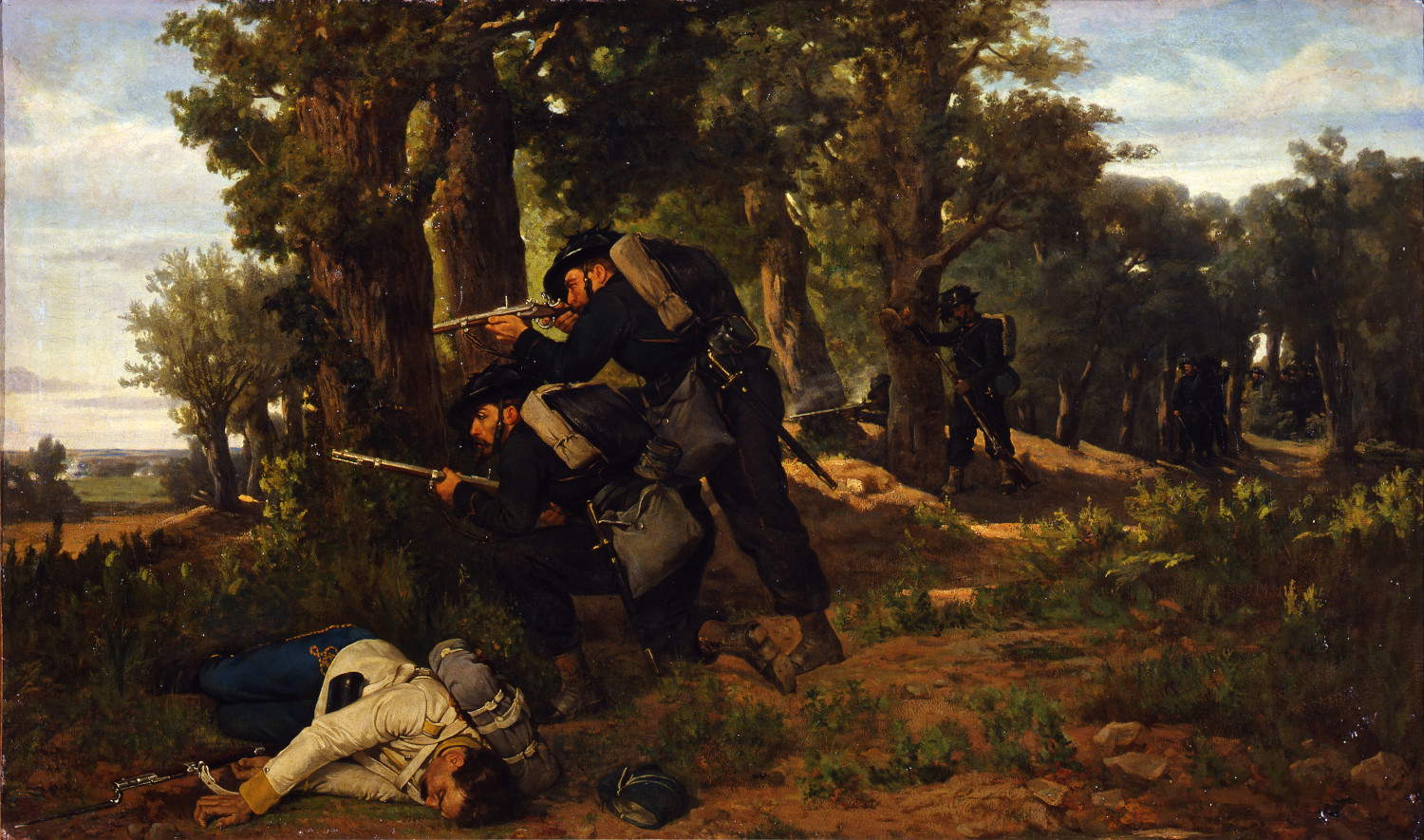
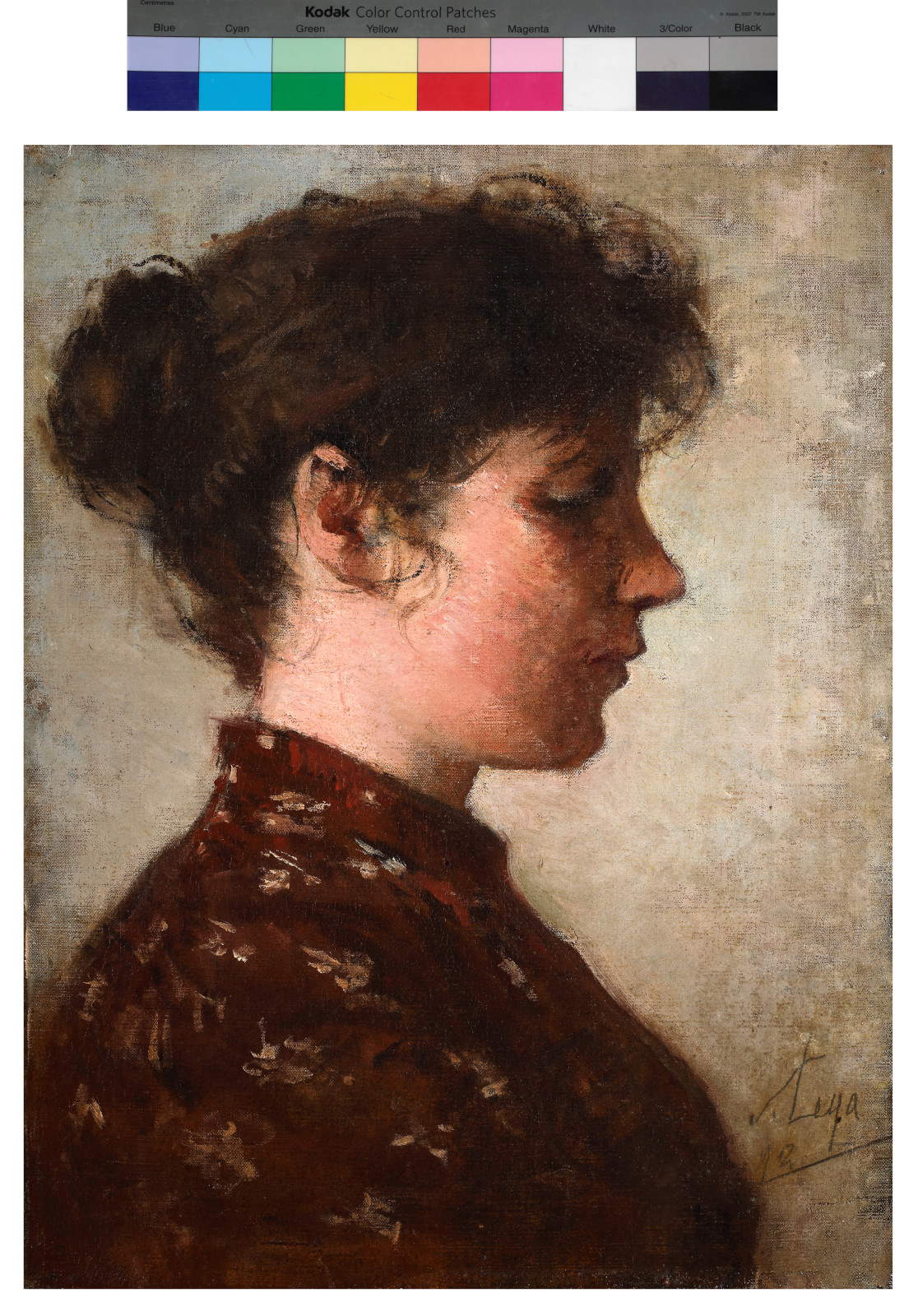
“There have been many exhibitions on Silvestro Lega, and many more will follow; each one is shaped by its own particular perspective,” explained curator Gianfranco Brunelli. “On the bicentennial of the Modigliana-born painter’s birth, we have sought to focus on the relationship—fundamental to an entire generation, that of the Macchiaioli—between the cause of art and the cause of the homeland. This is a necessarily partial choice, one that concerns Silvestro Lega’s personal and political life.”
The bicentennial celebration is part of a broader project launched in recent years by the Municipality of Modigliana to bring Silvestro Lega back into the spotlight. The goal is to strengthen the bond between the artist and his hometown, recognizing the role that Lega played not only in local cultural history but also in the renewal of nineteenth-century Italian painting. The exhibition thus offers a comprehensive overview of his career, connecting his civic engagement during the Risorgimento, the Macchia revolution, his time in Piagentina, and the more intimate works of his mature period. Alongside works from other institutions and collections, visitors will also have the opportunity to rediscover Lega’s paintings preserved in the permanent collection of the Pinacoteca Comunale di Modigliana, which serves as one of the primary resources for learning about the artist in the very place where he was born.
|
| Silvestro Lega: Modigliana Celebrates the 200th Anniversary of His Birth with a Major Exhibition |

Warning: the translation into English of the original Italian article was created using automatic tools. We undertake to review all articles, but we do not guarantee the total absence of inaccuracies in the translation due to the program. You can find the original by clicking on the ITA button. If you find any mistake,please contact us.






















 IT
IT FR
FR DE
DE ES
ES CN
CN


