




From October 2, 2026, to February 14, 2027, the Reggia di Venaria will host *Atelier dei Moderni: Matisse, Braque, Picasso, Bacon*. “Masters of the Twentieth Century” from the Musée des Beaux-Arts in Lyon is a major exhibition curated by Sylvie Ramond and organized by the Consortium of the Royal Residences of Savoy in collaboration with the Musée des Beaux-Arts in Lyon, one of France’s most prestigious museums.
Following the success of the project dedicated to Fernand Léger, the program *La Reggia di Venaria in Dialogue with France* continues—an international collaboration initiative promoted by the Consortium of the Royal Residences of Savoy to strengthen ties with some of France’s most important cultural institutions. Presented at the French Embassy in September 2025 and conceived as part of a cultural diplomacy project between Italy and France, the program aims to strengthen the role of the Reggia di Venaria as a center of cultural production and a venue for international exchange.
As part of this initiative, “Atelier dei Moderni” has been created—an exhibition organized in collaboration with Manifesto Expo and MondoMostre—which presents approximately sixty works by some of the leading figures in 20th-century art in the Palace’s Art Galleries, including Henri Matisse, Pablo Picasso, Georges Braque, Fernand Léger, Raoul Dufy, Max Ernst, Jean Dubuffet, Sonia and Robert Delaunay, Pierre Soulages, Nicolas de Staël, Simon Hantaï, and Francis Bacon.
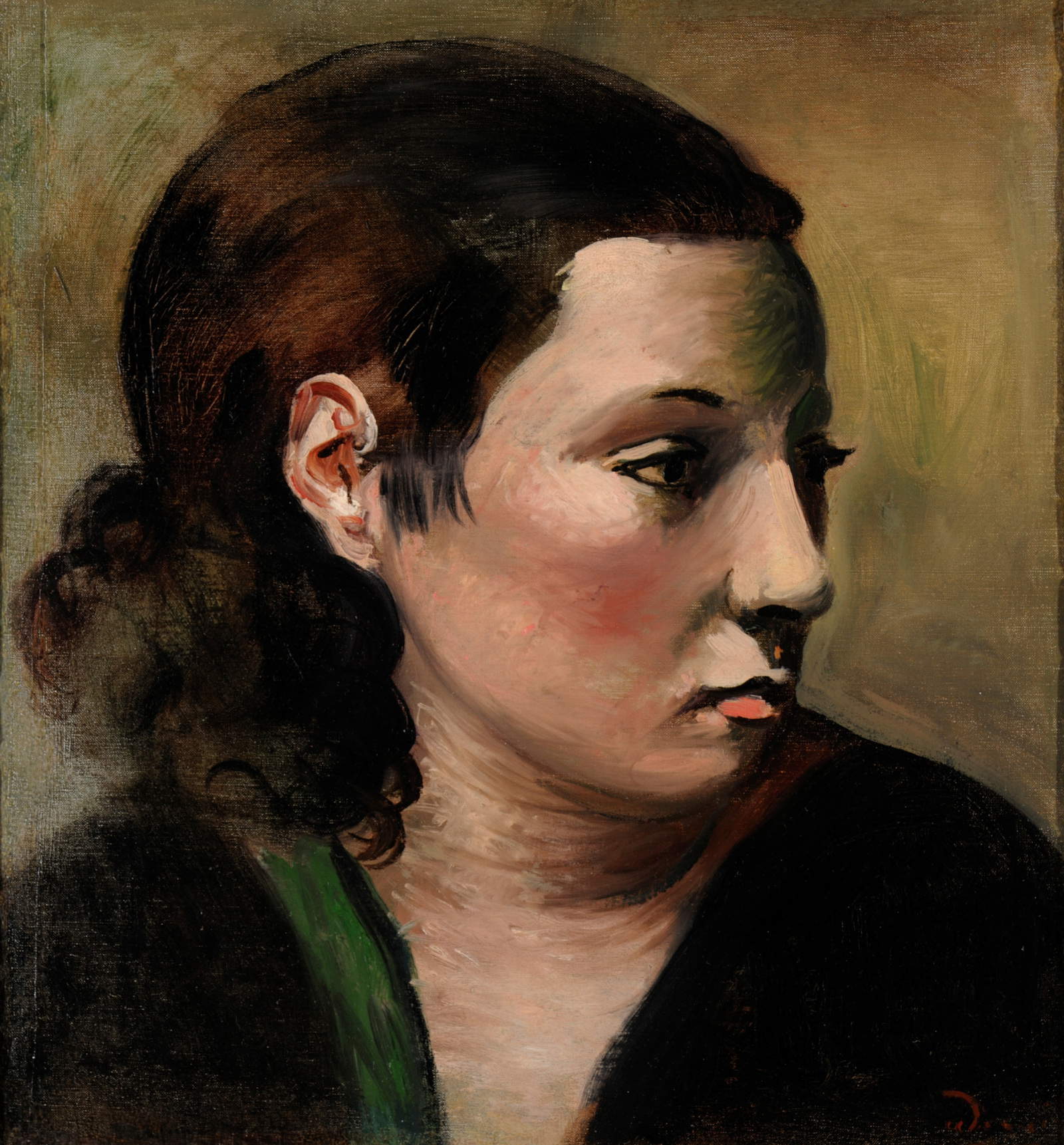
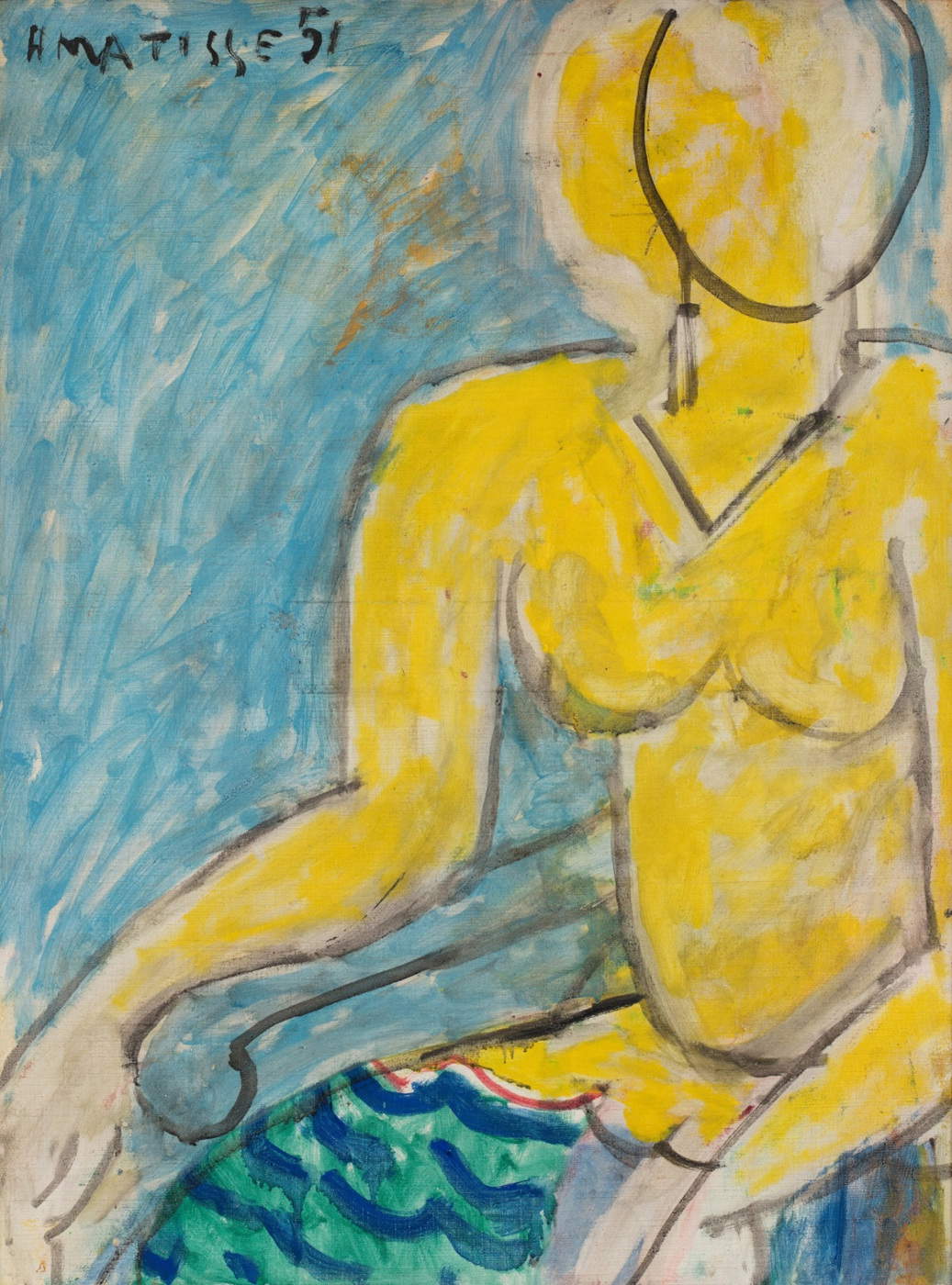
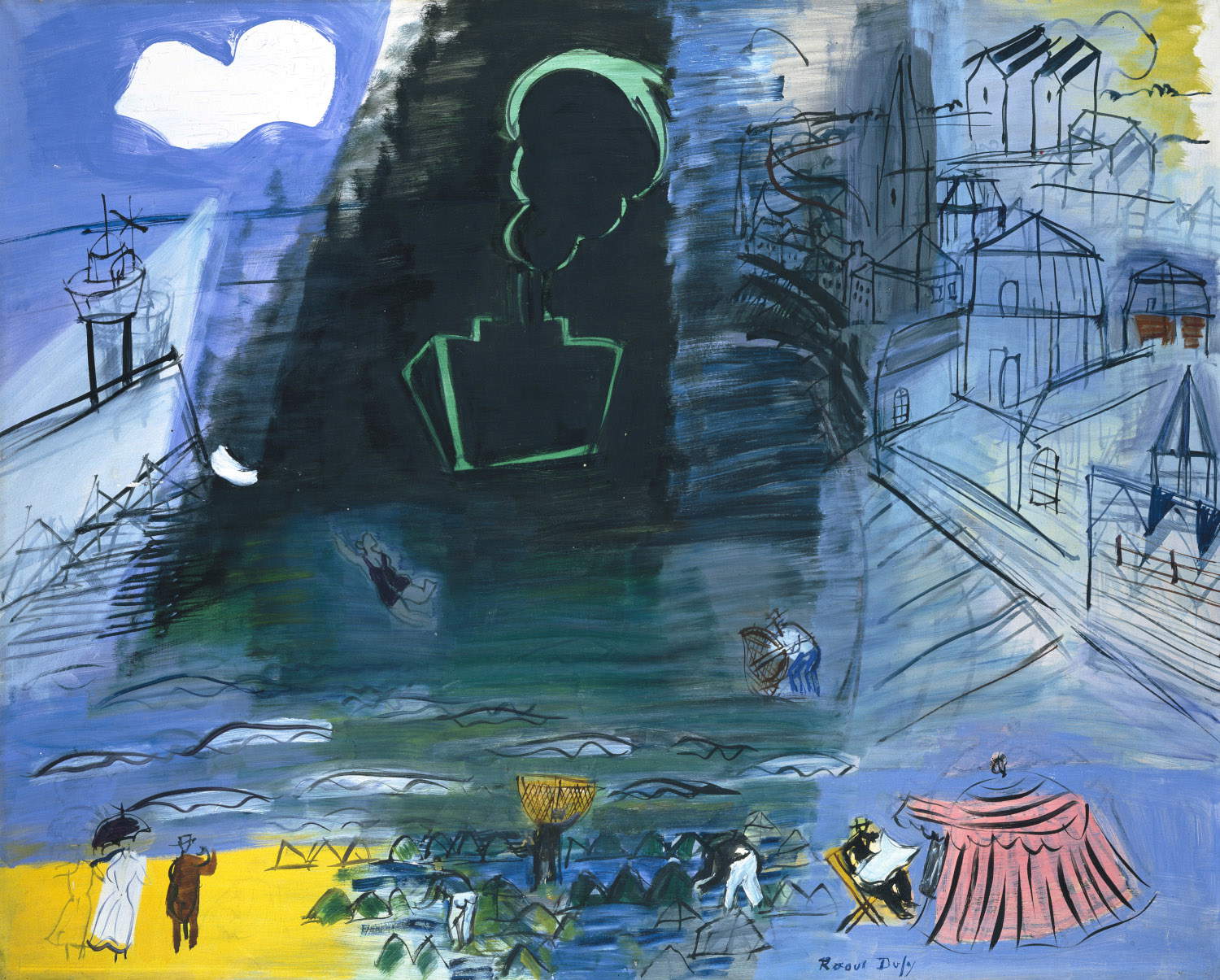
The exhibition aims to offer a non-linear exploration of modernity, highlighting the relationships, influences, and affinities that have connected different movements and artists. Fifteen sections alternate between in-depth monographic studies and thematic explorations dedicated to some of the fundamental issues of modern and contemporary art.
The exhibition begins withthe legacy of great masters such as Edgar Degas, Paul Cézanne, and Henri de Toulouse-Lautrec, leading to the works of artists such as Suzanne Valadon, Émile Othon Friesz, and Pablo Picasso. Ample space is also devoted to the exploration of color through the works of Pierre Bonnard, Édouard Vuillard, Robert and Sonia Delaunay, and Alexej von Jawlensky, while another section analyzes the progressive fragmentation and transformation of the object in the paintings of Georges Braque. The exhibition continues with the return to figuration in the 1920s and 1930s, the explorationof the unconscious through Max Ernst, Wifredo Lam, and Victor Brauner, and the work of the great masters of the post-World War II era, including Fernand Léger, Pablo Picasso, and Henri Matisse.
The exhibition then addresses non-figurative art, Informal Art, the relationship between materials and gesture, the interplay of black and light in the works of Pierre Soulages and Anna-Eva Bergman, and culminates in the dialogue between the figure and animality in the paintings of Francis Bacon. The exhibition concludes with a new reflection on Matisse’s work through a comparison with artists such as Simon Hantaï and Shirley Jaffe.
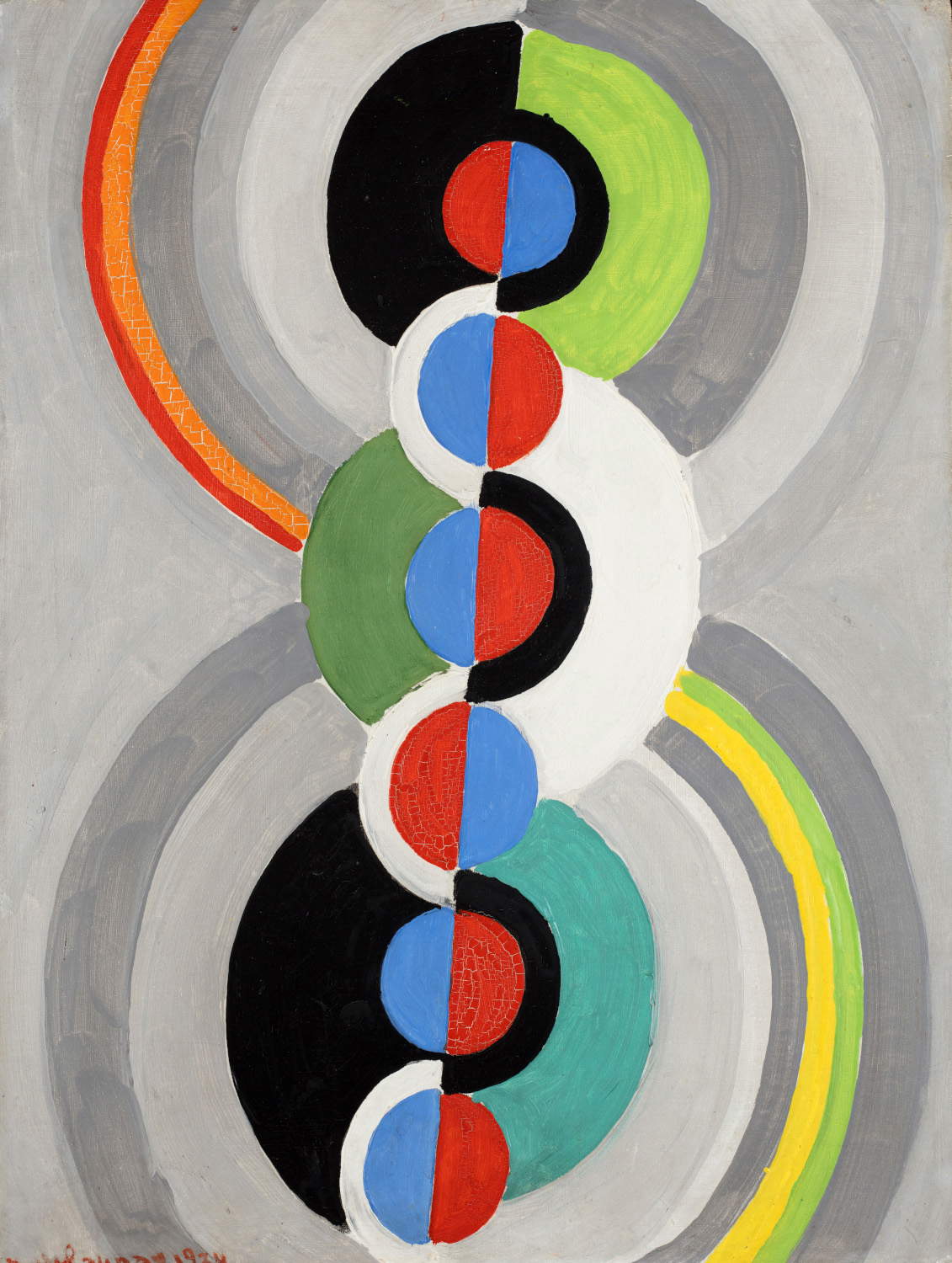
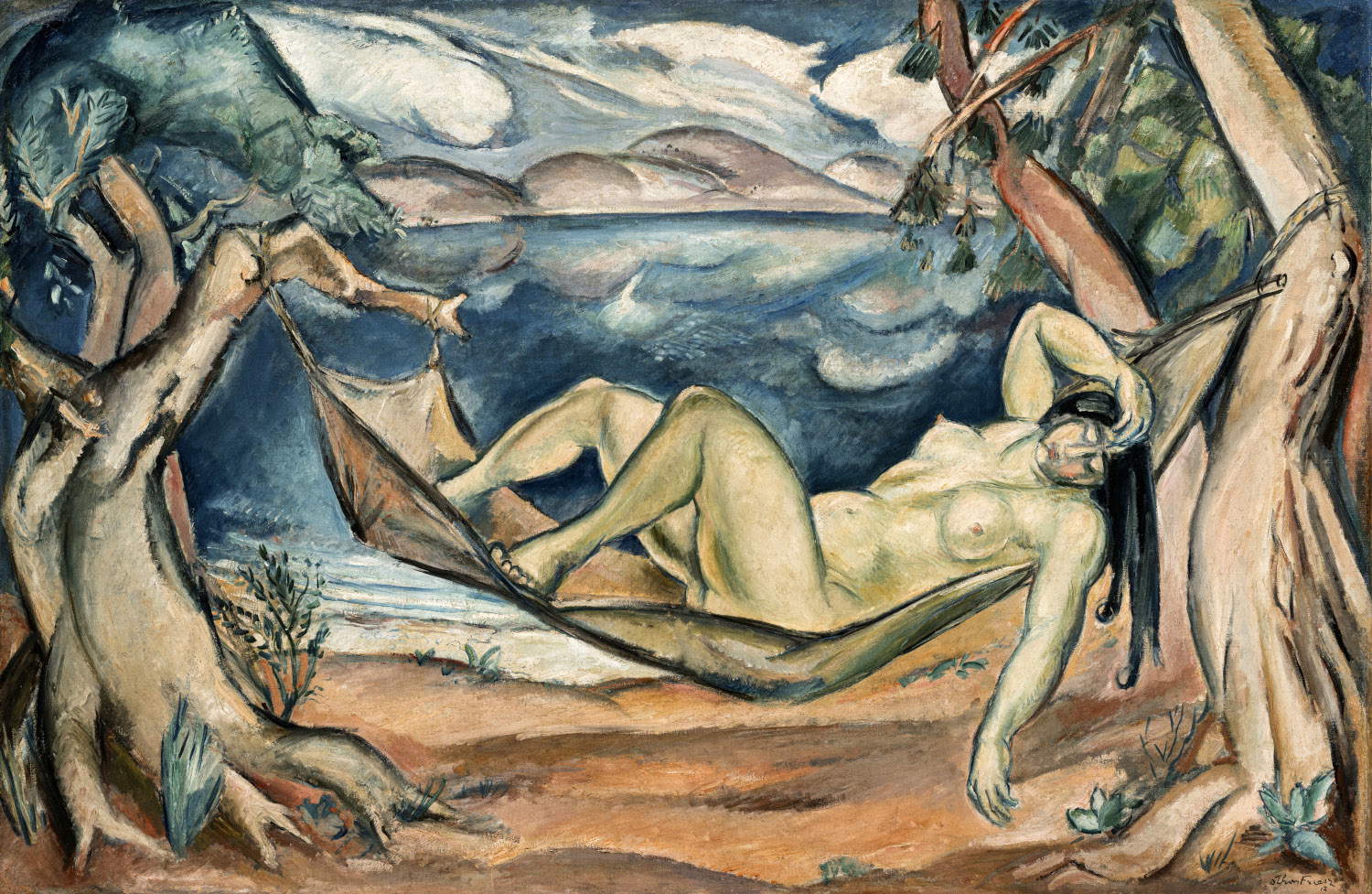
The concept of the studio serves as the central theme of the entire exhibition. Some of the works on display—including those by Braque, Raoul Dufy, and Léonard-Tsuguharu Foujita—are intended to directly evoke the artist’s studio, understood as a privileged space for creation, experimentation, and exploration. However, the studio is not merely the physical space where a work is created: within the exhibition, it also becomes a place of encounter, dialogue, and exchange among artists, where ideas and artistic languages influence one another. Photographs of the artists’ studios, scattered throughout the exhibition, help convey this intimate and creative dimension. A central role is reserved for Henri Matisse, who transformed the studio into one of the recurring themes of his own artistic practice. In fact, a significant portion of Matisse’s body of work is dedicated to depictions of the studio and his models, culminating in the works created with his final model, *Katia à la chemise jaune*, chosen as the exhibition’s symbolic image.
The theme of the studio also extends to the educational activities designed for children and teens. Within the exhibition spaces, an educational area will be set up, designed as a true creative workshop. Here, young visitors will be able to experiment with techniques and working methods inspired by the artists featured in the exhibition, transforming the visit into a participatory experience based on creation, discovery, and experimentation.
Thanks to the collaboration with the Musée des Beaux-Arts in Lyon, the exhibition offers the Italian public the opportunity to view a collection of works rarely made available on loan. The project also reaffirms the Reggia di Venaria’s international mission. This collaboration between Italy and France thus takes the form of a project grounded in scientific research, the exchange of cultural heritages, and the sharing of new perspectives on modern art.
|
| Sixty works by the great artists of the 20th century from Lyon are featured in a major exhibition at the Reggia di Venaria |

Warning: the translation into English of the original Italian article was created using automatic tools. We undertake to review all articles, but we do not guarantee the total absence of inaccuracies in the translation due to the program. You can find the original by clicking on the ITA button. If you find any mistake,please contact us.



















 IT
IT FR
FR DE
DE ES
ES CN
CN


