




by Redazione 23/07/2026



Categories: Exhibitions / Disclaimer
From September 29, 2026, to January 31, 2027, the Royal Palace in Milan will host an exhibition dedicated to the Brueghel dynasty, featuring over eighty works. The exhibition explores the origins of various painting genres and the role of this Flemish family in the transformation of European art.


From September 29, 2026, to January 31, 2027, Palazzo Reale in Milan will host a major exhibition dedicated to the Brueghels, one of the most influential artistic dynasties of the European Renaissance. Titled *The Brueghels: The Origins of Pictorial Genres in Europe*, the exhibition, through more than eighty works —including paintings, drawings, and prints—traces the story of a family of artists who made a decisive contribution to the definition of modern painting and the emergence of those painting genres that still today constitute one of the main keys to understanding the history of Western art. For the Brueghels, this marks a return to Italy eleven years after the 2015 exhibition that brought the family’s works to Bologna, at Palazzo Albergati, featuring 110 works that explored the Brueghel family’s contribution to the art of the time, and fourteen years after the exhibition held in Como at Villa Olmo (“The Brueghel Dynasty”), which featured approximately one hundred works.


Sponsored by the City of Milan – Culture and produced by Palazzo Reale and 24 ORE Cultura – Il Sole 24 ORE Group, the exhibition, according to the organizers, is “a project conceived by Bernard Aikema and curated by Carlotta Striolo.” The exhibition offers a fresh perspective on the Brueghels’ body of work, not only through the family’s masterpieces but above all by highlighting the role played by this extraordinary artistic dynasty in transforming European figurative art between the late 16th and 17th centuries. The exhibition aims to take the public on a journey through the history of a family of painters active in the Netherlands but capable of exerting an influence that extended far beyond the borders of Flanders, reaching Italy and much of Europe. Through their work, the Brueghels contributed to the gradual definition of new categories of pictorial representation, ushering in a system of specializations that would characterize European art in the centuries to come.


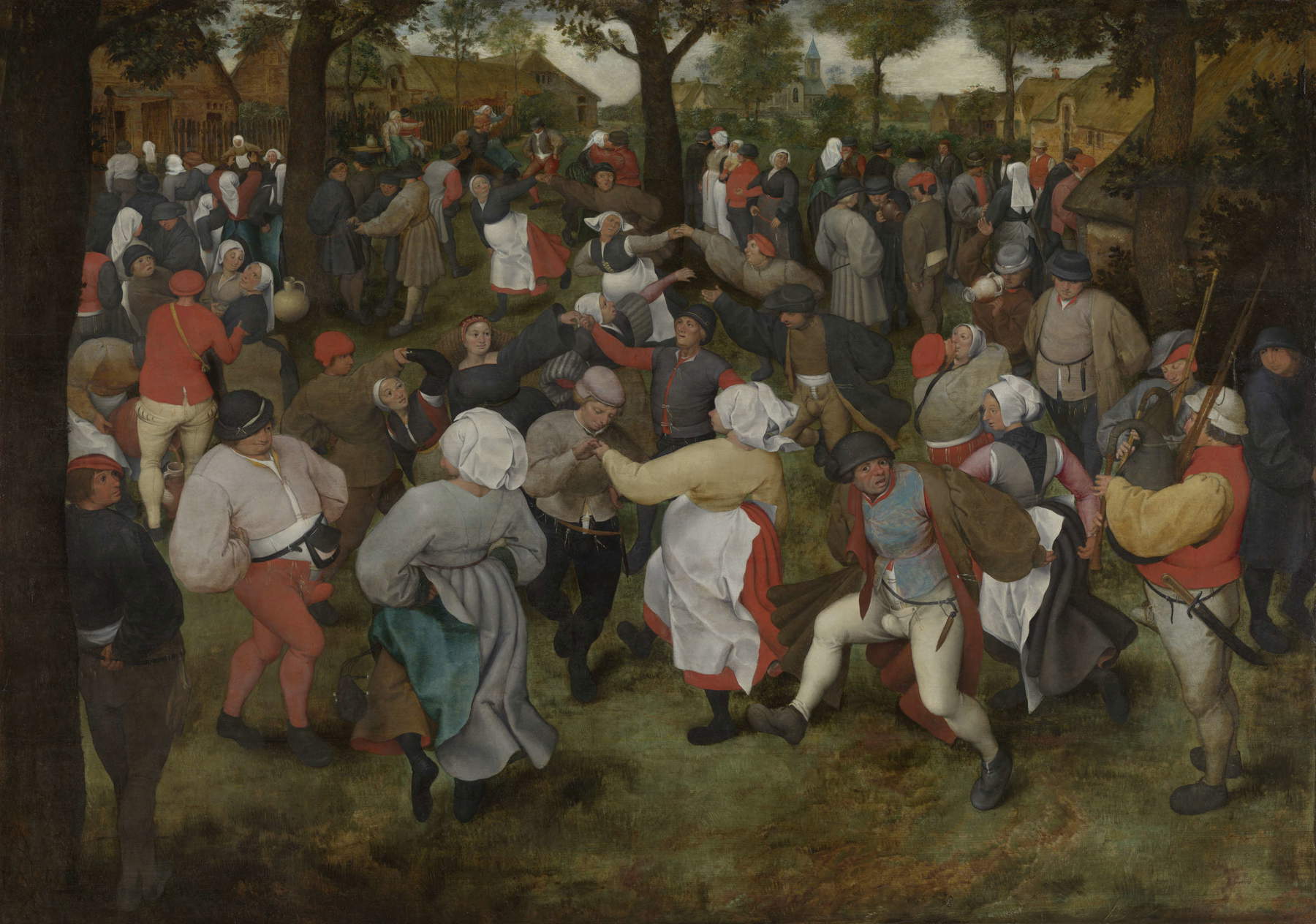
The exhibition explores some of the subjects that would become emblematic of modern painting: snowy landscapes, stormy seascapes, still lifes, scenes of peasant life, and battle scenes. These themes, which today seem familiar and codified, represented a major innovation between the late 16th and early 17th centuries, one destined to profoundly alter the very way painting was conceived. The exhibition aims to demonstrate how it was precisely through these new types of images that the system of pictorial genres took shape, destined to have a lasting influence on European artistic production. This process did not merely concern the evolution of style or painting techniques, but also transformed the relationship between artists, the market, and the public.


The exhibition reconstructs a crucial moment in art history, illustrating how the Brueghels’ innovations and the strategies developed by the family in the production and dissemination of their works contributed decisively to the emergence of a new artistic model, perfectly adapted to a constantly expanding market. According to the exhibition’s curatorial concept, the contribution of the Flemish dynasty was not limited to the creation of images destined to exert a strong influence on their contemporaries, but also concerned their ability to interpret the profound cultural, economic, and social transformations that affected seventeenth-century Europe. During those years, the art world underwent a period of profound change. Alongside traditional religious and aristocratic commissions, an increasingly broad market gradually developed, fueled above all by growing demand from the urban bourgeoisie, particularly in the Netherlands.
The emergence of this new audience radically altered the way works of art were produced and marketed. Painters began to cater to a much broader clientele than in the past and, as a result, gradually specialized, focusing on specific subjects capable of satisfying the tastes and demands of different segments of buyers. It was precisely within this context that the Brueghels developed a particularly effective production system, capable of meeting the needs of a dynamic and constantly growing market. Their work thus helped to consolidate some of the major genres of European painting, making them recognizable and ensuring their enduring popularity.
The exhibition also highlights how this change was not limited to the economic sphere but also involved theoretical reflection on art. Between the late sixteenth and seventeenth centuries, in fact, the emergence of modern art history fostered a process of classifying the various schools, styles, and types of representation. Art critics, theorists, and historians began to define criteria and categories intended to codify artistic production, establishing those interpretive standards that are still used today to distinguish a landscape from a still life, a genre scene from a battle scene, or from a historical depiction.
According to the exhibition’s concept, the Brueghels’ contribution fits fully within this process of defining pictorial genres. Their body of work, in fact, represents one of the decisive moments in the construction of that classificatory system that continues to shape the interpretation of European painting. Through paintings, drawings, and prints, the exhibition promises to explore not only the stylistic evolution of the dynasty but also the way in which their works engaged with transformations in the art market, art theory, and European society.
The exhibition will also seek to highlight the Brueghels’ ability to develop iconographic models that would be adopted by numerous generations of artists. Their compositional innovations and subject matter contributed to the formation of a shared figurative language that would spread far beyond the borders of Flanders.
 |
| The Brueghels Return to Italy: A Major Exhibition on the Dynasty at Palazzo Reale in Milan |
Warning: the translation into English of the original Italian article was created using automatic tools. We undertake to review all articles, but we do not guarantee the total absence of inaccuracies in the translation due to the program. You can find the original by clicking on the ITA button. If you find any mistake,please contact us.