



by Redazione 12/11/2026


Categories: Exhibitions / Disclaimer
Through November 15, Palazzo Toniolo in Pisa is exhibiting, for the first time, the project *Orfani* by photographer Valerio Bispuri: 33 images taken in Pakistan, Belarus, Argentina, and Zambia, which was a finalist for the Visa d’Or in Perpignan in 2024. Part of the exhibition is on view at the house-museum of Blessed Toniolo.


In Italy , the word “orphanage” is now a thing of the past. The large institutions where children without families grew up for generations have given way to different forms of care that place greater emphasis on a family-like environment. It is a significant change, but it has also had a less obvious consequence: the issue has faded from our daily view. Abandoned children have not disappeared; they have simply become less visible. In many parts of the world, being an orphan, living in extreme poverty, or having a disability still means growing up on the margins, far from the eyes of others.


This is the focus of *Orfani*, the photography project by Valerio Bispuri ( Rome, 1971), which, for the first time, is being presented as an exhibition at Palazzo Toniolo in Pisa through November 15, 2026. The subjects are children who have lost one or both parents, abandoned children, and children who have grown up in institutions or on the streets. There are also children with disabilities, for whom abandonment can lead to even deeper isolation and loneliness. Their circumstances vary, but they share the common experience of having been left without anyone to guide them as they grow up.


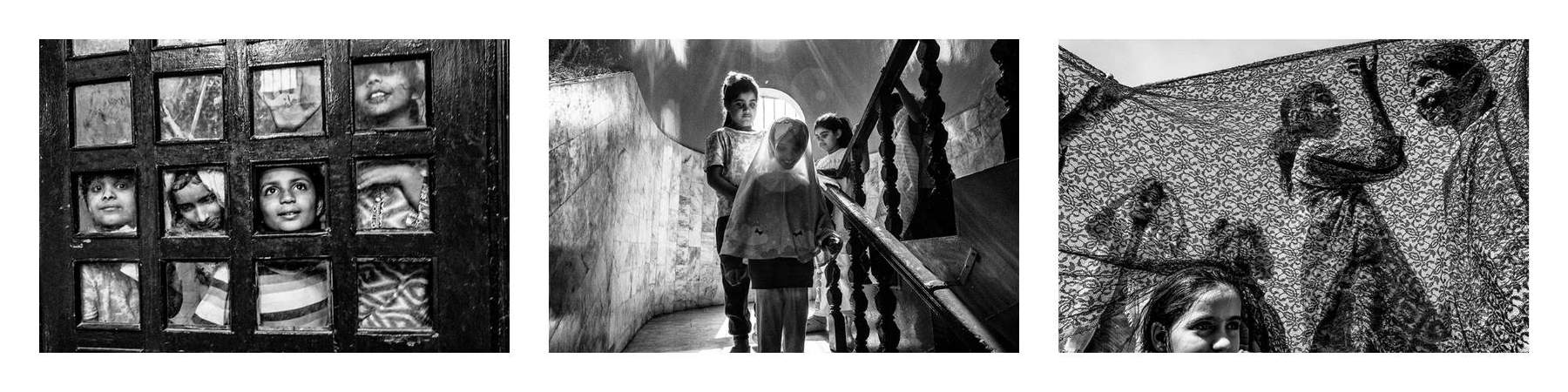
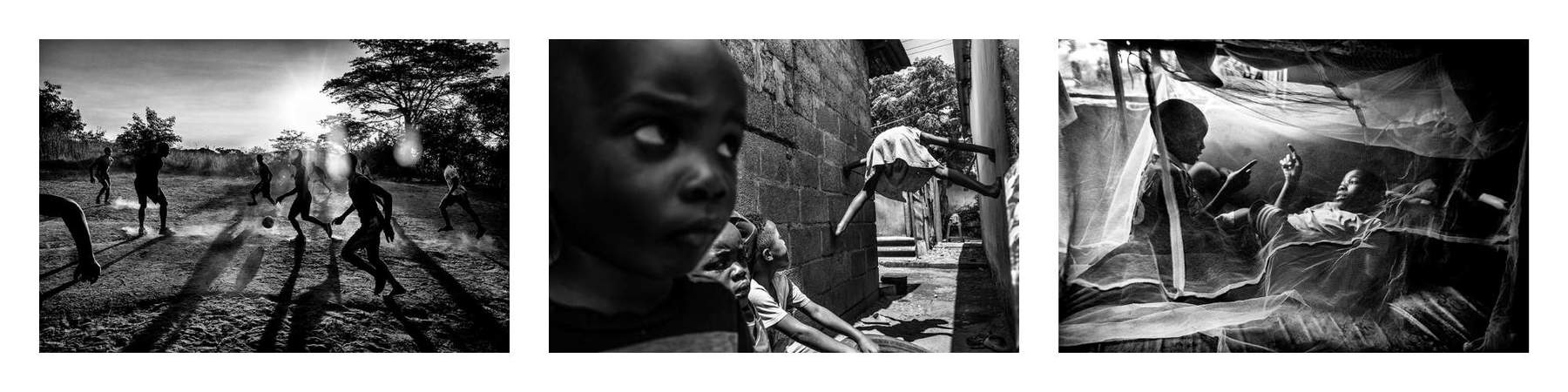
Before arriving in Pisa, the project received international recognition. In 2024, Bispuri presented it at Visa pour l’Image, the international photojournalism festival in Perpignan, France, where it was a finalist for the Visa d’Or. Until now, however, the work had never been presented as an exhibition. Thanks to the Toniolo Foundation , Bispuri’s work takes this form for the first time, featuring a selection of 33 photographs.

The images come from four countries on four continents: Pakistan, Belarus, Argentina, and Zambia. These are contexts that are very distant from one another in terms of geography, history, culture, and economic conditions. Placed side by side, however, they show that childhood abandonment is not limited to a single place or region of the world. In these four countries, Bispuri met children who are growing up without the support of a family and who must find their place in the world every day.
*Orfani* emerged from a long journey and from the encounters the photographer has had over the years with abandoned children. It is not a photo essay put together in a few days: it is a long-term project, built on repeated visits, deep understanding, and time spent with the people photographed. The result is a narrative told in fragments: lives that are very distant from one another but which, in the sequence of photographs, draw closer until they enter into a dialogue.
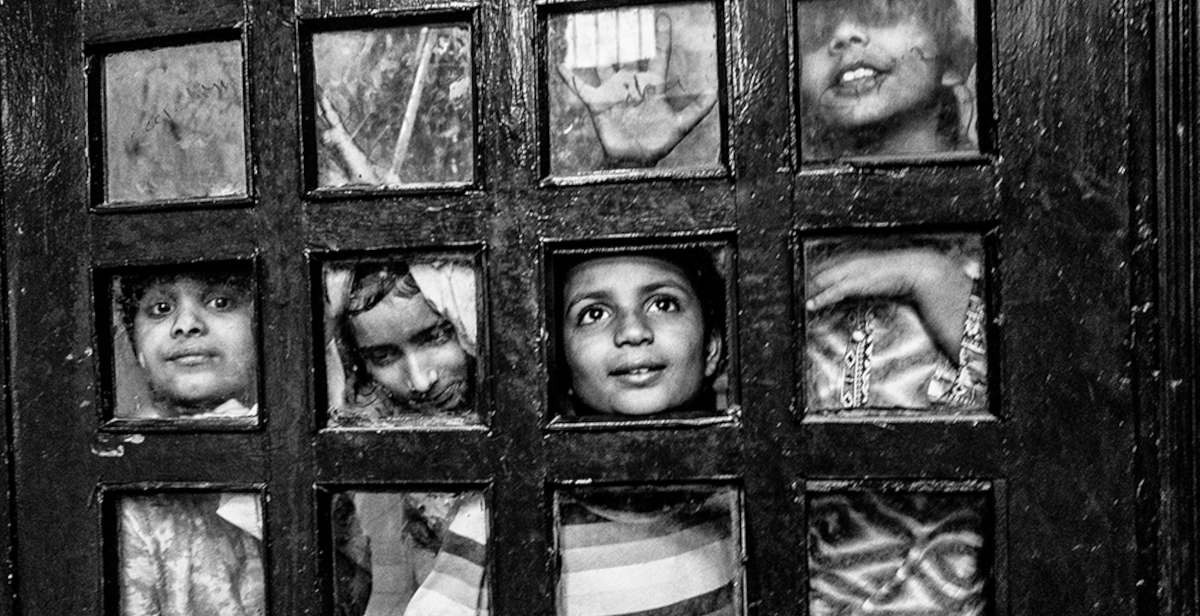
Bispuri’s approach rejects categories and definitions. The photographer does not seek “the orphan” as a symbolic figure or a case to be documented, but rather individual people. His images focus on faces and gestures, on the spaces where the children live: their rooms, their beds, the objects they play with. Above all, they focus on their gazes. It is these details that give each child a distinct identity, preventing them from blending into an anonymous mass. In this way, photography becomes a tool for bearing witness and preserving memory. No one claims that this alone is enough to change those children’s lives. It can, however, make them visible, restore a presence to those who risk disappearing from the collective gaze, and urge the viewer not to look the other way.
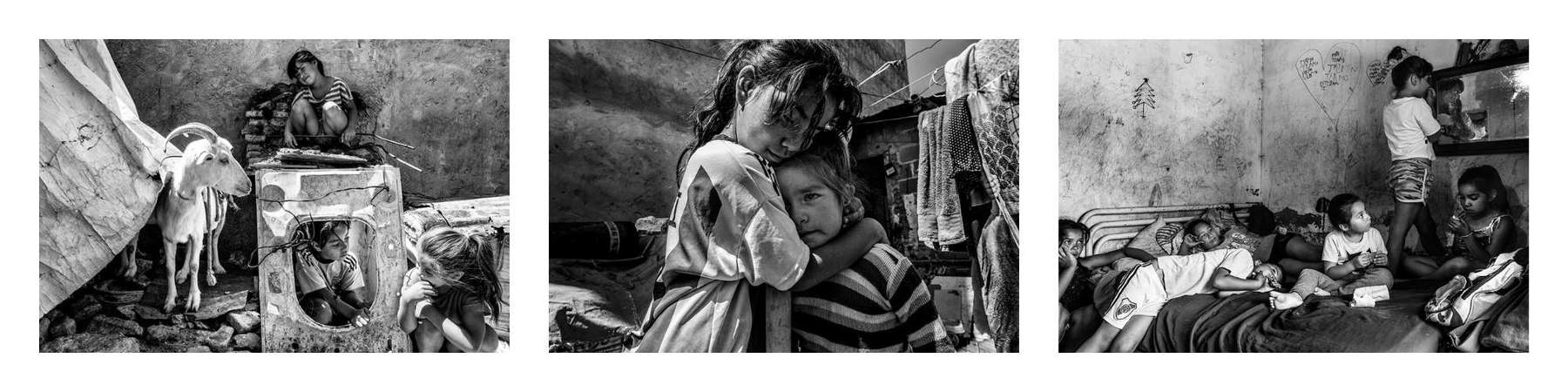
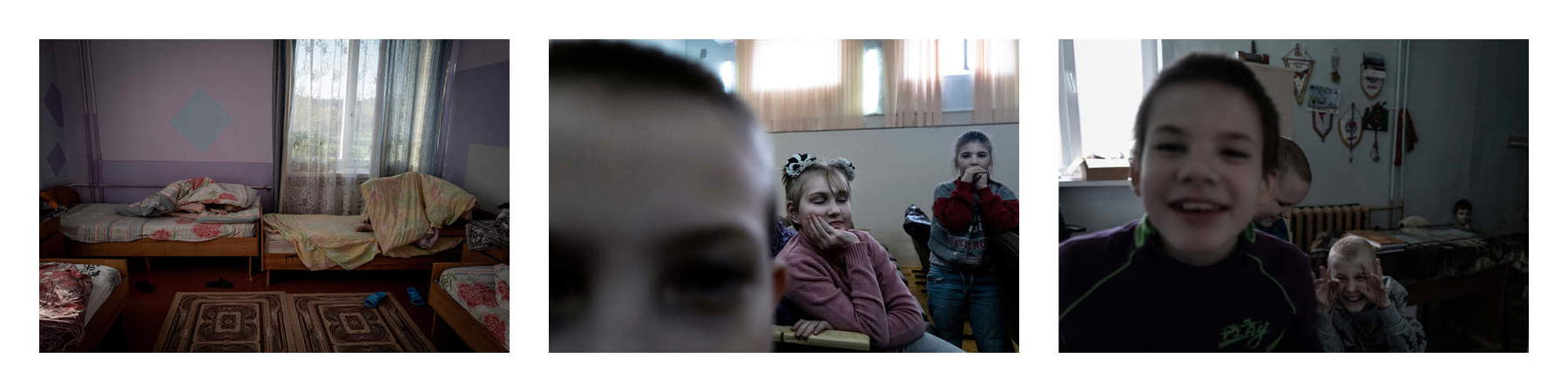
The exhibition also occupies a special location: the tour, in fact, does not end in the halls of Palazzo Toniolo but continues into the House-Museum of Blessed Giuseppe Toniolo, where a portion of the photographs is on display. Visitors to the exhibition thus also enter the rooms where Toniolo lived from his arrival in Pisa in 1879 until his death in 1918. The images of the children photographed by Bispuri are therefore displayed in the private spaces of a historic home.
“Orfani” is part of the Fondazione Opera Giuseppe Toniolo’s ongoing effort to bring major contemporary social issues to the public’s attention, including through photography. The foundation’s collaboration with Bispuri is already well-established: last year, Palazzo Toniolo hosted another of his exhibitions, dedicated to the conditions of prisoners in jails. The common thread linking the two projects is clear: in both cases, photography offers a glimpse into realities that remain hidden from the everyday view of those who do not experience them firsthand. After the prison exhibition, the focus now shifts to abandoned children.
The exhibition is sponsored by UNICEF Italy, the Istituto degli Innocenti in Florence, and the City of Pisa. It is organized with the support of the Pisa Foundation, The Wide Factory, and the Impegno e Futuro cooperative. There are only a few days left to see it: “Orfani” is open at Palazzo Toniolo, located at Piazza Toniolo 4 in Pisa, through Sunday, November 15, with free admission. Hours are daily from 4:00 p.m. to 7:00 p.m., and on Saturdays and Sundays also from 10:00 a.m. to 1:00 p.m. The tour includes the Beato Toniolo House Museum, where a selection of the photographs is on display.
 |
| The Orphans We No Longer See: Valerio Bispuri’s Photographs on Display in Pisa |
Warning: the translation into English of the original Italian article was created using automatic tools. We undertake to review all articles, but we do not guarantee the total absence of inaccuracies in the translation due to the program. You can find the original by clicking on the ITA button. If you find any mistake,please contact us.