



by Redazione 17/11/2026


Categories: Exhibitions / Disclaimer
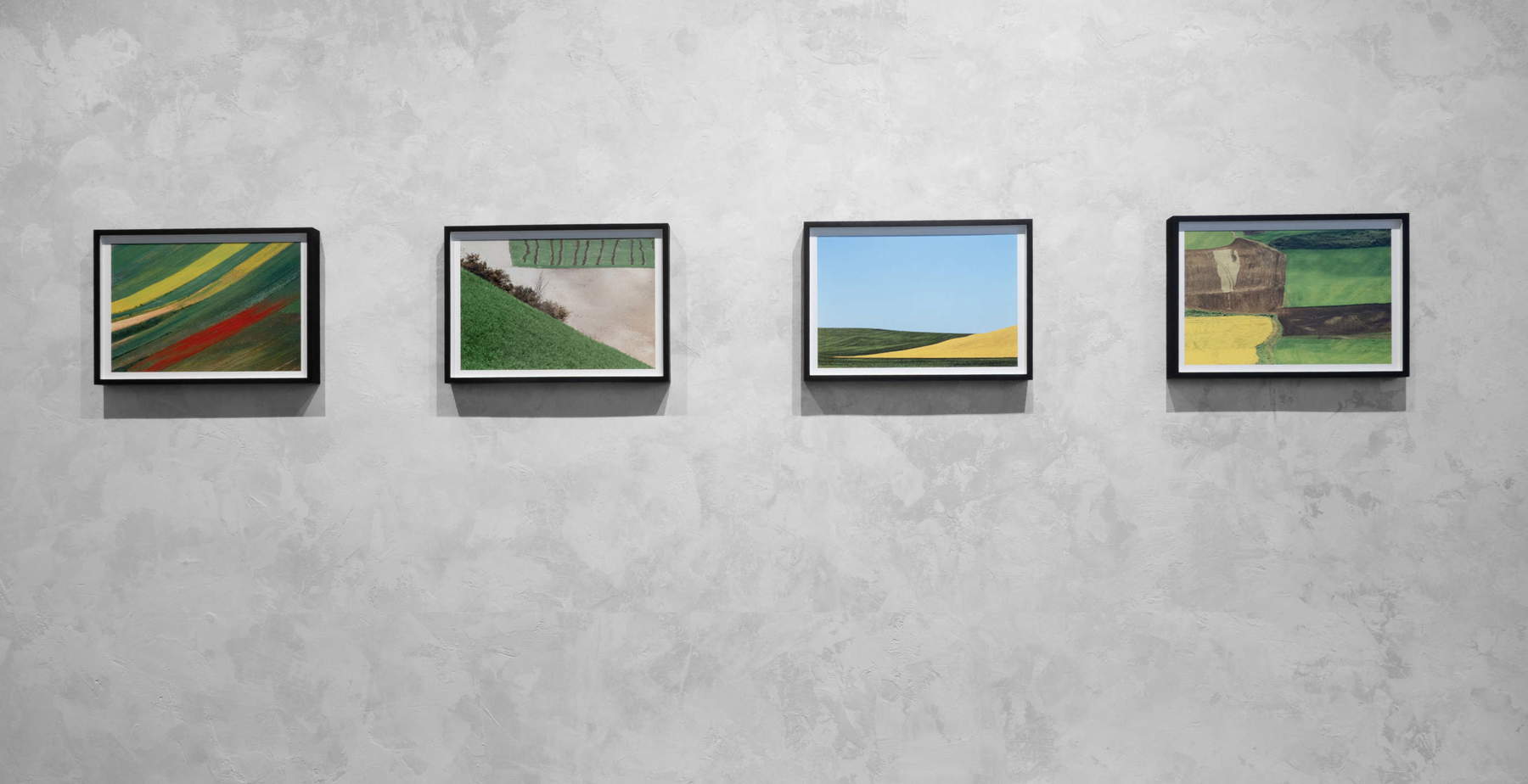
Atanasio Soldati, a painter from Parma and a pioneer of abstract art, and Franco Fontana, a photographer from Modena who passed away in August, never met. However, through December 23, the Gracis Gallery is showcasing a comparison of their works, which are united by their use of color and geometry.


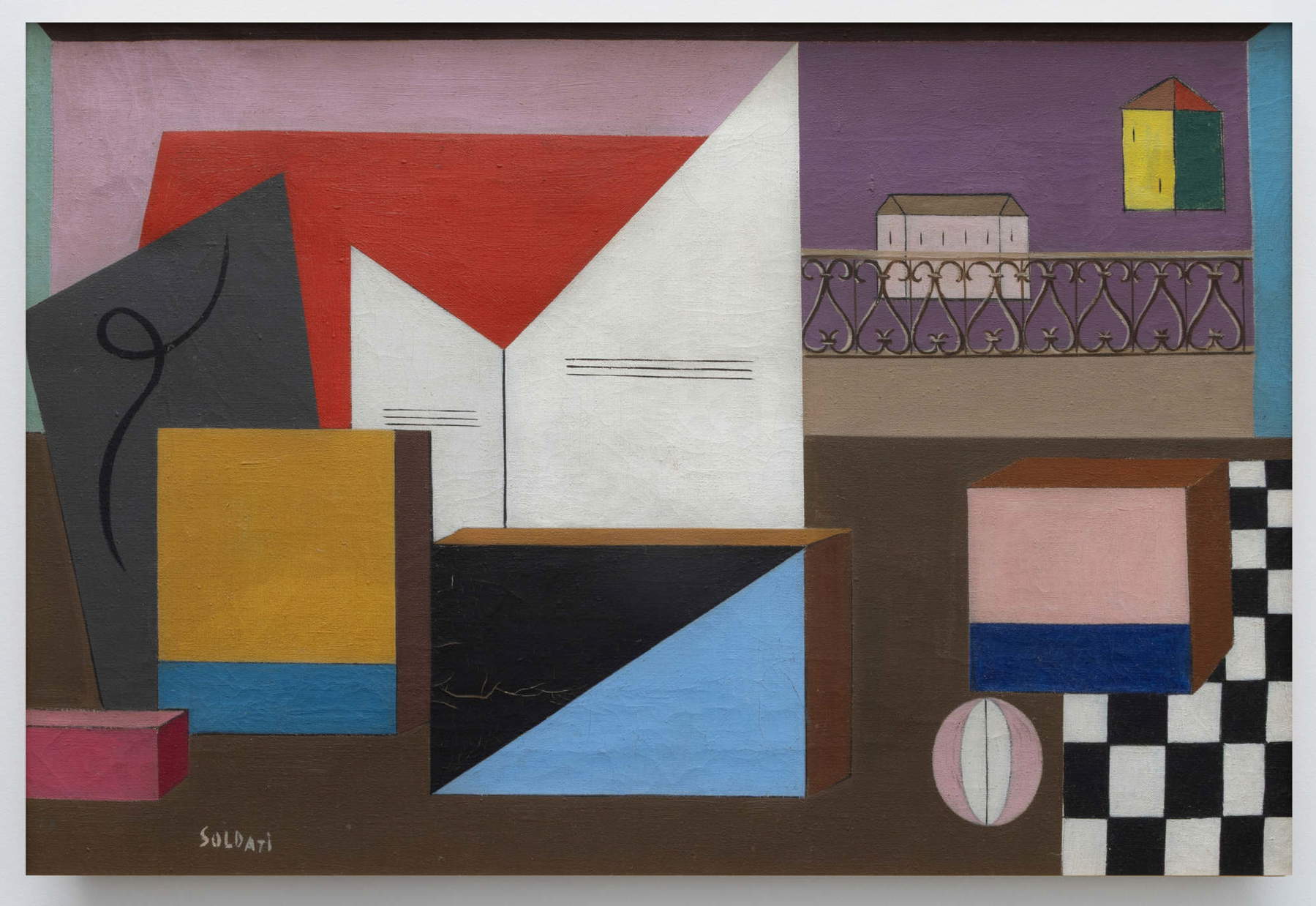
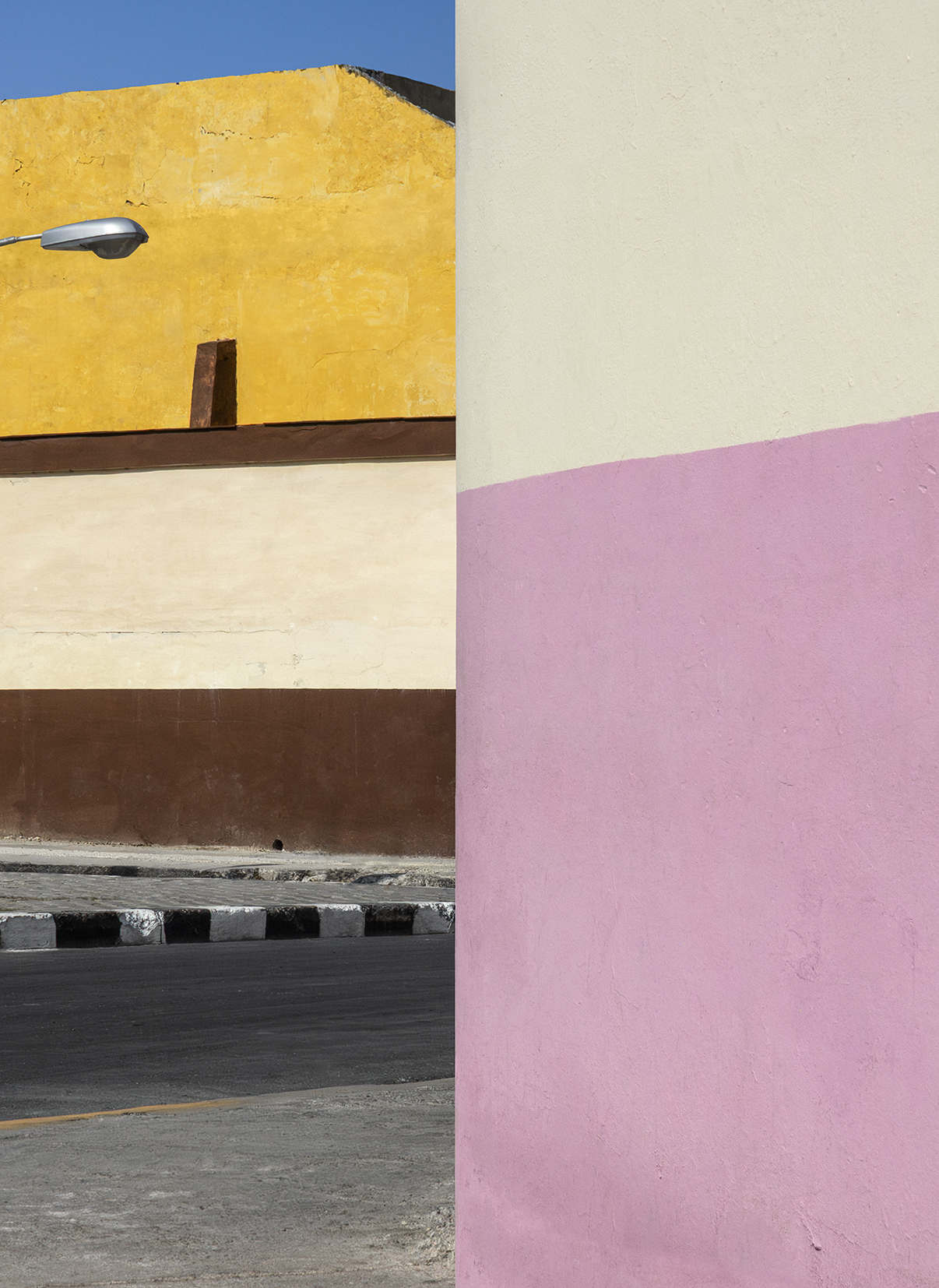
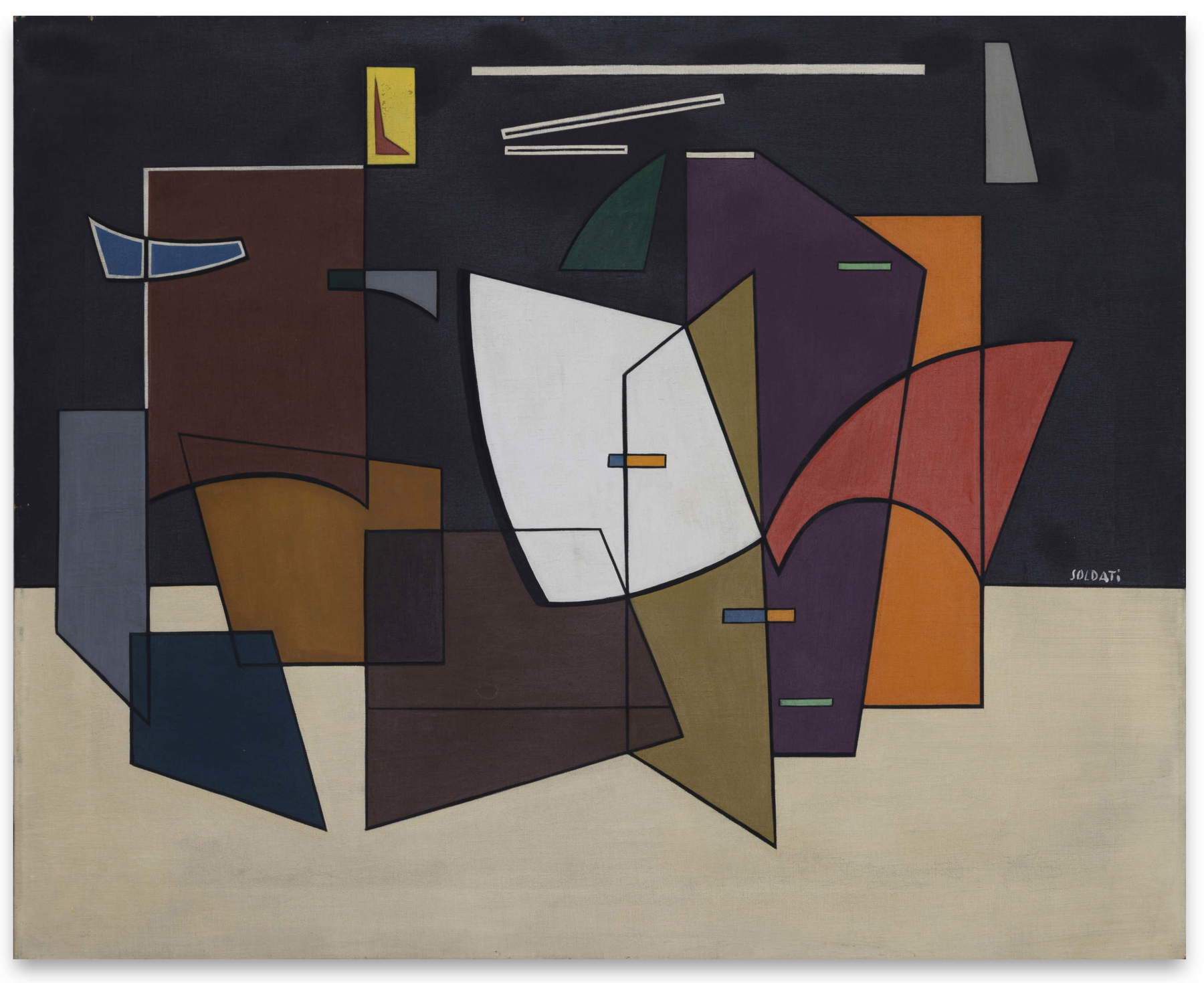
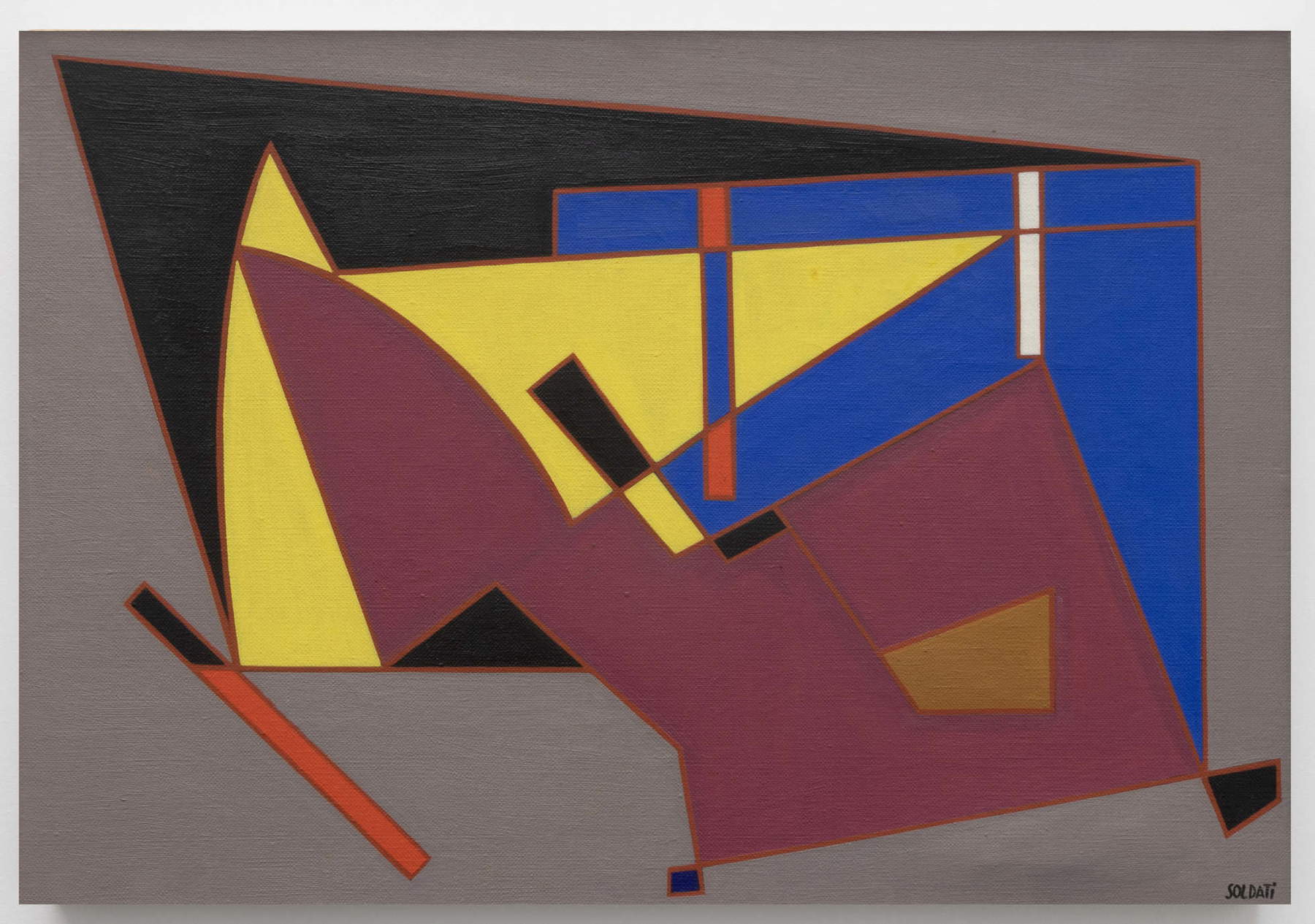
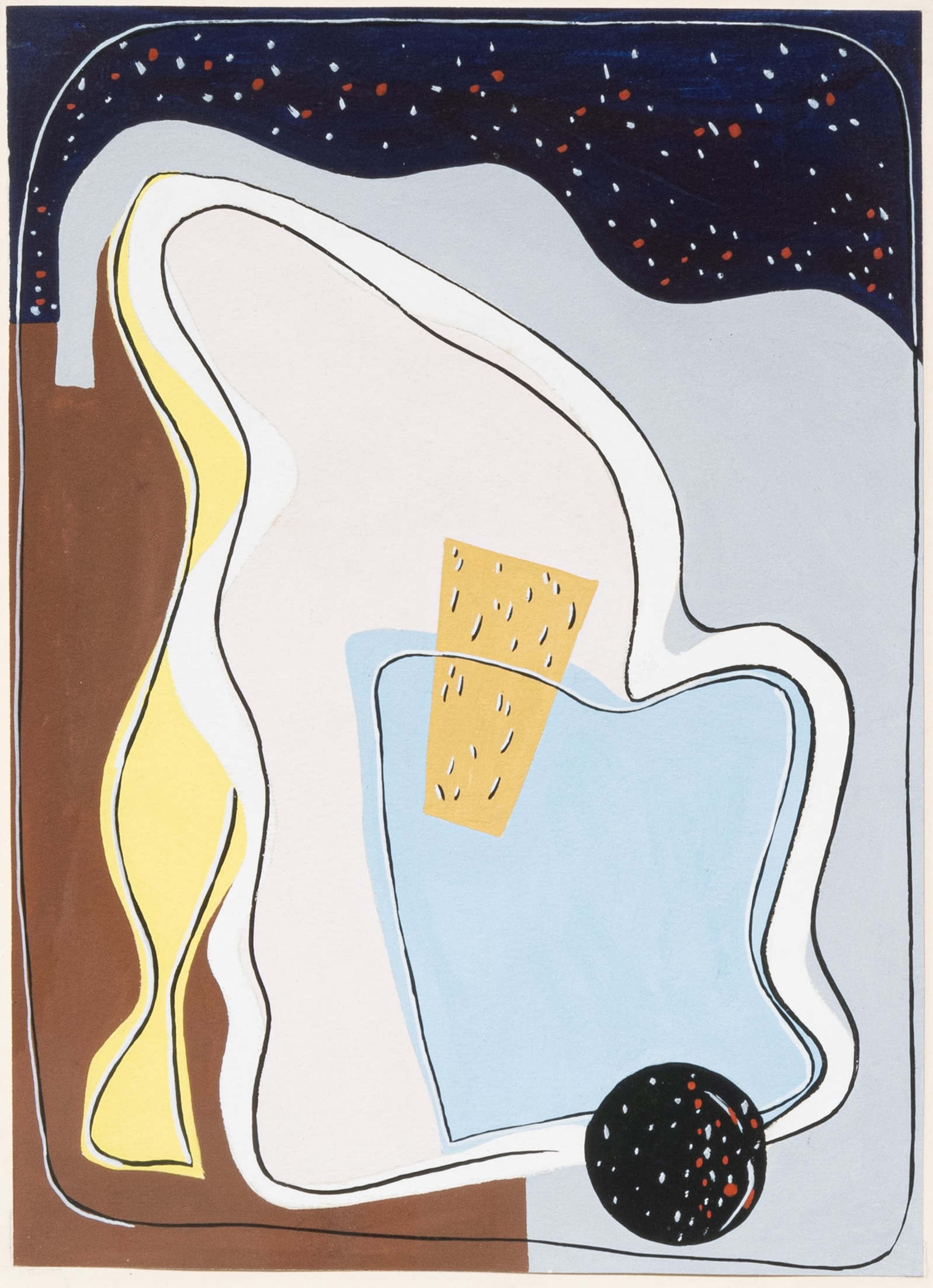
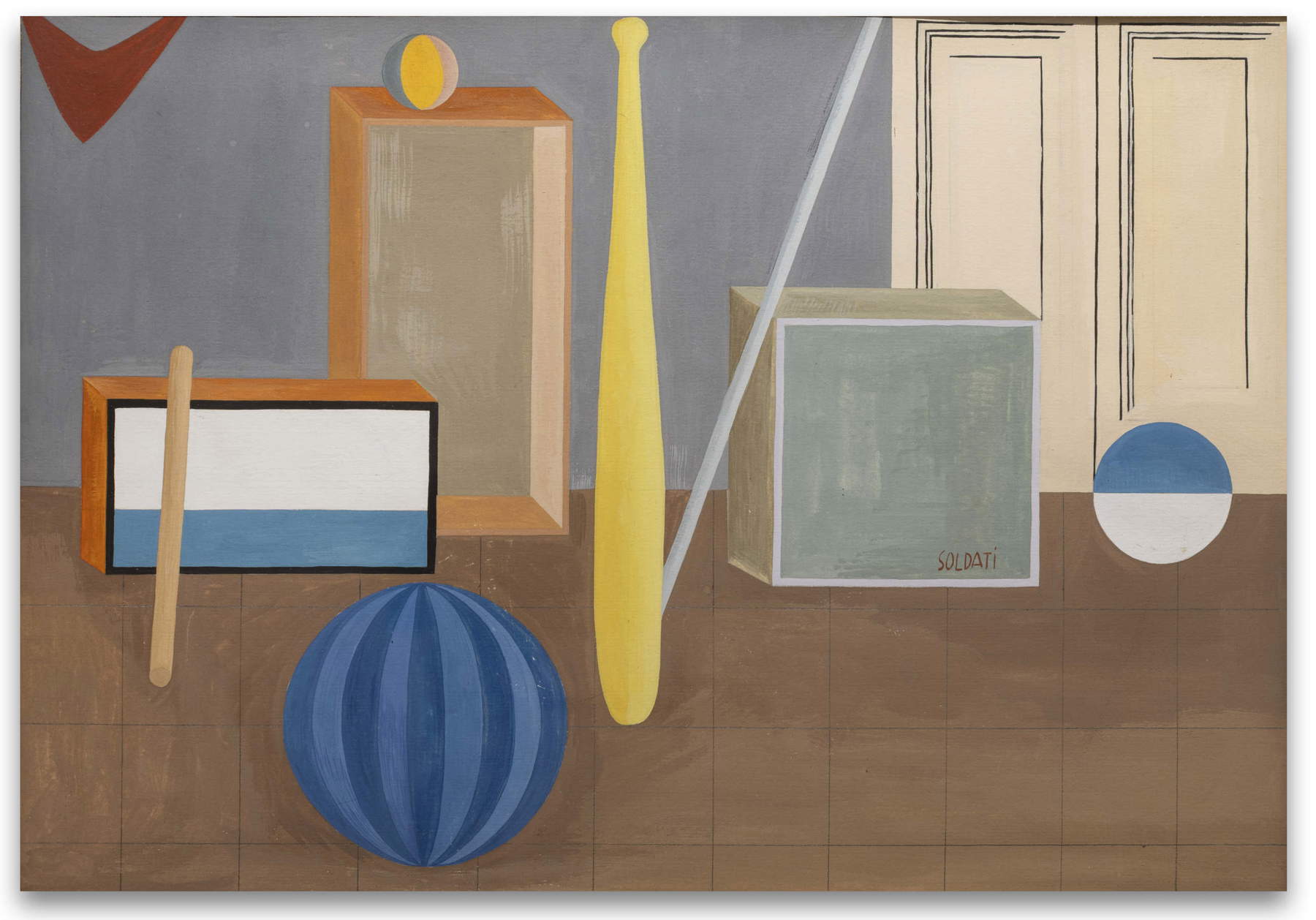
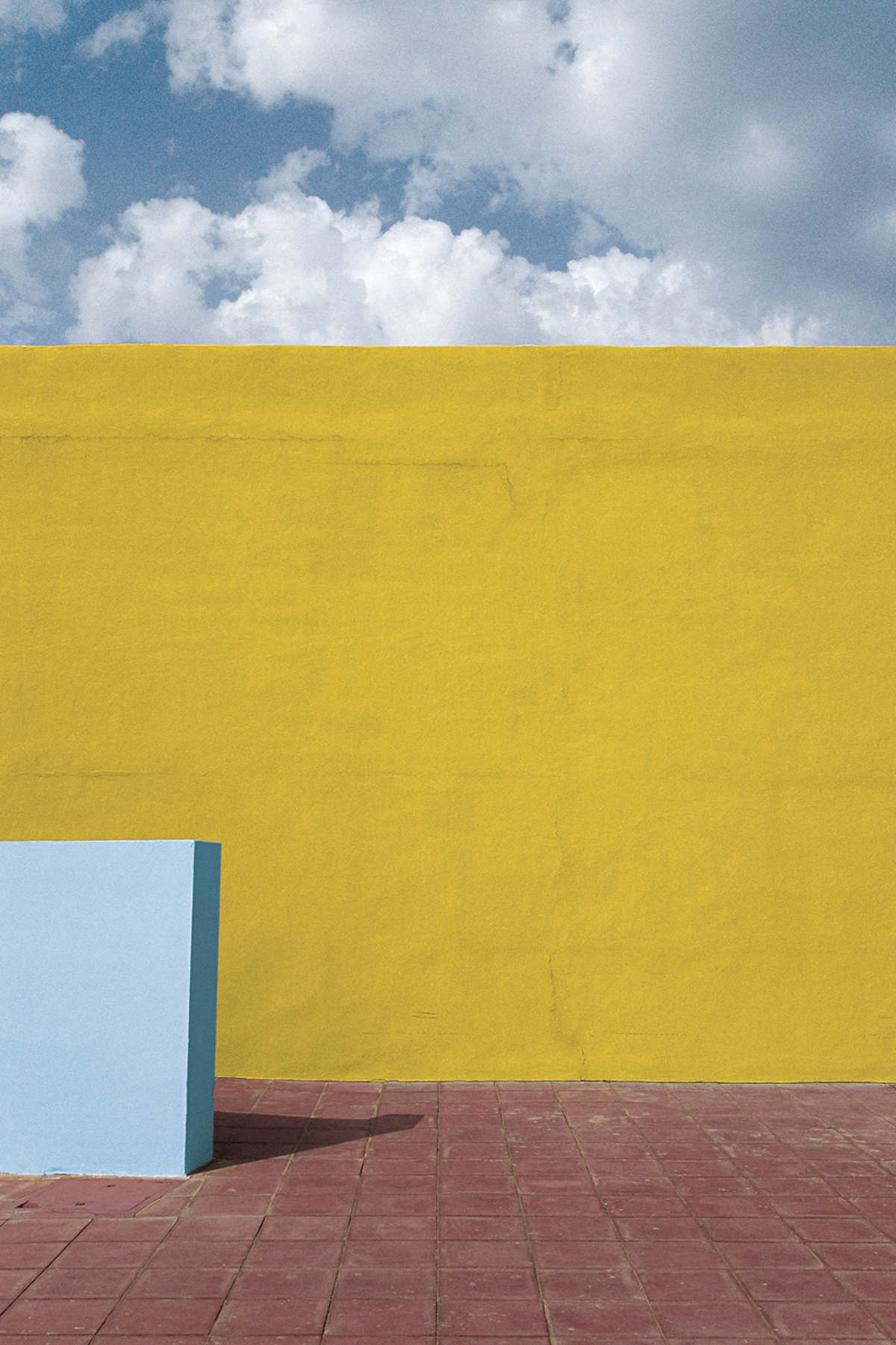
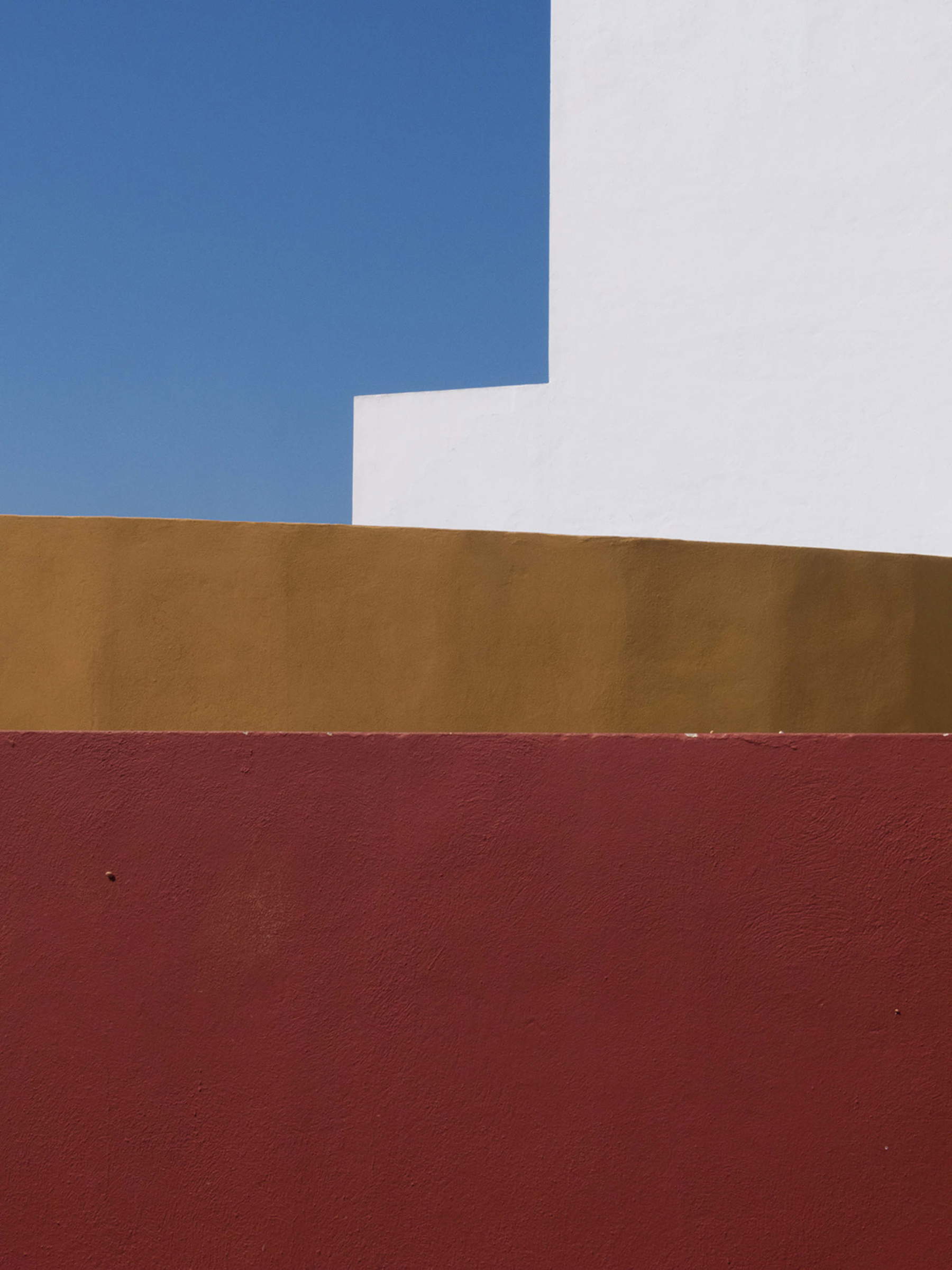
On a sheet of paper from 1946, Atanasio Soldati (Parma, 1896–1953) arranges three geometric solids in a space that appears real: there is a door, there is a checkered floor. Serving as a counterpoint are three spheres and three linear elements, the central one resembling a baseball bat. Is this an abstract composition or a real scene? If you look closely, one of the solids and one of the spheres create a contrast between white and blue, and that contrast becomes a horizon. Sixteen years later, in 1962, Franco Fontana (Modena, 1933–2026) photographed the Apennines. He eliminates from the frame anything that would allow the viewer to recognize the location, creating a minimalist image with bands of color and a horizon. Thirty years later, in Ibiza, he frames a floor, a yellow boundary wall, and a portion of the sky, and that wall seems to materialize one of the solids painted by the artist. The two artists never met. Their works, however, seem to respond to one another.

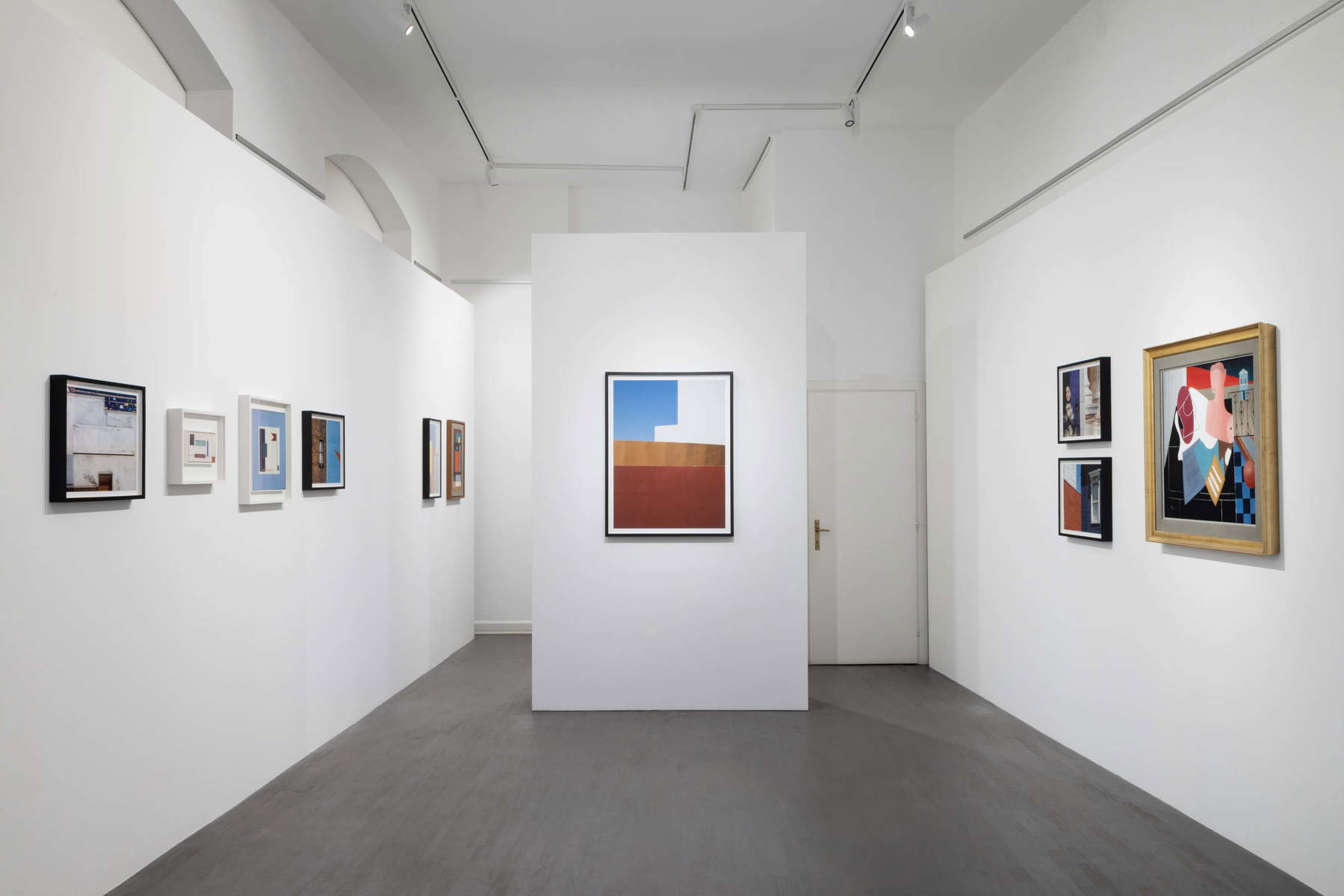
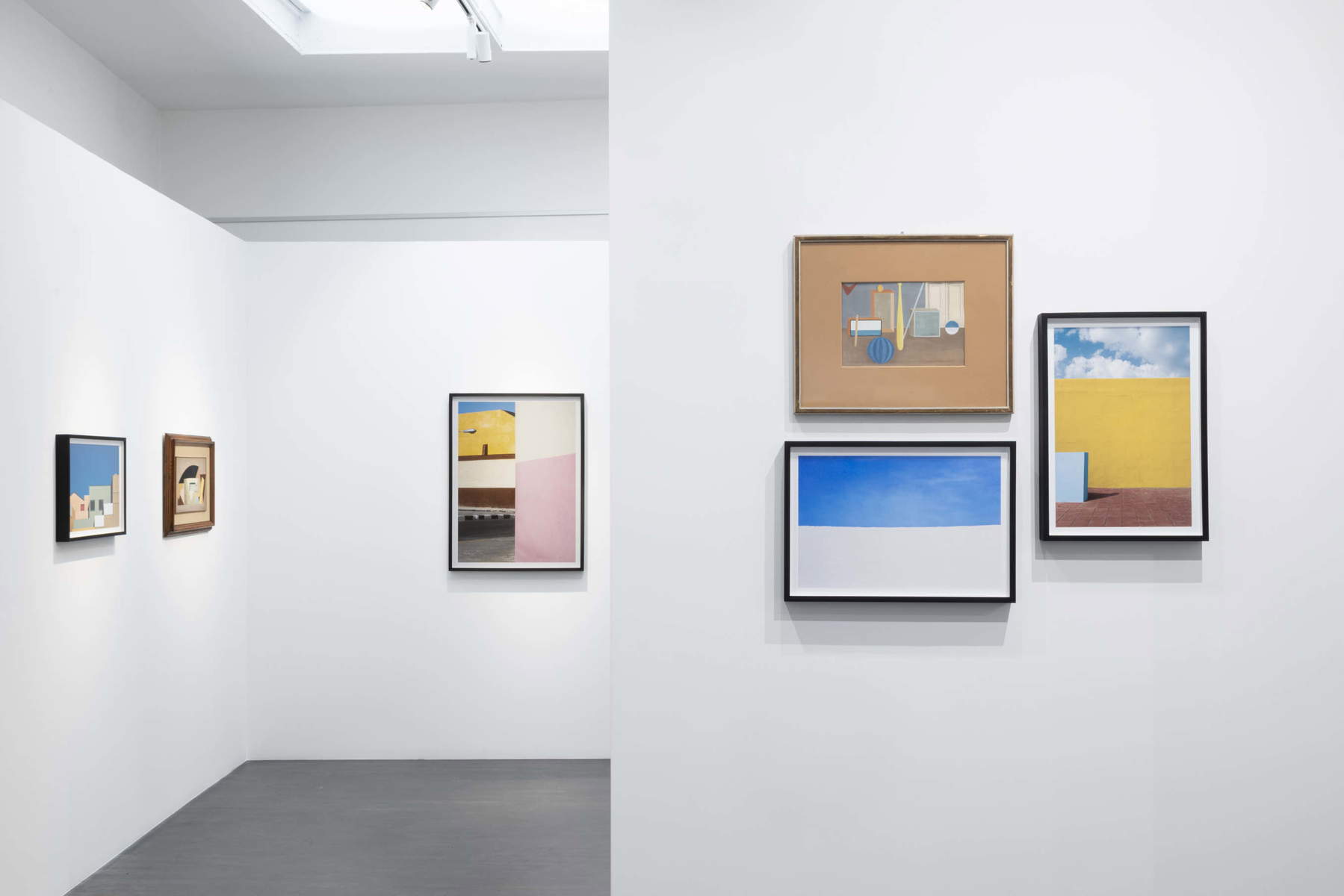
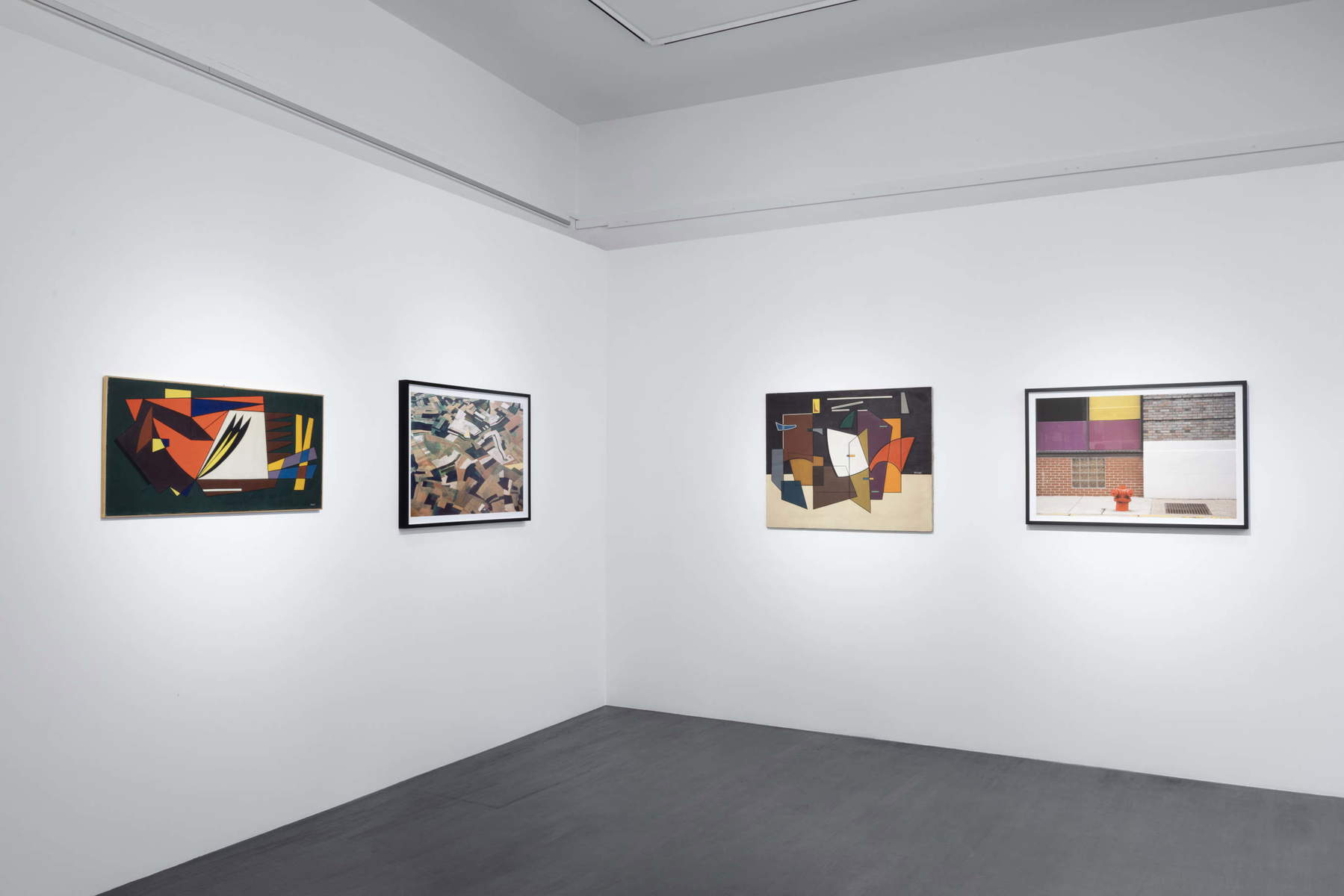
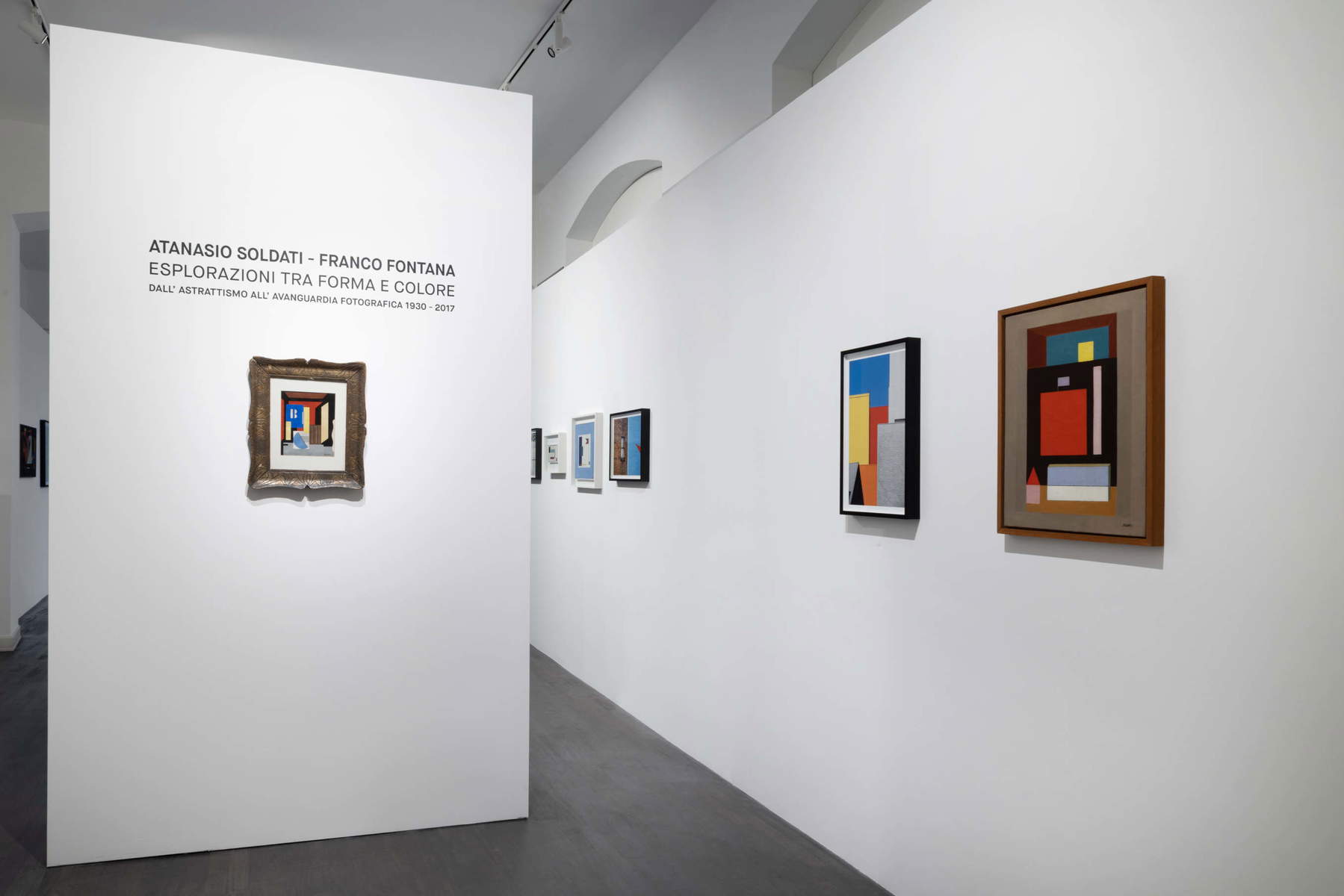
These parallels form the basis of *Atanasio Soldati – Franco Fontana: Explorations Between Form and Color*. From Abstract Art to the Photographic Avant-Garde 1930–2017 is the exhibition hosted by the Gracis Gallery in Milan through December 23, 2026, in collaboration with the Photo & Contemporary Gallery in Turin. The comparison between Soldati’s 1946 *Composition* and Fontana’s 1962 photograph *Appennino* and 1992 photograph *Ibiza* is one of the examples that critic Francesca Tribò highlights in the text accompanying the exhibition: paintings and photographs are displayed side by side to highlight similarities in form, rhythms of color, and compositional tensions. In both cases, the image tends toward abstraction, and color and the construction of space become the central elements.


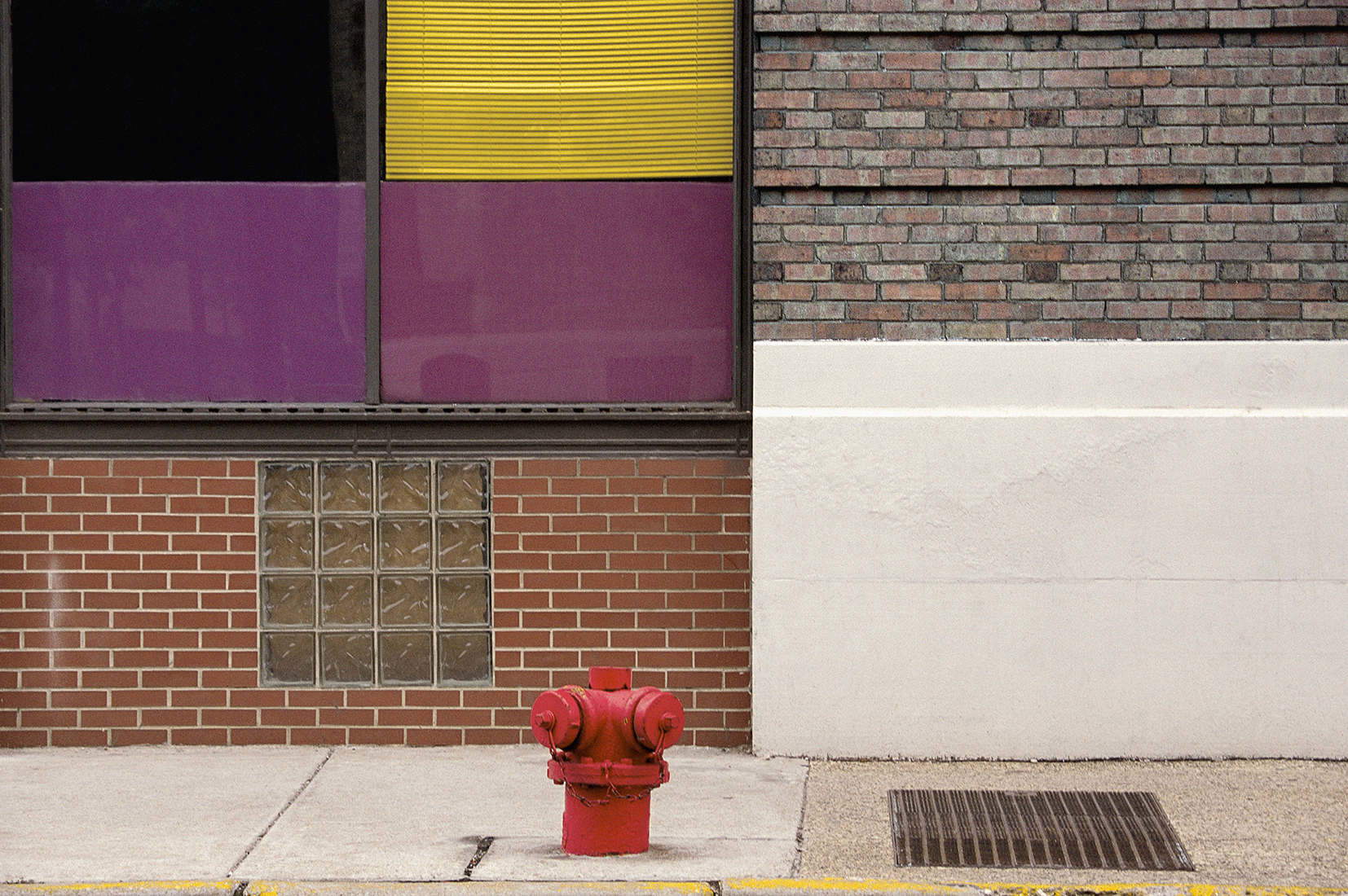
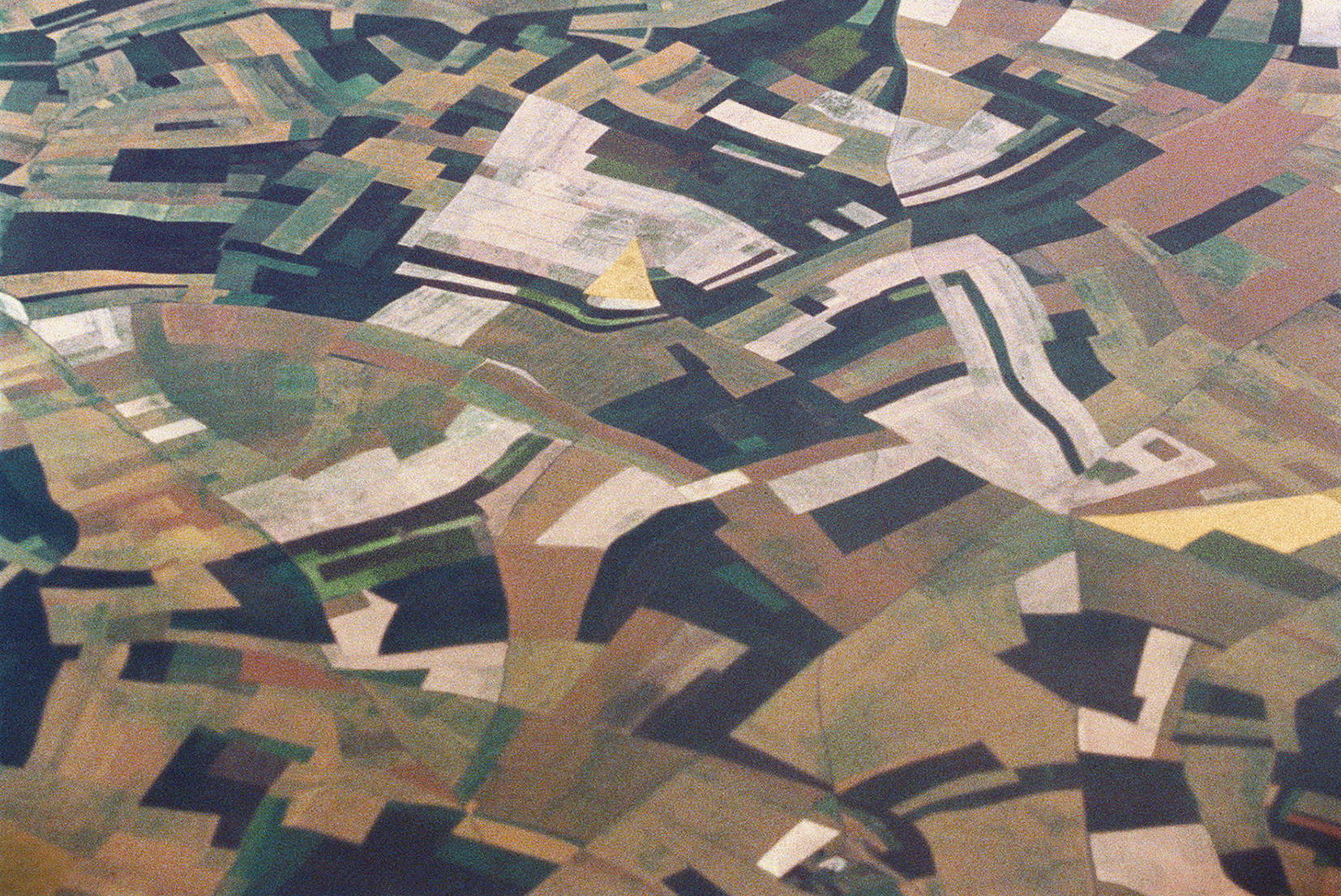
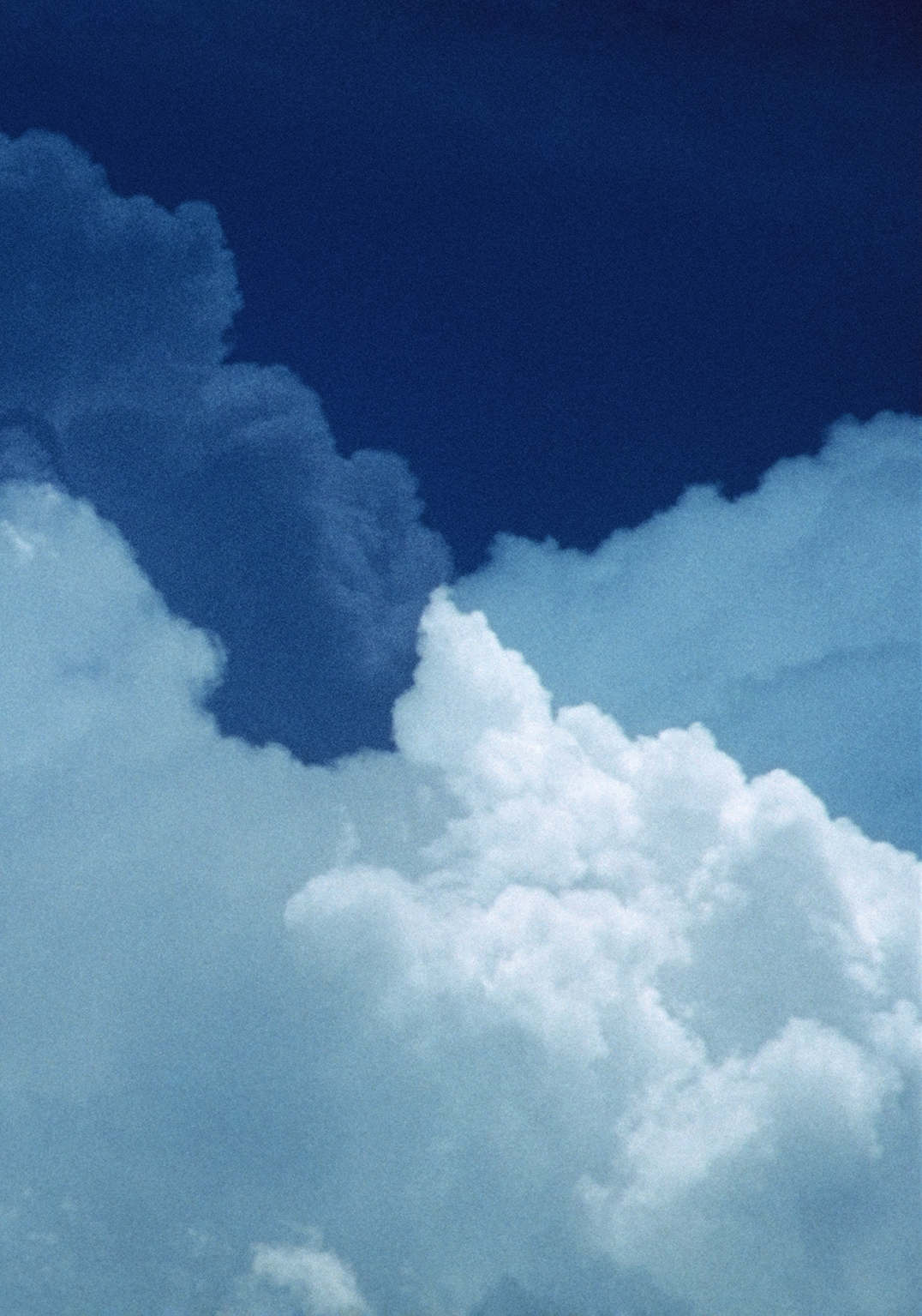
The exhibition takes on special significance following the passing of Franco Fontana on August 29, 2026. Born in Modena in 1933, Fontana taught himself photography and soon transformed an amateur passion into a professional pursuit, eventually becoming one of Italy’s most internationally renowned photographers. As early as the 1960s, he developed a personal style that redefined the role of color in photography: no longer a mere descriptive element, but the very structure of the image. With bold blocks of color, clean lines, and rigorous geometries, he interpreted landscapes and architecture as autonomous visual constructions, suspended between reality and perception. Tribò describes him as a pioneer in liberating color photography—a medium then considered second-rate—from its documentary function.

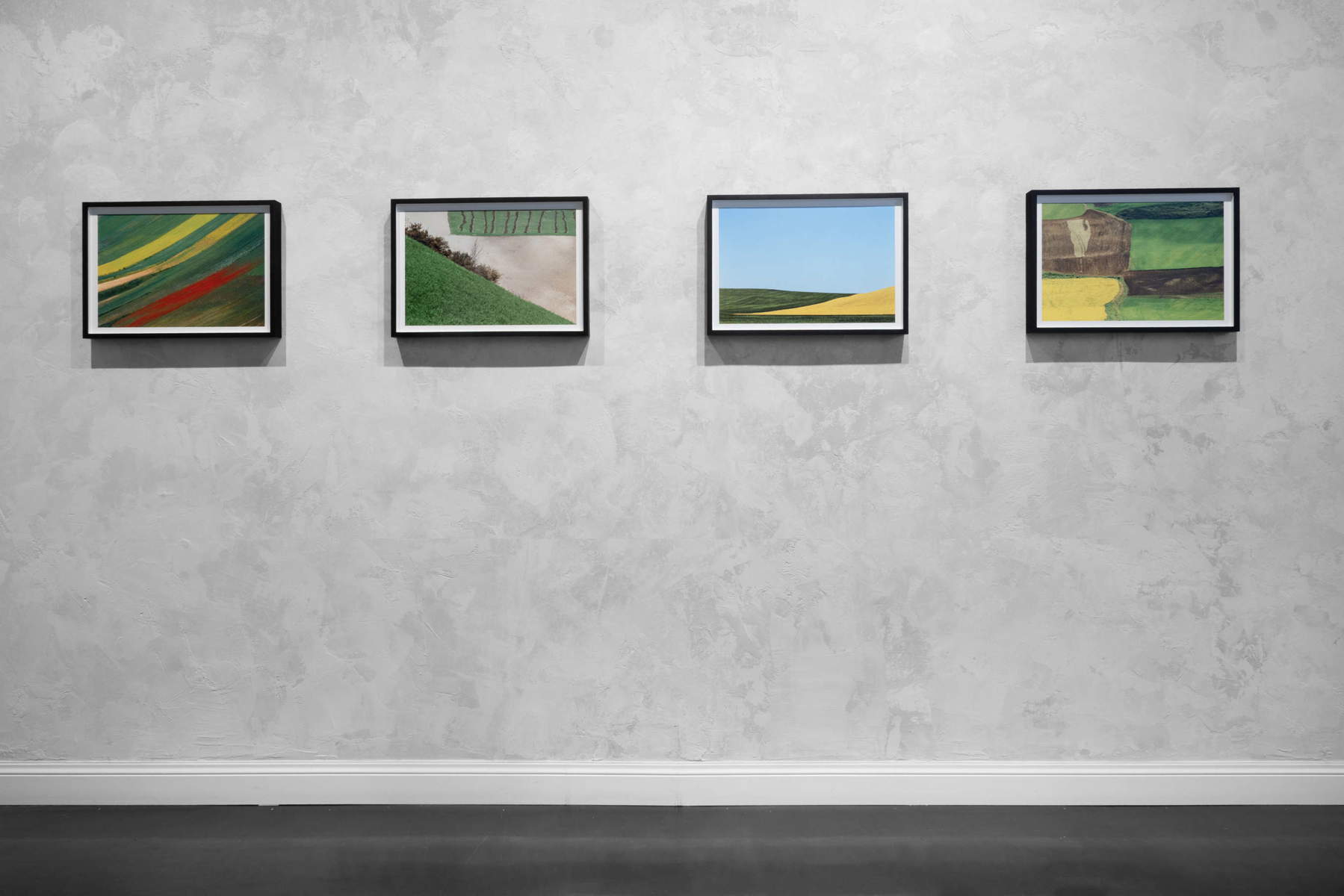
“Taking a photo is a matter of thought,” said the photographer. “You have to photograph what you feel, not what you see [...] images are an emanation of the photographer; they translate his interpretation of the world into a universally understandable language. Through his gaze, the photographer makes the invisible visible; and that is when photography becomes invention.” His images create spaces suspended in time: they do not merely record the visible world, but offer a rarefied and contemplative vision of it, in which color is the protagonist and not merely a medium.
Atanasio Soldati belongs to another generation. Born in Parma in 1896 and died in 1953, he trained as an architect before devoting himself entirely to painting and helped define the language of abstract art in Italy. Tribò describes him as an often-forgotten pioneer of Italian abstract art—a reclusive and at times ill-fated figure, yet one with a brilliant mind and always in search of something new. In his paintings , he constructs a mental space—suspended, enigmatic, and timeless—in which cities and landscapes become structures of relationships between forms and volumes. The reference to metaphysics evokes the silence and suspension of these places, which are not real places. Color takes center stage: applied in flat washes, with vivid tones and carefully calibrated contrasts, it defines crisp fields of color.
In 1935, in the Bulletin of the Il Milione Gallery, Soldati described his concept of painting as follows: “The early stages of all the arts are the richest in poetry, because poetry is made of primitivism and not of experience. Abstract painting (even if the adjective may not be entirely appropriate) loves analysis, order, harmonious geometric relationships, and clarity—as does every work of art, from any era, from the Parthenon to Piero della Francesca. Every line, like every form, is a miracle.” For the young Soldati, Tribò recalls, his ideas were clear from the very beginning: “The purpose of art is to imitate nature.” With this principle in mind, he always steered clear of the mere reproduction of reality. What mattered was perception, not imitation or verisimilitude.
Here, according to the author of the text, lies the most fruitful point of convergence between the two artists. Fontana’s photography seems more closely tied to reality than abstract painting might be, yet it is never a neutral record. Reality is selected, isolated, cropped, and recomposed. The photographer does not merely see; he decides what to see and how to present it. Both, writes Tribò, succeeded in conveying a sort of metaphysical silence by freezing the visible in an image.
The affinities are also biographical. Soldati and Fontana both came from the Emilian plain—one from Parma, the other from Modena—and both had a connection to architecture: Soldati through his training, Fontana because he took his first steps in a design-oriented environment. They never met, partly due to a simple matter of age: when Soldati died, Fontana was twenty years old. Yet, as Tribò observes, both viewed built space not so much as an inhabited place but as a set of forms, surfaces, volumes, and geometric relationships.
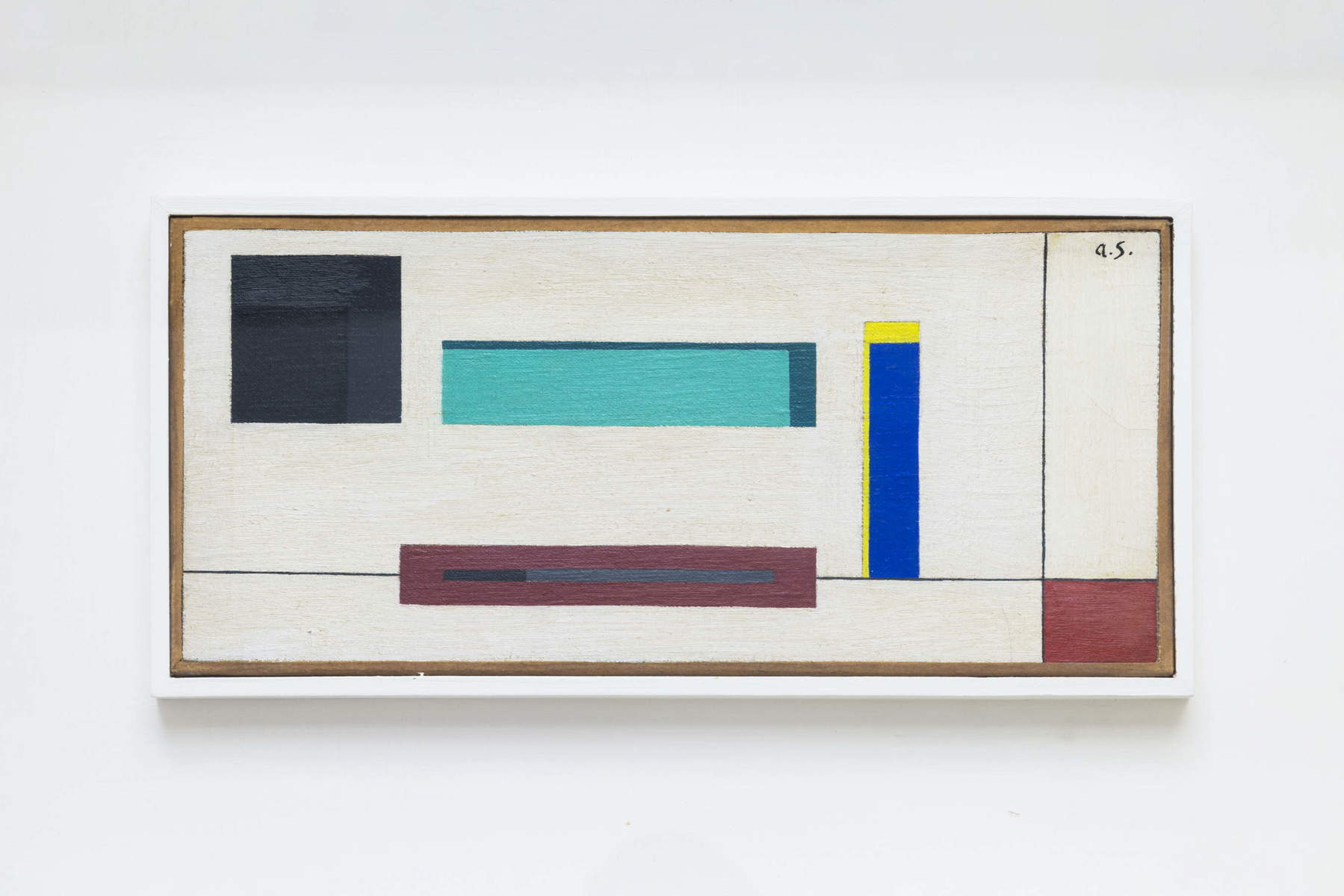
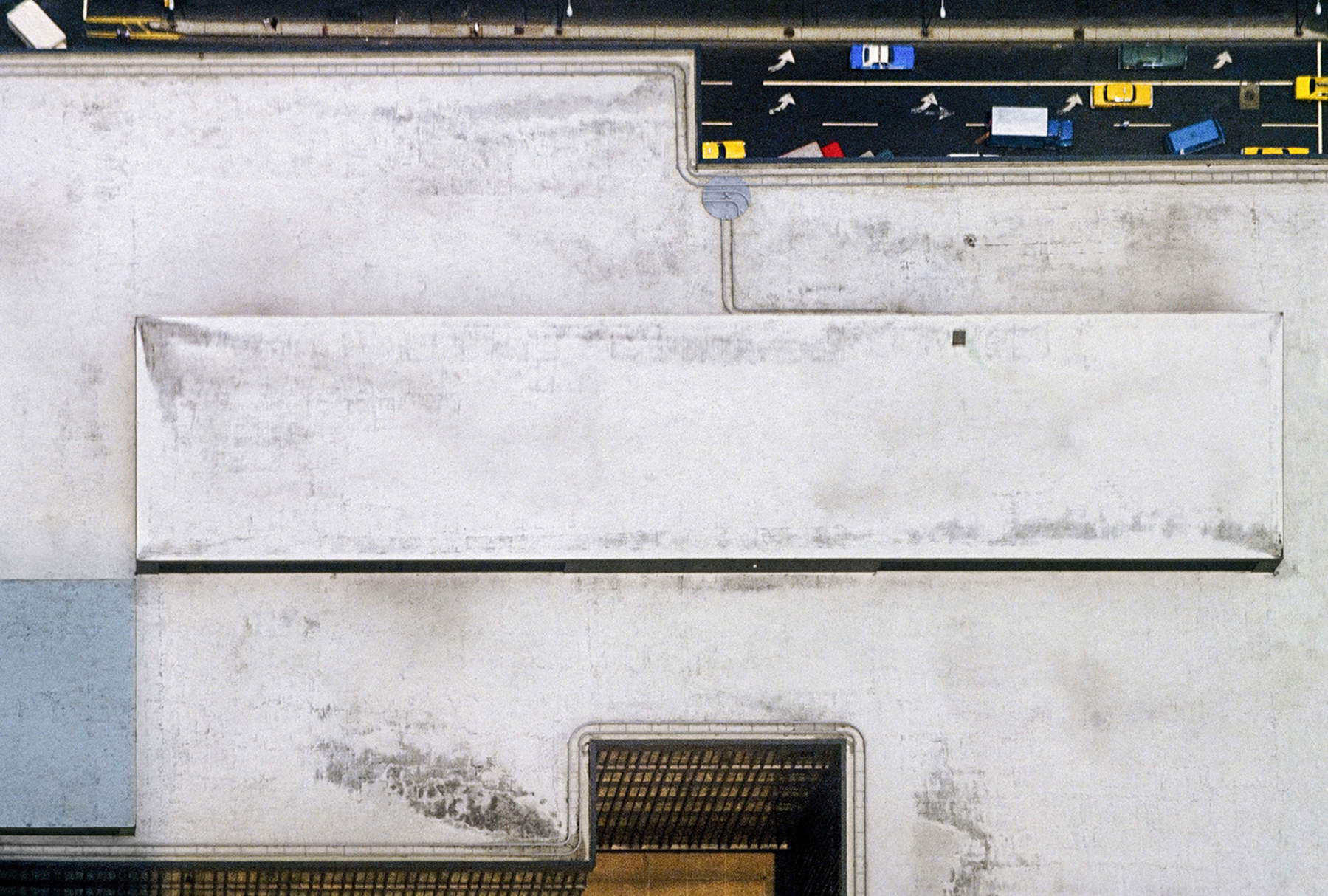
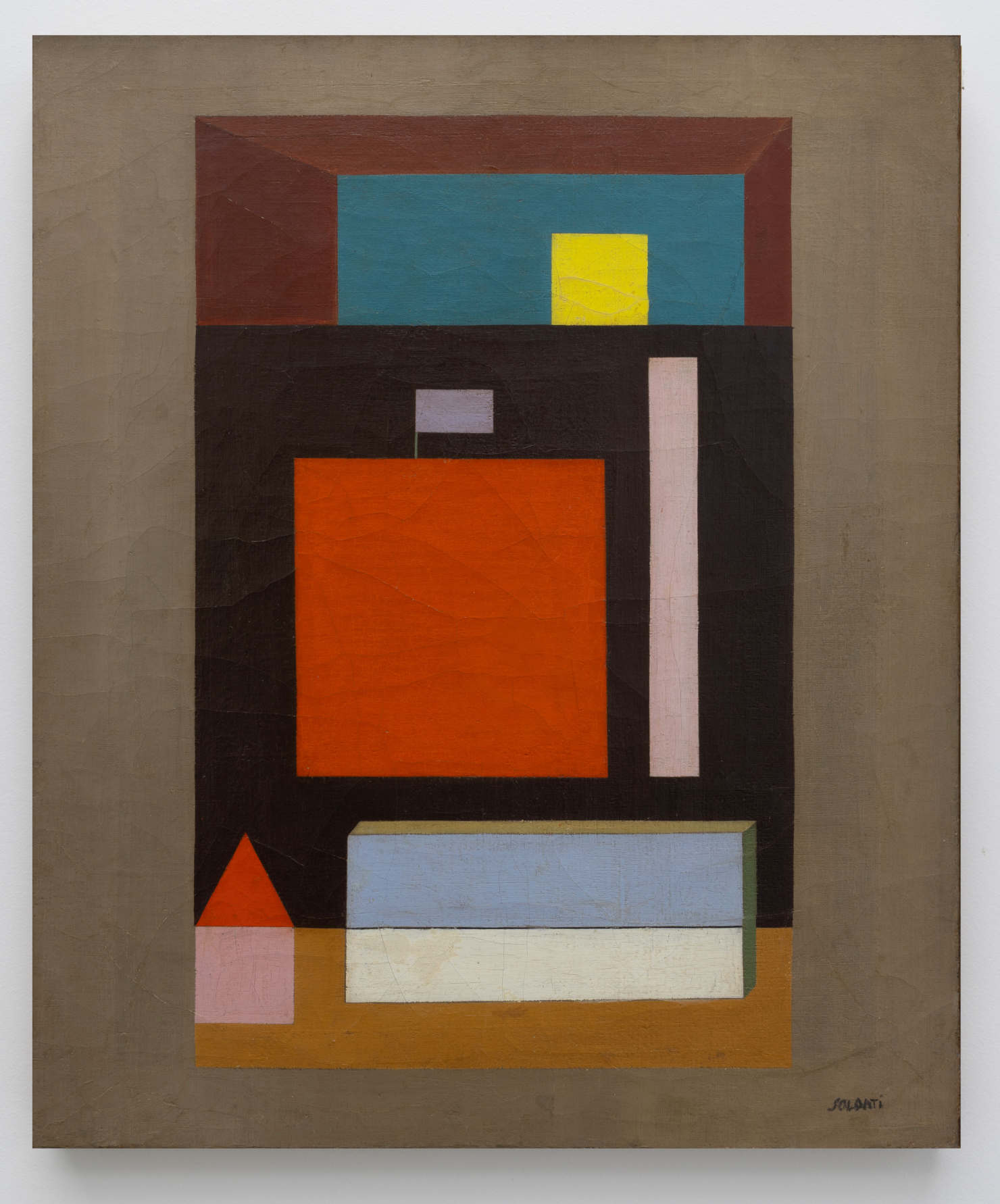
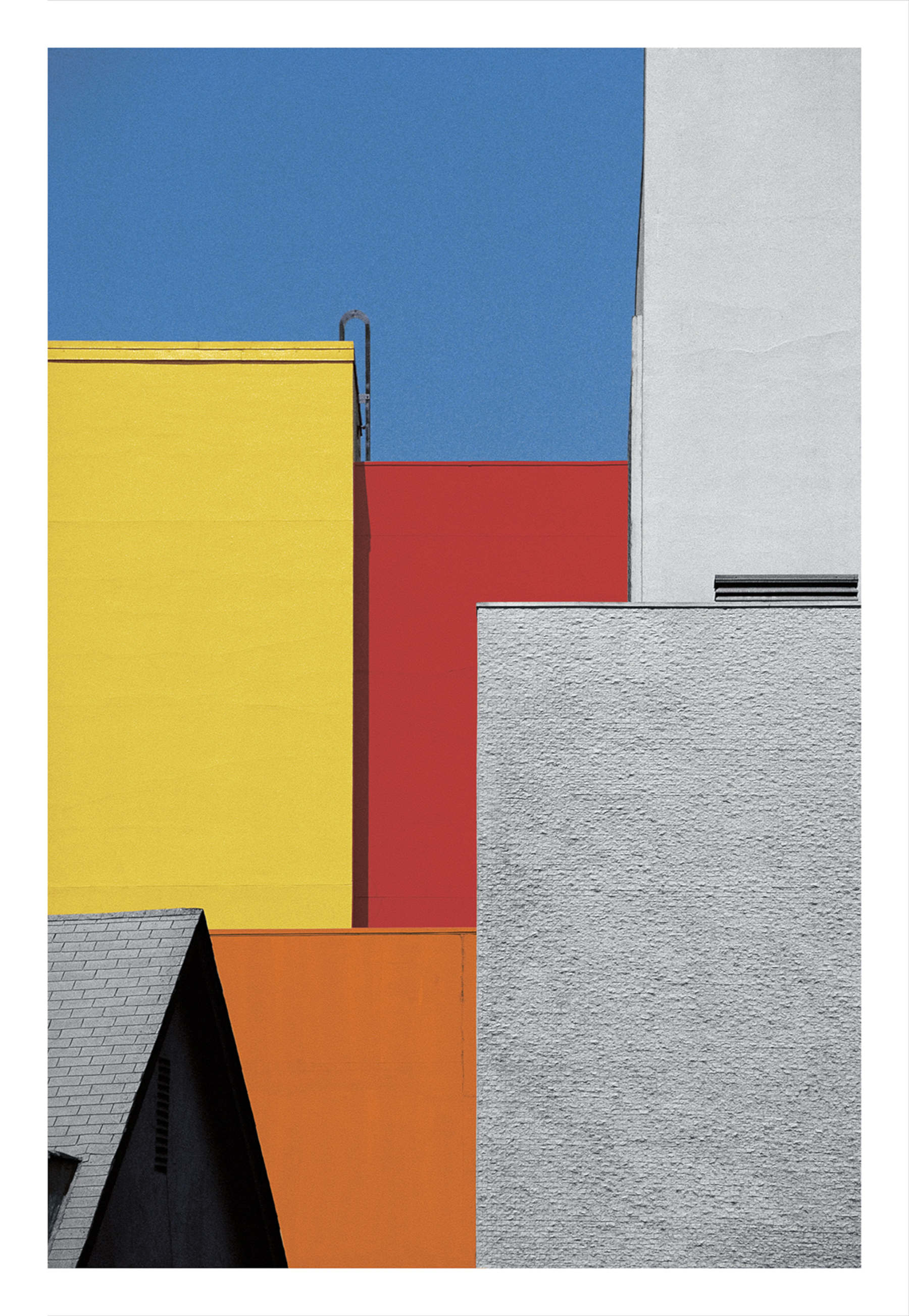
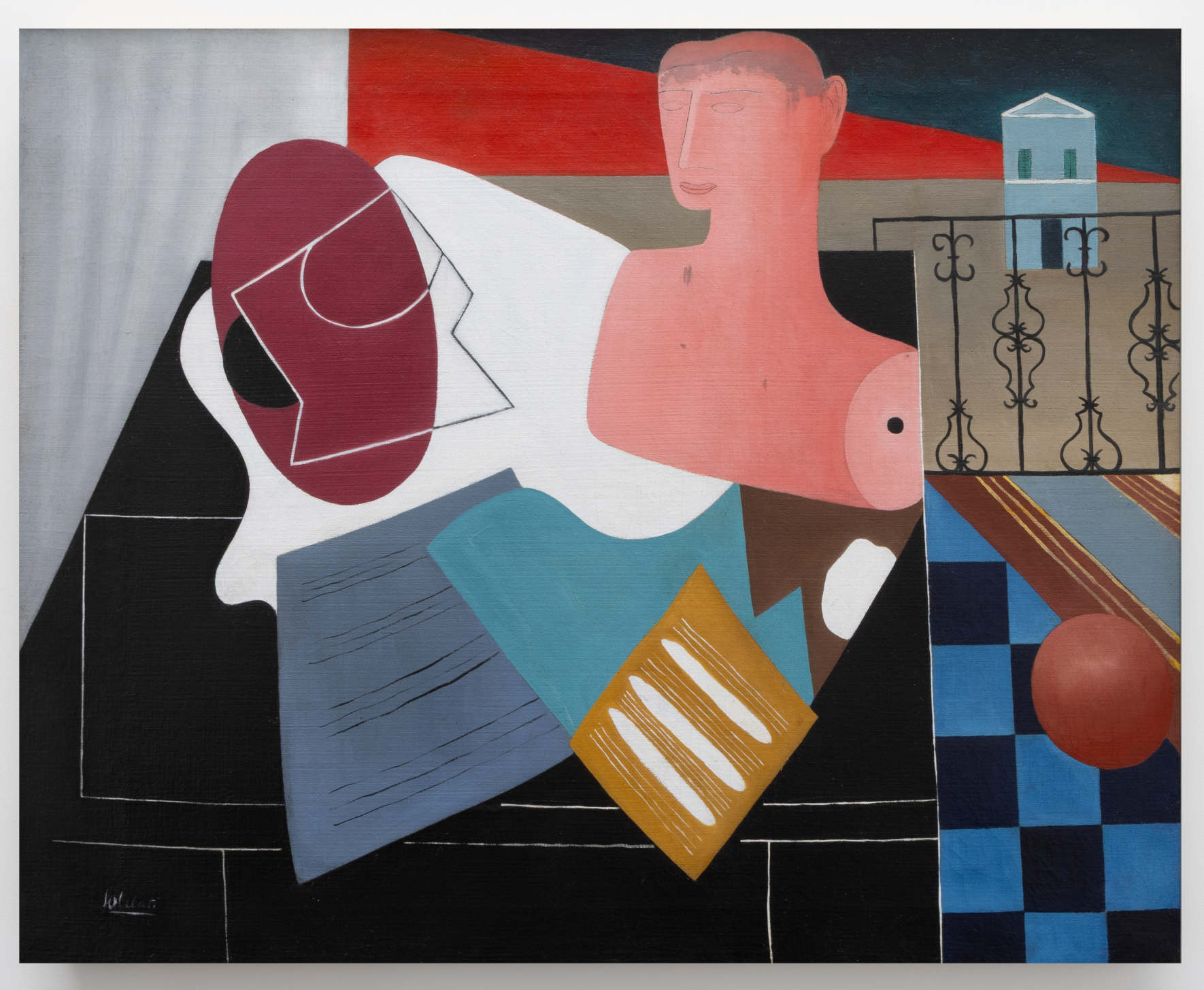
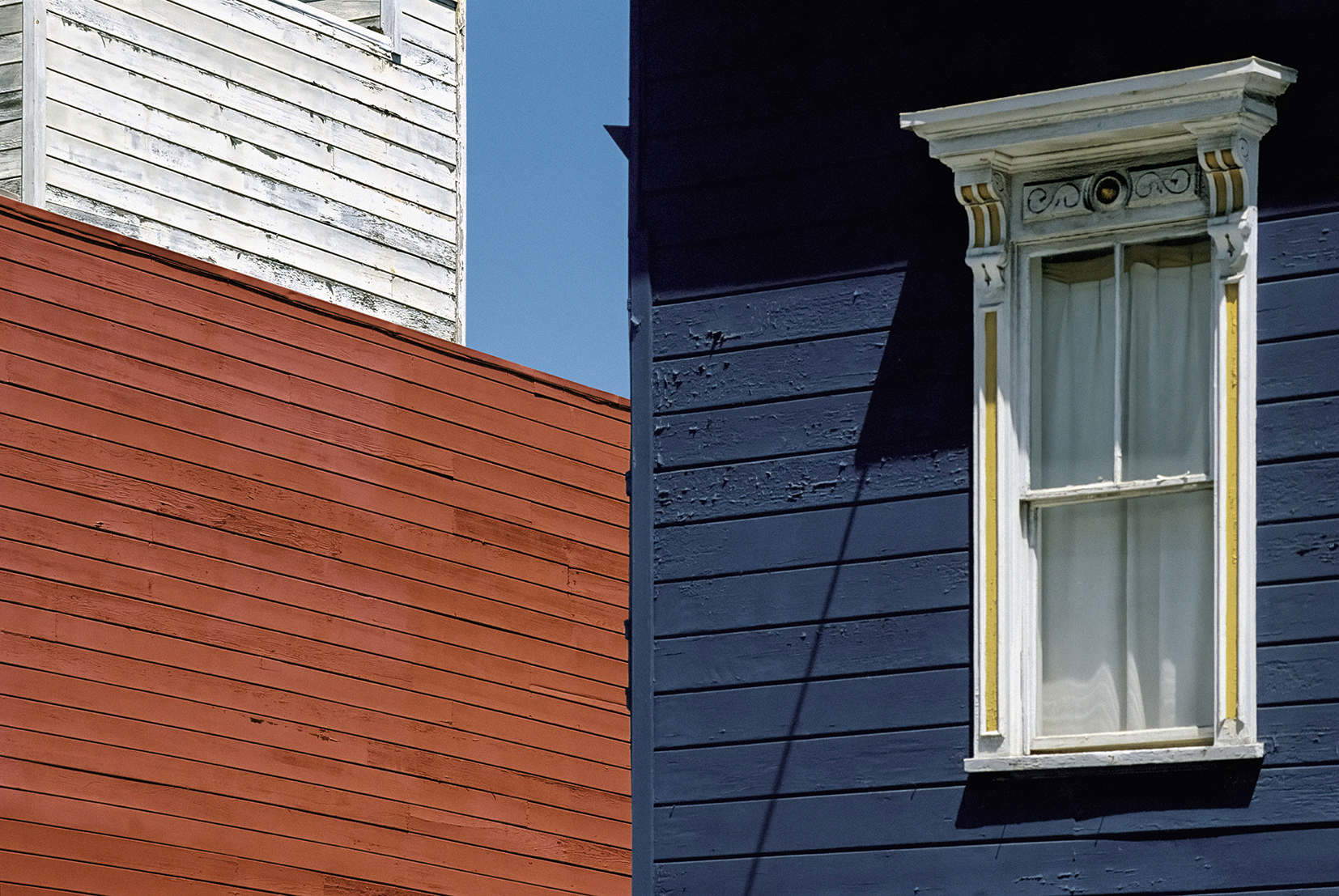
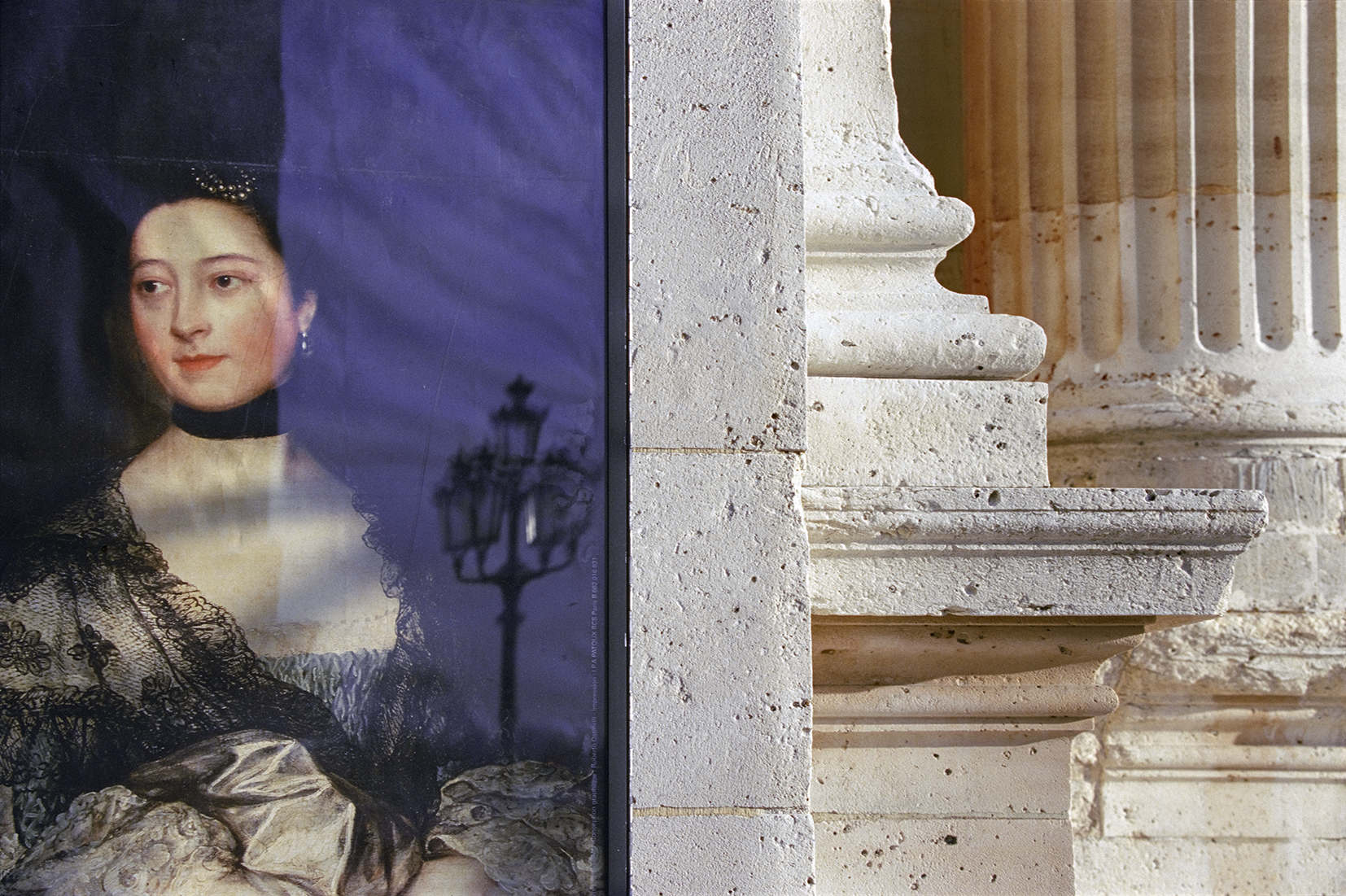
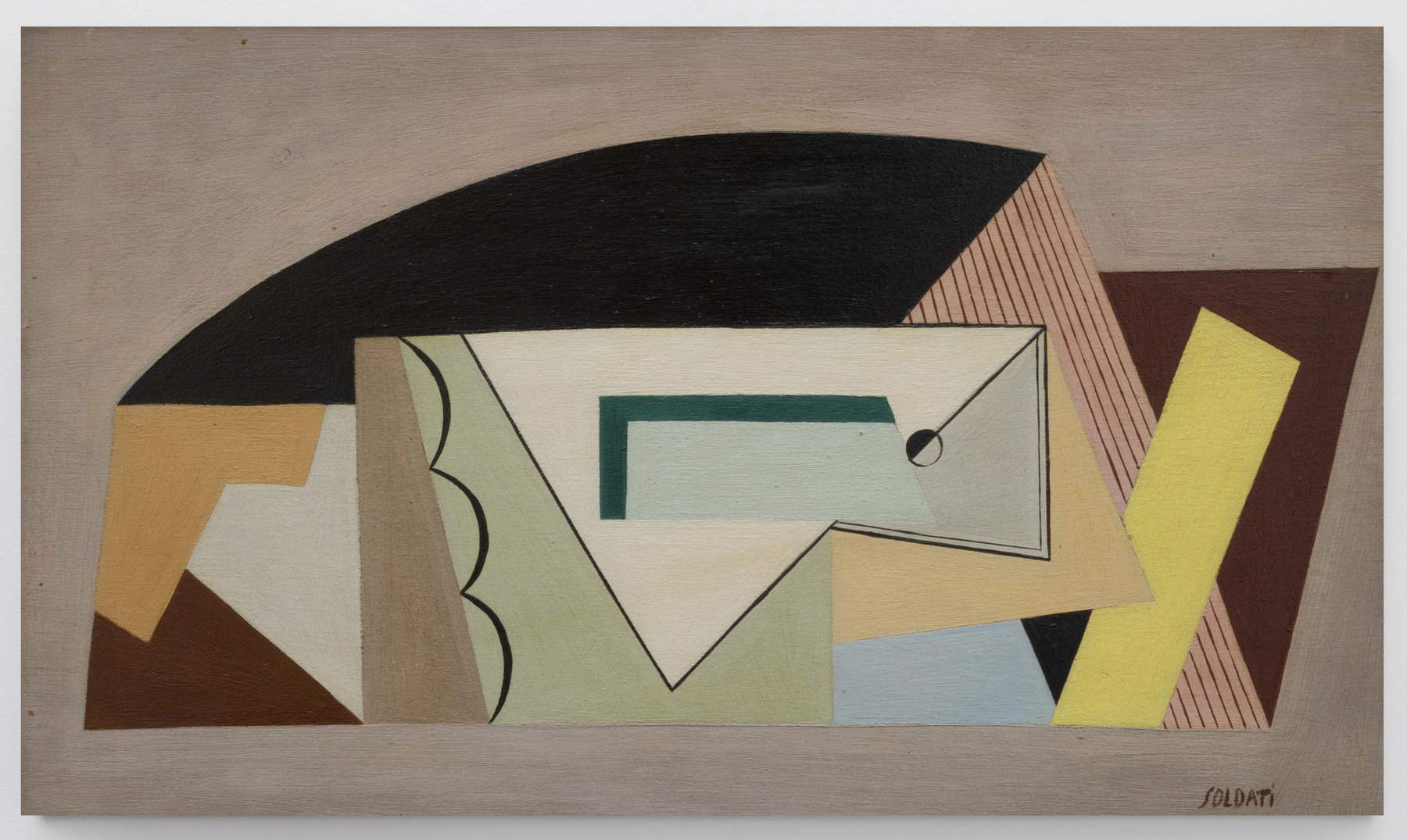
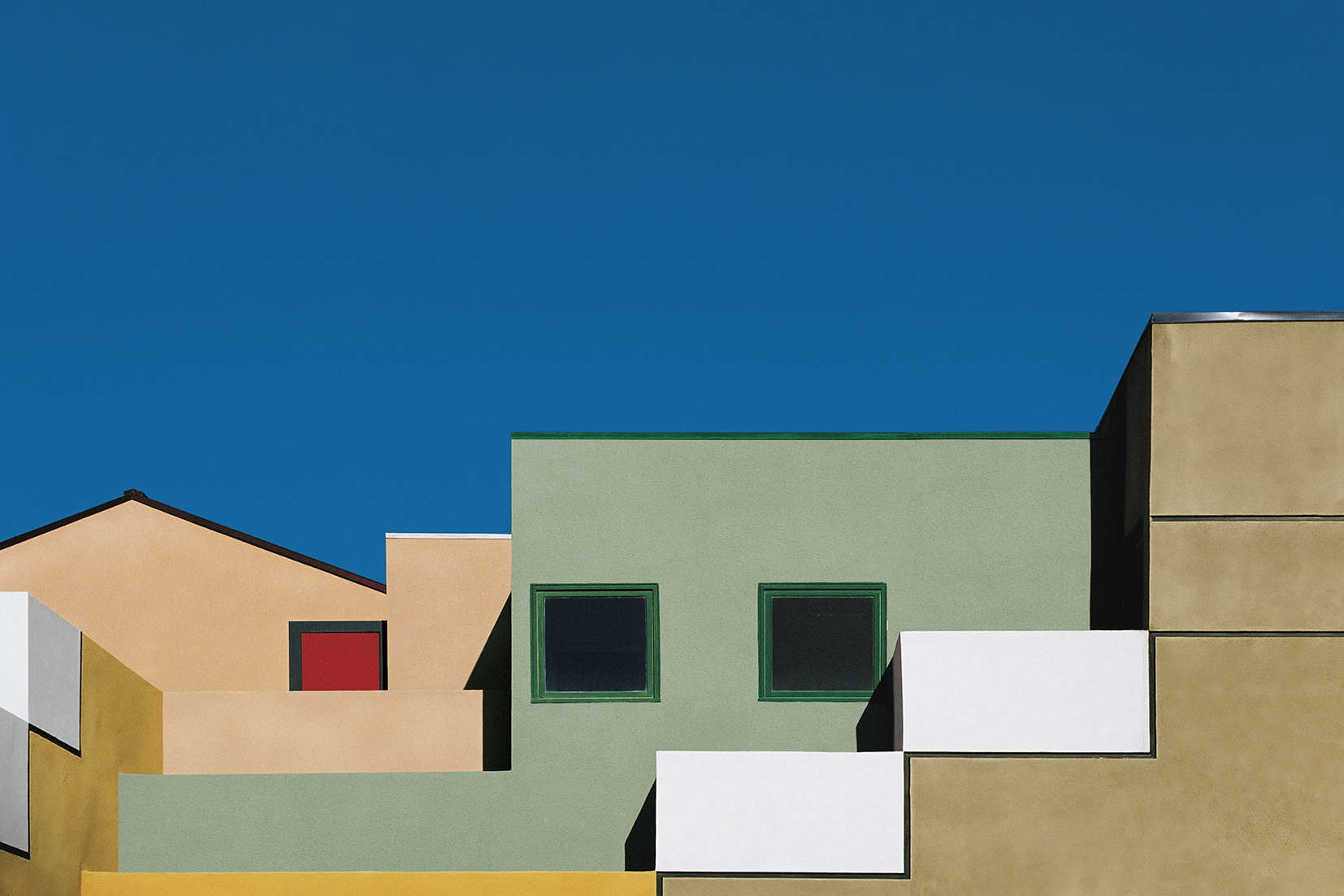
Soldati began by painting the rooftops of Parma and the facades of houses overlooking the stream. He never entirely abandoned his connection to reality: it was precisely by observing it that he gradually came to transform it. The writer Ugo Betti described him as a “painter of walls and roofs.” For Tribò, this is a definition that curiously applies to Fontana’s photography as well: in both cases, walls, roofs, buildings, and streets serve to construct an image that does not depict a place but conveys a perception of space. For both artists, the landscape and the city become materials to be reinterpreted through color, light, and volume.
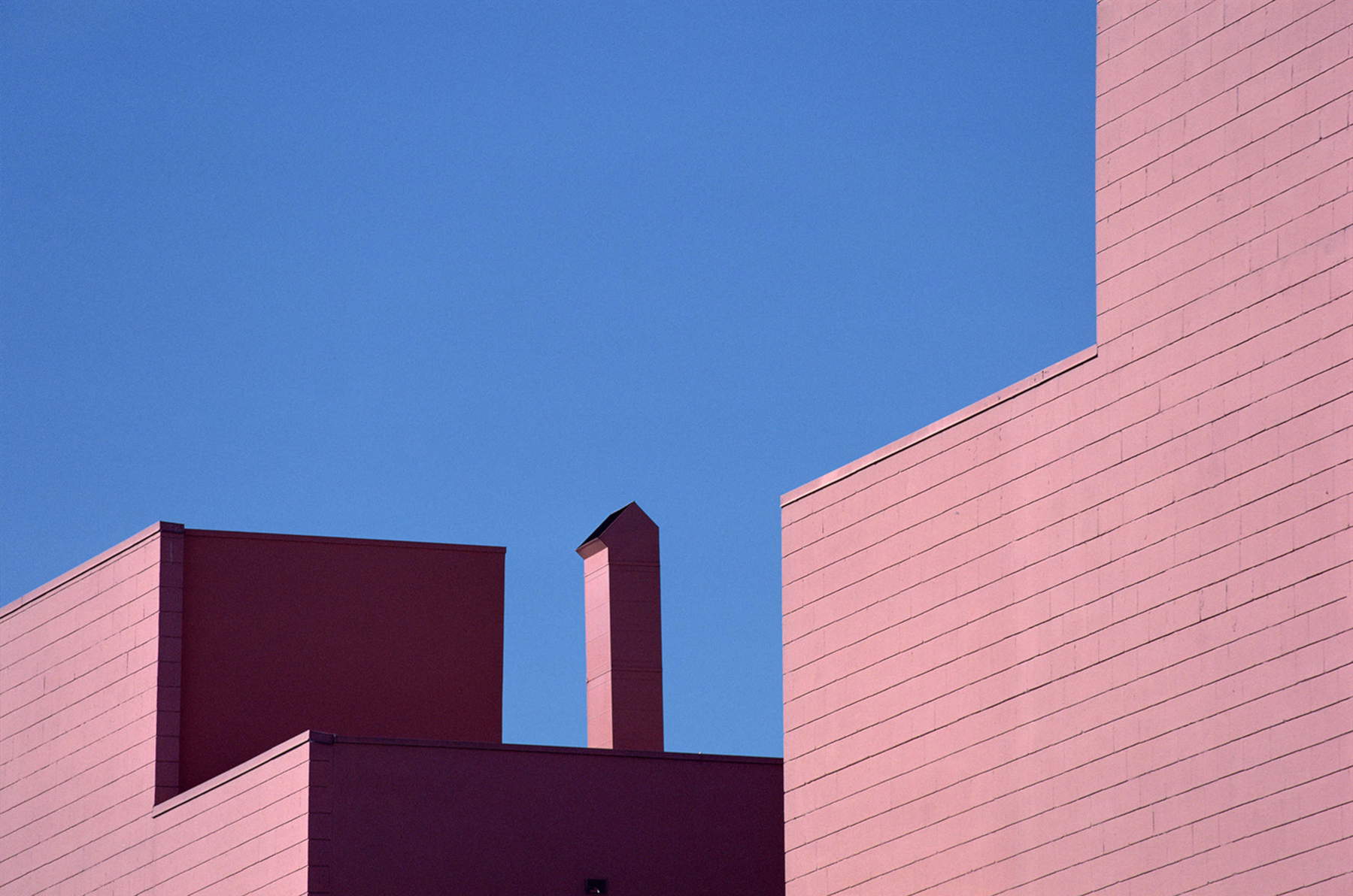
On display is *Composition with Red Bust*(1933), in which Soldati combines still life and landscape. Pure geometric forms, everyday objects, glimpses of landscape, and houses reduced to geometric silhouettes coexist in a single composition. Reality is still recognizable, but it has already been simplified and pushed toward an interpretation that is at times abstract. According to Tribò, the reduction of houses to pure volumes seen in Soldati’s early work—with its reference to metaphysics—finds an unexpected counterpart in the photographs Fontana took in Los Angeles, Cuba, New York, and Trinidad.
From the 1940s onward, as the scholar Luigi Cavadini observes, Soldati’s painting changed once more and took on a metaphysical character. The geometric structure remains, but the painter introduces small touches of reality: a floor of wooden planks, an open door with the sun’s reflections, skyscrapers rising in the background, a brick wall, or a triangle superimposed on a rectangle that we immediately recognize as a house. Tribò wonders whether these words might not also describe a photograph by Fontana. The dialogue between the two artists, she writes, arises precisely in the transition between seeing and representing. The scholar echoes a phrase used by Cavadini in reference to Soldati, which she believes also applies to Fontana: in their narrative through images, what the artist sees blends with what he feels, “where his sensibility acts as a conduit (and interpreter) between vision and representation.”
For both, bringing order was fundamental. “In painting, I love cleanliness and clarity, just as the greatest artists of the past and present have loved and continue to love them. Nature is, in and of itself, chaos; order must be imposed; the painting does not welcome anarchy,” Soldati wrote in 1947. Fontana, too, brought order through framing, cropping, the choice of viewpoint, and color. Thus, photography ceases to be a tool for recording and becomes a constructed space.
Color is the terrain where this contrast becomes most evident. “Color is a vital element, like water and fire. It is unquestionably an essential need. One cuts flowers from the garden to have them close at hand in the apartment, just as one does with paintings,” Soldati noted in his journal. Fontana, though with different emphases, held a similar view: “Color is also a physiological sensation, a psychological and emotional interpretation, a way and a means of knowledge; and for this reason, it is fundamental, especially in photography. And as Klee said, color is the place where the universe and the mind meet.” And on another occasion, he added: “Art does not accept what is seen, but seeks to reveal the invisible. Black-and-white has a head start; it is already an invention. Color, on the other hand, must be reinvented and interpreted. It must not remain an object; it must become a subject.” On one hand, there is the color created by the painter’s palette; on the other, the real color captured by the lens. However, in both cases, it is the artist who determines its presence, its relationships, and its weight within the image: Fontana’s color is just as constructed as Soldati’s, because both are the result of a choice.
The questionof abstraction remains. Soldati is considered a key figure in Italian abstract art, but—except for his “concrete” phase in his later years— he never entirely abandoned figurative elements. The word “abstraction” has often been associated with Fontana, even though he did not care for it. His position was more nuanced: it was not the photograph that was abstract, but the photographer’s thought. Abstraction, in this sense, does not mean renouncing figuration, but isolating certain elements of reality and recomposing them in a new relationship. The exhibition, Tribò explains, does not aim to link Fontana to Soldati’s abstract art nor to view his photographs as failed paintings, but rather to examine how both artists, using different tools, liberated the image from its purely descriptive function.
In the galleries on Piazza Castello, Fontana’s urban landscapes are juxtaposed with Soldati’s canvases, creating a dialogue between the vertical and horizontal rhythms of the two artists and bringing together works with similar colors and compositions. The exhibition concludes with a section dedicated to Fontana’s natural landscapes, which reveals another chapter in his artistic exploration and the consistency of his visual language: for him, even nature becomes an opportunity for an essential and deeply personal vision. Among his best-known images are the yellow horizons of Puglia and Basilicata, which Fontana himself seems to reference in his photograph of Ibiza.
For Tribò, the exhibition is above all an invitation to train the eye: it involves searching for signs, references, and colors that seem to flow from a photograph by Fontana to a painting by Soldati, and learning to read images more carefully in an age when images surround us without prompting us to reflect. Soldati and Fontana did not follow the same path nor seek the same answers, the author concludes, but both were able to capture what the eye sees, filter it through their own sensibility, and present it in a transformed form.
The exhibition is part of a series through which the Gracis Gallery presents the great masters of 20th-century Italian art. Atanasio Soldati – Franco Fontana: Explorations of Form and Color is on view at the Galleria Gracis, located at Piazza Castello 16 in Milan, through December 23, 2026, Monday through Friday from 10 a.m. to 1 p.m. and from 2 p.m. to 6 p.m. Information: 02 877807, gracis@gracis.com.
 |
| The Same Horizon in a Painting and a Photograph: Atanasio Soldati and Franco Fontana in Milan |
Warning: the translation into English of the original Italian article was created using automatic tools. We undertake to review all articles, but we do not guarantee the total absence of inaccuracies in the translation due to the program. You can find the original by clicking on the ITA button. If you find any mistake,please contact us.