





From Michelangelo’s *David* to the sculptures of Auguste Rodin and Antoine Bourdelle, and on to the interpretations of Giulio Aristide Sartorio, Leonardo Bistolfi, and Adolfo De Carolis: the Accademia Gallery in Florence is dedicating an exhibition to the artist’s modern legacy and the role his work played in Symbolist cultural explorations between the late 19th century and the early decades of the 20th century. From December 15, 2026 , to May 2, 2027, visitors can see *The Soul of Marble: Michelangelo and the Visions of Symbolism*, curated by Anna Mazzanti and Carlo Sisi.
The exhibition takes place at the Accademia Gallery in Florence, one of the museums of the GAMB—Accademia Gallery of Florence and Bargello Museums, an institution under the Ministry of Culture and directed by Andreina Contessa. The exhibition takes its starting point from the historic exhibition organized right here in the Gallery in 1875 to mark the fourth centenary of Michelangelo’s birth. On that occasion, the David—which had been moved from Piazza della Signoria a few years earlier—was presented for the first time within a museum setting, marking a significant milestone in the development of the modern reputation of Michelangelo’s sculpture.
It is from this episode that *The Soul of Marble* traces the relationship established by artists of the late 19th and early 20th centuries with Michelangelo’s work. For Rodin, Bourdelle, and other leading figures of Symbolist culture, the artist’s sculptures were not merely a formal reference point but also a tool through which to interrogate reality and address themes related to the energy, tension, restlessness, and spirituality of modern man. Michelangelo’s legacy is thus reinterpreted as an opportunity to go beyond the immediate representation of things, in accordance with a sensibility that would contribute to the definition of artistic modernity.
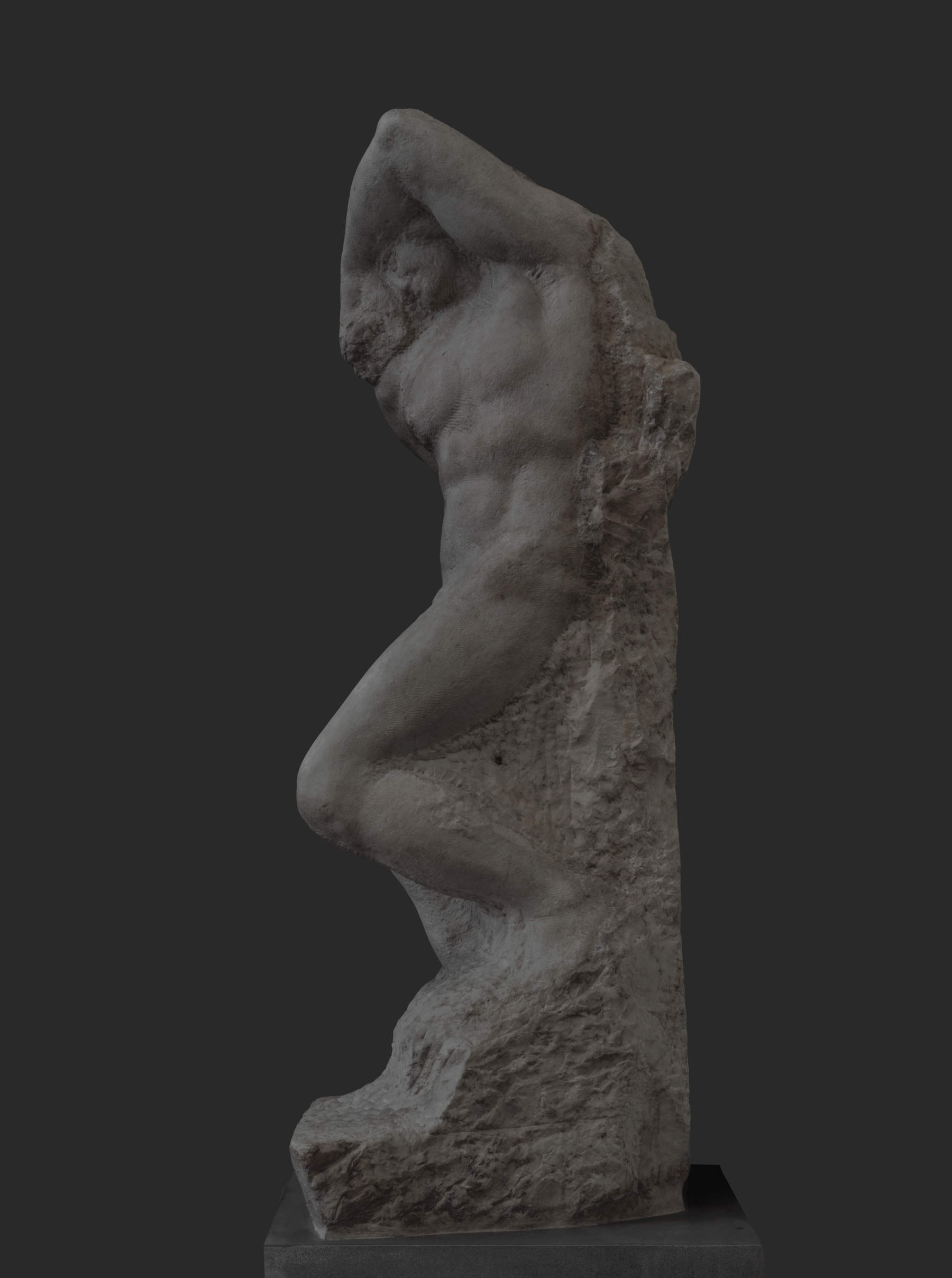
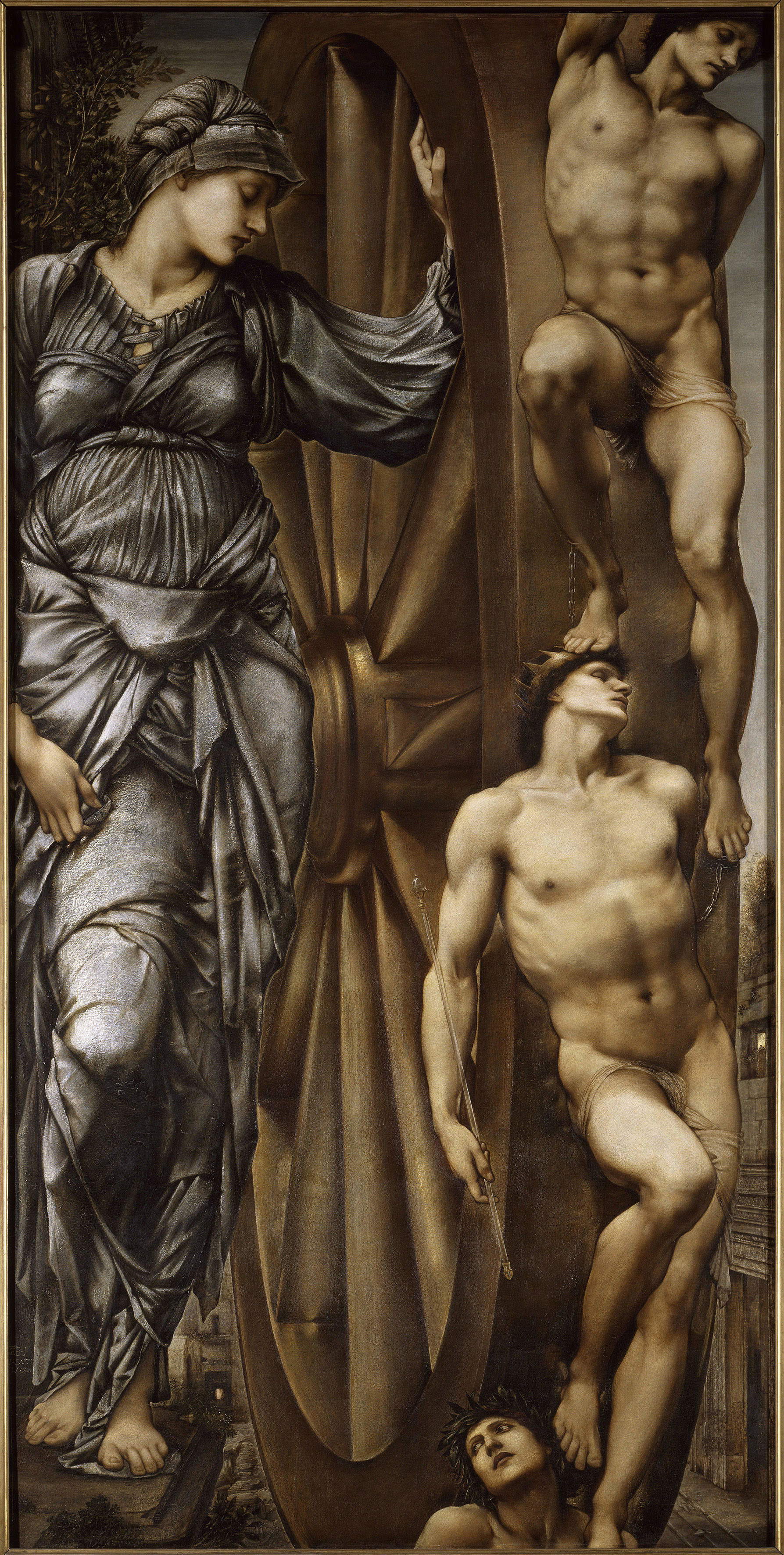
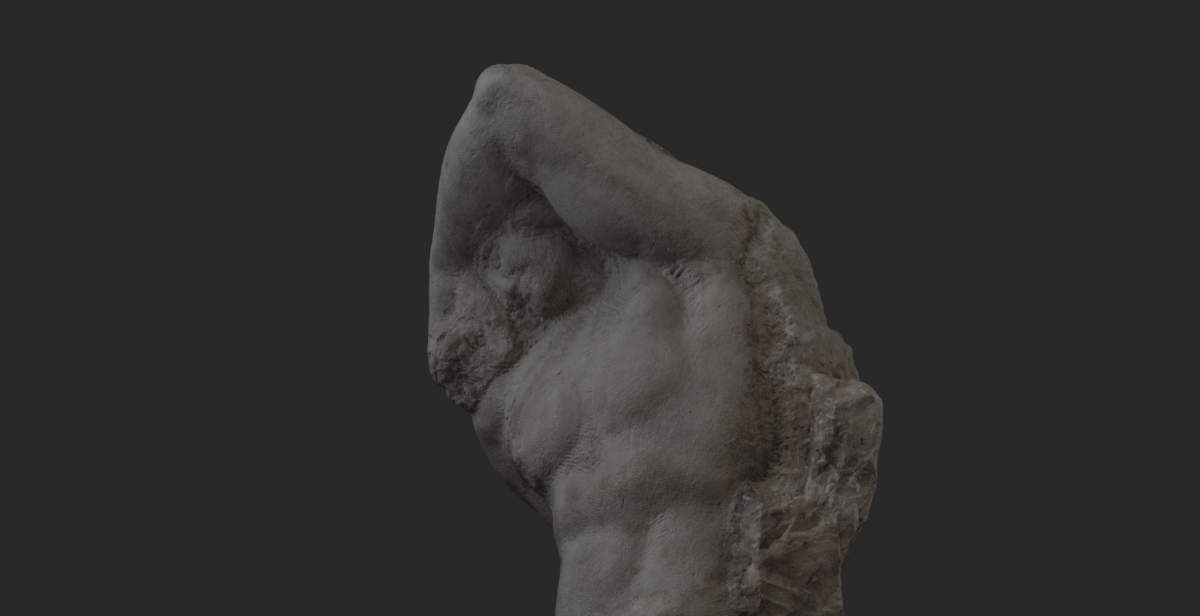
The exhibition comprises six sections and brings together approximately fifty works, presented in dialogue with the Michelangelo collection of the GAMB museums. The Prisoners, the David, the figures from the New Sacristy of the Medici Chapels, and those from the Sistine Chapel are juxtaposed with their various reinterpretations by modern artists. This comparison highlights the ways in which Michelangelo’s legacy was interpreted and reimagined at the turn of the century.
Among the selected works are Rodin’s *Le Petit Ombre*, Edward Burne-Jones’s *The Wheel of Fortune*, and Sartorio’s *Sagra *. Another section of the exhibition begins with Michelangelo’s*Anima dannata*, juxtaposed with works by Bourdelle and his *Le Cri*. The various pairings proposed by the exhibition aim to highlight the transformation of Michelangelo’s model within the Symbolist sensibility, showing how his work was adopted by artists as a reference point for an exploration of the inner and spiritual dimensions of human experience.
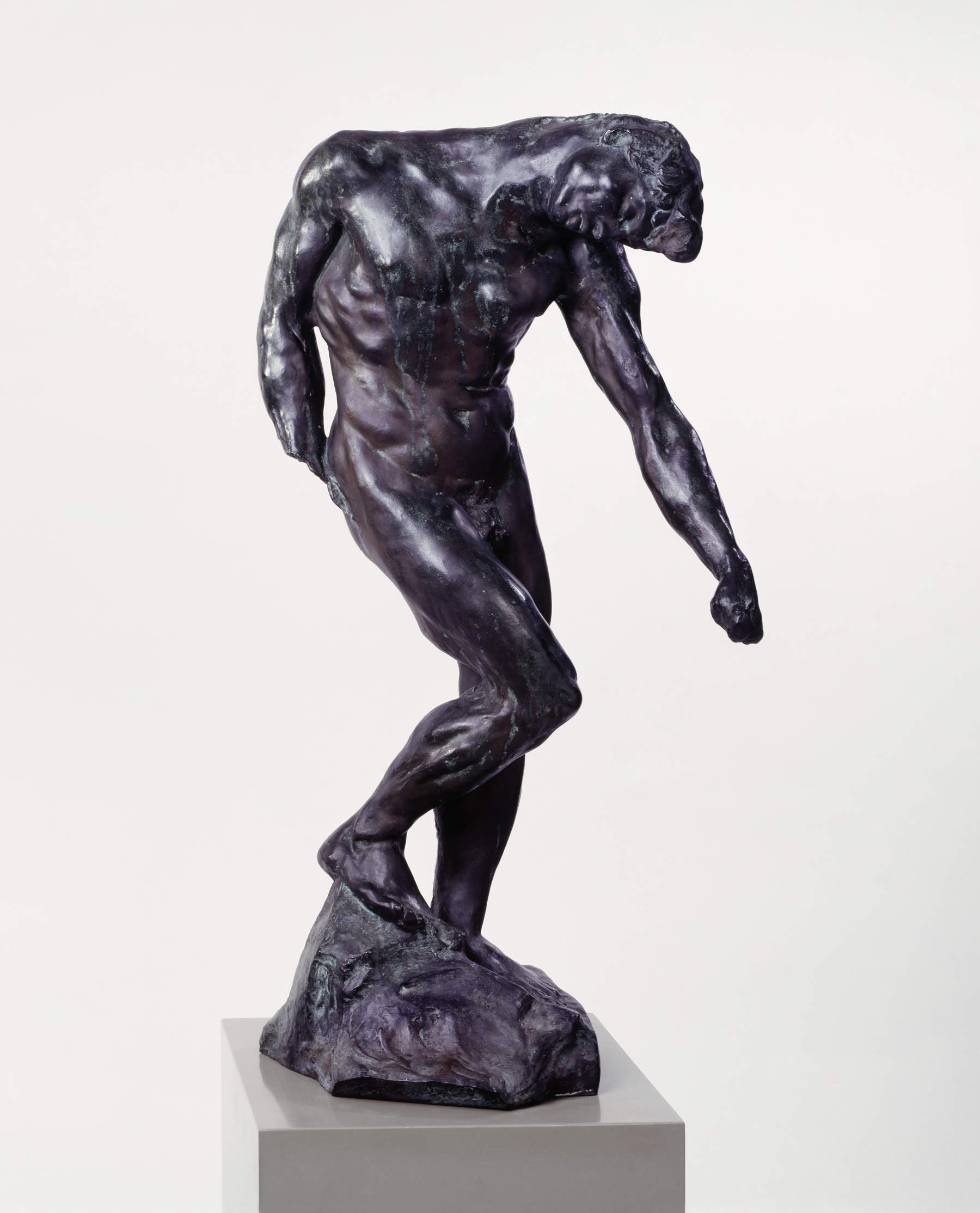
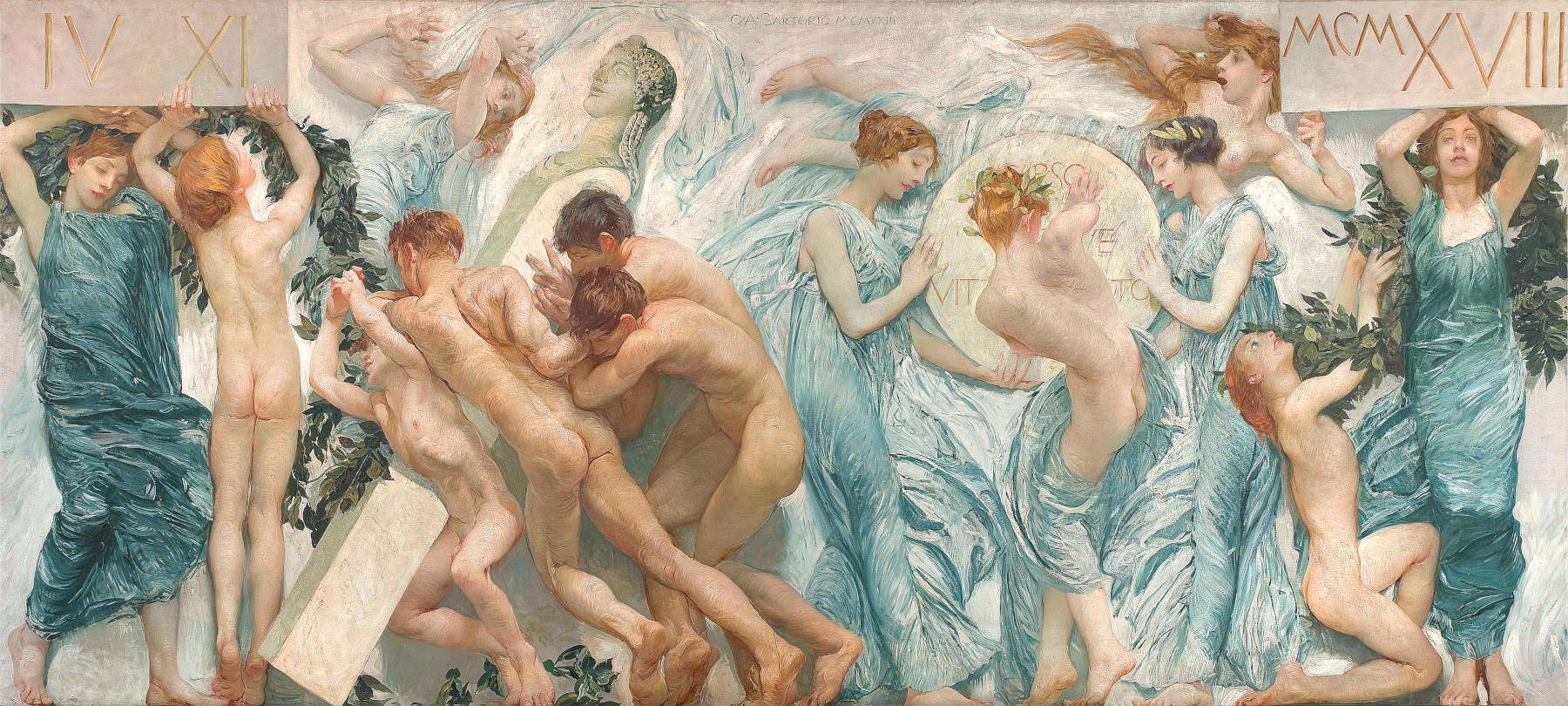
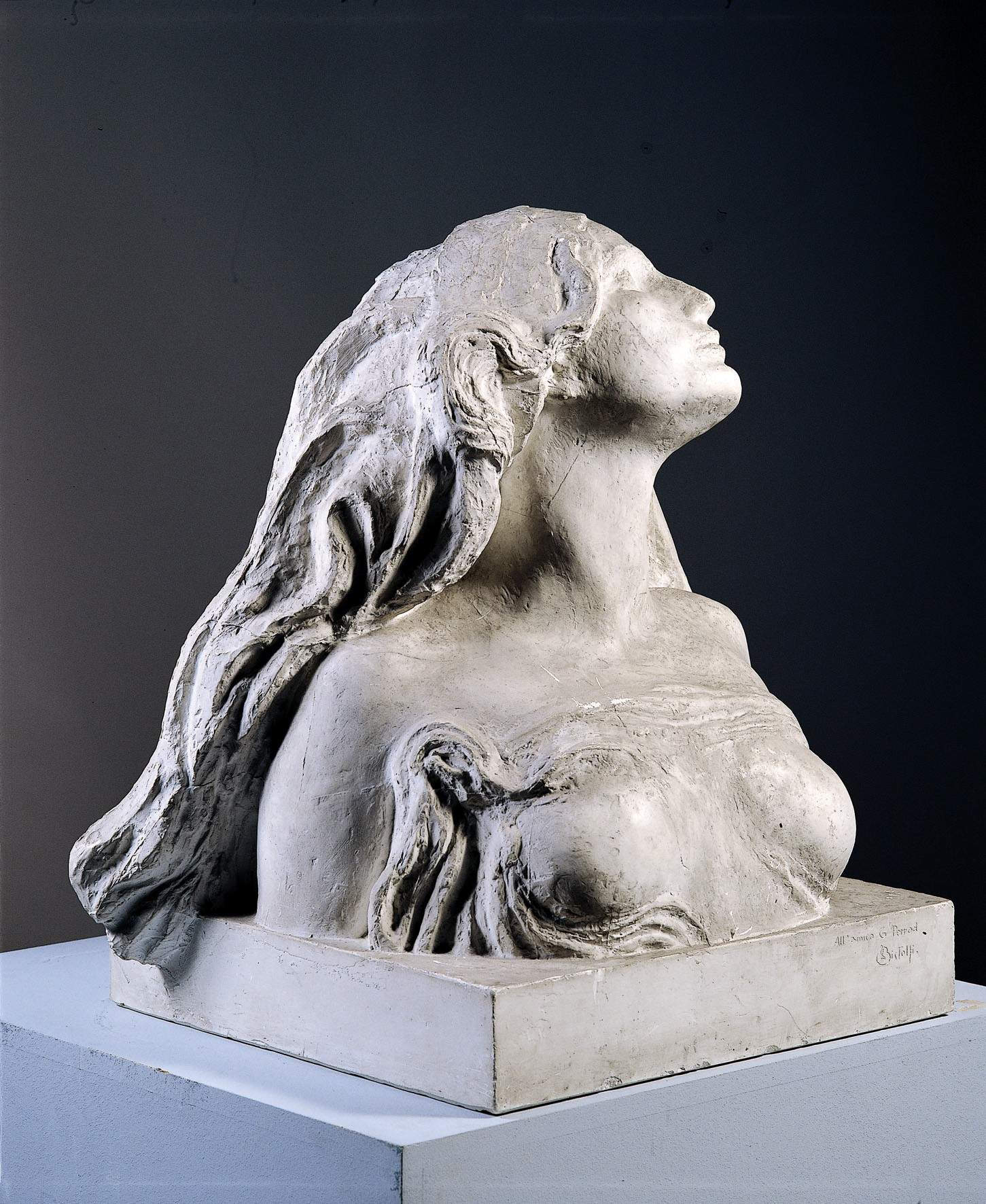
The exhibition features sculptures, paintings, and graphic works on loan from Italian and international institutions. These include the Musée Rodin, the Musée Bourdelle, the Musée d’Orsay, Tate Britain, the Minneapolis Institute of Art, the Uffizi Galleries, and the GNAMC. The works will be displayed in the galleries adjacent to the Michelangelo collection at the Galleria dell’Accademia, creating an exhibition itinerary in which the works of modern artists are directly juxtaposed with Michelangelo’s works housed in the Florentine museum.
This comparison thus allows visitors to trace the various paths through which the aesthetic sensibility of the transition from the nineteenth to the twentieth century engaged with what Rodin termed the figure of the “great magician,” ultimately recognizing Michelangelo’s work as one of the foundations of modernity. The exhibition thus reconstructs a chapter in the artist’s critical and artistic legacy, examining how his legacy was reinterpreted in the context of the cultural transformations that accompanied the transition to the 20th century.
In conjunction with the temporary exhibition, the Galleria dell’Accademia in Florence will also apply a 3-euro surcharge to admission fees. A single admission ticket will cost 23 euros, with the option to add 4 euros to reserve entry to the Galleria. The increase will also apply to the combined ticket valid for all GAMB museums, which will cost 41 euros, and the combined ticket for the Bargello National Museum and the Accademia Gallery in Florence, which will cost 29 euros. “The Soul of Marble: Michelangelo and the Visions of Symbolism” will beon view at the Accademia Gallery in Florence from December 15, 2026, to May 2, 2027.
 |
| The Soul of Marble in Florence: Michelangelo at the Heart of Symbolist Visions |

Warning: the translation into English of the original Italian article was created using automatic tools. We undertake to review all articles, but we do not guarantee the total absence of inaccuracies in the translation due to the program. You can find the original by clicking on the ITA button. If you find any mistake,please contact us.




















 IT
IT FR
FR DE
DE ES
ES CN
CN


