



by Redazione 20/07/2026



Categories: Exhibitions / Disclaimer
On the 450th anniversary of Titian’s death, Pieve di Cadore is hosting an exhibition that explores the artist’s contribution to the emergence of the modern conception of landscape, highlighting his influence on European art from the Renaissance to the modern era.

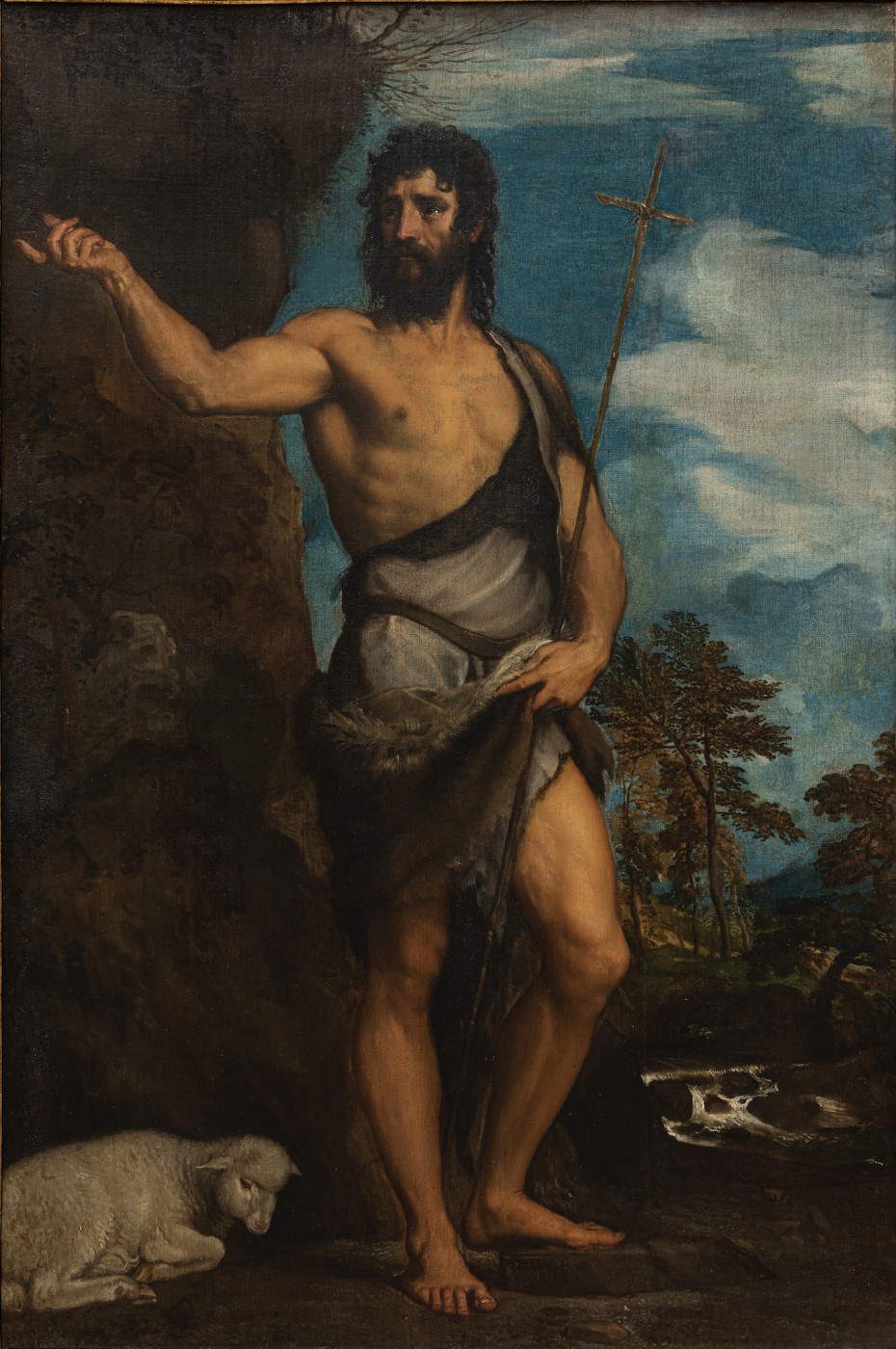
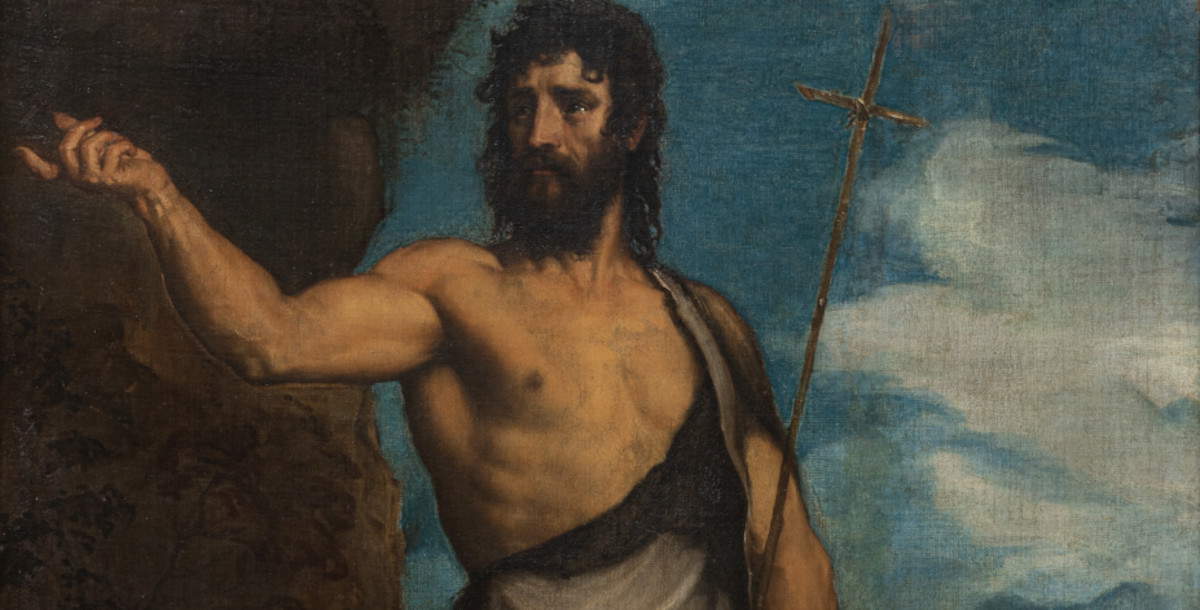
In Pieve di Cadore, a new exhibition dedicated to Titian explores the role that landscape played in his artistic output. To mark the 450th anniversary of the artist’s death, his hometown is hosting three authentic paintings and over thirty graphic works based on his drawings or created by artists who anticipated his sensibility or carried on his legacy. The exhibition brings together works by leading figures such as Lucas Cranach, Albrecht Dürer, Rembrandt, Watteau, and Marco Ricci, offering an overview of the evolution of landscape in European art. Held at the Palazzo della Magnifica Comunità di Cadore from July 18 to October 18, 2026, the exhibition “Titian and the Landscape” is the second installment of an exhibition project launched during the Winter Olympics. The initiative was conceived with the aim of analyzing Titian’s decisive contribution to the definition of a new conception of landscape, one destined to profoundly influence Venetian and European painting in the centuries that followed. Sponsored by the Magnifica Comunità di Cadore and the Fondazione Centro Studi Tiziano e Cadore, in collaboration with the Municipality of Pieve di Cadore, the exhibition is curated by Bernard Aikema and Thomas Dalla Costa. The project, realized with the support of the Foundation’s Scientific Committee and organized by Villaggio Globale International, is one of the central events of the Titianus Cadorinus 1576–2026 commemorative program, dedicated to the 450th anniversary of the artist’s death.
The exhibition aims to combine historical and art historical research with high-quality exhibition design, created by FormaUbis. After previously hosting the famous Gozzi Altarpiece, the exhibition brings other important masterpieces back to the painter’s birthplace. The exhibition itinerary will bring together three paintings from the Capitoline Museums in Rome, the Accademia Carrara in Bergamo, and the Gallerie dell’Accademia in Venice with over thirty engravings, woodcuts, and drawings by Titian and other great European masters. The aim is to trace the origins of his sensibility toward the landscape and to understand how his interpretation of nature influenced subsequent generations. Accompanying the exhibition is a comprehensive scholarly catalog published by ZeL Edizioni and supported by numerous institutions and institutional partners, featuring essays and in-depth analyses by the curators and international scholars.


The exhibition itinerary—which seeks to understand how landscape contributes to the construction of meaning in Titian’s works, what sources inspired his vision of nature, and what impact his figurative language had on European visual culture—is divided into three sections, each dedicated to a fundamental aspect of Titian’s artistic exploration. The opening section of the exhibition presents a selection of works that trace Titian’s Venetian formative years, set against a backdrop strongly influenced by commercial and cultural ties with Northern Europe and by the growing spread of art prints.
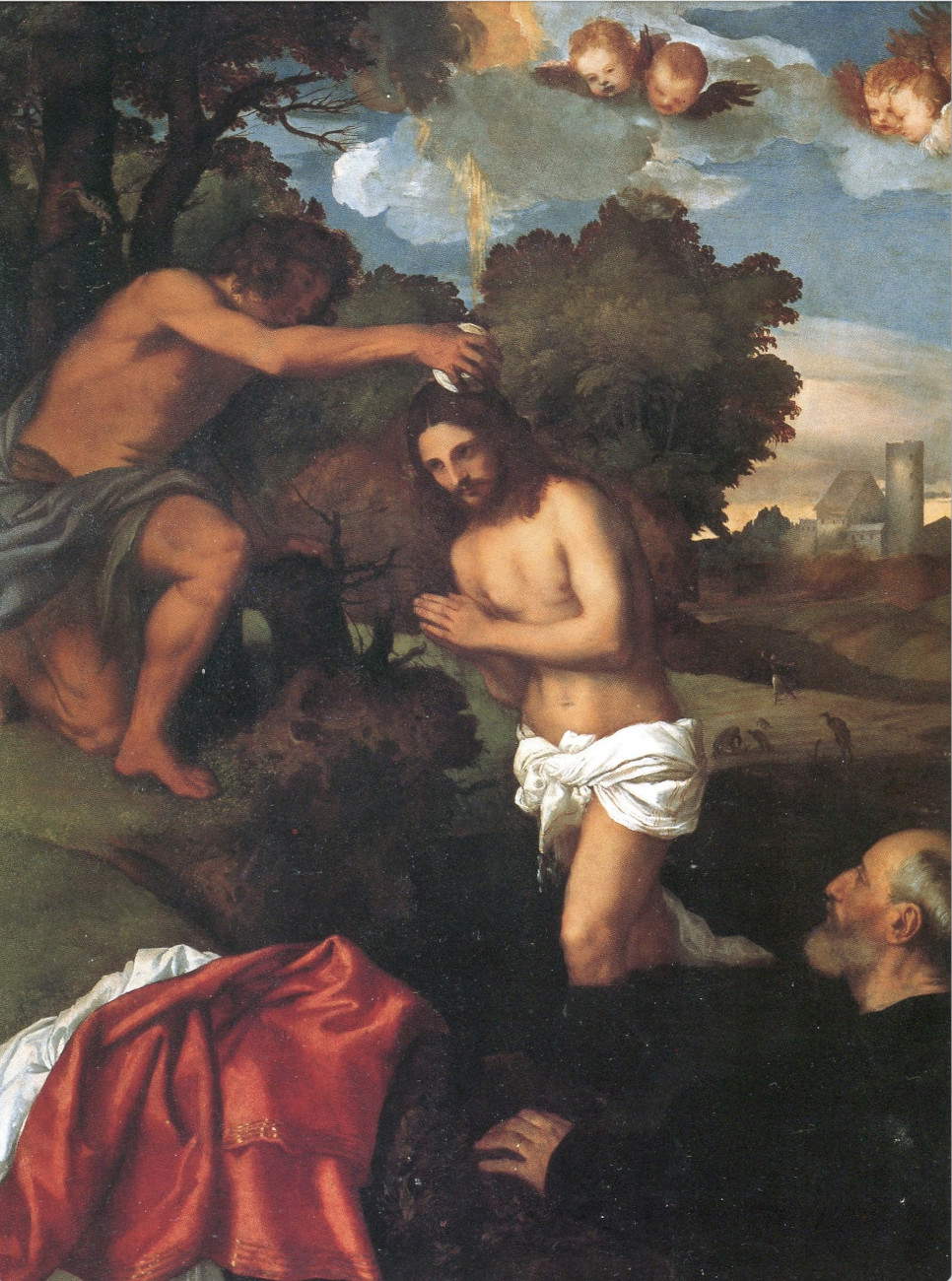
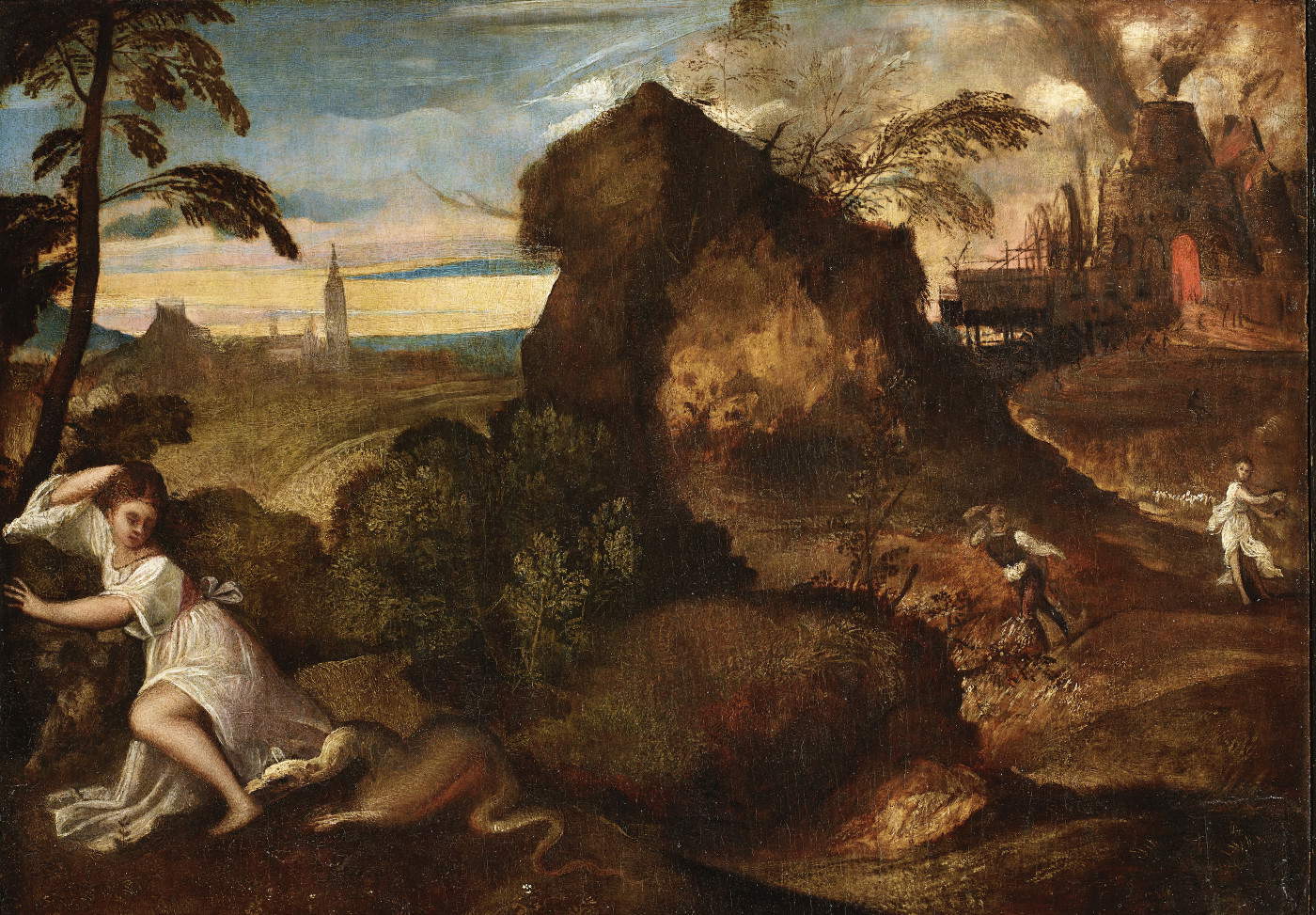
In The Baptism of Christ, housed at the Capitoline Museums, the landscape plays an active role in the narrative through a rich symbolism that interacts with the scene’s main figures. In the background, a village dominated by a cylindrical tower and mountains whose silhouette evokes the Dolomites come into view—elements that lend greater depth and meaning to the composition. In contrast, the approach taken in *Orpheus and Eurydice* at the Accademia Carrara is different: the landscape is divided into two contrasting settings—on one side, a serene scene featuring a church and its bell tower; on the other, a dark and menacing setting, dominated by the entrance to the Underworld, which reflects the drama of the mythological tale.
The exhibition continues by analyzing the cultural roots that contributed to the formation of Titian’s conception of landscape, highlighting the decisive role played by Northern European painting and printmaking. Through a careful comparison of works by Italian and European artists, it becomes clear how the master from Cadore was able to assimilate and reinterpret different artistic languages, giving rise to an original vision destined to leave a profound mark on art history. Among the most significant works are Lucas Cranach’s *The Penance of St. John Chrysostom*, from the Uffizi Galleries, and Albrecht Dürer’s engraving of *St. Eustace*, created in the early 16th century. Both display compositional characteristics that are echoed in Titian’s early works, such as the high horizon and the particular attention devoted to depicting the natural environment. While Cranach emphasizes the landscape as a narrative element, Dürer demonstrates how the use of line alone can convey depth, atmosphere, and a wealth of detail.
Titian’s interest in the language of printmaking is also documented by the woodcut of The Sacrifice of Abraham, created around 1516 by Ugo da Carpi based on a drawing by the painter. The work attests to the strong connection between painting and the world of printmaking in Renaissance Venice and represents one of the earliest examples of the artist’s desire to disseminate his creative ideas through techniques other than painting on canvas. The exhibition also highlights how the practice of allusion was extremely widespread during the Renaissance. In fact, the figure of the shepherd depicted in *The Sacrifice of Abraham* is a direct reference to Saint Joseph as portrayed in Dürer’s *Flight into Egypt*. Similarly, the group of the Holy Family conceived by the German master is reinterpreted, with some variations, in the woodcut dedicated to the same subject created by Domenico Campagnola. Even the mountainous background reveals clear references to the original model, confirming the ongoing dialogue between artists belonging to different figurative schools.
Another interesting comparison is that between Dürer’s *Landscape with a Large Cannon* and Domenico Campagnola’s *Landscape with Shepherds and a Family on a Journey*. In the former, the landscape retains a strong descriptive and documentary quality, thanks to the precision with which the Wiesent River valley and its surroundings are depicted. In Campagnola’s work, however, nature takes on a predominant role: the human figures become almost marginal compared to the vastness of the scenery, which dominates the entire composition and evokes the landscapes of the Venetian hinterland.
These works bear witness to the growing interest that collectors and art enthusiasts showed in the 16th century in drawings and engravings dedicated to the landscape. New graphic techniques, in fact, allowed artists to experiment with effective plays of light and shadow and to depict nature with great sensitivity even in the absence of color. Fundamental to this process was the collaboration between Titian, Giulio Campagnola, and his adopted son Domenico—key figures in an artistic era that contributed to the spread of a new landscape culture.
The second section of the exhibition explores the evolution of printmaking within Titian’s circle. Among the works on display, *Landscape with a Mill*, executed by Giulio Campagnola around 1510, stands out; in it, the artist experiments with new modes of expression through a refined use of line, varying the thickness, angle, and intensity of the lines to lend greater vitality to the natural elements. In the years that followed, Titian established a close collaborative relationship with both Giulio and Domenico Campagnola. The works of the latter were sometimes erroneously attributed to the master from Cadore, as demonstrated by *Landscape with Saint Giovannino*, long considered an autograph work by Titian. It was precisely through this collaboration that a new compositional style took shape, one that would come to characterize many of the artist’s subsequent works, in which the landscape assumes an increasingly decisive role within the pictorial narrative. Among the most significant examples are the engravings *St. Jerome in a Wild Landscape* and *Landscape with St. Francis*, likely executed by Nicolò Boldrini after drawings by Titian. In these compositions, every natural element contributes to defining the balance of the scene, becoming an integral part of the narrative structure and the visual perception of the work.
Works such as Domenico Campagnola’s *Tree with Two Goats* and the engravings dedicated to mythological subjects also confirm this evolution. While religious or pastoral themes prevailed in his earlier works, in his later productions the landscape continues to occupy a central position, even as it accompanies mythological narratives and reinterpretations of Titian’s famous inventions—a sign of the ongoing transformation of his figurative language.
The final section of the exhibition is dedicated to the most innovative aspect of the exhibition project: an analysis of the legacy left by Titian and his artistic circle in the development of landscape representation in Europe. This is an area of research that has not yet been thoroughly explored, but it is fundamental to understanding how the insights of the master from Cadore influenced artists, engravers, and collectors between the sixteenth and seventeenth centuries.
The exhibition aims to highlight how the artistic language developed by Titian opened up new artistic perspectives, transforming the landscape from a mere background element into the focal point of the composition. Girolamo Muziano, who trained in Domenico Campagnola’s workshop and later worked in Venice and Rome, played a decisive role in this diffusion. Through his style—which blended Venetian tradition with Northern European influences—he helped spread this new artistic sensibility far beyond the borders of the Veneto region.
Titian’s influence was not, in fact, limited to Italy. Between the late 16th and 17th centuries, his approach to landscape painting spread throughout Europe, becoming a model for numerous artists. His compositions and drawings circulated widely thanks to engravings, fostering new figurative experiments and contributing to the development of an internationally shared artistic language.
A prime example is Rembrandt, who always recognized Titian as one of his primary points of reference. The Dutch master carefully studied Titian’s drawings, going so far in some cases as to copy them and reinterpret their compositional innovations. In this exhibition, this artistic dialogue is illustrated by a comparison between Rembrandt’s famous *Saint Jerome in an Italian Landscape* and the engraving *Saint Jerome Reading in the Desert*, executed by Cornelis Cort based on a design by Titian in 1566. This juxtaposition highlights the continuity of an artistic language capable of transcending different eras and cultures.
The exhibition also demonstrates how many of Titian’s figurative compositions became true models for subsequent generations. Among these, Domenico Campagnola’s *Landscape with a Hurdy-Gurdy Player and a Young Girl* stands out, considered one of the most influential examples of the Venetian tradition. The composition’s structure—with small figures in the foreground, a large tree, a village in the background, and mountains on the horizon—would in fact be adopted and reinterpreted by numerous artists in the centuries that followed.
The popularity of this model is evidenced by the numerous works that derived from it. Campagnola’s woodcut inspired painters and engravers from diverse backgrounds, including Giovanni Francesco Grimaldi, Marco Ricci, and Francis Torond. At the same time, interest in Titian’s work was growing throughout Europe, fueled by the spread of prints, the publication of illustrated collections, and the rise of drawing collecting. In this way, his approach to landscape painting reached an ever-wider audience, cementing the international fame of the master from Cadore.
Major European collectors also made a decisive contribution to the preservation and dissemination of this legacy. Prestigious collections, such as those of the banker Everard Jabach and the financier Pierre Crozat, housed a considerable number of drawings attributed to Titian and Domenico Campagnola. Thanks to these collections—which were later incorporated into major European museums—scholars and artists were able to continue to discover, study, and pass on the artistic language developed by the Venetian master.
The exhibition thus concludes by offering a new interpretation of the role Titian played in art history. In his works, the landscape is no longer a mere decorative backdrop but becomes a fundamental element of the narrative, capable of conveying meanings, emotions, and symbolic values. Through paintings, engravings, and drawings, the exhibition highlights how this innovative concept profoundly influenced European figurative art, helping to transform the way nature was depicted and cementing Titian’s legacy as one of the greatest figures of the Renaissance.
 |
| Titian and the Landscape: Three of the Artist’s Masterpieces on Display in Pieve di Cadore to Mark the 450th Anniversary of His Death |
Warning: the translation into English of the original Italian article was created using automatic tools. We undertake to review all articles, but we do not guarantee the total absence of inaccuracies in the translation due to the program. You can find the original by clicking on the ITA button. If you find any mistake,please contact us.