





From September 10 to November 22, 2026, the Gallerie dell’Accademia in Venice will host “Leiko Ikemura. TransLucent – The Shape of Light,” an exhibition organized to coincide with the tenth edition of The Venice Glass Week. Curated by Isabella Collavizza and Leiko Ikemura herself, the exhibition offers a journey in which the artist’s glass sculptures engage in a dialogue with some of the masterpieces from the permanent collection, created by Paolo Veneziano, Vittore Carpaccio, Titian, and Giambattista Tiepolo.
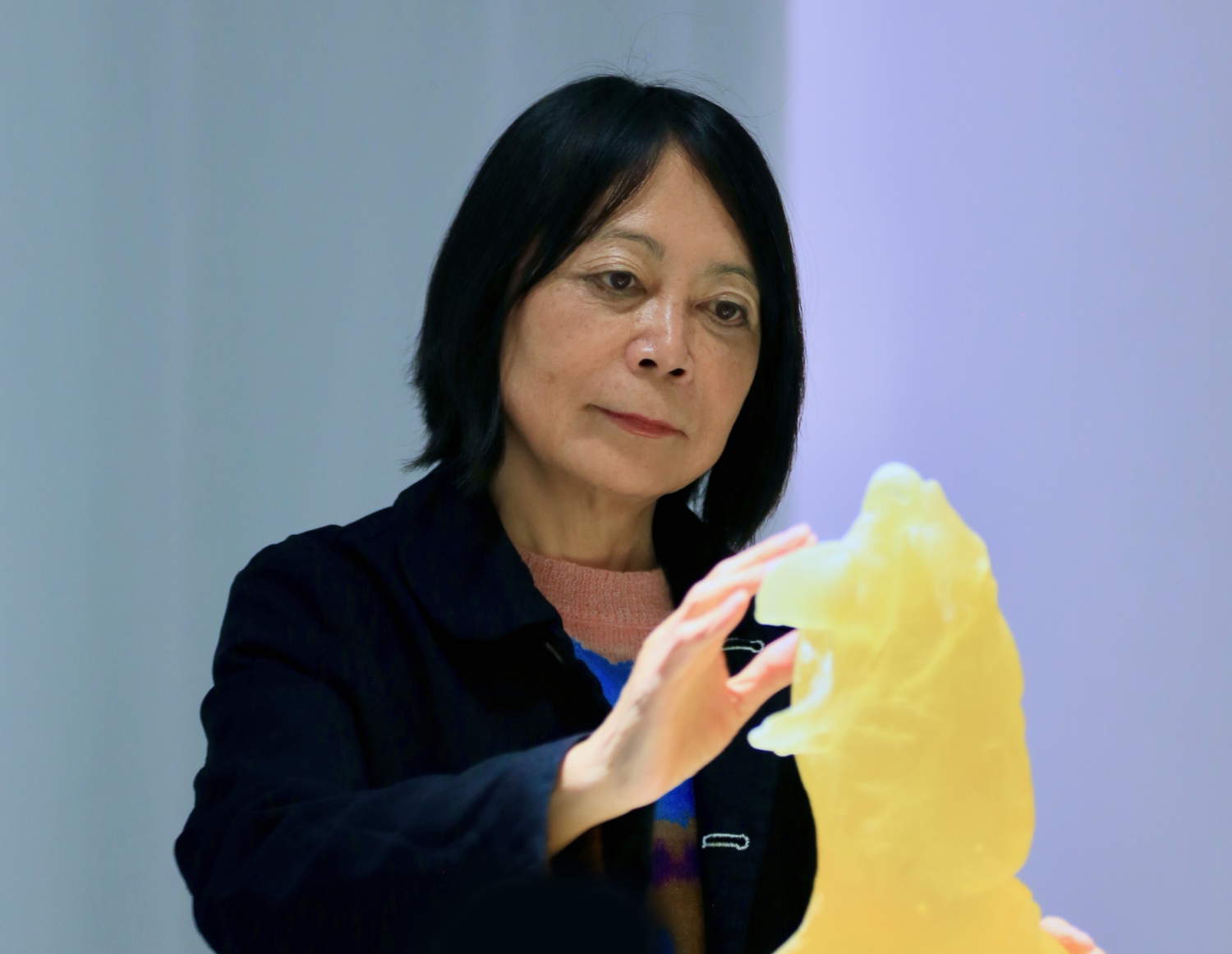
The project stems from a desire to connect Leiko Ikemura’s contemporary artistic practice with the Venetian artistic tradition. After a long career in painting and sculpture, the artist found a new expressive language in glass, captivated by its transparency and its ability to transform light into matter. The works on display reflect an artistic exploration that goes beyond technical experimentation, endowing glass with a powerful symbolic value linked to fragility, spirituality, and transformation. Ikemura’s interest in this material developed during the pandemic, when glass became for the artist a metaphor for hope and rebirth. Its lightness and luminosity translate into essential forms that evoke presences suspended between reality and imagination.
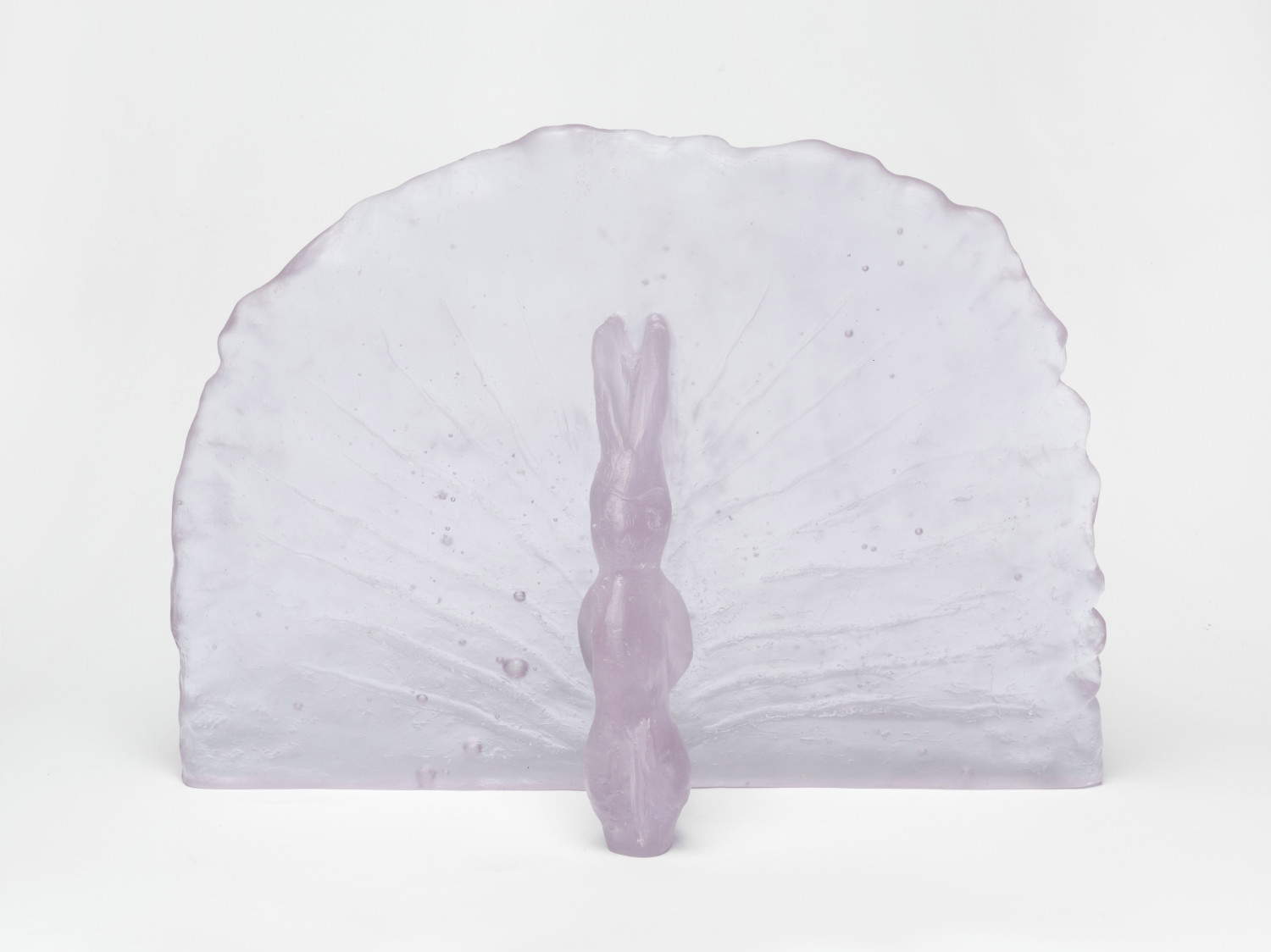
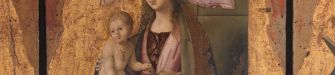
The exhibition begins in the Sala del Capitolo, where the sculptures from the Usagi series (meaning “rabbit” in Japanese) establish a dialogue with Venetian paintings from the 14th and 15th centuries. Their flowing robes recall the protective mantle of the Madonna della Misericordia, while works such as *Ishi no kokoro* (2026) and *Lamento* (2024) reinterpret the spiritual dimension and pathos of medieval devotional painting.
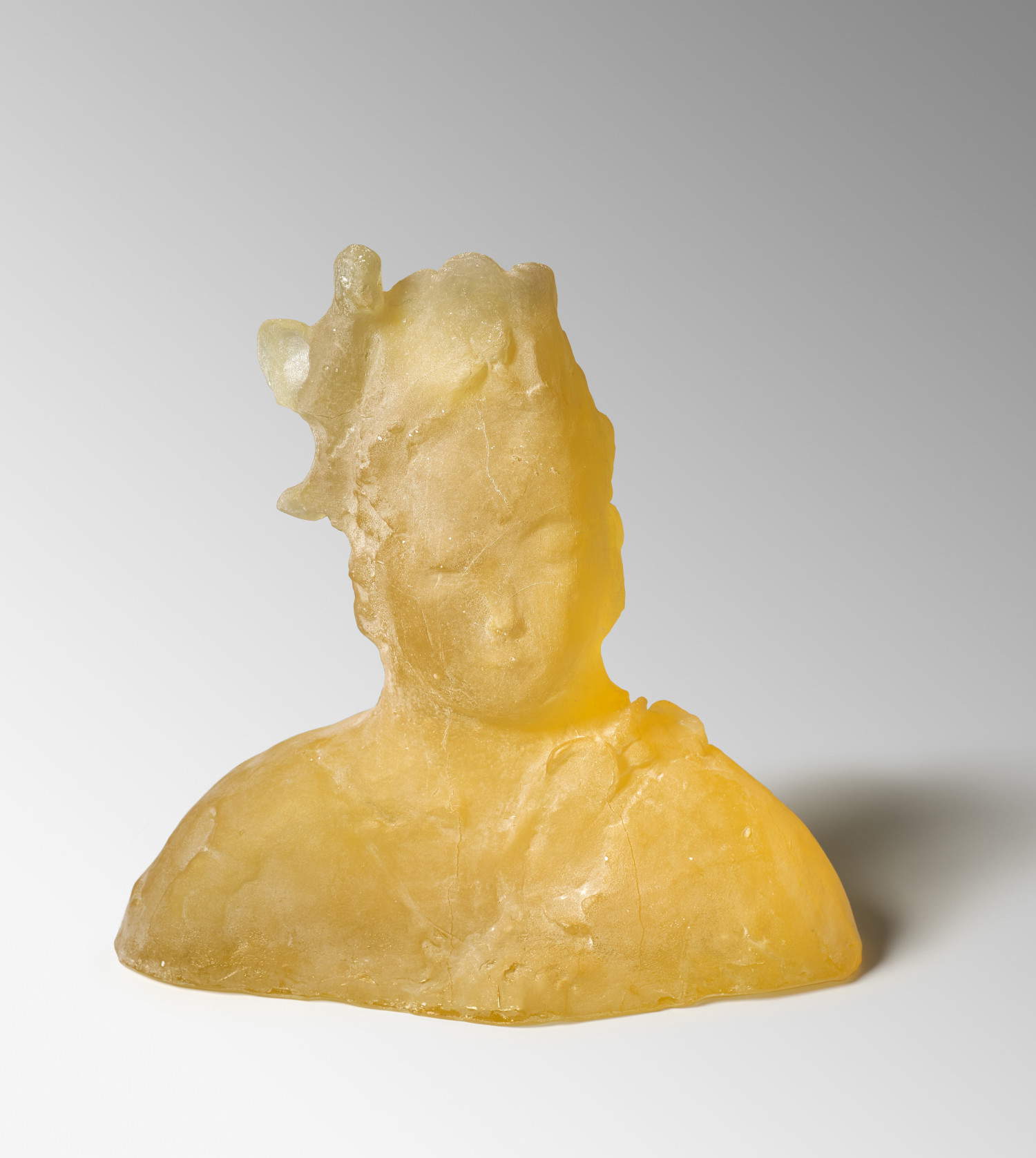
The Sala dell’Albergo, dominated by Titian’s Presentation of the Virgin in the Temple, features Ikemura’s famous female figures. These figures, which have been central to her artistic practice since the 1990s, represent the delicate transition from childhood to adulthood, embodying fragility, uncertainty, and transformation. In this context, *Lying Luz* (2020/23) engages in an ideal dialogue with the young Mary painted by Titian, prompting reflection on time, growth, and identity.
The theme of sleep continues in the sculptures of the *Sleep* series, consisting of life-size heads lying on their sides, from which small trees sometimes sprout—symbols of dreams and thoughts. These works engage with Vittore Carpaccio’s Cycle of Saint Ursula, exceptionally reopened to the public for the exhibition, particularly with the famous scene of The Dream of Saint Ursula, where the boundary between sleep, vision, and destiny becomes a central element of the narrative.
Enriching the exhibition is also a group of sculptures dedicated to animals, another recurring theme in the artist’s work. Rabbits, cats, and birds take on hybrid forms—sometimes with wings or human features—giving life to creatures suspended between the natural and the fantastical worlds. On the ground floor, in the galleries dedicated to the 18th and 19th centuries, the work *Memento Mori* (2013/26) stands in dialogue with Giambattista Tiepolo’s monumental *Exaltation of the Cross and Saint Helena*, offering a meditation on the transience of existence and the passage of time.
The exhibition concludes in the museum’s inner courtyard, where Leiko Ikemura engages in a dialogue with the architecture designed by Andrea Palladio by placing a series of glass busts beneath the arches of the portico. Works such as *Yellow Figure with Hummingbird* (2020/22) and *Self* (2022) reinterpret the classical portrait with lightness and irony, replacing traditional heroes with poetic and imaginary figures. For the occasion, a new sculpture created specifically for Venice in collaboration with a Murano glassworks will also be presented, paying homage to the lagoon’s centuries-old glassmaking tradition.
The exhibition design, conceived by architect Philipp von Matt, was created to highlight both the historic spaces of the Gallerie dell’Accademia and Carlo Scarpa’s museographic interventions, guiding visitors on a journey where contemporary art and historical heritage converge through the language of light, glass, and memory.
“Leiko Ikemura’s exhibition brings to the Gallerie dell’Accademia a profound reflection on light, fragility, and transcendence. The transparency and immaterial grace of her sculptural material intertwine with the iconography of our masters—from Paolo Veneziano to Carpaccio, all the way to Titian and Tiepolo—offering visitors a poetic and profound experience that brings the great Venetian painting tradition into dialogue with the languages of contemporary sculpture,” stated Giulio Manieri Elia, Director of the Gallerie dell’Accademia.
|
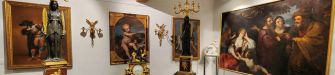
| Venice: At the Gallerie dell'Accademia, Leiko Ikemura's glass sculptures engage in a dialogue with Venetian painting |

Warning: the translation into English of the original Italian article was created using automatic tools. We undertake to review all articles, but we do not guarantee the total absence of inaccuracies in the translation due to the program. You can find the original by clicking on the ITA button. If you find any mistake,please contact us.


















 IT
IT FR
FR DE
DE ES
ES CN
CN


