





Through August 30, 2026, the Pecci Center in Prato is hosting *Verita Monselles. CARNALE*, an exhibition dedicated to photographer Verita Monselles (Buenos Aires, 1929 – Florence, 2004), curated by Alessandra Acocella, Michele Bertolino, and Monica Gallai, with an exhibition design by Giuseppe Ricupero and materials fromthe Tuscan Photographic Archive. The project is the result of a collaboration between the Pecci Center and the City of Prato and is part of a broader research initiative dedicated to Monselles, carried out with the support of the Region of Tuscany. The exhibition also represents an important opportunity to explore the career of an artist whose archive was donated to the Archivio Fotografico Toscano, housed by the City of Prato.
In Verita Monselles’s work, photography becomes a tool for reclaiming female identity and subjectivity. Through her images, the artist challenges the representations of women constructed by dominant culture, the media, and advertising. Her work addresses stereotypes associated with the female body through a language that alternates between irony, metaphor, and provocation. Monselles reinterprets symbols of patriarchal and religious tradition, modifying them and subverting their meaning, thereby transforming them into opportunities for reflection on the condition of women.
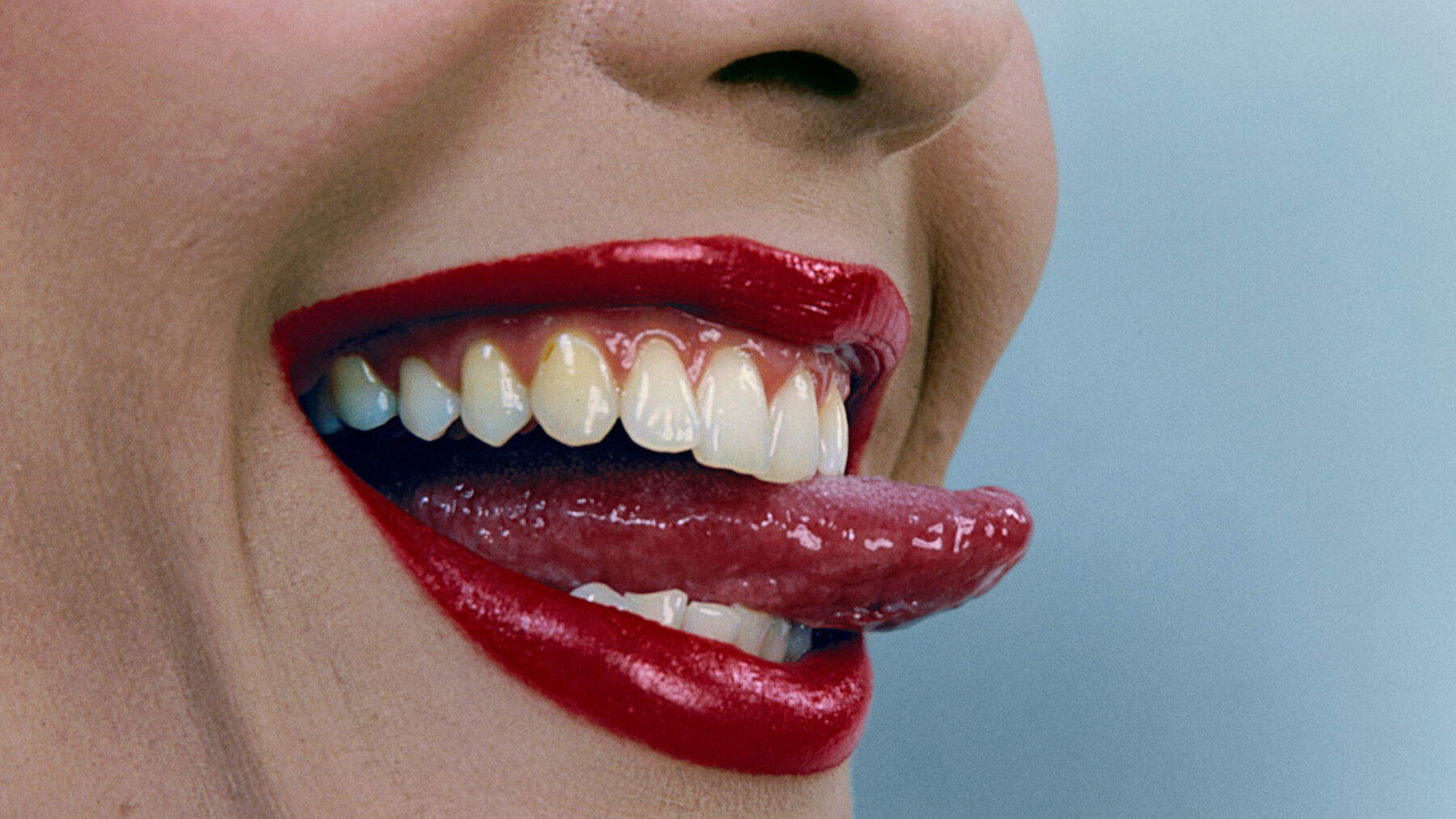
A fundamental component of her work is her relationship with other artists and the world of performance art. Monselles has often photographed her colleagues’ performances or directly involved them in her own projects. A significant example is the series *Ecce Homo*, in which Tomaso Binga and Marion D’Amburgo take center stage in the images. This collective dimension helps to foster a sense of sisterhood, dialogue, and mutual reflection in her work—elements central to the artist’s exploration of the representation of women. Monselles also served as the photographer for the Florentine theater company Il Carrozzone, which later became Magazzini Criminali. Her connection to the theater left a clear mark on her approach to composing images, which are often characterized by a strong scenographic and performative element.
Monselles’ photography spans different registers. In some works, it takes on a baroque dimension, linked to theatrical set designs and also to her experiences in Naples; in others, it becomes more pop-inspired, immediate, and seductive. There is alsoa refined, glossy aesthetic—close to the language of fashion and advertising—which the artist, however, reinterprets critically. Monselles has, in fact, also created fashion-related editorial projects, using this visual universe to explore the role of women in contemporary society.
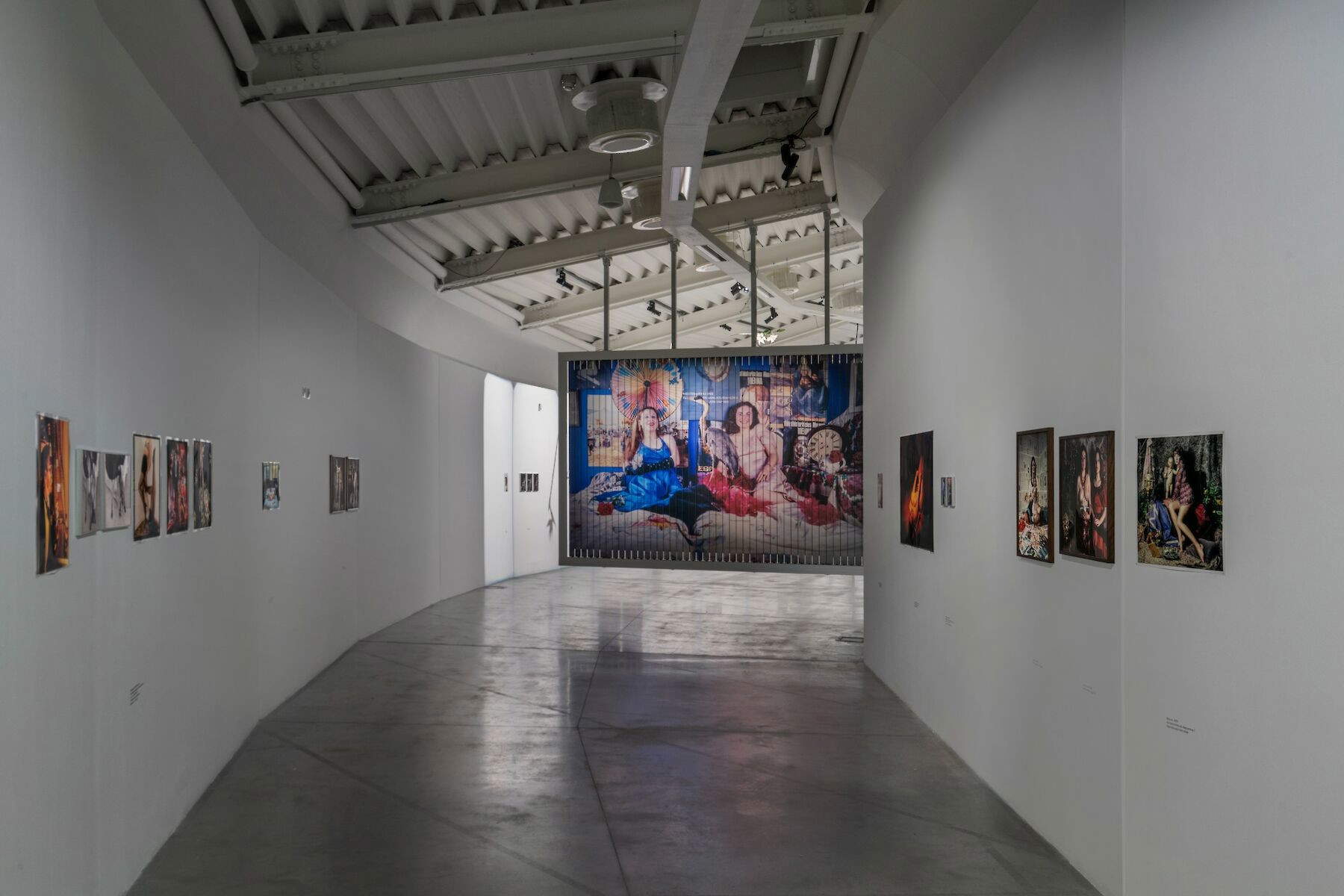
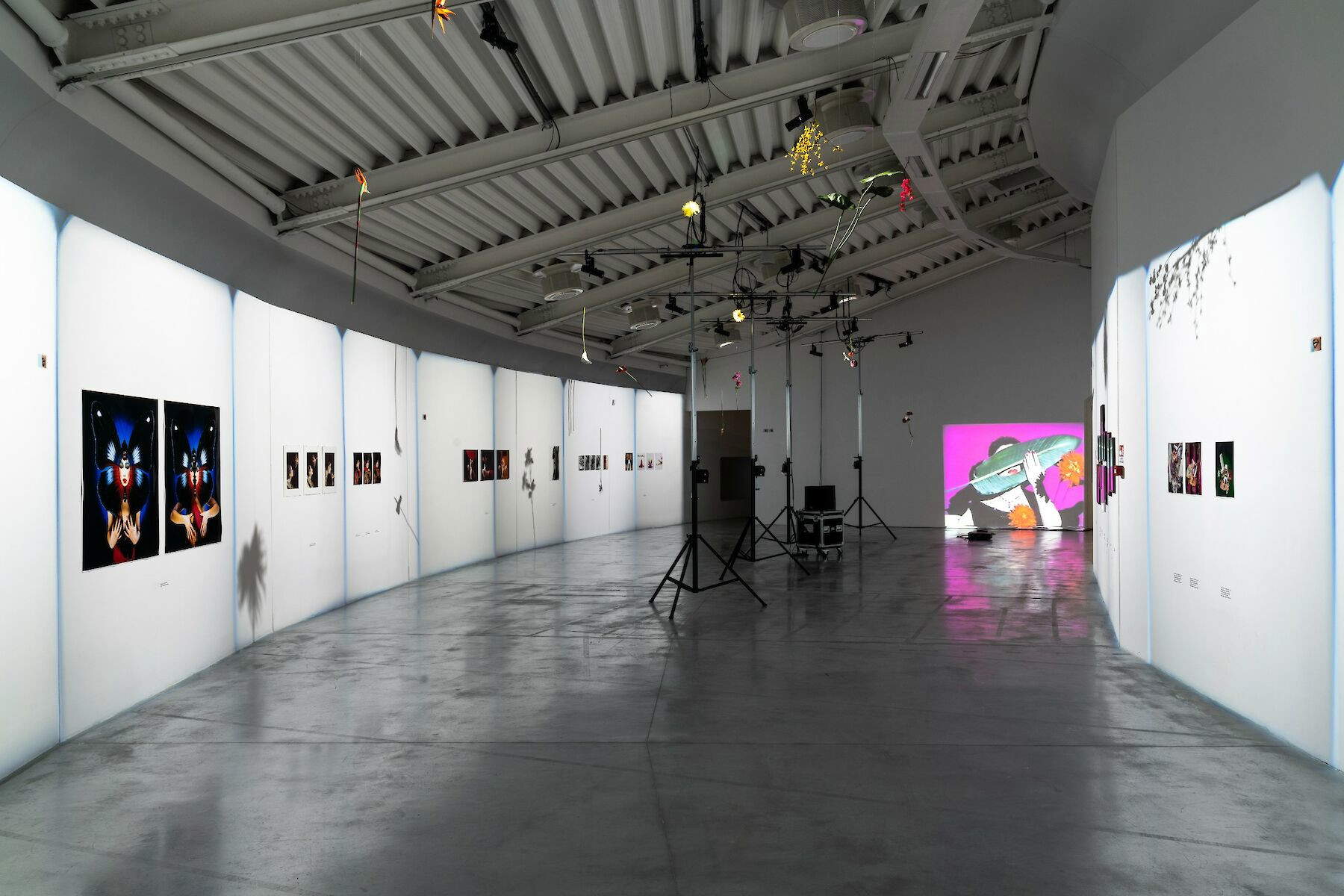
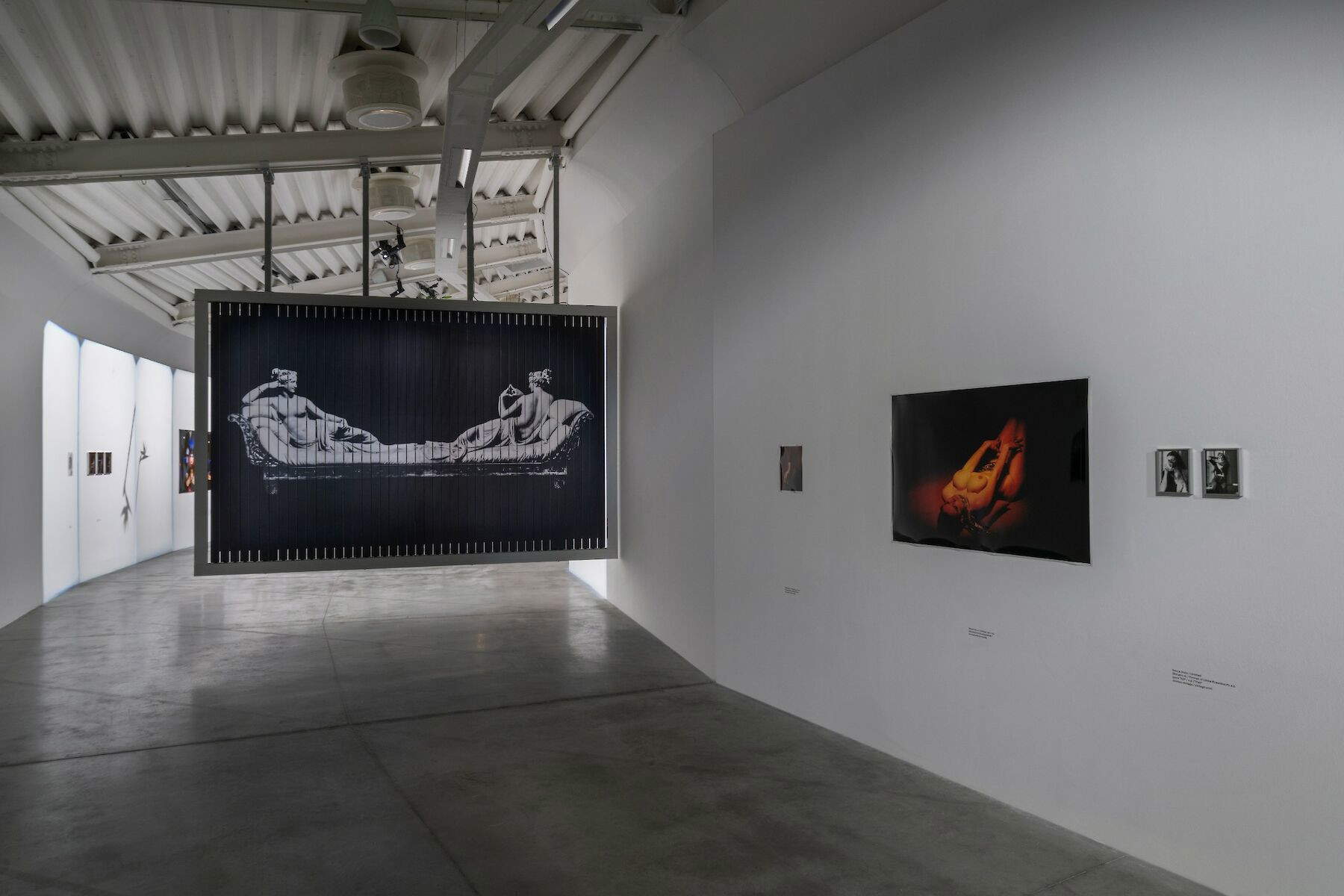
At the heart of Verita Monselles’s work lies the idea of a political and manifestly expressed female body. Women are no longer merely passive subjects of others’ gaze but become protagonists of their own image and desire. Sensuality and sexuality are thus liberated from an exclusively external representation and transformed into tools of self-determination.
CARNALE therefore aims to convey the complexity of a body of work that spans photography, performance, theater, fashion, and visual culture, showcasing the relevance of an artist who, through her images, has challenged the very way in which the female body is viewed and represented.
|
| Verita Monselles’s Women’s Photography on Display at the Pecci Center in Prato |

Warning: the translation into English of the original Italian article was created using automatic tools. We undertake to review all articles, but we do not guarantee the total absence of inaccuracies in the translation due to the program. You can find the original by clicking on the ITA button. If you find any mistake,please contact us.
























 IT
IT FR
FR DE
DE ES
ES CN
CN


