



by Redazione 16/11/2026


Categories: Exhibitions / Disclaimer
At the International Center of Photography – Scavi Scaligeri in Verona, a major retrospective traces the artistic explorations of Mauro Fiorese and Sergio Maria Visciano. From November 21, 2026, to January 10, 2027, the exhibition features 180 works and explores their unique ways of observing and interpreting reality.


Two artistic journeys, a friendship that began in Verona, and a shared belief that photography can reveal what often escapes the eye. This is the central theme of “Photography Changes Everything,” the exhibition running from November 21, 2026, to January 10, 2027, that pays tribute to Mauro Fiorese (1970–2016) and Sergio Maria Visciano (1969–2024), two leading figures in contemporary photography who developed much of their work in the city where they were born and established their careers. Held at the International Center of Photography – Scavi Scaligeri, in the heart of Verona, between Piazza Erbe and Piazza dei Signori, the exhibition is curated by Ettore Napione and Giusi Pasqualini and sponsored by the City of Verona. The exhibition brings together 180 works—100 by Fiorese and 80 by Visciano—reconstructing the key stages of their respective careers and highlighting the similarities, differences, and cross-pollinations between their artistic practices.

The bond between the two artists has its roots in Verona itself: first friends, then fellow students and collaborators, they even shared the same workspace for a time. The Scavi Scaligeri is also a significant venue for both artists. It was here that Mauro Fiorese made his debut in 2001 with *Two Spirits*, alongside Keith Carter, and later curated exhibitions dedicated to important masters of photography such as Jerry Uelsmann, Michael Kenna, Gianluigi Colin, and Duane Michals. In 2009, meanwhile, it was precisely in this setting that Sergio Visciano encountered the works of Mimmo Jodice—a discovery destined to profoundly influence his work and inspire the Statuae vivae project.


Mauro Fiorese: Photography as Discovery and Memory
The section dedicated to Mauro Fiorese traces a body of work that began in the 1990s, characterized by diverse subjects and visual languages, yet permeated by a constant question: what do we fail to see when we observe reality?

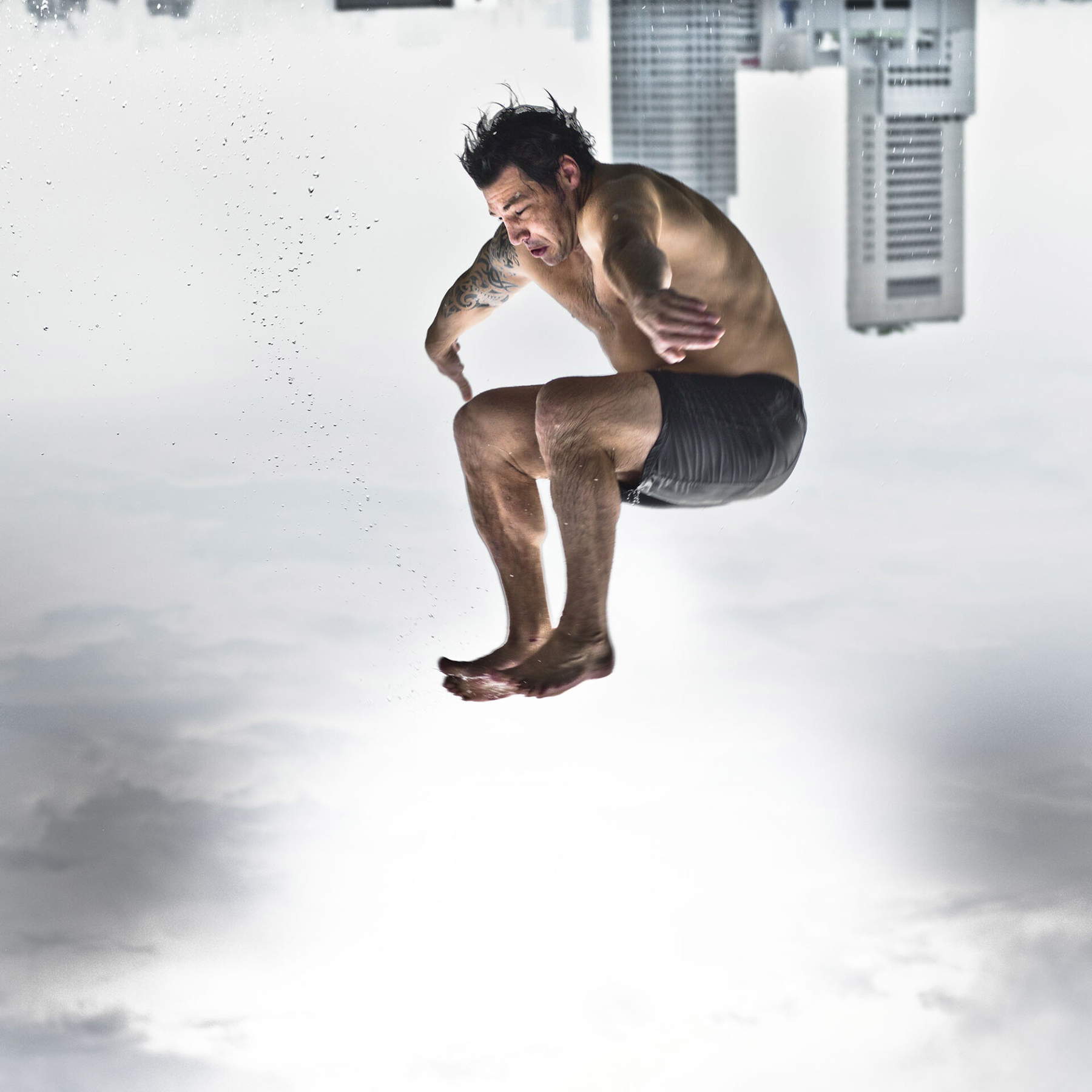
A prime example is *Prima lettura*, a project in which the photographer challenges the traditional relationship between image and reality through deliberately blurred photographs. By stripping objects of their immediate recognizability, Fiorese invites us to set aside our prior knowledge and interpretive frameworks, reclaiming a spontaneous gaze free from preconceptions. Blur thus becomes not merely a visual effect, but a tool for rediscovering the world as if observing it for the first time.
This approach to reality also takes on a human and social dimension in *Corpolibero* (1996–1997), a project aimed at raising awareness about disability. Through oblique shots, blurred images, and close-ups, Fiorese depicts the daily lives of people with disabilities in the institutions where they live, adopting a respectful and stereotype-free approach that restores their individual dignity. With *As Advertised* (1996–1999), the focus shifts to New York. The photographer explores the American metropolis without focusing on its most iconic elements, such as skyscrapers, streets, and cityscapes. Instead, the protagonists are minute details, chance encounters, and seemingly insignificant details, through which a different and unexpected city emerges.
Fiorese’s work also engages with the spiritual dimension in *Aula dei*, a photographic investigation compiled into an art book and dedicated to Christian symbolism, places of worship, and the behaviors of the people who frequent them.
Among his most original works is *U.Pho.S.*, a project conceived as a sort of international investigation in search of unidentified photographic subjects, comparable to UFOs. The photographer simulates extensive research in public and private archives and journeys to remote locations, presenting his images as artifacts from others’ or private collections. In reality, the subjects captured are everyday objects, such as manhole covers, tourist binoculars, and fragments of landscape. Isolated from their usual context, however, these objects take on an enigmatic and sometimes unsettling appearance, becoming difficult to recognize.
The theme of memory also runs through two major series of works: *Iconoclastic* (2007–2013) and *Treasure Rooms* (2014). In the first, Fiorese physically alters the photographic prints using utility knives and surgical instruments. The images are incised and transformed into one-of-a-kind pieces, in which wounds, scars, and erasures become metaphors for memory and the traces left by time. With *Treasure Rooms*, on the other hand, the artist explores Italy’s collective cultural heritage by photographing vaults and storage areas in some of the country’s major museums—places where works of art and artifacts documenting our history are preserved. A more personal dimension emerges in *Libra in Cancer*, Fiorese’s most intimate project, conceived as a visual diary of illness. Taken with an iPhone, the photographs document his journey through self-portraits, details of his body marked by medical treatments, brief phrases encountered by chance, and ironic images—such as that of the unusually long lifeline on the palm of his hand. Religious symbolism also reappears in this work, alongside the search for a possible cure, documented during a trip to the United States. Hope thus intertwines with the artist’s interest in mystery and in that which cannot be explained.
The exhibition also features *GapLand*, Fiorese’s latest project, whose title evokes the idea of a passageway and an interval. At the heart of this exploration is the wounded body: the photographer portrays himself as a modern Saint Sebastian, revealing the scars and marks left by the numerous surgeries he has undergone. The image does not seek to evoke martyrdom in a religious sense, but rather to recount a real experience through the body, allowing the wounds to become a visible testament to the illness.
Sergio Maria Visciano: From Classical Sculpture to Earth Seen from Space
The exhibition dedicated to Sergio Maria Visciano opens with a series of photographic illustrations inspired by some of the most famous passages from Dante Alighieri’s Divine Comedy, collected in a small volume published by Edizioni Valdonega in Verona. These are elaborate compositions in which the photographer blurs the figures, employing a visual technique reminiscent of Mimmo Jodice’s work. The influence of the Neapolitan master is particularly evident in *Statuae vivae*, a project whose final version comprises twenty-seven photographs dedicated to classical sculptures housed in museums in Rome, Naples, and Baia. The statues become the focal point of an exploration that goes beyond the mere documentation of ancient works, transforming them into presences capable of suggesting new interpretations.
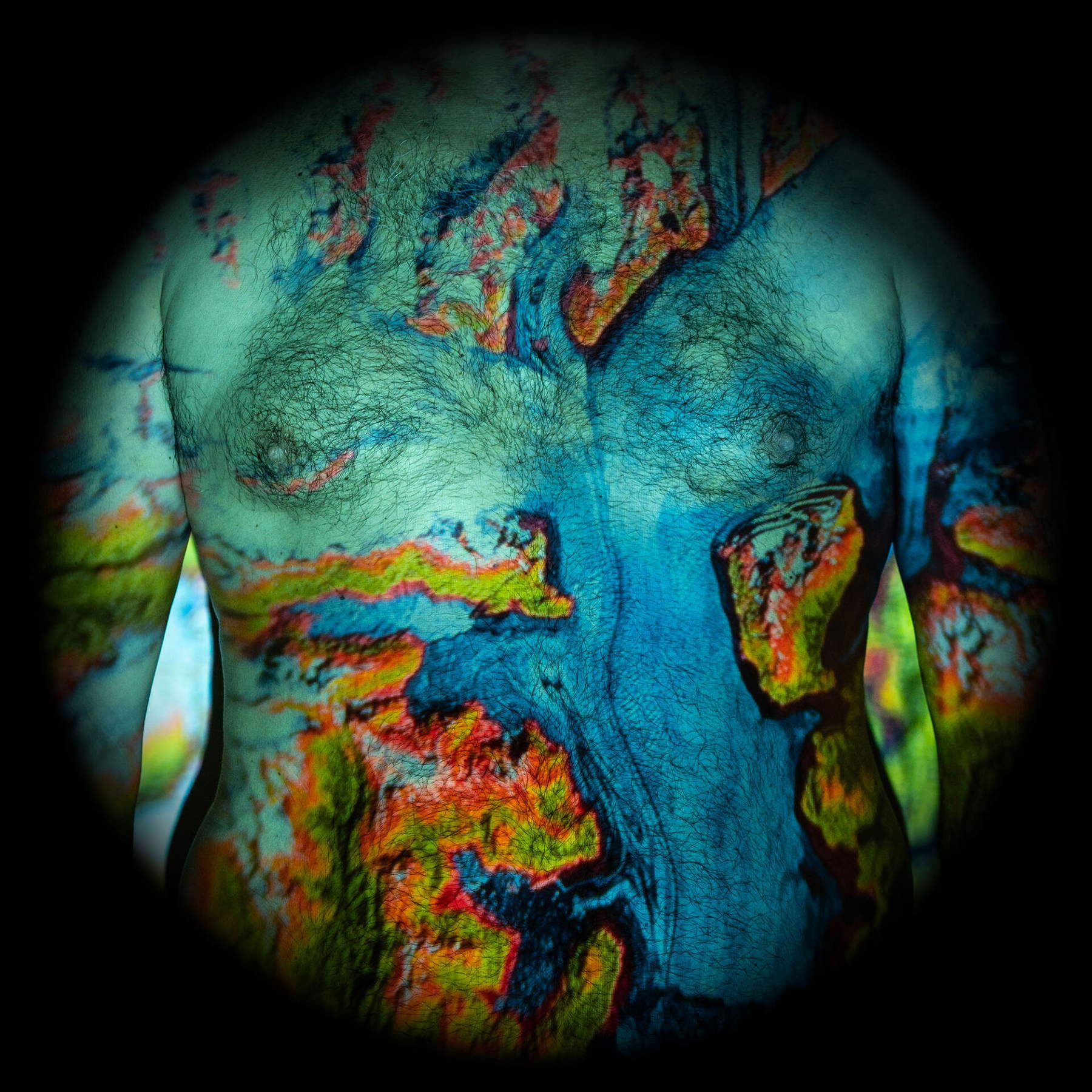
Among the most significant works in Visciano’s body of work is *Earth* (2023), a series in which the artist—who was also a geologist—addresses the critical conditions facing our planet. Images of Earth taken from space, characterized by intense and evocative colors, are projected onto the torso and back of a naked human body. The skin is thus transformed into a three-dimensional canvas, upon which the planet’s forms and geographies are superimposed, creating a visual relationship between the human body and the natural environment. The exhibition concludes with *Destinazione Paradiso* (2024), a landscape project that remained unfinished due to the artist’s passing. The photographs preserved in his archive suggest a possible return to a more direct relationship with reality, through images dedicated to the beauty of natural landscapes and historic sites.
Accompanying *Photography Changes Everything* are two monographic publications published by Cierre Grafica. The volume dedicated to Mauro Fiorese is edited by Giusi Pasqualini, while the one on Sergio Maria Visciano is edited by Barbara Lavanda and Ettore Napione. Both publications help to explore the work of the two photographers in greater depth and document their significance within the contemporary art scene. Admission to the exhibition is free, and free guided tours are offered every Saturday. This decision reflects the spirit of the initiative: to bring the works of Fiorese and Visciano back to their city, paying tribute to two artists who have helped shape Verona’s photographic history and who continue to offer new perspectives on how we view the world.
“In an age dominated by images, in which photography has become the primary language through which we relate to the world, it is important to rediscover the value of a gaze capable of questioning reality, evoking emotions, and raising questions,” comments Marta Ugolini, Councilor for Culture, Tourism, and Relations with UNESCO for the City of Verona. “After more than ten years of closure, in February 2026 the City Administration reopened the International Center of Photography in Verona, with the ambition of making it not only a striking exhibition space but a vibrant hub of cultural production, capable of showcasing—alongside the great international masters—the talents of our local community. This is how ‘Photography Changes Everything’ came to be, dedicated to Mauro Fiorese and Sergio Maria Visciano, who, in these very spaces and in different ways, found opportunities for growth, exploration, and artistic exchange. It is a tribute to their sensibility and talent, but also to the history of photography in our city. The project, conceived specifically for the Scavi Scaligeri and carried out by the City’s Department of Culture, reflects our commitment to making this place a gathering spot for the community. The decision to offer free admission, along with guided tours on Saturdays, embodies our vision of culture as a shared resource, accessible to all. Special thanks go to Giusi Pasqualini, Ettore Napione, and Barbara Lavanda for the expertise and passion with which they contributed to the realization of this exhibition project, which has woven together art, memory, and civic identity.”
The exhibition is open to the public Tuesday through Sunday from 10 a.m. to 6 p.m. Special opening on Monday, December 7.
Admission is free.
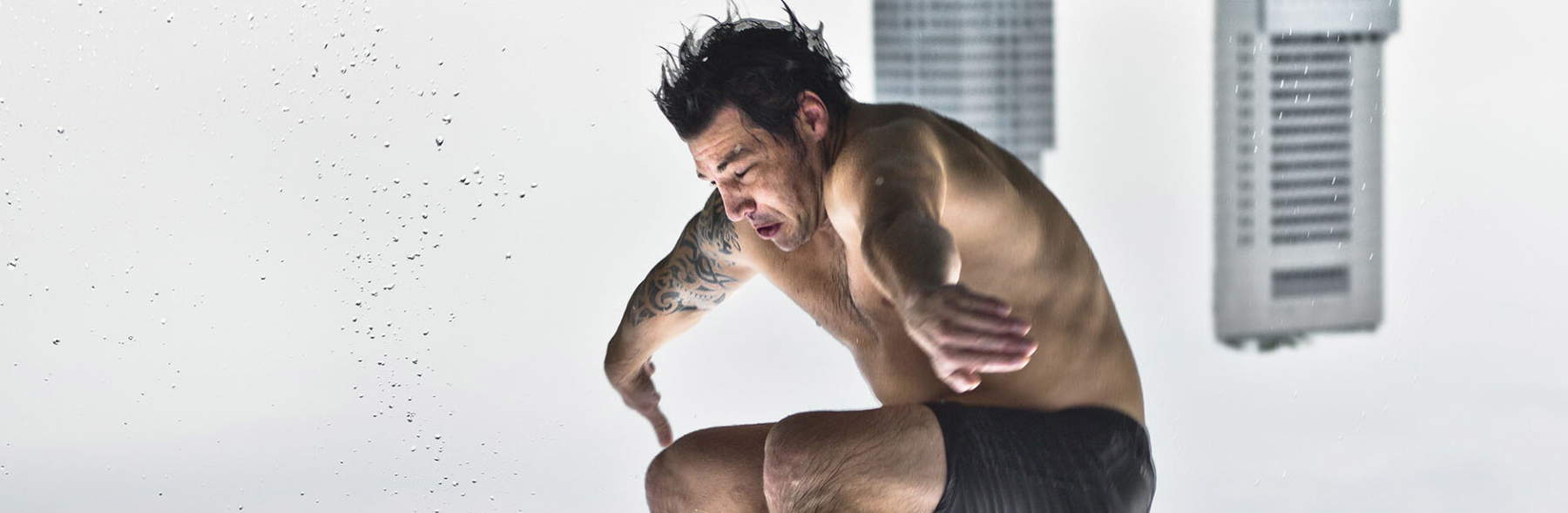 |
| What do we miss when we look at the world? Verona celebrates two leading figures in contemporary photography with 180 works |
Warning: the translation into English of the original Italian article was created using automatic tools. We undertake to review all articles, but we do not guarantee the total absence of inaccuracies in the translation due to the program. You can find the original by clicking on the ITA button. If you find any mistake,please contact us.