




by Gabriele Landi 23/11/2026



Categories: Interviews / Disclaimer
The mountains surrounding Monterrey, nature’s organic forms, and a material that refuses to be dominated: Mexican artist Andrés Anza discusses his artistic exploration of ceramics in this interview with Gabriele Landi.


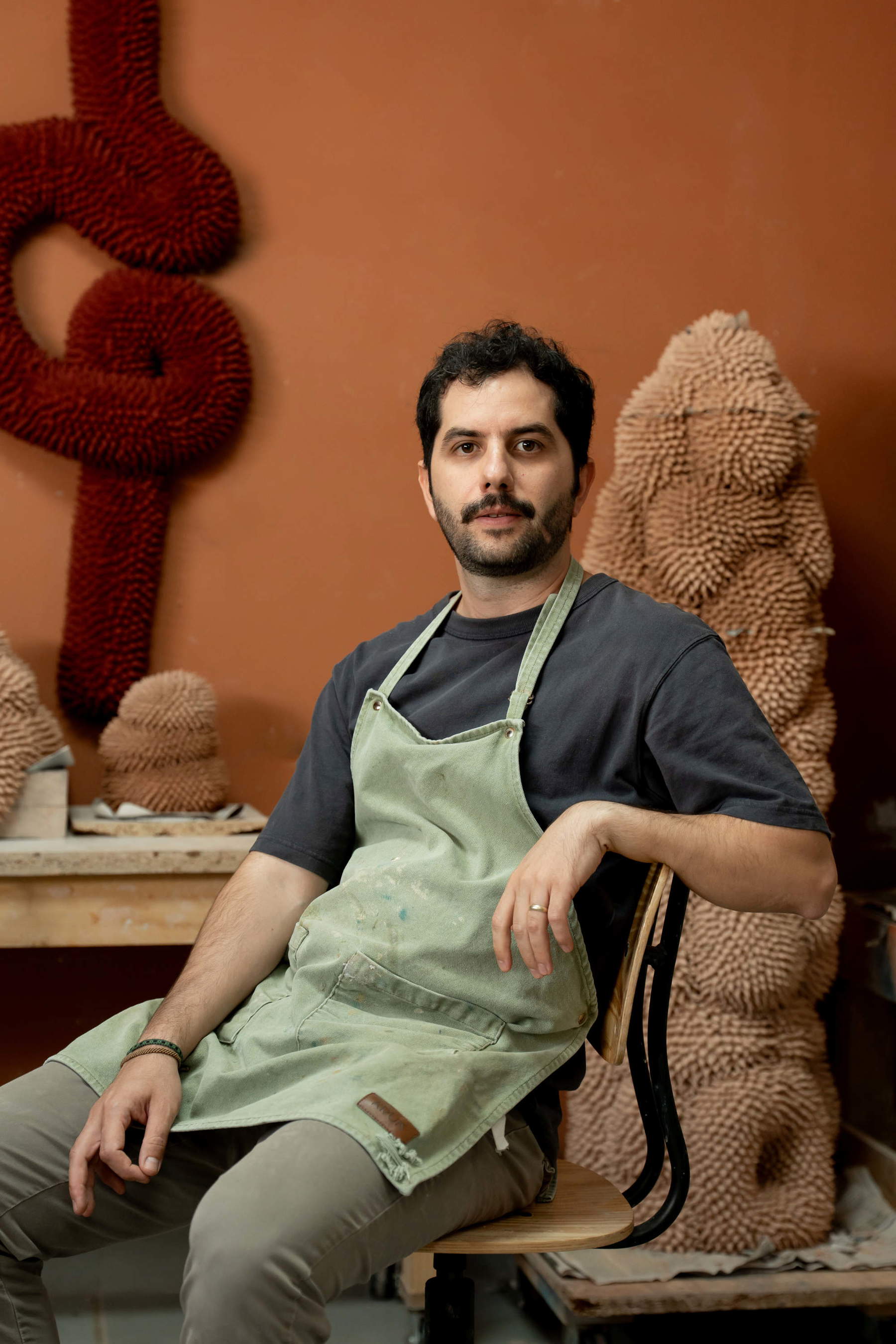
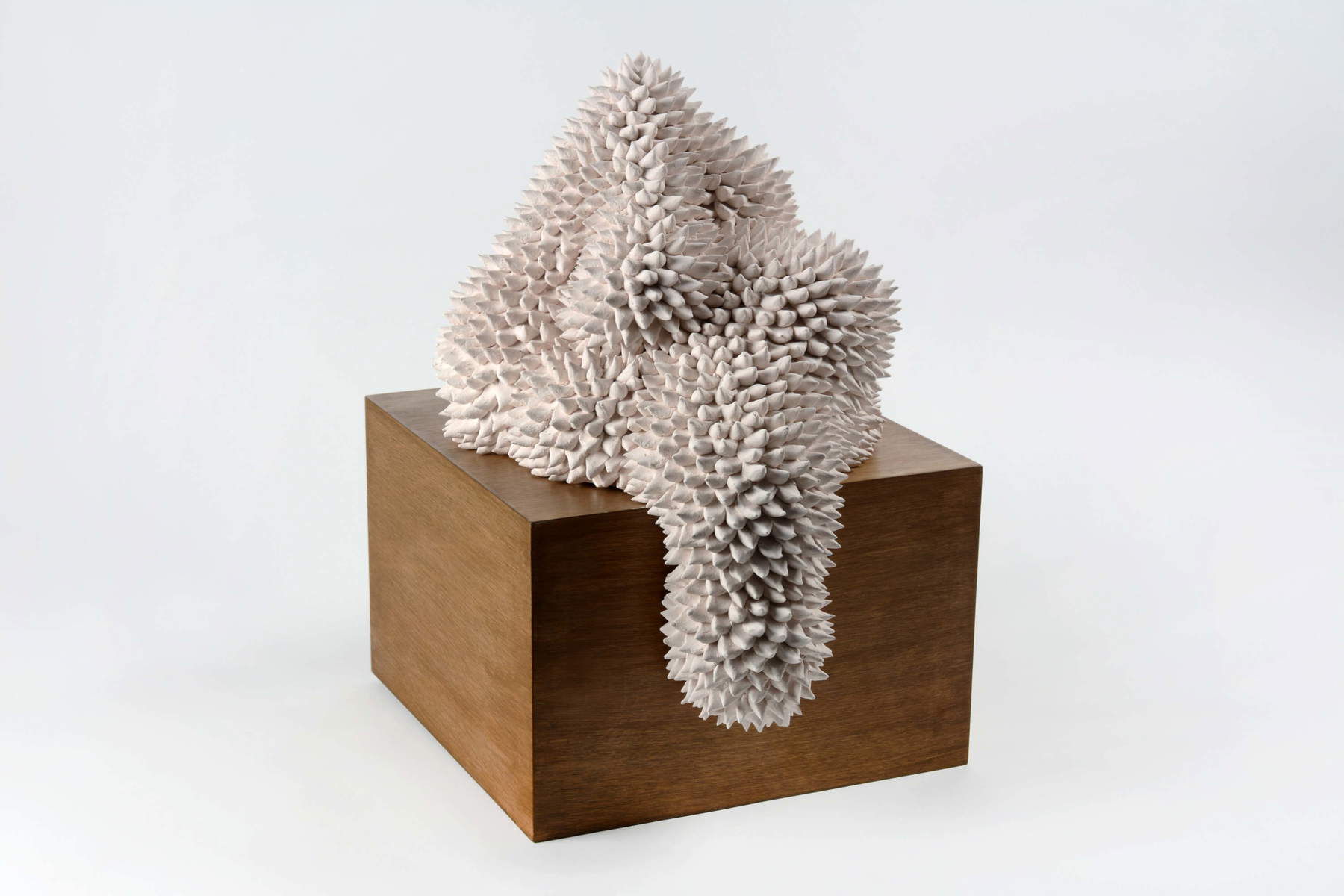
For Mexican artist Andrés Anza (Monterrey, 1991), clay is not merely a material to be shaped, but a collaborator with whom to forge a relationship built on listening, collaboration, and constant discovery. His sculptures seem to belong to an unknown natural world, populated by organisms with branched forms, jagged surfaces, and complex structures, as if they had grown spontaneously in a mysterious ecosystem. Born in Monterrey, Mexico, in 1991, Anza has found his primary means of expression in ceramics, developing a body of work in which artisanal craftsmanship meets formal experimentation and the unpredictability of the material. Winner of the 2024 Loewe Foundation Craft Prize, he has exhibited his work at the Emerging Art Biennial and the UNAM Biennial, as well as at international institutions such as the Palais de Tokyo in Paris and the Museum of Science and the Arts in Mexico City. On the occasion of the exhibition *Paisaje a la montaña* at the Anna Marra Arte Contemporanea gallery in Rome, Gabriele Landi interviewed him to explore his conception of nature, his relationship with clay, and the creative process that brings his striking sculptures to life.


For most artists, childhood represents the golden age when the first signs of a certain inclination toward what we generally call creativity begin to emerge. Was that the case for you as well?


As a child, I was very curious: my parents instilled in me a love of nature and exploration. I also loved to draw: it was a form of expression I couldn’t find in words, books, sports, or those screens that now take up so much of our time. During my teenage years, I started drawing almost every day, as if it were a sort of diary. I think that’s what made me realize I wanted to devote myself to something creative, even though I hadn’t yet realized I could pursue an artistic path. That realization came much later.


How did your training unfold, and were there any encounters during that time that proved to be significant?
I decided to study art, even though it wasn’t part of my initial plans. I had considered architecture or design, but only because I didn’t know it was possible to earn a degree in art. Once I discovered that, I realized I didn’t want to design houses or furniture; I wanted to keep drawing, but as a means of expression. My education took place entirely in an academic setting, since I still didn’t have a clear idea of which direction to take. While I was still a student, I was invited to work as an assistant in the studio of the ceramic sculptor Mauricio Cortés, my mother’s brother. It seemed like a great opportunity to have a part-time job related to art, even though I knew absolutely nothing about sculpture, let alone ceramics. I never would have imagined that this material would become my preferred medium of expression; the connection with clay was immediate. Since then, I’ve been in touch with this material every single day of my life. In Mauricio’s studio, I learned a great deal: not only the technical aspects, but—more importantly—how to live the life of an artist: how to run a studio, how to interact with collectors, and how to talk about one’s work. The five years I spent with Mauricio were like a master class; they allowed me to grasp many aspects that would otherwise have taken me years to understand.
How has your work evolved over time?
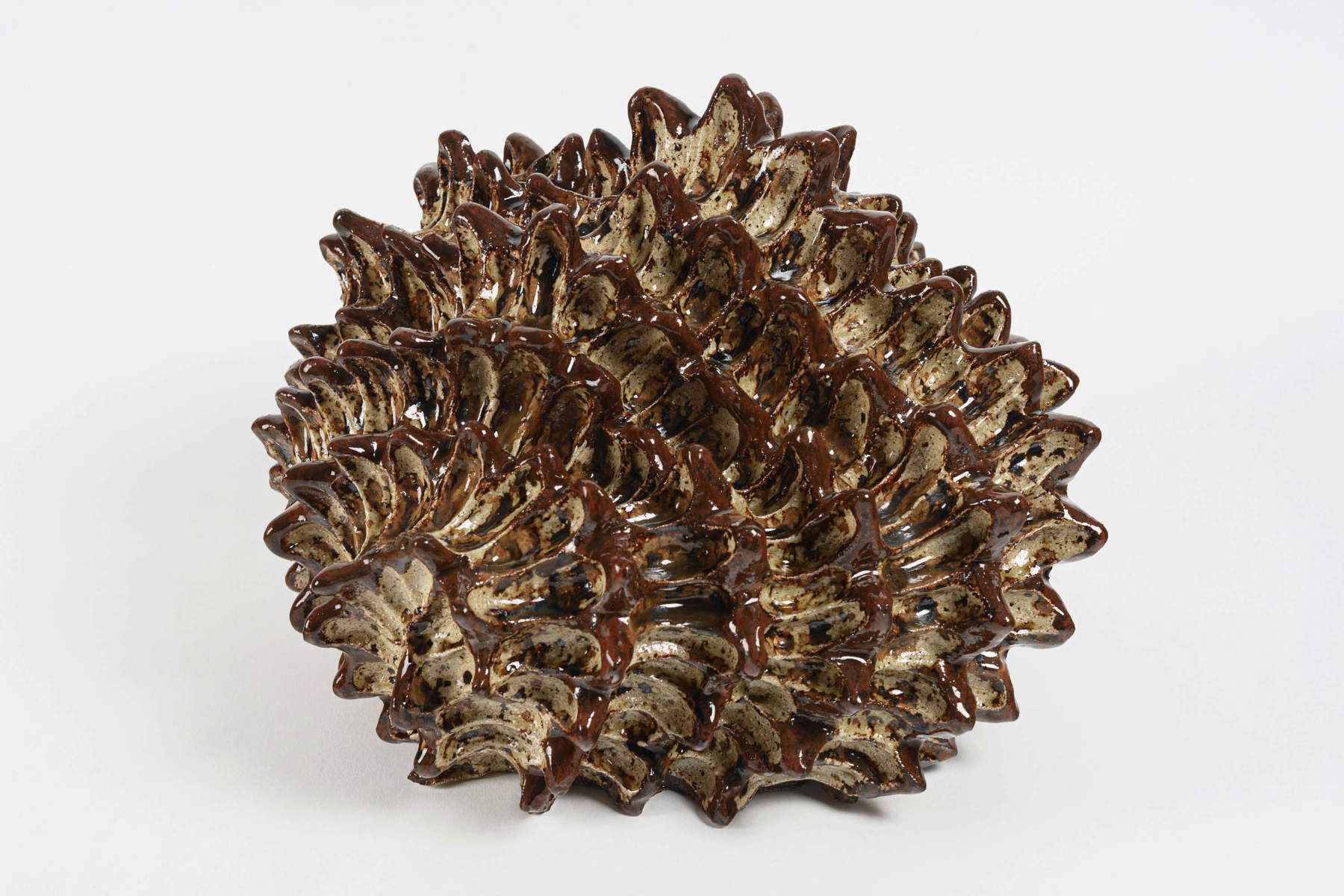
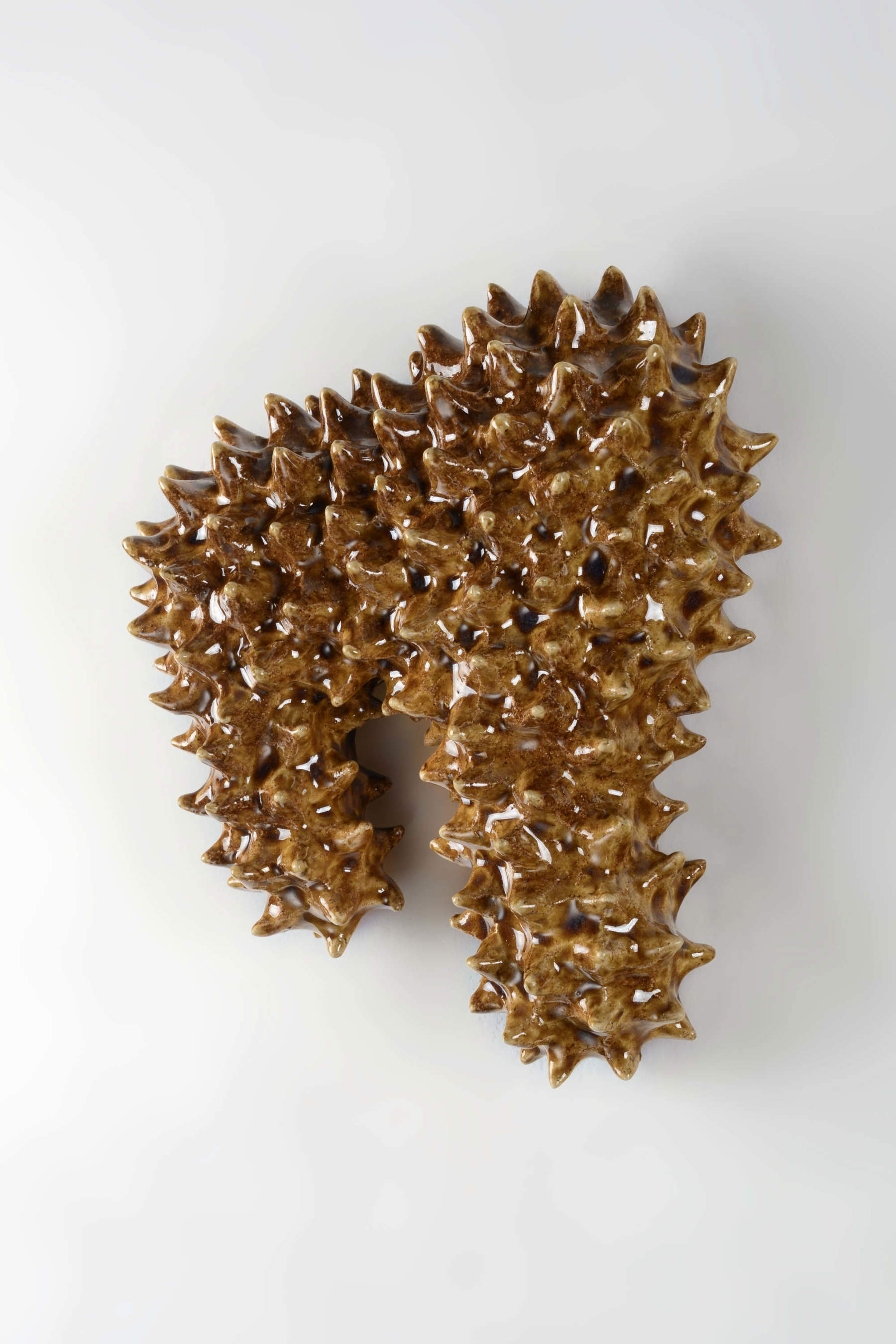
From the very beginning, my artistic practice has centered on the human figure; I understood art primarily through the human portrait. It took a long process of experimentation with materials for me to realize that I felt more at ease working with abstract and organic forms that do not directly refer to reality. Always on the lookout for natural elements, I would observe the details that caught my eye and then incorporate them into my work. From a technical standpoint, I’ve always preferred hand-building, a process that feels very natural to me. That said, I’ve recently started experimenting with glazes: a step outside my comfort zone, since I don’t have full control over the final result. Yet I find this aspect fascinating: it gives the works a more organic quality, a vibrancy that can only arise from the unpredictable (organic) chemical reactions that take place inside the kiln.
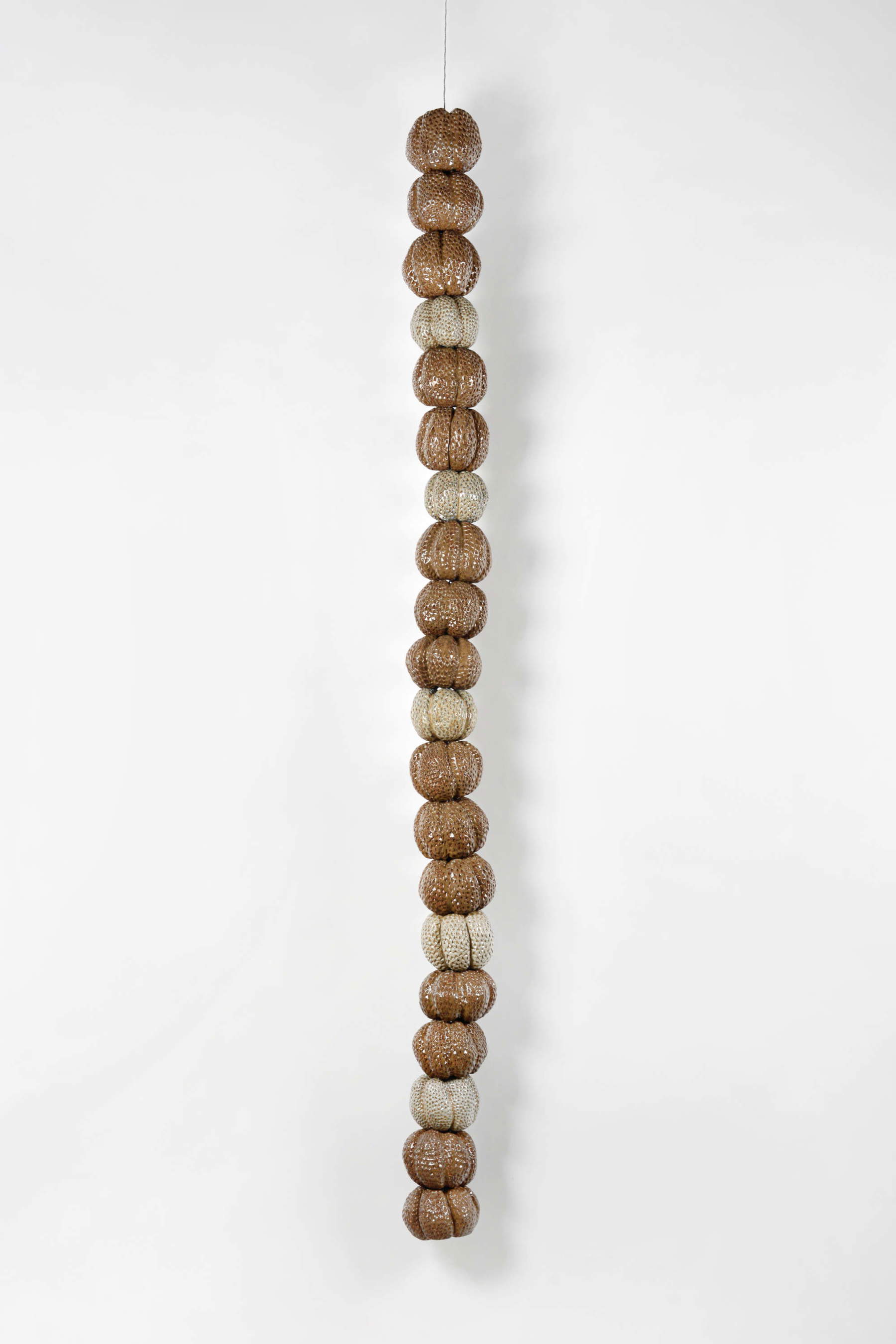
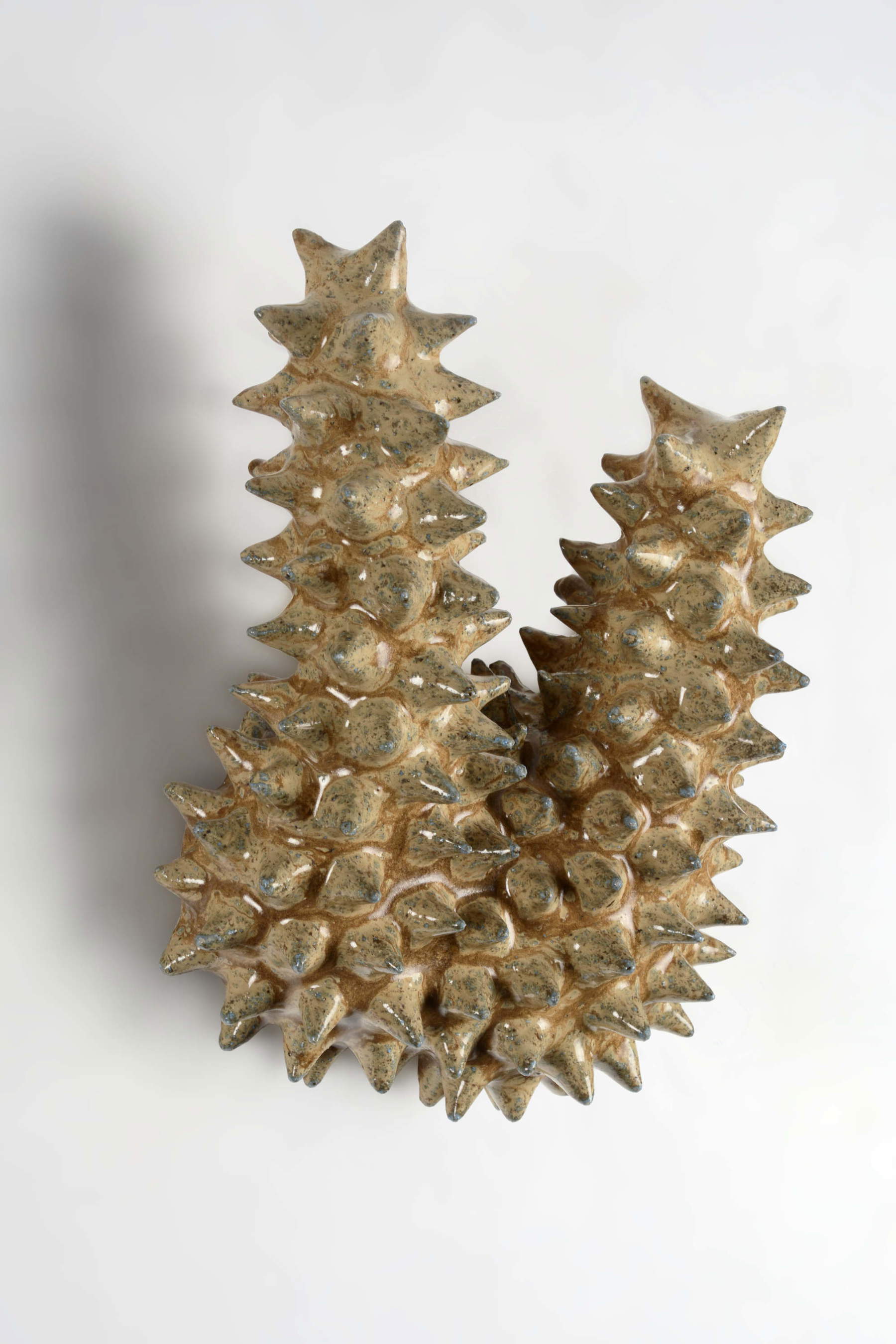
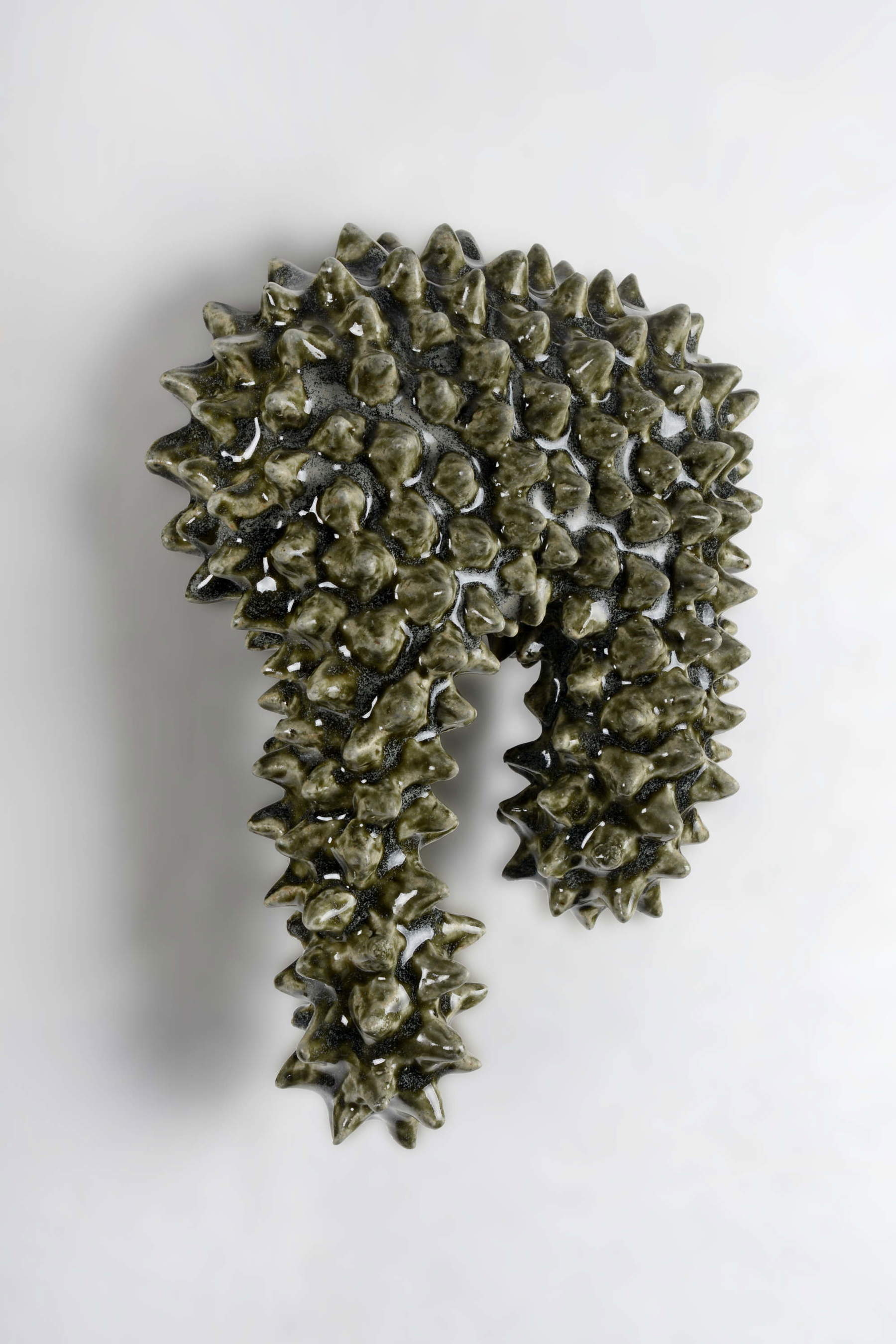
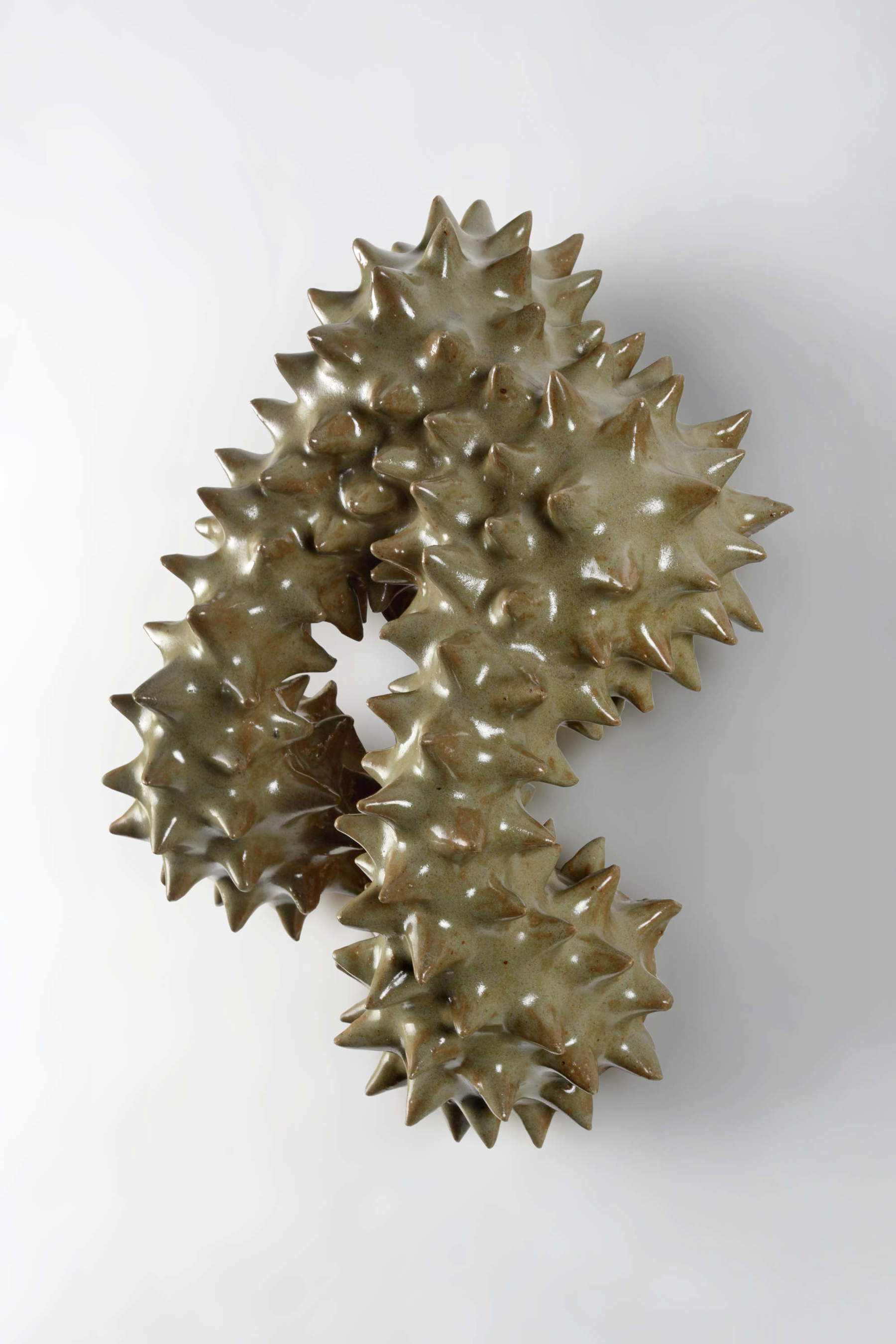
I’d like to ask you to share your idea of nature and explain the title of your current exhibition in Rome, *Paisaje a la montaña*, at Anna Marra Arte Contemporanea.
The city where I live is a desert city, where there is little interest in protecting the few remaining “green lungs.” It is an industrial center, with an identity tied to metal, concrete, and a certain idea of “prosperity” (a form of modernity that is, in some ways, absurd). Living here means, in a sense, feeling cut off from the natural world; yet, one need only look up to discover that we are surrounded by magnificent mountains. Ever since I was a child, I’ve sensed that we live constantly enveloped by nature, despite the disregard that we, down here, continue to show toward it. For me, the mountains are an integral part of the urban landscape. It is remarkable to reflect on how certain places expand and grow as they are inhabited by an ever-increasing number of people. Here we are limited; perhaps it is precisely these limits that create a boundary, a sort of wall that prevents us from looking beyond. This body of work, which I am presenting at the Anna Marra Gallery, is a recognition of the elements I discover within that embrace, within that boundary that constrains us, yet at the same time serves as an embrace for the individual who lives trapped between concrete and pollution.
What role do time and space play in your work?
For me, time is interesting as a reflection of what is alive: everything that has moved, leaving a trace of change. I believe there is something reassuring in knowing that the world around us is alive, even when it appears motionless or static. Life captures our attention because we identify with it.
How important are the materials you use to you?
I consider ceramics to be a partner; the relationship we’ve established is similar to that of a couple: a bond in which decisions are made together, without either party establishing a hierarchy in which one element prevails over the other. It’s often said that ceramics is a very noble material (and perhaps it is), but it can also be stubborn. If you try to impose all your conditions on it, it resists, and the results can be disastrous or simply unattractive: pieces that appear rigid and lacking in personality. Since my goal is for my work to represent life, it is essential that the pieces possess that distinctive quality found only in organic forms. Clay is a profoundly natural material: earth and water, dried by air and fired by fire; all the elements are present. It is natural, therefore, that such a material should seek to recreate the organic, the natural world. By allowing the material to have its say in the construction process, the original concept inevitably changes; yet, in my view, it is precisely this synchronicity that makes each piece unique.
In the past, you’ve often used very bold colors in your sculptures, something that isn’t present in this series, Romana. What role does color play in your work?
This change stems from a journey of exploring the limits of ceramics, which allows me to achieve effects that can only be realized through fire—effects I could never have imagined on my own. For this reason, I am grateful for the contribution the material itself makes. Previously, I felt the need to control the color, making sure the glaze was perfectly uniform. Over time, I’ve let go of that fear, learning instead to embrace the element of surprise when opening the kiln. I’ve chosen a more organic color palette: shades one might encounter while traversing the mountains surrounding Monterrey.
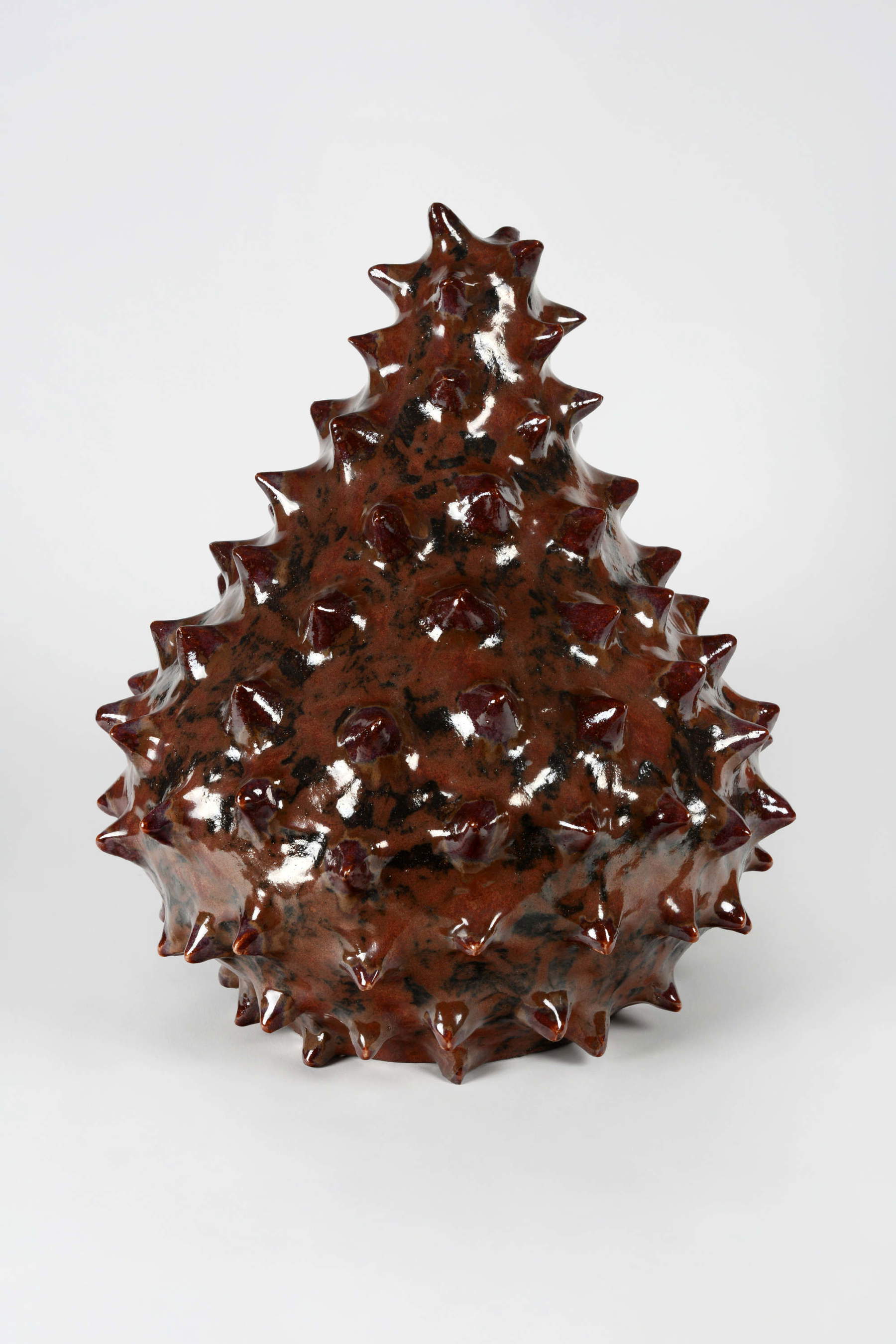
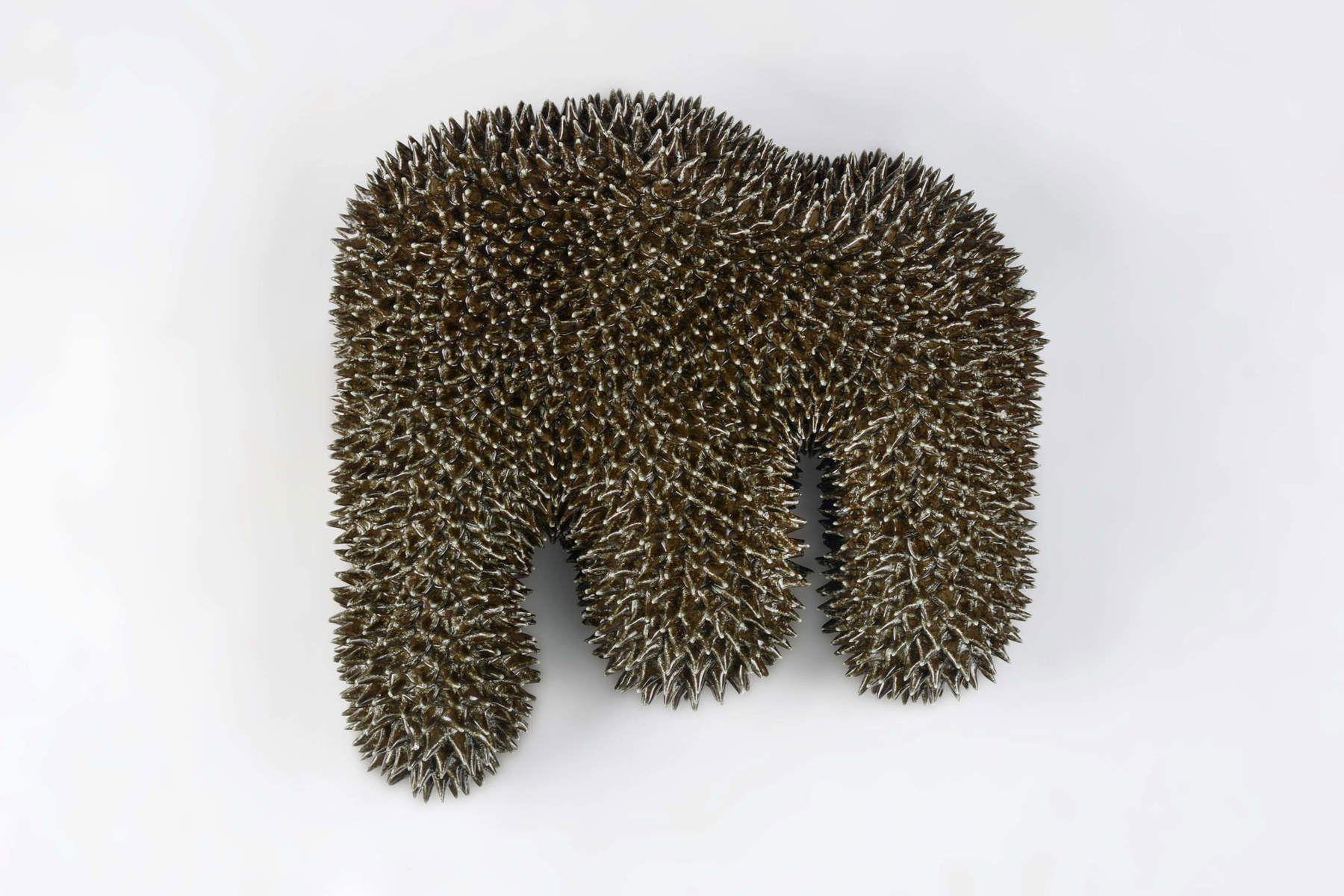
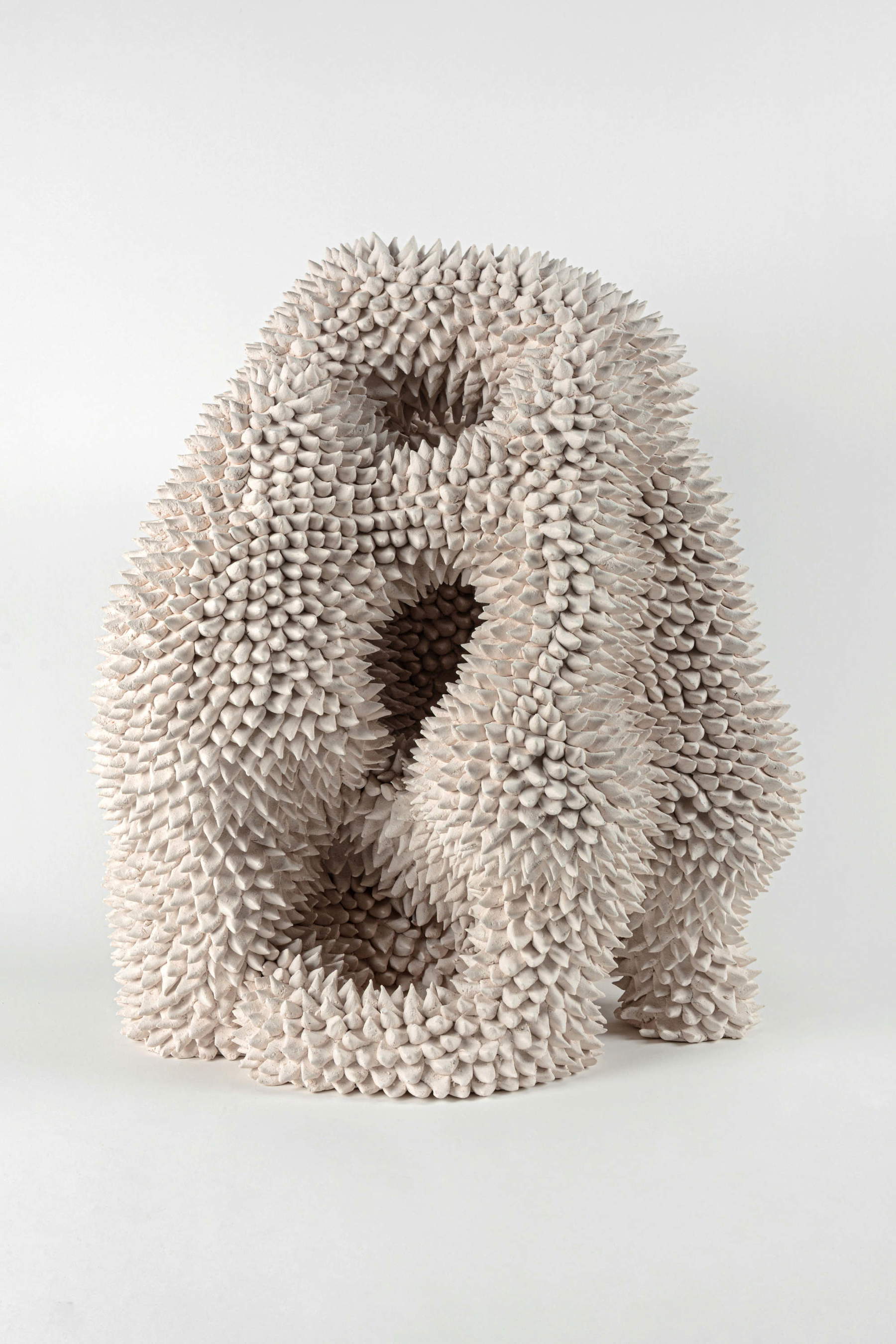
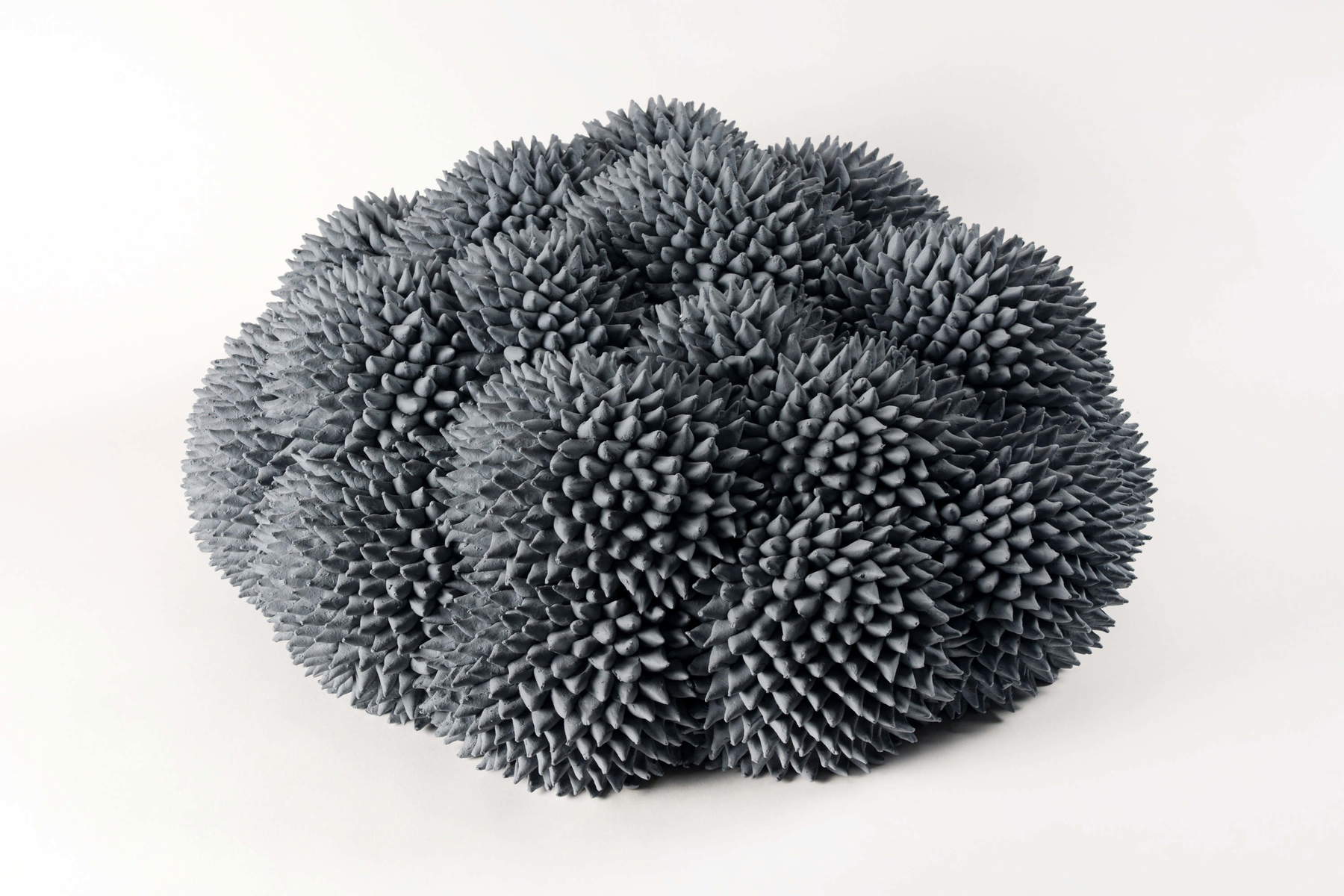
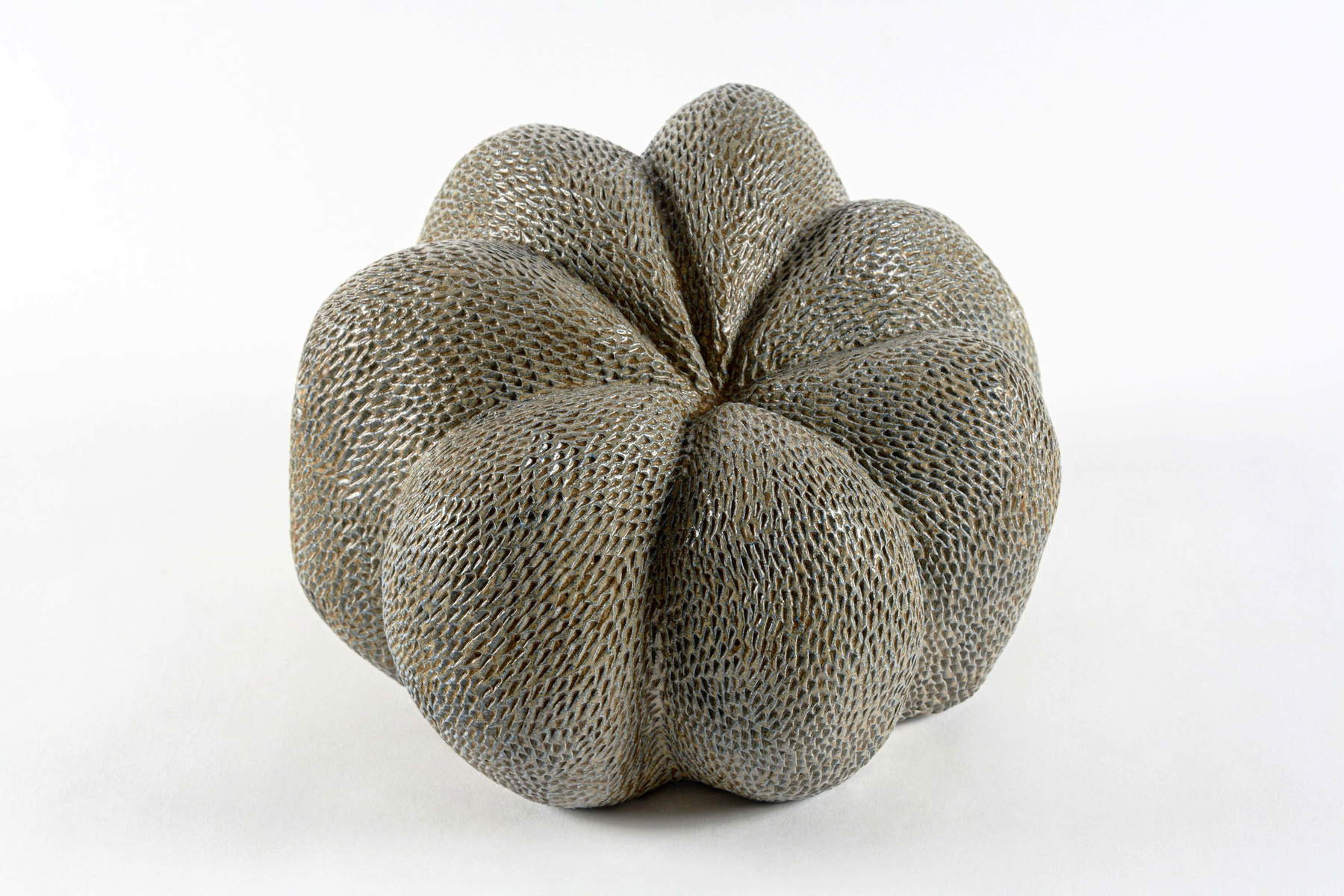
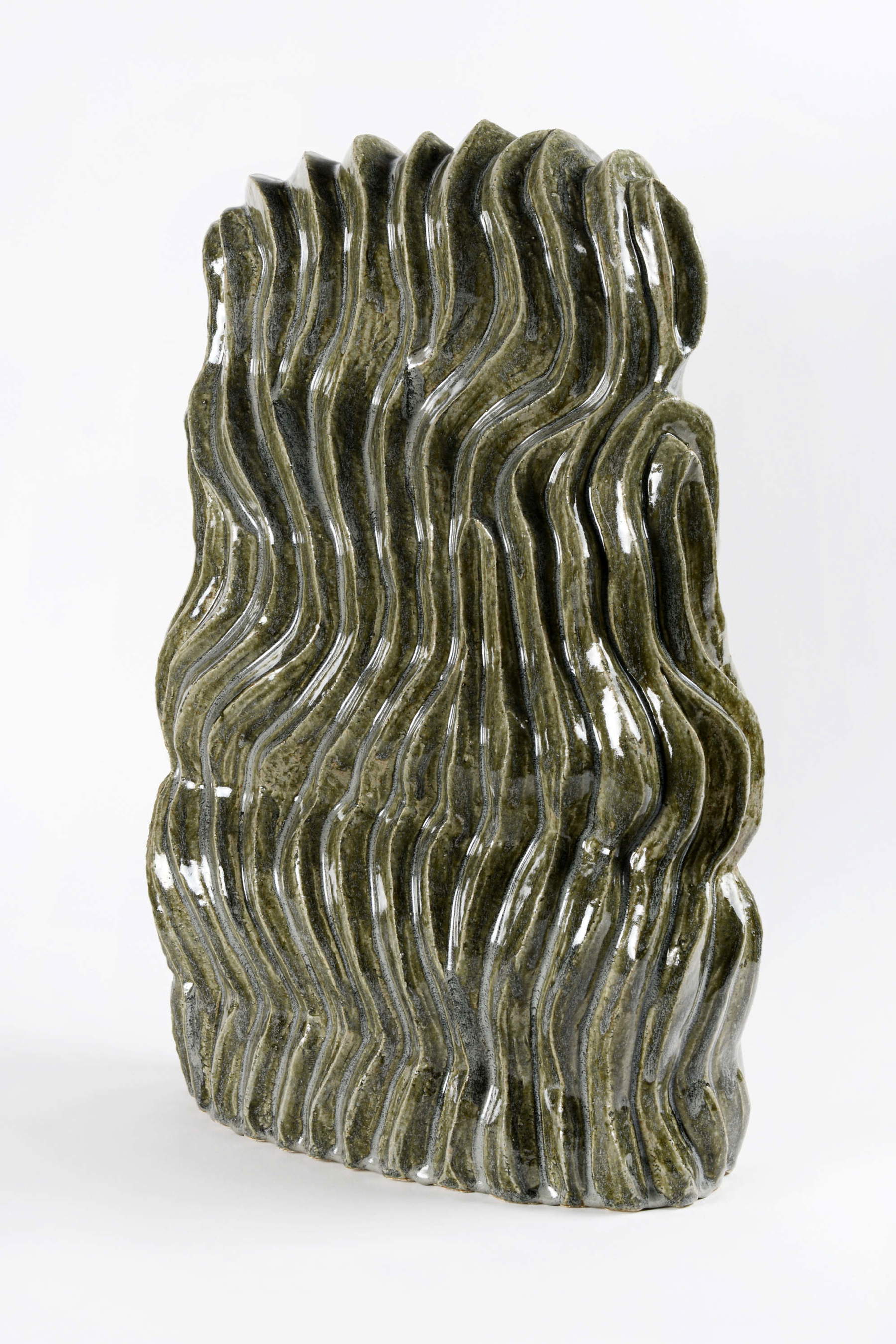
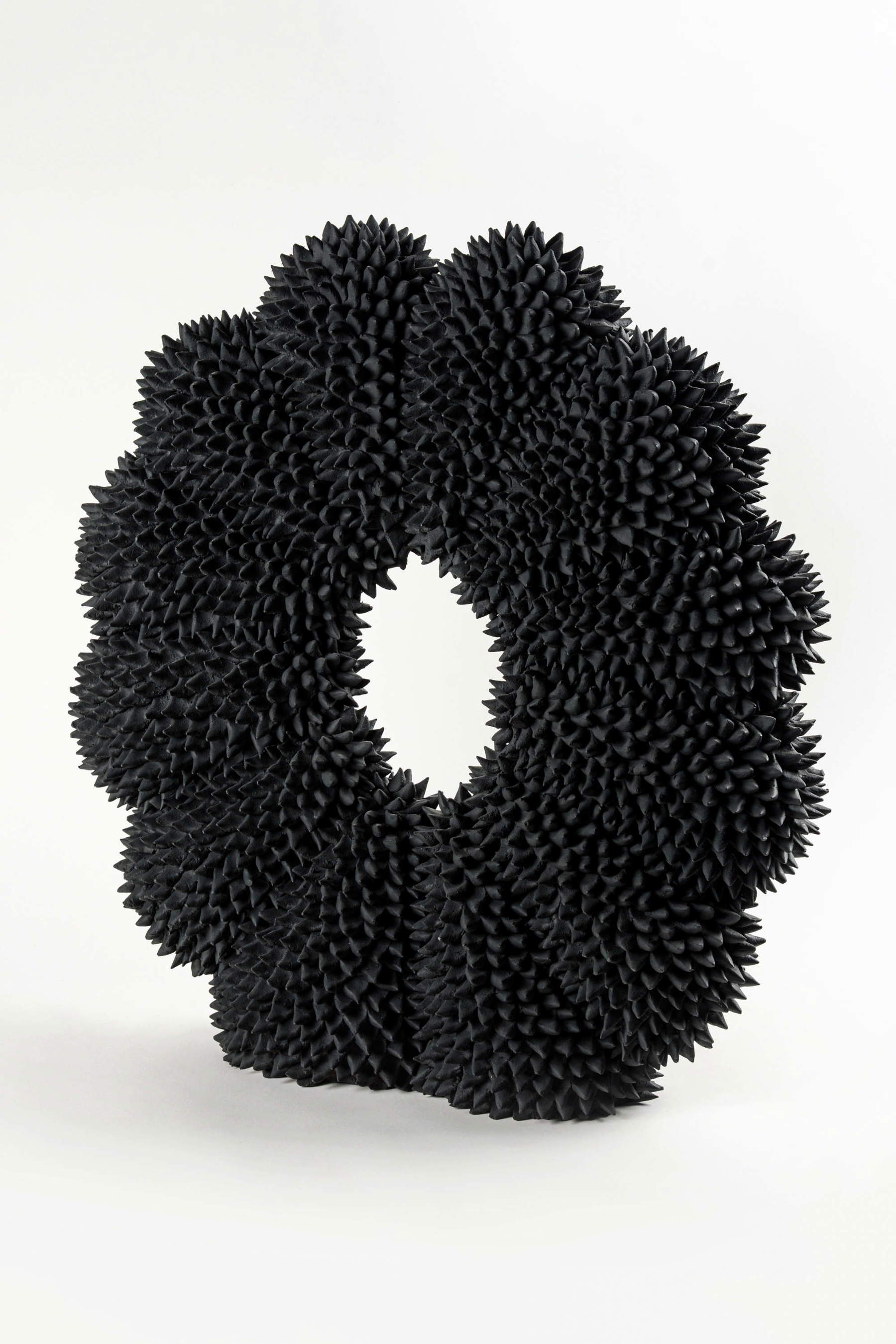
When Marina Dacci told me about your work, I understood from her account—and this was later confirmed when I read her text introducing the exhibition *Paisaje a la montaña*—that she had been deeply struck by the invisible part, the internal structure that serves as the skeleton of these organisms you create: So I’d like to ask you to describe your creative process.
Ceramic works must always be made with hollow forms; for technical reasons, in fact, solid pieces could explode inside the kiln (the core might contain moisture or trapped air that, when heated, would cause the object to break). There are three main approaches to creating hollow forms: using a potter’s wheel, slip casting, or hand-building. I use the latter—hand-building—a technique I learned from my uncle, Mauricio Cortes. While working in his studio and helping him create his large-scale works, I was learning, without even realizing it, an extremely complex technique. At the time, it seemed like the norm to me; I didn’t know any other way. You start by preparing clay coils (long, snake-like strands of clay) to build a cylinder, a sphere, or any other shape you can imagine. When working on a very tall piece, for example, you need an internal structure to support it. Some use crumpled paper, metal, or sponges; I, however, was taught to create a sort of grid, made up of columns and beams fashioned from the same clay. In this way, the internal structure contracts and expands in step with the piece’s own rhythms and temperatures, preventing damage such as cracks or fissures. This transmission of knowledge holds deep significance for me, as I consider myself a second-generation potter within my family. The legacy of knowledge is a hallmark of traditional craftsmanship in my country: it is therefore fitting that, just as I incorporate traditional artisanal elements into my work, the methods and techniques I use are also rooted in this inherited tradition. I create a form and then cover it with thousands of points, which I apply one by one. Such additional weight could never be supported without an internal structure.
When you start a piece, do you already have a clear idea of how it will develop, or is there room for changes as you work? Does chance play a role?
At the beginning, I have a very precise idea of what I’m looking for. As for dimensions, the limits are almost always evident right from the start: the kiln, for example, sets a fundamental parameter. Furthermore, I begin by building the piece on a wooden board, which serves as the base for my work and allows me to move the piece around the studio. Consequently, the moment I choose the dimensions of the board, I already know the scale of the piece. As for the form, I have a general idea of the direction I want to take, but the clay itself inevitably plays an active role, leading to further changes. That’s why I rarely create models or sketches; I like to be surprised by the process and the final result. I wouldn’t call it chance: I would call it, without a doubt, intuition.
The idea of creating an environment often recurs in your work—is that how you approached the installation you created for this exhibition in Rome?
Ever since I saw an exhibition by the Brazilian artist Ernesto Neto, I’ve been fascinated by the idea of a work that interacts with both the space and the viewer. The nature of my work always invites reflection. And in any ecosystem—especially within private spaces—I prefer that the artwork go, in a sense, unnoticed, whether it’s placed on a wall or on a pedestal in a home, as if it had grown there spontaneously. I want its growth and movement to appear so organic that they might eventually capture the attention of a curious observer. However, when I organize an exhibition, I love to focus on the staging, allowing the individual pieces to interact with one another to create a specific atmosphere. For this exhibition in Rome, I believe we’ve taken this approach to a particularly evocative outcome. My goal was to create an ecosystem capable of enveloping the visitor, incorporating the visual elements I observe in the mountains surrounding my city. It was Marina Dacci’s idea to further enrich the exhibition by incorporating plants that would reinforce this concept; the gallery did an excellent job of sourcing species native to my homeland. It was a source of great pride to see this ecosystem set up within the exhibition space.
Warning: the translation into English of the original Italian article was created using automatic tools. We undertake to review all articles, but we do not guarantee the total absence of inaccuracies in the translation due to the program. You can find the original by clicking on the ITA button. If you find any mistake,please contact us.