



by
Noemi Capoccia  @noe_capo
19/11/2026


Categories: Interviews / Disclaimer
After fifteen years, Podbielski Contemporary is winding down its exhibition activities in Milan. In this interview with Noemi Capoccia, Pierre André Podbielski looks back on the gallery’s history, reflects on the changes in the photography market, the challenges of contemporary collecting, and the new ways in which he intends to continue working in the art world.


After fifteen years of operation, the Podbielski Contemporary gallery is preparing to conclude its exhibition program in Milan with *Au revoir*, a group exhibition scheduled from November 5 to December 31, 2026, at its space at Via Maroncelli 11. This final project pays tribute to the photographers the gallery has featured over the years and offers an opportunity to look back on a history dedicated to the exploration and promotion of contemporary photography. The gallery was founded in Berlin in 2011 by Pierre André Podbielski, who trained as an architect at the École des Beaux-Arts in Paris and was a partner at the Rubin Gallery in Milan from 2001 to 2009. Over the years, Podbielski Contemporary has built an international exhibition program, supporting artists and projects through participation in art fairs as well. The decision to close stems from a reflection on the transformations of the art world: the gradual decline in spontaneous gallery visits, the difficulty of reaching a younger audience, and the financial and organizational burden of running an independent gallery. This context also encompasses the issue of photography collecting, which, according to Podbielski, is still characterized by a clear predominance of buyers from older generations. Throughout his career, the gallery owner has sought to balance the promotion of established artists with a focus on emerging talents, engaging with the diverse possibilities of contemporary photography. This exploration also grapples with the tensions of the present: in the interview, he recounts, among other episodes, the difficulties encountered in proposing a project dedicated to the Middle East in London and the distinction, observed at international art fairs, between the established market for historical and vintage photography and the less structured market in Italy for conceptual and experimental photography. The gallery’s closure does not, however, mark a farewell to the art world. Podbielski intends to continue his work in a different form, dedicating himself to consulting and making his experience available to artists and galleries, without taking on the business and administrative management of an exhibition space. We met with him to discuss the reasons behind this decision, the photography market, the relationship between research and collecting, and the transformations that are reshaping the gallery system.

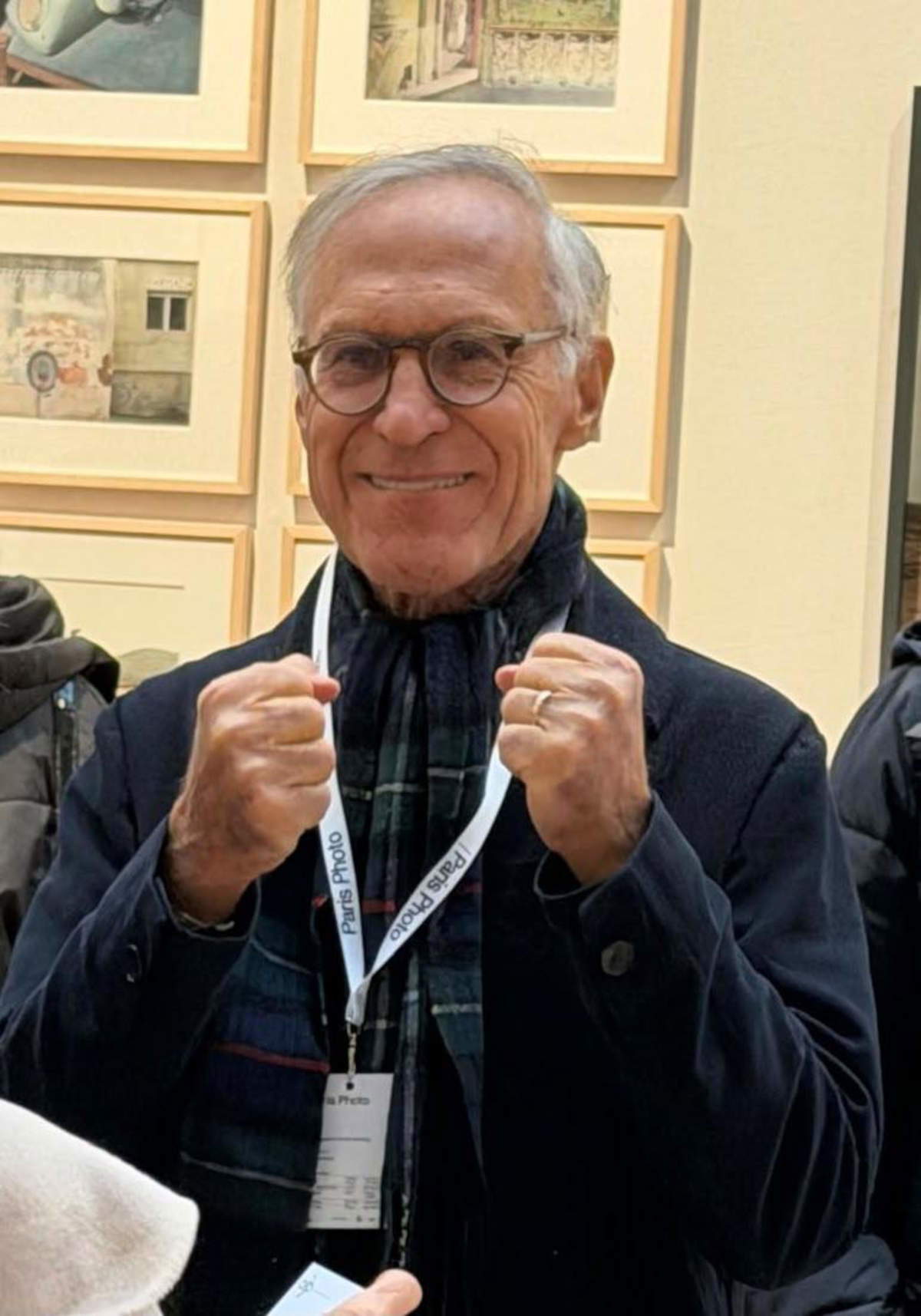
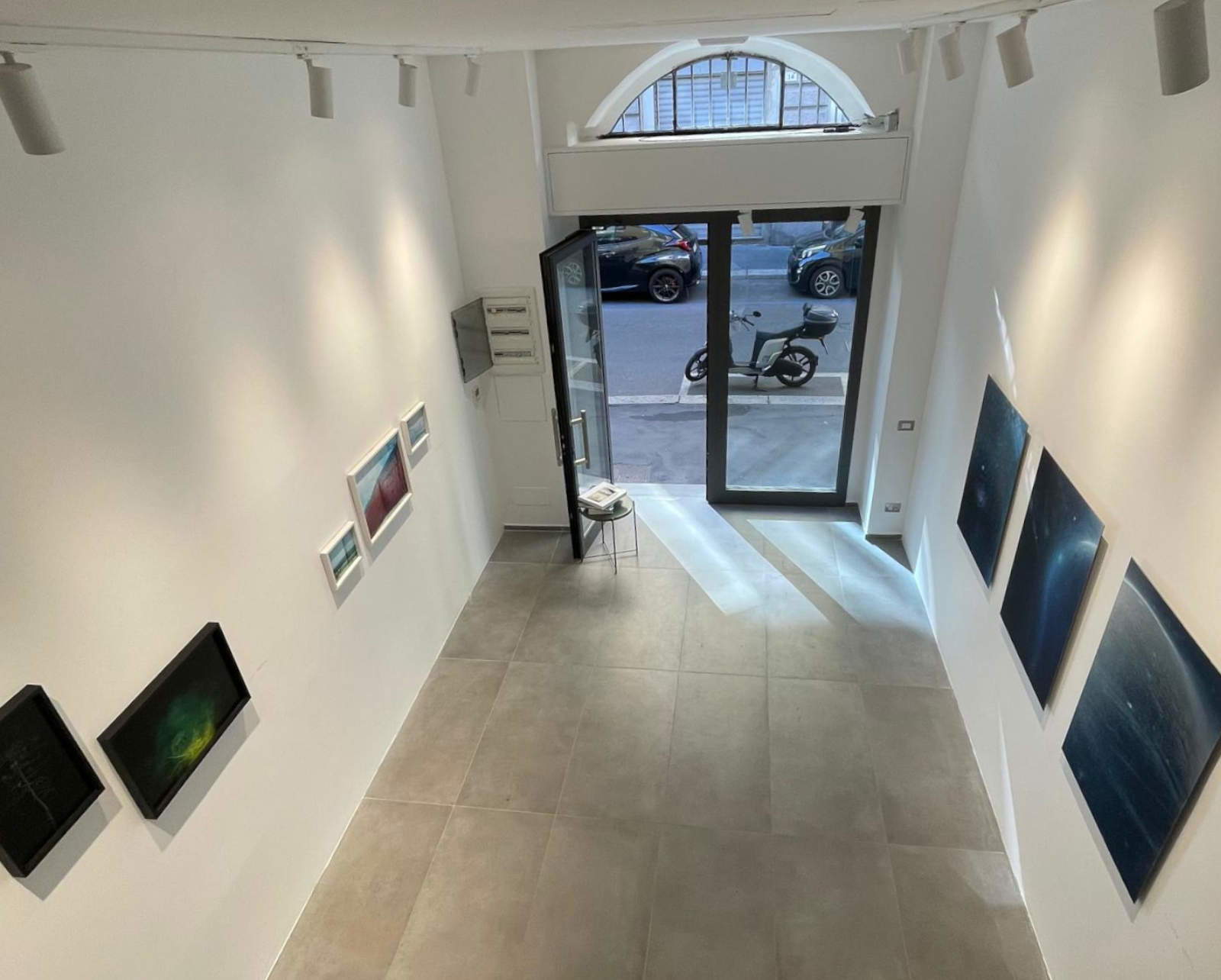
N.C. With *Au revoir*, Podbielski Contemporary bids farewell to the public after years of activity and research in the field of contemporary photography. What led you to decide to close the gallery? Was this a decision that developed over time, or did a specific change make this the right moment to bring this chapter to a close?


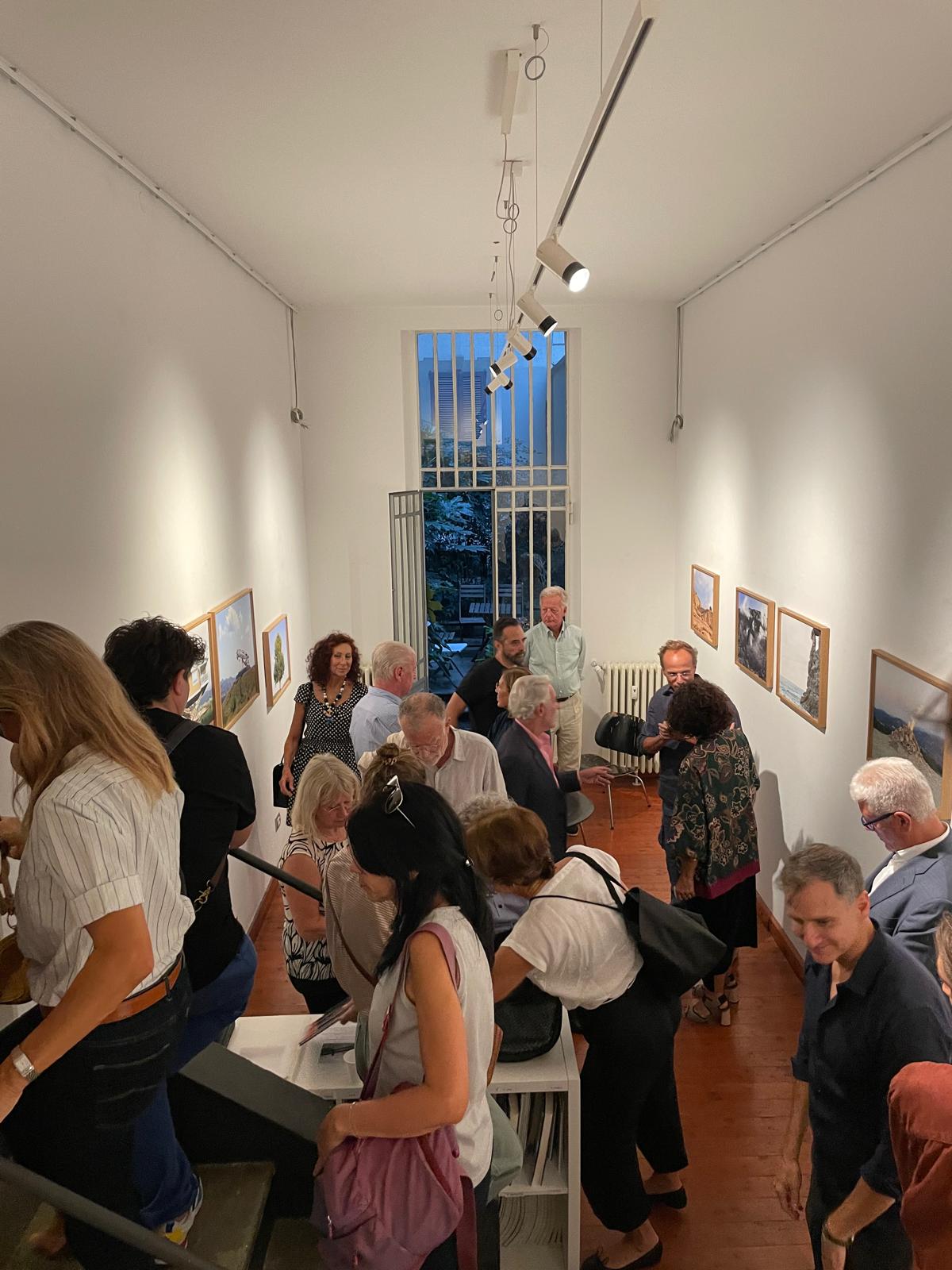
That’s a perfectly legitimate question. When someone asks me that, I jokingly reply that it’s a decision dictated by reaching the age limit. That’s partly true, even though there are gallery owners who continue their work until they’re eighty. But there are also other, deeper considerations that led me to this decision. Talking about it with colleagues—looking each other in the eye and facing the reality of our industry—we realized there’s been a shift that’s hard to ignore: in Milan, but also in Berlin and London, the audience isn’t what it used to be. I don’t know if this is a consequence of the pandemic, if it stems from the dramatic international and national political situation, or if other factors are at play. Certainly, gallery attendance has changed. Public response, for example, is still very clearly felt during art fairs. In Paris, on a single occasion, we sold 41 photographs. In the gallery, however, it can happen that only three or five people walk in over the course of a month, and even that is considered a good result. The public mainly comes for openings, when they’re invited, while the spontaneous flow of art enthusiasts that once brought life to gallery districts—in Paris as well as in Milan—has gradually disappeared. I’m thinking of the Via Maroncelli area, where I am right now, and the Monti neighborhood: places where galleries often open simultaneously, creating a sort of cultural and street-level circuit. Yet, to be honest, foot traffic and the presence of an audience genuinely interested in the art world have declined. Ours is a gallery specializing in photography, but we still operate in a niche sector. This is the reality we have to face. Then there’s the issue of art fairs. Last year we participated in six fairs—three in Italy and three abroad. It’s not necessarily an obligation, but as a gallery gains recognition and becomes part of international circuits, the responsibility to ensure visibility for its artists and to support them in foreign markets also grows. It’s an enormous commitment, both financially and in terms of physical and organizational demands. It requires resources, energy, and a considerable amount of work. At the end of July, after weighing all these considerations and reviewing the financial statements, I began to assess the situation. Because the numbers have their own logic—sometimes inexorable—in any business venture. An art gallery should also be a business, but in most cases, it is above all a passion. And when this passion can no longer strike a balance with financial sustainability—even if beautiful exhibitions are produced—the time comes to face the reality of the financial situation. Added to all this is age, which inevitably advances: next year I’ll reach another important milestone—I’ve become a grandfather, and I still have so many things I want to do. I have therefore decided, not without some sadness, to make way for a different phase of my life. I’d like to continue devoting myself to the art world, which remains my great passion, but also to give myself time to travel, read, and delve deeper into many topics that, given the pace and commitments associated with art fairs, inevitably end up being neglected. These are experiences and interests to which I’d finally like to give the time they deserve.

Your gallery has showcased a wide variety of artists and photographic projects, contributing to the circulation of contemporary photography in Italy and internationally. How much has the photography market changed in recent years, and how difficult has it become to sustain an independent exhibition program?
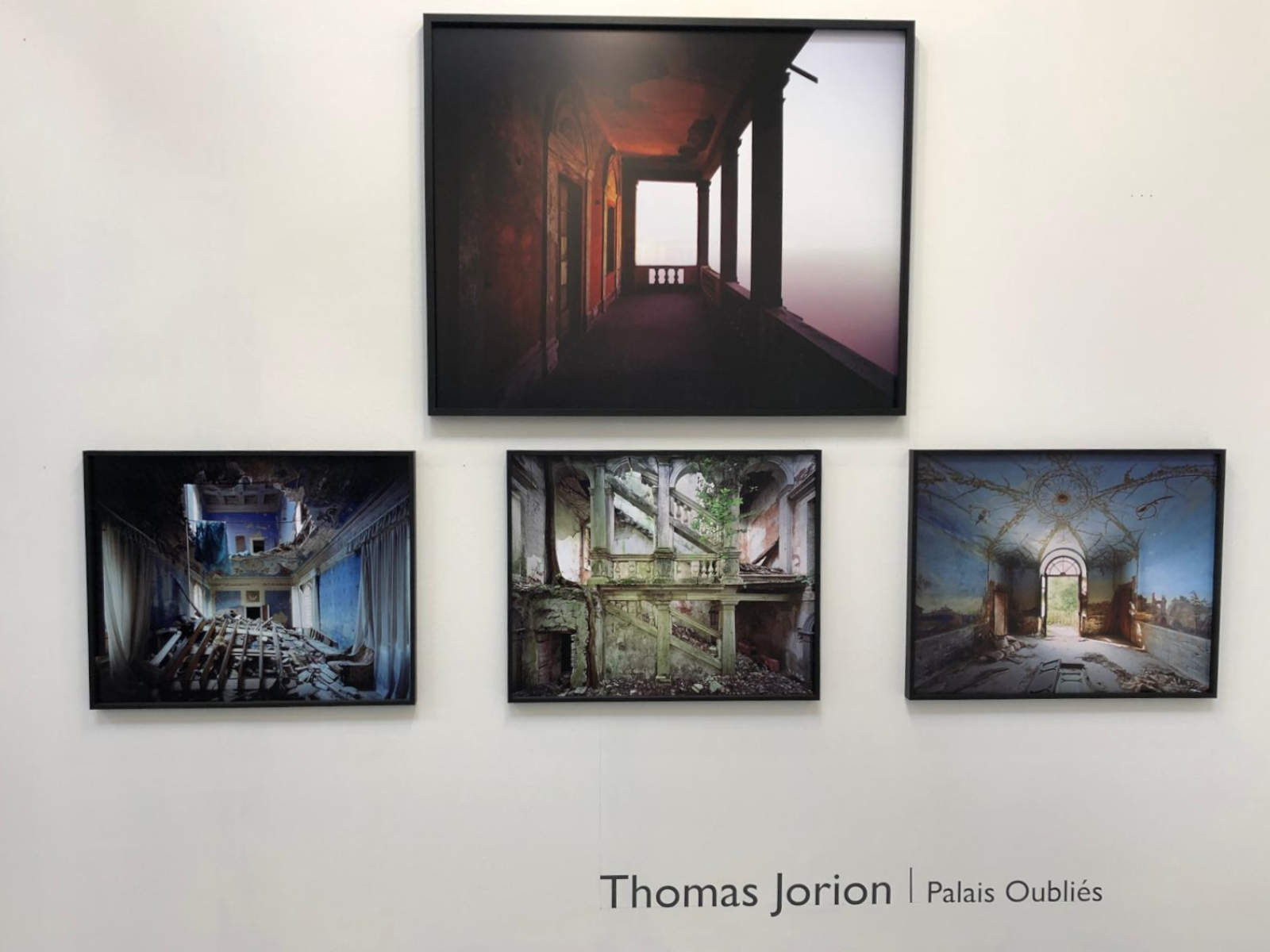
That’s a very broad question, because there are numerous situations I could mention—and in some cases, they’re quite complex. The most emblematic episode dates back to a year ago, when I presented a project dedicated to the Middle East in London. It was probably one of the most explicit and daring proposals I’ve ever presented at a fair. London is a city where very diverse communities and perspectives coexist: Jewish, Arab, American, and many others. We had developed a project that brought together Israeli, Palestinian, Iranian, Lebanese, and Italian artists in dialogue, openly addressing a highly topical political issue. Yet, the exhibition turned out to be a commercial failure. It was quite a blow, especially since the political dimension was one of the foundational elements of the entire project. Given the international situation as well, I found myself having to cancel an exhibition I was particularly attached to, dedicated to the Lebanese artist Rania Matar. I wouldn’t say, however, that it’s impossible today to tackle certain themes. In Paris, for example, we presented photographs with very strong political messages. I don’t know what the commercial reception of all those works was, but certainly, on some occasions, I’ve felt the need to shift toward different approaches. The latest project presented in Paris, for example, was a tribute to beauty. We brought together three artists, each with their own sensibility, around a specific theme: the beauty of the contemporary Italian landscape, but above all that of abandoned historic sites. This choice, while not sacrificing artistic exploration, focused on a theme that was more immediately accessible. As for our commitment to artistic exploration and support for the younger generation, we’ve carried out at least two experimental projects involving young artists. The most recent was Nicola Galli’s exhibition, which concluded about ten days ago, just as the artist is preparing to open a new space called Tecno. We also organized a group exhibition dedicated to young students and recent graduates of the Academy of Fine Arts in Bologna, which concluded on September 20. These were efforts to open the gallery not only to new artistic languages and avenues of exploration, but also to offer visibility to young artists fresh out of academia, giving them a concrete opportunity to engage with the exhibition system and the public.
What changes have you observed in the relationship between photography, collecting, and the public? Have you had the feeling that something within the system was becoming more difficult?
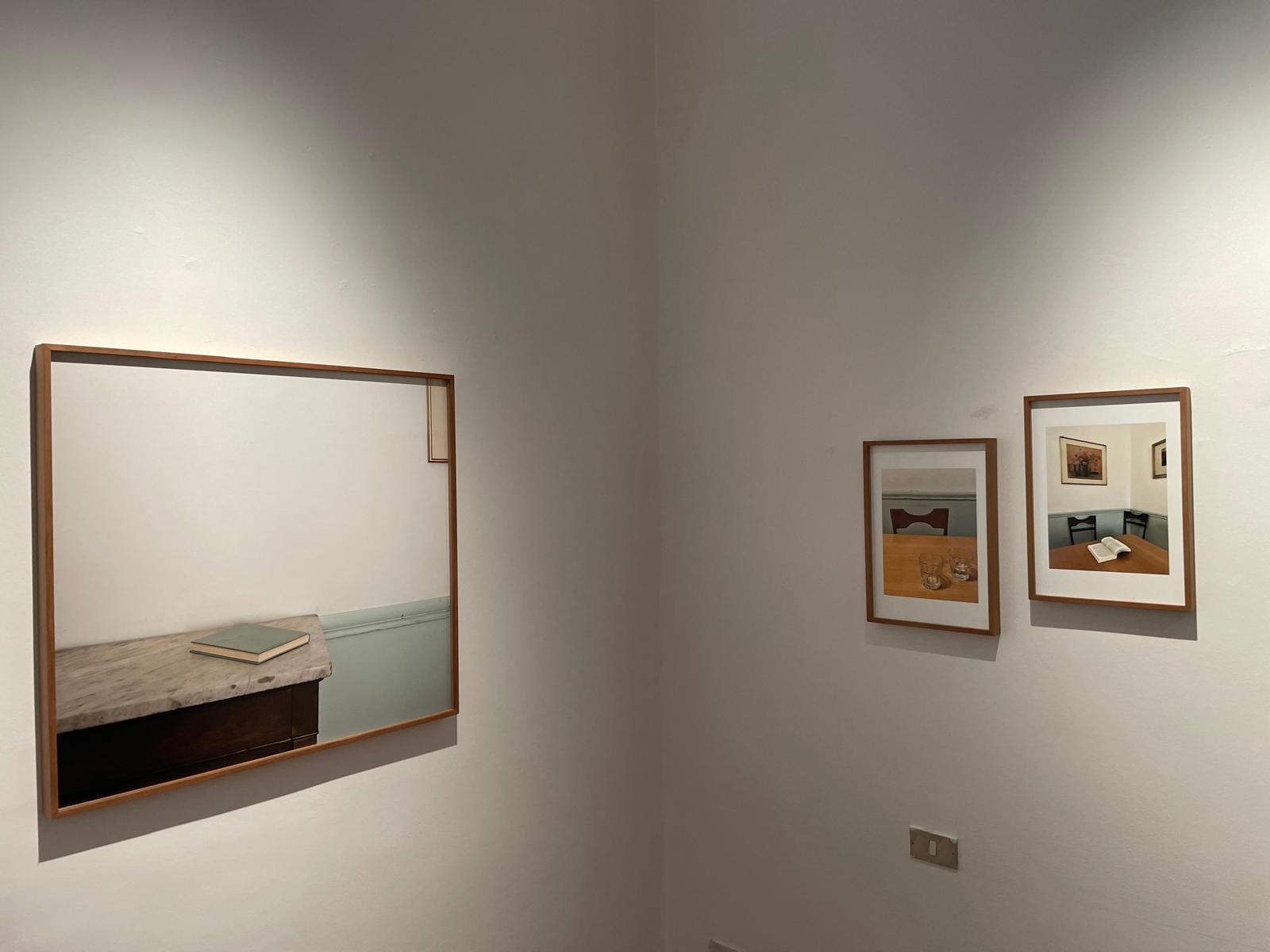
In all objectivity, one of the historical limitations of the photography market has always been linked to a certain lack of cultural understanding and knowledge of the medium. I’ve often heard objections like: “But it’s a photograph—it’s reproducible; it’s a print. I’d rather buy a painting, because I know it’s a one-of-a-kind piece and I can better assess its potential for appreciation.” It’s an issue that, in our case, has never been a real problem. Those who purchase a photograph from a specialized gallery understand how editions work; they know that limited editions exist—generally of three or five copies—and they trust our certification and expertise. From this perspective, we’ve never encountered any particular difficulties. The problem we’re facing today is more of a generational shift in our clientele. Our traditional audience consists mainly of a financially secure middle class, entrepreneurs, and professionals—people who have always followed our work with interest. What’s missing, however, is a new generation: we’re not seeing younger generations coming in. It’s a phenomenon I’ve observed in Italy, but also in Paris. During the last art fair, for example, we sold works priced between 1,600 and 2,200 euros and even higher, but the buyers belonged to a financially well-off segment of the public. However, there was no significant influx of younger collectors. When I say “young,” I mean people in their thirties—around thirty-five—more or less the age of my children. I wouldn’t say this audience doesn’t exist, but I must admit I wouldn’t even know how to engage them. Even my colleagues’ children, with rare exceptions, do not frequent galleries. This is an aspect I hadn’t given enough thought to until now. Your question leads me to reflect on an issue I perhaps should have addressed sooner: the generational shift in collecting. For now, I have to admit that we haven’t found an answer yet.
At a time when photography is increasingly present in everyday communication and the production of images has become virtually limitless, what space do you think remains for fine art photography and artists’ research-based work?
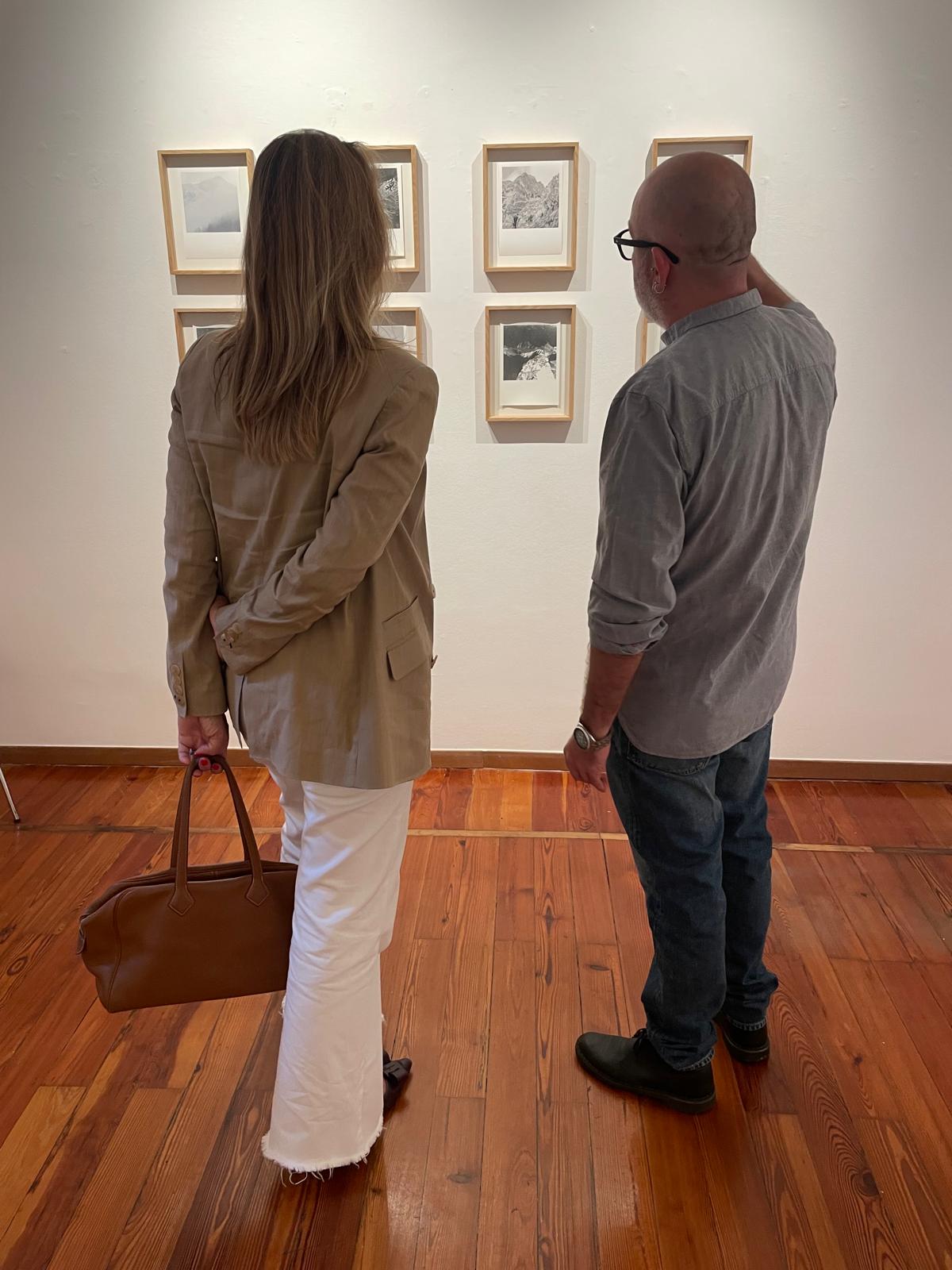
I’ve been working in this field for fifteen years and will continue to do so until the end of the year. Our business has always been sustained precisely by our research and our ability to showcase artists with established careers—featuring impressive résumés, publications, and museum exhibitions—as well as to identify and support young artists who are still making a name for themselves. Even the closing exhibition, which we’ll open next week, features several young artists with whom I’ve begun a collaboration and whose careers are still taking shape. In this sense, we have always sought to keep both paths open: promoting already recognized artists and, at the same time, supporting new creative endeavors. This distinction is also evident at art fairs, where two rather different approaches coexist. On the one hand, there is the more established collecting scene, linked to historical, vintage, and black-and-white photography: a field that has always had a solid market and continues to enjoy significant demand, supported by a particularly knowledgeable and discerning audience of collectors. On the other hand, there is contemporary research-based photography, which experiments with new languages and new forms of expression. In my experience—including as a collector—and especially when looking at what’s happening abroad, it seems to me that there is a very strong tradition of conceptual photography, one that has not yet reached the same level of maturity in Italy.
“Au revoir” is presented as a tribute to the artists who have shaped the gallery’s history and as a final opportunity to come together. What will happen now? Does the closure of Podbielski Contemporary also mark the end of your involvement in the art world, or are there new projects in the works—perhaps in different forms?
It’s not a prospect I regret—quite the contrary. I’m discussing it with friends and often talk it over with my wife and daughters. I haven’t had time yet to think it through thoroughly, but I imagine I’ll devote myself to consulting, in the broadest sense. I’d like to continue supporting some of the younger artists I’ve worked with, helping them find new galleries and exhibition opportunities. I might also work alongside established galleries at international art fairs, offering my experience and expertise—perhaps in contexts where an authoritative and qualified figure is needed. I speak four languages, and the art fair circuit has always been the setting where I’ve been able to express myself best and make the most of my skills. There are also emerging galleries trying to establish themselves and bold new ventures making their mark even in Milan. I therefore believe there are still plenty of opportunities to put my experience to good use. To answer your question directly, yes, I will continue to work as a consultant, but without the burden of running a gallery. To be honest, the problem is precisely the burden of running a business: dealing with the accountant, taxes, and all the administrative tasks. You try to maintain a creative and passionate approach to your work, but then you’re constantly faced with weekly and monthly deadlines, obligations, and responsibilities that require specific organization. To properly manage all these aspects, you’d need to rely on someone dedicated exclusively to administrative tasks. For me, however, over time it has become a burden that’s increasingly difficult to bear.
Warning: the translation into English of the original Italian article was created using automatic tools. We undertake to review all articles, but we do not guarantee the total absence of inaccuracies in the translation due to the program. You can find the original by clicking on the ITA button. If you find any mistake,please contact us.