



by Redazione 22/10/2026


Categories: Market / Disclaimer
At Sotheby’s in New York, an imperial sculpture from the 1st century A.D. fetched a record price after fourteen minutes of bidding among five collectors: it sold for $34.3 million.


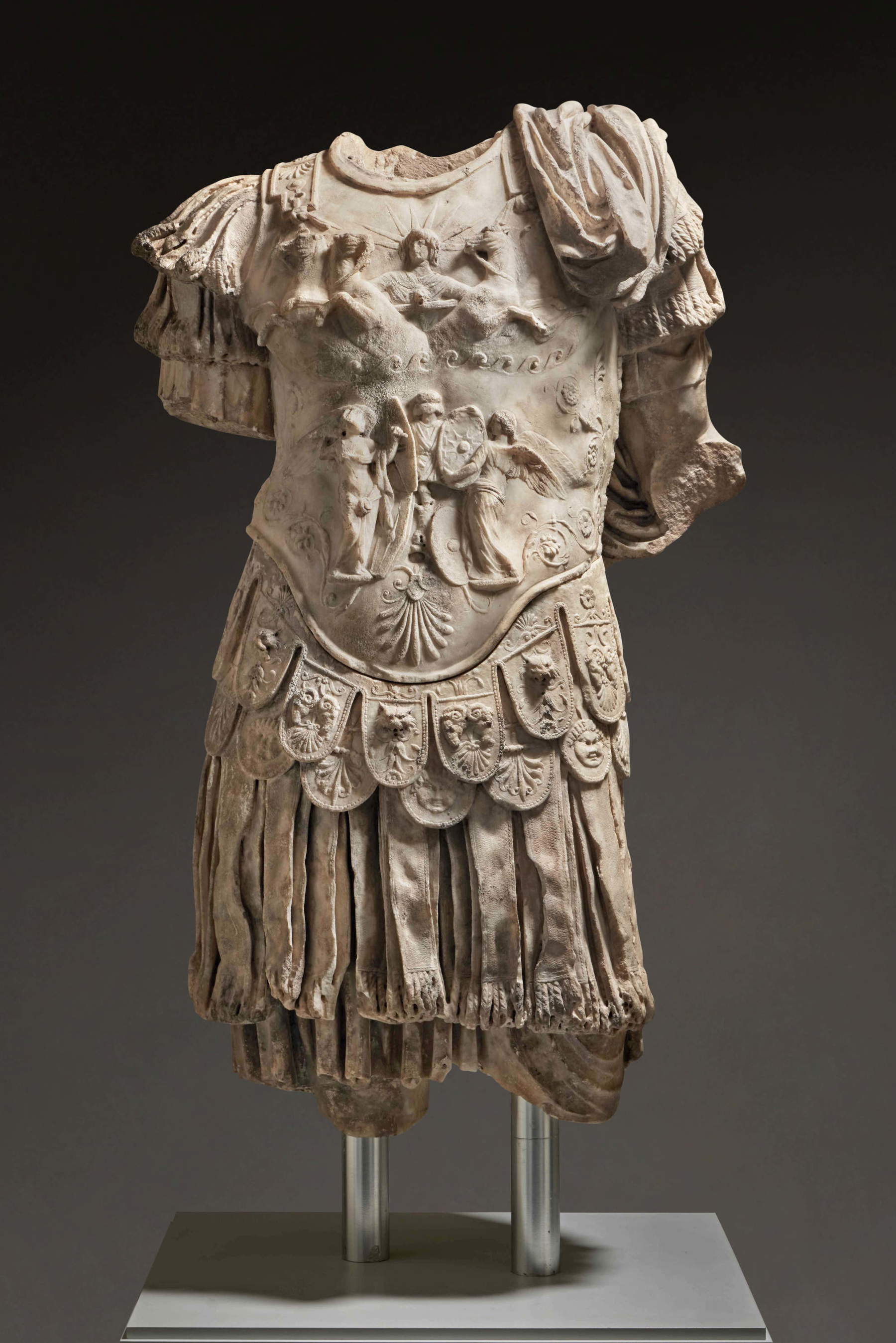
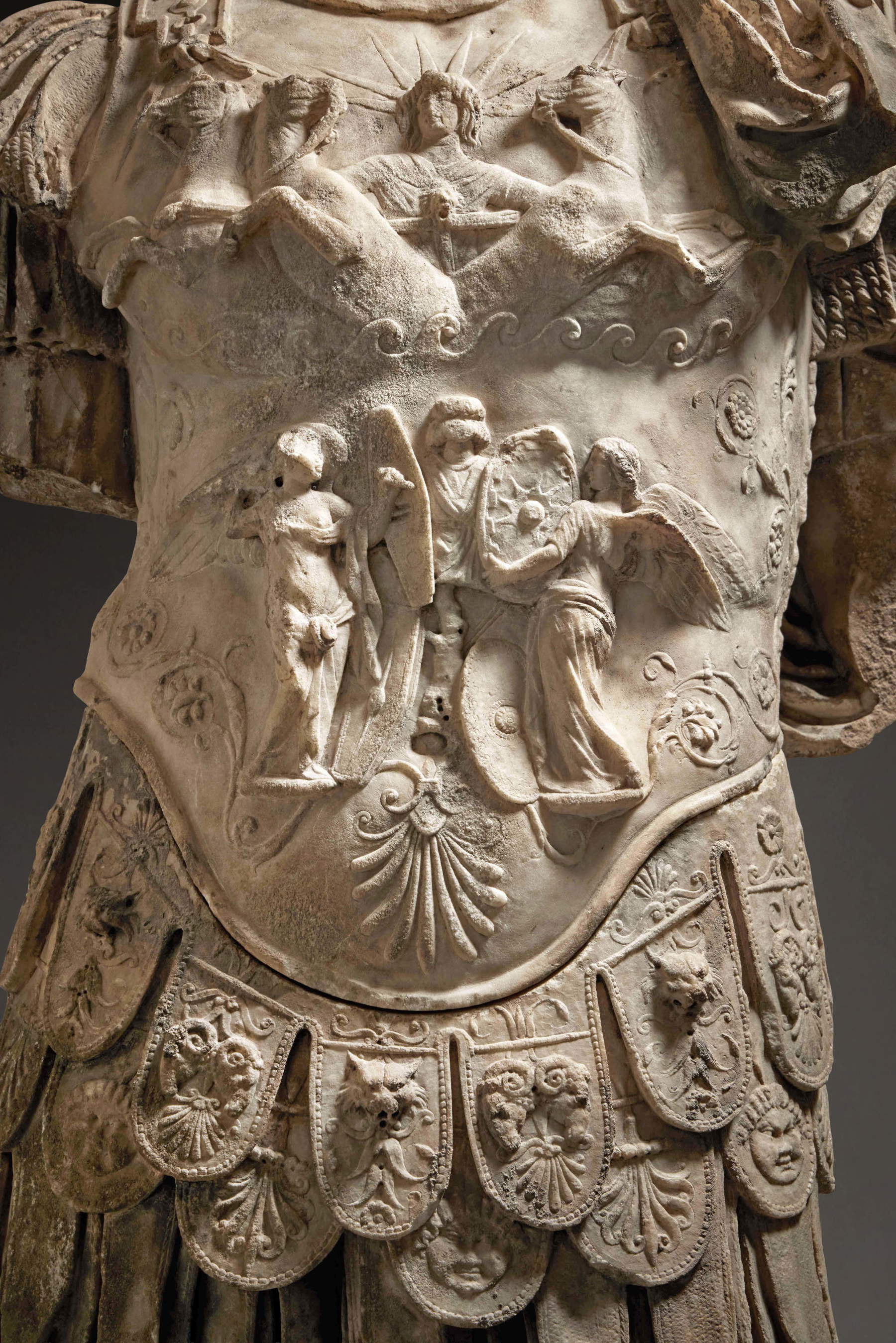
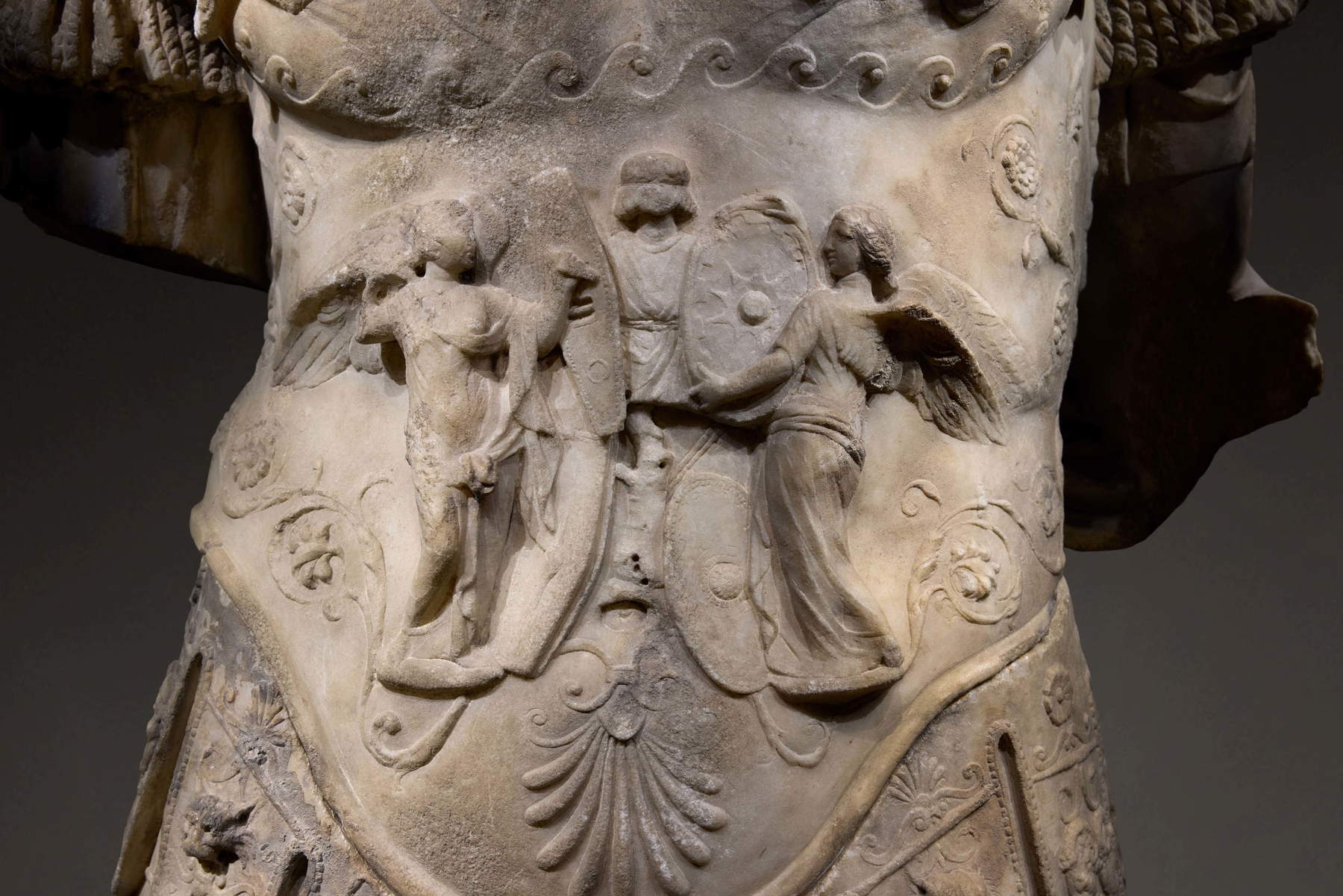
A monumental Roman-era torso, depicting an emperor of the Julio-Claudian dynasty, was sold by Sotheby’s in New York for $34.3 million (€30.57 million), a figure that set a new world record for a Roman antiquity. The sculpture, dating to the first half of the 1st century A.D., was the focus of a bidding war lasting nearly fourteen minutes among five bidders, which concluded to the applause of those present. The initial estimate ranged from $8 million to $12 million (€7.13 million to €10.69 million): the final price far exceeded expectations, making it the evening’s most significant result.


The sale took place on October 21, 2026, as part of Magnum Opus, a project dedicated to a major private collection that brings together works from different eras and fields. The evening auction totaled $63 million (56.14 million euros), with all lots sold. Alongside the Roman sculpture, the auction featured ancient paintings, Islamic carpets, French royal furnishings, and 20th-century masterpieces, in a presentation that brings together traditionally distinct categories of collecting.


Sotheby’s considers the torso to be the most important Roman imperial sculpture to appear at auction in over a decade. Its documented history is particularly extensive: the work has been featured in studies and catalogs since 1926 and is in a state of preservation described by the auction house as “exceptional.” The closest comparables are found in major museum collections, including the Vatican Museums and the Archaeological Museum in Zagreb. Alexandra Olsman, vice president and antiquities specialist at Sotheby’s, emphasized the significance of the sale, particularly in light of the auction house’s previous experience with the same sculpture: “The sculpture embodies the cross-cutting vision at the heart of this collection: a work whose historical importance, rarity, and aesthetic power transcend the boundaries of traditional collecting.” According to the specialist, the combination of rarity, historical significance, and aesthetic quality helps explain the interest generated by the marble sculpture.

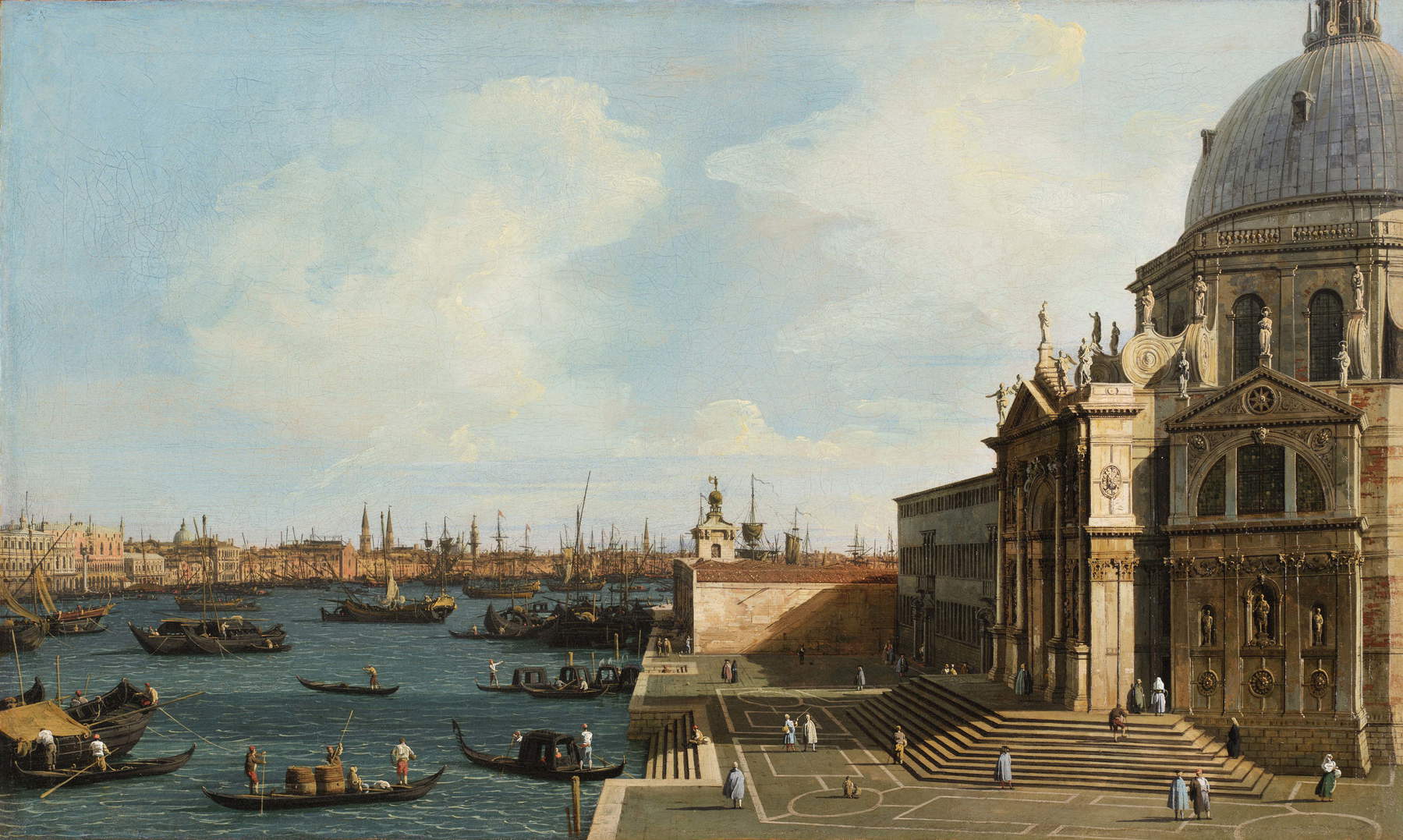
The result for the torso set the tone for an evening that saw private collectors and institutions competing for works from different periods. Among the paintings, one of the top results was achieved by Canaletto’s *Venice, View of the Grand Canal Looking East with Santa Maria della Salute, which sold for $6.2 million (€5.53 million), against an estimate of $6–8 million (€5.5–7.13 million). Painted around 1740, the canvas depicts one of Venice’s most famous views and was long held in two major museum collections: for over sixty years, it belonged first to the Minneapolis Institute of Arts and then to the Metropolitan Museum of Art in New York.
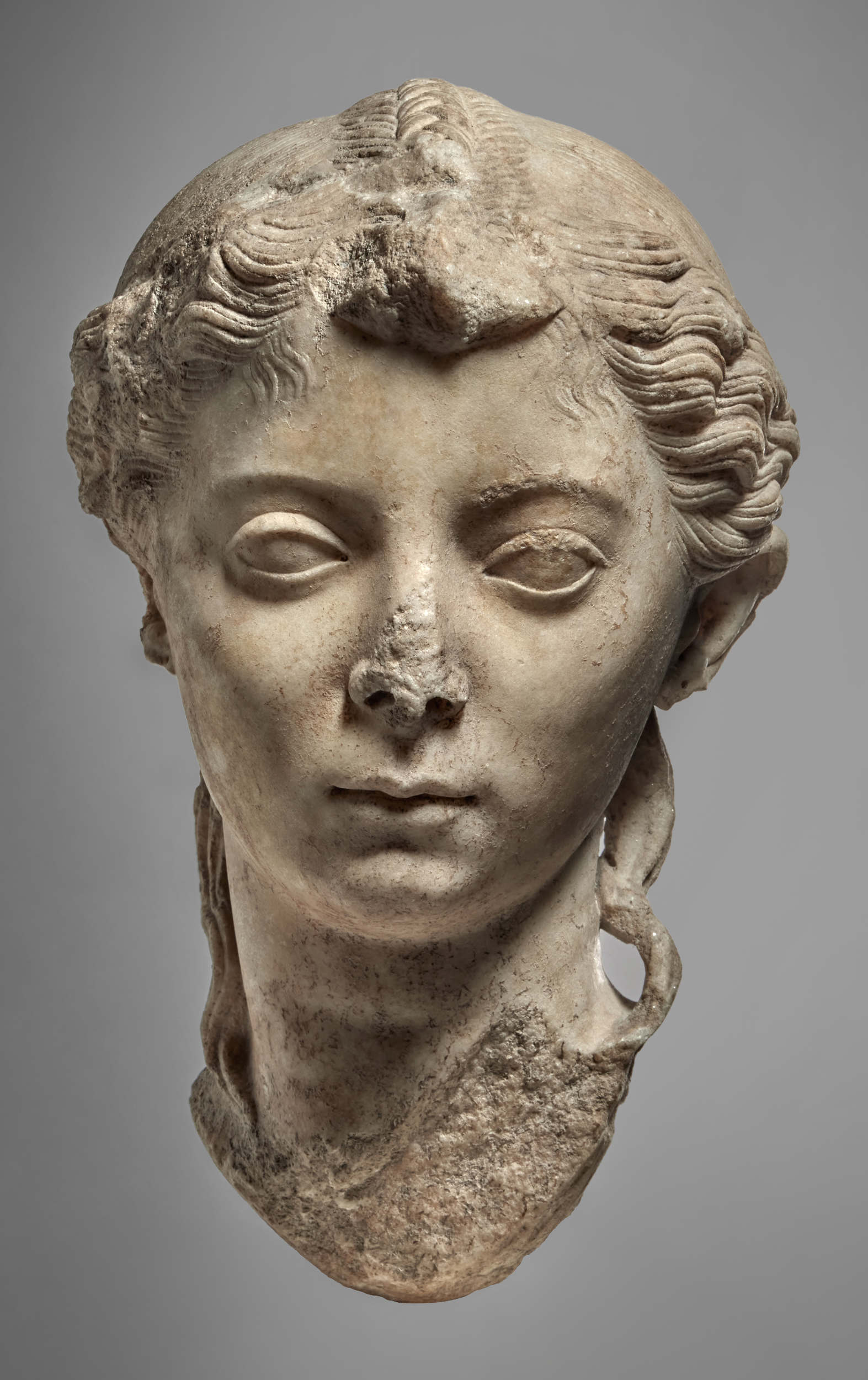
It fetched $5 million (4.46 million euros), within the estimate of 4–6 million, as did a still life by Luis Meléndez, which demonstrates the technical precision and compositional complexity associated with the work of this 18th-century Spanish artist, considered by the auction house to be the greatest Spanish still-life painter of the 18th century. Another ancient sculpture achieved a significant result: a marble head of a young woman from the Augustan period sold for $2.5 million (€2.23 million), reaching the lower end of the estimate. The work had already set the auction record for a classical marble female head in 2014, also at Sotheby’s. The new sale surpassed that previous record, setting yet another record in the category.
According to Jodi Pollack, president of Sotheby’s 20th Century Design division and head of major collections for the Americas, the distinctive character of Magnum Opus lies in the coherence of its collecting vision, which brings together works from different periods and genres. Pollack described the collection as an expression of intellectual curiosity and historical-artistic knowledge, emphasizing the works’ ability to engage in a dialogue that transcends traditional market categories.
Mario Tavella, president of Sotheby’s France and head of major collections for Europe, interpreted the results as confirmation of the interest in works characterized by rarity, quality, and documented provenance. The New York sale is only the first chapter of a broader program, which will continue through 2027 with over 900 works spread across 26 auctions in New York and Paris. Bidders came from 35 countries, with activity recorded in Europe, the United States, and Asia. Nearly 20% of the participants were under forty, a statistic highlighted by the auction house in its summary of the evening.
The record set by the Roman torso represents the most striking result of this first sale, but the very structure of “Magnum Opus” aims to highlight juxtapositions between works that are distant in terms of chronology and function: from imperial sculpture to 18th-century landscape painting, from Spanish still lifes to Dutch landscapes. The project will continue in the coming months with new offerings, as part of an initiative that Sotheby’s describes as one of the most ambitious ever undertaken in New York for a single collection.
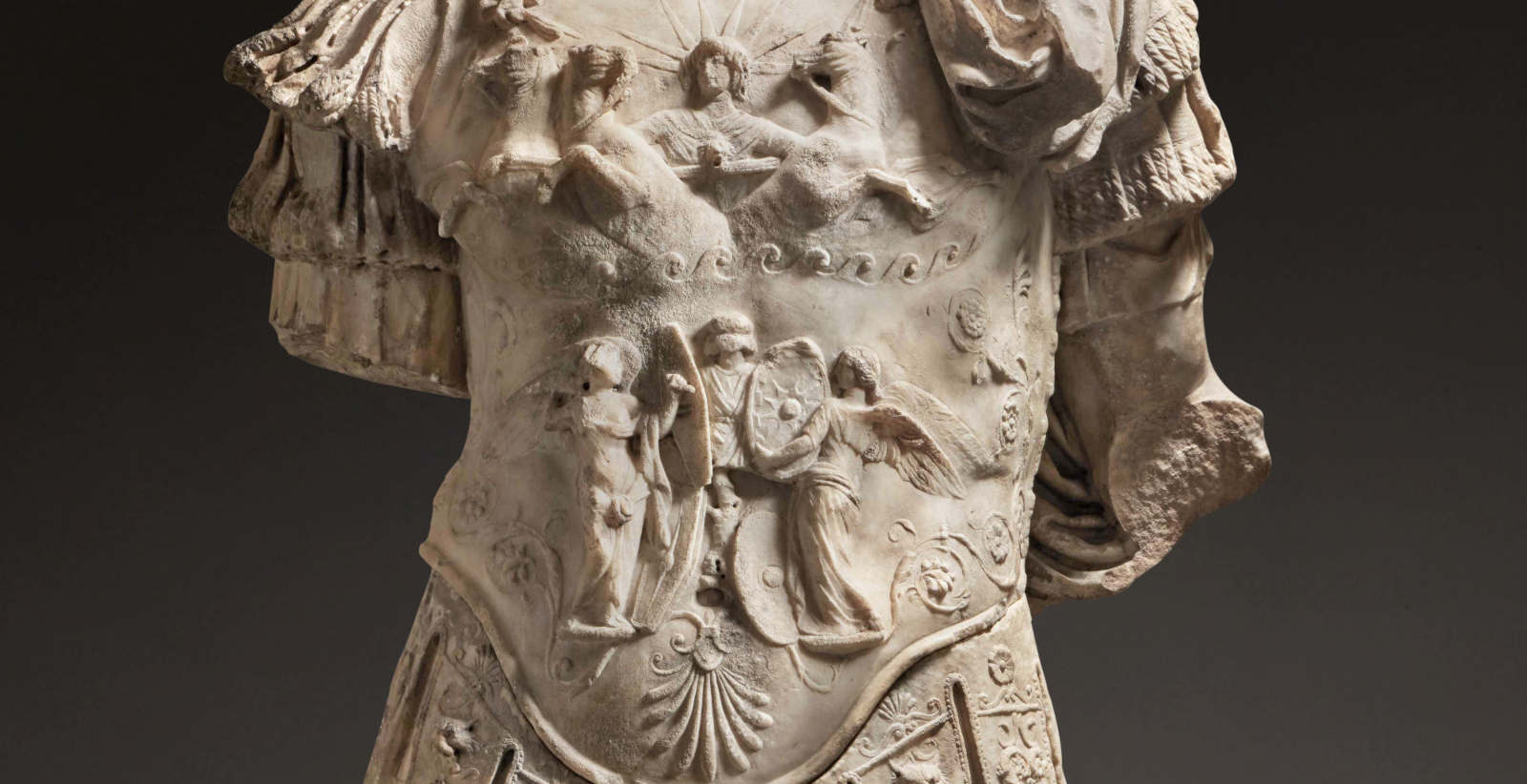 |
| A Roman torso sold for $34.3 million: an all-time record for a Roman artifact |
Warning: the translation into English of the original Italian article was created using automatic tools. We undertake to review all articles, but we do not guarantee the total absence of inaccuracies in the translation due to the program. You can find the original by clicking on the ITA button. If you find any mistake,please contact us.