



by Redazione 16/11/2026


Categories: Modern Art / Disclaimer
The $180 million Van Gogh, which is set to go up for auction on Wednesday at Sotheby’s, is the subject of a dispute: just a few days before the sale, the heirs of Jewish publisher Samuel Fischer claim that *Castagni in fiore* was sold in 1936 under pressure from Nazi persecution. Sotheby’s responds with documents from that sale, which took place in Amsterdam at a price that


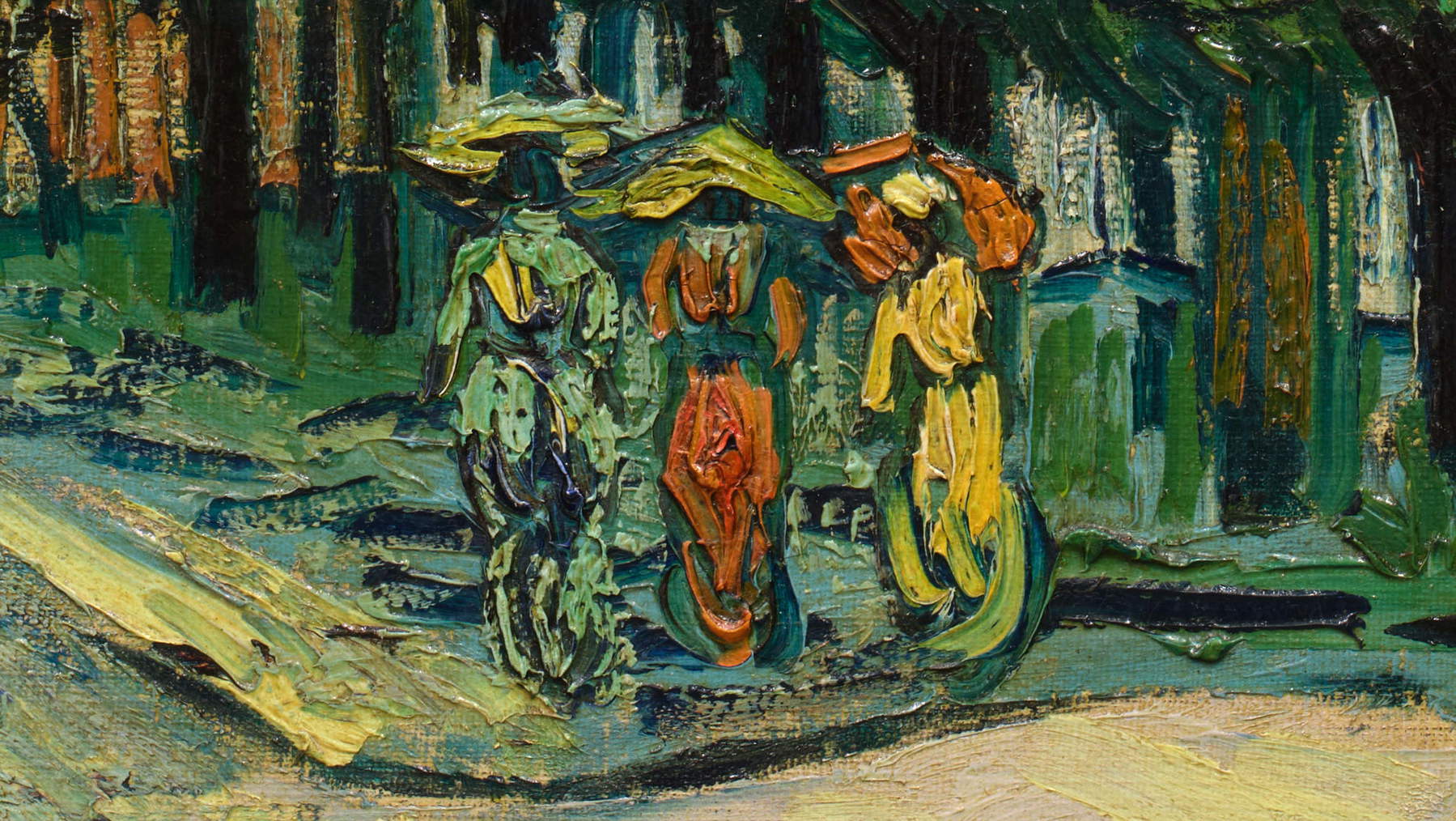
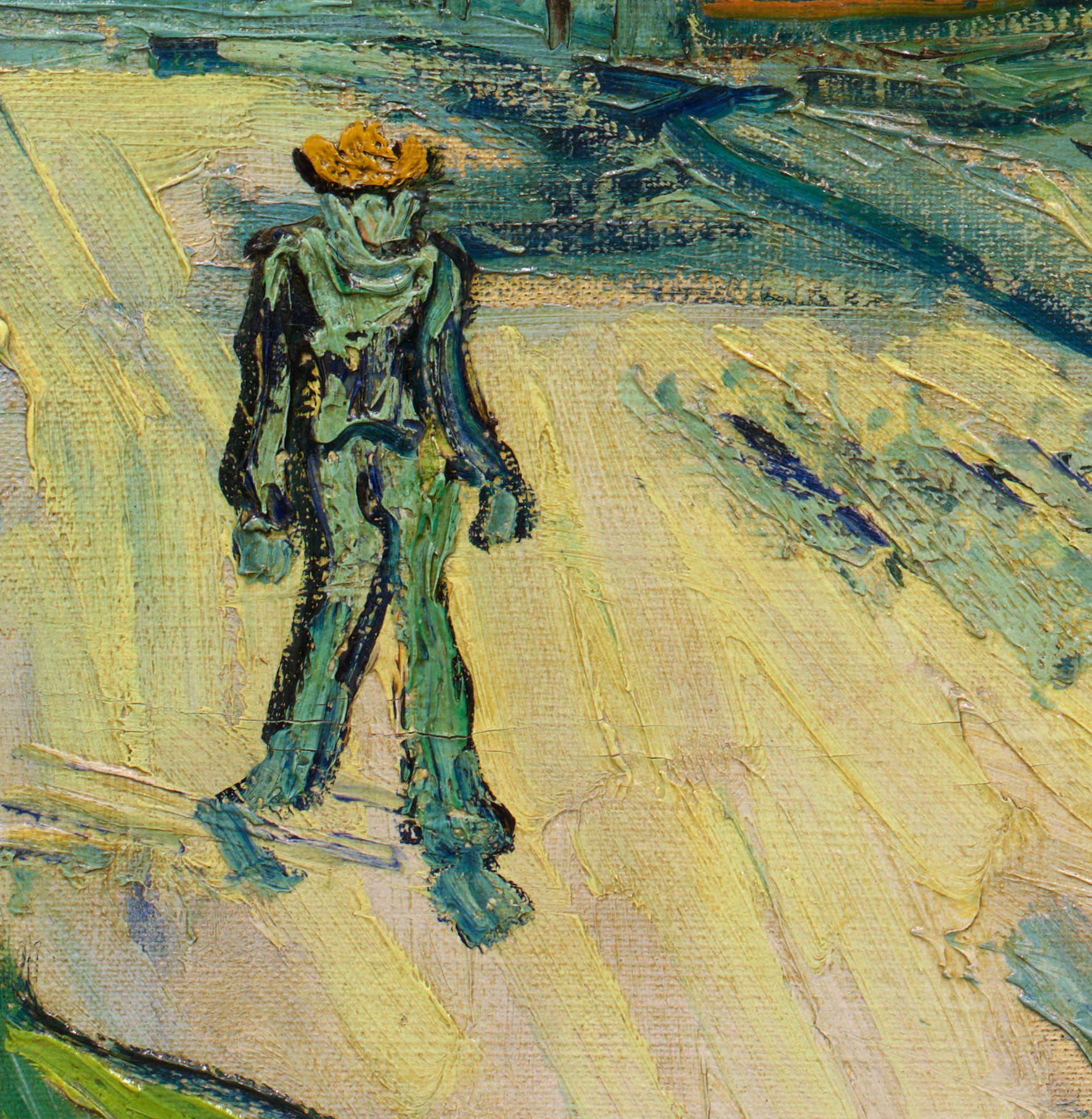
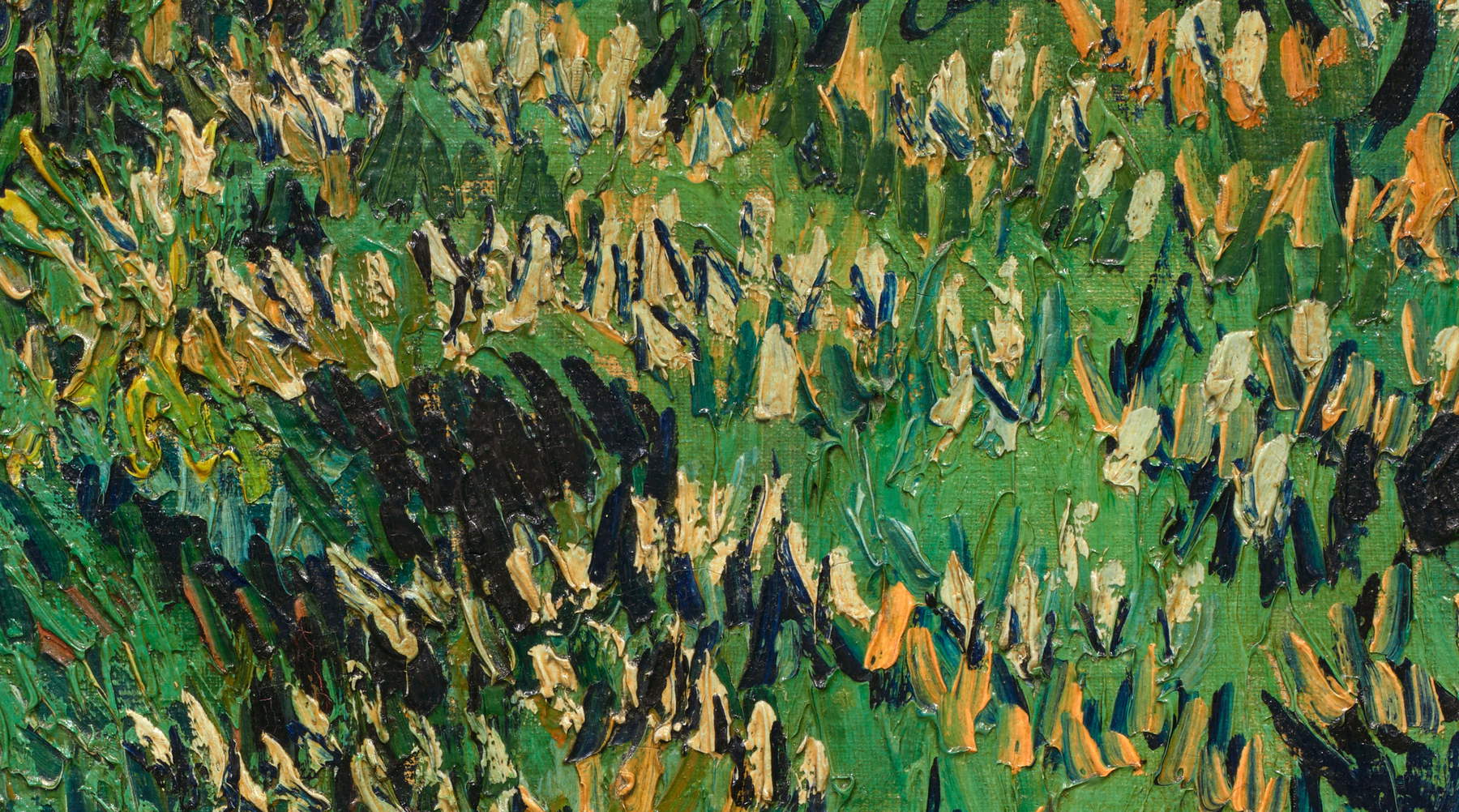
On Wednesday, November 18, one of Vincent van Gogh’s last paintings, *Châtaigniers en fleurs* (*Chestnut Trees in Bloom*), painted in 1890 in Auvers-sur-Oise, is set to go up for auction at Sotheby’s in New York with an estimate of $180 million ( €160.5 million)—the highest of the season and higher than any price ever paid at auction for a Van Gogh (we covered the story here on Finestre sull’Arte ). The current record, $117.2 million, dates back to 2022, when *Verger avec cyprès* from Paul Allen’s collection was sold at Christie’s. A few days before the sale, however, the heirs of the painting’s original owner requested that it be withdrawn. The request comes from the heirs of Samuel Fischer, the Jewish publisher who founded S. Fischer Verlag, one of Germany’s most important publishing houses, which published works by Thomas Mann, Hermann Hesse, and Alfred Döblin, among others. According to the Sotheby’s catalog, Fischer had purchased the painting in 1909 from a Parisian gallery. However, the heirs, who live in the United States, claim that the family was forced to sell it in 1936 due to the financial losses suffered by the publishing house under the Nazi regime. The news was reported on Friday by The New York Times.

The heirs’ attorney, Gunnar Schnabel of Berlin, wrote on November 12 to Marco Toracca, head of Sotheby’s restitution department. In the email, reviewed by The New York Times, the attorney asks the auction house to prove beyond a shadow of a doubt two things: that in 1936 the family sold the work at a fair market price, and that it would have sold the painting even without the Nazi regime. “Otherwise,” he concludes, “no auction may take place.” Schnabel says he is, however, willing to seek a just and equitable solution in accordance with the 1998 Washington Principles, the international guidelines for handling cases involving works confiscated or looted during the Nazi era.


The family’s story is well known: Samuel Fischer died in 1934, and leadership of the publishing house passed to his son-in-law, Gottfried Bermann Fischer, just as the regime was banning the publication of many of its authors. In 1936, the family moved the business to Vienna, and in 1938, after the Anschluss, they were forced to leave again: shortly thereafter, the Gestapo seized the Fischers’ Vienna home, their library, and what remained of their collection. According to Schnabel’s research, the Fischers also had to pay the “tax on fleeing the Reich” imposed on Jews who emigrated, and the sale of the Van Gogh took place three months after their departure from Berlin.


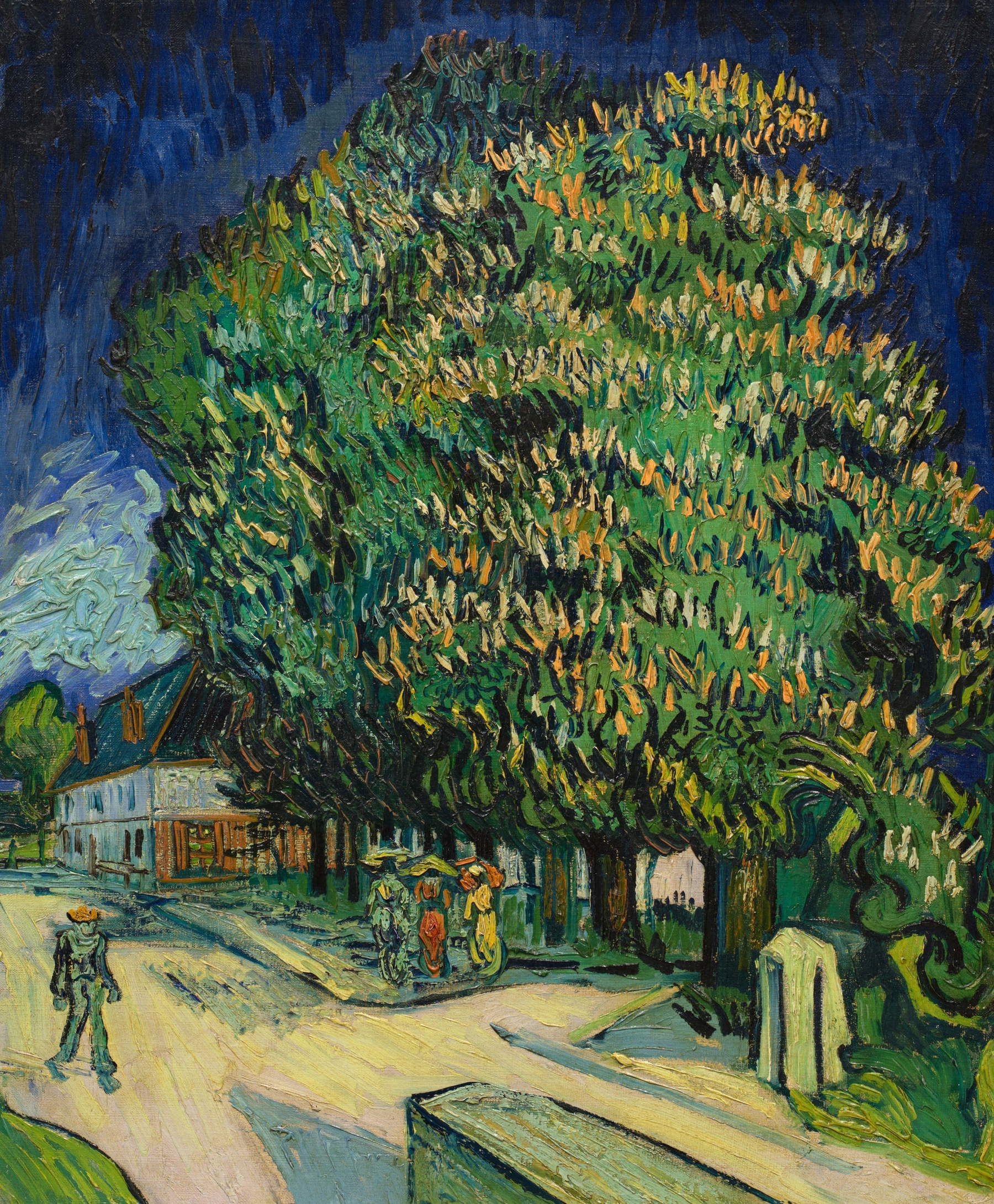
The history of this painting, however, differs from that of the works lost in 1938. According to Sotheby’s reconstruction, in 1932 or 1933 the family entrusted the Van Gogh, along with two paintings by Cézanne, to the art dealer Walter Feilchenfeldt of the Paul Cassirer Gallery in Amsterdam. The painting remained on consignment for nearly three years; in 1933, it was loaned to the Museum Boijmans in Rotterdam, and in 1934 to the Kunsthalle in Bern. In June 1936, Feilchenfeldt sold it to a Parisian collector (at that time, the Netherlands was not under Nazi control). After changing hands several times, the painting was purchased in 1975 by its current Argentine owners, Carlos Pedro Blaquier and Nelly Arrieta de Blaquier, heiress to the Ledesma sugar company, who died in 2020. The painting had not been exhibited in public for over sixty years.
Sotheby’s bases its case primarily on the price: the auction house explained to ARTnews magazine that the Cassirer archives confirm the sale for 68,000 Swiss francs, approximately $22,000 at the time—a figure Sotheby’s considers high for a van Gogh in those years—and cites *Verger avec cyprès*, sold in 1935 for $15,000, as a point of comparison. Luke Nikas, the auction house’s attorney, maintains that the painting was sold to an independent buyer at market price. He adds that after that sale, the family retained other paintings—those later confiscated by the Nazis. According to Nikas, after the war, the Fischers attempted to recover the works lost in the forced sale of 1938, but this never occurred for the works sold in 1936. The attorney also says he has seen a pamphlet published by Gottfried Bermann Fischer after the war listing the paintings the family wanted to recover: the Van Gogh is not on the list. The New York Times , however, points out a key piece of context: at the time, there was no legal basis for seeking compensation for works sold in territories outside Nazi control.
The two Cézanne paintings add another layer to the story. One has been on display at the Harvard Art Museums for years without the heirs ever claiming it, while the other— a portrait of the painter’s wife, was auctioned by Christie’s in 2007, went unsold, and was then sold in 2017 for nearly $6 million. In 2007, Gisela Bermann Fischer, Gottfried’s daughter, who handled the family’s art-related claims until her death in 2014, wrote to Christie’s stating that she did not object to the sale. In the same letter, dated February 2, 2007, and reviewed by The New York Times, she reserved the right, however, to contest in the future the sale of other paintings that her father had, in her view, sold under duress. Furthermore, she specified that the waiver regarding the Cézanne was not to set a precedent. Sotheby’s told ARTnews that it had reviewed the 2007 sale but was unaware of this reservation, which was apparently contained in confidential correspondence.
The legal issue is whether a sale that took place outside Nazi Germany, to an independent buyer and at a fair price, can still be considered coerced. Sotheby’s attorney argues that New York law distinguishes between the horrific conditions imposed on Jews by the regime and a sale in which the buyer exerted pressure on the seller, citing two cases involving Picasso paintings sold by Jewish families during the Nazi era. In the case of Zuckerman v. the Metropolitan Museum of Art, a federal judge ruled in 2018 that a 1938 sale did not meet the legal requirements for coercion. In the case of Bennigson v. the Guggenheim Foundation, in 2024 a New York judge held that economic pressure resulting from persecution was not sufficient if the buyer had not contributed to it. In both cases, the appellate courts upheld the dismissals, but for a different reason: the heirs had waited too long to take action.
It is precisely this last point that has changed. In April, the U.S. Congress amended the Holocaust Expropriated Art Recovery Act, known as the HEAR Act, eliminating the provision that allowed courts to reject restitution claims filed with excessive delay. However, the amendment does not affect the definition of a forced sale, and Nikas emphasizes this distinction: in his view, the 1936 sale does not fall under that definition. Judd Grossman, a New York attorney specializing in restitution who is not involved in the case, told ARTnews that he believes the reform has significantly shifted the balance in favor of claimants, and he predicts that, precisely as a result of this April reform, we will see an increasing number of claims filed at the last minute.
However, the question of timing remains: Sotheby’s says it was contacted by representatives of the heirs on the morning of Thursday, November 12. The New York Times sought comment from the auction house the following day and published the article that same evening, on the 13th. The sale had been announced in early October, and the painting had therefore been advertised for over six weeks. Nikas wonders why the request came so late, but assures that Sotheby’s is taking it seriously. ARTnews also notes that proving today that the family would have sold the painting even without pressure from the Nazi regime—as Schnabel claims—could be very difficult for a transaction that took place ninety years ago. Schnabel already has experience in this field: in 2016, together with researcher Monika Tatzkow, he initiated the research that led Piet Mondrian’s heirs to file a restitution claim against the Philadelphia Museum of Art.
There is a great deal at stake: the “Chestnut Trees in Bloom” is the centerpiece of the Blaquier-Arrieta collection, which the Argentine family began assembling in the 1960s. Twelve Impressionist and Post-Impressionist paintings are up for auction, including works by Claude Monet, Paul Gauguin, and Edgar Degas, with an estimated value of approximately $450 million; thus, nearly half of the entire auction is accounted for by the Dutch painter’s work. In any case, for the time being, according to Sotheby’s, the painting remains scheduled for Wednesday evening. In a statement, the auction house explained that research to date has not shown that the painting was sold under duress. It stated, however, that it is committed to finding a mutually satisfactory solution with the Fischer family. The Blaquiers have also expressed their willingness to engage in dialogue: they noted that they have owned the painting for decades and respect the historical issues raised, and they said they support the search for an agreement with the heirs. It remains to be seen whether an agreement will be reached before the auction, and time is running out.
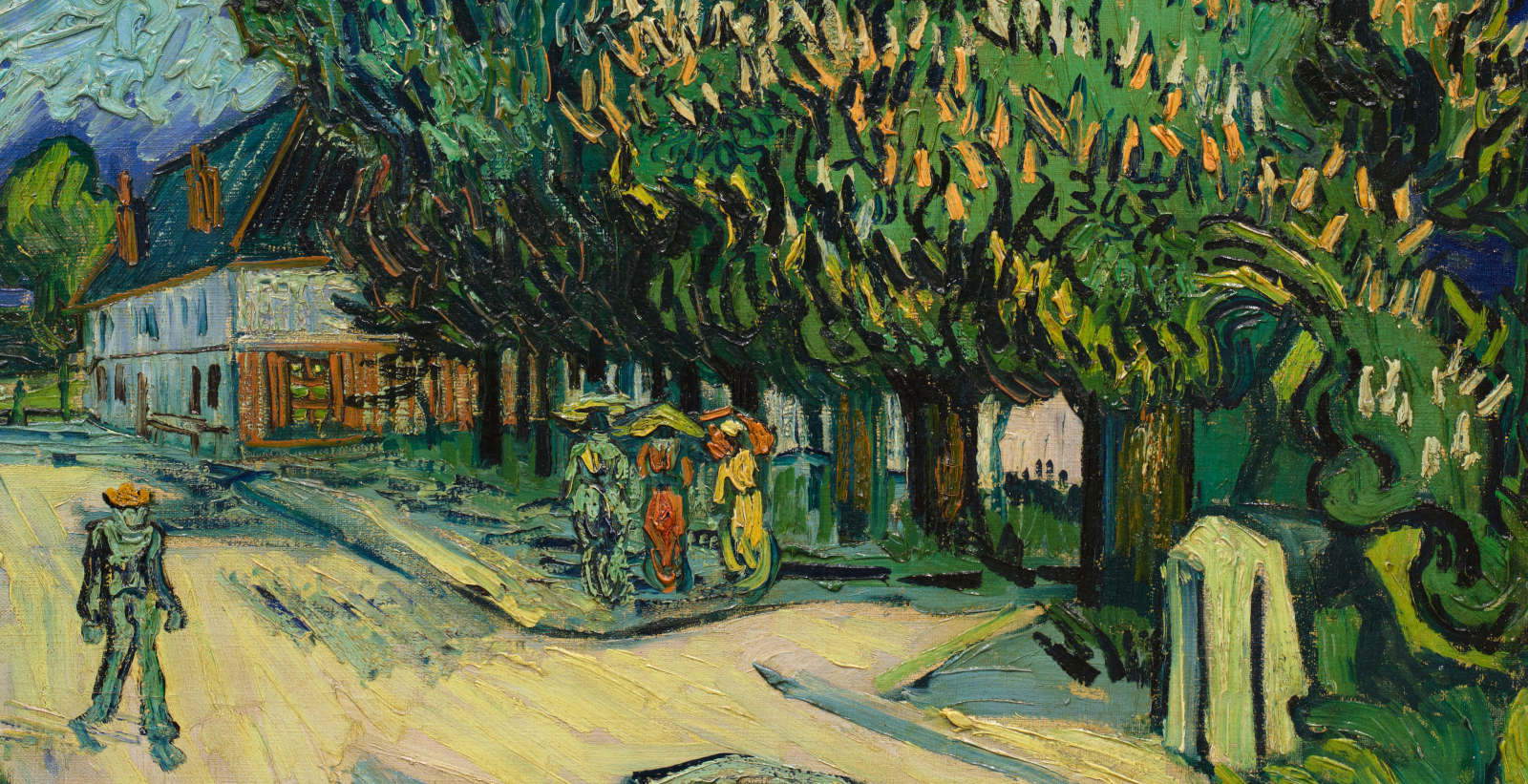 |
| The 180-million Van Gogh at the center of a dispute two days before the auction: Was its owner a victim of the Nazis? |
Warning: the translation into English of the original Italian article was created using automatic tools. We undertake to review all articles, but we do not guarantee the total absence of inaccuracies in the translation due to the program. You can find the original by clicking on the ITA button. If you find any mistake,please contact us.