





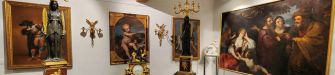
Six new exhibitions at the Pinacoteca Nazionale in Bologna and a comprehensive plan for restoration, redesign, and outreach projects: five months after his appointment as director of the National Museums of Bologna and Emilia-Romagna, Luigi Gallo presented the program for his four-year term. The project encompasses both the National Art Gallery of Bologna and the other venues within the regional museum system, through restorations, new exhibitions, repurposing, and initiatives dedicated to promoting the museums.
The Pinacoteca’s calendar of temporary exhibitions will kick off on October 2, 2026, with an exhibition exploring the relationship between St. Francis and Bologna during the 16th and 17th centuries. The program will continue in the spring of 2027 with *Cantami di questo tempo: The 19th Century in the Collections of the National Art Gallery of Bologna*, an exhibition designed to explore the connections between the visual and performing arts and to foster a new interpretation of the 19th-century works held in the museum’s collections.
Between late 2027 and early 2028, the focus will shift to “Photographing Heritage: Treasures from the Photographic Cabinet,” a project that will bring little-known or never-before-exhibited photographs to the public’s attention, thereby highlighting a lesser-explored aspect of the Pinacoteca’s collections. The year 2028 will feature two major events: in the spring, “Charles V and Bologna, Capital of the Empire: 1528–1530” is scheduled, dedicated to the years when Bologna assumed a central role on the European stage and also became an important artistic hub. This will be followed in the fall by “Bologna in the Eighteenth Century: A Capital and Its Art,” which will explore the city’s position within the European cultural landscape and its role along the Grand Tour routes.
The series will conclude, between late 2029 and early 2030, with “The Carracci and the Birth of Modern Painting: Bologna as a Center of Painting between the 16th and 17th Centuries.” The goal is to offer a new interpretation of the Carracci’s innovative impact, moving beyond interpretations based solely on the artists’ biographies or the formal aspects of their work, and instead highlighting the role Bologna played as a true artistic laboratory between the 16th and 17th centuries.
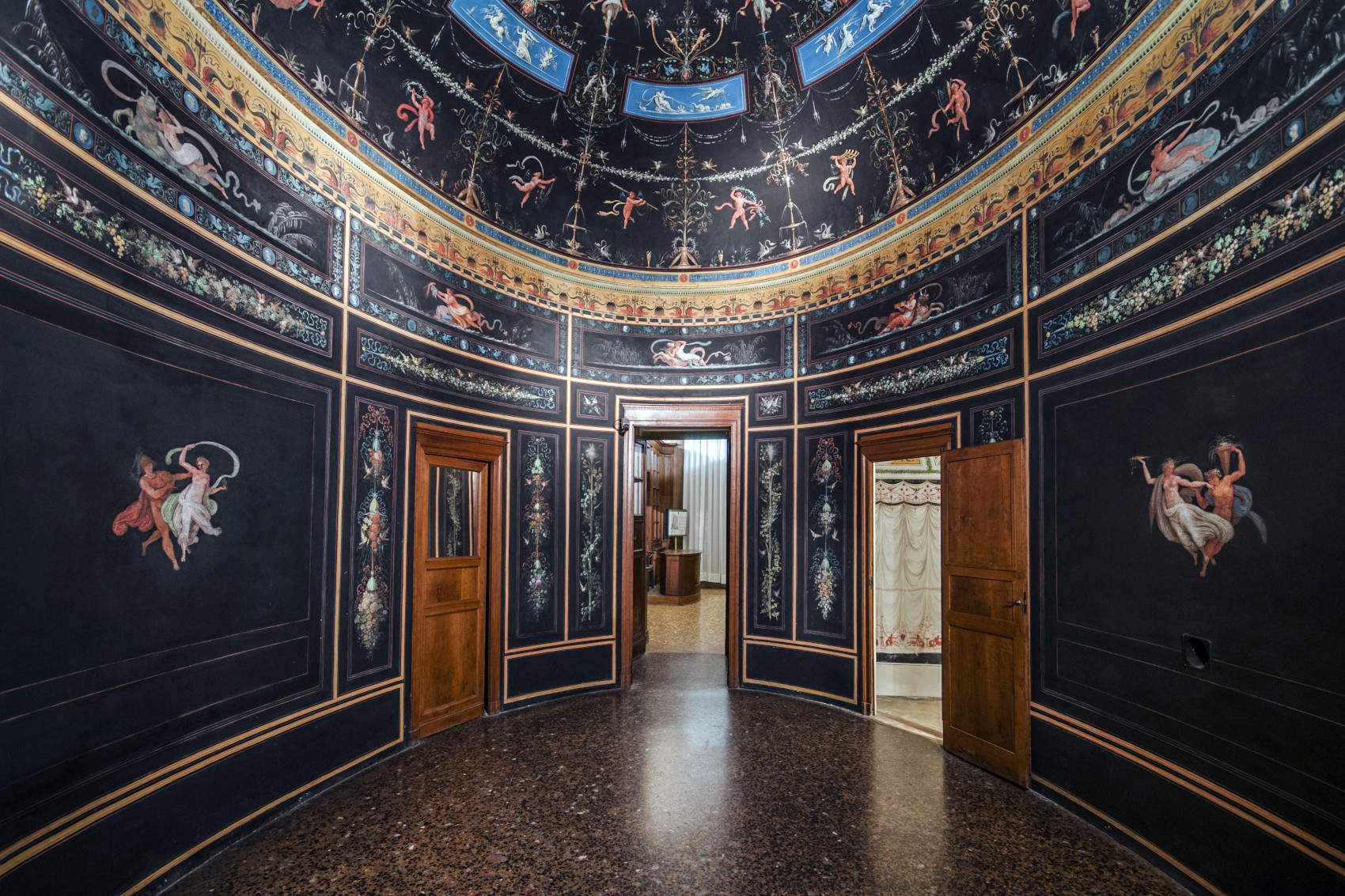
Alongside the exhibitions, the 2027–2030 mandate calls for a significant transformation of the museum spaces. At the Pinacoteca, renovation and repurposing projects are planned that will affect, among other areas, the Aula Gnudi, the galleries dedicated to the 18th century, and the medieval section. Of particular importance will also be the major renovation project at Palazzo Pepoli Campogrande, which the museum’s administration aims to return to the city by the end of the year with a new exhibition layout. The project will also include opening the frescoed rooms —currently used as storage areas—to the public for the first time.
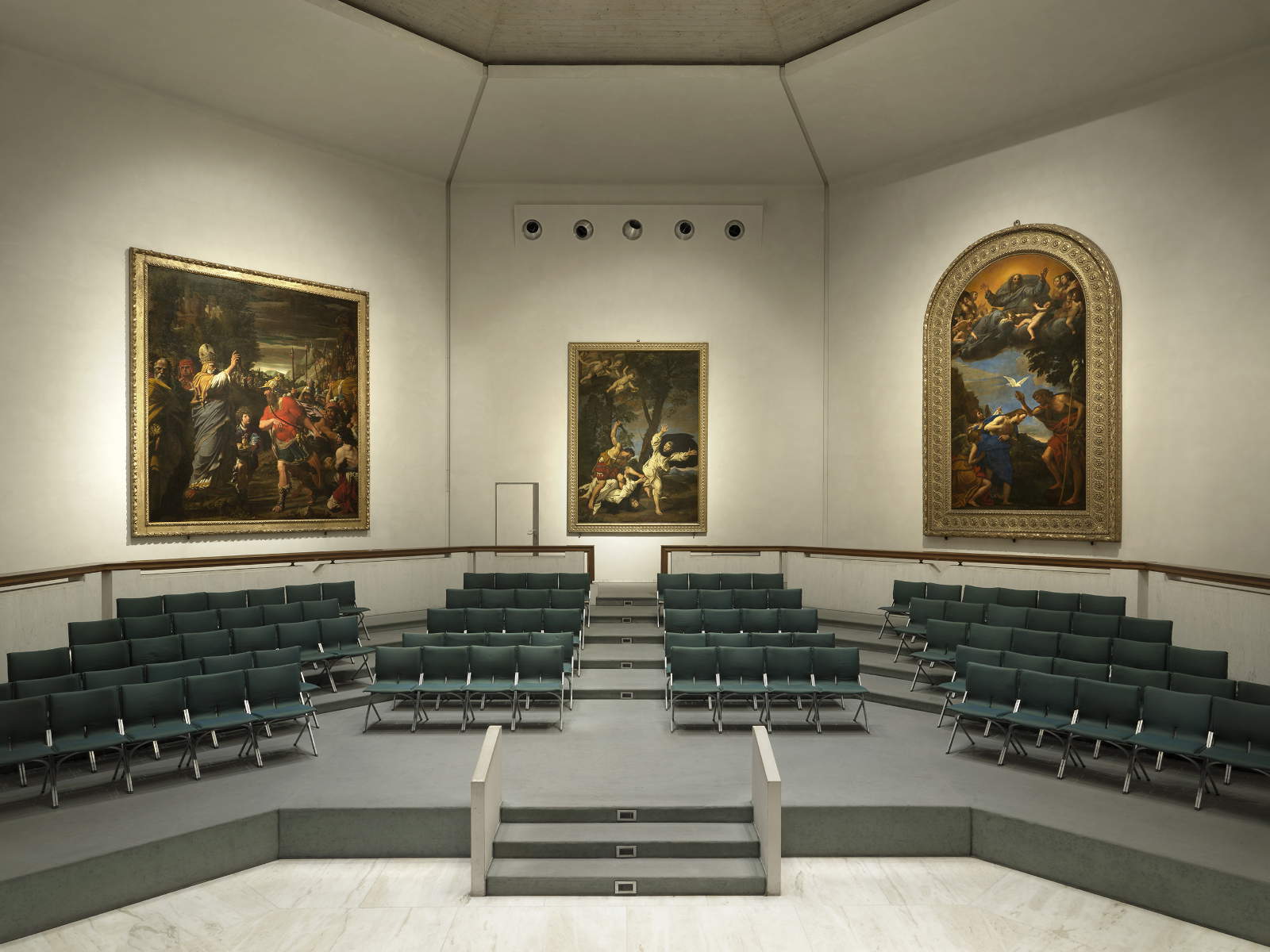
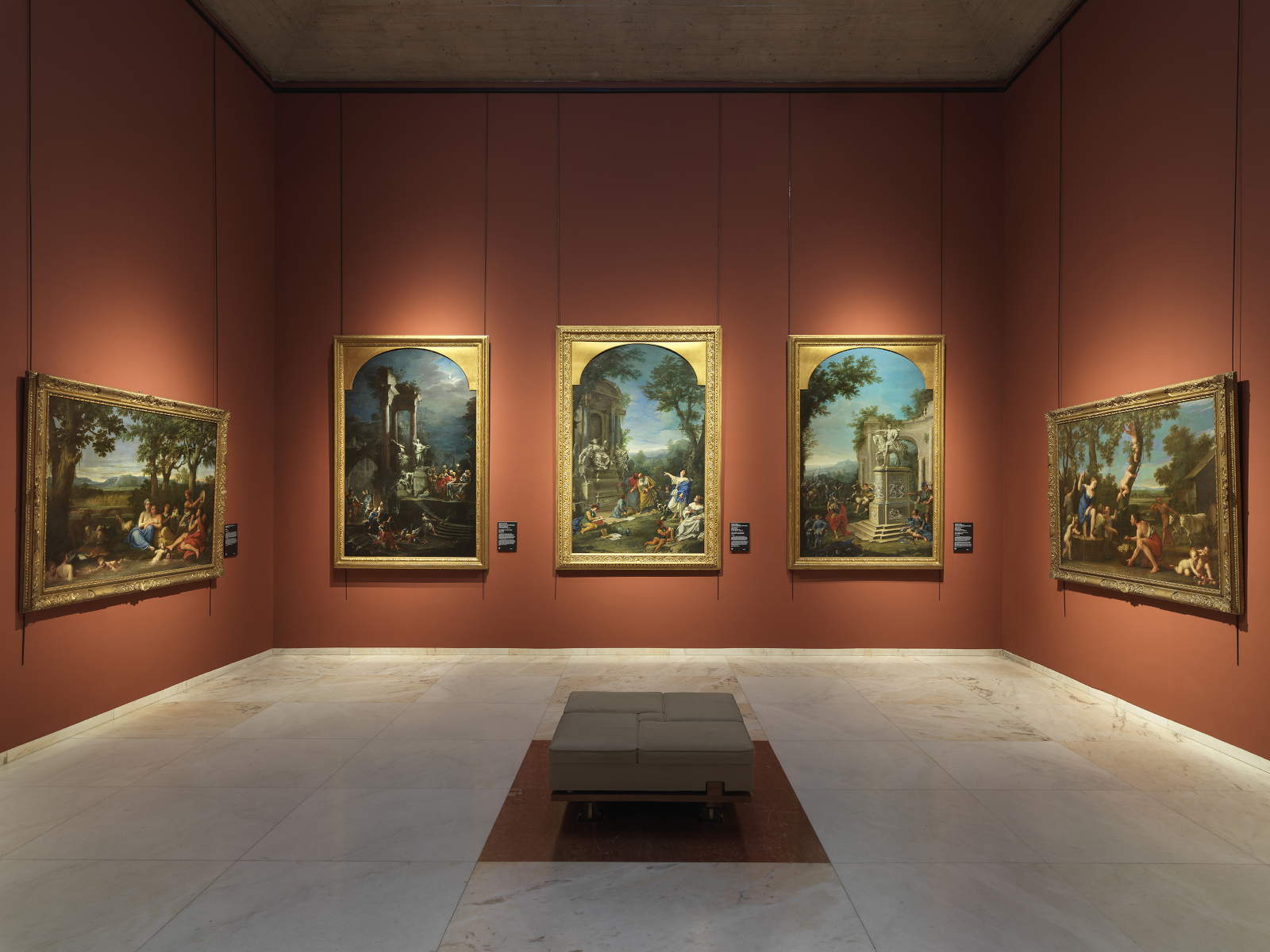
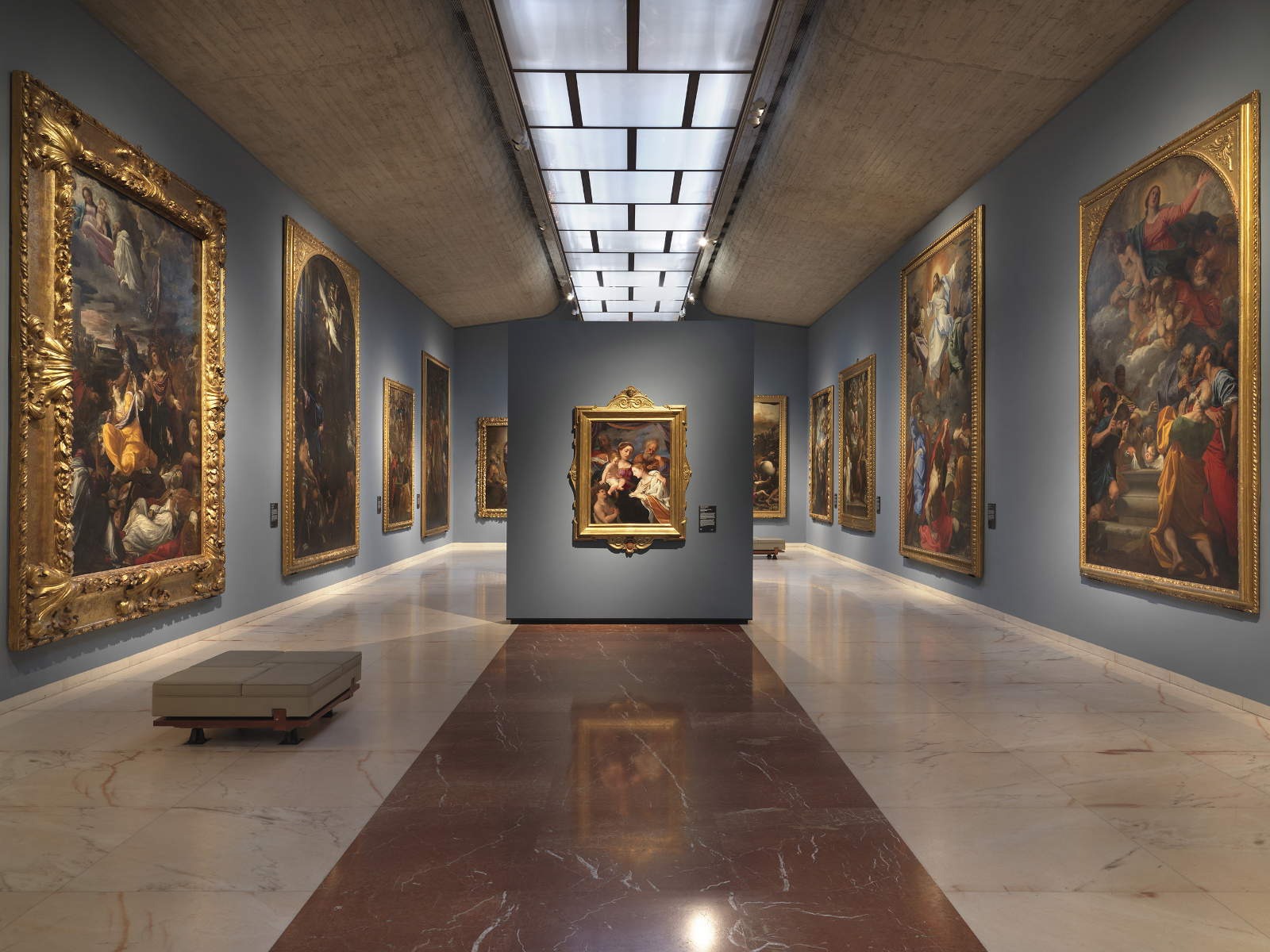
The renovation plan thus extends to the other sites of the National Museums of Emilia-Romagna. In Bologna,the former Church of San Mattia will increasingly focus on contemporary art, with a dedicated section for the artistic languages and experiences of the present.
At Palazzo Milzetti—the Museum of the Neoclassical Era in Romagna, in Faenza—the program includes the renovation and enhancement of the rustic cottage, which was recently incorporated into the complex, as well as the redevelopment of the museum’s long wing, which will be used to host temporary exhibitions in the future.
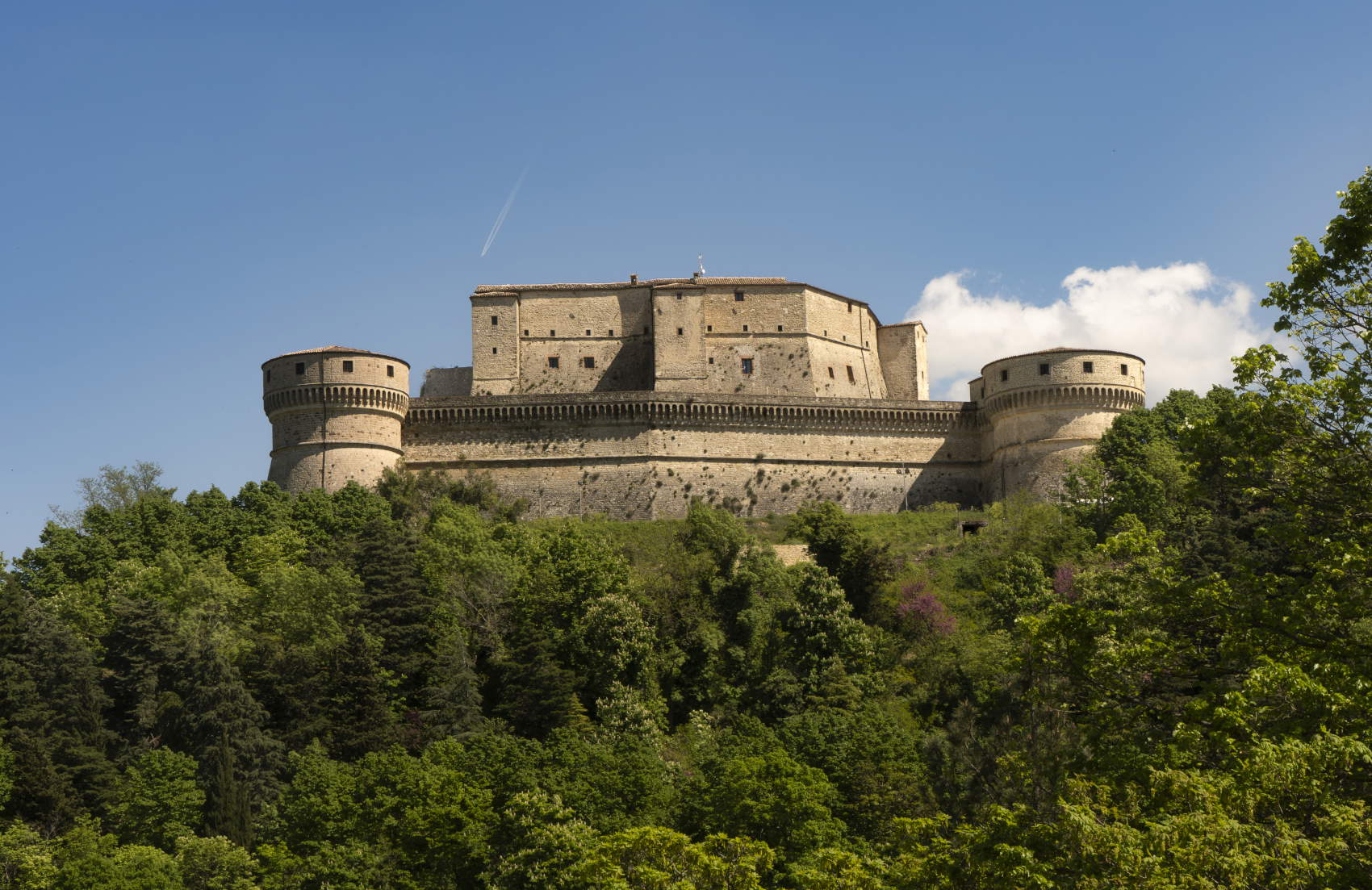
The Abbey of Pomposa, in Codigoro, will also undergo new interventions. Here, work on the lighting system will continue, while a project is taking shape to transform the abbey into a true “field school” for young researchers, offering them the opportunity to study the heritage and engage directly with the site. The initiative will be developed in collaboration with the University of Bologna’s School of Specialization in Historical and Artistic Heritage. Finally, at the Fortress of San Leo, in the Rimini area, the enhancement project already underway will continue with the development of a new visual identity and the creation of new exhibition itineraries. The Directorate’s program thus aims to consolidate a museum network capable of integrating conservation, research, and new ways of experiencing and promoting the historical and artistic heritage of Emilia-Romagna.
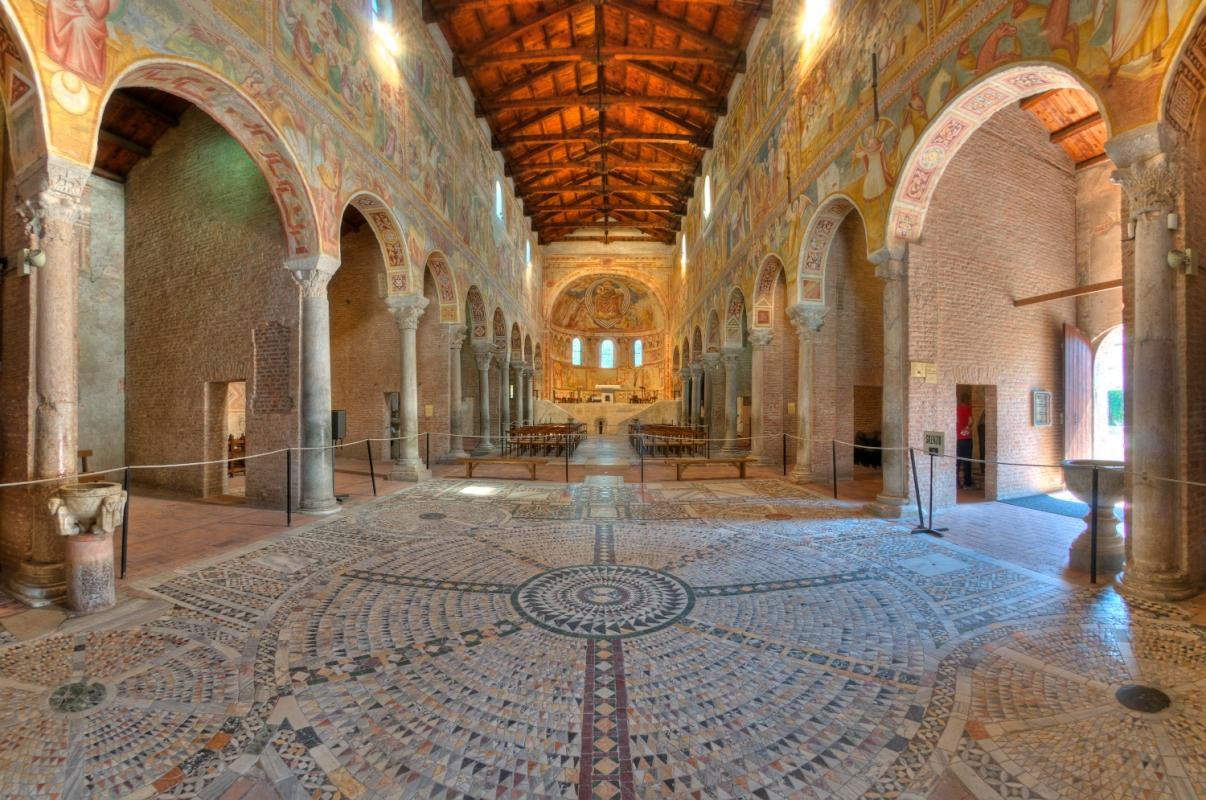
“First and foremost, I would like to thank all the staff of the National Museums of Bologna and Emilia-Romagna for the warm welcome they have extended to me during these first few months and for the willingness and cooperation with which they have supported the start of my term,” stated the Director of the National Museums of Bologna – Regional Directorate of the National Museums of Emilia-Romagna, Luigi Gallo. “This program stems precisely from the desire to work together, pooling our expertise, professionalism, and passion for our cultural heritage. Over the next four years, we aim to chart a course that balances preservation and promotion, research and education, care for the collections, and outreach to the public. The Pinacoteca di Bologna will be at the center of a major renewal process, but equally fundamental will be the work on the regional sites, each with its own identity and potential. The goal is to make the National Museums of Bologna and Emilia-Romagna an increasingly vibrant, open system capable of engaging with the city, cultural institutions, and new generations. Exhibitions are an important part of this journey, but alongside them are major construction projects, restoration efforts, the reorganization of collections, the reopening of spaces, and the creation of new opportunities for research and education. The challenge is to bring all these aspects together and highlight the extraordinary richness of the heritage we are responsible for preserving.”
|
| Bologna: Six Major Exhibitions at the Pinacoteca Nazionale—Luigi Gallo’s Program Through 2030 |

Warning: the translation into English of the original Italian article was created using automatic tools. We undertake to review all articles, but we do not guarantee the total absence of inaccuracies in the translation due to the program. You can find the original by clicking on the ITA button. If you find any mistake,please contact us.























 IT
IT FR
FR DE
DE ES
ES CN
CN


