





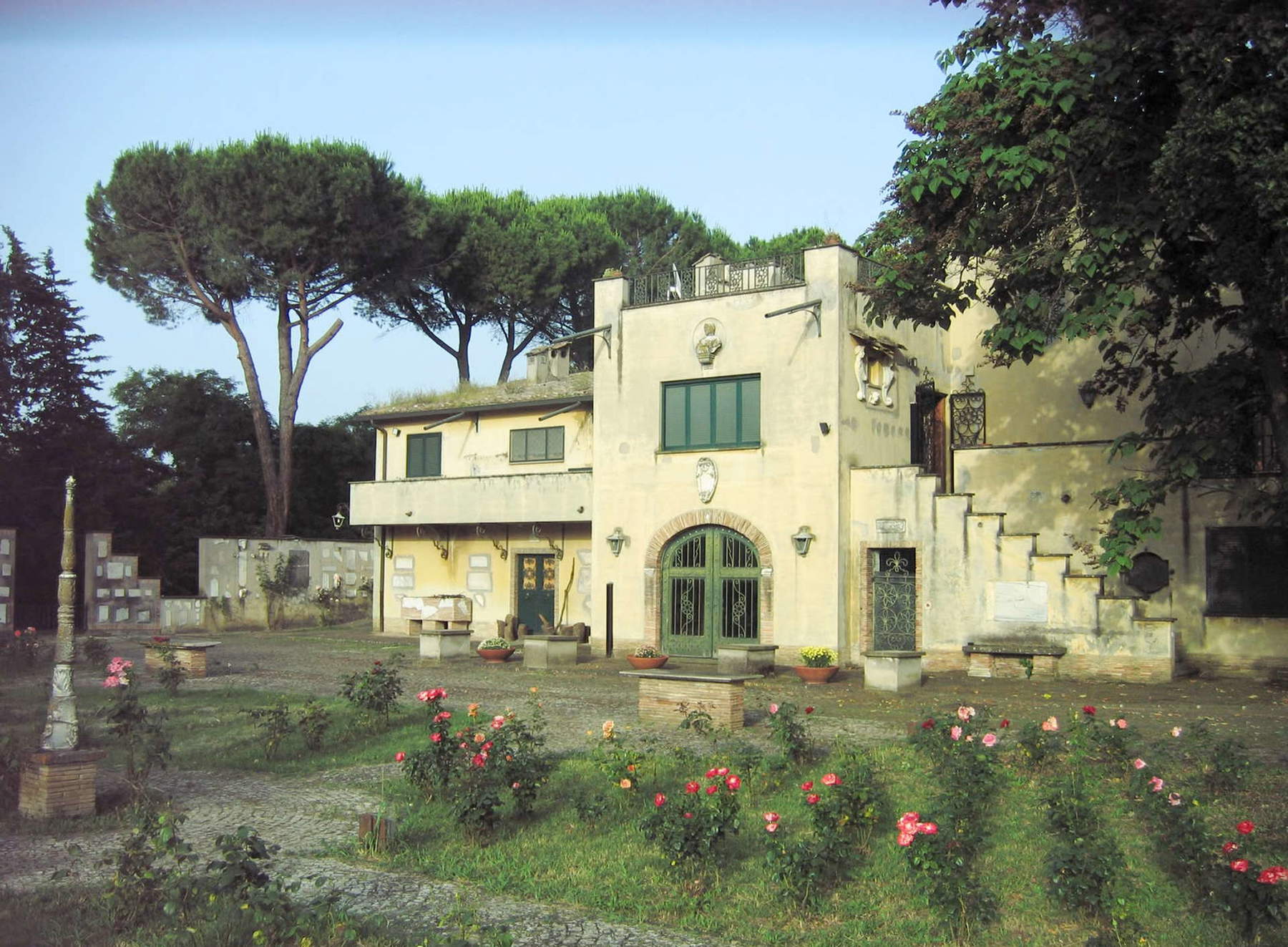
Villa Zeri, the historic residence in Mentana (Rome) that once belonged to Federico Zeri, has officially joined the national museum network and is set to become a new public hub dedicated to research, education, conservation, and cultural production. In fact, a development agreement has been signed between the Ministry of Culture andthe Alma Mater Studiorum – University of Bologna to launch a multi-year project aimed at gradually returning to the public one of the most significant sites associated with one of the leading Italian art historians of the 20th century.
The villa, which belongs to the University of Bologna, will be incorporated into the National Museum System as a cultural site entrusted to the Pantheon and Castel Sant’Angelo Institute—National Museums Directorate of the City of Rome. The agreement was signed by the director of the Pantheon and Castel Sant’Angelo Institute, Luca Mercuri, and by the rector of the Alma Mater Studiorum – University of Bologna, Giovanni Molari, marking the start of a collaboration that will also involve the Federico Zeri Foundation in defining the activities for the enhancement and cultural management of the complex. The goal is to transform Villa Zeri into a permanent center capable of combining memory and contemporary life, conservation and research, study and public engagement. A place where the art historian’s scholarly legacy will not only be preserved but also revitalized through exhibitions, conferences, educational activities, publishing projects, and initiatives aimed at scholars, students, artists, and the general public.
“Villa Zeri is joining the national museum network and is poised to become a center for study, education, and cultural production,” stated Minister of Culture Alessandro Giuli. “The residence in Mentana preserves the legacy of Federico Zeri, one of the most influential art historians of the 20th century, along with his methodology and his conception of knowledge as a critical exercise. The agreement with the University of Bologna will make it possible to gradually make this heritage available to the public and open it up to scholars, artists, and citizens. It is the duty of institutions to transform the great legacies of Italian culture into public capital and pass them on to younger generations to foster research, creativity, and new forms of participation.”
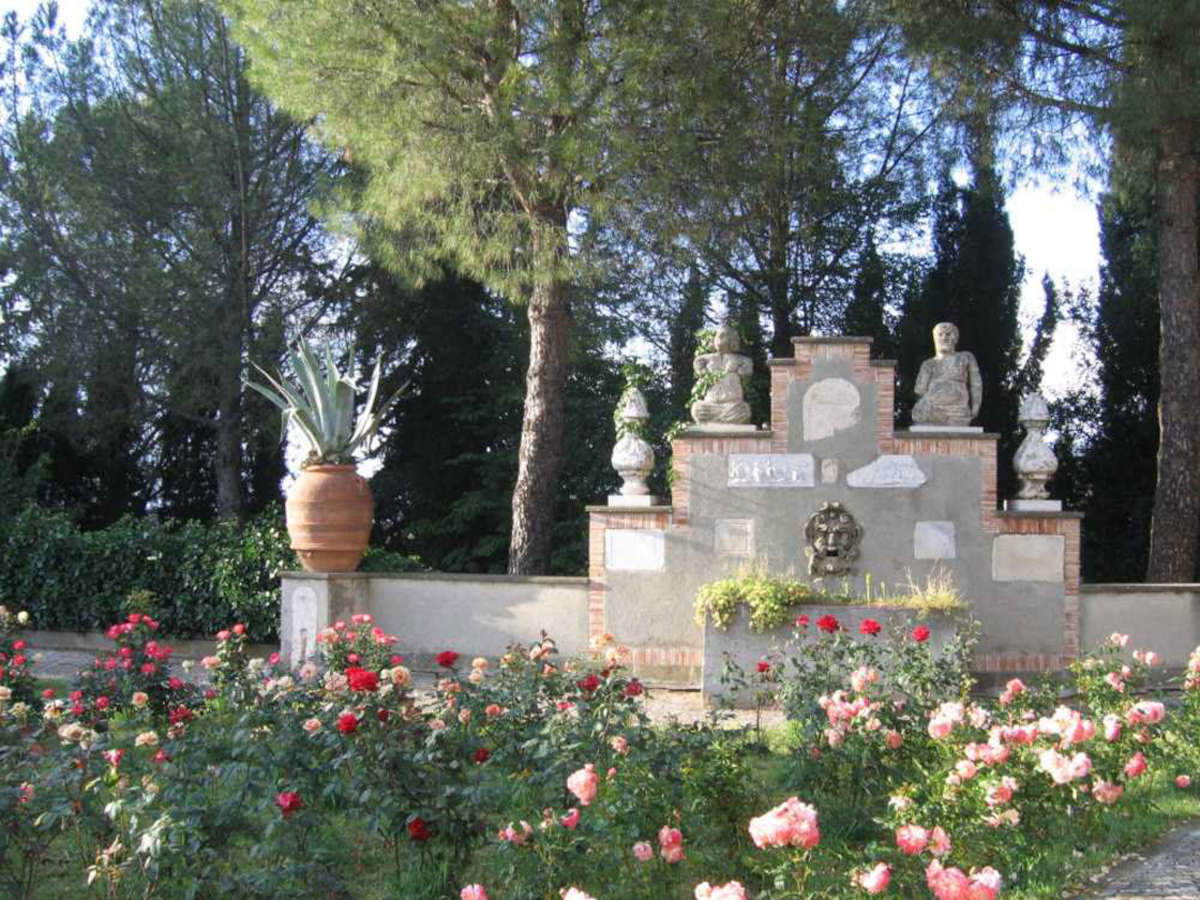
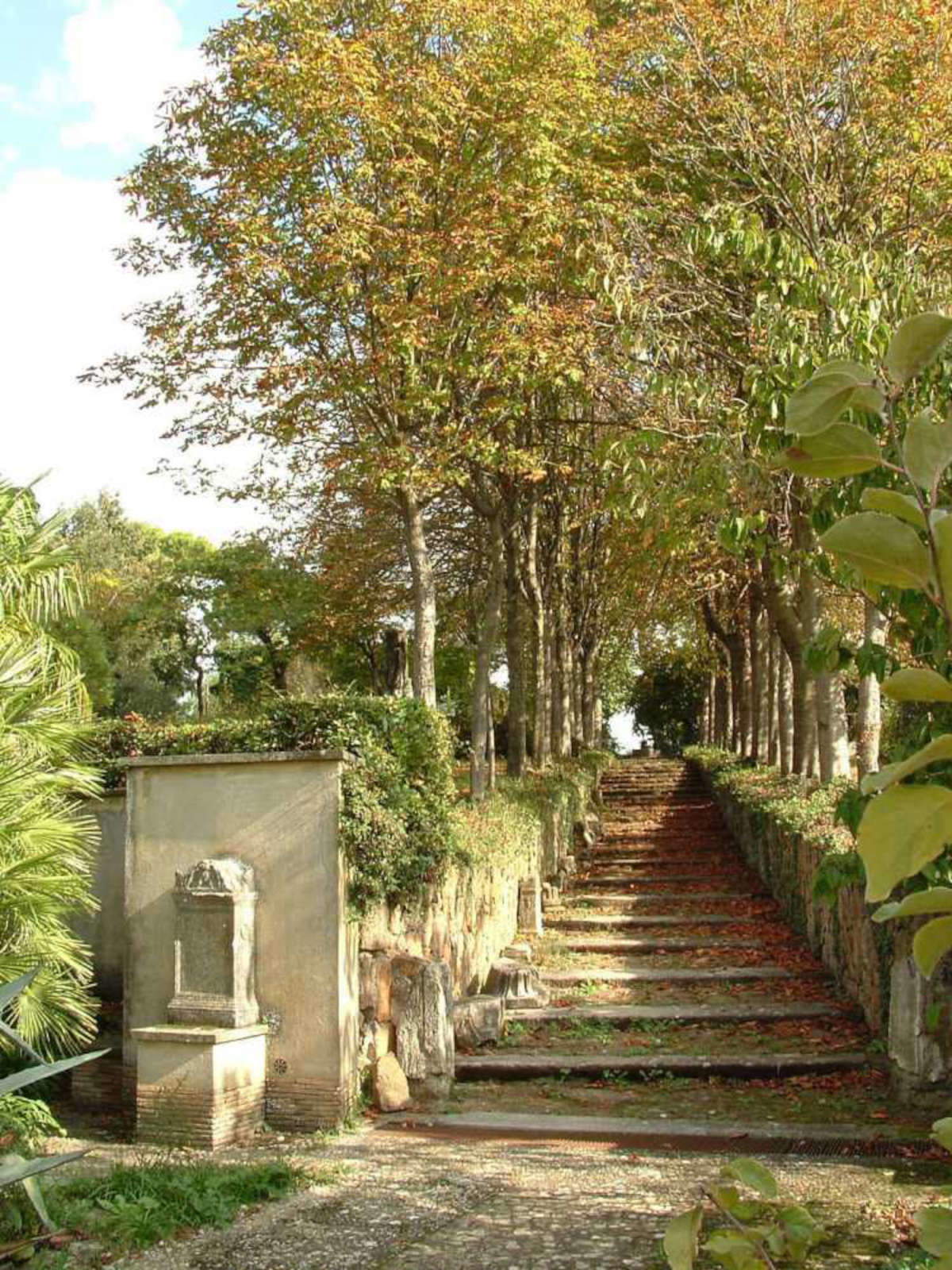
Built in the early 1960s based on a design by architect Andrea Busiri Vici, Villa Zeri was conceived as a unified space in which private life, study, and the conservation of artworks coexisted in a balance closely tied to the art historian’s working method. For decades, the residence in Mentana has served as a point of reference for scholars, collectors, and cultural institutions, preserving not only an important part of Zeri’s personal legacy but also his relationship with images, research, and the critical analysis of works of art.
The transformation of the villa into a public cultural space stems precisely from the desire to preserve this intangible heritage—comprising books, archives, research tools, spaces, and working methods—that characterized Federico Zeri’s work. The project therefore aims to highlight not only the residence itself but also the scholar’s methodology and his contribution to Italian and international art history. The revitalization program, aptly titled Villa Zeri: Abitare le immagini, includes a series of phased interventions designed to renovate, preserve, and make the complex accessible. These activities will accompany the villa’s future opening to the public and its permanent integration into the national museum network, offering a cultural program that combines scientific research, specialized training, and public outreach.
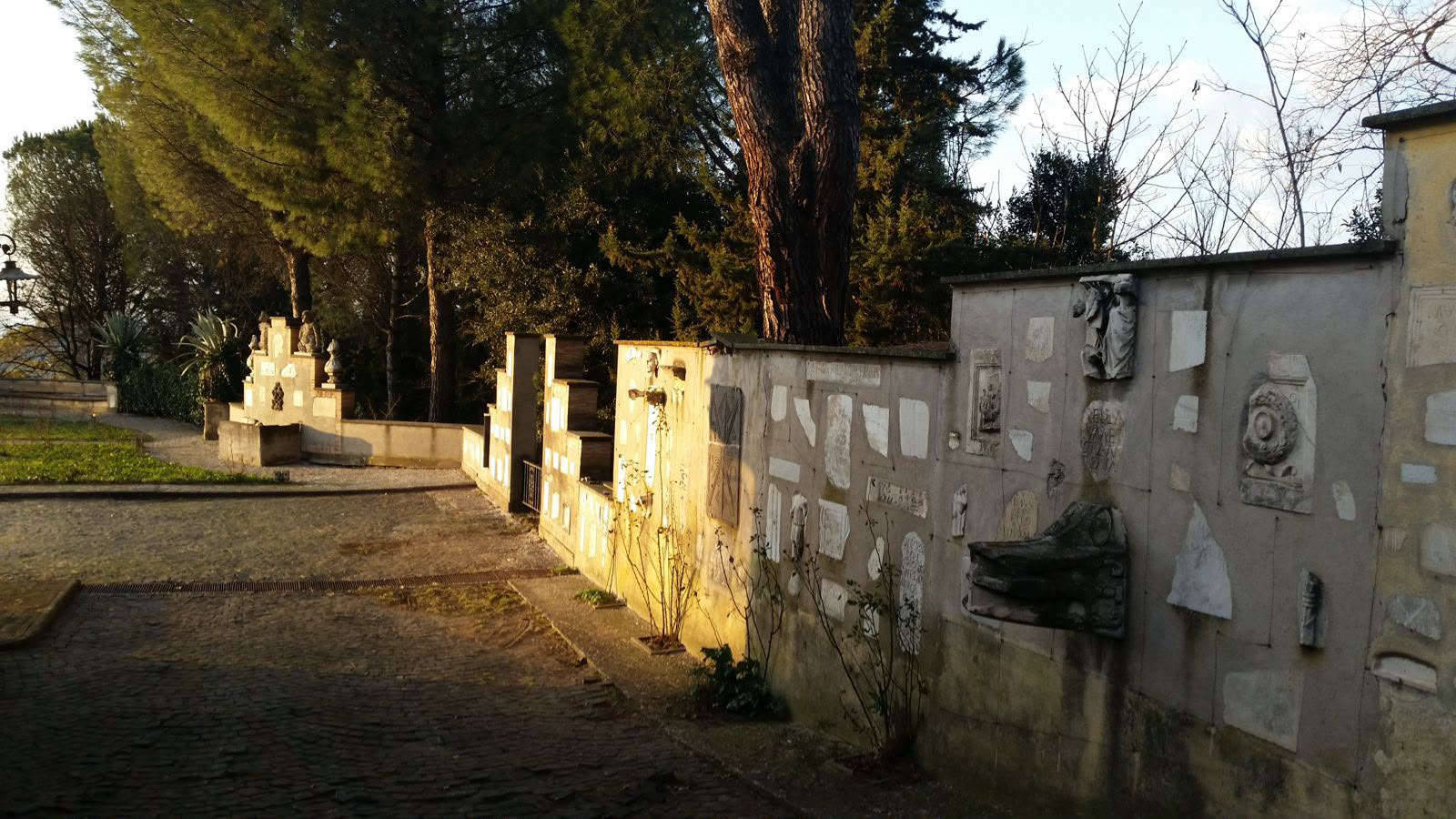
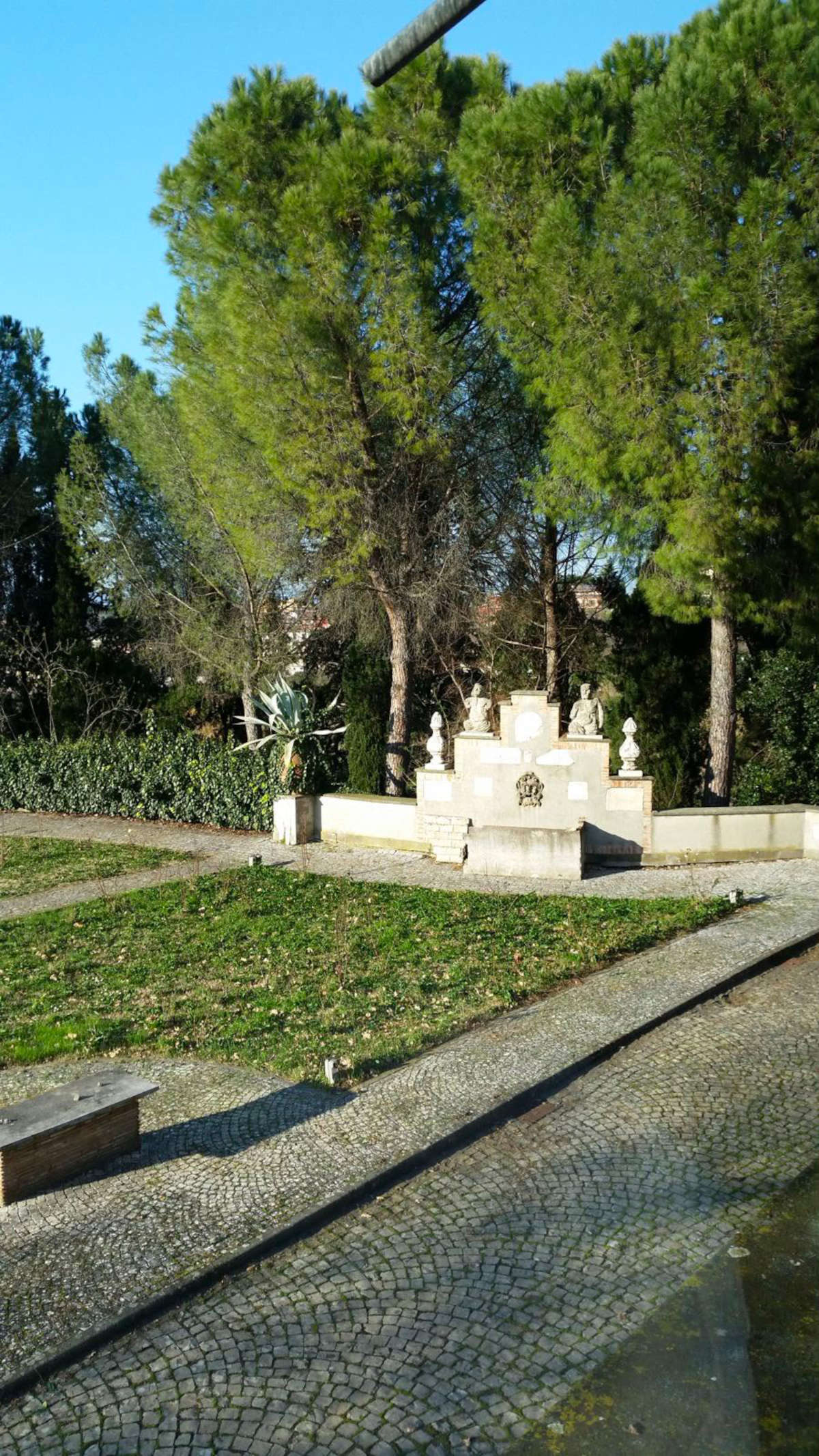
Among the program’s objectives are the creation of temporary exhibitions dedicated to the main themes addressed by the art historian throughout his career, the organization of specialized conferences and seminars, the development of educational activities and publishing projects, as well as the promotion of advanced training programs in collaboration with the University of Bologna, the Federico Zeri Foundation, and a network of Italian and international universities, museums, and research institutes.
The project also calls for the gradual conversion of part of the villa into a museum, the launch of conservation and restoration efforts, and the creation of artist residencies. The aim is to create an ongoing dialogue between the site’s historical memory and contemporary cultural practices, transforming the Mentana residence into a dynamic space open to the generation of new knowledge.
Villa Zeri’s inclusion in the national museum network is part of a broader strategy promoted by the General Directorate of Museums and the Pantheon and Castel Sant’Angelo Institute to consolidate and expand—in the Rome area and beyond—a network dedicated to house museums, places of memory, and the residences of scholars and artists.
This network already includes institutions such as the Mario Praz House Museum, the Boncompagni Ludovisi House Museum, the Hendrik Christian Andersen House Museum, Casa Pasolini, and Casa Balla. Villa Zeri thus represents a new piece in a widespread cultural system that aims to highlight the great figures of Italian culture through the spaces where they lived, worked, and developed their ideas. The project also aligns with the objectives of the Olivetti Plan, which focuses on cultural dissemination and territorial rebalancing, promoting greater participation even outside the traditional central hubs of major cities. The villa in Mentana will thus become a place capable of fostering new relationships between institutions, local communities, scholars, and the public.
“With this agreement,” says Giovanni Molari, rector of the University of Bologna, “we are ensuring a long-term vision for the enhancement of Villa Zeri, a place of extraordinary cultural and symbolic value linked to the figure of Federico Zeri. Thanks to the collaboration with the Ministry of Culture and the Pantheon and Castel Sant’Angelo Institute, the villa will be able to develop as a house-museum, a research center, and a space open to the community, in the spirit of outreach, study, and public access to cultural heritage. This is an important achievement that will enable Villa Zeri to be transformed into a permanent museum and cultural hub dedicated to the life and legacy of Federico Zeri. “We are deeply grateful to Federico Zeri for choosing the University of Bologna as the custodian of his cultural legacy, entrusting it with a heritage that continues to be a source of research, knowledge, and growth for the community.”
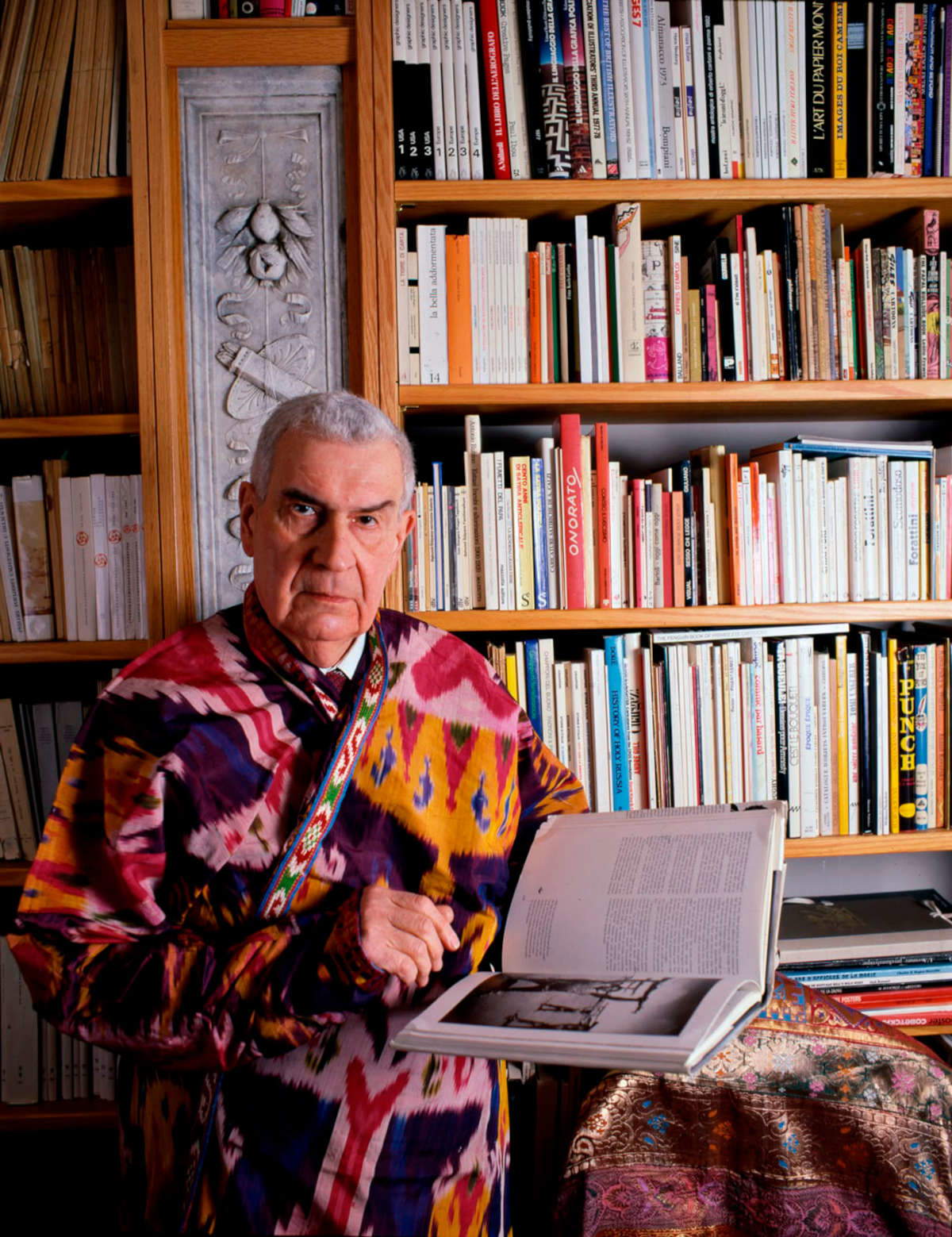
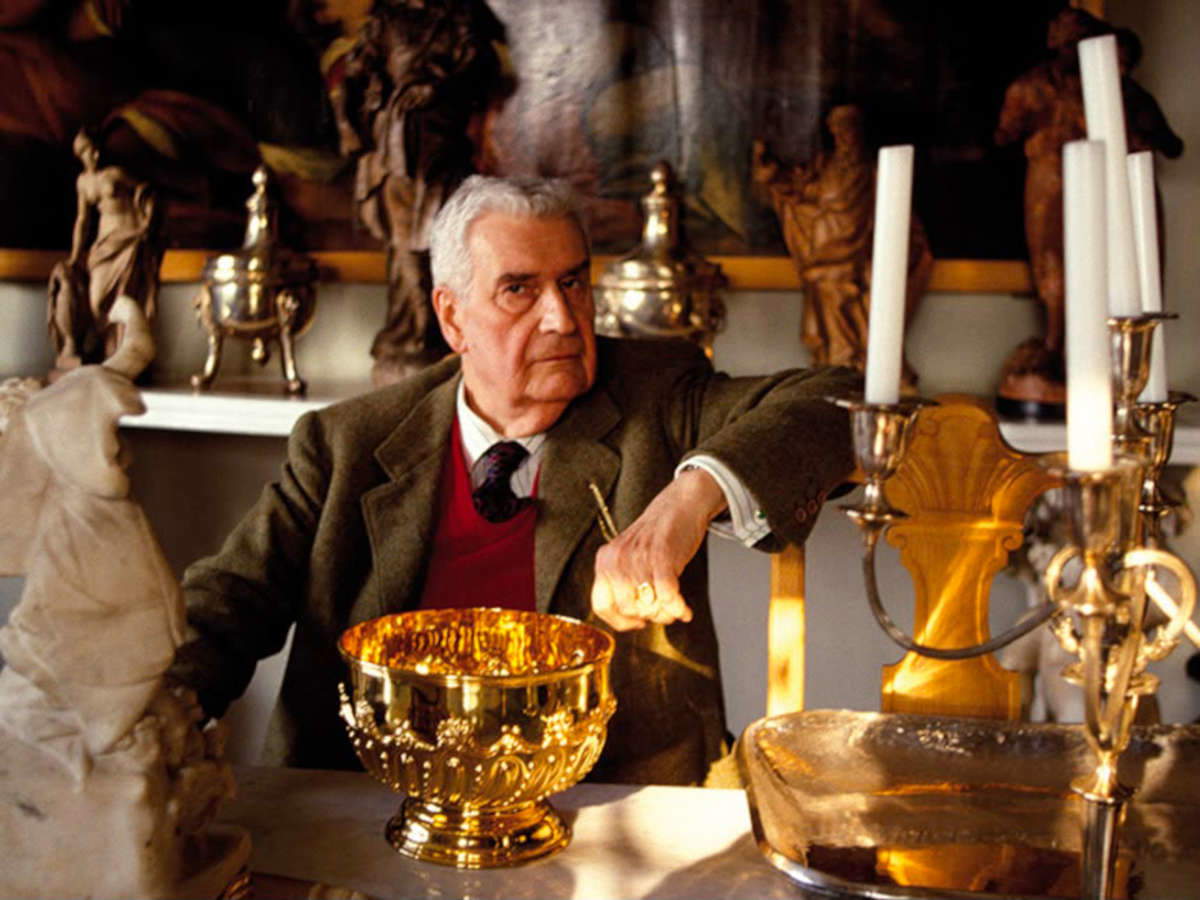
“With Villa Zeri,” adds Luca Mercuri, director of the Pantheon and Castel Sant’Angelo Institute —National Museums of the City of Rome Directorate — “the network of cultural sites entrusted to the Pantheon and Castel Sant’Angelo Institute is expanding; in recent years, this network has gradually consolidated around house museums, artists’ residences, and venues for contemporary creativity. Following the acquisition of Casa Pasolini and, more recently, Casa Balla, Villa Zeri adds a fundamental piece to a project that is transforming these sites into vibrant centers of research, exhibition, education, cultural production, and participation, deeply connected to the communities and institutions of the regions where they are located. “With the ‘Abitare le immagini’ program, we aim to fully restore to the community not only Federico Zeri’s home, but also his working method, his perspective, and his conception of art history, making the villa a national and international hub for scholarship, outreach, and cultural production.”
“Villa Zeri is an emblematic example of how the promotion of cultural heritage can arise from fruitful collaboration among different institutions and translate into new opportunities for community engagement and regional development,” states Alfonsina Russo, Head of the Department for the Promotion of Cultural Heritage. “I had already had the opportunity to get to know and appreciate this extraordinary place during my previous tenure as Superintendent for the region, recognizing its significant cultural potential, which is now fully realized in this agreement. The villa’s inclusion in the National Museum System will make it possible to gradually reopen this site to the public and to strengthen the network of house museums and historic residences through an open, accessible project aimed at an increasingly broad and diverse audience.”
“It is a source of particular satisfaction to see a project take shape today that I helped launch as Director General of Museums and that the Department of Cultural Activities will be able to continue supporting as it moves forward,” concludes Massimo Osanna, Head of the Department of Cultural Activities. “Villa Zeri represents an innovative model of a cultural institution, where cultural heritage, research, artistic production, and education engage in an ongoing dialogue. It is not merely a house museum, but a place capable of generating new knowledge, hosting cultural activities, exhibitions, artist residencies, educational initiatives, and opportunities for dialogue between different disciplines and forms of expression, thereby restoring the intellectual legacy of Federico Zeri to full relevance. This is a project that the Department will be pleased to support, in the belief that cultural heritage must increasingly become a driving force for creativity, cultural production, and participation, capable of connecting memory with the present.”
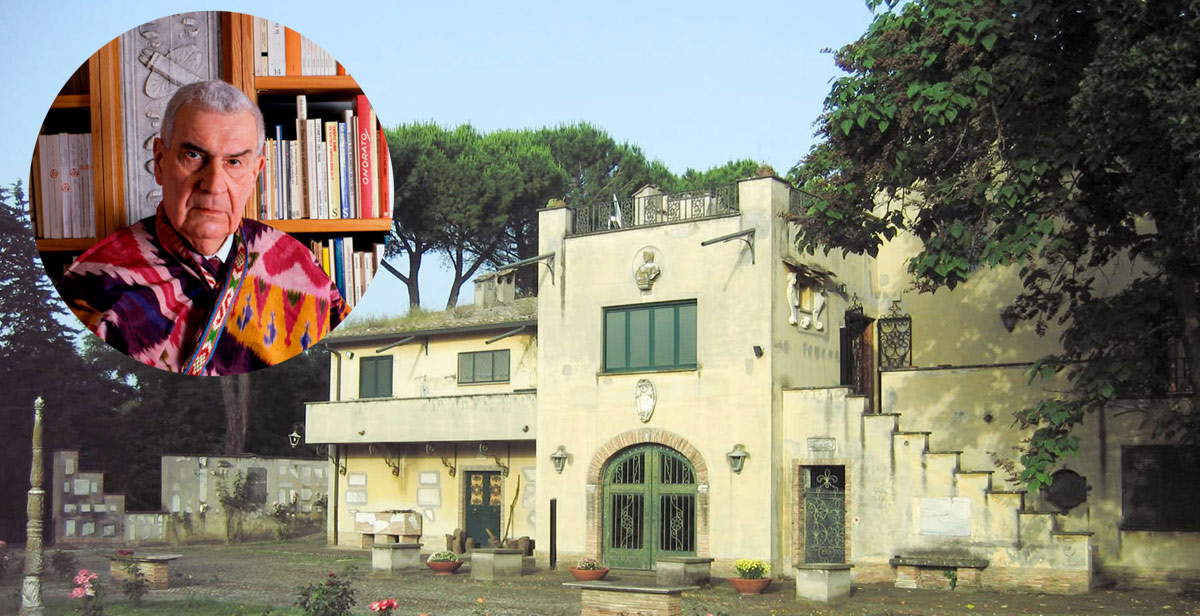 |
| Federico Zeri's villa in Mentana (Rome) will become a museum. The agreement has been signed. |

Warning: the translation into English of the original Italian article was created using automatic tools. We undertake to review all articles, but we do not guarantee the total absence of inaccuracies in the translation due to the program. You can find the original by clicking on the ITA button. If you find any mistake,please contact us.



























 IT
IT FR
FR DE
DE ES
ES CN
CN


