



by Redazione 22/10/2026


Categories: Museums / Disclaimer
The Colombian Ministry of Culture has ordered the removal of thirty works and artifacts from the permanent exhibition at the National Museum in Bogotá, including those related to feminist and LGBTQ+ movements and the history of the left. The decision has sparked public protests, criticism from six museums, and a court order to block further changes.


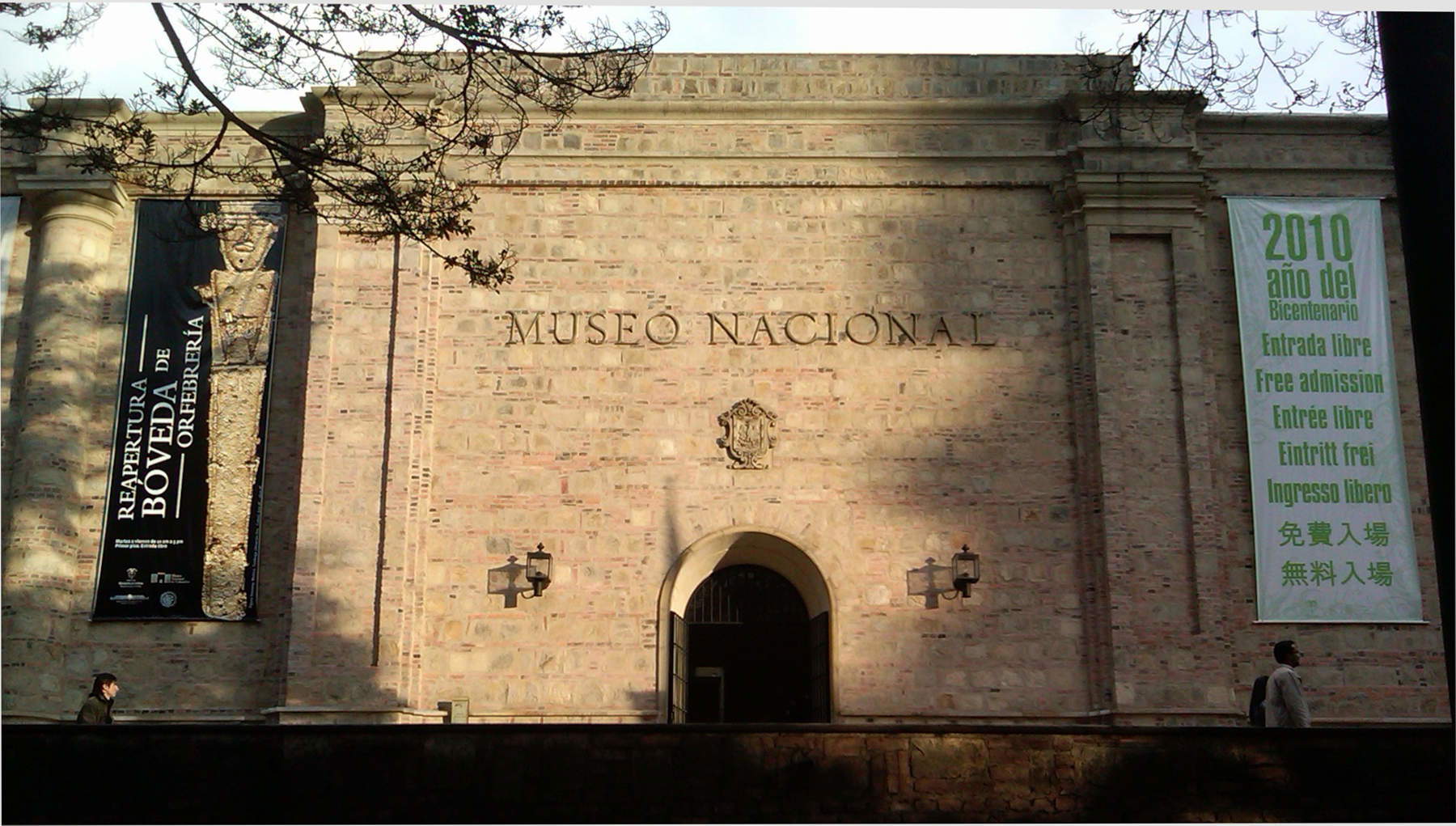
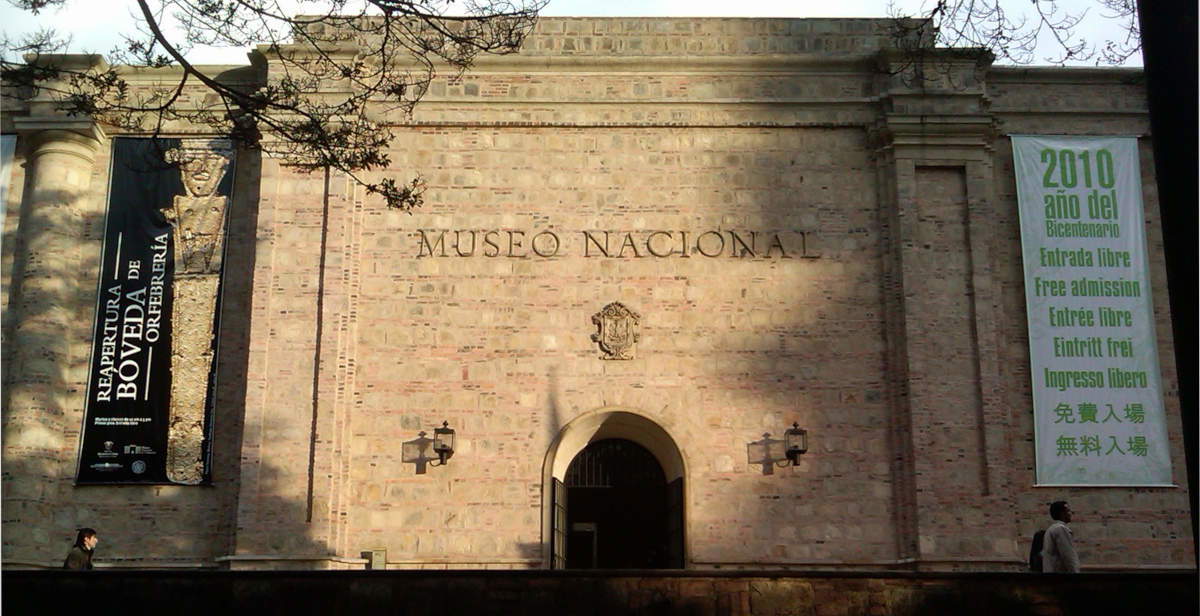
The removal of thirty works of art and historical artifacts from the galleries of the National Museum of Colombia in Bogotá has sparked a controversy over the role of cultural institutions in shaping public memory. According to a report by EL PAÍS, the decision—made by the Colombian Ministry of Culture—affected the permanent exhibition *Hacer Sociedad* (Building Society), dedicated to the country’s history and diversity, sparking protests from citizens, criticism from other museums, and a court order to prevent further changes.

The issue came to light on Thursday, when visitors noticed the absence of objects, documents, and photographs previously selected by curators to depict Colombian society. Among the removed materials were artifacts related to the LGBTQ+ movement, feminist struggles, students who contributed to the 1991 Constitution, and two left-wing figures assassinated in 1990.
On Saturday and Sunday, hundreds of people gathered in front of the building—a former national panopticon (a model of an ideal prison)—to protest the decision. The daytime protests took place peacefully, while overnight, riot police used water cannons against the participants and destroyed an improvised installation consisting of towers of bricks on which photographs of the thirty removed objects were displayed.



The mobilization also involved the museum sector. The modern art museums in Medellín, Cartagena, Barranquilla, Tolima, and Roldanillo—home to the Rayo Museum—appealed to Culture Minister Paola Holguín to guarantee the independence and autonomy of artistic institutions. According to the museums, the removal took place without following the required technical procedures and at a time when the National Museum lacked a permanent director. The International Council of Museums in Colombia also contested the operation, calling it a violation of the Code of Ethics for Museums.
On Monday morning, a judge in Bogotá ordered the government to refrain from making further changes and to preserve the removed works. The previous evening, while the museum was still under the guard of riot police, Holguín proceeded with the removal without clarifying the criteria used to select the works or the reasons for the sudden operation, which left gaps on the walls of the galleries. The minister merely stated that the Ministry is reviewing the museum’s curatorial approach.
The decision is part of the political and cultural clash initiated by Colombian President Abelardo de la Espriella, who took office on August 7. On the very day of the removal, the president delivered a speech at the Ministry of Culture declaring war on progressive culture, which he labeled “woke.” De la Espriella accuses this worldview of denying the biological differences between men and women, glorifying terrorists, and distorting history by reducing it to a conflict between oppressors and the oppressed.
As the newspaper further reports, following the protests, Holguín has shown no signs of wanting to reconsider the decision. On the contrary, in a message posted Sunday evening, he accused the organizers of the demonstrations of having turned culture into a tool for historical deconstruction, the glorification of crime, and the revictimization of victims. The statement was directed at the previous government, led by Gustavo Petro, which the current administration accuses of attributing symbolic value to certain objects that, in its view, does not correspond to their actual historical significance but rather reflects a specific ideology.
Among the contested objects is the hat of Carlos Pizarro, commander of the M-19 guerrilla group, who signed a peace agreement in 1989 and was assassinated a few months later—while running for president—on board an airplane. Petro, who had previously been a member of the M-19, did not attend the event, though several of his former ministers were present, including former Environment Minister Susana Muhamad. Criticism of the removal did not come solely from the left. The decision also sparked reactions in liberal circles and among sectors of the traditional right, as evidenced by public letters signed by dozens of prominent figures.
According to some analysts, the Colombian controversy is part of an international debate over the relationship between political power and historical narrative in museums. In the United States, Donald Trump has been engaged in a long-running dispute with the Smithsonian Institution, accusing it of straying from American and Western values, particularly in its approach to the history of racism. In Argentina, in February, President Javier Milei requested that the saber of independence hero José de San Martín be transferred from the National Historical Museum to a military unit, deeming it a more suitable place for its preservation. In Chile, President José Antonio Kast’s party has promoted a project for a “Museum of Truth” aimed at reevaluating the 1973 coup d’état led by Augusto Pinochet.
The case of the Colombian National Museum thus brings back into focus an issue that directly concerns cultural institutions: who decides which objects deserve to be exhibited and which events should become part of the collective memory? Museum curation, therefore, concerns not only the preservation of historical evidence but also the way in which a society represents its own past.
 |
| In Colombia, 30 artifacts were removed from a museum. And citizens protested to defend them |
Warning: the translation into English of the original Italian article was created using automatic tools. We undertake to review all articles, but we do not guarantee the total absence of inaccuracies in the translation due to the program. You can find the original by clicking on the ITA button. If you find any mistake,please contact us.