



by Redazione 24/11/2026



Categories: Museums / Disclaimer
After ten years of construction and an investment of 437 million pounds, the London Museum’s new home in the former General Market in Smithfield will open to the public on November 28. The exhibition brings together thousands of objects, installations, and artifacts to tell the story of the British capital from its ancient history to the present day.


On November 28, 2026, London will open a new museum venue inthe former Smithfield General Market, following a ten-year renovation project that cost 437 million pounds. The exhibition brings together thousands of objects, installations, historical accounts, and works of art to trace the evolution of the British capital, from the earliest communities settled along the Thames to the contemporary metropolis. The project is a collaboration between the London Museum, the City of London Corporation, and London Mayor Sadiq Khan, with support from philanthropic partners including Bloomberg Philanthropies, the Goldsmiths’ Foundation, the Linbury Trust, and the National Lottery Heritage Fund. The architectural transformation was entrusted to Stanton Williams, in collaboration with Asif Khan Studio and the conservation architects Julian Harrap Architects.


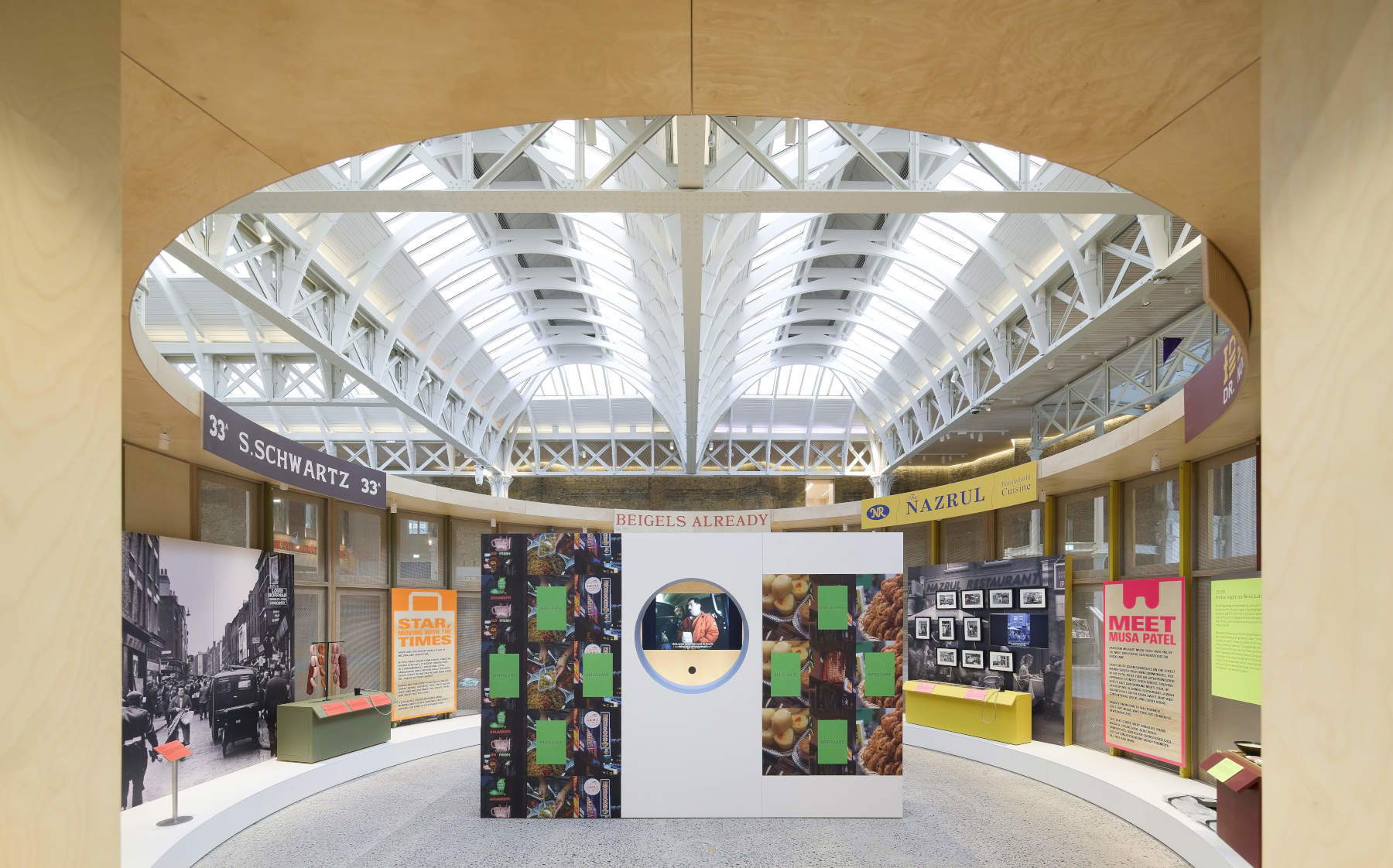
The museum is divided into three main sections: Real Time, Our Time, and Past Time. The first section welcomes visitors through a street converted into an entrance, conceived as a representation of contemporary London. Animated screens display up-to-date data on city life, ranging from bee populations and pubs to the musical habits and moods of Londoners. Fragments of ceramics and Victorian pipes emerge from the floor, bearing witness to the daily lives of past generations. Among the exhibits are also *Piranhas*, Banksy’s guardhouse from his 2024 animal-themed series, and a clock tower featuring the last bell cast at the historic Whitechapel Bell Foundry, designed to chime daily when the museum opens.


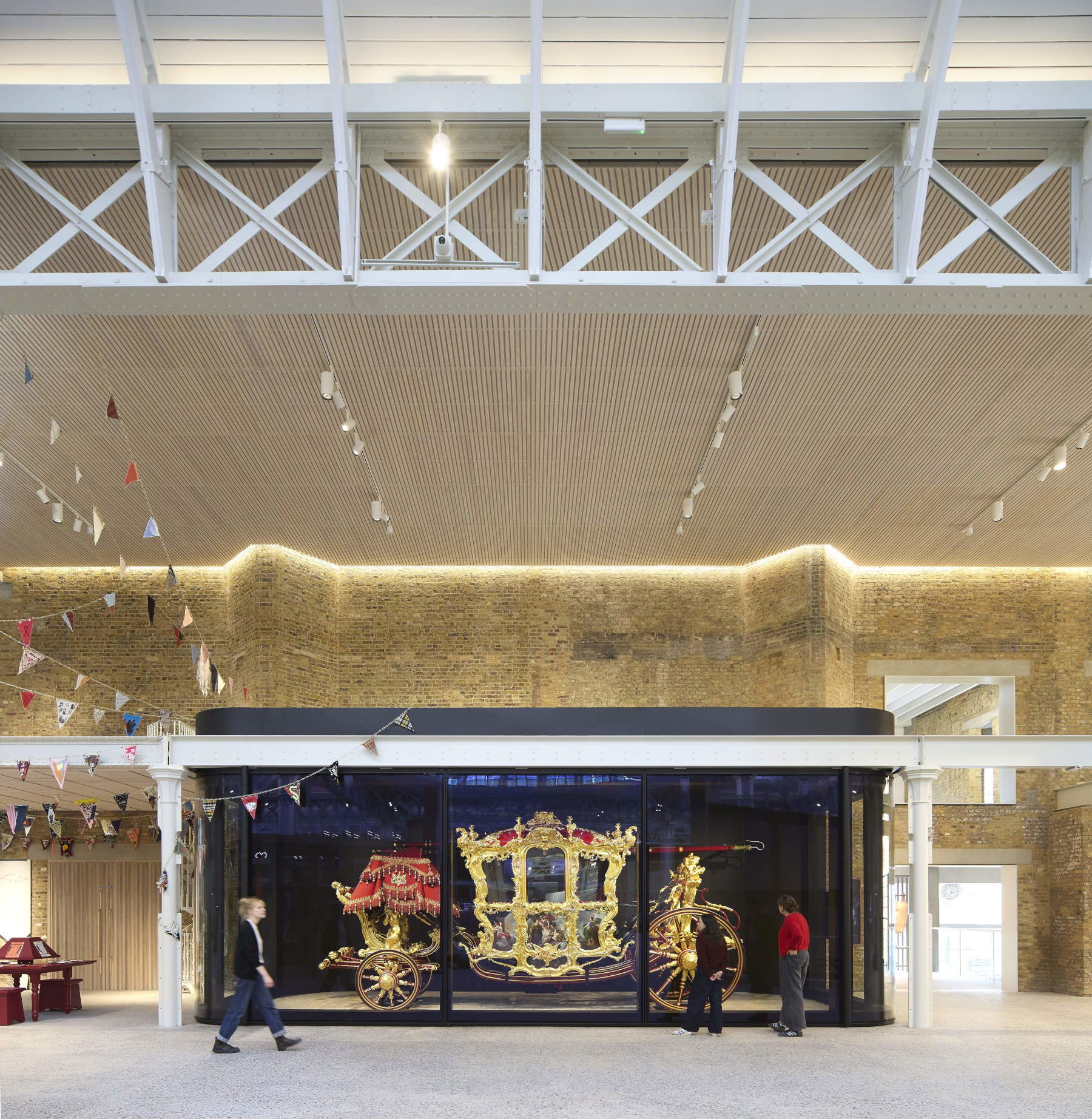
At the heart of the complex is *Our Time*, housed in Linbury Hall, the market’s former trading area. The space serves as a gathering place and includes a restaurant, a shop, and an area for activities geared toward families and schools. Thirteen installations explore the ways in which residents have shared spaces and experiences over time. Among the objects on display are the Lord Mayor’s carriage from 1757, used annually during the traditional city parade, the Buckingham Palace switchboard, decommissioned in 1970 and on public display for the first time, and the century-old counter from Syd’s Coffee Stall in the East End, which will offer free hot drinks every Tuesday thanks to the support of Rare Tea.


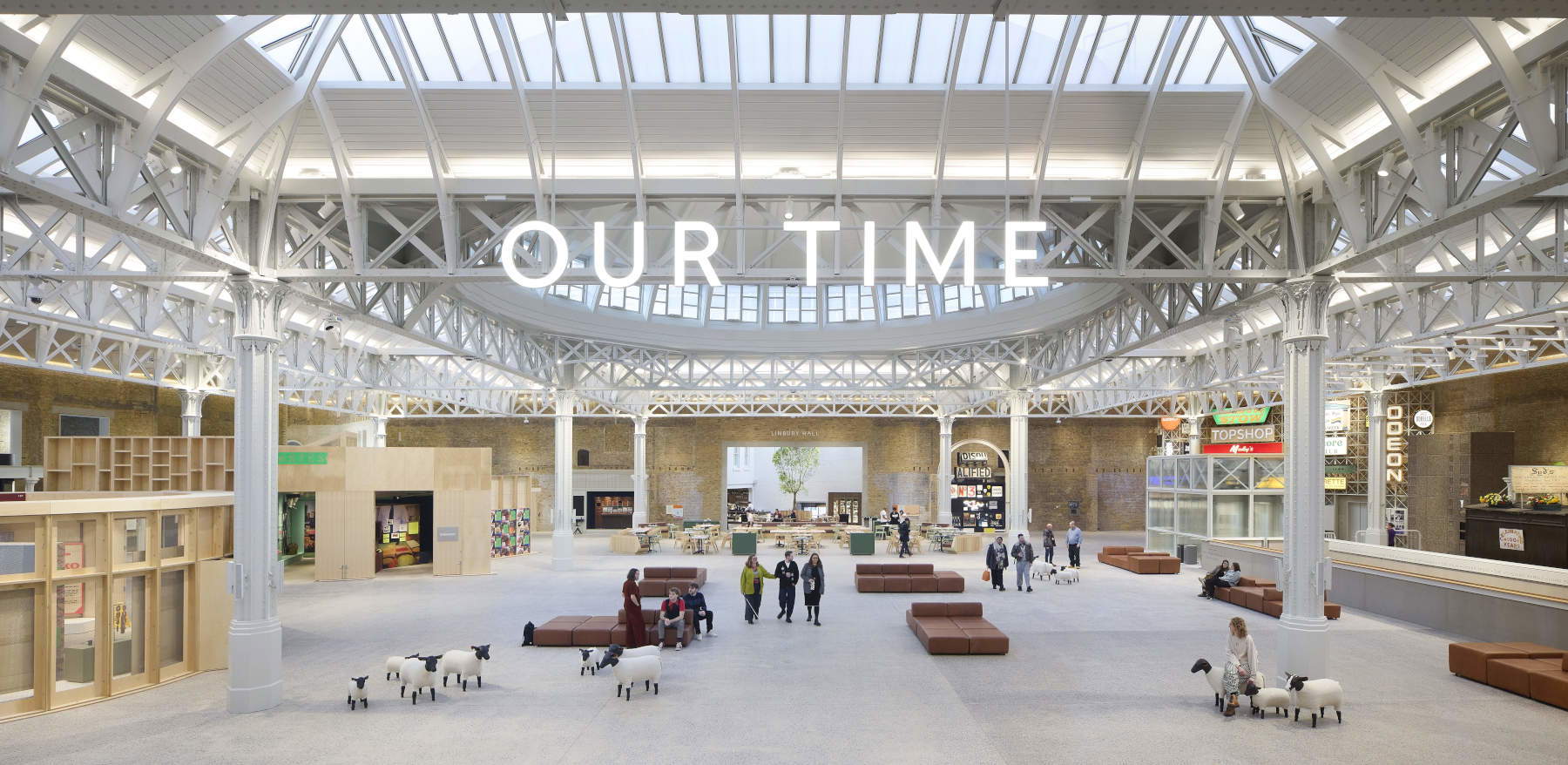
A section titled “Hanging Out” features twenty signs from London hangouts, including those of the Fabric nightclub, the Galtymore Dance Club, Topshop, and the first Morley’s Chicken Shop in Sydenham. Another project brings together the voices of Generation Alpha, stemming from the museum’s first major initiative to collect testimonies in collaboration with young people. The city’s soundscape is brought to life through an acoustic landscape created by electronic musician Scanner, while a film by John Ogunmuyiwa combines historical and contemporary images to document collective gatherings in London, from street parties to political protests.
“Our Time” will also feature a program of events and temporary exhibitions. The first season, “London Tastes” (November 2026–August 2027), will be dedicated to the capital’s food culture and curated by Ruby Tandoh and Jonathan Nunn, founder of Vittles magazine, with support from Sainsbury’s. The project will span various neighborhoods, from Enfield to Park Royal, from Southall to Walworth, exploring the history of Covent Garden Market, Brick Lane, traditional pie-and-mash shops, chicken shops, and other businesses that contribute to London’s food scene. The program will also influence the museum’s menus and the activities of the restaurant and bar.
Starting in December 2026, evening openings are planned for Fridays and Saturdays, with support from Morley’s and music by a collective of emerging DJs. Starting in February 2027, “House Parties” will be held in collaboration with Reprezent107.3 FM and Hive Curates, along with the “Dinner Club,” dedicated to the cuisine of talented London chefs. For families, the new N. Sethia Showspace will host storytelling sessions and performances, while starting in January 2027, the theater company Punchdrunk Enrichment will offer weekly events dedicated to discovering some of the city’s most elusive creatures.
Descending to the level of the ancient Roman roads, you’ll reach Past Time, the permanent gallery dedicated to the history of London. The exhibition traces the capital’s urban and social evolution, presenting the artifacts for the first time in a layout that combines chronological order with thematic insights.
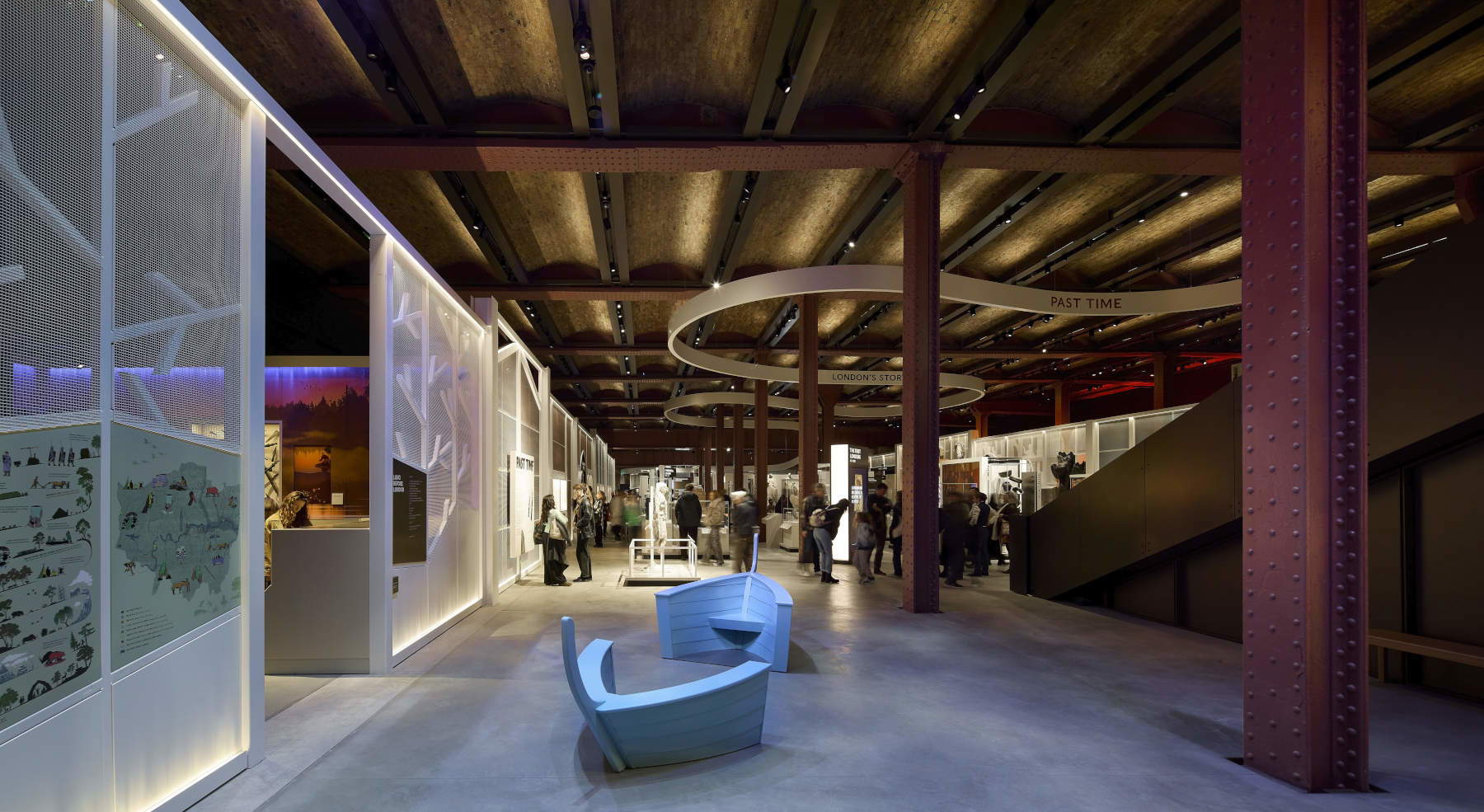
Among the most significant pieces is the Cheapside Hoard, one of the most important surviving collections of jewelry from the Elizabethan and Jacobean periods, along with a fragment of the famous Whitechapel Fatberg. Also on display for the first time will be the Bowes Cup, part of the Goldsmiths’ Company collection and believed to have been used by Elizabeth I during the coronation banquet in 1559. Another artifact is a 2,000-year-old Roman wall painting, discovered in 2007 and reassembled after more than 400 hours of conservation work. Also returning are several objects already familiar to the public, such as the diving suit worn by Tom Daley at the 2012 London Olympics, a plate that belonged to diarist Samuel Pepys, and the famous Art Deco elevator from Selfridges.
The narrative continues through the various phases of the city’s history. The Roman tablets from the Bloomberg Collection provide the earliest written records of Londinium, while a bone engraved with runes documents the subsequent Saxon phase of Lundenwic. A waistcoat attributed to Charles I—believed to have been worn during his execution in 1649—a charred brick from the Great Fire of 1666, and 17th-century death records recount some of the most dramatic episodes in English history. The presence of the British East India Company, the autobiography of the abolitionist Olaudah Equiano, and materials related to the Imperial Exhibitions, on the other hand, document London’s role in the history of the British Empire.
The section dedicated to the modern city extends through the 2012 Olympic and Paralympic Games, featuring the Olympic torch, a costume from the Paralympic opening ceremony decorated with words from the Universal Declaration of Human Rights, and the official portrait of Olympic champion Mo Farah.
Ample space is also devoted to political and cultural transformations. The “Votes for Women” gallery houses a collection of suffragist artifacts, including Emmeline Pankhurst’s hunger strike medal. Photographs by artist Ajamu X capture the faces of Black abolitionists from the Sons of Africa group, while other objects document contemporary activism, including a statuette of Lady Phyll, co-founder of UK Black Pride, and signs from the disability rights group Transport for All.
London’s cultural history is represented by objects such as the Fender Precision Bass that belonged to Paul Simonon of The Clash—featured on the cover of the 1979 album *London Calling*—a chair that belonged to Charles Dickens, singer Kitty Lord’s stage costumes, musician Kuljit Bhamra’s tabla, and Anna Pavlova’s costume for *The Dying Swan*. The exhibition also incorporates multimedia experiences: visitors can step into a reconstruction of a Roman shop, witness an interactive reenactment of the Great Fire, and follow a tour dedicated to the city’s animals. Contributors to the project include, among others, Raymond Antrobus, Jasbinder Bilan, Rohan Eason, Inua Ellams, Elizabeth Inniss, Lauric Mahé-Stephenson, Leah Moore, Otesanya, Michael Rosen, and DYSPLA.
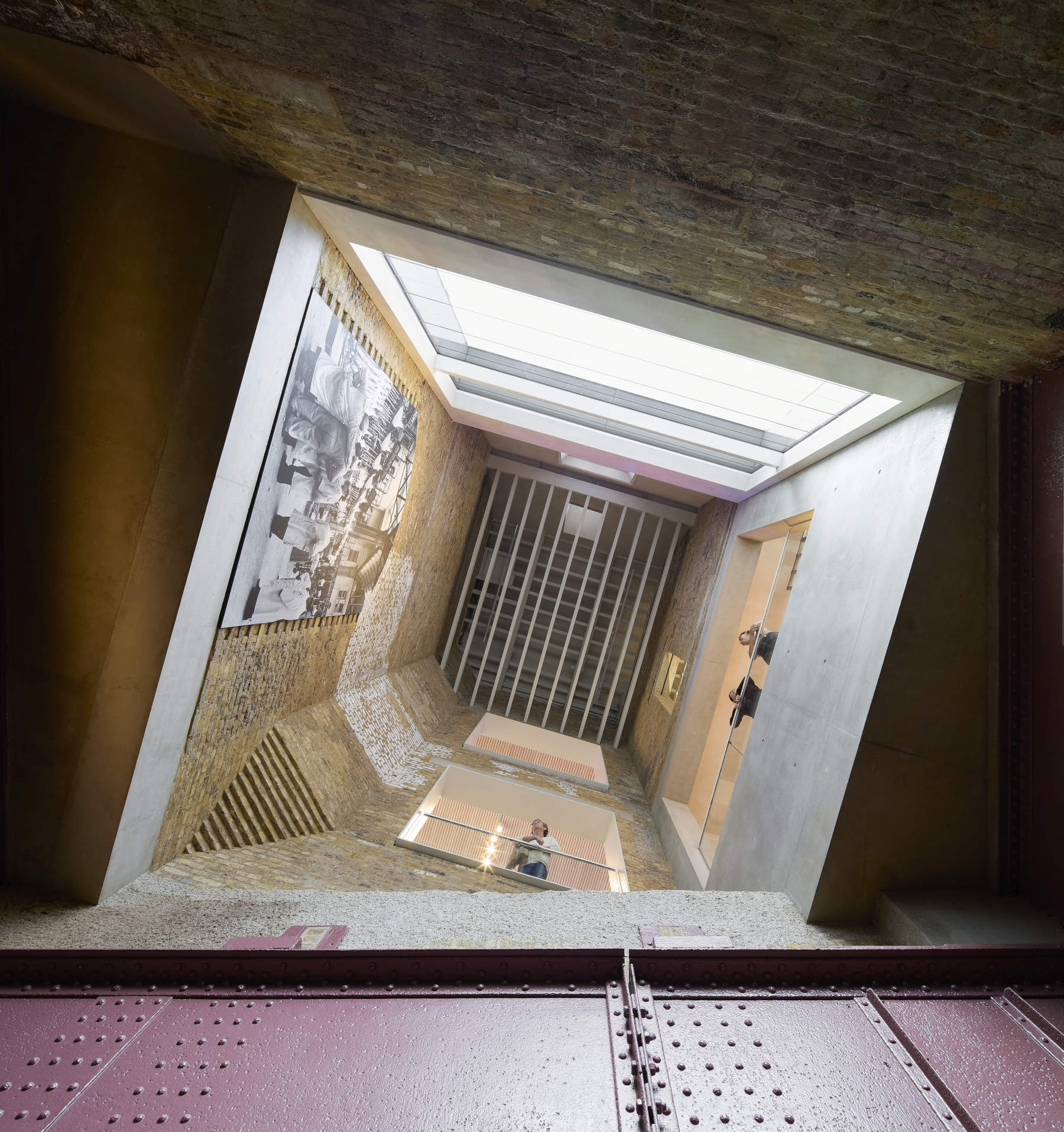
One of the most distinctive installations is a six-meter-wide panoramic window that offers a view of Thameslink trains traveling between Farringdon and City Thameslink on some of the city’s oldest underground lines. The thematic sections also explore daily life, places of worship, work, entertainment, and the transformations of streets, green spaces, and urban infrastructure.
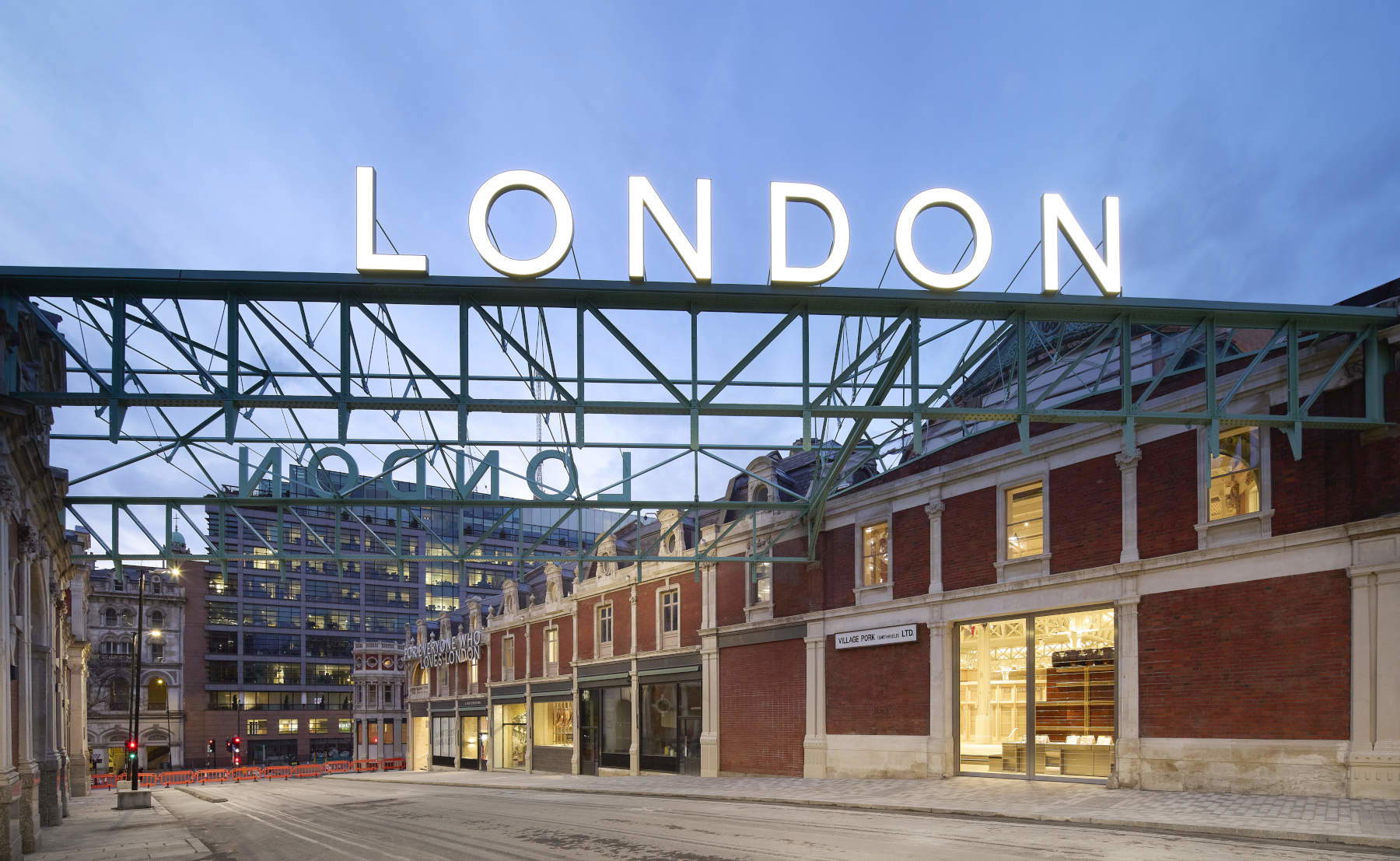
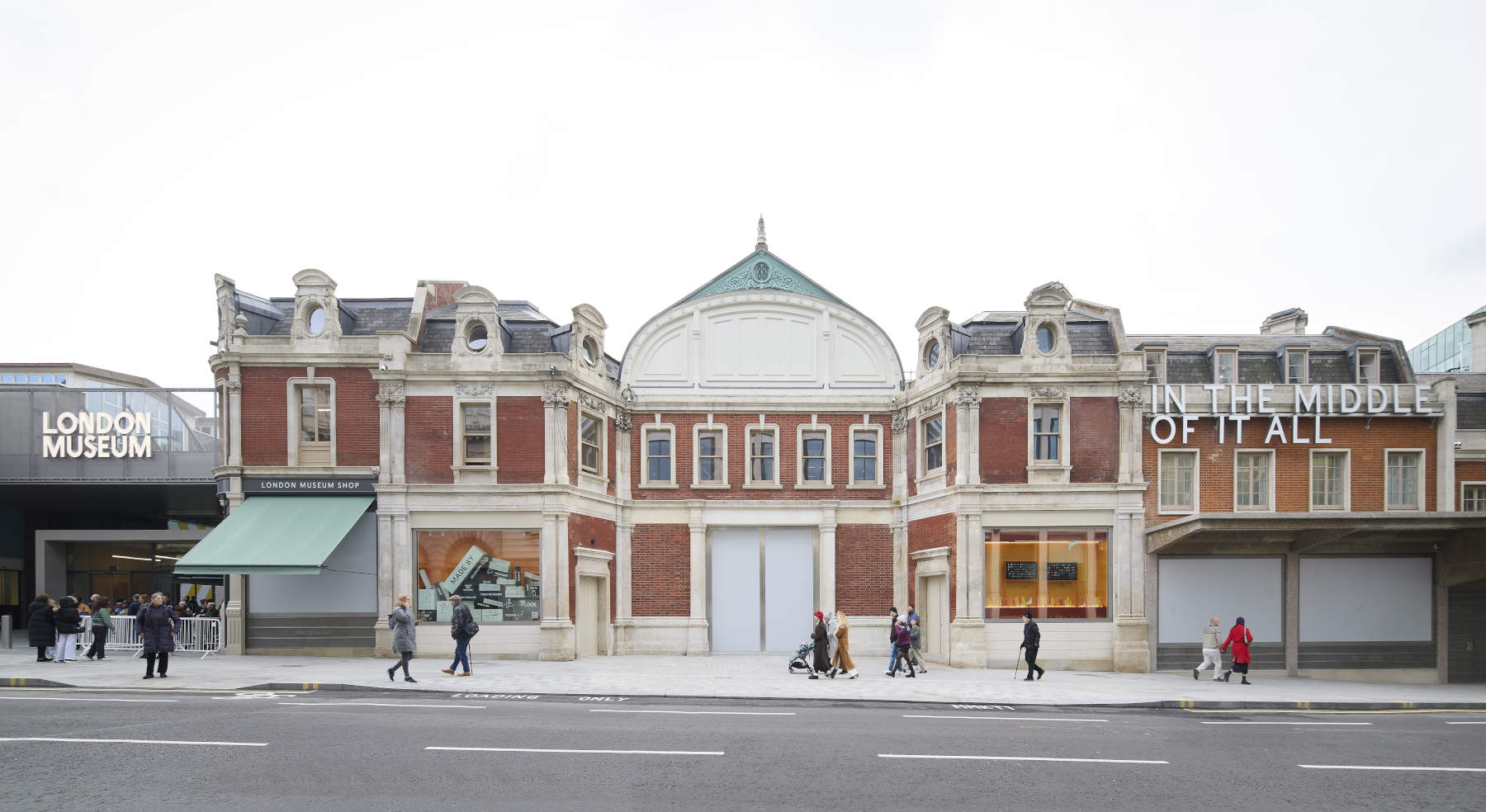
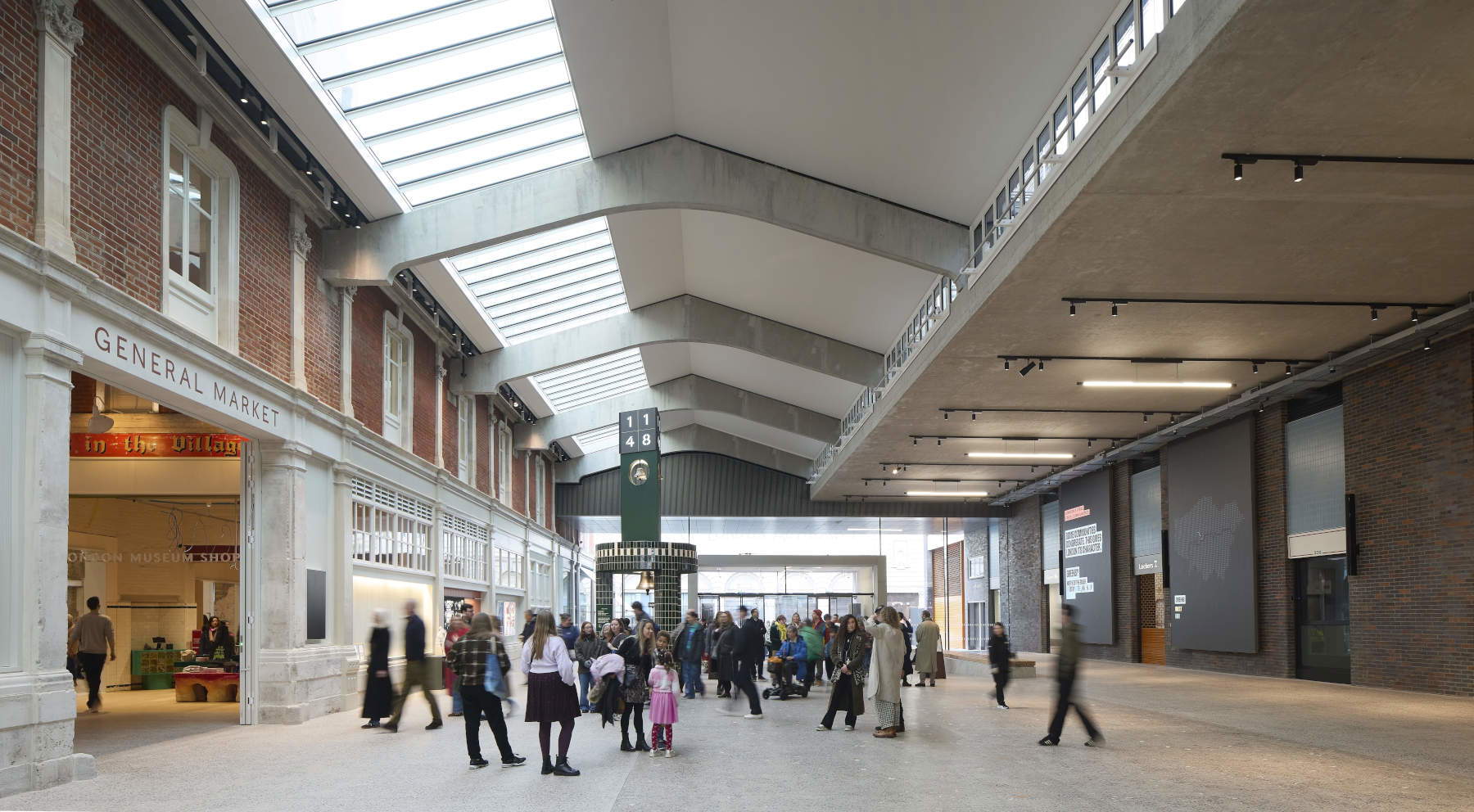
The museum project is also an architectural restoration effort. The General Market, opened in 1883 and designed by Sir Horace Jones—who also designed Tower Bridge and Leadenhall Market—had served as a commercial hub for over a century before closing in the 1990s and subsequently falling into disuse. The restoration involved over seventy trades and, since 2023, has enabled more than forty apprentices to train in fields ranging from building systems to sustainable construction management. Also involved were Britain’s last remaining artisans specializing in traditional copperwork, as well as Welsh stonemasons and blacksmiths, who worked on the restoration of the ironwork.
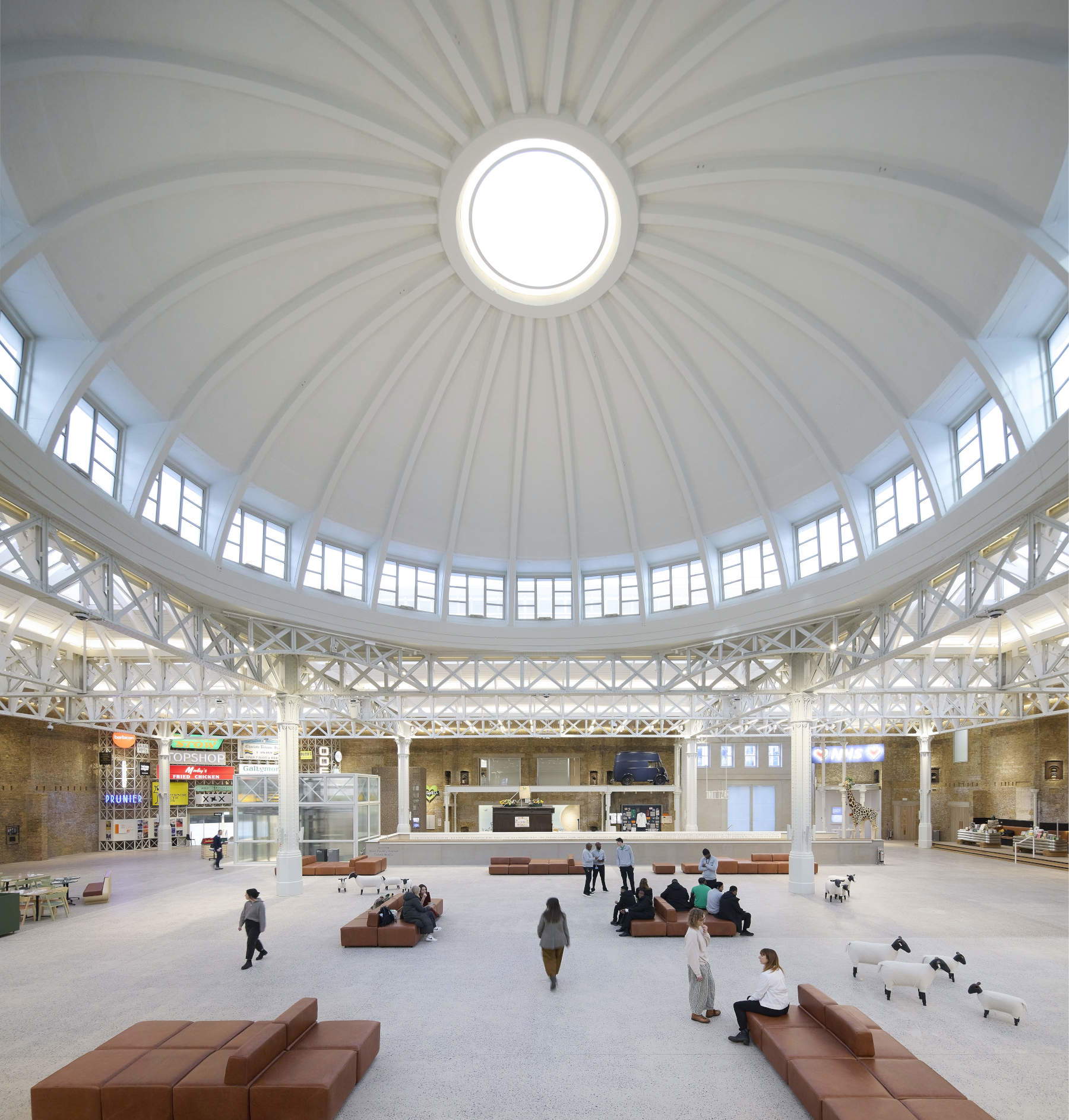
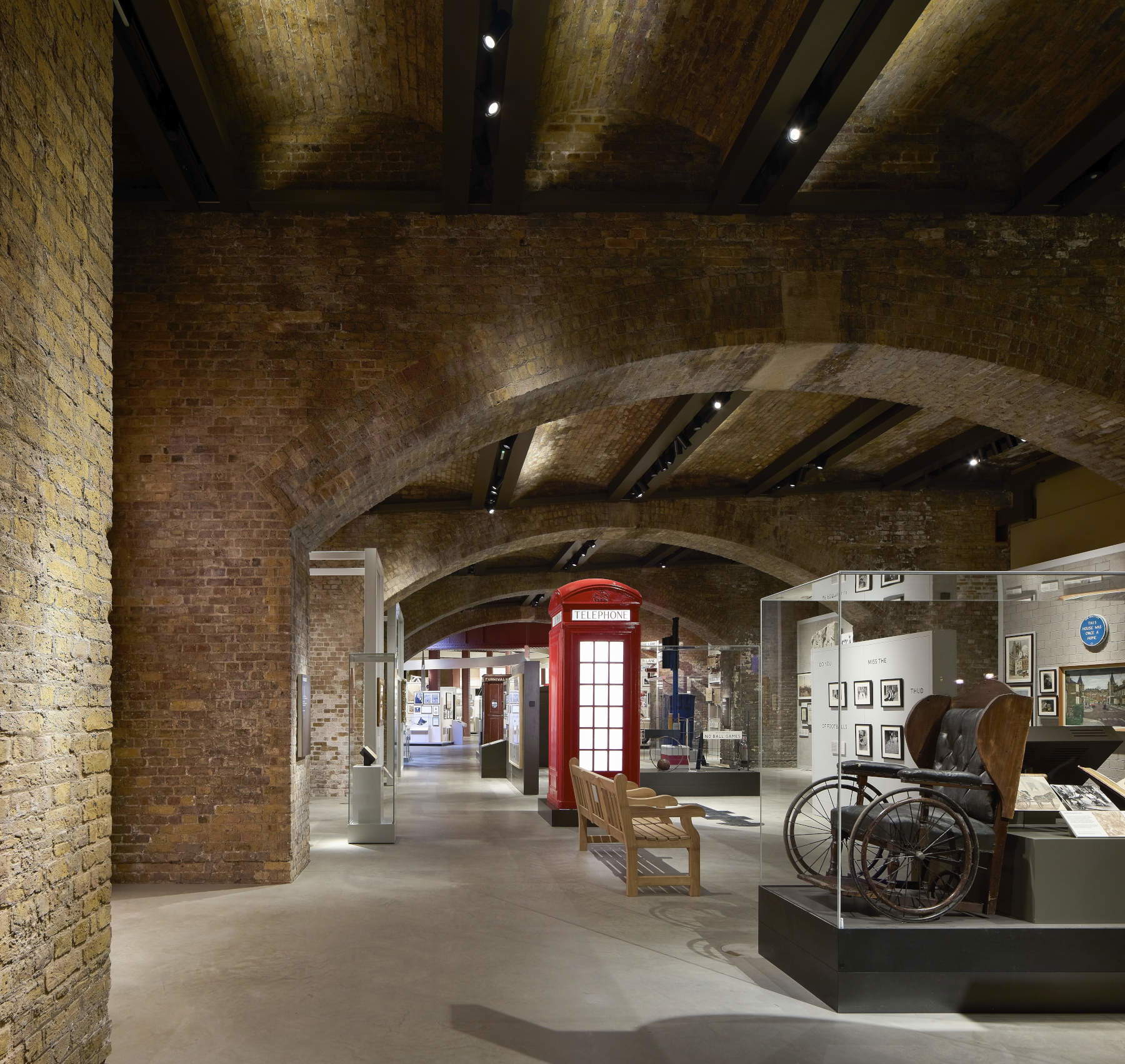
Original elements have been preserved, such as the market signs, the suspended chimneys, the wrought-iron columns shaped like phoenixes, and the historic shops along the perimeter, which are intended to house independent organizations, including a pub and the children’s arts association A New Direction. The building aims to achieve BREEAM Outstanding certification—an accolade reserved for a very limited number of buildings worldwide—thanks in part to support from the Mayor of London’s Green Finance Fund.
Finally, the complex includes four dining spaces, developed in collaboration with Green & Fortune and culinary curator Robin Gill. These are Clerk’s House, a restaurant open all day; Bartholomew’s, a bar featuring signature cocktails by Mr. Lyan Studio; Temperance Cocoa Rooms, an alcohol-free café open 24 hours a day from Thursday through Sunday; and The Roost, which will host temporary culinary residencies starting in early 2027. The seasonal menus will draw inspiration from the museum’s collections and initiatives. The gift shop will also feature products created by London-based artists and designers, including Nicole Chui, Supermundane, Lizzie King, and Babak Ganjei, as well as creations by young artisans supported by the Goldsmiths’ Centre.
The November 28 opening will feature the free permanent galleries at the General Market. In the spring of 2027, the free exhibition *Londinium: the making of a Roman city, dedicated to the first fifty years of Roman London through previously unseen artifacts from the Bloomberg Collection, projections, and sound installations. The Poultry Market, which will house temporary exhibitions, an education center, and collection storage facilities, is set to open in 2028.
Statements
“After a decade spent imagining, planning, building, and bringing this project to life, it’s extraordinary to finally open our doors and welcome the public to our new home in Smithfield,” says Sharon Ament, director of the London Museum. “It has been a massive collective effort, involving over 100,000 people in the creation of a museum that could belong only to London. Here, the city’s history is told in all its contradictions—through its hardships and splendors—thanks to the contributions of some of the best designers, historians, curators, builders, architects, poets, writers, illustrators, photographers, and key figures in the capital’s cultural life. There is so much to see and discover. Whether you’re a Londoner or a first-time visitor to the city, we hope our museum will be a place where you can feel at home, find inspiration, and forge connections.”
“The opening of this extraordinary new museum marks an important new chapter in the city’s cultural history and reinforces London’s role as a global capital of culture,” says London Mayor Sadiq Khan. “I am truly proud to have helped bring this vision to life, together with our partners and thanks to a significant investment from City Hall. This is one of Europe’s largest cultural projects and a momentous occasion for London, bringing together history, culture, and creativity in a space of great impact. This landmark museum was designed in collaboration with Londoners to tell the unique story of our city: it celebrates the past, creates opportunities in the present, and inspires future generations, as we continue to build a better London for everyone.”
“As the museum’s lead funder, the City Corporation is proud to provide London’s history with the home it deserves—accessible free of charge to everyone in the oldest part of the capital,” said Chris Hayward, chair of the City of London Corporation’s Policy Committee. “In partnership with the Mayor of London, we have helped create a world-class cultural destination that will fill Londoners with pride as they walk through its doors. With an expected two million visitors each year, the London Museum offers yet another reason to visit the Square Mile—day and night, on weekdays and weekends—thereby supporting local businesses, cultural institutions, and public spaces in the area. Together with our broader plans for the Smithfield and Barbican areas, this initiative marks the beginning of a transformation that will have a positive impact on London and the United Kingdom for generations to come.”
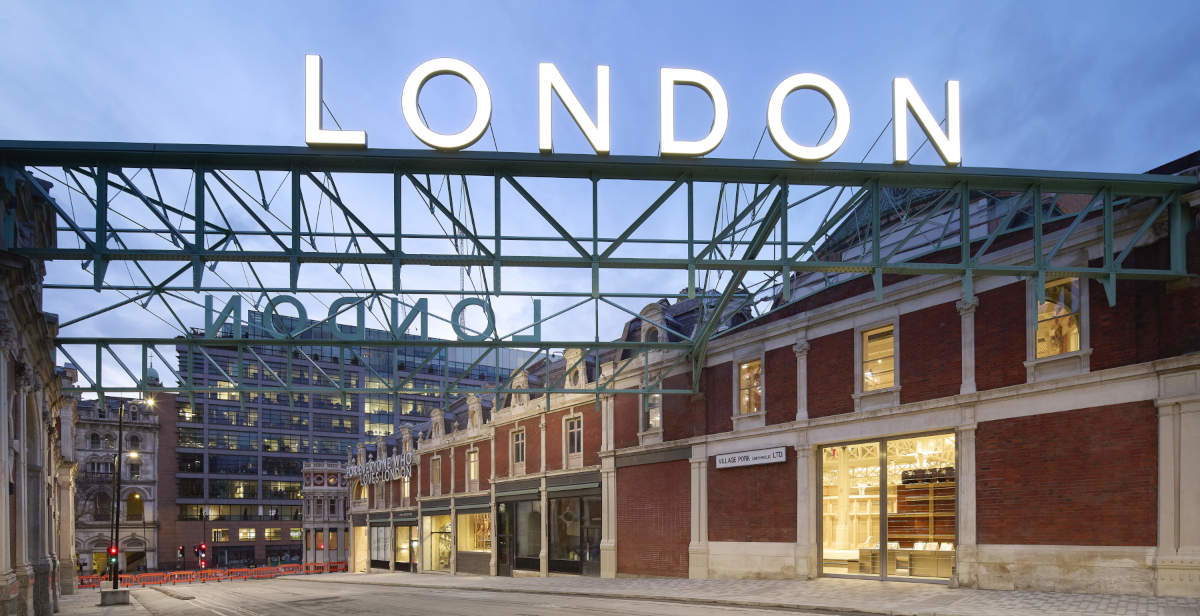 |
| In London, a Victorian market becomes a museum: the London Museum’s new location opens |
Warning: the translation into English of the original Italian article was created using automatic tools. We undertake to review all articles, but we do not guarantee the total absence of inaccuracies in the translation due to the program. You can find the original by clicking on the ITA button. If you find any mistake,please contact us.