



by Redazione 07/11/2026


Categories: Museums / Disclaimer
The Murano Glass Museum will have a new wing spanning over 1,300 square meters, created within a building that formerly housed the Conterie, an old pearl factory, with an investment of over 5 million euros. The project will also chronicle the island’s industrial and social history, featuring a section dedicated to contemporary production and 453 works from the Carlo Moretti collection.

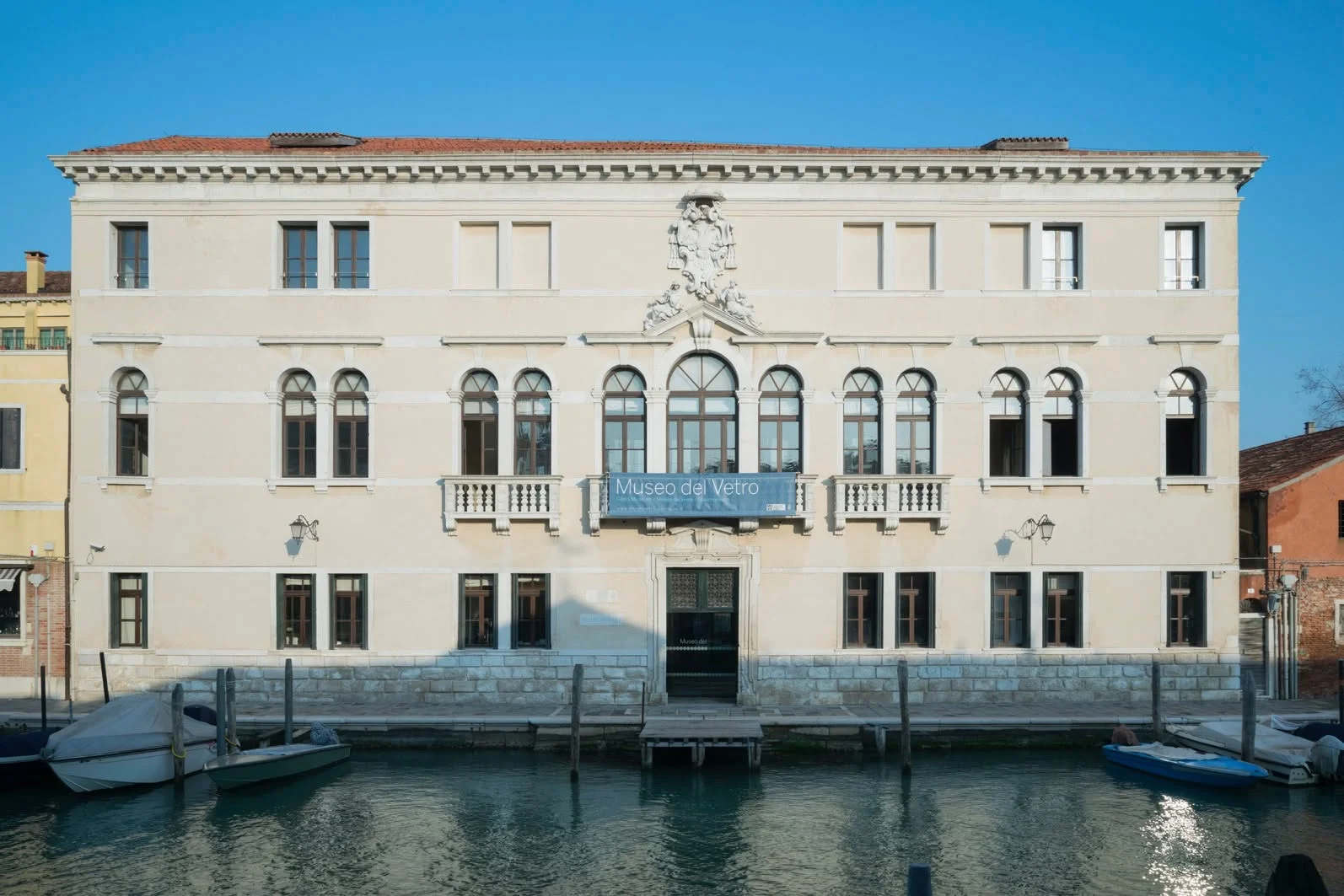
For generations, glass beads—one of the island’s most traditional crafts—have been produced in the former Conterie di Murano building. Now those spaces are about to take on a new purpose and become part of the Glass Museum, which, thanks to the new wing connected to the main building, will effectively double its exhibition space. The new pavilion will offer over 1,300 square meters of exhibition space dedicated to the 20th century and contemporary production: works by the great masters, the history of the furnaces and Murano families, and the most recent artistic experiments. It is scheduled to open to the public this fall.


The construction site was visited this morning by the mayor of Venice, Simone Venturini, along with the organizational secretary of the Fondazione Musei Civici di Venezia, Mattia Agnetti; the scientific director, Chiara Squarcina; and the technicians and workers involved in the project. The project is part of the expansion initiative promoted by the Foundation and restores a cultural function to a portion of the former Conterie industrial complex. The new pavilion, with large windows, will overlook the museum’s garden—which the Foundation considers one of the most beautiful in the city—creating a dialogue between the exhibition halls and the outdoor greenery.


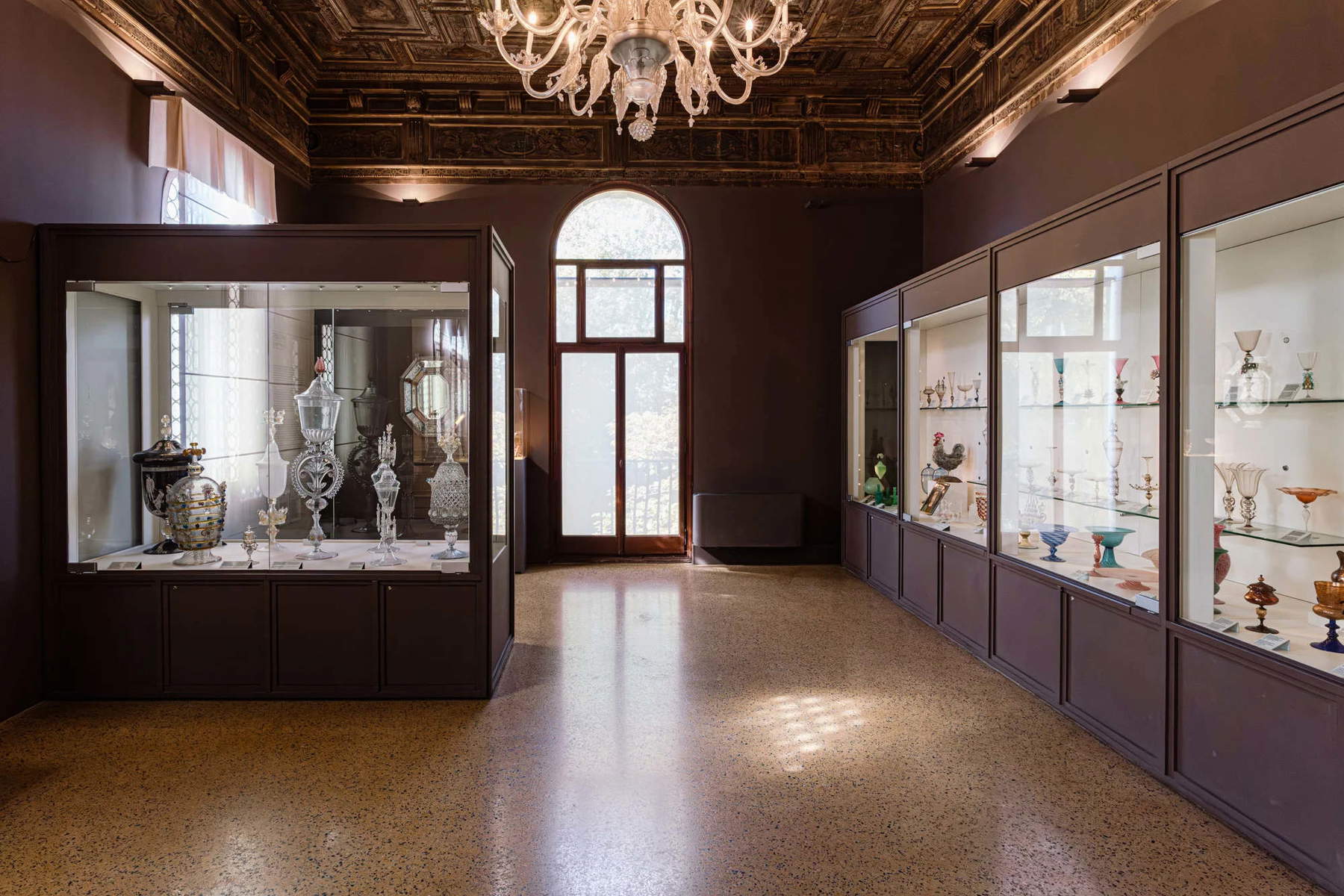
“The history of Murano glass is marked not only by extraordinary works, but also by people, families, furnaces, and knowledge that is passed down and transformed over time,” Venturini stated. The new space, he added, is also intended as a tribute to the master glassmakers who made the island famous and to those who continue to experiment today, so that visitors to the museum understand that Murano is not just a chapter in art history, but a living reality.

The exhibition will be divided into three areas. The first is dedicated to the 20th century, a period of profound transformation for the art of glassmaking, told through the creations of internationally renowned designers, artists, and masters. The overarching theme will be two keywords from the island’s economic and social history: “factory” and “family.” In Murano, in fact, the evolution of the glassworks is intertwined with that of the families who, from generation to generation, have preserved and developed the techniques, skills, and artisanal knowledge of the craft.
The second section focuses on the present, featuring works donated to the museum by artists, designers, and glassworks currently active on the island. Alongside blown glass—the most traditional technique—the exhibition will showcase creations made using other techniques: lampworking, beadmaking, and glass fusing. The goal is to document the variety of current production and the ability of Murano’s studios to combine tradition with new forms of artistic exploration. Two significant donations will also be highlighted here: the collection of New York-based gallerist and collector Barry Friedman and that of the Carlo Moretti company, comprising 453 works that document the evolution of Murano glass design and production from the second half of the 20th century through the early 2000s.
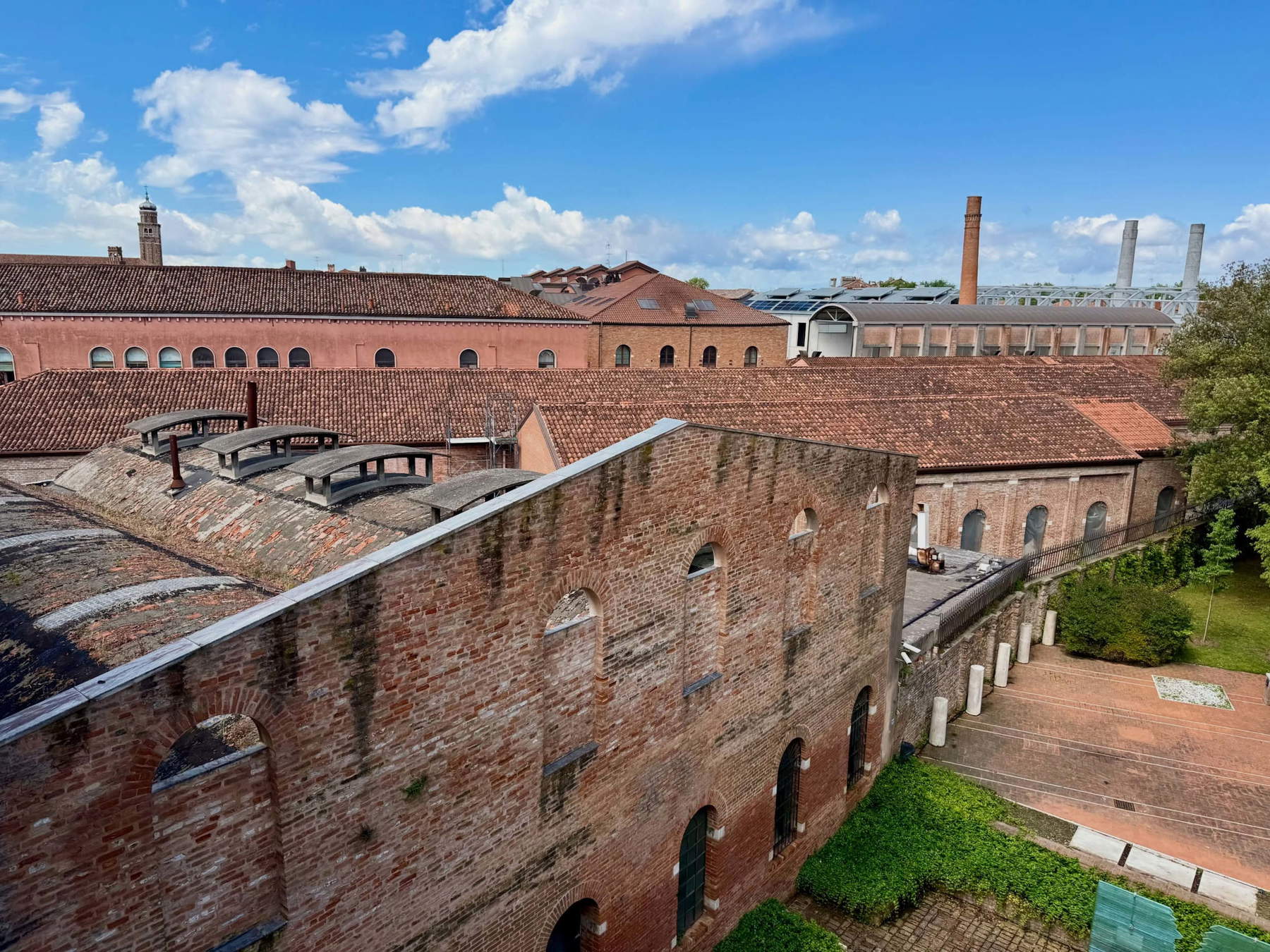
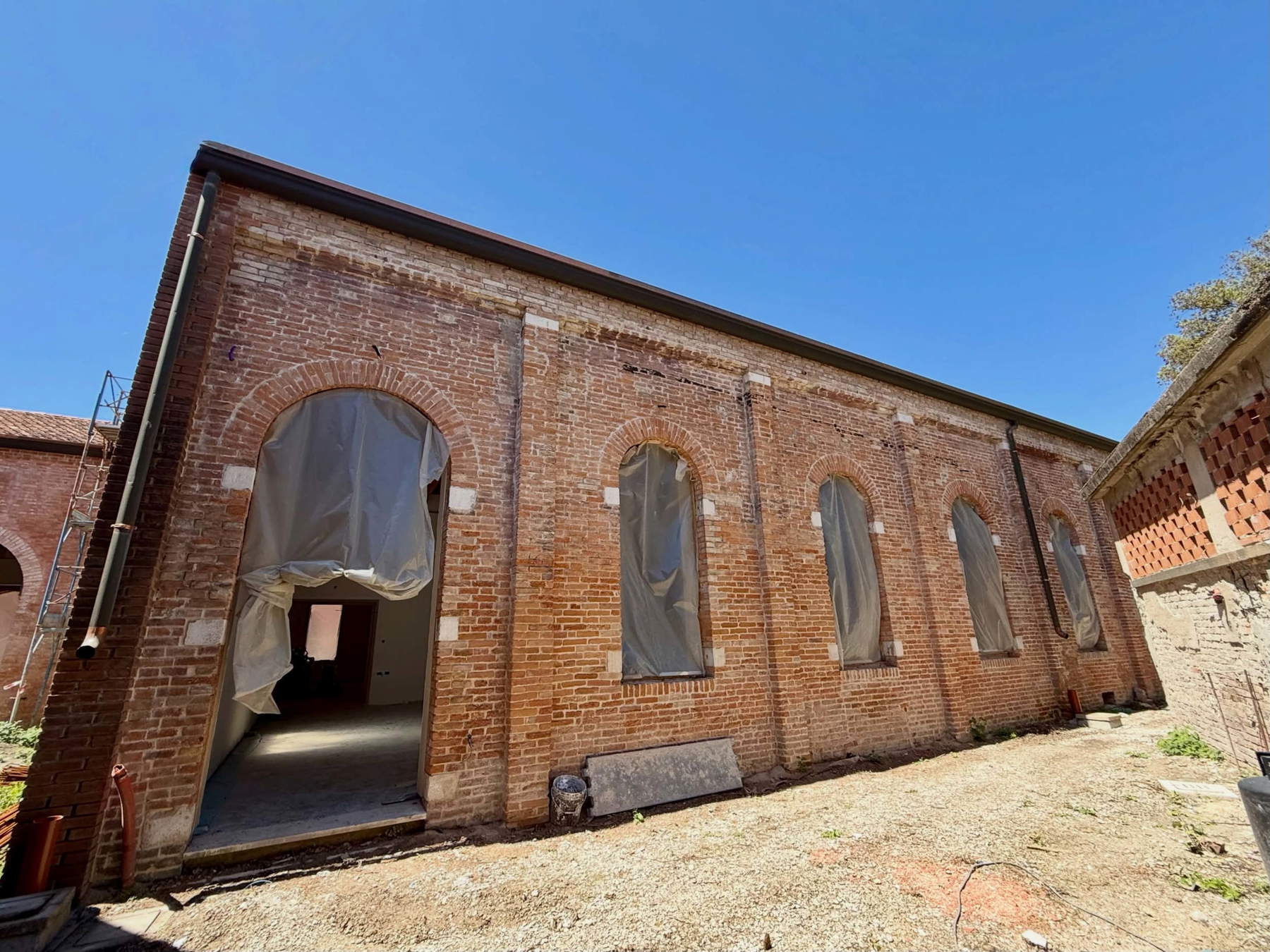
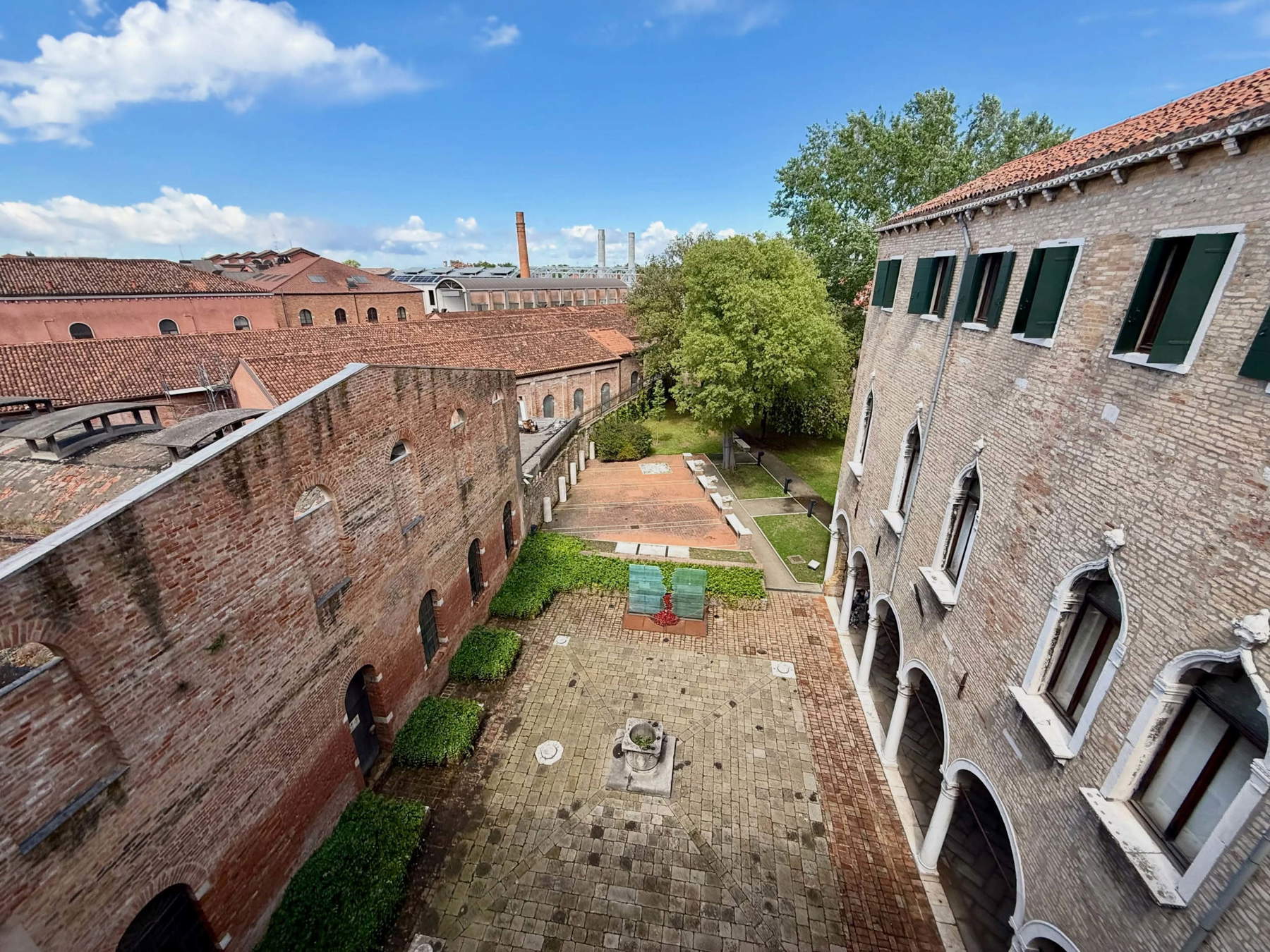
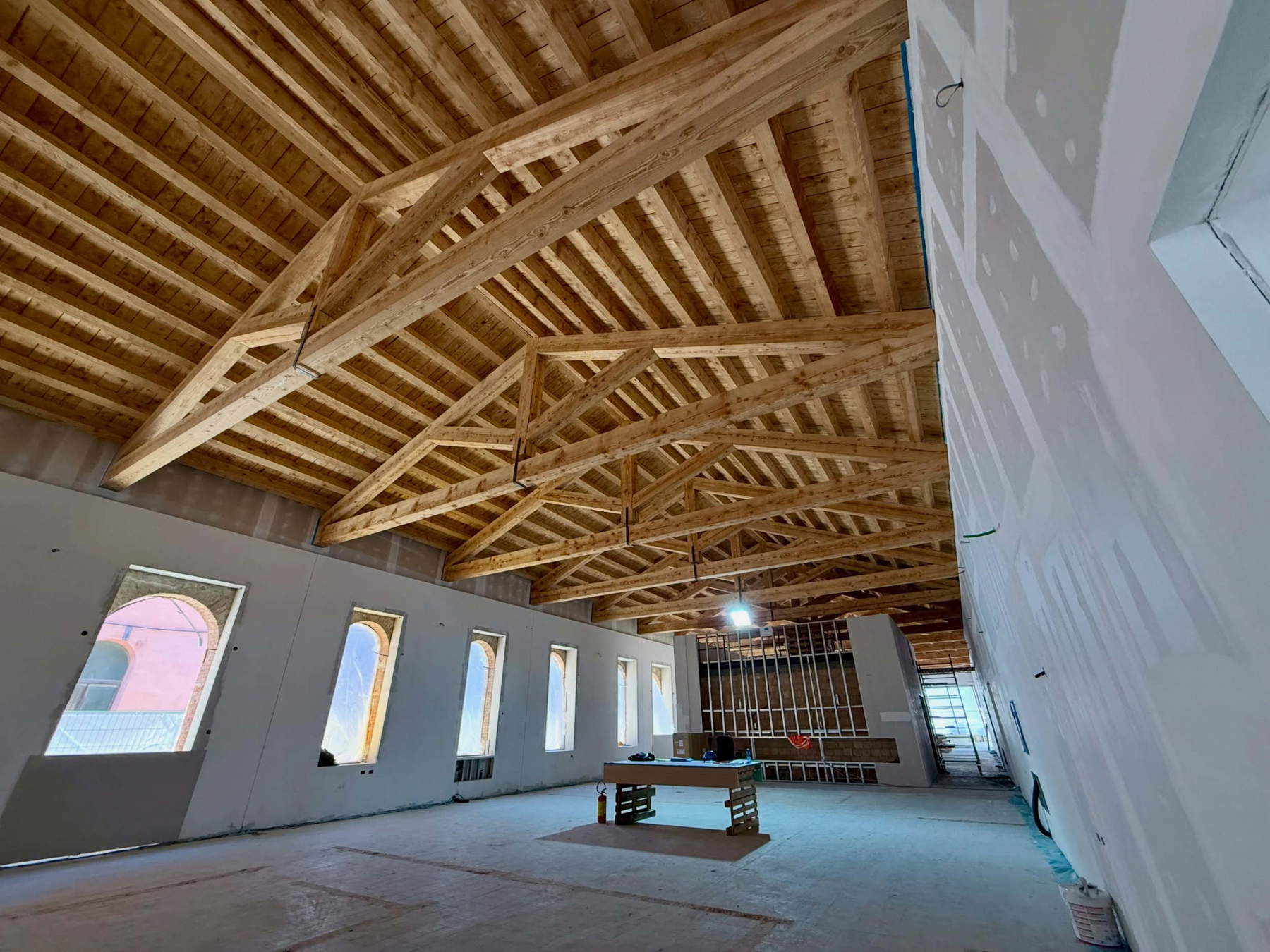
The third section is dedicated to one of the iconic objects of Venetian tradition: the chandelier. An immersive installation will juxtapose classic models with contemporary interpretations, demonstrating how established forms and techniques have been reimagined through original solutions, new artistic languages, and stylistic experimentation.
The expansion is the result of a process that began in 2019, when the City of Venice granted the Fondazione Musei Civici the right to use the former Conterie building. The project was approved by the City Council in 2022 and entered the implementation phase in 2024. The projected investment exceeds 5 million euros and is funded with the Foundation’s own resources. And now, with the new wing, the Glass Museum is preparing to expand its narrative, complementing the preservation of its historical heritage with a greater focus on contemporary production. For Venturini, this journey highlights the connection between the museum and the island, recognizing the furnaces, artisan workshops, and master glassmakers as “not only the protagonists of a past history, but also the interpreters of its future.”
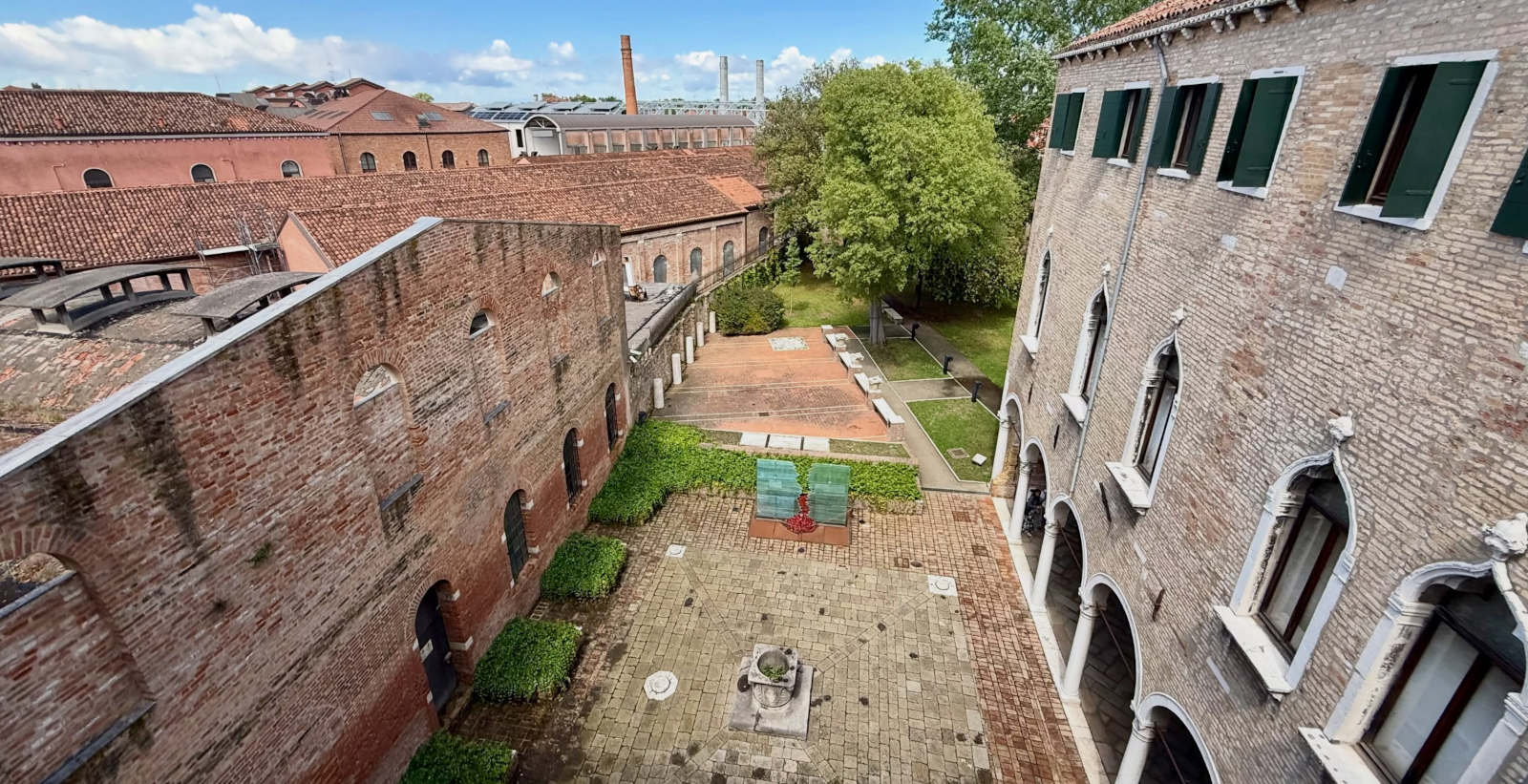 |
| In Murano, the Glass Museum is doubling its space and restoring an old pearl factory. |
Warning: the translation into English of the original Italian article was created using automatic tools. We undertake to review all articles, but we do not guarantee the total absence of inaccuracies in the translation due to the program. You can find the original by clicking on the ITA button. If you find any mistake,please contact us.